
Грануляция – ключевой этап производство планшетов который превращает мелкие порошки в более крупные, однородные гранулы. Без грануляции, много порошков (API и вспомогательные вещества) имеют плохую текучесть и сжимаемость, что приводит к таким проблемам, как сегрегация, неравномерное заполнение матрицы, и слабые таблетки. На практике, большинство составов не могу подвергаться прямому прессованию, поскольку исходные порошки имеют тенденцию быть слишком мелкими и неоднородными.. Грануляция (влажный или сухой) улучшает поток порошка, контроль пыли, смешивать однородность и связывание, что, в свою очередь, дает таблетки одинакового веса, твердость и активное распределение. Хотя прямое сжатие проще (меньше шагов, более низкая стоимость), он требует исключительных свойств сырья. Эта статья объясняет почему грануляция обычно необходима перед таблетированием, описывает преимущества и недостатки влажная и сухая грануляция, и предлагает практические рекомендации по выбору правильного процесса.
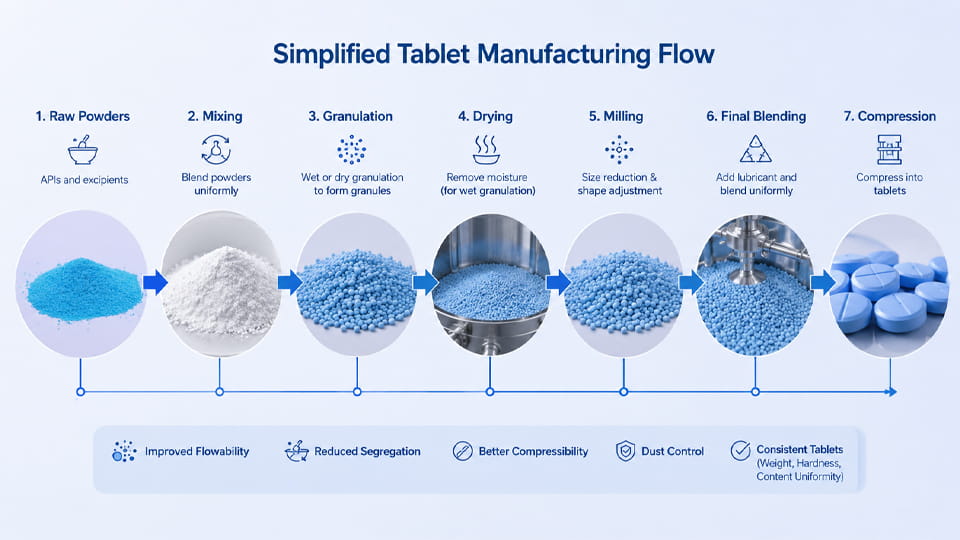
Фигура: Упрощенная блок-схема изготовления планшета. Сырые порошки + вспомогательные вещества смешиваются, гранулированный (влажный или сухой), сушеный (если мокрый), фрезерованный, смешанный со смазкой, затем прессуют в таблетки.
Грануляция – это инженерия частиц процесс, который «превращает мелкие порошки в более крупные, однородные частицы, называемые гранулами». В фармацевтическом производстве, грануляция (влажный или сухой) используется для агломерации порошков в гранулы с лучшим текучесть, сжимаемость, и однородность. Например, а смеситель-гранулятор с высоким усилием сдвига (влажный гранулятор) добавляет связующее раствор для порошка, образуя влажную массу, который затем сушится (обычно в сушилке с псевдоожиженным слоем) и измельчают в гранулы. Альтернативно, при сухой грануляции используется механическое давление (уплотнение валков или засорение) спрессовать и разбить порошок на гранулы.
Как влажная, так и сухая грануляция направлены на получение гранул, которые плотный, сыпучий и однородный. Эти гранулы поступают в таблеточный пресс надежнее, чем рассыпчатый порошок. Гранулы также образуют меньше пыли и имеют тенденцию сжиматься в более прочные таблетки.. Суммируя, Гранулирование является важным шагом для обеспечения соответствия таблеток качественным характеристикам. (равномерный вес, сила, точность дозы) когда сырые порошки сами по себе не идеальны для прямого таблетирования.
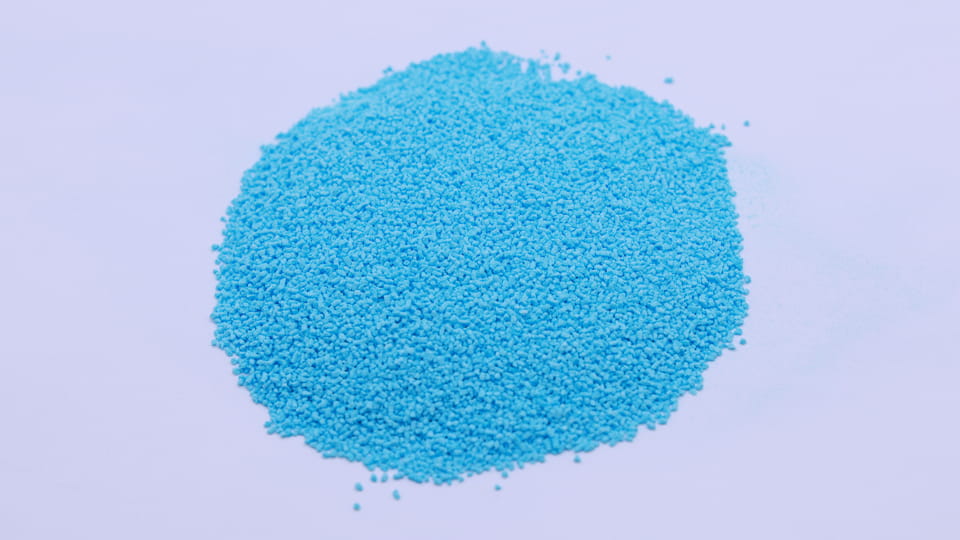
Теоретически да (для некоторых составов): Некоторые API и вспомогательные вещества (например. микрокристаллическая целлюлоза, лактоза, высушенная распылением) иметь отличный присущий текучесть и сжимаемость. Эти редкие составы могут быть прямое сжатие (округ Колумбия) таблетируется без предварительного гранулирования. Прямое сжатие — самый простой путь.: смешивать порошки + смазка, затем подайте непосредственно в таблеточный пресс. Это позволяет избежать дополнительного оборудования и шагов. (без сушки), экономия времени и средств.
Но на практике, большинство порошков не могут: Большинство низкомолекулярных АФИ очень мелкие и связные., с плохими свойствами текучести и сжатия. Если порошки не текут плавно, полость штампа будет недополняться или переполняться, вызывая изменение веса таблетки. Если порошки плохо сжимаются, таблетки будут мягкими, закрытие или нарушение. Малые дозы (несколько мг API) смешанные с большими объемами наполнителя часто страдают от сегрегации (тонкий API отделяется от грубого носителя). Суммируя, за исключением узкоспециализированных вспомогательных веществ прямого прессования., большинство фармацевтических смесей нуждаться грануляция для устранения проблем с текучестью/сжимаемостью.
Прямое сжатие возможно только тогда, когда смесь уже имеет очень хорошую текучесть и уплотнение. Например, могут работать бинарные смеси очень сыпучих вспомогательных веществ с таблеткой с высокими дозами.. Прямое сжатие также выбирают для препаратов, которые сильно нагреваются.- или чувствительный к влаге, поскольку он пропускает этапы смачивания и сушки. Однако, это требует тщательного выбора вспомогательных веществ (НАПРИМЕР., лактоза прямого прессования, МСС, совместно обработанные вспомогательные вещества) и часто индивидуальные рецептуры.
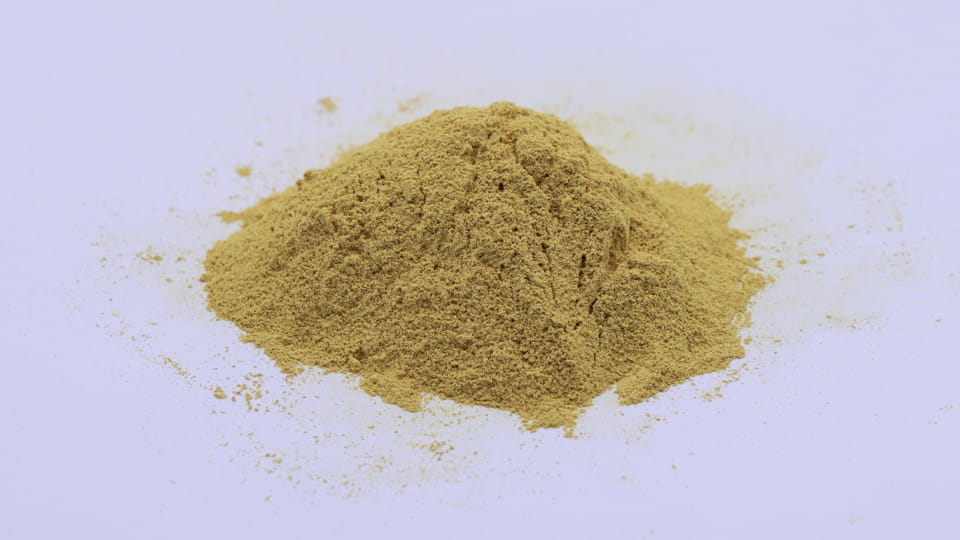
В итоге, грануляция решает основные проблемы текучести/сжатия сырых порошков. Без этого, таблетки будут иметь неприемлемое изменение веса, твердость и доза. Компромисс — дополнительные шаги (смешивание, сушка, фрезерование), но для большинства фармацевтических продуктов, грануляция – надежный способ гарантировать качество продукции.
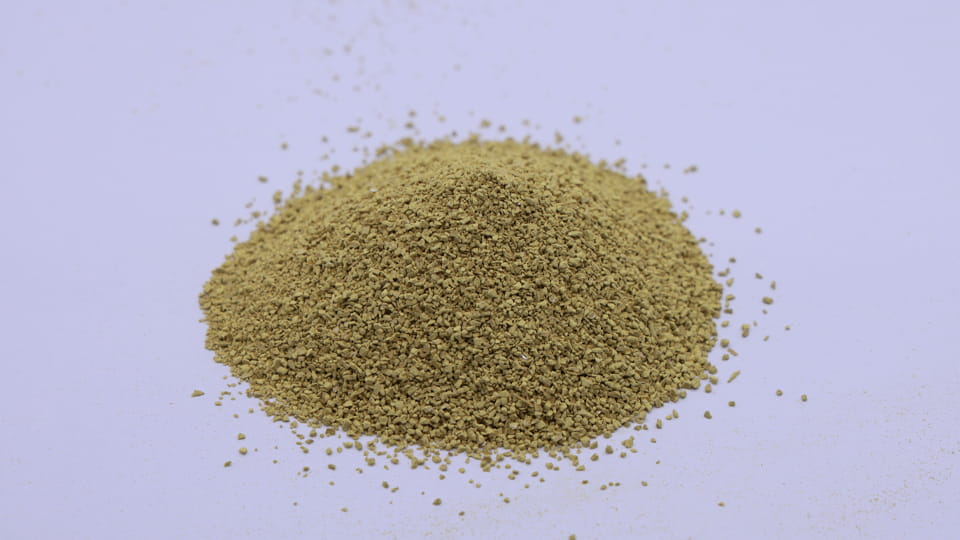
Прямое сжатие (округ Колумбия) это самый простой, самый экономичный процесс изготовления таблеток, и это предпочтительнее, когда это будет работать. DC минимизирует шаги (только смешивание и уплотнение), требует меньше оборудования (блендер + нажимать) и предотвращает высыхание. Это лучший метод, если API и вспомогательные вещества уже достаточно свободны., сильно сжимаемый, и равномерно перемешать. Хорошо растворимые наполнители, такие как лактоза или сахарные спирты, высушенные распылением., в сочетании с высокими дозами API, часто разрешают постоянный ток. Его также выбирают для чувствительных к влаге/теплу лекарств, которые разлагаются во влажном процессе..
Однако, удовлетворение этих материальных требований является сложной задачей. Вспомогательные вещества для DC должны быть «критически» выбраны, чтобы обеспечить превосходную текучесть и сжимаемость.. Если эти условия не выполняются, Таблетки постоянного тока страдают от разницы в весе и низкой прочности.. Таким образом, DC действительно подходит только для около 10–20% составов; большинство из них требуют инженерного этапа грануляции.
Преимущества прямого сжатия: меньше единичных операций, более низкие капитальные затраты/стоимость оборудования, нет этапа сушки (экономит время/энергию), и простейшая проверка. Он также часто используется в комбинированных продуктах с фиксированной дозировкой и высокой долей непосредственно прессуемых наполнителей.. Но для любой смеси с плохой текучестью или риском сегрегации, грануляция обычно неизбежна.
Оба маршрута могут производить планшеты, но они сильно различаются по сложности и производительности. В таблице ниже приведены ключевые различия.:
| Параметр | Прямое сжатие (округ Колумбия) | Грануляция (Мокрый/Сухой) |
| Сложность процесса | Низкий (смешать-смешать, затем нажать) | Выше (смешивание, гранулят, сухой, мельница, затем нажмите) |
| Оборудование | Блендер, таблеточный пресс | Высокоскоростной гранулятор или компактор, сушилка, мельница, таблеточный пресс |
| Требования к текучести | Должно быть отлично | Грануляция заметно улучшает текучесть |
| Сжимаемость | Ограничено свойствами сырого порошка | Усилен связыванием гранул |
| Единообразие контента | Труднее достичь (риск сегрегации) | Лучше (сегрегация сведена к минимуму) |
| Образование пыли | Высокий (прекрасные порошки) | Низкий (гранулы, меньше штрафов) |
| Подходит для большинства API | Нет (несколько исключений) | Да (широкий диапазон, особенно. API с плохим потоком) |
| Качество планшета | Умеренный (зависит от формулировки) | Высокий (постоянный вес, сила) |
Общий, грануляция является более сложной и дорогостоящей., но он обеспечивает превосходные свойства порошка. DC — это экономично и экономично, но только тогда, когда сырье по своей сути соответствует строгим критериям.
Когда необходима грануляция, следующий вопрос мокрый против сухого. У каждого есть плюсы и минусы.


Выбор влажного или сухого: Если ваш API может выдерживать влагу/тепло, а продукт требует первоклассной однородности, предпочтительна влажная грануляция. Если энергия и капитал ограничены или препарат чувствителен, сухая грануляция привлекательна. На практике, влажная грануляция наиболее распространена для традиционных таблеток., тогда как сухая грануляция применяется в конкретных случаях (например. метформин, аспирин).
Ключевое оборудование линии по производству таблеток соответствует выбранному процессу.. Для влажная грануляция, а смеситель-гранулятор с высоким усилием сдвига (влажный гранулятор) используется для смешивания порошка и связующего, за которым следует сушилка с псевдоожиженным слоем сушить гранулы. Для сухая грануляция, а роликовый уплотнитель (сухой грануляторный аппарат) используется для уплотнения порошка в ленты. Гранулы (от мокрого или сухого) затем при необходимости измельчаются и, наконец, подаются в ротационный таблеточный пресс, который сжимает их в таблетки. После сжатия, таблетки могут пойти в таблетка Coater или упаковочная машина.
| Оборудование (Пример Джинлу) | Основная функция |
| Смеситель-гранулятор с высоким сдвиговым усилием | Смешивает порошки и жидкое связующее с образованием влажных гранул.. (Мокрая грануляция) |
| Сушилка с псевдоожиженным слоем | Равномерно сушит влажные гранулы (часто после смешивания с высоким усилием сдвига). |
| Роликовый уплотнитель (Сухой гранулятор) | Уплотняет порошок в ленты или куски для сухой грануляции.. |
| Ротари -таблетка пресс | Прессует порошок или гранулы в таблетки на высокой скорости.. |
Все вышеперечисленное можно приобрести в Jinlu Packing. (видеть Смеситель-гранулятор с высоким сдвиговым усилием, Роликовый уплотнитель (Сухой гранулятор), и Роторный таблеточный пресс в нашем каталоге продукции).
Признаки того, что формула требует грануляции: Если вы заметили такие проблемы, как непостоянный вес, вытирание пыли порошка, крышка планшета, или отдельные смеси во время испытаний, скорее всего необходима грануляция. Например, если смешивание API с наполнителем дает очень рыхлую смесь, легкая смесь, часто он плохо сжимается. Также, API с очень низкими дозами (<<50 мг) обычно требуется гранулирование для обеспечения равномерного распределения. Суммируя, если есть какое-либо крупное имущество (поток, плотность) имеет плохое технико-экономическое обоснование, планирую гранулировать.
Советы по улучшению текучести/сжимаемости: Помимо грануляции, разработчики рецептов могут попробовать: проектирование размеров (помол или более грубые сорта, чтобы избежать чрезмерной фракции), скользящий танец (например. 0.5–2% коллоидного диоксида кремния или талька добавляют непосредственно перед таблетированием для уменьшения трения.), или смазочные материалы (стеарат магния) разумно. Иногда может помочь распылительная сушка или использование сферических агломератов.. Снижение содержания влаги и контроль влажности также предотвращают комкование.. Правильный миксер дизайн (например. вакуумная подача) может смягчить пыль. Окончательно, оптимизация параметров таблетпресса (глубина заполнения, время пребывания) помогает компенсировать предельный поток.
Производство на высокой скорости: На современном ротационном прессе, даже небольшие проблемы с потоком вызывают смещение веса. Обратная связь по весу в режиме реального времени и частая калибровка становятся необходимыми. Высокоскоростные машины часто используют двухступенчатое сжатие. (валок предварительного сжатия) и питатели лопастного типа для улучшения однородности наполнения.. Если ты должен таблетка, плохо сыпучий порошок, рассмотрите возможность перехода на машину с принудительной подачей или двойными загрузочными кулачками.. Всегда проверяйте, что единообразие контента сохраняется на полной скорости.. Хорошо гранулированный корм существенно упрощает высокоскоростные перевозки: гранулы сохраняют равномерную наполняемость даже при 200,000 таблеток в час.
В итоге, «гранулирование перед таблетированием» необходимо, поскольку большинство АФИ и вспомогательных веществ невозможно напрямую спрессовать в качественные таблетки.. Грануляция решает фундаментальную проблему порошка – текучесть, пыль, сегрегация и сжимаемость – с которыми не могут справиться сырые порошки. В то время как прямое сжатие имеет место для очень специализированных рецептур., этап грануляции обеспечивает стабильное качество таблеток. Путем выбора подходящего метода грануляции (мокрый против. сухой) и оптимизация параметров процесса, производители гарантируют, что планшеты соответствуют всем спецификациям (равномерный вес, твердость, растворение) в необходимом масштабе. Грануляция – это не просто дополнительные расходы – это залог надежной, высокоскоростное производство таблеток.
Строите ли вы новую линию по производству планшетов, модернизация существующего оборудования, или оценка лучшего процесса для конкретной рецептуры, Выбор правильной технологии грануляции является важным решением.
В Джинлу Упаковка, мы помогаем фармацевтическим производителям, производители нутрицевтиков, и подрядные производственные организации (директора по маркетингу) выбрать подходящие решения для влажной грануляции, сухая грануляция, сжатие планшета, покрытие, и упаковка. Наша инженерная команда можем предоставить практические рекомендации, исходя из ваших производственных мощностей, характеристики рецептуры, Требования GMP, и цели автоматизации. Отправьте нам свое техническое задание для пользователя. (УРС), производственные цели, или подробности о продукте, и мы поможем вам определить наиболее подходящее решение для гранулирования и производства таблеток для вашего проекта..
Грануляция перед таблетированием используется для улучшения сыпучести порошка., сжимаемость, и единообразие контента. Мелкие порошки часто не поступают равномерно в матрицу таблеточного пресса., что может привести к изменению веса, плохая твердость таблетки, и производственные дефекты. Путем преобразования порошков в однородные гранулы, производители могут добиться более стабильного и эффективного производства планшетов.
Да, некоторые составы можно прессовать напрямую, без гранулирования.. Этот процесс известен как прямое сжатие.. Однако, прямое сжатие работает только тогда, когда активный фармацевтический ингредиент (API) и вспомогательные вещества обладают превосходной сыпучестью и сжимаемостью.. Многие фармацевтические порошки требуют грануляции для достижения стабильного качества таблеток..
К основным преимуществам относятся:
• Улучшенная сыпучесть порошка.
• Лучшая сжимаемость
• Уменьшение разделения ингредиентов.
• Улучшено единообразие контента.
• Снижение пылеобразования
• Повышенная твердость таблетки.
• Более высокая эффективность производства
Эти преимущества помогают производителям производить планшеты стабильного качества и с меньшим количеством производственных проблем..
Плохая текучесть может привести к неравномерному заполнению матрицы во время сжатия.. Как результат, таблетки могут иметь разный вес, противоречивое содержание препарата, и более высокий процент отказов. Плохая подача порошка также может снизить эффективность таблеточного пресса и увеличить время простоя..
Грануляция включает преобразование порошков в гранулы перед прессованием., в то время как прямое сжатие пропускает этап грануляции и сжимает смешанный порошок напрямую.
Грануляция обычно обеспечивает лучшую сыпучесть., сжимаемость, и единообразие контента, тогда как прямое сжатие предлагает более простой и экономически эффективный процесс, когда рецептура подходит.
Мокрая грануляция обычно используется, когда порошки имеют плохие характеристики текучести., плохая сжимаемость, или склонность к сегрегации. Его также часто выбирают, когда производителям необходимо улучшить твердость таблеток и однородность содержимого.. Мокрая грануляция является одним из наиболее широко используемых методов производства фармацевтических таблеток..
Сухая грануляция предпочтительна для составов, чувствительных к теплу или влаге.. Поскольку жидкое связующее не используется., он помогает защитить чувствительные к влаге или термически нестабильным АФИ, одновременно улучшая сыпучесть и сжимаемость порошка..
Да. Грануляция может улучшить сцепление частиц во время сжатия., в результате получаются более прочные таблетки с лучшей механической целостностью.. Правильно гранулированные материалы часто позволяют получить таблетки с более высокой твердостью и меньшей хрупкостью, при этом уменьшая такие дефекты, как образование крышек и расслоение..
Грануляция помогает более равномерно распределить API по рецептуре и уменьшает сегрегацию во время обработки и транспортировки.. Это особенно важно для препаратов с низкими дозами., где даже небольшие изменения в распространении API могут повлиять на качество продукции и соответствие нормативным требованиям.
Обычное фармацевтическое оборудование для грануляции включает в себя:
• Смесители-грануляторы с высоким сдвиговым усилием
• Грануляторы с псевдоожиженным слоем
• Роликовые уплотнители
• Вибрационные грануляторы
• Сушилки с псевдоожиженным слоем
Выбор оборудования зависит от особенностей рецептуры., масштаб производства, и требуется ли влажная грануляция или сухая грануляция.
Ссылки:
1.Q7A Руководство по надлежащей производственной практике для активных фармацевтических ингредиентов -- НАС. Управление по контролю за продуктами и лекарствами
2.Приложение 2 Передовая практика ВОЗ по производству фармацевтической продукции: основные принципы -- ВОЗ
3.Критический обзор гранулирования фармацевтических препаратов и вспомогательных веществ: Принцип, анализ и типичные применения —— НаукаДирект
4.Прямое сжатие и грануляция —— www.pharmtech.com
5.Исследование сжимаемости и прессуемости реальных смесей для таблетирования.: Влияние влажной и сухой грануляции по сравнению со смесью для прямого таблетирования —— НаукаДирект
6.Влияние параметров процесса грануляции и прессования на скорость потока гранул и свойства таблеток, с особым упором на изменение веса —— НаукаДирект
7.Инженерия частиц вспомогательных веществ для прямого прессования: Понимание роли свойств материала —— Национальная медицинская библиотека