
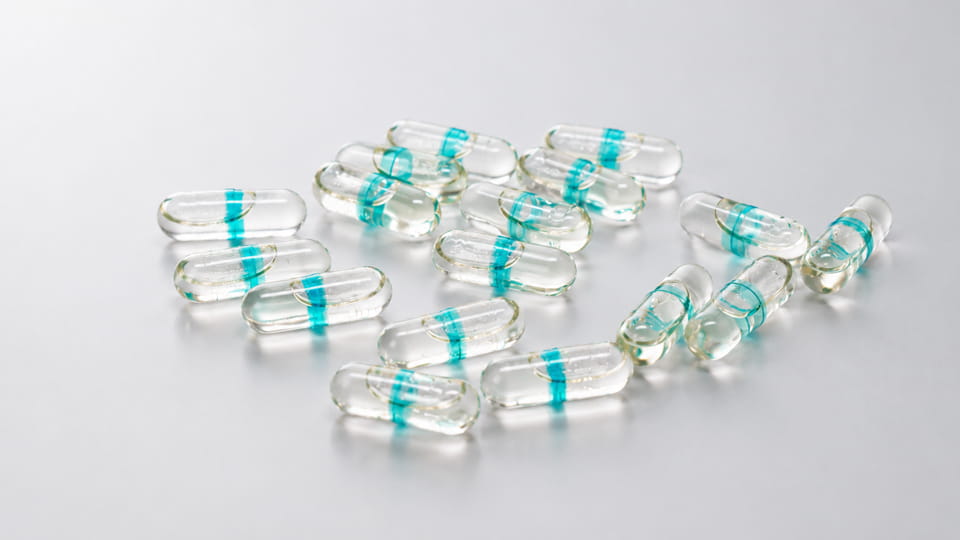
Твердые капсулы, наполненные жидкостью. (ЛФХК) по сути представляют собой стандартные капсулы, состоящие из двух частей. (твердый желатин или оболочки из HPMC) наполненные жидкими составами на масляной или другой неводной основе вместо порошков или гранул. Представьте себе твердую капсулу, которую вы можете открыть и заполнить собственной смесью, но изготовленную в больших масштабах на прецизионных машинах.. В производстве, насос или шприц вводят отмеренную дозу жидкости (часто масло или суспензия) в открытый корпус каждой капсулы. После заполнения, крышка закрыта на корпусе, и стык сразу герметизируется (так что ничего не течет). Чтобы визуализировать это, рассмотрите изображение твердых капсул, наполненных жидкостью, ниже.:
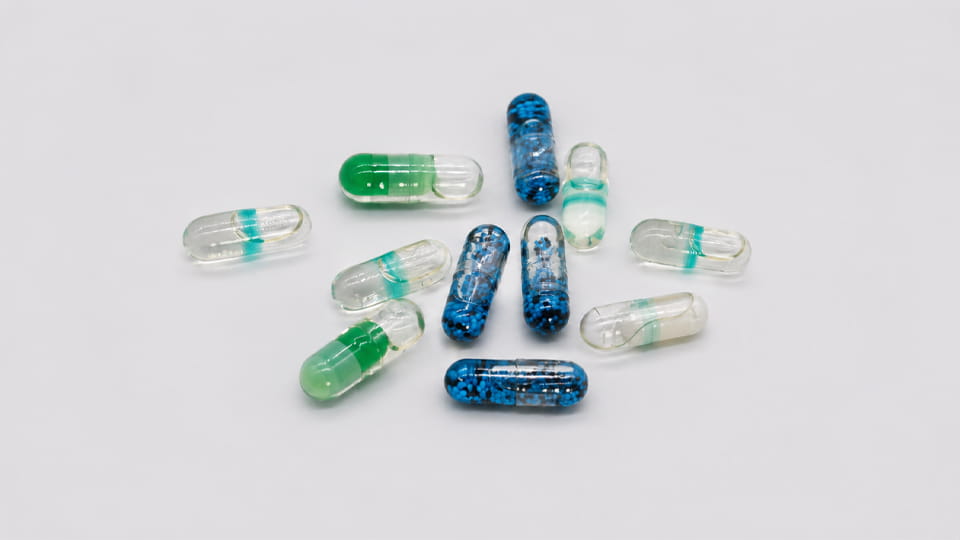
Фигура: Твердые капсулы, состоящие из двух частей, наполненные жидкостью.. Каждая капсула имеет крышку и корпус, соединенные и запечатанные для хранения масляного или жидкого состава..
Капсулы, наполненные жидкостью, требуют специальной герметизации, поскольку жидкость может вытекать.. Распространенные методы герметизации включают наложение тонкой желатиновой ленты вокруг сустава. (называется "ленточное уплотнение») или используя методы слияния. Фактически, современный жидкие наполнители капсул нравиться NJY-1000C Джинлу автоматически заполняет жидкости в стандартные твердые оболочки, а затем запечатывает их в гибридную форму, которая сочетает в себе легкость глотания и быструю абсорбцию лекарства.. Суммируя, LFHC позволяют доставлять жидкую лекарственную форму внутри твердой оболочки капсулы — полезный гибрид порошков и мягких гелей..
Подводя итог, тот Преимущества твердых капсул с жидким наполнением включать: улучшенная растворимость и биодоступность жестких лекарств; гибкое дозирование и простота разработки; Быстрее, более экономичное производство; высокая стабильность продукта; и способность создавать новые комбинированные продукты. Эти преимущества делают LFHC привлекательными как для фармацевтических производителей, так и для производителей нутрицевтиков..
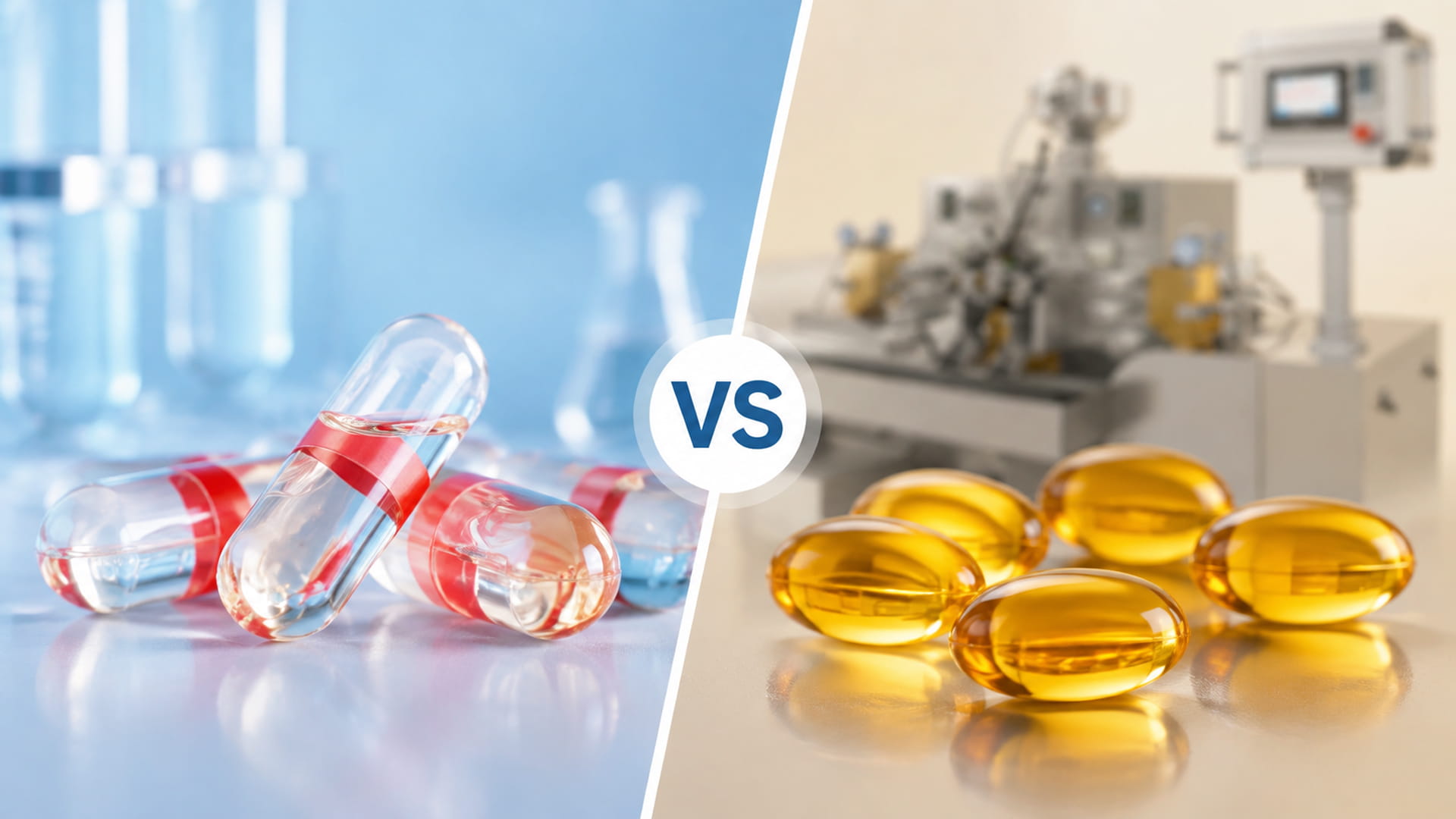
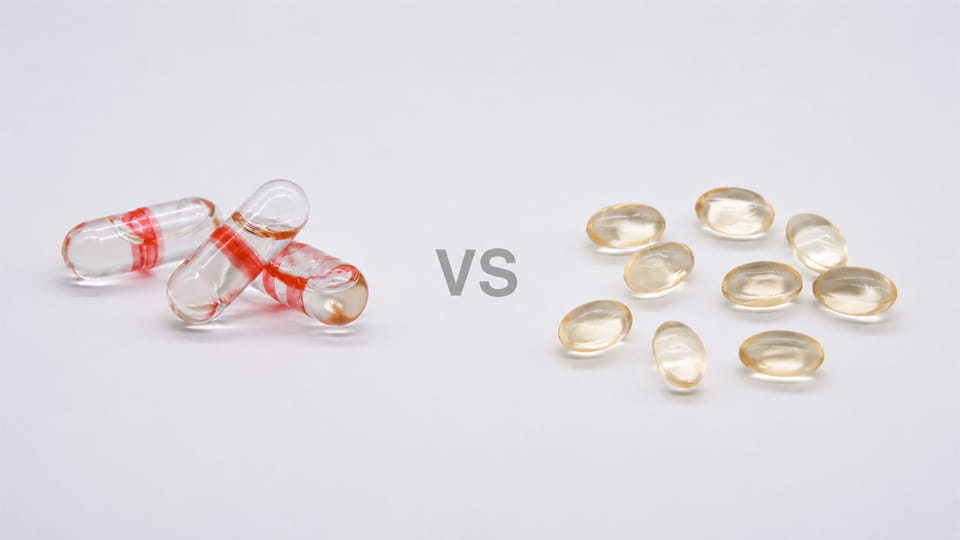
Естественно задаться вопросом, как LFHC сравниваются с мягкие желатиновые капсулы. Оба доставляют жидкие составы., но есть ключевые различия. Мягкие капсулы изготавливаются за один этап формования и отлично подходят для масел., но для них нужен пластифицированный желатин (с влагой) и очень жесткий контроль влажности во время производства. Твердые капсулы изготавливаются отдельно и заполняются на втором этапе., что означает более простое оборудование и отсутствие необходимости разрабатывать корпус самостоятельно. Например, с LFHC вы можете использовать оболочки HPMC для вегетарианских продуктов или чувствительных к влаге наполнителей – что невозможно со стандартными мягкими гелями..
С точки зрения производства, твердые капсулы часто выигрывают по стоимости и скорости. Мягкие капсулы нуждаются в специализированном машина для инкапсуляции и дни подготовки, тогда как жидкий наполнитель капсул завершает цикл за несколько часов. При производстве мягких капсул также тратится больше желатина и требуется дорогостоящее оборудование для приготовления желатина.. С другой стороны, мягкие капсулы по своей природе запечатываются при формировании, поэтому им не нужен отдельный этап запечатывания. LFHC нужен дополнительный шаг (полосатость или слияние), но как обсуждалось, это может быть очень эффективно с современными обвязочными станками.
| Особенность | Заполненные жидкостью твердые капсулы | Мягкие капсулы |
|---|---|---|
| Стоимость разработки | Ниже | Выше |
| Гибкость производства | Высокий | Середина |
| Биодоступность | Отличный | Отличный |
| Капсульные материалы | Желатин/ГПМЦ | В основном желатин |
| Вегетарианские блюда | Доступный | Ограничен |
| Мелкосерийное производство | Полегче | Трудный |
| Инвестиции в оборудование | Ниже | Выше |
В итоге, твердые капсулы, наполненные жидкостью, предлагают аналогичные преимущества для пациентов (легкое глотание, быстрое высвобождение жидкого содержимого) в виде мягких таблеток, но с более простым производством и большей гибкостью рецептуры. По сути, они заполняют пробел между твердыми капсулами и мягкими гелями..

Производство твердых капсул, наполненных жидкостью, включает в себя знакомые этапы наполнения капсул., с некоторыми особыми соображениями относительно жидкого заполнения. Основными этапами являются:
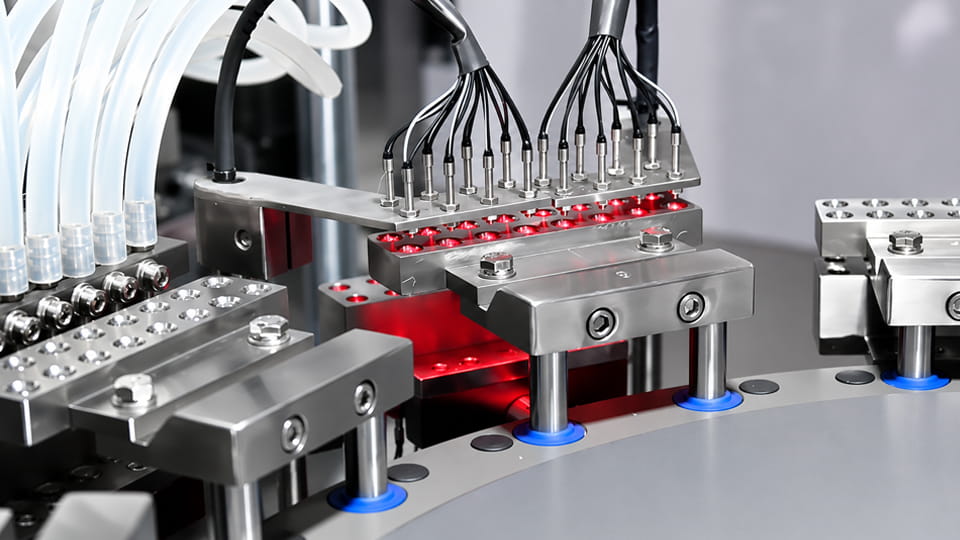
Фигура: Машина для наполнения жидких капсул в работе. Пустые твердые капсулы заполняются жидкостью и затем запечатываются. (полосатый или слитый) в одном непрерывном процессе.
Каждый из вышеперечисленных шагов должен быть проверен на качество.. На практике, производители устанавливают контроль вязкости жидкости, калибровка насоса, бандажный раствор, и условия сушки. Они также могут проводить испытания на утечку образцов. (вакуумные испытания или визуальные проверки) чтобы обеспечить целостность группы. Но при хорошо продуманной линии – пусто, наполнитель, банды, и сушка – производство капсул с жидким наполнением может работать с высокой производительностью, как и любая другая линия по производству капсул..
[jl_youtube src=”https://www.youtube.com/embed/jBjWRfpjJ4o”]
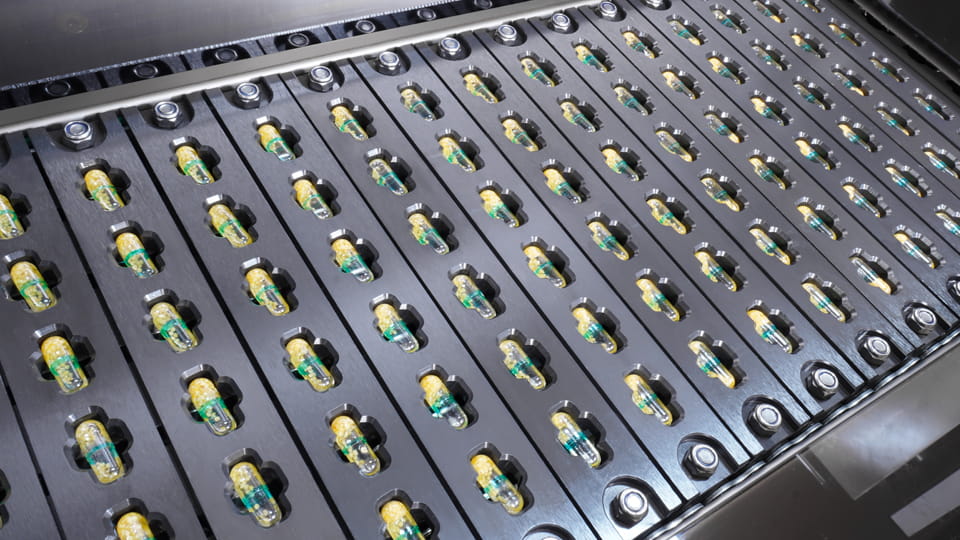
Более пристальный взгляд на ленточное уплотнение стоит, поскольку это занимает центральное место в производстве жидких капсул. В этом процессе, узкую полоску подогретого желатинового раствора накладывают вокруг шва закрытой капсулы. Затем капсульный ремень проходит через зону охлаждения, в результате чего лента затвердевает.. Этот метод быстрый, не требует растворителей, и мгновенно делает капсулу защищенной от несанкционированного вскрытия. Компания Altascience и другие эксперты отдают предпочтение герметизации бандажами, поскольку при этом исключается употребление алкоголя. (поэтому никаких испытаний на остаточный растворитель) и предоставляет безрецептурные доказательства вскрытия и фирменные цветные ленты.. Как говорится в одном обзоре, ленточное уплотнение «создает герметичное, герметичное уплотнение, которое защищает рецептуру и повышает стабильность продукта во время транспортировки».
Другие типы уплотнений включают в себя герметизация плавлением, где шов капсулы размягчен (обычно с водно-спиртовой смесью) и ненадолго слились. Уплотнения Fusion могут выглядеть чище, но требуют строгого экологического контроля.. Герметизация микрораспылением целенаправленный подход – на шов распыляется небольшое количество герметика, с последующим нагревом, который снижает температуру плавления капсулы в месте шва и склеивает ее. Однако, это требует тщательного контроля, чтобы избежать пузырей или деформации.. На практике, большинство нутрицевтических и фармацевтических линий используют бандаж из-за его надежности и простоты..
В плане оснащения, есть посвященные машины для обвязки капсул которые интегрируются с линиями розлива. Эти машины точно наносят гелевые ленты на тысячи капсул в минуту.. Потому что герметизация очень важна для LFHC, ведущие разливочные машины теперь оснащены встроенными обвязочными станками. Например, Запатентованная система уплотнения Jinlu автоматически регулирует скорость ленты, чтобы каждая капсула получалась равномерной., герметичное пальто.
Твердые капсулы с жидким наполнением используются в различных отраслях промышленности.. В фармацевтика, они все чаще используются для новых химических соединений (ННК) плохо растворимые или сильнодействующие. Многие лекарства, находящиеся на поздней стадии разработки, сегодня соответствуют этому описанию., и доставка капсул может упростить разработку лекарственных форм. LFHC также могут модернизировать существующие продукты.: компании иногда переформулируют старую таблетку в жидкую капсулу, чтобы улучшить начало действия, или объединяют несколько активных ингредиентов в одной таблетке.. Например, хроническое лекарство может содержать быстродействующую жидкую вставку и гранулу замедленного действия в одной капсуле..
В нутрицевтики и добавки поле, капсулы с жидким наполнением популярны благодаря маслорастворимым витаминам и растительным экстрактам.. В руководстве по герметизации richpacking отмечается, что такие продукты, как рыбий жир, омега-3, витамин Д, и травяные масла обычно добавляются в LFHC.. Действительно, многие добавки в форме мягких таблеток теперь производятся в виде LFHC с полоской – потребители по-прежнему получают жидкую дозу, которую легко проглотить., но производители выигрывают от более простого оборудования для розлива. Для пищевые добавки, Капсулы с полосками обеспечивают защиту от несанкционированного вскрытия и привлекательные цветные полосы без затрат на полную стоимость Блистерные пакеты.
Менеджеры по производству и инженеры по снабжению оценят, что линии LFHC часто могут работать на том же производственном участке, что и стандартные линии по производству капсул.. Например, а машина для наполнения капсул который уже работает с порошками, иногда может быть адаптирован или оборудован для работы с дозирующими головками жидкости. Это означает, что растения могут добавлять возможности дозирования жидкости без совершенно нового отделения для мягких капсул.. (Одна заметка: стандартные оболочки твердых капсул хорошо переносят неводные жидкости, но для очень водянистых составов обычно требуются специальные капсулы.) Универсальность LFHC распространяется и на упаковку.. После герметизации, капсулы могут быть упакованы в блистеры., разлитый по бутылкам, или связать в кучу, как и любую другую таблетку.
Окончательно, вспомнить сводка преимуществ: LFHC улучшают биодоступность масел и суспензий., включить гибкое дозирование, и предложить скорость и стабильность производства. Они идеально подходят для низкие дозы или мощные API (потому что заполнить небольшой объем проще, чем дозировать крошечный порошок). Они также обеспечивают более высокую пропускную способность капсул.: высокоскоростные машины могут перекачивать десятки тысяч в час капсул размером от 000 (большой) вплоть до #5 (маленький). Для операционного менеджера, выбирающего капсульную линию, Возможности для работы с жидкостями означают, что вы можете использовать как порошковые, так и жидкие продукты в одной системе. (с переналадками), расширение ассортимента продукции без двойных инвестиций.
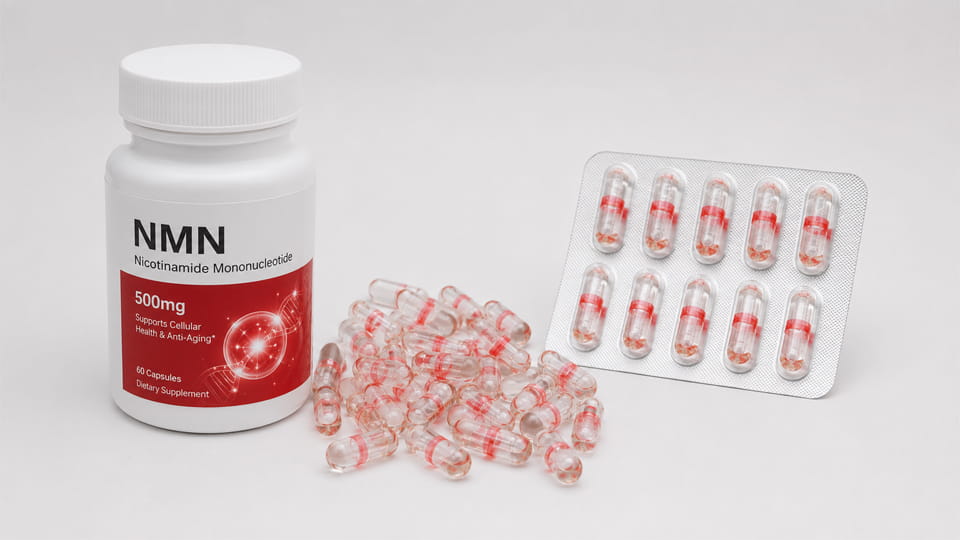
Твердые капсулы, наполненные жидкостью, представляют собой мощную лекарственную форму, сочетающую в себе лучшее от таблеток и жидкостей.. Они решают головную боль при формулировании (особенно для плохо растворимых или сложных комбинаций лекарственных средств) и предоставить производителям масштабируемую, экономически эффективный маршрут производства. Используя машины для наполнения жидких капсул и технологии герметизации, компании могут надежно массово производить капсулы, доставляющие масла, суспензии или эмульсии в аккуратном виде, проглатываемая форма. В растущем мире пероральных лекарственных форм, LFHC отличаются своей гибкостью, апелляция пациента, и коммерческая скорость. Являетесь ли вы операционным менеджером на фармацевтическом заводе или инженером по закупкам упаковочного оборудования, исследование твердые капсулы, наполненные жидкостью может быстрее вывести вашу продукцию на рынок с большей эффективностью и меньшими затратами..
Ищем надежное решение для наполнения жидких капсул? Джинлу Упаковка поставляет современное оборудование для наполнения и упаковки капсул производителям фармацевтической продукции и нутрицевтиков по всему миру..
Твердые капсулы, наполненные жидкостью, представляют собой капсулы, состоящие из двух частей, изготовленные из желатиновой оболочки или оболочки из ГПМЦ, содержащие жидкость., полутвердый, приостановка, или составы на масляной основе. В отличие от традиционных капсул, наполненных порошком, они позволяют производителям поставлять ингредиенты в жидком состоянии, что может улучшить гибкость рецептуры и эффективность ингредиентов..
Основные преимущества включают улучшенную биодоступность плохо растворимых ингредиентов., лучшая маскировка вкуса, защита чувствительных соединений, точное дозирование, и способность создавать масла, подвески, и самоэмульгирующиеся системы внутри твердой оболочки капсулы.
Производственный процесс обычно включает в себя подготовку рецептуры., заполнение жидкостью пустых твердых капсул, капсула блокировка, герметизация или бандажирование, сушка, осмотр, и окончательная упаковка. Специализированные машины для наполнения жидких капсул обеспечивают точное дозирование и предотвращают утечку..
Твердые капсулы, наполненные жидкостью, могут содержать масла., составы на основе липидов, травяные выдержки, подвески, полутвердые вещества, самоэмульгирующиеся системы доставки лекарств (СЭДДС), и другие неводные жидкие составы. Обычно избегают составов на водной основе, поскольку они могут повредить оболочки капсул..
В твердых капсулах, наполненных жидкостью, используется капсульная оболочка, состоящая из двух частей, которая заполняется и запечатывается после инкапсуляции., пока образуются мягкие капсулы, заполненный, и запечатаны в одном процессе. Твердые капсулы, наполненные жидкостью, часто обеспечивают большую гибкость рецептуры., более низкие затраты на оснастку, более простое масштабирование, и возможность использовать вегетарианские оболочки HPMC. Мягкие капсулы, однако, предлагаем полностью герметичное цельное уплотнение.
Да. Капсулы HPMC с жидким наполнением широко используются для чувствительных к влаге ингредиентов., вегетарианские составы, и нутрицевтические продукты. Они содержат меньше влаги, чем желатиновые капсулы, и их часто предпочитают в качестве добавок на растительной основе..
Герметизация капсулы предотвращает утечку при транспортировке и хранении., улучшает стабильность продукта, повышает устойчивость к взлому, и помогает защитить чувствительные к кислороду ингредиенты. Распространенные методы герметизации включают технологии обвязывания капсул и технологии термической герметизации..
Твердые капсулы с жидким наполнением широко используются в фармацевтическом производстве., производство нутрицевтиков, пищевые добавки, растительные продукты, ветеринарная медицина, и специальные медицинские препараты. Они особенно подходят для масел., Витамины, растительные экстракты, и плохо растворимые активные ингредиенты.
Типичная линия по производству твердых капсул с жидким наполнением может включать машину для наполнения жидких капсул., машина для запечатывания или обвязки капсул, машина для полировки капсул, металлоискатель, сортировщик капсул, блистерная упаковочная машина, линия розлива, и системы контроля. Точная конфигурация зависит от производственных мощностей и нормативных требований..
При выборе машины для наполнения жидких капсул, производители должны оценить точность наполнения, скорость производства, совместимость размеров капсул, интеграция уплотнений, удобство очистки, Соответствие GMP, уровень автоматизации, и будущие требования к расширению. Идеальное решение зависит от характеристик рецептуры и объема производства..
Ссылки:
1.Капсулы с твердой оболочкой, наполненные жидкостью: Современная доставка лекарств влияет на фармацевтические технологии —— Национальная медицинская библиотека
2.Твердые желатиновые капсулы, наполненные жидкостью —— jddtonline.info
3.Обзор твердых желатиновых капсул, наполненных жидкостью. —— merkkmillipore.com
4.Оценка автоматической системы наполнения жидкостями твердых желатиновых капсул. —— Национальная медицинская библиотека
5.Твердые желатиновые капсулы, наполненные жидкостью. : исследования совместимости вспомогательного вещества/капсулы —— НаукаДирект
6.Заполненные жидкостью и запечатанные твердые желатиновые капсулы —— jddtonline.info
7.Выбор вспомогательных веществ для твердых капсул, наполненных жидкостью —— pharmtech.com