Аптечная блистерная упаковка. (например. таблетки и капсулы) обычно используются прозрачные пленки ПВХ или ПВХ/ПВДХ, запечатанные фольгой.. Выбор правильного блистерная пленка это важное решение для любого фармацевтического производителя. ПВХ и ПВДХ могут выглядеть одинаково, но их барьерные свойства против влаги и кислорода, срок годности, затраты и потребности в обработке очень разные. Если вы работаете в фармацевтическом производстве или закупках, вы, наверное, спросили: ПВХ или ПВДХ — лучший выбор для наших? блистерные упаковки с лекарствами? В этом удобном руководстве сравниваются ПВХ и ПВДХ для фармацевтической упаковки.. Мы расскажем, что представляет собой каждый материал., чем отличаются их барьерные и стоимостные свойства, и практические советы по выбору подходящей блистерной пленки. К концу, вы узнаете, используется ли обычный ПВХ или ПВХ с покрытием из ПВДХ. (иногда называемый ПВХ/ПВДХ) соответствует потребностям вашего продукта или если гибридное решение имеет наибольший смысл.
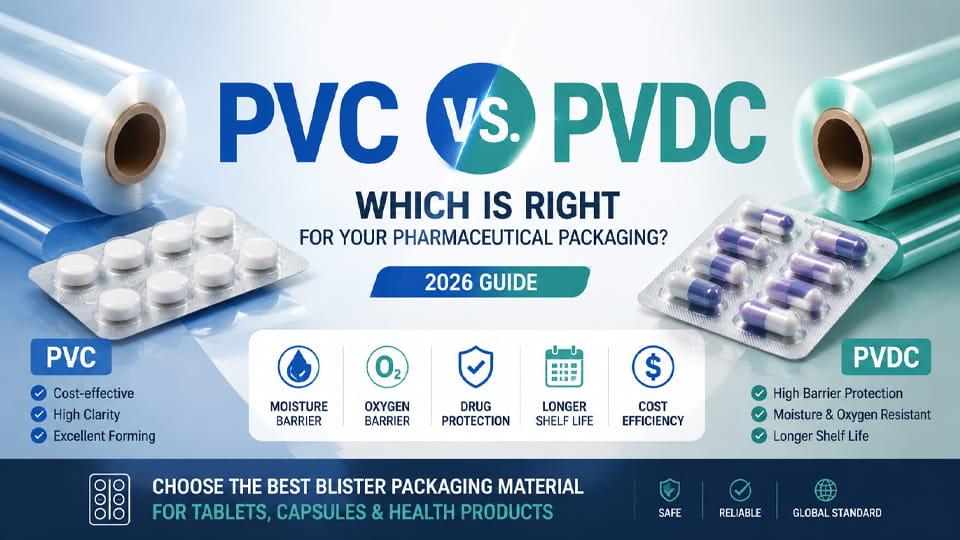
ПВХ (поливинилхлорид) это ясно, гибкий пластик, тот Самый распространенный блистерный материал для таблеток и капсул. В аптечных блистерах, «ПВХ» всегда означает непластифицированный, жесткий ПВХ. Типичная пленка ПВХ имеет толщину 200–300 мкм. (часто 250 мкм). Он служит формуемый базовый слой волдыря. Основным преимуществом ПВХ является его низкая стоимость и простота термоформования. Ясно (отличная прозрачность), прочный, и быстро формуется на линии термоформования. Производители любят ПВХ за обычные продукты, такие как таблетки, отпускаемые без рецепта., витамины и стабильные дженерики.
Блистерная пленка ПВХ обеспечивает хорошая структура и наглядность. Таблетки можно увидеть и посчитать через упаковку., и легко вытолкнуть их. ПВХ также химически стабилен по отношению ко многим вспомогательные вещества и одобрен в фармакопеях (Ph. Евро. и USP) для контакта с лекарствами. Суммируя: ПВХ – надежный, «рабочая лошадка» блистерная пленка для чувствительный к затратам, влагостойкие изделия.
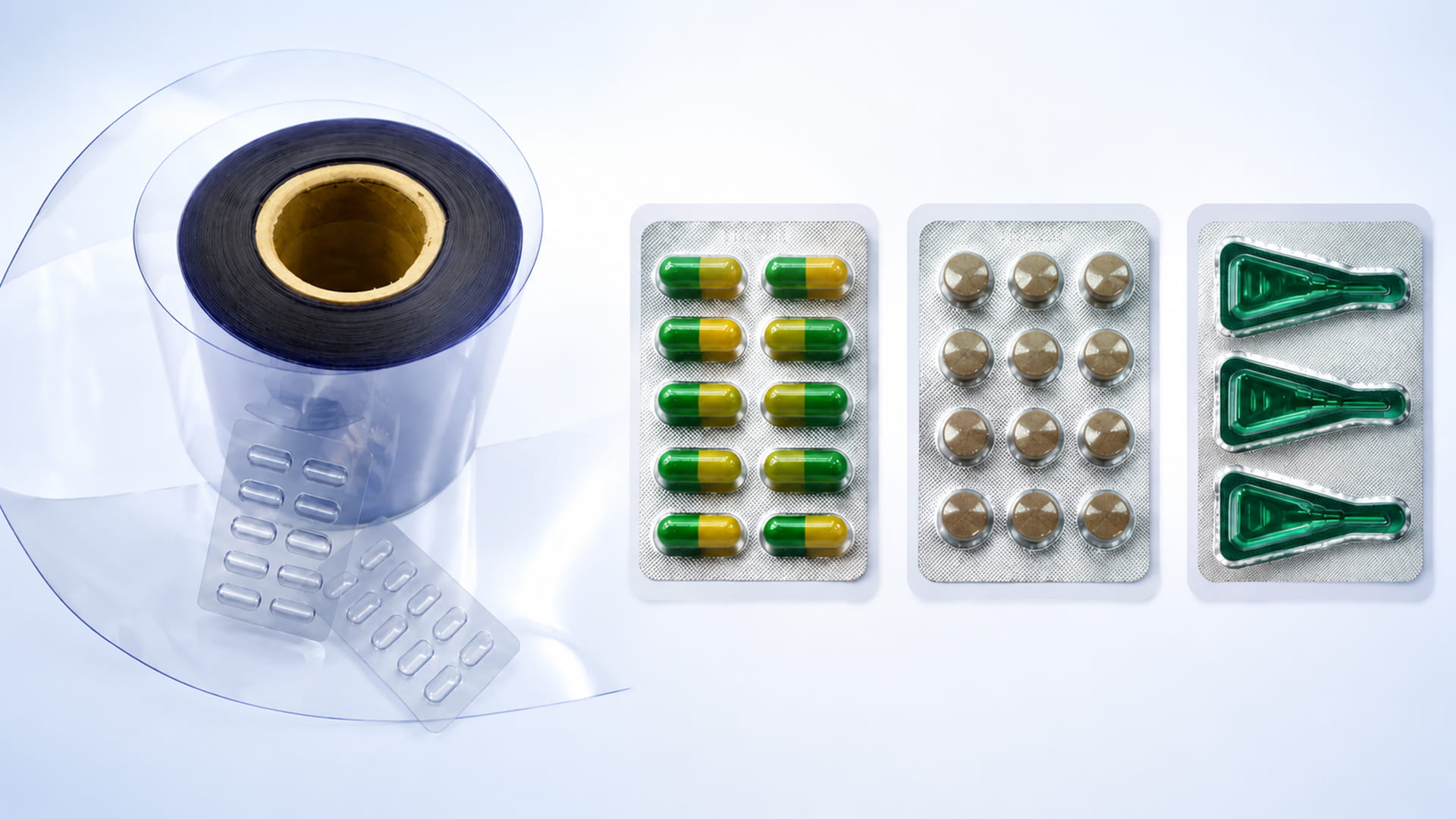
PVDC (поливинилиденхлорид) это высокобарьерный полимер часто применяется в качестве покрытия на пленке ПВХ.. Чистая пленка ПВДХ (без покрытия) трудно термоформовать самостоятельно, поэтому в блистерной упаковке он выглядит как очень тонкий слой пленки. (в дуплексных или триплексных конструкциях). Слой ПВДХ содержит гораздо больше хлора в его химической структуре (CH₂CCl₂), придавая ему исключительную устойчивость к влаге и кислороду.
На практике, ПВХ с покрытием ПВДХ является стандартом для высокобарьерных блистерных упаковок. Например, типичная дуплексная пленка представляет собой ПВХ толщиной 250 мкм с покрытием из ПВДХ плотностью 40–120 г/м2.. Более толстый ПВДХ (выше GSM) дает более низкий показатель WVTR (всего 0,25 г/м²/день) и околонулевой OTR. Формование очень похоже на ПВХ – вы запускаете композитную пленку в термоформовочной машине – но вы должны контролировать температуру печи, чтобы слой ПВДХ не отверждался слишком быстро..
Покрытие ПВДХ обычно наносится эмульсией. (на водной основе) покрытие, в несколько проходов. Существуют «стандартные» и «супербарьерные» марки ПВДХ.. Супербарьерные оценки дают более чем в два раза выше устойчивость к влаге/O₂ на грамм покрытия. Общие конечные структуры включают:
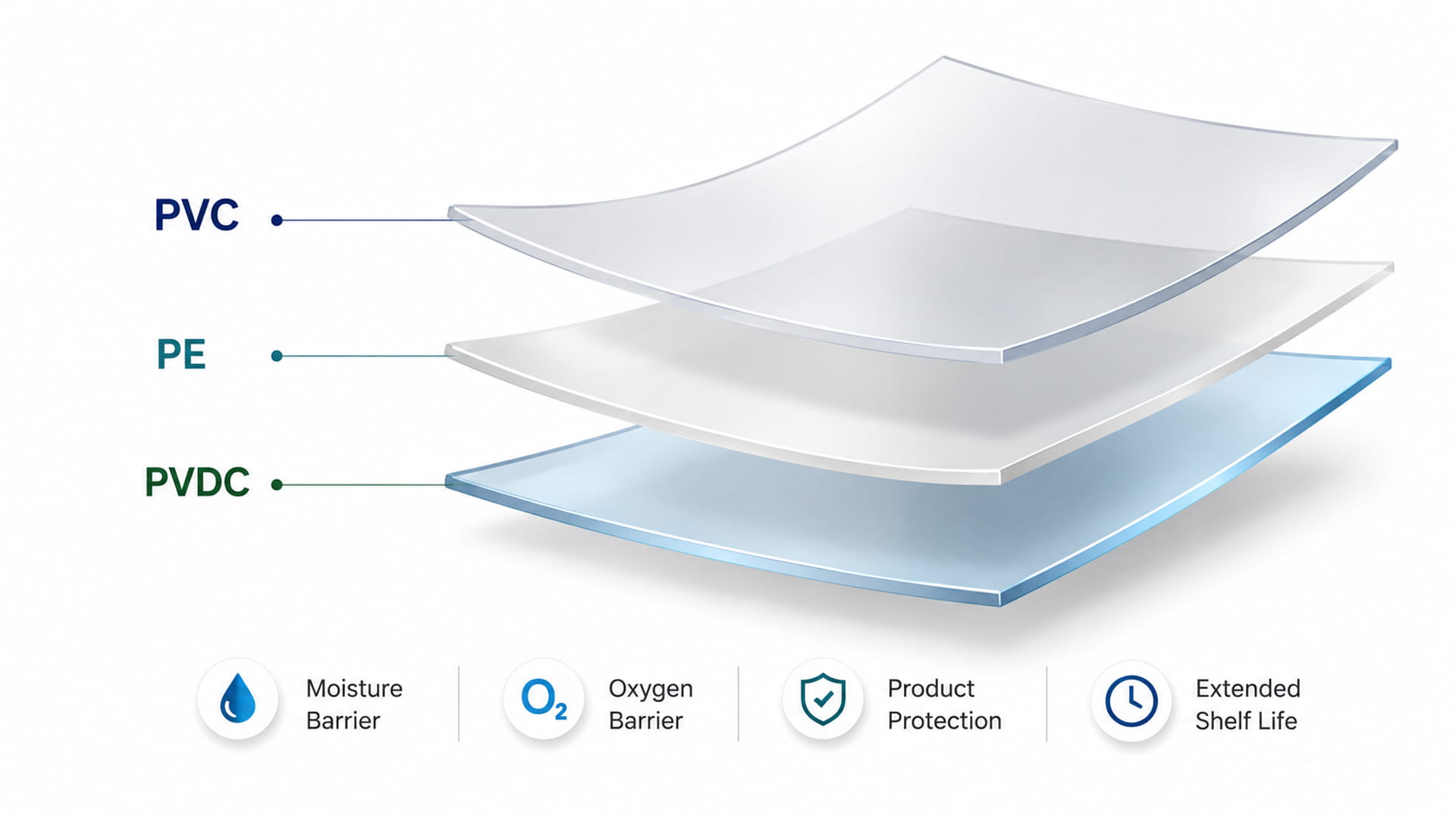
Проще говоря: ПВХ формирует форму блистера, в то время как ПВДХ плотно герметизирует его. Блистерная упаковка из простого ПВХ. (с подложкой из фольги) экономично и понятно, но предлагает только базовую защиту. Упаковка из ПВХ/ПВДХ стоит дороже, но значительно замедляет проникновение влаги и кислорода., дольше защищают чувствительные лекарства.
| Особенность | ПВХ (без покрытия) | ПВХ/ПВДХ (с покрытием) |
| Влагозащитный барьер | ★★☆☆☆ (умеренный) | ★★★★★ (высокий) |
| Кислородный барьер | ★★☆☆☆ (низкий) | ★★★★★ (высокий) |
| Расходы | Низкий | Средний–высокий |
| Ясность (Прозрачность) | Отличный | Отличный |
| Срок годности (в упаковке) | Умеренный (короче) | Длинный (расширенный) |
| Легкость термоформования | Легкий | Легкий (с настроенными настройками) |
| Чувствительные препараты (влага/O₂) | Нет (не идеален) | Да (рекомендуется) |
| Экспортные/Тропические рынки | Ограниченная пригодность | Хорошая пригодность |
| Общие продукты | безрецептурные витамины, таблетки | Чувствительные к влаге препараты, экспорт |
Стол: Сравнение блистерных пленок ПВХ и ПВХ/ПВДХ. (★ = рейтинг барьера, больше звезд = лучшая защита.)
Это быстрое сравнение показывает, почему ПВДХ выбирают для сложных задач.. ПВХ без покрытия подходит для общего использования., но ПВХ/ПВДХ дает гораздо лучшая защита.
Защита медицины – это все барьерная производительность. Влага и кислород могут ухудшить API., влиять на потенцию, вызвать слипание, или вызвать химические изменения. Только ПВХ обеспечивает только умеренная защита: при 38°C/90% относительной влажности, Стандартная ПВХ-пленка толщиной 250 мкм пропускает около 3.0 г/м²/день воды. Это означает, что большое количество влаги может просочиться через блистер из ПВХ при его воздействии.. В отличие, пленка ПВХ/ПВДХ с хорошим покрытием (например. 250 мкм ПВХ + 80 GSM ПВДХ) может только позволить 0.30 г/м²/день (10× меньше влаги). Та же история и с кислородом.: OTR ПВХ составляет ~20 мл/м²/день., в то время как содержание ПВХ/ПВДХ может упасть до ~0,1–1 мл/м²/день..
Почему это имеет значение? Снижение WVTR/OTR означает более длительный срок хранения и стабильность. Чувствительный к влаге ингредиент (как шипучие гранулы или пробиотик) внутри ПВХ может испортиться всего за 6–12 месяцев., но остаются стабильными в течение 2–3 лет в ПВХ/ПВДХ. Производители лекарств отслеживают ВВТР (скорость прохождения водяного пара) и ОТР (скорость передачи кислорода) при разработке упаковки. Более низкие значения означают, что пленка является более жестким барьером..
Суммируя: Пленки с покрытием из ПВДХ намного лучше защищают лекарства. Если ваш продукт чувствителен к влажности или требует длительного срока годности, ПВХ/ПВДХ или другая высокобарьерная пленка обычно стоит дополнительных затрат.. Сам по себе ПВХ является компромиссом. Это нормально, пока условия наихудшего климата или требования к хранению не говорят иначе..
Используйте обычную блистерную пленку ПВХ для:
ПВХ — «рабочая лошадка» для повседневных вещей. Думать Таблетки витамина С в городской аптеке, или аспирин в зимнем климате. Эти продукты хорошо переносят некоторую влажность и не портятся быстро, если упаковка немного протечет.. Согласно лучшей фармацевтической практике, стандартная пленка ПВХ толщиной 250 мкм (РПВК) используется, когда экономичность и простота являются приоритетами.
Пример: Компания, упаковывающая витаминные таблетки, может выбрать ПВХ толщиной 250 мкм с крышкой из алюминиевой фольги.. Таблетки имеют срок годности 12 месяцев и поступают на местные рынки.. Низкая стоимость и прозрачность ПВХ делают его идеальным.
Используйте пленки ПВХ/ПВДХ для:
Если ваши таблетки не переносят влагу или кислород, Обычно требуется ПВХ/ПВДХ. Например, а педиатрический антибиотик направляющийся в тропический климат, может быть отправлен из Сингапура в Бразилию.. Использование ПВХ толщиной 250 мкм и ПВДХ плотностью 80–100 г/м2. («дуплексный» фильм) может достичь 12+ срок годности месяц даже в условиях 30°C/75% относительной влажности, согласно тематическим исследованиям.
Пример: Шипучие таблетки витамина С (которые вызывают шипение в воде) чрезвычайно чувствительны к влаге. Производитель будет использовать блистеры из ПВХ толщиной 250 мкм/ПВДХ 80 г/м2, чтобы гарантировать сохранение прочности таблеток при распространении в Азии.. Более высокая стоимость пленки оправдана предотвращением выхода продукта из строя..
За пределами ПВХ и ПВДХ, другие блистерные материалы включают Аклар® (ПХТФЭ) и Все время (алюминий холодной штамповки). Вот как они сравниваются:
| Материал | Прочность барьера | Уровень затрат | Типичное использование |
| ПВХ | Середина | $ | Стандартные таблетки, капсулы (одомашненный) |
| ПВХ/ПВДХ | Высокий | $$ | Чувствительные к влаге препараты, экспорт |
| ПВХ + Аклар® | Очень высокий | $$$$ | Специальность биотехнология, фармацевтика высокого класса |
| Все время | Максимум (нулевой свет/влажность) | $$$$$ | Гормоны, онкология, экстремальный климат |
Для большинства фармацевтических целей, ПВХ, Достаточно ПВХ/ПВДХ, а иногда и ПВХ/Аклара®.. Alu-Alu — ниша для сверхчувствительных API. (См. нашу таблицу выше для быстрого сравнения.) На практике, ПВХ/ПВДХ — наиболее распространенный высокобарьерный вариант., баланс производительности и стоимости.
При оценке материалов, бюджет и устойчивость часто имеют значение наряду с производительностью:
Большинство фармацевтических блистеров, которые вы видите ежедневно, на самом деле ПВХ/ПВДХ а не чистый ПВХ. Причина: ПВДХ обеспечивает дополнительный барьер, не жертвуя при этом видимостью и формуемостью ПВХ.. Вот некоторые распространенные форматы:
На практике, тот Блистер из ПВХ/ПВДХ/алюминия является рабочей лошадкой для многих таблеток и капсул, которым требуется более длительный срок хранения.. Если вас спросят: «Что лучше?», Блистер из ПВХ или ПВДХ?», помните, что часто бывает не то и не другое – выигрывает именно комбинация.
Вот некоторые основные вопросы и ответы для выбора между пленками ПВХ и ПВДХ в фармацевтике.:
Упаковываете ли вы таблетки или капсулы, выбор материалов пересекается. Распространенный сценарий:
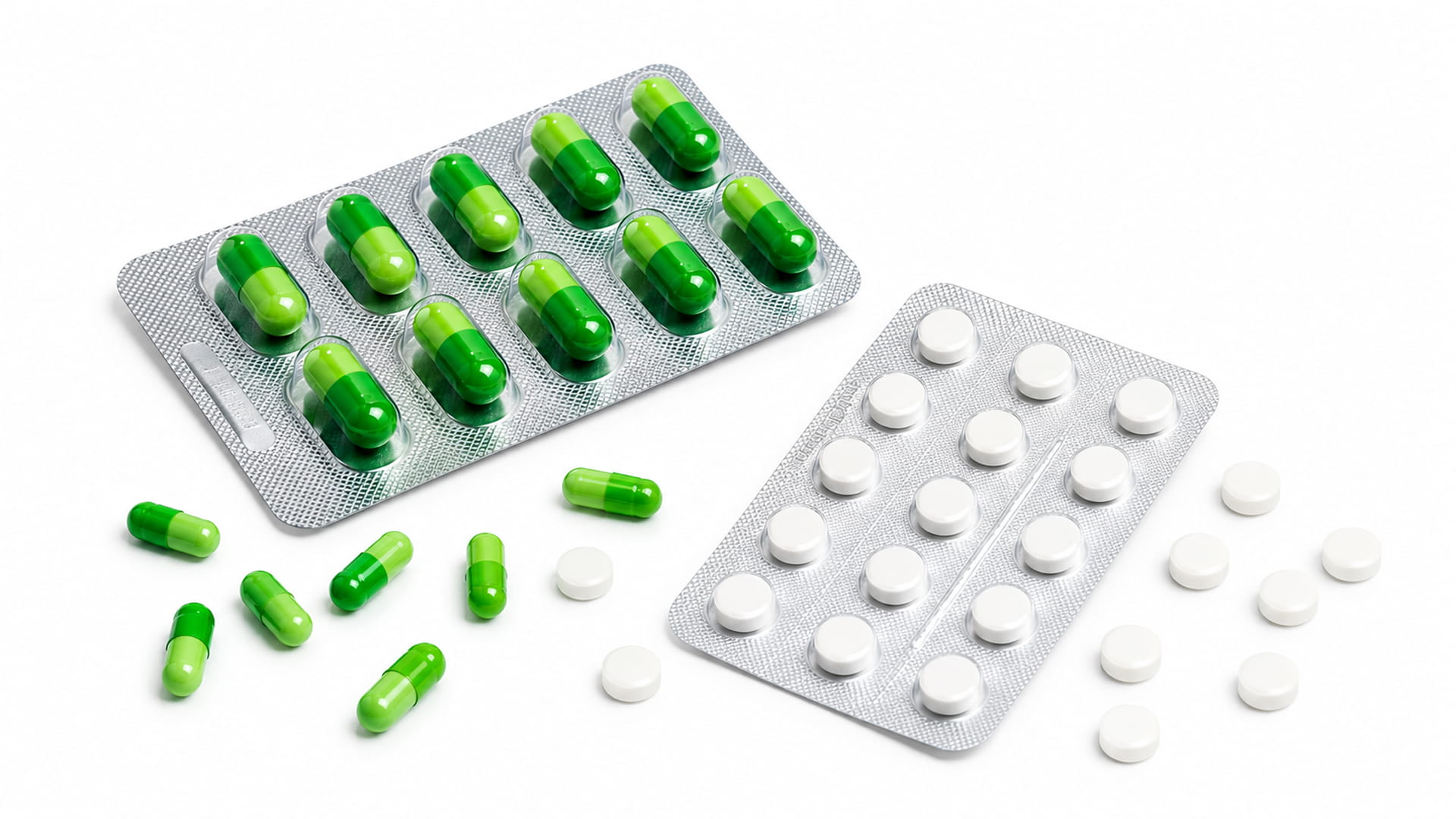
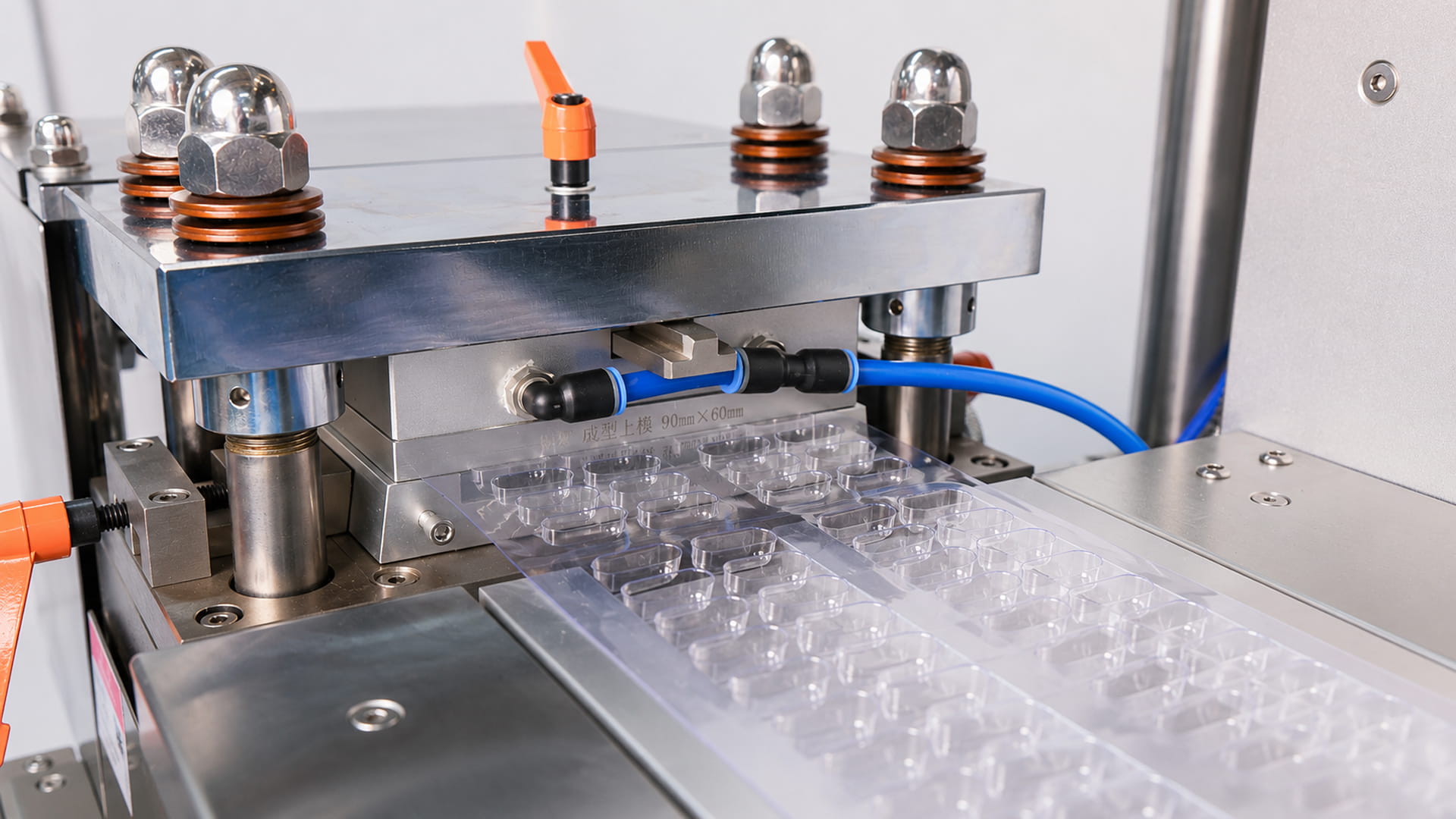
В обоих случаях, тот формат единичной дозы изолирует каждую дозу, а прозрачная полость позволяет пользователям видеть лекарство. Вы можете задаться вопросом о Блистерные упаковочные машины: современные линии могут формировать полости из пленок ПВХ или ПВДХ. Основное отличие состоит в том, что для ПВХ с покрытием из ПВДХ могут потребоваться несколько другие настройки нагрева на штампе для термоформования.. Обратитесь к руководству по эксплуатации вашего оборудования или к поставщику, чтобы подобрать правильные параметры..
Да. Блистерные упаковочные машины обычно совместимы с обоими материалами. Вам не нужны отдельные машины для ПВХ и ПВХ/ПВДХ.. Однако, ты нужно скорректировать процесс:
Современные машины (такие как JinLuPacking ДПП-160 или ДПП-270Макс термоформовочные машины) ручка ПВХ, ПВХ/ПВДХ и даже алюминий холодной формовки. Они позволяют переключаться между пленками, настраивая температурный профиль и глубину формования.. Например, при использовании ПВХ/ПВДХ, технология может уменьшить количество ламп в духовке 10-20% по сравнению с обычным ПВХ. Общий, переход прост для опытного оператора.

Блистерные машины JinLuPacking созданы для работы со всеми основными блистерными пленками фармацевтического производства – ПВХ., ПВХ/ПВДХ, ПВХ/ПЭ/ПВДХ, алюминий, даже высокобарьерные ламинаты. Их элементы управления ПЛК и система рецептов позволяют легко сохранять параметры для каждого типа пленки.. Суммируя, одна машина может стать вашим универсальным решением если вы правильно настроили его для материалов ПВХ и ПВДХ..
Выбор между ПВХ и ПВДХ зависит от потребностей вашего продукта.. Пленки ПВХ – это экономично и понятно, идеально подходит для многих стандартных таблеток и капсул. Пленки с покрытием из ПВДХ обеспечивают превосходный барьер, решающее значение для влаги- или чувствительные к кислороду препараты, требующие длительного срока хранения.. На практике, тот гибридный подход ПВХ/ПВДХ часто побеждает: он использует прозрачность и формуемость ПВХ, добавляя барьер ПВДХ там, где это важно..
Когда сомневаешься, оценить такие факторы, как стабильность лекарства, требуемый срок годности, бюджет, и цели устойчивого развития. Например, Распространенным выбором являются блистеры из ПВХ/ПВДХ для экспортных лекарств., и простые блистеры из ПВХ-алюминия для местных, краткосрочные продукты. Всегда думайте о режим отказа: если ваш продукт потерял эффективность 10% слишком рано, чего это будет стоить? Эта оценка риска часто определяет, оправдана ли установка пленки с более высоким барьером..
Готовы оптимизировать вашу фармацевтическую упаковку? Связаться с JinluPacking за профессиональные советы и правильные решения для блистерной упаковки. Наша команда поможет вам выбрать идеальный фильм (ПВХ, PVDC, или усовершенствованные композиты) и порекомендуйте настройку блистерной упаковочной машины, соответствующую. Нужны ли вам стандартные блистеры для таблеток или специализированные капсулы, защищенные от детей?, мы позаботимся о том, чтобы ваша упаковка сохраняла лекарства безопасными и соответствовала требованиям до самого конца.
ПВХ (Поливинилхлорид) и ПВДХ (Поливинилиденхлорид) — два наиболее часто используемых материала для блистерной упаковки фармацевтических препаратов.. ПВХ в основном используется в качестве базовой пленки для термоформования, поскольку он обеспечивает превосходную прозрачность., легкое формование, и низкая стоимость.
ПВДХ обычно наносится в качестве покровного слоя на пленку ПВХ для улучшения барьерных свойств против влаги и кислорода.. По сравнению со стандартной блистерной упаковкой из ПВХ., Блистер из ПВХ/ПВДХ обеспечивает лучшую защиту чувствительных лекарств и помогает продлить срок хранения..
PVDC (Поливинилиденхлорид) представляет собой высокобарьерный полимерный материал, широко используемый в фармацевтической и пищевой упаковке.. Обладает превосходной стойкостью к воздействию паров влаги и проникновению кислорода., что делает его пригодным для защиты продуктов, требующих повышенной стабильности..
В фармацевтической блистерной упаковке., ПВДХ обычно используется в качестве слоя покрытия на пленке ПВХ, а не в качестве отдельного формовочного материала.. Комбинация ПВХ/ПВДХ создает высокобарьерную блистерную пленку с лучшими характеристиками защиты от лекарств..
Пленки ПВХ и ПВДХ бывает трудно отличить визуально, поскольку оба материала обычно прозрачны и используются в одинаковых блистерных упаковках..
К основным методам идентификации относятся:
• Структура материала: ПВХ обычно является базовой пленкой для термоформования., в то время как ПВДХ представляет собой тонкое барьерное покрытие, нанесенное на ПВХ..
• Производительность барьера: Пленки с покрытием из ПВДХ обеспечивают значительно лучшую защиту от влаги и кислорода, чем стандартный ПВХ..
• Техническая спецификация: Производители обычно идентифицируют материал по маркировке структуры, например, ПВХ., ПВХ/ПВДХ, или ПВХ/ПЭ/ПВДХ.
Для закупок и производства фармацевтических препаратов, проверка спецификации материала поставщика является наиболее надежным методом.
С точки зрения влаго- и кислородного барьера, да. PVDC (в качестве покрытия) обеспечивает гораздо более высокий барьер, чем обычный ПВХ. Но ПВДХ дороже, так что «лучше» только в том случае, если вам нужна дополнительная защита. Для простого, стабильные продукты, ПВХ обычно подходит.
Производство смолы ПВДХ обходится дороже, а нанесение покрытия - это многоэтапный процесс. По сути, вы добавляете дополнительный материал (покрытие) и дополнительная обработка. Дополнительная производительность достигается за эту цену.
Да. ПВДХ может улучшить срок хранения фармацевтических препаратов за счет уменьшения проникновения влаги и кислорода в блистерную упаковку..
Многие лекарственные препараты, включая чувствительные к влаге таблетки, пробиотики, и некоторые нутрицевтики, требуют более прочной барьерной упаковки, поскольку влажность и кислород могут повлиять на качество и стабильность продукта..
Однако, Фактический срок годности зависит от лекарственной формы, структура упаковки, Условия хранения, и результаты тестирования стабильности.
ПВХ/ПВДХ и ПВХ/ПЭ/ПВДХ представляют собой высокобарьерные блистерные упаковочные конструкции..
ПВХ/ПВДХ:
Стандартная дуплексная конструкция, в которой покрытие ПВДХ наносится непосредственно на ПВХ.. Обеспечивает улучшенную защиту от влаги и кислорода..
ПВХ/ПЭ/ПВДХ:
Триплексная структура, добавляющая слой полиэтилена между ПВХ и ПВДХ.. Эта структура повышает гибкость и производительность формования., особенно для более глубоких волдырей.
Лучший выбор зависит от требований к продукту, конструкция полости, и возможности упаковочной машины.
Это пленка ПВХ с тонким слоем ПВДХ с одной стороны.. ПВХ обеспечивает формуемость и прочность.; слой ПВДХ обеспечивает барьер для влаги и кислорода. Вместе они образуют двухслойную (дуплекс) или трехслойный (триплекс) структура.
Да. Современные блистерные машины (как модели JinLuPacking) предназначены для ПВХ, ПВХ/ПВДХ и другие термоформуемые пленки. Вы просто выбираете правильные настройки. Ключевым моментом является контроль температуры печи и параметров формирования конкретной пленки..
Для жарких/влажных экспортных рынков, ПВХ/ПВДХ (или даже ПВХ/Аклар или Алю-Алю) рекомендуется. Сам по себе ПВХ часто терпит неудачу в тропическом климате..
Ссылки:
1.Системы укупорки контейнеров для упаковки лекарственных и биологических препаратов для человека —— НАС. Управление по контролю за продуктами и лекарствами
2.Системы пластиковой упаковки и конструкционные материалы для них —— Фармакопея США
3.Фармацевтическая блистерная упаковка, Часть 1 Обоснование и материалы —— Гейл
4.Поливинилиденхлорид —— ScienceDirect
5.Химические подходы к идентификации ПВХ и ПВДХ в фармацевтических упаковочных материалах —— ИсследованияГейт
6.КВАЛИФИКАЦИЯ ГИБКОГО МАТЕРИАЛА ПВХ / ПВХ – ПВДХ В ФАРМАЦЕВТИЧЕСКОЙ ПРОМЫШЛЕННОСТИ —— revistajrg.com