
В фармацевтическом производстве, блистерные упаковки с календарем и wallet packs are specialized блистерная упаковка formats that help patients follow dosing schedules. А calendar blister pack is essentially a blisters card where each cavity is labeled by day or date (например, “Mon–Sun” on a week’s supply). А wallet pack adds a folding paperboard “wallet” around one or more blister cards, often with printed instructions or patient information. Both formats can deliver единичная доза защита (each cavity holds a single dose), but they differ in structure and processing needs. Choosing between them isn’t just a marketing decision—it directly affects the упаковочная линия. A calendar card might require extra printing registration to align dates with cavities, while a wallet pack may need a folding or assembly station before cartoning. Суммируя, packaging format influences machine requirements from the blister former all the way through the cartoner (вторичная упаковка).
Например, a calendar blister card might print each day of the week on the foil so patients can track doses, whereas a wallet pack typically binds a blister card within a front cover and fold-out panel. An integrated blister-cartoning line must handle these formats differently: standard blisters can go straight from the blister machine to a cartoner, but wallet packs often need an intermediate folding assembly. Understanding these formats helps buyers and engineers select the right blister machine, кормушка, and cartoning equipment.
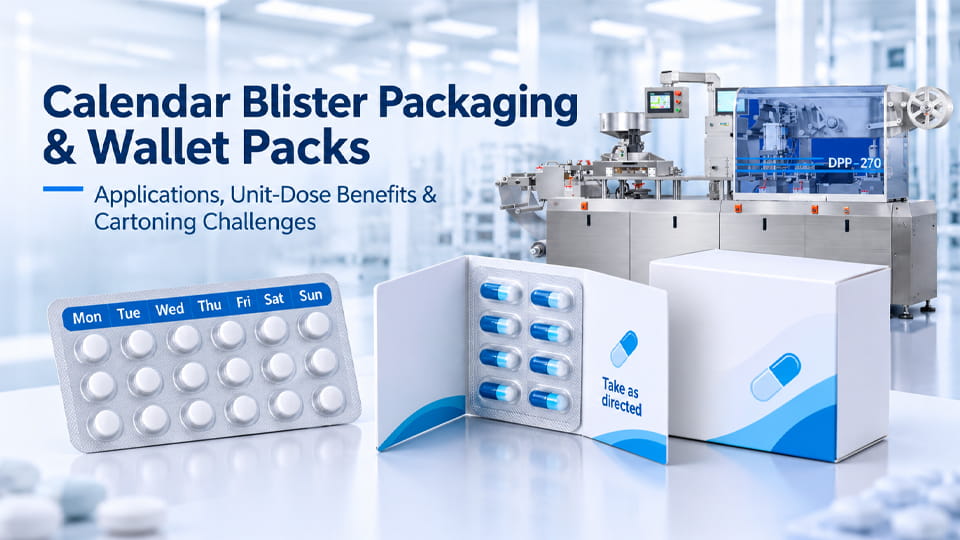
Calendar blister packaging (иногда называемый dose calendar) is a type of unit-of-use blister pack where each pill or capsule is arranged and labeled by time period (often days of the week or calendar dates). The blister card itself might be printed with weekdays (Mon, Вт, Wed…) or numbers, so the patient knows which dose to take when. Common layouts include daily (7 cavities in a row), еженедельно (7 cavities per row, possibly multiple rows for multi-week supply), or monthly (например. 28-day packs). This “calendarization” helps organize dosing schedules.
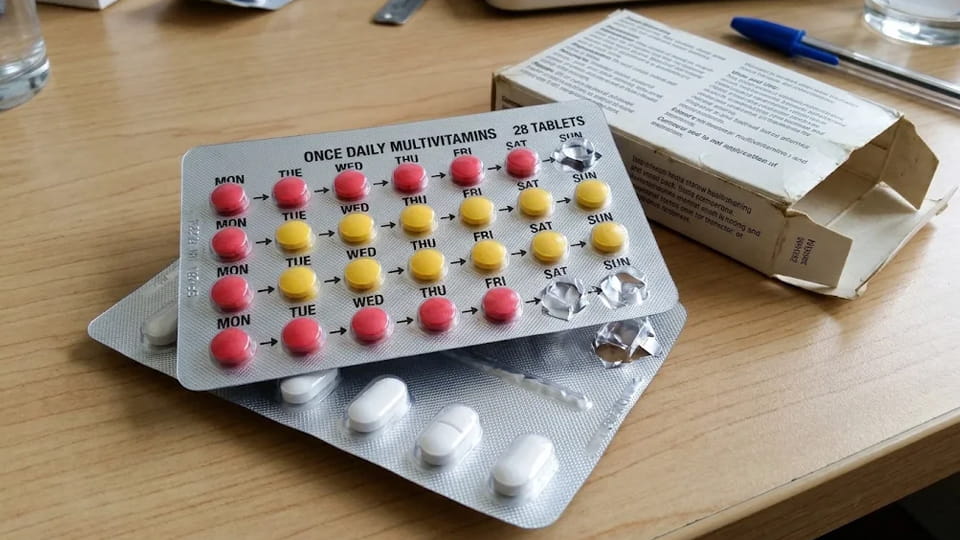
A classic example is a 28-tablet birth control pack marked with the days Sunday through Saturday, repeated over four weeks. Or a chronic medication might come in a 30-day calendar blister with the date stamped on each cavity. Ключевой момент: each dose is protected and clearly identified by date. По данным отраслевых источников, “a calendarized package may organize cavities around specific days or dosing periods”.
Приложения: Calendar blisters are commonly used for medications with strict daily schedules, such as oral contraceptives, hypertension drugs, or psychiatric medications. They are also popular for over-the-counter vitamins or supplements that consumers take once daily. By visualizing the schedule, calendar packs can help patients spot missed doses. (Однако, good adherence still depends on education and reminders, not just packaging design.)
А wallet pack (или blister wallet) is a multi-component blister format that combines one or more blister cards with a folding paperboard wallet or card. The wallet typically has a front cover and a back cover that fold over the blisters, often with printed instructions or child-resistant features. На практике, a wallet pack looks like a small booklet: it might unfold into several panels, each containing blister cavities or information.
Wallet packs can organize multiple doses and information elegantly. Например, a 14-day medication supply might use two blister cards and one wallet: the front of the wallet holds a blister, and opening it reveals another blister and a leaflet. Some wallets have pull-out panels or slide-in designs. The benefit is that the pharmacy or manufacturer can include detailed instructions or use child-resistant mechanisms while keeping the blisters in one unit.
Unlike a plain blister card, a wallet pack involves extra assembly steps. Specialized “wallet machines” or assembly stations glue or seal the blister card onto the paperboard, and fold it into shape. These machines must handle varying blister sizes and attachment methods: one design might use adhesive, another uses tabs or clips. A key advantage of wallet packs is that the final carton often contains a single packaged unit (a wallet), упрощение использования пациентами.
Приложения: Wallet packs are often used when patient instructions or child safety are important. They may be used for senior-friendly dosing (например. senior patients who benefit from clearly printed instructions) or pediatric medications where the carton and wallet help make the pack child-resistant.
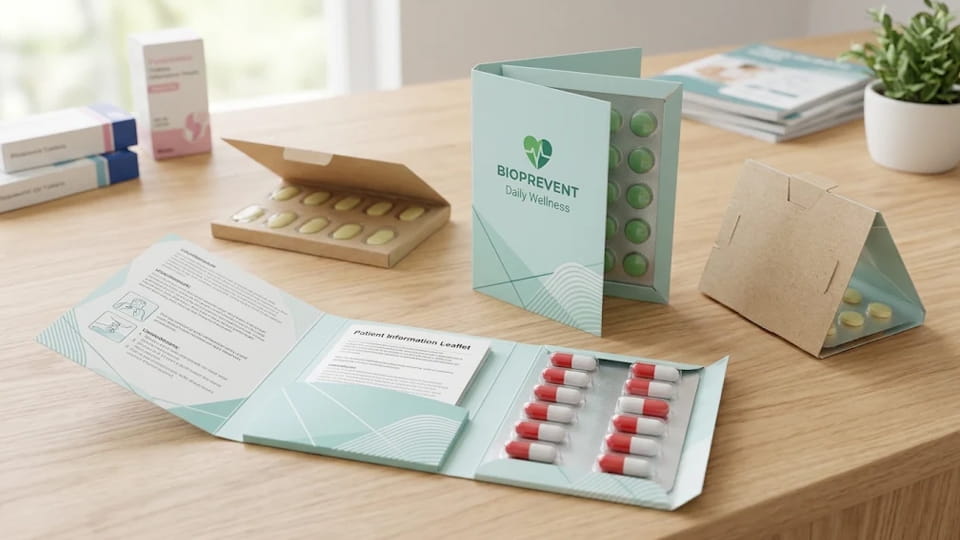
Фигура: Фармацевтический wallet pack in opened and folded view – a blister card with front and rear paperboard covers.
«Unit-dose packaging” simply means each package contains a single dose of medication in its own protected unit. This concept can apply to blisters, стрип-пакеты, флаконы, и т. д.. In a blister context, it means one tablet or capsule per cavity.
How it relates: Both calendar blisters and wallet packs are typically unit-dose formats at the cavity level. Each blister cavity holds one dose and is sealed individually. Однако, they differ from “single-unit” packs in that a calendar or wallet typically contains несколько unit doses in one shipping unit. Другими словами, a calendar blister with 28 cavities is a collection of 28 единичные дозы. Так же, a wallet with 7 blister cavities is unit-dose for each pill, but sold as a multi-dose pack.
Для ясности: Unit-dose packaging emphasizes dose count and protection, whereas “calendar blister” and “wallet” emphasize how doses are arranged and presented. A single blistersheet with 7 cavities can be a standard multi-dose card (if cavities unlabeled) или calendar карта (if cavities labeled by day). А wallet pack can contain one or more blister cards, but each cavity is still a unit dose. На практике, думать о единичная доза as a broader term. A wallet pack itself is unit-of-use (the whole wallet is one package for patient use), but inside it are unit-dose cavities.
В итоге, the packaging format (calendar or wallet) describes the design and presentation of multiple unit doses, while “unit-dose” stresses that each cavity isolates a single dose. Manufacturers should note that a calendar blister or wallet pack может be considered a unit-dose system (since each pill is separate), but the packaging line will often treat them differently from simple one-cavity packs.
The table below compares calendar blisters, wallet packs, and “standard” unit-dose blisters (a plain blister card without special labeling or wrap) in terms of structure and purpose:
| Особенность | Calendar Blister | Wallet Pack | Standard Blister |
| Key characteristic | Blister cavities labeled by day/date | Blister card + folding paperboard cover | Simple sealed cavities with lidding foil |
| Main purpose | Organize doses by schedule (daily/weekly) | Organize doses + include instructions | Protect and contain medication |
| Packaging components | Plastic/aluminum blister + printed labeling | Blister card + front/back cards (wallet) | Фильм, фольга (ПВХ/Алюминий) with optional card |
| Information printed | Days of week or dates on cavities or board | Detailed dosing instructions on cards | Minimal on blister itself (usually info on carton) |
| Patient benefit | Easy dose tracking, reduced missed doses | All-in-one package with instructions | Basic dose protection |
| Production complexity | Середина (print registration needed) | Высокий (requires assembly/folding step) | Low to medium (just form, тюлень, резать) |
| Cartoning impact | Depends on card size and orientation | Often needs folding/assembly before cartoning | Straightforward feeding into carton |
Стол: Comparison of calendar blister packs, wallet pack formats, and standard blister cards.
As this shows, calendar and wallet formats add layers beyond a simple blister. A calendar blister is still just one flat card, but it requires precise printing on the foil aligned with cavities. A wallet pack adds a paperboard assembly: the blister card may be glued or attached to a folding cover. A standard blister pack could be as simple as one strip of cavities sealed with foil and loaded directly into cartons.
It’s important to note these categories overlap: a calendar pack can also be a wallet if you fold a calendar card into a wallet, and a wallet can serve as a unit-of-use containing multiple doses. These aren’t mutually exclusive “types” in the sense of separate categories, but rather different ways to organize единичная доза волдыри.
Blister Cavity Layout & Инструмент: Calendar and wallet packs often have unique layouts. A calendar blister might have 7 cavities in a row (еженедельно) или 28 in a 4×7 grid (ежемесячно). These layouts must be matched by the forming tooling on the blister machine. If a calendar pack has, сказать, 4 cavities per row and 7 rows, the blister mold must produce exactly that pattern. Wallet packs might use a stack of two blister cards (например. one on top of another inside the wallet), or one large card split when folded. The blister machine’s cavity pitch and format must match the planned wallet design.
Print Registration: Calendar blister packs require high accuracy in print registration. If days or dates are printed on the foil (or on the board underneath), the print must align perfectly with each cavity. Misalignment can render the date meaningless (например. a “Wed” label on Monday’s pill would confuse the patient). Modern blister machines may use vision sensors or “eye marks” to ensure the printed labels align with the cavities on the continuous strip. Для Alu-Alu packs, some lines use digital printing on foil after sealing. Например, A 2D code being printed on the blister foil to identify each pack after sealing. В общем, adding day-of-week printing means the machine needs either in-line printing or foil that’s pre-printed and precisely indexed.
Формирование, Запечатывание, Резка: The physical process of forming and sealing usually doesn’t change drastically for calendar vs. standard blisters. Однако, wallet packs may require either gluing the blister to a board after sealing or using a special fold. For calendar packs on a standard machine, all cavities are identical, so the cycle is normal. But if a wallet pack uses a thicker backboard or double-thickness area (due to folding), the machine must handle thicker sealing in some zones. Cutting also matters: calendar blister packs are often cut to flat or folded cards in specific shapes. Precise cutting is needed so that when the wallet is folded, the edges align. The operator must configure the die-cut plate to match the wallet outline, which can be complex for multi-fold wallets.
Blister Dimensions & Переключение: Calendar packs often come in fixed sizes (28-вверх, 14-вверх, и т. д.), but if you have multiple calendar formats (например. 7-day vs 30-day), changing tools or molds is needed. Wallet packs frequently involve more changeover steps: changing the folder set or grippers for a new card size, adjusting feed pitches if a different number of blisters per card, и т. д.. Jinlupacking advises defining pack format and cavity layout upfront to guide machine selection. Суммируя, unusual blister shapes or multi-layer cards require careful planning of tooling and changeover procedures.
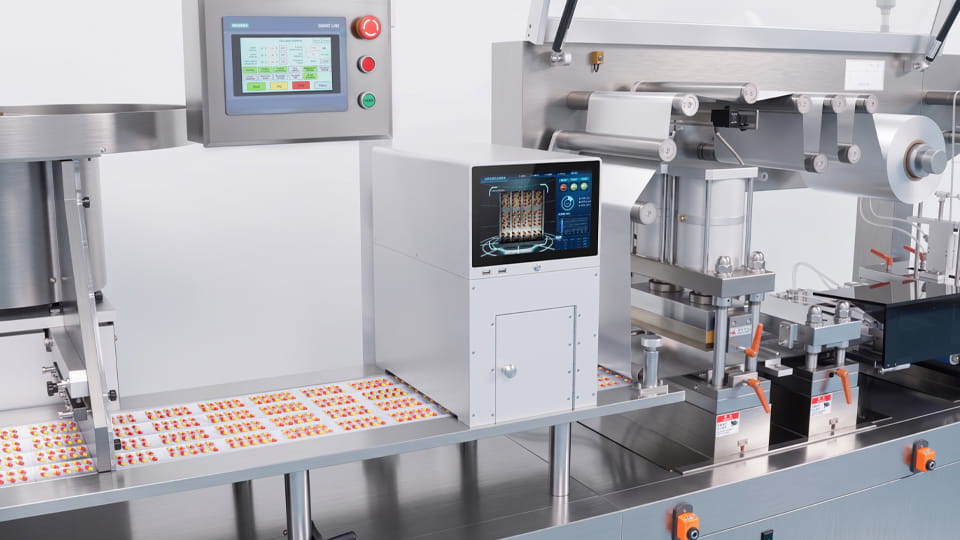
Фигура: Высокоскоростная блистерная упаковочная машина (Jinlupacking DPP-270max) в действии. It can form and seal hundreds of cavities per minute. Calendar packs simply need correct cavity spacing and registration.
В итоге, special blister formats affect the front end (первичная упаковка) of the line in these ways:
Once the blisters are formed, заполненный, запечатанный, and cut into cards or assembled into wallets, they proceed to the картонирование (вторичная упаковка) этап. Here’s how calendar blisters and wallet packs change the game:
Общий, expect that cartoners handling calendar or wallet packs will use advanced feeding and detection technology. Датчики (vision or photocells) ensure the blister is aligned, the right side is up, and that each pack contains the correct blisters. Pushing or pick-and-place mechanisms handle the transfer. Many systems now have servo-driven grippers to handle delicate products without scratching.
Integration Example: A fully automated calendar/wallet line might look like this: The blister machine forms and fills the cards; a hot-stamping printer adds dates; the cards are cut and stacked; a feeder sends them to an assembly station if needed; then a cartoner takes each card or wallet, adds leaflets, and closes the box.
В итоге, cartoning challenges включать:

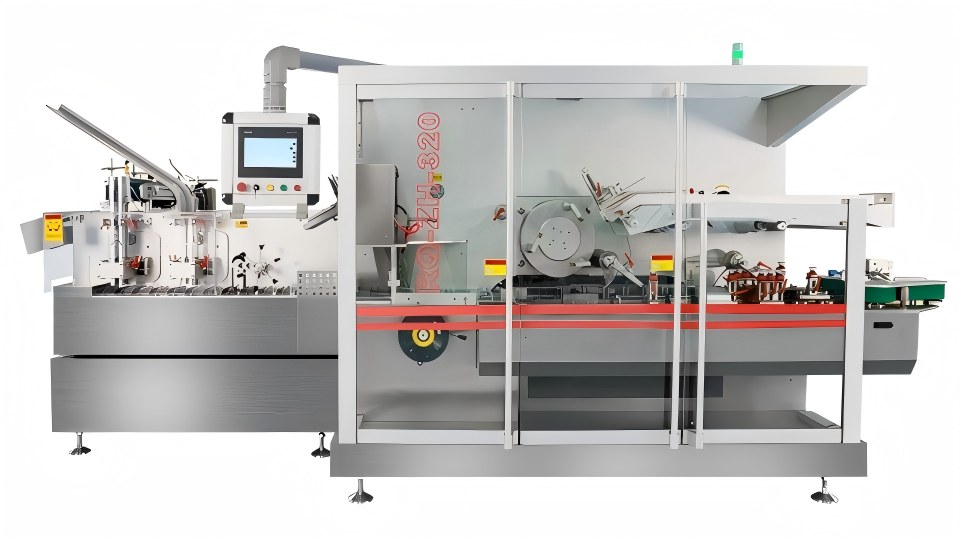
Фигура: An integrated blister-cartoning line. Multi-step lines coordinate blister forming, wallet assembly, and automatic cartoning of blister packs and leaflets.
Selecting equipment starts with the packaging specs. Define your pack details: блистерный материал (ПВХ, Alu-Pvc, Все время), card dimensions, количество полостей, and whether you need print or foil. Также, what output is needed (коробок в минуту)? Как советует Jinlupacking: “Before selecting a blister machine, confirm five items: pack format, material range, расположение полости, output target and document scope.”.
Checklist for Blister Machines:
Checklist for cartoning machines:
Equipment Examples: Jinlu Packing offers a range of блистерные машины и картотеры. Для высокой производительности, наш High-Speed Blister & Cartoning Line integrates an Alu-Alu or PVC blister machine with an automatic cartoner, handling up to several hundred cartons per minute in some configurations. For smaller runs or tighter spaces, a single machine like the JL-260W cartoner (horizontal folder style) может быть достаточно. При оценке, consider not only the machines themselves but also any additional modules (например. фидеры для листовок, RFID readers, merging conveyors) you might need.
На практике, equipment selection often goes hand-in-hand with format definition. Start with your target product: if you’re packaging a calendar pack or wallet pack, communicate that to vendors. The right manufacturer will help tailor the solution (например, confirming that a chosen cartoner can insert a folded wallet or handle front/back covers). Always review real sample packs: ask for reference runs or trials to confirm the line works with your specific wallet or calendar design.
Ключевое напоминание: The choice of equipment must match the packaging format. A blister machine with only 180 mm forming width won’t work if your calendar card is 220 mm wide. A cartoner that only feeds flat cards may jam on a 3D wallet. Always list the exact dimensions and thickness of your blister card (and wallet components) when asking for quotations.
Даже с хорошим оборудованием, complex packaging can have hiccups. Here are some typical issues and tips:
А summary table of challenges:
| Испытание | Возможная причина | Solution Direction |
| Date mis-printing | Print head registration off | Recalibrate printer, verify film tension, adjust servo timing |
| Card misfeeding | Guides mis-set or vacuum weak | Adjust guides, check vacuum pressure/suction cups |
| Wallet not sealing | Gluer or folding misaligned | Check glue applicator, adjust fold timing, ensure correct blank sizes |
| Missing leaflets | Magazine empty or feeder jam | Reload leaflets, clean feeder, add present sensor |
| Carton jam / splays | Pack too thick/uneven | Confirm maximum pack height, adjust carton pocket, slow conveyor |
В каждом случае, working closely with the machine supplier’s support team can help dial in the settings. Preventive maintenance—regular cleaning of sensors and rollers, and routine inspection of cams—goes a long way in avoiding these issues.
Calendar blister packs and wallet packs offer patient-friendly dosing organization, but they also add complexity to the packaging line. The choice between them should balance patient convenience with production efficiency. Calendar blisters mainly add a printing registration step, whereas wallet packs add assembly and folding steps. Both formats still require careful handling by the blister machine and cartoning machine.
В итоге: choose the format that best fits the medication and patient needs, then ensure your equipment matches it. Define the pack dimensions, label requirements, and dose counts upfront, and select blister formers and cartoners designed for those specs. Современные блистерные машины (like Jinlu’s series) can be equipped with printers for calendar packs, and cartoners can include modules for wallet handling.
For pharmaceutical manufacturers and packagers facing these formats, Jinlu Packing предлагает комплексные решения. Our lines combine высокоскоростные блистерные машины с автоматические картонажные машины, capable of feeding and folding calendar or wallet packs. To explore options for your specific calendar blister or wallet packaging requirements (and to ensure smooth equipment integration), contact Jinlu’s packaging experts. We can help specify the right machinery and line setup for your product.
Ready to discuss your calendar blister or wallet pack line? Contact Jinlu Packing for a customized solution.
Calendar blister packs can be customized with different layouts, including daily, еженедельно, and monthly arrangements. The number of cavities, printed labels, and dose sequence can be adjusted to match the medication schedule and packaging requirements.
A calendar blister pack may include day-of-week labels, даты, инструкции по дозировке, идентификация продукта, номера партий, and expiry dates. The exact information depends on regulatory requirements, спецификации продукта, and the intended patient-use instructions.
Да, different tablets or capsules can be arranged in the same calendar blister when the packaging design and product compatibility allow it. Each product must have an appropriate cavity configuration and suitable protection to maintain its quality throughout the intended shelf life.
Общие материалы включают ПВХ., ПВХ/ПВДХ, and cold-form aluminum-based laminates for blister structures, along with aluminum lidding foil. Material selection depends on moisture sensitivity, легкая защита, требования к барьерам, совместимость продукта, and shelf-life targets.
Manufacturers can reduce printing errors through accurate print registration, controlled web positioning, correct artwork setup, and inspection during production. Print verification should also be included in the packaging quality-control process.
Во многих случаях, да. Standard blister packaging machines can produce calendar blister formats if their tooling, printing or labeling arrangements, система уплотнения, and cutting configuration are suitable for the required pack design. Special configurations may be necessary for more complex layouts.
В зависимости от дизайна, blister cards may be attached to wallet cards using adhesive, mechanical retention features, or dedicated assembly arrangements. The appropriate method depends on the card structure, required opening method, и производственные требования.
Production speed depends on blister dimensions, стабильность кормления, pack orientation, вставка листовки, carton design, требования к переналадке, and the coordination between upstream and downstream machines. The actual line speed is determined by the performance of the complete system, not just the rated speed of an individual machine.
Manufacturers can use product-presence sensors, визуальный осмотр, системы счета, or other suitable verification methods depending on the packaging configuration. Inspection points should be selected to detect missing components before the finished cartons leave the packaging line.
Manufacturers should test actual production samples for feeding stability, positioning accuracy, folding or assembly consistency, вставка листовки, carton loading, and changeover performance. Trial runs should cover representative pack sizes and production conditions before final equipment approval.
Ссылки:
1.Аптечная упаковка и вкладыши —— NCBI / StatPearls
2.Системы укупорки контейнеров для упаковки лекарственных и биологических препаратов для человека —— FDA
3.Понимание определений упаковки лекарств —— TGA
4.Does Packaging with a Calendar Feature Improve Adherence to Self-Administered Medication for Long-Term Use? A Systematic Review —— ScienceDirect
5.A Pharmacoepidemiologic Analysis of the Impact of Calendar Packaging on Adherence to Self-Administered Medications for Long-Term Use —— НаукаДирект
6.The Increasing trend of Adherence packaging and the Implications to manufacturing —— ИСПЕ