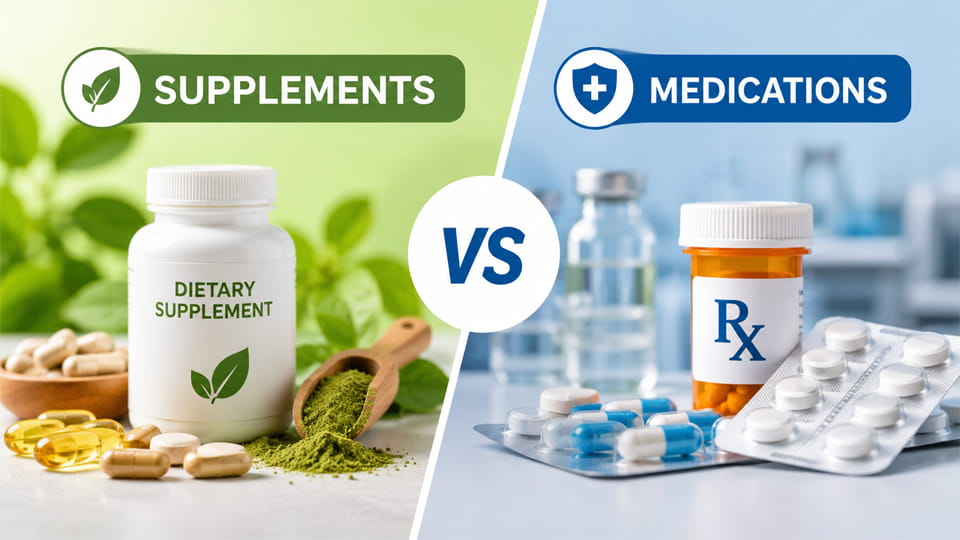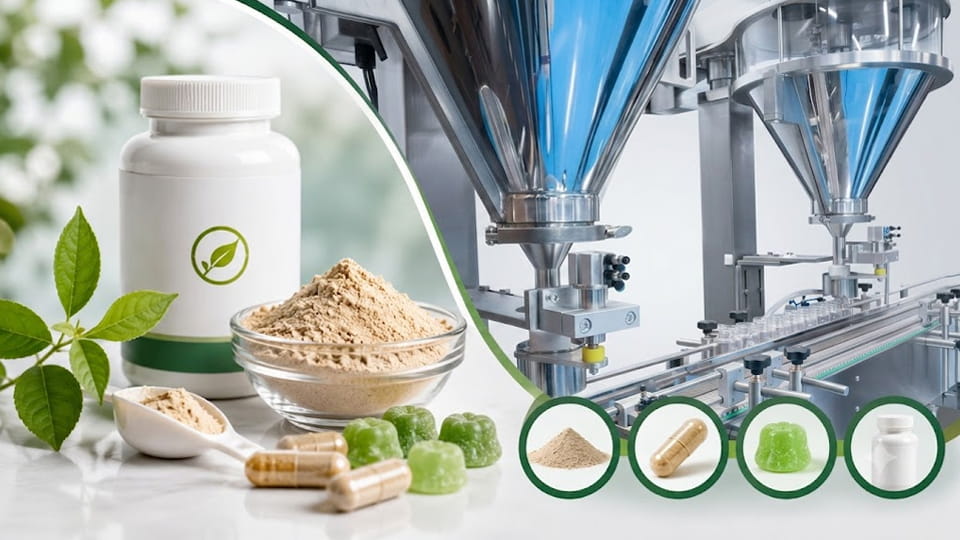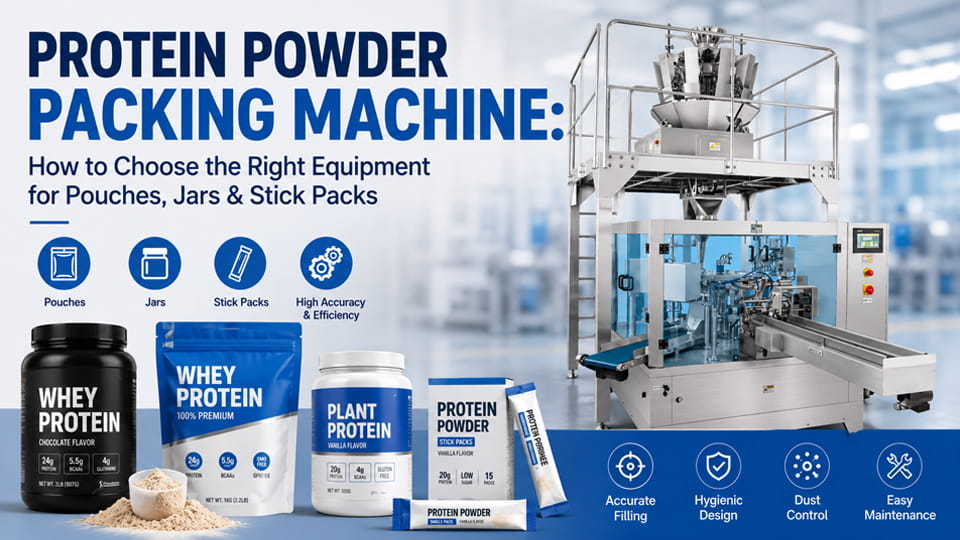

Globalny popyt na Suplement ziołowy produktów stale rośnie, ponieważ coraz więcej konsumentów szuka naturalnych sposobów wspierania swojego zdrowia i dobrego samopoczucia. Od kapsułek i tabletek po proszki i żelki, Suplementy ziołowe można obecnie znaleźć w aptekach, supermarkety, i sklepach internetowych na całym świecie. W miarę rozwoju rynku, producenci stają przed rosnącymi oczekiwaniami dotyczącymi stałej jakości, wydajna produkcja, i niezawodne opakowanie chroniące wrażliwe składniki botaniczne. Dobre praktyki produkcyjne i odpowiednie kontrole opakowań są również niezbędne do zapewnienia jakości produktu i zgodności w całym procesie produkcyjnym.
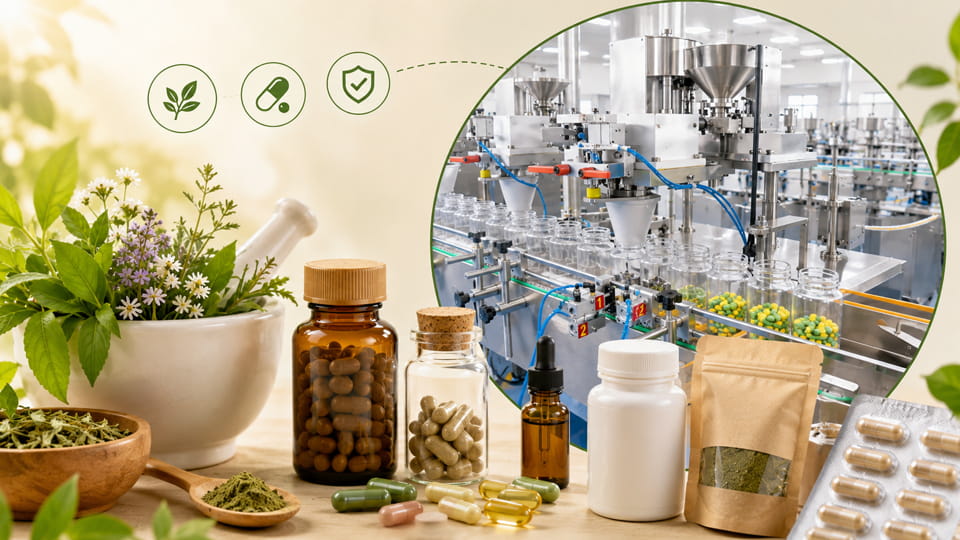
Niezależnie od tego, czy planujesz nową linię do produkcji suplementów ziołowych, czy modernizujesz istniejący sprzęt, zrozumienie procesu produkcyjnego jest pierwszym krokiem w kierunku podejmowania lepszych decyzji. W tym przewodniku, omówimy najpopularniejsze rodzaje suplementów ziołowych, jak są produkowane, sprzęt, którego to dotyczy, oraz rozwiązania w zakresie opakowań, które pomagają producentom poprawić wydajność, jakość produktu, i trwałość.
Suplementy ziołowe (zwany także suplementy botaniczne) są kategorią suplementy diety wykonane z materiałów roślinnych (korzenie, liście, kwiaty, posiew, lub ekstrakty) przeznaczony do wspierania zdrowia. W odróżnieniu od syntetycznych witamin, suplementy ziołowe pochodzą ze źródeł naturalnych. Często wykorzystują tradycyjne leki ziołowe (np. ożywić , ginkgo, echinacea) i obejmują stężone ekstrakty lub proszki. W kategoriach regulacyjnych, Suplementy ziołowe są klasyfikowane jako suplementy diety, nie narkotyki. w ramach USA. zgodnie z prawem muszą zawierać oznakowane składniki i unikać zanieczyszczeń (pestycydy, metale ciężkie). Typowe postacie obejmują kapsułki, tabletki, kapsułki żelowe, proszki, płyny (nalewki), herbaty i żelki.
Suplementy ziołowe mają na celu „uzupełnienie diety” w składniki odżywcze lub substancje aktywne pochodzenia roślinnego, często w celu wsparcia odporności, trawienie, odprężenie, lub energia. Na przykład, składniki takie jak czarny bez, echinacea i witamina C są popularne na odporność, podczas gdy ashwagandha i zielona herbata są stosowane w celu łagodzenia stresu i metabolizmu. Konsumenci coraz częściej preferują suplementy ziołowe ze względu na ich naturalne pochodzenie i czyste etykiety. Światowy rynek suplementów ziołowych był ogarnięty $45.9 miliard w 2025 i przewiduje się, że będzie rósł o około 8% rocznie 2034, napędzany popytem na roślinną profilaktykę zdrowotną.

Suplementy ziołowe produkowane są w wielu postaciach dawkowania. Każda forma ma zalety, dlatego producenci wybierają w oparciu o produkt i rynek. Typowe formaty obejmują:


Suplementy ziołowe występują w wielu postaciach: kapsułki twarde, kapsułki żelowe, tabletki i proszki wykorzystują składniki botaniczne. Wybór odpowiedniej formy zależy od ekstraktu ziołowego, potrzeby dawkowania, i preferencji konsumentów.
| Formularz uzupełnienia | Typowe składniki ziołowe | Kluczowe zalety | Wspólne opakowanie | Zalecany sprzęt produkcyjny |
|---|---|---|---|---|
| Kapsułki | Ashwagandha, Kurkuma, Żeń-szeń | Łatwe do połknięcia, dokładne dozowanie, chroni wrażliwe pudry | Butelki, Pakiety pęcherzy | Maszyna do napełniania kapsułek, Linia do napełniania butelek, Blister Packaging Maszyna |
| Tabletki | Spirulina, Czosnek, Ostropest | Opłacalny, Długie okresy trwałości, nadaje się do produkcji wielkoseryjnej | Butelki, Pakiety pęcherzy | Maszyna do tabletkowania, Maszyna do powlekania tabletu, Linia do pakowania butelek |
| Proszki | Matcha, Moringa, Trawa pszeniczna | Elastyczne rozmiary porcji, Idealny do mieszanek napojów i mieszanek białkowych | Woreczki stojące, Pakiety kijowe, słoiki | Mikser do proszku, Maszyna do napełniania ślimaków, Gotowa maszyna do pakowania w torebki |
| Kapsułki | Olej Czosnkowy, Olej lniany, Olej z wiesiołka | Nadaje się do ekstraktów na bazie oleju, łatwe do spożycia | Butelki, Pakiety pęcherzy | Linia do produkcji softgelów, Maszyna do napełniania butelek |
| Żelki | Czarny bez, Ocet jabłkowy, Kurkuma | Przyjemny smak, popularny wśród dzieci i dorosłych | Butelki, torebki | Maszyna do liczenia gumek, Linia do napełniania butelek, Gotowa maszyna do pakowania w torebki |
| Ekstrakty płynne | Echinacea, Ginkgo Biloba, Korzeń waleriany | Szybkie wchłanianie, wygodne w dostosowywaniu dozowania | Butelki szklane, butelki z zakraplaczem | Maszyna do napełniania płynów, Maszyna do zamykania, Maszyna do etykietowania |
| Torebki na herbatę ziołową | Rumianek, Miętowy, Poślubnik | Tradycyjny sposób spożycia, proste przygotowanie | Saszetki, kartony | Maszyna do pakowania torebek herbaty, Maszyna do kartonowania |
Producenci mogą kierować się określonym formatem ze względu na biodostępność lub atrakcyjność dla konsumenta. Na przykład, Suplementy ziołowe w postaci kapsułek mają znaczący udział w rynku (wokół 39%) ponieważ chronią składniki aktywne i szybko rozpuszczają się w organizmie. Proszki (w słoikach lub saszetkach) zyskują popularność w przypadku mieszanek białkowych lub zielonych superfoodów, podczas gdy tabletki pozostają podstawą witamin i standardowych ekstraktów ziołowych. Ostatecznie, . sprzęt produkcyjny (Wypełniacze kapsułki, tabletkarki, woreczki, itp.) musi pasować do wybranej formy i wielkości produkcji.
Producenci skupiają się na ziołach, które cieszą się dużym popytem wśród konsumentów i mają poparcie naukowe. Kluczowe składniki roślinne w suplementach obejmują:
Poniższe porównanie zapewnia szybki przegląd niektórych z najczęściej stosowanych suplementów ziołowych w dzisiejszym przemyśle nutraceutycznym:
| Suplement ziołowy | Wspólny cel zdrowotny* | Typowe postacie dawkowania | Typowe opakowanie | Notatki produkcyjne |
|---|---|---|---|---|
| Kurkuma (Kurkumina) | Wsparcie stawów i stanów zapalnych | Kapsułki, tabletki, proszek | Butelki HDPE, Pakiety pęcherzy, woreczki stojące | Często standaryzowany ekstrakt kurkuminy ze środkami poprawiającymi płynność |
| Ashwagandha | Wsparcie stresu i snu | Kapsułki, Gummy, proszek | Plastikowe butelki, Pakiety kijowe | Powszechnie produkowany jako standaryzowany ekstrakt z korzenia |
| Żeń-szeń | Wsparcie energetyczne i poznawcze | Kapsułki, kapsułki żelowe, ekstrakty płynne | Butelki bursztynowe, Pakiety pęcherzy | Podczas napełniania ważna jest kontrola wilgotności |
| Echinacea | Wsparcie zdrowia immunologicznego | Tabletki, kapsułki, nalewki | Butelki, szklane butelki z zakraplaczem | Często produkowany jako ekstrakt suchy lub ekstrakt płynny |
| Ostropest | Wsparcie zdrowia wątroby | Kapsułki, kapsułki żelowe | Butelki HDPE, Pakiety pęcherzy | Powszechnie wymagana jest standaryzowana zawartość sylimaryny |
| Czosnek | Wsparcie zdrowia serca | Kapsułki, tabletki | Pakiety pęcherzy, butelki | Często rozważa się kontrolę zapachu i powlekanie |
| Ożywić | Wsparcie trawienne | Kapsułki, proszki, torebki herbaty | Saszetki, torebki, butelki | Płynność proszku wpływa na dokładność napełniania |
| Ginkgo Biloba | Wsparcie pamięci i krążenia | Tabletki, kapsułki | Butelki, Pakiety pęcherzy | Często standaryzowany na zawartość flawonoidów |
| Ekstrakt z zielonej herbaty | Wsparcie antyoksydacyjne | Kapsułki, tabletki | Butelki, Pakiety pęcherzy | Ochrona przed ciepłem i wilgocią poprawia stabilność |
| Czarny bez | Wsparcie immunologiczne | Żelki, syropy, kapsułki | Butelki PET, szklane butelki | Żelki wymagają dedykowanego sprzętu do liczenia i butelkowania |
Trendy w 2025 wyróżnij suplementy opracowane z myślą o zdrowiu układu odpornościowego (czarny bez, echinacea, cynk), zdrowie kobiet, i dobrostan poznawczy. Na przykład, Konsumenci w Wielkiej Brytanii coraz częściej używają kurkumy, ashwagandha, moringa i czarny bez na odporność i stres. Pozyskiwanie i formułowanie składników wymagają kontroli jakości: każde zioło musi zostać przetestowane pod kątem aktywnej mocy i braku zanieczyszczeń (pestycydy, metale ciężkie) zgodnie ze standardami GMP.

Produkcja suplementów ziołowych przebiega wieloetapowo, łącząc standardowe techniki farmaceutyczne ze szczególną dbałością o składniki botaniczne. Ogólny przepływ jest: pozyskiwanie surowych ziół → czyszczenie → suszenie/mielenie → mieszanie → tworzenie dawek (kapsułki/tabletki) → opakowanie. Kluczowe kroki obejmują:
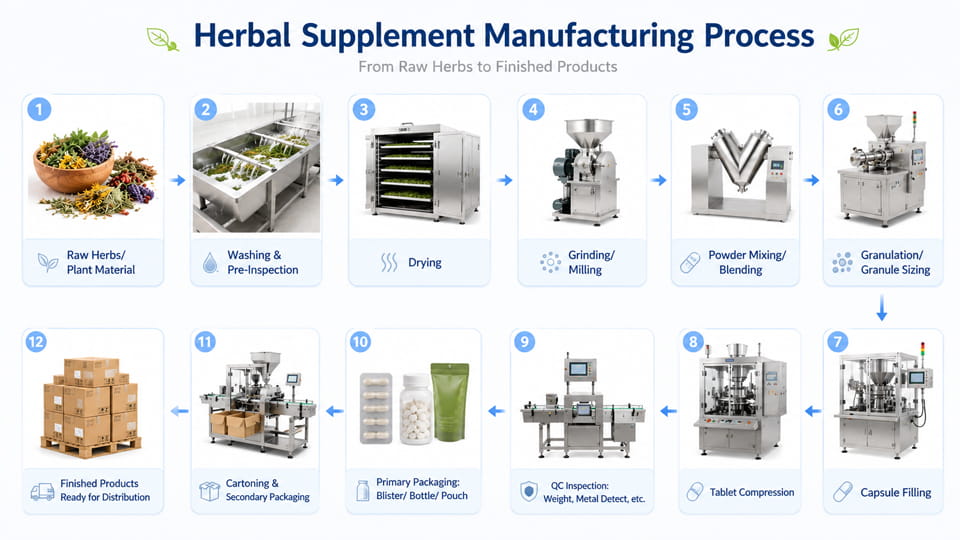
Przez całą produkcję, warunki (temperatura, wilgotność) są ściśle kontrolowane. Wiele roślin jest wrażliwych na wilgoć, tak aby cała linia mogła pracować w czystym pomieszczeniu o kontrolowanej wilgotności. Opakowanie wysokobarierowe (blistry z folii aluminiowej, HDPE ze środkiem osuszającym) jest wybierany tak, aby zachować trwałość.
Skuteczna produkcja suplementów zależy od niezawodności maszyny do przetwarzania i pakowania. Oto przegląd kluczowego wyposażenia – szczególnie tego oferowanego przez Jinlu – wraz z ich rolami:

Postać: Szybka maszyna do napełniania kapsułek Jinlu (model NJP-1500D, 90K cps/godz). Takie automatyczne wypełniacze orientują puste kapsułki, metr proszku ziołowego, ubić wypełnienie, i zmontuj każdą napełnioną kapsułkę z dokładnością ±3%..
 Postać: HZP-26D-40D Rotary Tablet Maszyna. Prasy do tabletkowania kompresują granulki ziołowe w tabletki o wymaganej wadze i twardości. Prasy Jinlu mogą produkować ponad 260,000 tabletek/godzinę, zapewniając jednolitość.
Postać:Gotowa maszyna do pakowania w torebki. Takie maszyny (jak seria GD Jinlu) może otworzyć się automatycznie, wypełnić, i zamykaj torebki stojące lub zamykane na zamek proszkiem, granulki lub tabletki, osiągnięcie bardzo precyzyjnych ciężarów wypełnienia.
Kolejnym niezbędnym wyposażeniem są myjki do butelek (do uruchamiania pustych butelek), etykiety, I wykrywacze metali. Maszyny Jinlu są zaprojektowane tak, aby spełniać światowe certyfikaty (Ce, CGMP, FDA) i można je dostosować (np. z podajnikami próżniowymi do proszków trudnych, wagi kombinacyjne do mieszanek).
Wybór odpowiedniego opakowania podstawowego wpływa na stabilność, doświadczenie użytkownika, i zgodność. Poniżej porównujemy popularne formaty opakowań suplementów:
| Format | Najlepsze dla | Zalety | Wyzwania/Rozważania |
| Butelki (HDPE, ZWIERZAK DOMOWY) | Kapsułki, Tabletki, Kapsułki, Żelki | Silna bariera dla wilgoci i tlenu; łatwe do oznakowania; dostępne zamknięcia zabezpieczające przed dziećmi; znajomy format | Masywny do wysyłki; często nieprzezroczyste (mniej nadające się do recyklingu); wymagają kapturków CR z mieszanymi materiałami |
| Pakiety pęcherzy (Alu/PVC) | Tabletki, Kapsułki, Kaplety | Ochrona dawki jednostkowej (każda pigułka zapieczętowana); doskonała bariera (folia); widoczne w przypadku manipulacji; wygodne dozowanie | Droższe za jednostkę; ograniczone kształty/rozmiary; Recykling folii/PVC jest trudny |
| Pakiety sztyftów | Proszki (jednorazowe), Herbaty | Wstępnie odmierzona przenośna dawka; minimalne resztki; smukły profil | Odpady jednorazowego użytku; wymagają laminatów (wyzwania związane z recyklingiem); mała objętość w opakowaniu |
| Saszetki | Granulki, Tabletki musujące, Proszki | Opakowania jednoporcjowe, często rozpuszczalny w wodzie; niski koszt | Ograniczona bariera dla wilgoci; podatne na przebicie; odpady jednorazowego użytku |
| Woreczki stojące (możliwość ponownego zamknięcia) | Proszki, Granulki, Żelki, Opakowania zbiorcze | Lekki, oszczędność miejsca; laminaty wysokobarierowe; zamki błyskawiczne z możliwością ponownego zapięcia; konfigurowalne kształty | Często przezroczysty (lekkie ryzyko); potrzebujesz środka osuszającego do zawartości wrażliwej na wilgoć; zamek błyskawiczny zwiększa koszty |
| Słoiki / Puszki (Szkło/aluminium) | Żelki, Proszki, Produkty premium | Doskonała możliwość recyklingu (szkło/aluminium); wysoka bariera; wielokrotnego użytku; wygląd premium | Cięższy (koszt wysyłki); łamliwy (szkło); domyślnie nie jest zabezpieczony przed dziećmi, chyba że dodano mechanizmy pokrywy |
| Kartony wtórne | Kapsułki/tabletki w butelkach lub blistrach | Umożliwia pakowanie zbiorcze; dodaje barierę dla wielu produktów; zapewnia miejsce na etykietę | Zwiększa koszt i materiał; bariera kartonowa gorsza od plastiku (mogą potrzebować wkładek zapewniających wilgoć) |
Do suplementów ziołowych, kontrola wilgoci i tlenu są krytycznymi funkcjami opakowania. Na przykład, Wysokobarierowa folia blistrowa lub wielowarstwowe woreczki mogą chronić higroskopijne zioła. Odporny na dzieci (CR) zamknięcia są często wymagane przez prawo (zwłaszcza na witaminy). Zrównoważone opcje (Tworzywa sztuczne PCR, materiały nadające się do recyklingu, kompostowalne woreczki) są tendencje wzrostowe, ale nadal musi spełniać wymogi bezpieczeństwa i okresu przydatności do spożycia.
Maszyny pakujące (wypełniacze do butelek, linie pęcherzowe, pakowacze torebek) muszą być dopasowane do wybranego formatu i wyjścia. Zautomatyzowane systemy (jak model pakowarki GD firmy Jinlu lub maszyny blistrowe serii PJ) obsługiwać duże prędkości przy stałym uszczelnieniu, co jest niezbędne w farmacji Zgodność z GMP.
Nawet z dobrym sprzętem, produkcja suplementów może napotkać problemy. Oto częste problemy i rozwiązania:
We wszystkich przypadkach, kluczowa jest konserwacja zapobiegawcza i doświadczeni operatorzy. Automatyczne usuwanie błędów (odrzucać stacje, alarmy) pomaga wcześnie wykryć problemy. Na przykład, Maszyny Jinlu posiadają funkcję „inteligentnego odrzucania”, która pozwala na pozbycie się źle napełnionych torebek.
Wybór sprzętu pakującego to decyzja strategiczna. Czynniki, które należy wziąć pod uwagę, obejmują:
Podsumowując, wybierz maszyny dostosowane do żądanej wydajności i wymagań zgodności. The odpowiedni sprzęt zapewnia spójne wypełnienia/uszczelnienia, maksymalizuje plon, i pozwala uniknąć kosztownych wycofań.
Globalna zmiana w kierunku naturalnego zdrowia sprawiła, że suplementy ziołowe stały się głównym przemysłem, ale wymaga również rygorystycznej produkcji na poziomie farmaceutycznym. Od dokładnego testowania surowców roślinnych po automatyczne napełnianie kapsułek i opakowania zabezpieczone przed manipulacją, każdy krok musi być zoptymalizowany pod kątem spójności, zgodność, i jakość. Postęp w sprzęcie (jak szybkie wypełniacze kapsułek, precyzyjne linie blistrowe, i maszyny do produkcji elastycznych torebek) umożliwiają firmom z branży nutraceutycznej efektywne zwiększanie skali przy zachowaniu wąskich tolerancji.
Podsumowując, produkcja suplementów ziołowych to złożony taniec tradycyjnego botanicznego know-how i nowoczesnej inżynierii. Postępując zgodnie z wytycznymi GMP, przy użyciu właściwych maszyn, i wyprzedzanie trendów (tak jak zrównoważone opakowanie i spersonalizowane receptury), producenci mogą dostarczać bezpieczne, skuteczne produkty roślinne. Dla firm chcących rozszerzyć lub unowocześnić swoje linie, Pakowanie jinlu oferuje zintegrowany asortyment wypełniaczy kapsułek, tabletkarki, Maszyny pęcherzy, pakowarki do torebek i nie tylko – wszystkie zbudowane do produkcji nutraceutyków. Skontaktuj się z nami aby dowiedzieć się, w jaki sposób nasz sprzęt może pomóc w dostarczeniu ziołowego suplementu z ogrodu ziołowego na półki sklepowe z jakością i wydajnością.
Ziołowy suplement to suplement diety sporządzony na bazie ziół, ekstrakty botaniczne, lub inne składniki pochodzenia roślinnego. Produkty te są powszechnie dostępne w postaci kapsułek, tabletki, proszki, Gummy, herbaty, lub płynne ekstrakty i mają na celu uzupełnienie diety, a nie zastąpienie konwencjonalnej żywności. W zależności od rynku, suplementy ziołowe są regulowane jako suplementy diety, a nie leki farmaceutyczne.
w USA, suplementy diety (w tym ziołowe) podlegają ustawie DSHEA wydanej przez FDA. Producenci muszą przestrzegać zasad cGMP FDA (21 CFR 111) aby zapewnić tożsamość, czystość, i aby uniknąć zanieczyszczenia. Oznacza to dokładne testowanie surowych ziół i kontrole w trakcie procesu. W Europie i gdzie indziej, podobne dobre standardy produkcyjne (GMP UE, wytyczne WHO) stosuje się do nutraceutyków.
Występują w wielu postaciach: kapsułki, tabletki, proszki, płyny/nalewki, Gummy, Pakiety kijowe, herbaty, itp. Wybór zależy od właściwości botanicznych i preferencji konsumentów. Na przykład, małe gorzkie zioła mogą być w kapsułkach, natomiast relaksująca herbata sprzedawana jest w torebkach.
Proces produkcyjny zwykle obejmuje kilka kluczowych etapów:
• Wybór surowych ziół
• Czyszczenie i suszenie
• Szlifowanie lub frezowanie
• Mieszanie proszku
• Granulacja (jeśli jest to wymagane)
• Napełnianie kapsułki lub kompresja tabletki
• Kontrola jakości
• Opakowanie podstawowe
• Kartonowanie i pakowanie wtórne
Współcześni producenci często automatyzują te procesy, aby poprawić spójność, wydajność, i jakość produktu.
Minimalnie, producenci potrzebują sprzętu do mieszania, napełniacz kapsułek lub tabletkarka (w zależności od dawki), oraz linię pakującą. Kluczowe maszyny obejmują: maszyna do napełniania kapsułek, Tablet obrotowy naciśnij, Blister Packaging Maszyna, Linia do liczenia/napełniania butelek, maszyna do saszetek/sticków, i maszynę do pakowania w torebki. Na przykład, Jinlu Packing oferuje wypełniacze kapsułek i torebki pakujące zaprojektowane specjalnie dla nutraceutyków.
Większość producentów stosuje materiały opakowaniowe odporne na wilgoć, takie jak blistry, Butelki HDPE ze zgrzewami indukcyjnymi, laminaty z folii aluminiowej, lub woreczki wysokobarierowe. Kontrolowane środowiska produkcyjne, osuszacze, odpowiednie systemy uszczelniające, a rutynowe kontrole jakości pomagają również chronić suplementy ziołowe podczas przechowywania i transportu.
Najlepsze opakowanie zależy od rodzaju produktu i jego wrażliwości na wilgoć, tlen, i światło.
Typowe opcje pakowania obejmują:
• Butelki na kapsułki i tabletki
• Blistry chroniące dawkę jednostkową
• Stojące woreczki na proszki
• Saszetki i saszetki na pojedyncze porcje
• Butelki szklane na ekstrakty płynne
Wybór odpowiedniego opakowania barierowego pomaga utrzymać jakość produktu i wydłużyć okres przydatności do spożycia.
Suplementy ziołowe zaliczane są do suplementów diety i mogą być sprzedawane bez recepty, koncentrując się na wsparciu żywieniowym. Leki ziołowe (jak ajurweda czy tradycyjna medycyna chińska) często są regulowane jako leki lub produkty medyczne, z twierdzeniami o leczeniu dolegliwości. Suplementy mogą promować ogólne dobre samopoczucie (np. „wspomaga odporność”) ale nie może twierdzić, że leczy choroby.
Referencje:
1.Dokumenty zawierające wytyczne dotyczące suplementów diety & Informacje prawne—— NAS. Administracja Żywności i Leków
2.Suplementy diety —— NAS. Administracja Żywności i Leków
3.Suplementy ziołowe —— NAS. Departament Rolnictwa
4.Opracowanie bezpiecznych i skutecznych botanicznych suplementów diety —— Narodowa Biblioteka Medyczna
5.Zapewnienie jakości i bezpieczeństwa ziołowych suplementów diety —— Narodowa Biblioteka Medyczna
6.Suplementy diety i zioła —— NCCIH