×

온라인 서비스

💬 왓츠앱: +86 1801179332
💡
  • 블로그
  • Reducing Pharmaceutical Packaging Costs: 10 Proven Strategies for Pharma Manufacturers

Reducing Pharmaceutical Packaging Costs: 10 Proven Strategies for Pharma Manufacturers

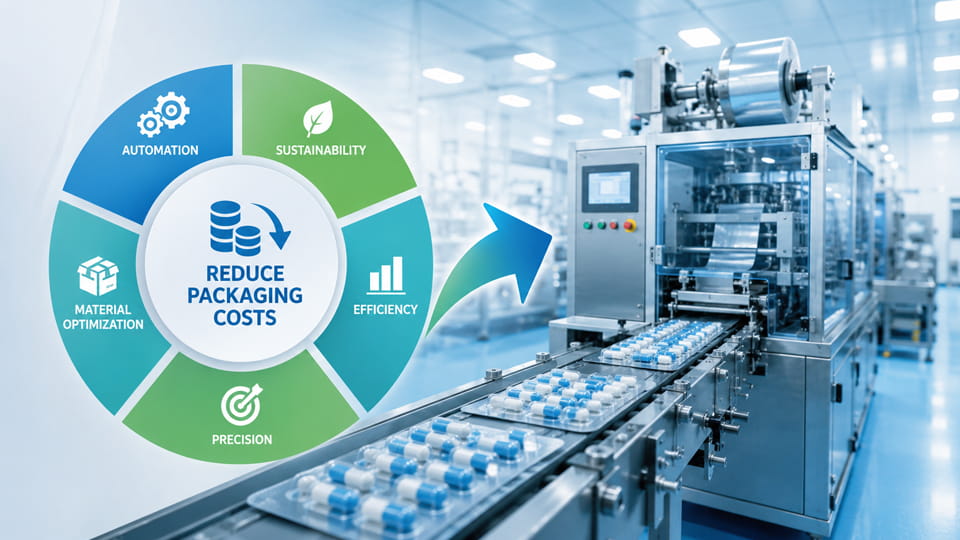
In today’s lean-margin environment, drug makers must slash packaging costs without sacrificing quality or compliance. Packaging can account for 10–40% of a product’s price, so even small efficiencies add up. This guide walks through 10 practical strategies – from cost breakdown analysis to automation, lean practices, and sustainable design – to trim expenses. We’ll cover material optimization, smart machine choices (like Jinlu’s high-speed blister machines, 계산 시스템, 탑승자, and capsule fillers), preventive maintenance, OEE and SMED improvements, waste reduction, and how to calculate ROI. Each section uses industry data and Jinlu machine examples to keep it concrete. By integrating these tips, pharma ops managers can turn packaging from a cost center into a competitive advantage.

Reducing Pharmaceutical Packaging Costs


Why Pharmaceutical Packaging Costs Are Rising

Packaging costs are under intense pressure from multiple fronts. Margin squeeze and drug-pricing initiatives mean every dollar counts, pushing packaging into the boardroom. Raw material inflation, consolidated suppliers (fewer choices, higher prices), and complex regulations (like serialization and new environmental laws) all bite into budgets. 예를 들어, extended producer responsibility (EPR) laws now make manufacturers accountable for end-of-life recycling, effectively adding a hidden fee to every gram of plastic or foil. 요컨대, packaging is not just “boxes and labels” – it’s a strategic system that must balance cost, 규정 준수, and customer experience.

Industry experts agree that hidden costs like 노동, 중단 시간, waste and paperwork often dwarf the sticker price of packaging materials. Every extra minute of downtime triggers overtime pay and delayed orders. Every scrap blister pack or label mistake is pure loss. And manual workarounds (like hand-sorting or re-labeling) consume staff time. With so much at stake, pharma companies need to rethink packaging from the ground up – using data-driven audits, cross-functional teams (아르 자형&디, 품질, procurement, 생산), and a strategic design mindset that treats packaging as value-added rather than a cost sink. The sections below show how to tackle each major cost driver.

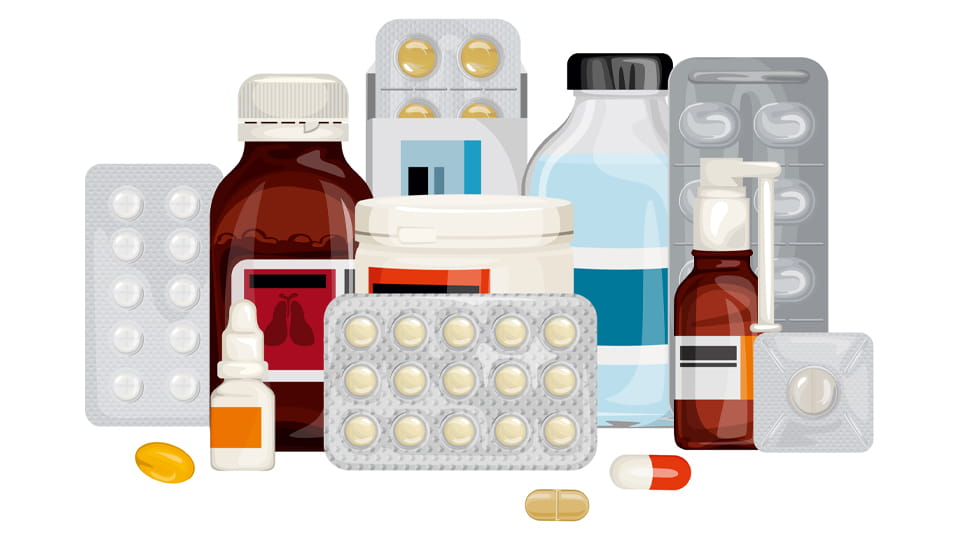
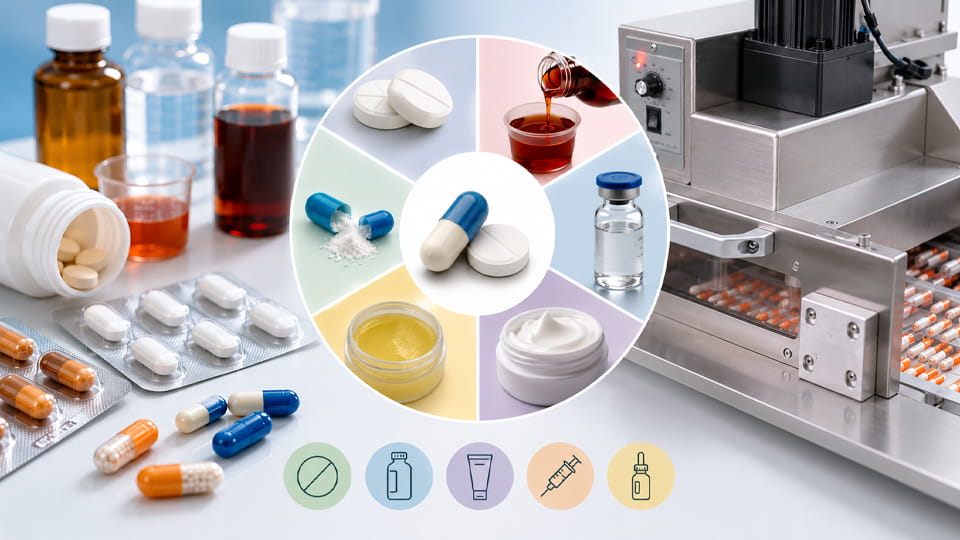
Various pharmaceutical packaging forms


Analyze Your Current Packaging Cost Structure

Before cutting costs, break down where your money goes. Typical packaging cost categories include 재료, 노동, 중단 시간, 쓰레기, 에너지 그리고 유지. 예를 들어: 재료 (films, 상자, 바이알, 라벨) often run 20–30% of total cost; 노동 (line operators, packers) can be 15–25%; changeover downtime and unscheduled stops eat up capacity; scrap and rejects (wasted product or packaging) add another chunk; plus smaller shares for utilities and upkeep. The exact mix depends on your products and processes, but this table outlines common components:

Cost Category What It Includes How to Optimize
재료 Blister films/foils, 상자, 병, 라벨 Use lighter or recyclable substrates; bulk purchase; right-size packaging to reduce material. Consider less expensive but compliant materials via should-costing analysis.
노동 Line operators, packers, inspectors Automate repetitive tasks (밀봉, 계산), use ergonomic equipment. Cross-train staff. (High turnover alone costs ~$4,000 to replace one worker.)
중단 시간 Changeovers, breakdowns, 청소 Implement preventive maintenance and quick-change (대장장이) protocols to speed changeovers. Keep spare parts stocked and lines calibrated.
쓰레기 Defective packages, overfills, spoilage Use vision inspection and precision machines to catch defects early. 예를 들어, blister machines individually seal doses to minimize exposure and spoilage. (Jinlu’s capsule fillers even recover 100% of powder.)
에너지 Electricity for machines, 공조 Opt for energy-efficient motors and drives. Run high-energy processes during off-peak hours if possible. Turn off idle equipment.
유지 Repair parts, service contracts, 구경 측정 Schedule regular upkeep (매끄럽게 하기, 구경 측정), and use OEM parts. A robust preventive maintenance plan avoids major outages.

By quantifying each category (even roughly), you can spot the biggest drains. 예를 들어, Jinlupacking’s review of pharma packagers points out that 노동, downtime and waste are often the silent cost killers. Other study also notes that materials and labor are major cost drivers alongside design and logistics. Use this breakdown to target “low-hanging fruit” – whether that’s negotiating better material prices, swapping to a recyclable film (reducing EPR fees), or investing in machines to eliminate labor costs.


Optimize Packaging Materials

Cutting material costs is a quick win, but it must be done smartly. Bulk discounts and supplier bids help, but real savings often come from design optimization. Look at your pack designs: Can box walls be thinner? Can blister cavities be right-sized? Could multiple blisters fit in one carton? Innovative pharma companies are moving beyond static specs to dynamic material portfolios. They catalog materials by not just cost and performance but also by recyclability and regulatory risk, so they can substitute lighter or greener alternatives as needed.

A famous example is reducing empty space. Larger packages may look “premium,” but any extra volume is wasted cost and a penalty under dimensional-weight shipping. By engineering more compact packages (while preserving product protection), firms often cut material use and shipping fees at once. 사실은, Packaging Digest reports that thoughtful design can “reduce material volume while simultaneously improving human factors,” meaning you spend less and patients find the packaging easier to use. This “elegant replaces excess” approach means fewer dies, less board, and lower EPR liability – all good news for the bottom line.

pharmacist hand taking medicine box from the shelf in drug store


Invest in Automated Packaging Machinery

Automating the right steps often yields the biggest cost cuts. Even semi-automation (versus fully manual) can boost output 30%+ without raising headcount. 그만큼 key benefit is labor savings: machines run 24/7 필요한 경우, and workers can be redeployed to higher-value tasks (품질 관리, 유지, 등.). 예를 들어, Jinlu’s Automatic Counting Machines achieve incredibly high accuracy (>99.98%) 그리고 속도 (최대 6,000 병/시간), virtually eliminating manual counting errors and downtime from sorting mistakes. 비슷하게, Jinlu’s Blister Packing Machines run up to 4,800–11,200 blisters/hour, handling forming, 급송, sealing and cutting in one step – a level of throughput and consistency impossible by hand.

Even simple semi-auto stations help. A well-designed ergonomic case-erector and taper can triple case-sealing speed, saving a packer’s time for higher-skilled work. And modern cartoners can align and fold cartons almost instantly. 사실은, firms that installed ergonomic end-of-line systems saw throughput jump by 30-40% without adding labor. 요컨대, automation pays off via higher speed + fewer errors + lower labor cost.

Crucially, savings here aren’t just hypothetical. Consider this rule of thumb: replacing just a few operators with machines can save tens of thousands per year in wages and benefits. One illustration from a packaging ROI guide showed an automated line increasing output from 100 에게 300 팩/시간 (~와 함께 $2 profit per pack), saving three workers ($20/hr each) and cutting material scrap. The result was about $800 net profit per day, enough to reach roughly 40% ROI on the equipment. We’ll return to ROI calculations below.

Top Jinlu machines to consider:

  • 자동 캡슐 충전 기계 – fill 12,000–468,000 capsules per hour, ~와 함께 100% powder recovery (no loss). Eliminates labor for sorting, reducing waste (plus easy maintenance).
  • 블리스 터 포장기 – up to 11,200 blisters/hr with multi-lane forming. They seal each unit separately, drastically cutting spoilage. (E.g. Jinlu’s DPP-270Max handles Alu-Alu blisters for moisture-sensitive drugs.)
  • Automatic Counting Machines – sorts and counts tablets/capsules into bottles or vials with 98%+ 정확성, outputting up to 6,000 contai­ners/hr. This avoids overfill/underfill waste and removes a tedious manual step.
  • High-Speed Cartoning Machines – cartoners that integrate with blister and bottle lines, running ~15,600 cartons/hour (side-load or top-load). They boost line efficiency and cut labor (no more hand-packing cartons).
  • Turnkey Packaging Lines – fully integrated systems (피더, 물집, 모자, 탑승자, 케이스 패커) from a single supplier eliminate costly integration and validation headaches. A Jinlu turnkey line arrives “ready to run” under one contract, speeding up deployment and compliance.

While machine costs may seem high upfront, remember the hidden savings: consistent quality (fewer rejects), elimination of shift premiums and overtime, 그리고 ability to redeploy staff. Modern equipment also features Industry 4.0 tech – sensors for predictive maintenance and data collection – which further squeezes waste and downtime.

JL-16H 고속 카운팅 패킹 라인
JL-16H 고속 카운팅 패킹 라인


예방적 유지보수: Avoid Downtime Costs

Even the best machines earn their keep only if they keep running. Unplanned stops are extremely costly – not just the repair part, but delayed shipments, overtime to catch up, and even rejection of whole batches if quality is compromised. As one pharma packaging guide notes, downtime “triggers overtime, delayed orders, schedule reshuffles…and quality holds”. 따라서, a strong maintenance plan is essential to reduce packaging costs.

Key practices include:

  • Scheduled Servicing: Establish preventive maintenance routines at set intervals. Change belts, clean sensors, calibrate scales, 등., before breakdowns happen. Vendors like Jinlu often provide maintenance checklists and training for your technicians.
  • Spare Parts Strategy: Keep critical parts (물개, 히터, drive belts, electronic modules) on hand. Downtime often means waiting for a part to ship; having spare parts cuts that wait to minutes.
  • 훈련: Ensure operators can perform basic troubleshooting and that maintenance staff know the machinery inside-out. Properly trained staff can nip small issues in the bud and do quick fixes without waiting for specialized service calls.
  • 원격 모니터링: Use PLC/IoT features to get alerts before a machine fails. Some advanced lines even auto-log performance metrics; those can feed dashboards that warn you of trends (예를 들어. a motor drawing more amps, indicating wear).

Machine manufacturers’ advice matters: Jinlupacking and others stress 3-year warranties and global support networks for rapid on-site service. Reputable suppliers also help you plan for maintenance up front: Preventive maintenance and proper spare parts stock forecasting is essential in automated lines.

Don’t overlook documentation costs: proper record-keeping for calibration and validation can actually save rework during audits. Having detailed maintenance logs (and access to OEM support) minimizes downtime and extends machine life. 요약, every dollar spent on proactive upkeep yields multiple dollars saved in avoided stoppages.

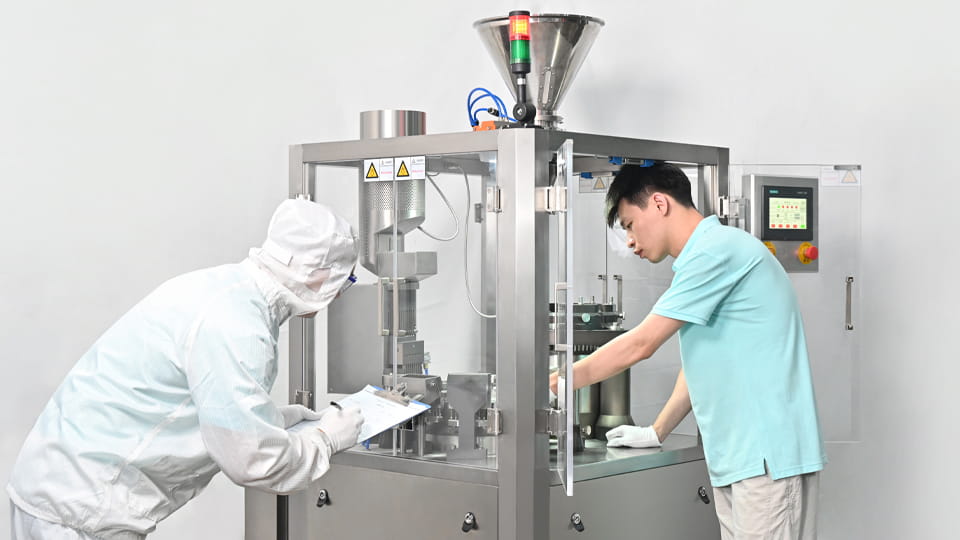
Workers are maintaining the capsule machine


Improve Packaging Line Efficiency (OEE and SMED)

With all elements in place, the next focus is overall line efficiency. A useful metric here is OEE (전반적인 장비 효율성), which combines availability (uptime), 성능 (speed vs. 설계), and quality yield. Lean consultants say OEE in many pharma lines averages only 30% – meaning 70% of potential output is lost to stops, slowdowns or rejects. 사실은, cases as low as 17% have been documented in pharma. 대조적으로, world-class targets are 65–75%, and top plants push 85%+. That gap represents a huge opportunity: every OEE point gained is more profit without adding equipment.

How to boost OEE:

  • Minimize Changeover Time (대장장이): In pharma we often have many SKUs. Quick changeovers multiply uptime. Apply the SMED (Single Minute Exchange of Dies) philosophy: do as many tasks off-line as possible (pre-stage cartons, pre-load recipes), standardize tools, and train teams to hit cycle-switch checklists. Real-time alerts can remind teams when changeovers are due. Even shaving a few minutes per changeover per day adds hours of run time each week.
  • Reduce Minor Stops: Small glitches (a jammed sensor, a label misfeed) might only cost seconds or minutes each, but they add up. Use basic Lean methods: root-cause the top petty stops and eliminate them (예를 들어. dust-proof a photoeye, re-train the operator on the kick-button). 시간이 지남에 따라, smoothing these faults raises the “performance” component of OEE.
  • Improve Quality Yield: Every lost capsule or misaligned cartoned pack eats into OEE. Inline inspection (체중 검사, vision cameras) can catch rejects instantly so you don’t run a whole batch before stopping. The Jinlu capsule filler’s built-in reject mechanism, 예를 들어, knocks out underfilled capsules on the fly. Capturing and analyzing data on reject patterns helps identify root causes (예를 들어. maybe a worn auger is jamming 5% of fills).

Measuring OEE is crucial. Start by establishing baseline OEE on each line (even with simple manual tracking). Then set realistic targets for 5-10% annual gains. Small gains are still big money: boosting a 100,000-unit/day line from 30% 에게 40% OEE means 10,000 more saleable packs per day!

(Mermaid Flowchart) Packaging Line Workflow

This flowchart shows a simplified pharmaceutical packaging workflow:

pharma Packaging Line Workflow

수치: Typical pharma packaging flow (from feeding to finished goods). Each arrow is an opportunity to improve efficiency – for example, automating the transitions or standardizing machine interfaces.

메모: For a fully integrated solution, Jinlu can supply the entire line from feeders through final case packing as one turnkey package.


Minimize Packaging Waste

Waste is visible money down the drain – literally. ~ 안에 의약품 포장, waste can be raw product (깨진 정제, wrong capsules), semi-finished packs (misprinted blister cards), or packaging scrap (melted bits, overlong film, empty cartons). Every defective pack not only wastes materials but also the labor and overhead that went into it.

Strategies to cut waste:

  • Precision Filling and Counting: Accurate machines minimize overfills. Jinlu’s counting machines, ~와 함께 99.98% 정확성, mean almost every blister or bottle has exactly the right pill count – no throwing out underfilled units. 비슷하게, automated fillers (blister or liquid) ensure consistent volumes.
  • Inline Inspection: Use vision or weight checks early in the line. 예를 들어, a camera can spot a misaligned leaflet before it’s cartoned, or a scale can reject an underweight blister pack immediately. Prompt rejection in-process keeps defects from accumulating downstream.
  • Material Salvage: Some waste can be recycled. Jinlu’s machines, 예를 들어, offer 100% powder recovery – capturing spilled granules back into the hopper. Blister machines can be set to recirculate excess PVC flake. Even printed labels that fall out can be re-run if not scratched. Designing lines to catch and reuse raw materials (where drug safety allows) turns scrap into a rebate on raw costs.
  • Optimize Blister Layout: When possible, fit more doses per blister card. Less empty space on each card means more product packed per sheet of foil/plastic. It’s a simple fix that directly reduces packaging material per dose.
  • Lean Kits: Prepare all parts (전단지, 병, 캡슐) in kitting prior to runs, so no partial runs are scrapped due to missing components.

Jinlu highlights one clear waste-reduction benefit: blister packs individually seal each dose, which “minimizes product exposure to air and moisture by individually sealing each unit, significantly reducing spoilage and waste”. 실제로, that means fewer tablets go bad on the line. Modern lines can even be set to optimize trim waste: 예를 들어, a servo-driven cutter can change blister card lengths on the fly to accommodate different product counts without excess.

Waste reduction also ties back to cost: less waste means less raw material purchasing, disposal and downtime. Every rejected pack saved is savings earned. As we’ll see in ROI, waste reduction is one of the hard savings in the payback equation for new equipment.

Optimize Blister Layout to Minimize Packaging Waste


Embrace Sustainable Packaging

“Sustainable” and “low-cost” are not mutually exclusive. 사실은, many green initiatives 낮추다 costs in the long run. 예를 들어, using mono-material packages (예를 들어. all cardboard) cuts down on expensive multi-material laminates and simplifies recycling. Lighter-weight materials cut freight costs. Cleverly, regulatory “green” rules (like EPR) actually reward lower waste designs. The same Packaging Digest article quoted above emphasizes that “cutting packaging costs and developing sustainable packaging are not mutually exclusive goals”.

Key approaches for pharma:

  • Recycled or Biodegradable Materials: There’s growing demand (and soon regulation) for pharma to use recyclable plastics or plant-based materials. A blister sheet with recycled PVC, 예를 들어, may cost a bit more per kg but reduces future disposal fees. If it also shaves off 5% of thickness while maintaining barrier, it can reduce per-dose costs.
  • Right-sized Secondary Packaging: 자주, a big source of waste is the box and leaflets around a bottle or blister. JIT-style carton sizing (just big enough) saves cardboard. Digital invoices/deliveries instead of printed inserts can cut paper.
  • Eco-Design: Involve packaging engineers early in drug development to minimize layers. The new mantra is lifecycle thinking: track the carbon and end-of-life of each material. When done well, many companies find they can meet eco-objectives while trimming weight.
  • Sustainability Labeling: Surprisingly, promoting “eco-friendly packaging” can be a marketing edge. Analysts note that people trust a product more if they see tangible sustainability measures. That boost in goodwill can justify the effort internally.

Jinlu even notes trends toward green blister packs (예를 들어. using recyclable papers or thinner films). The future will see more pharma-specific recycled materials and more gentle designs (like easy-tear labels that avoid plastic overwrap).

기억하다: small wastes add up. A slightly thicker box here, an extra insert there, and they blow your packaging budget. Regularly audit your waste streams (paper bin, plastic scrap) – a Kaizen event on waste can uncover surprising leaks. Often just setting a goal “use 10% less film this quarter” can spur engineers to innovate new layouts or trim scrap.

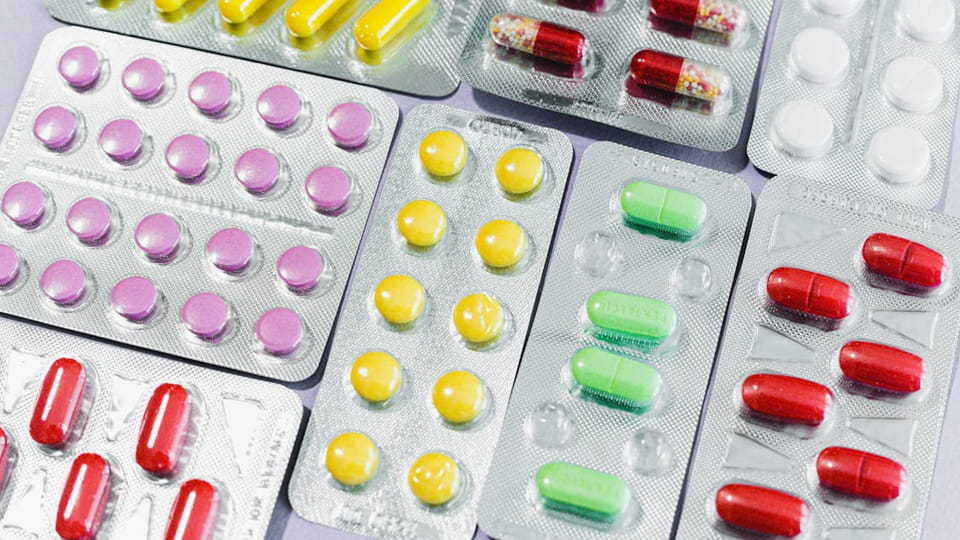
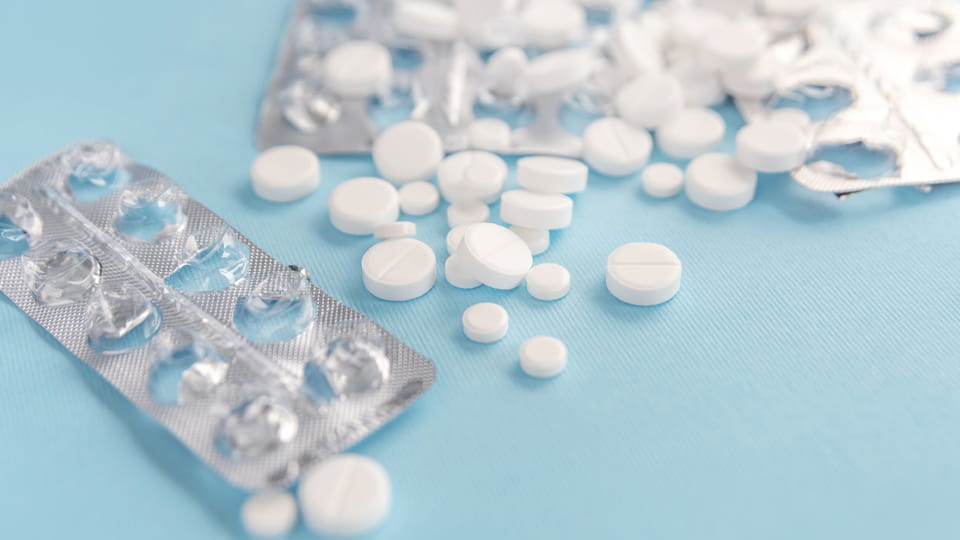
Used blister packs for tablets


Implement Lean Packaging Strategies

Lean manufacturing principles apply equally to packaging. The essence is remove non-value steps. Some suggestions:

  • Just-In-Time (JIT) 포장: Instead of maintaining huge inventories of pre-made packs or labels, shift to JIT printing/ordering. This cuts carrying costs and obsolescence. 예를 들어, use on-demand label printing so you aren’t stuck with 5,000 packages that changed regulatory text.
  • 표준화된 작업: Document and refine the “best” setup procedure for each changeover or batch start. Visual work instructions help prevent rework.
  • 지속적인 개선 (CI) Culture: Encourage operators to suggest efficiency fixes. 자주, the people on the floor have the best insight into frequent snags (loose shims, awkward handoffs, 등.). Simple fixes can knock seconds off every cycle.
  • Batch Rationalization: Examine if you can combine similar SKUs or eliminate rarely used packaging variants. Fewer formats means fewer changeovers and less scrap of obsolete parts.
  • Value-stream Mapping: Map the entire packaging process (from raw feed to final QC) to spot delays and idle time. This can highlight bottlenecks to prioritize (maybe it’s the bottle unscrambler or the label printer, 예를 들어).

While Lean is a broad topic, even quick wins help. In one consulting engagement, applying Lean Six Sigma on a packaging line bumped output by ~15%. Often the first wave of improvements is easy (말하다, reorganizing the workspace so each tool is within arm’s reach), but having Lean as an ongoing discipline prevents costs from creeping back in.


Calculate ROI: Demonstrating the Payoff

Investment in cost-cutting measures needs justification. ROI (Return on Investment) is your friend. The basic formula is: ROI = (Net Gain / Investment Cost) × 100%. Let’s illustrate with a simple example based on a packaging upgrade:

대본 Manual Process Automated Line Difference
생산 (pkgs/hour) 100 300 +200
Net profit per pkg $2.00 $2.00 $0.00
Daily revenue (8시간) $1,600 $4,800 +$3,200
Workers (hourly $20, 8시간) 3 × $480 = $1,440 1 × $160 = $160 –$1,280
Material scrap (per day) $100 $20 –$80
Total daily gain +$1,840
Annual (250 날) +$460,000
New Line Investment $300,000 –$300,000
ROI ~153%

(Illustrative example: assumes an automated line triples output, uses one fewer operator, and slashes scrap. Numbers can vary by case.)

In this scenario, the automation yields $460,000 annual net gain on a $300,000 spend, for about a 153% ROI (~에 대한 10 months payback). Even if your gains are more modest, most investments hit 20–50% ROI within a few years.

Industry guides give similar calculations: one packaging ROI worksheet shows saving ~$48/day in labor and $80 in material waste, with an extra $320 gain from output (using their profit margins). That particular example yielded a 40% ROI over a year. The lesson is to itemize all benefits (labor saved, waste avoided, new capacity, quality improvement) versus total cost (기계, 설치, 훈련, financing).

팁: Always include 부드러운 gains in your ROI justification. Reduced turnover (and its ~$4,000 new-hire cost), fewer quality incidents, and strategic agility (예를 들어. quickly launching a new line) are real value, even if harder to quantify. Many CEOs care about speed-to-market and reliability as much as pure dollars.


Common Mistakes That Drive Up Costs

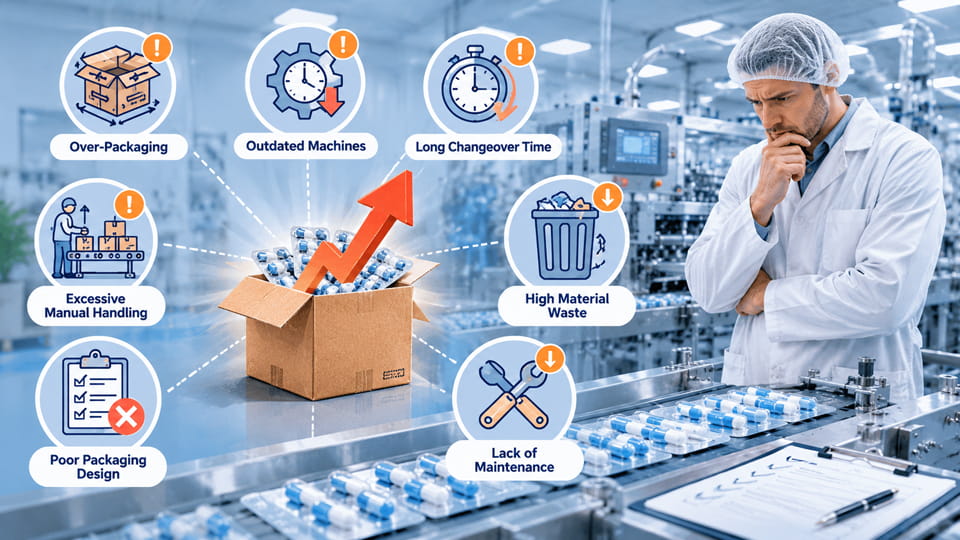
Even with the best tech, avoid these pitfalls that could undermine savings:

  • Waiting Too Long: Delaying upgrades because “it’s expensive” often costs more. Old equipment breaks down, causing chronic downtime and labor bottlenecks. Suffering with outdated or poorly performing lines lets productivity lag and demand go unmet. Don’t let fear of CAPEX force you into CAPEX of cash by continuing inefficient operations.
  • Over-Automating Without Planning: 반대편에는, “over-automating” everything at once (without testing processes) can backfire. A famous case in auto manufacturing had outputs fall dramatically after adding too many robots. 포장용, avoid implementing a huge new system without stakeholder buy-in and pilot testing. Start with high-impact areas (like counting or blistering) rather than jumping to a fully unmanned line.
  • Ignoring the Human Factor: Not involving line operators and stakeholders leads to mismatches. 예를 들어, marketing may need special e-commerce packing, while production is only focused on speed. Ensure that everyone’s needs are heard. As Smurfit’s consultants note, even shop-floor workers have valuable insights into what slows down the line. Cross-functional communication (procurement, 품질, 매상) avoids investing in features nobody uses.
  • Poor Integration Planning: Adding a new machine without checking footprints, 유용, or compatibility can cause delays. Ensure any new equipment (예를 들어. a cartoner) really fits your space and works with upstream/downstream gear.
  • Neglecting Maintenance: Skimping on service contracts or spare parts to “save money” always backfires. A small sensor can close a million-dollar line. Plan maintenance budgets as part of cost control – it’s an investment in uptime, not a sunk cost.
  • Underestimating Changeover Time: Every minute lost in cleanup and setup is a minute you could be running. If your changeovers take hours, that’s effectively scheduled downtime. Use lean SMED methods to cut changeover by even 25%, and you gain days of production per year.
  • Excess Packaging Design: 마지막으로, avoid “feature creep” in packaging. Fancy embossing, extra inserts, gift sets, 등., may delight consumers but bump up unit costs. Always challenge “nice-to-have” features and weigh them against real ROI or value-add.

By staying vigilant against these common mistakes – especially waiting too long to act 그리고 poor project scoping – you ensure your cost-cutting measures actually save money.

Common Mistakes That Drive Up Pharmaceutical Packaging Costs


결론

Pharmaceutical packaging cost reduction is a multi-faceted challenge, but the opportunities are clear. By analyzing your cost structure, optimizing materials, automating wisely, maintaining equipment, embracing lean principles, and even incorporating sustainable design, you can unlock substantial savings. Tools like OEE tracking and ROI calculators turn hunches into data-driven decisions. Keep an eye on emerging trends (smart labels, 산업 4.0) so your strategy evolves over time.

기억하다: packaging is the last touchpoint before the patient. 효율적인, waste-free, and elegant packaging not only saves money – it can enhance brand trust and compliance. 한 업계 리더가 말했듯이: “Cutting packaging costs and developing sustainable packaging are not mutually exclusive goals”.

For a practical start, consider a consultation with 진루 포장. 우리는 제공합니다 turnkey and modular solutions (물집 라인, 탑승자, 캡슐 필러, counting and more) designed for maximum uptime and GMP 준수. Our machines come with global support and CE/cGMP certifications, so you can invest confidently.

Let Jinlu help you turn your packaging line into a profit center and a reliability benchmark – so you spend less today and gain more tomorrow.


FAQs About Reducing Pharmaceutical Packaging Costs

How can pharmaceutical companies reduce packaging costs?

By tackling both materials and processes. Key strategies include using right-sized, 재활용 가능한 재료; bulk purchasing; and applying lean design to eliminate excess layers. On the operational side, automating repetitive tasks (물집이 생기는, 계산, carton erecting) cuts labor and waste. Preventive maintenance and quick changeover methods (대장장이) keep lines running longer. Tracking metrics like OEE reveals bottlenecks to fix. 실제로, companies lower costs through a combination of material optimization, packaging automation (Jinlu’s solutions can help here), and continuous improvement processes.

What is the biggest factor affecting pharmaceutical packaging cost?

The biggest factor is usually packaging materials, especially aluminum foil, PVC, 상자, 라벨, and specialty barrier materials. 노동, machine downtime, rejected products, and energy consumption also have a major impact on total packaging cost. In many pharmaceutical factories, inefficient packaging lines quietly increase operational expenses over time.

How does lean packaging help reduce pharmaceutical packaging cost?

Lean pharmaceutical packaging focuses on eliminating unnecessary waste during production. 여기에는 다음이 포함됩니다:
• Reducing idle machine time
• Minimizing changeover delays
• Lowering reject rates
• Simplifying packaging materials
• Improving workflow layout
Lean methods help pharmaceutical manufacturers increase packaging line efficiency while reducing operational expenses.

Do integrated (turnkey) packaging lines improve ROI?

전적으로. A turnkey system – where one vendor provides an end-to-end solution – avoids the hidden integration and validation costs of piecing together machines from different suppliers. You get a single specification, a single validation protocol, and one support contract. This saves engineering time and usually means shorter start-up (and thus cost) when bringing the line online. Jinlu’s turnkey lines come “ready to run” with unified controls, so you get production faster and with less troubleshooting. In ROI terms, the quicker your line starts and stays running, the sooner you recover costs.

What packaging machines help reduce labor costs the most?

Some of the most effective machines for reducing labor costs include:
• Automatic blister packing machines
• High-speed tablet counting machines
• Automatic cartoning machines
• Integrated pharmaceutical packaging lines
• 비전 검사 시스템
These systems reduce manual handling and improve production consistency.

Does packaging automation really save money in pharmaceutical manufacturing?

예. Automated pharmaceutical packaging machines can significantly reduce labor costs, packaging errors, 중단 시간, and material waste. Automated blister packing machines, 계산 기계, and cartoning systems also improve production consistency and overall equipment efficiency (OEE).
많은 경우, companies see long-term ROI through faster production and fewer rejected packages.

Can sustainable pharmaceutical packaging lower long-term costs?

예. Sustainable packaging is no longer only about environmental goals. Lightweight materials, recyclable packaging, and optimized carton sizes can reduce:
• Material consumption
• Transportation costs
• Warehousing costs
• Packaging waste
Many pharmaceutical manufacturers now combine sustainability goals with packaging cost optimization strategies.

Why does machine downtime increase packaging cost?

Every minute of downtime reduces production efficiency and increases labor and operational expenses. Unplanned downtime can also create material waste and delayed shipments.
Preventive maintenance and operator training are two of the most effective ways to reduce downtime in pharmaceutical packaging operations. GMP guidance also emphasizes proper equipment control and maintenance procedures.

What role does GMP play in pharmaceutical packaging cost control?

GMP requirements help pharmaceutical companies maintain product quality and avoid expensive recalls, 혼동, 오염, and labeling mistakes.
Well-designed GMP-compliant packaging processes improve operational stability and reduce costly production errors. FDA packaging guidance also stresses proper packaging controls, labeling procedures, and traceability systems.

How can blister packaging reduce pharmaceutical packaging waste?

Modern blister packaging machines use precise forming, 밀봉, and cutting systems to minimize material loss. Servo-driven systems and vision inspection technology can further reduce rejected products and startup waste.
Optimized blister packaging also improves product protection and reduces the risk of contamination or labeling errors.


참고자료:
1.TRS 986 – 신관 2: WHO good manufacturing practices for pharmaceutical products: Main principles -- WHO
2.CMC and GMP Guidances -- 우리를. 식품의약품안전청
3.Ecodesign approach for pharmaceutical packaging based on Life Cycle Assessment —— 사이언스다이렉트
4.Increasing the Circularity of Packaging along Pharmaceuticals Value Chain —— MDPI

이 기사를 공유하세요:
사진 사소한 푸
사소한 푸

사소한 푸, 진루패킹 창업자, 가져오다 30 제약 기계 부문에 대한 다년간의 전문 지식. 그의 리더십 아래, Jinlu는 디자인을 통합하는 신뢰할 수 있는 공급업체로 성장했습니다., 생산, 그리고 판매. Petty는 고객이 제약 포장의 복잡성을 헤쳐나갈 수 있도록 깊은 산업 지식을 공유하는 데 열정을 갖고 있습니다., 장비뿐만 아니라 제품도 받을 수 있도록 보장, 생산 목표에 맞춘 진정한 원스톱 서비스 파트너십.

목차

문의 보내기

답장을 남겨주세요

귀하의 이메일 주소는 공개되지 않습니다. 필수 입력란이 표시되어 있습니다 *

무료 견적 받기

*우리는 귀하의 기밀성을 존중하며 모든 데이터는 보호됩니다. 귀하의 개인정보는 JL 솔루션을 위해서만 사용 및 처리됩니다..