
Itu mesin press tablet is core equipment for solid dosage produksi. Lubrication management directly affects cGMP compliance, kualitas tablet, and equipment life. Many pharmaceutical companies make the same mistakes. They use industrial oil on the whole machine. Or they lose control of the oil volume. The result is sticking punches, weight fluctuation, product contamination, and audit findings.
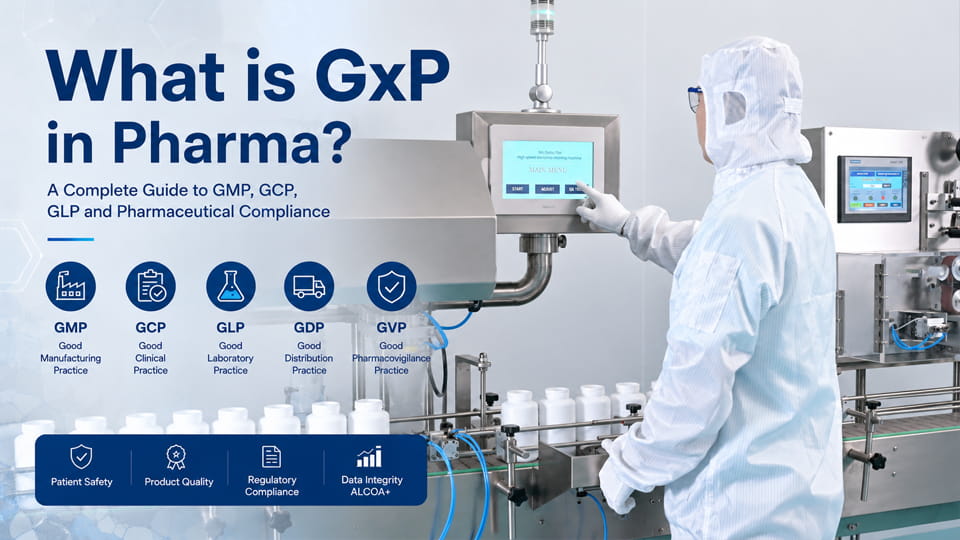
This article breaks down lubricant selection by contamination risk at each station. It covers selection standards, titik pelumasan, and risk control plans. The whole approach fits FDA and cGMP requirements. It also aligns with FDA 21 Bagian CFR 211 expectations for material manufacturing quality.
Some operators call this equipment a pill press. Others say pill press machine or pill pressing machine. Some even use the term pill compressor. Whatever the name, the lubrication rules stay the same.
Bagus pharmaceutical equipment lubrication management starts with risk classification. It prevents contamination and keeps the line audit-ready.
One core rule comes first. Any position with a possible chance of product contact must use NSF H1 food grade lubricant. This lubricant must meet FDA 21 CFR. Ideally it also carries ISO 21469 sertifikasi. Sealed gearboxes can use industrial anti-wear oil. But they must be strictly isolated to prevent leakage and contamination.
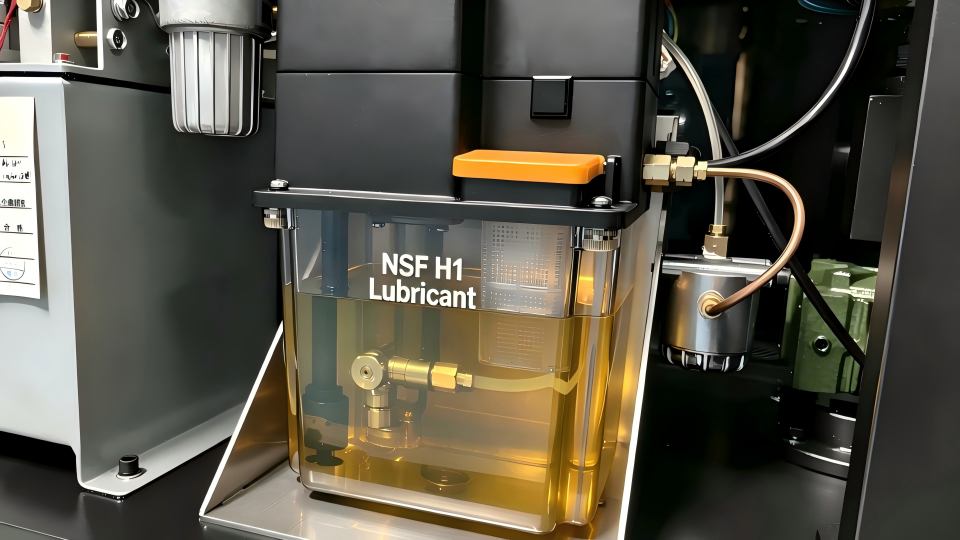
Recommended: NSF H1 food grade lubricant synthetic oil, ISO VG220 / VG460. Products like Klüberpharma UH1 4-220/460 are made for tablet presses.
Mengapa: High-speed reciprocating friction. Bronze rails pair with steel punches. Ordinary oil creates black wear debris that contaminates tablets. H1 formulations work well with bronze, reduce wear debris, resist oxidation, and do not thicken into carbon. Use centralized automatic drip or supply oiling. Keep the volume small and controlled to reduce drip risk.
Forbidden: Ordinary industrial oil and non-food-grade gear oil. Once they leak, they directly cause product contamination and cGMP deviations.
Recommended: NSF H1 food grade grease, NLGI 00 or NLGI 0.
Mengapa: Heavy load, intermittent impact, and a long-lasting oil film are needed. Nilai 00 flows well and suits centralized lubrication systems. For manual grease points, choose a grade that resists flinging, panas, and loss. This prevents high-speed centrifugal fling into the turntable material zone.
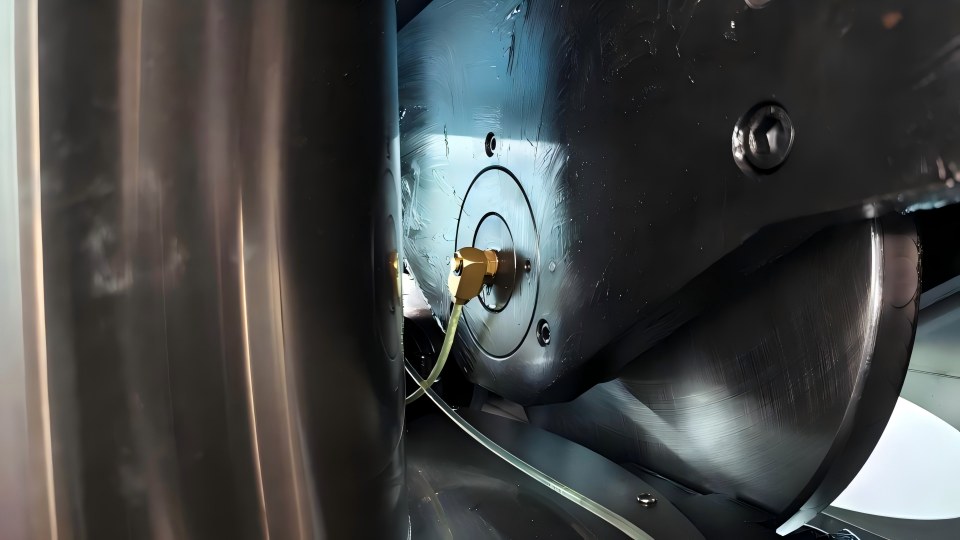
Recommended: ISO VG32 / VG46 anti-wear industrial gear oil, per the machine manual.
Mengapa: The cavity is sealed, so contamination risk is low. The focus is load bearing, Pakai ketahanan, and heat dissipation. Tetap, check oil seals regularly. This prevents leakage into the compression zone. Do not mix this oil with H1 oils.
Do not add liquid lubricant directly here. The process normally uses magnesium stearate as a dry powder lubricant. For rust prevention, apply a thin coat of H1 rust-preventive oil after cleaning. Wipe it all off before production.
Mengapa: Liquid oil touching granules directly causes sticking, noda minyak, rejected tablets, dan kontaminasi silang.
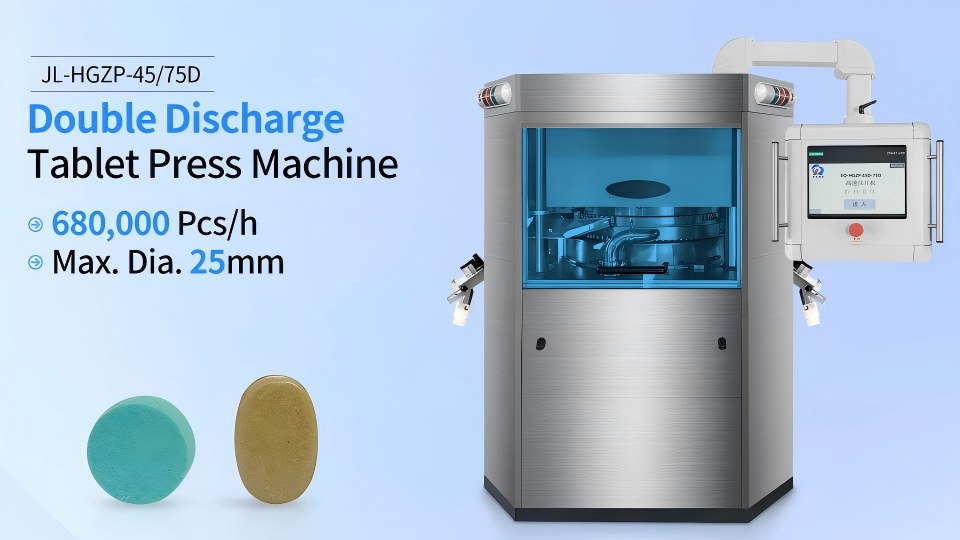
Jinlu Packing’s high-speed tablet presses like HGZP-45D and HGZP-26D are equipped with an automatic lubrication system that delivers oil at scheduled intervals and preset volumes, greatly improving maintenance efficiency.
Working condition: High-speed continuous reciprocation, repeated impact, dusty environment. Dry friction quickly scratches rails, causes punch hanging, punch jamming, weight fluctuation, and dropped punch accidents.
Lubrication purpose: Reduce friction between punches and rails. Reduce black wear debris on bronze rails. Keep upper and lower punch movement synchronized and stable. This stabilizes tablet weight and compression force. Oil volume must be small and controlled to prevent dripping into powder.
This is the core of GMP lubrication for tablet press work. Most sticking cases start here.
Working condition: Bear huge compression force and rotate continuously. Lack of oil causes bearing heating, seizure, roller shaft wear, abnormal noise, and pressure fluctuation.
Lubrication purpose: Carry impact load, dissipate heat, extend bearing life. Use high-adhesion grease to prevent fling at high speed.
Working condition: Power source of the whole machine, continuous load. Low oil level or degraded oil causes noise rise, temperature rise, and lower transmission efficiency. Long-term, it can break gear teeth.
Lubrication purpose: The fluid film spreads the load and carries away wear particles. The integrity of sealing components is vital to avoid gear oil leaking into the tablet compression chamber.
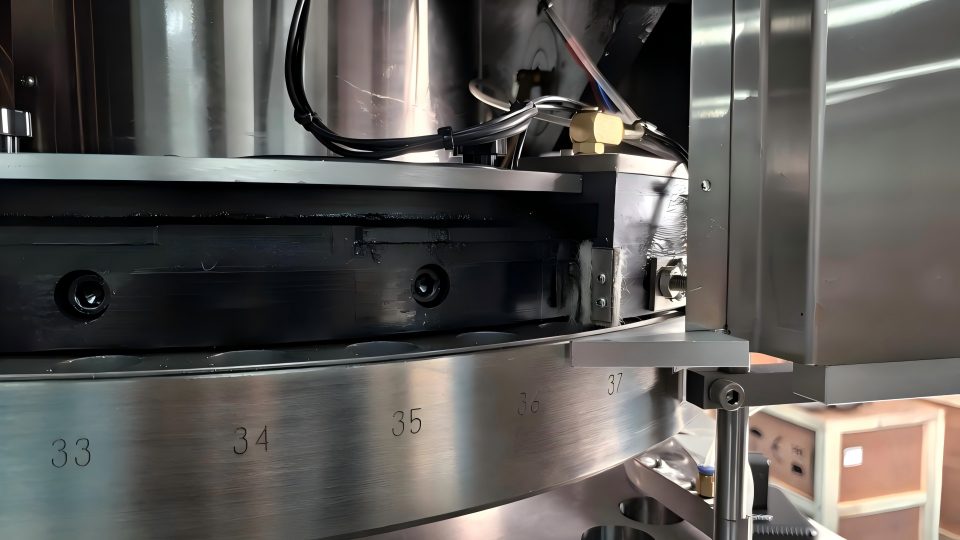
Working condition: Low speed, frequent start and stop. They easily collect powder, selai, and lose adjustment accuracy.
Lubrication purpose: Smooth movement and precise adjustment. Use a small amount of H1 grease. Combine with daily powder cleaning. This avoids a grinding paste of dust and oil.
Start by mapping every lubrication point on the machine. Mark each one as high, sedang, or low contact risk. High-risk points sit close to the product path. They need NSF H1 food grade lubricant without exception. Medium-risk points include external bearings and hinge joints. They also need a pharmaceutical grade lubricant. Low-risk points live inside sealed gearboxes. Industrial oil works there, but only with strict isolation. Review this map once a year. Also review it after any machine rebuild.
A small oil volume keeps the film thin and controlled. An automatic metering pump helps here. Set it to the lowest reliable dose. Check drip points during each shift. Watch for oil pooling on rails or around punches. If you see it, reduce the dose first. Do not touch any other setting. Over-lubrication wastes money and ruins batches. It is easier to prevent than to clean up.
Powder settles on every surface near the compression zone. Oil picks it up and turns it into an abrasive slurry. That slurry cuts into bronze rails and steel punches. The damage shows up as weight drift and sticking. Build a cleaning schedule that matches your shift pattern. Vacuum before oiling, not after. Keep compressed air away from bearings. Air can push dust deeper into oil channels. This habit alone extends parts life and stabilizes the tablet press machine.
Each lubricant brand tests its own formula. Base oil and thickener chemistry differ. Even two H1 products may not be compatible. Gel forms inside the line and starves the pump. The machine then runs dry at the worst moment. Choose one brand for the whole plant. Record it in the SOP. If you must switch, flush the system first. This keeps GMP lubrication for tablet press lines simple and traceable.
This risk-based approach is the essence of NSF H1 lubricant for pharmaceutical equipment. It also forms the core of sound tablet press maintenance. To get the tablet sticking problem solution, you must first find its true root cause. Over-oiling, debu, mixed brands, and wrong grades each leave their own trace. Learn to read those traces. Then the fix becomes clear.
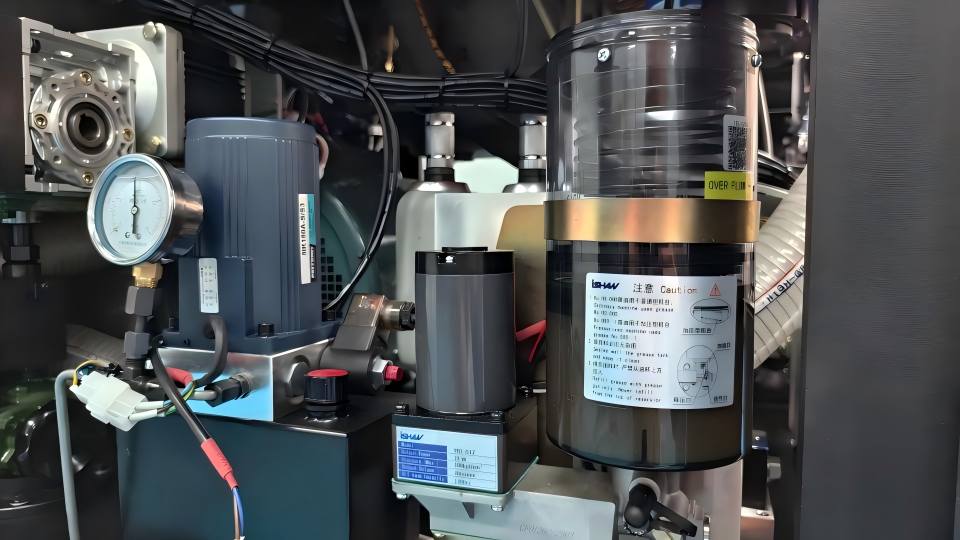
Tablet press lubrication is not a simple refill task. It is a key part of the cGMP quality system for solid dosage manufacturing.
Select lubricants by contamination risk. Control the fill volume. Standardize inspection and cleaning. Implementation of these measures protects the core components of the tablet press machine. They reduce downtime and repair costs. They prevent product contamination. They help you pass FDA and EU cGMP audits and stabilize tablet quality.
Choose a pharmaceutical grade lubricant registered with NSF H1 for any possible contact point. This simple rule keeps your line compliant and your tablets clean.
Tidak direkomendasikan. NSF H1 food grade lubricant costs more. A sealed independent gearbox has no material contact risk. Use industrial gear oil per the manual. But every moving part with any risk of powder contact must use NSF H1 certified pharmaceutical grade lubricant. This is the first rule of GMP lubrication for tablet press work.
Mixing is not recommended. Their base oils and thickener systems differ. Mixing may cause phase change, blocked oil lines, and lubrication failure. To change products, clean out the old lubricant first. For a tablet press machine, always keep one NSF H1 lubricant for pharmaceutical equipment brand across the whole line.
Tidak selalu. Over-lubrication and oil fling into powder also cause stains and sticking. This is a common tablet sticking problem solution trap. Check oil supply flow and fling first. Then check excipients and tablet press molds. The tablet in tablet press cavity shows the first sign of trouble.
NSF H1 means the product is allowed for incidental food or material contact. ISO 21469 is a hygiene standard for the lubricant production process. cGMP audits prefer both. NSF H1 alone meets the basic requirement. This choice is part of overall pharmaceutical equipment lubrication management.
There is no fixed cycle. Follow the machine manual and oil test results. Monitor color, viskositas, and impurities. In dusty solid dosage plants, shorten inspection intervals. Good tablet press maintenance prevents powder from mixing into oil and accelerating degradation. This rule applies to tablet presses and pill press models alike.
Keep COA certificates, MSDS, and oil certification files. Keep oil fill and change records, oil seal leakage inspection records, and lubricant usage logs. Also keep the lubrication SOP. These records prove cGMP compliance and support 21 Bagian CFR 211 audit review for your pill pressing machine line.