
Perkenalan: Tablet kunyah dirancang sedemikian rupa dikunyah bukannya ditelan utuh, menjadikannya ramah pengguna, terutama untuk anak-anak, senior, dan siapa pun yang mengalami kesulitan menelan. Dengan cara mogok di mulut, kunyah menawarkan kenyamanan pemberian dosis tanpa air, rasa yang menyenangkan, dan stabilitas tablet padat. Mereka banyak digunakan untuk obat-obatan anak dan suplemen nutrisi (pikirkan pil vitamin C atau multivitamin yang bisa dikunyah), dan bahkan dalam pengobatan hewan. Menurut panduan FDA, produsen harus memberikan perhatian khusus atribut kualitas kritis (CQA) saat mengembangkan tablet kunyah. CQA ini mencakup faktor-faktor seperti kekerasan tablet, penutup rasa, dan keseragaman konten untuk memastikan keamanan dan kemanjuran. Pendeknya, kunyah menggabungkan tablet terbaik (ketepatan, stabilitas rak) dengan lebih baik kepatuhan pasien. Dalam panduan ini, kita akan membahas apa itu tablet kunyah, manfaat mereka, bagaimana hal itu dibuat, dan mesin pengemas apa yang digunakan untuk menanganinya – semuanya ramah, perspektif industri.
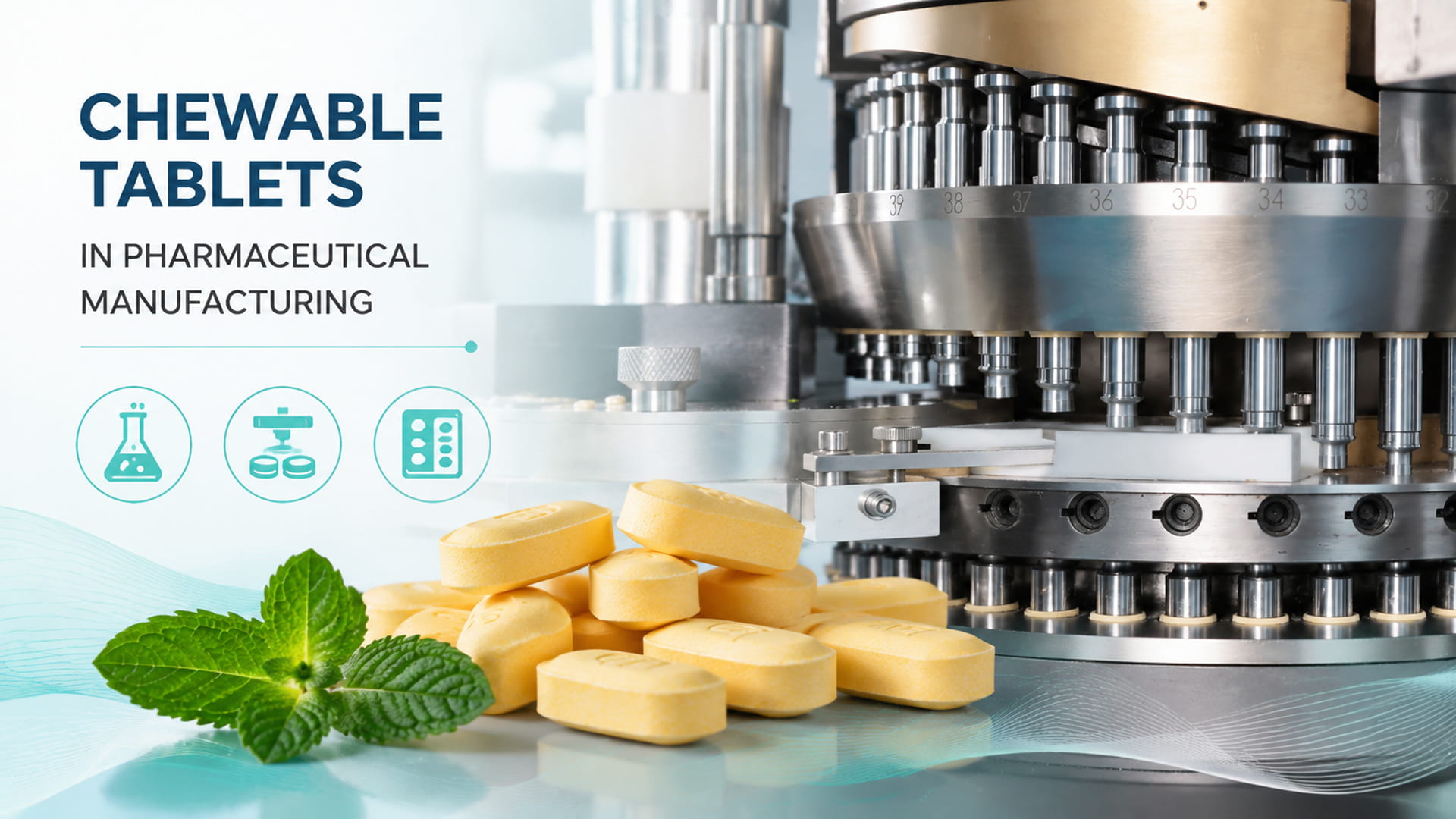
Tablet kunyah adalah a jenis lisan bentuk sediaan padat dirancang untuk dikunyah sebelum ditelan. Berbeda dengan tablet konvensional (yang kamu telan utuh) atau tablet yang hancur secara oral (ODT) yang larut di lidah, kunyah adalah dipecah di mulut dengan mengunyah. Hal ini membuat pemberian dosis lebih mudah bagi banyak pasien.
Menurut Teknologi Farmasi, tablet kunyah didefinisikan sebagai tablet “yang dirancang untuk diproses dengan cara dikunyah untuk memfasilitasi pelepasan bahan aktif(S)”. Dalam praktiknya, ini berarti makanan kunyah sering kali mengandung bahan-bahan seperti gula-alkohol (poliol) yang menambah rasa manis dan massal. Mereka juga bisa dibentuk menjadi bentuk yang menyenangkan (binatang, hati, dll.) untuk menarik perhatian anak-anak. Karena kunyah pecah menjadi partikel di dalam mulut, mereka bisa dibuat lebih besar atau bentuknya berbeda daripada pil yang Anda telan, namun masih cepat larut setelah dikunyah.
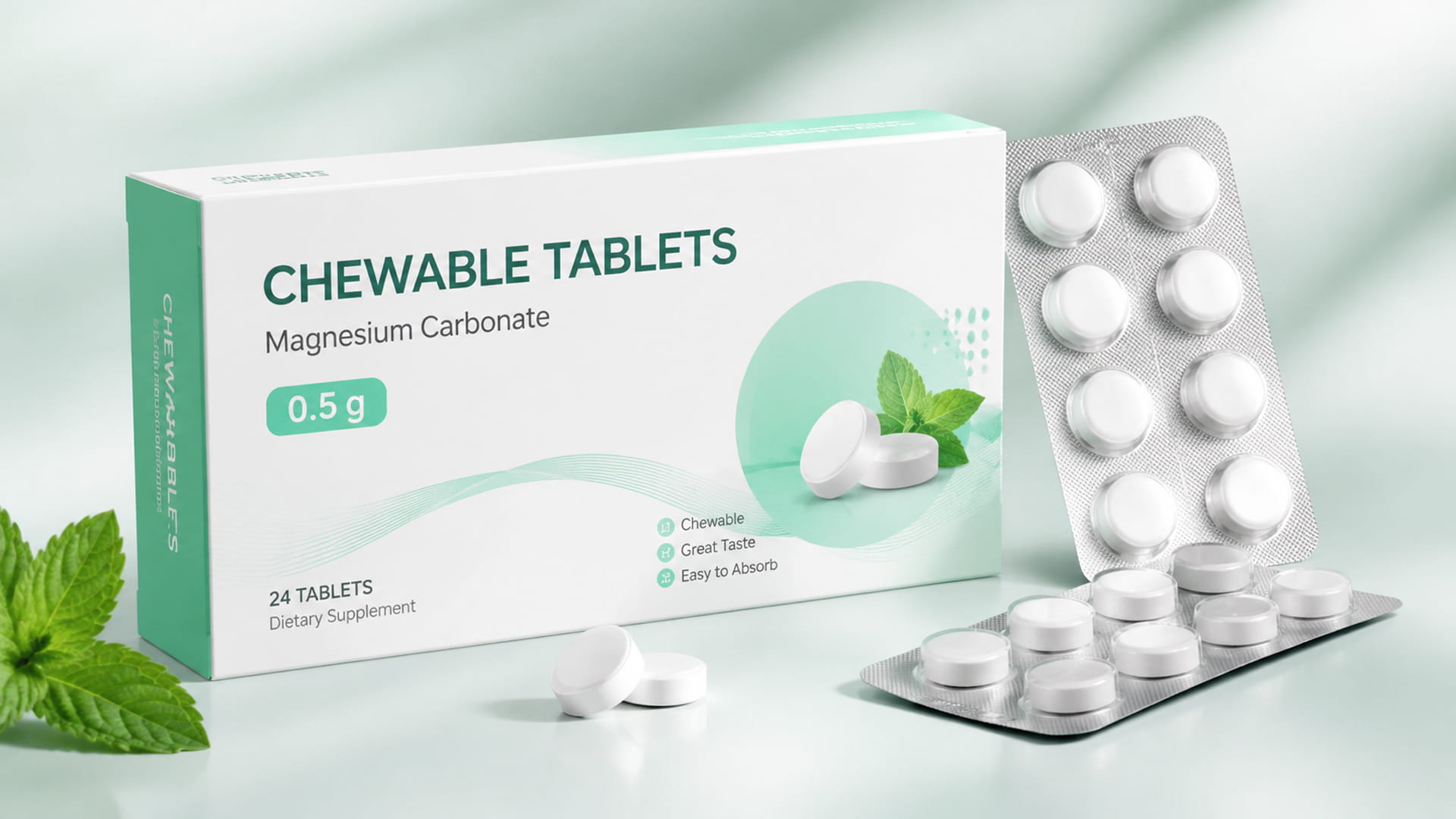
Tablet kunyah populer di beberapa segmen pasar layanan kesehatan:
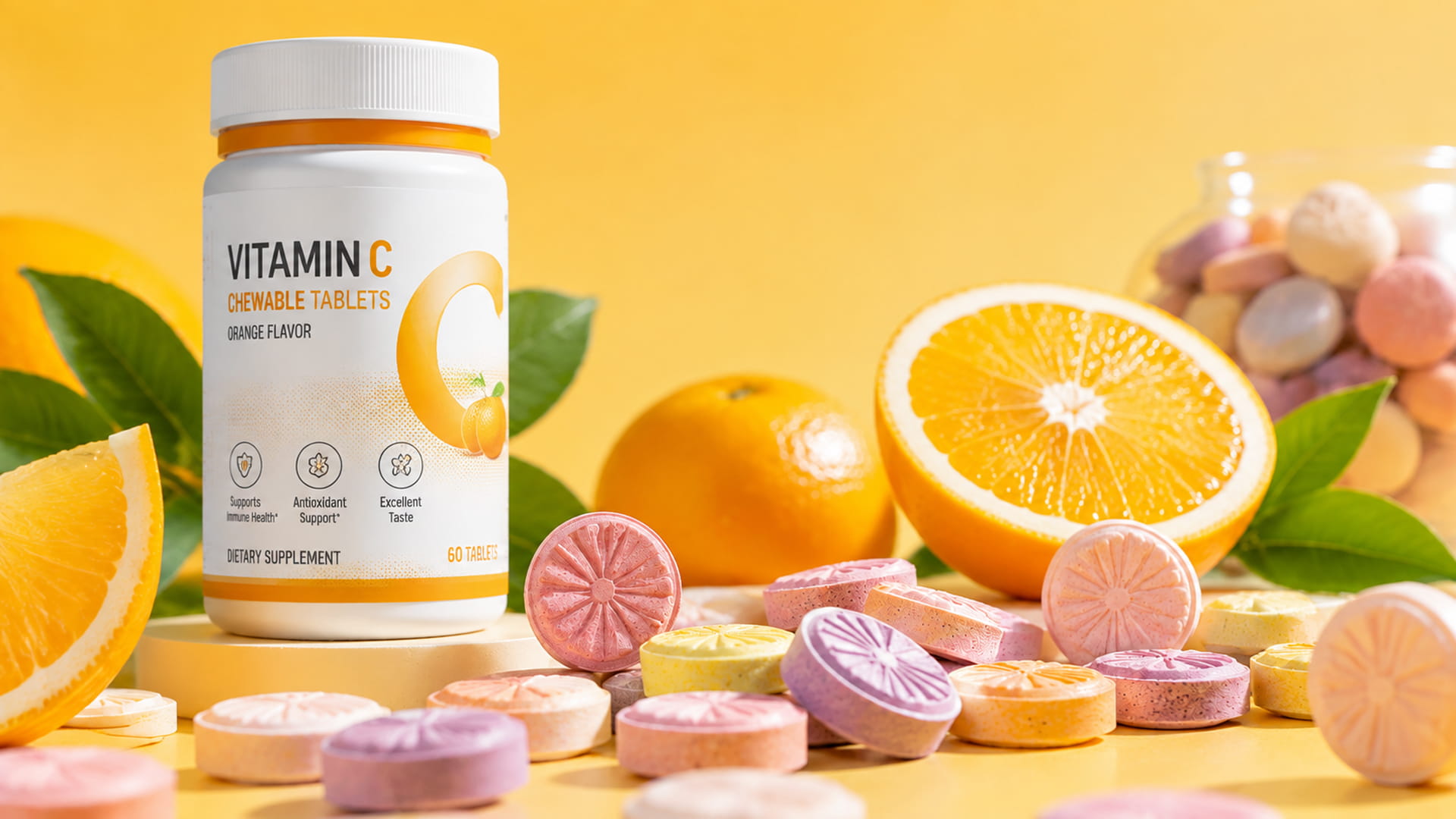
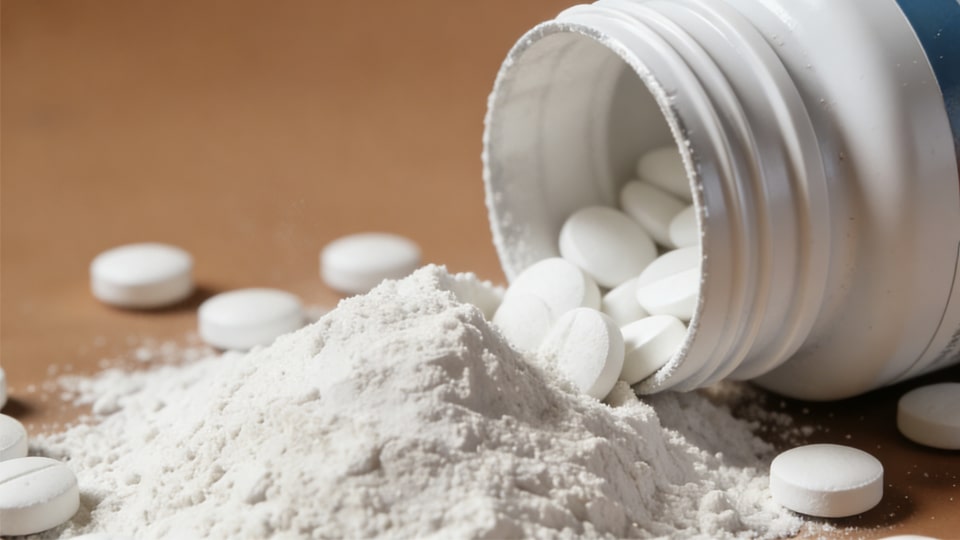
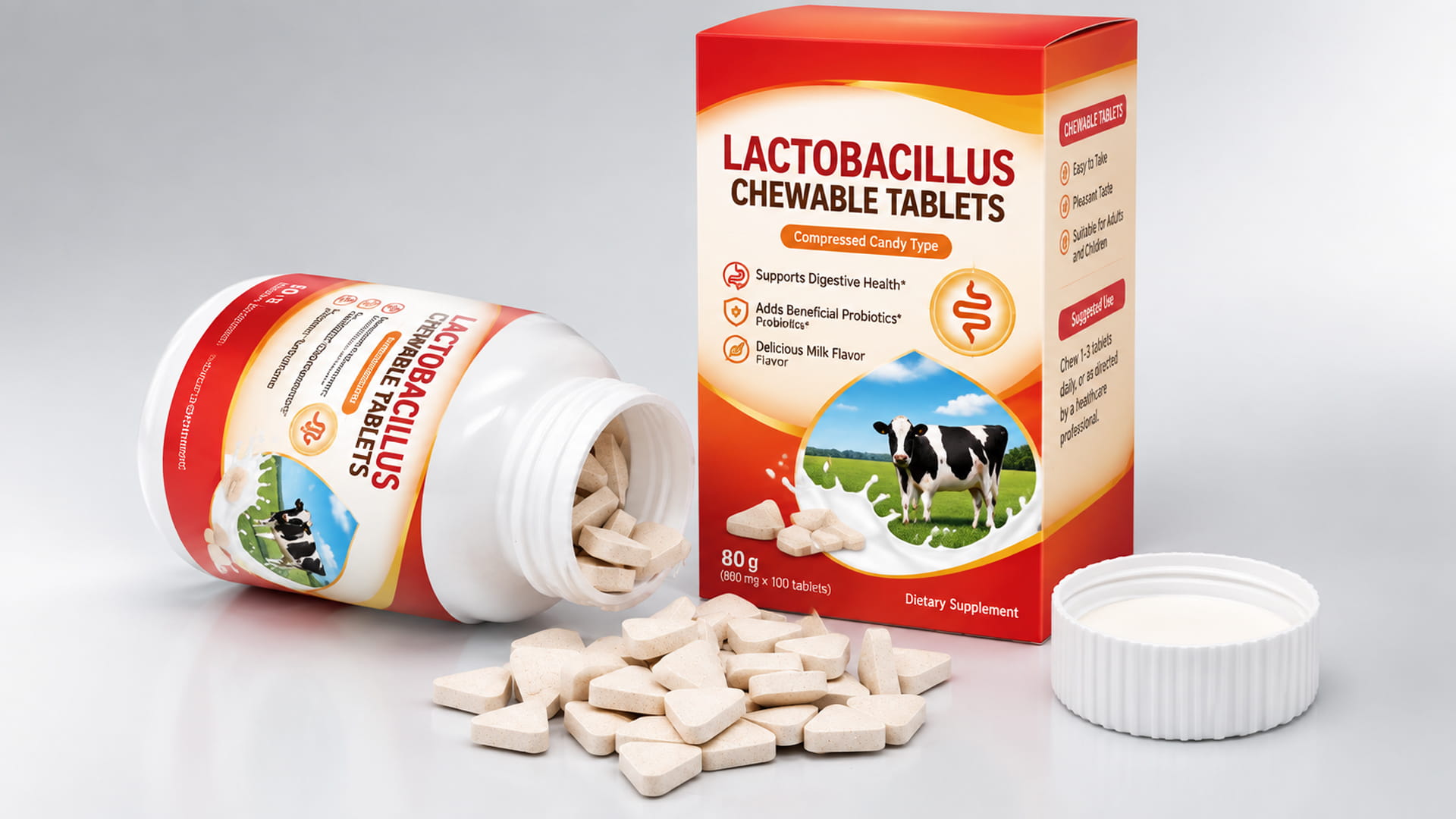
Foto ini menunjukkan vitamin dan suplemen dalam bentuk tablet kunyah. Vitamin C kunyah, multivitamin, dan tablet mineral seringkali terlihat seperti permen dengan warna cerah. Faktor bentuk dan rasanya menjadikannya pilihan yang ramah bagi konsumen dan pasien yang sadar kesehatan.
Memformulasi tablet kunyah merupakan tindakan penyeimbang. Tabletnya harus enak dan mudah dikunyah, belum kuat dan stabil cukup untuk penanganan dan penyimpanan. Artinya:
Cicipi topeng & Palatabilitas: Berbeda dengan tablet yang bisa ditelan, kunyah duduk di mulut, memaparkan obat ke selera. Banyak obat aktif yang terasa pahit, jadi formulator menambahkan pemanis (gula atau gula alkohol) dan bahan penyedap untuk membuat tablet terasa nikmat. Untuk API yang sangat pahit, lapisan tipis atau bahan tambahan penghambat rasa khusus dapat digunakan untuk mencegah rasa tidak enak sampai ke lidah. Misalnya, tablet vitamin kunyah sering kali menggunakan rasa buah dan bahan dasar manis (seperti sorbitol atau manitol) untuk meningkatkan rasa.
Tekstur & Rasa di mulut: Seharusnya tablet kunyah yang bagus cukup lembut untuk terurai dengan lancar tanpa terasa berpasir atau terlalu berkapur. Ukuran partikel dan pilihan eksipien penting: bahan-bahan yang digiling halus dan bahan pengisi yang “lunak”. (misalnya. manitol, xylitol) membantu tablet hancur dengan lembut saat dikunyah. Di sisi lain, kunyah masih perlu beberapa kekerasannya agar tidak hancur saat disimpan. Pedoman industri menyarankan untuk menjaga kekerasan tablet relatif rendah (misalnya. di bawah ~12 kilopond) kecuali tablet tersebut hancur dengan cepat di dalam mulut. Menggunakan eksipien dan pengikat yang sangat kompresibel (seperti selulosa mikrokristalin atau polimer tertentu) membantu menjaga tablet tetap utuh selama pengemasan namun tetap dapat dikunyah di mulut.
Kehancuran & Pelepasan Narkoba: Obat kunyah harus terurai dan melepaskan obat secara efektif setelah dikunyah. Mereka biasanya diklasifikasikan sebagai bentuk sediaan pelepasan segera, jadi tablet tersebut harus memenuhi standar disintegrasi dan disolusi yang sama seperti tablet pelepasan segera lainnya. Dalam praktiknya, ini berarti menguji tablet kunyah untuk memastikan tablet tersebut larut dalam waktu yang diperlukan (sering kali kurang dari beberapa menit) setelah mengunyah. Formulator sering kali menyertakan disintegran (misalnya. natrium pati glikolat) untuk membantu pemecahan yang cepat dan memastikan bioavailabilitas yang konsisten.
Stabilitas: Seperti tablet apa pun, bahan kunyah bisa sensitif terhadap kelembapan dan suhu. Karena banyak yang bisa dikunyah (misalnya. vitamin atau makanan kunyah effervescent) gunakan pengisi higroskopis, formulasinya harus stabil sepanjang umur simpan produk. Hal ini melibatkan kontrol kelembaban yang tepat selama pembuatan dan pengemasan. nyatanya, pedoman peraturan (misalnya. Panduan stabilitas FDA) mengharuskan penyerahan data stabilitas untuk menunjukkan potensi dan keamanan dari waktu ke waktu. Untuk vitamin kunyah dengan kandungan obat yang tinggi, perawatan tambahan diperlukan untuk menyeimbangkan rasa dengan bahan aktif sekaligus menjaga stabilitas.
Eksipien Umum: Bahan-bahan utama di luar API meliputi pengisi (pengencer) untuk jumlah besar, pengikat untuk menyatukan tablet, Pelumas untuk mencegah lengket, Dan, penting, perasa/pemanis untuk menambah rasa. Bahan pengisi yang umum digunakan pada makanan kunyah adalah gula alkohol seperti manitol atau sorbitol, atau pemanis seperti sukrosa dan laktosa. manitol, misalnya, populer karena menghasilkan keren, rasa manis di mulut dan membantu tablet hancur dengan cepat. Disintegran (selulosa mikrokristalin, natrium pati glikolat) digunakan untuk memastikan pemecahan cepat di mulut. Bahan tambahan perasa (rasa buah, daun mint, dll.) dan zat pewarna juga umum digunakan untuk membuat tablet menarik bagi konsumen.
Dengan berfokus pada faktor-faktor ini—penyembunyian rasa, tekstur, dan disintegrasi—pengembang farmasi menciptakan tablet kunyah yang efektif dan ramah pasien. Formulasi yang tepat menjadi dasar kelancaran produksi dan pengemasan.
Memproduksi tablet kunyah yang baik berarti menyeimbangkan kualitas farmasi dengan penerimaan pasien. Atribut kualitas penting meliputi:
Memenuhi faktor kualitas ini bukanlah hal yang sepele, itulah sebabnya FDA menerbitkan panduan khusus mengenai atribut tablet kunyah. Panduan ini menekankan pendokumentasian semua langkah pengembangan dan pengujian dalam pengajuan peraturan (NDA/ANDA). Kesimpulannya: tablet kunyah masih merupakan produk obat dan harus ditangani dengan kualitas penuh ketelitian, hanya dengan sentuhan ramah pasien.
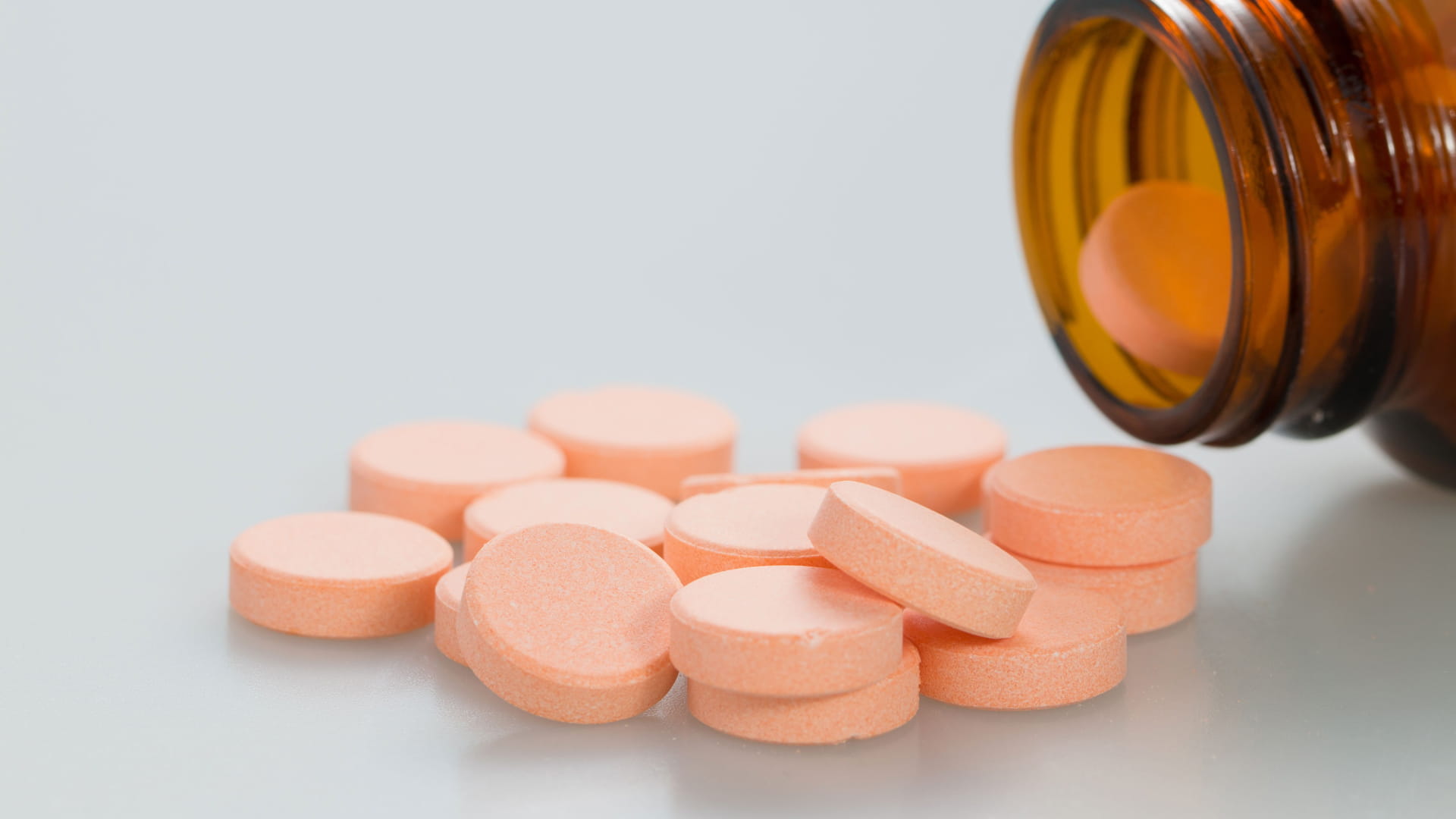
Pembuatan tablet kunyah sebagian besar mengikuti proses produksi tablet standar, dengan beberapa penyesuaian khusus untuk kenyal dan rasa. Di bawah ini adalah ikhtisar langkah-langkah utama dalam memproduksi produk kunyah:
Di setiap tahap, produsen mengikuti peraturan cGMP (misalnya. FDA 21 Bagian CFR 211 di AS) untuk memastikan kebersihan, presisi, dan ketertelusuran. Mesin press tablet modern sering kali memiliki kontrol PLC untuk menyesuaikan tekanan dan kecepatan, dan fitur seperti sensor gaya untuk menjaga kompresi yang konsisten. Untuk makanan kunyah, sebuah kunci hanyalah penekanan yang “lembut namun seragam”..
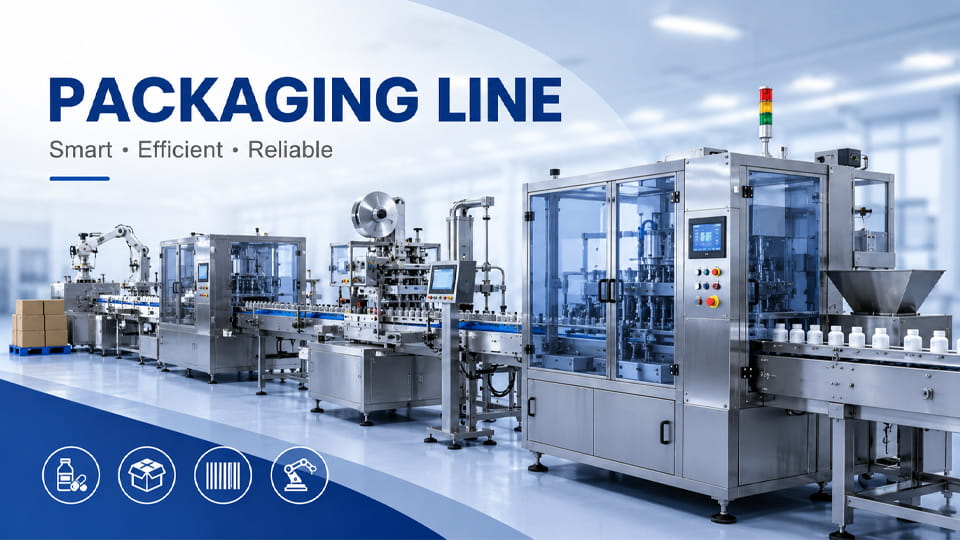
Setelah produksi, Tablet kunyah memerlukan kemasan yang tepat agar tetap segar dan efektif. Di bawah ini adalah pendekatan pengemasan yang umum dan peralatan yang digunakan:


Kartoner mungkin sepenuhnya otomatis (tidak diperlukan operator manusia) dan menyertakan sensor untuk memastikan setiap kotak memiliki sisipan yang tepat dan tersegel dengan benar. Keuntungan dari pengemasan otomatis mencakup kecepatan dan konsistensi yang jauh lebih tinggi dibandingkan dengan pengemasan manual. Seperti yang pernah disindir oleh seorang insinyur pengemasan, kartoner memberi “tampak profesional, karton tahan rusak” dengan tenaga kerja minimal.
Tip: Jika tablet kunyah Anda dimasukkan ke dalam botol (misalnya. botol vitamin), mungkin tidak ada lepuh, tapi botol-botol itu sering kali dimasukkan ke dalam karton juga, mengikuti proses kartoning yang sama.
Ini sepenuhnya jalur pembotolan otomatis sangat ideal untuk produk kunyah seperti tablet kunyah vitamin D atau tablet kalsium kunyah yang dijual dalam botol. Ini memastikan setiap botol memiliki jumlah yang benar (berpikir dengan tepat 60 tablet vitamin C kunyah per botol) dan mempercepat produksi.
Kualitas & Kepatuhan: Semua mesin pengemas ini harus memenuhi standar farmasi. Misalnya, jalur melepuh dan karton dibuat sesuai spesifikasi cGMP (21 CFR 211 di AS) dengan desain sanitasi, ketertelusuran, dan protokol validasi. Sistem penglihatan inline sering kali memeriksa tingkat pengisian dan penyegelan, mencegah kesalahan. Pengemasan yang baik menjamin kualitas produk: penelitian menunjukkan mengeluarkan pil dari kemasannya sebelum waktunya mempercepat degradasi. Pendeknya, berinvestasi dalam kemasan yang kuat (seperti lecet penghalang tinggi dan karton/penghitung yang presisi) sangat penting untuk menjaga keamanan tablet kunyah dari pabrik ke pasien.
Dalam ringkasan, tablet kunyah adalah a ramah terhadap pasien dan bentuk sediaan serbaguna dalam farmasi. Mereka meningkatkan kepatuhan (tidak diperlukan air!), dan dengan teknik formulasi modern (pemanis, rasa) rasanya cukup enak. Produksinya menggunakan peralatan tablet standar dengan beberapa penyesuaian: kompresi tekanan rendah, pukulan khusus, dan kontrol kualitas yang cermat. Pengemasan juga memainkan peran penting – mesin melepuh, kartoner, dan garis penghitungan memastikan setiap tablet kunyah tetap segar dan dosisnya tepat dalam kemasan akhir.
Jika Anda bergerak di bidang manufaktur farmasi atau nutraceutical dan sedang menjajaki produksi tablet kunyah, Ingat: mitra peralatan yang tepat dapat membuat perbedaan besar. Produsen seperti Pengepakan Jinlu menawarkan mesin cetak tablet yang disesuaikan, pengepakan melepuh, dan kartoner yang dibuat untuk produk kunyah. Apakah Anda memerlukan a mesin tablet putar untuk ribuan pil kunyah per jam atau a garis melepuh berkecepatan tinggi untuk menutup tab vitamin Anda, peralatan berkualitas akan menjaga produksi Anda tetap efisien dan tablet Anda ramah pasien.
Siap menyempurnakan lini tablet kunyah Anda? Hubungi ahli di Jinlu Packing untuk produksi tablet farmasi dan solusi pengemasan yang disesuaikan
Tablet kunyah adalah bentuk sediaan padat oral yang dirancang untuk dikunyah sebelum ditelan. Ini memberikan administrasi yang lebih mudah dibandingkan dengan tablet tradisional dan biasanya digunakan untuk produk farmasi, vitamin, dan suplemen makanan.
Tablet kunyah diproduksi melalui proses yang mencakup pencampuran bahan, granulasi atau kompresi langsung, penekanan tablet, pengujian kualitas, dan pengemasan. Mesin press tablet putar biasa digunakan untuk menghasilkan ukuran tablet yang konsisten, berat, dan kekerasan.
Peralatan utama yang digunakan untuk produksi tablet kunyah antara lain mesin press tablet, pencampur bubuk, deduster tablet, Detektor logam, mesin pengemas melepuh, mesin hitung, dan mesin karton. Pemilihan peralatan tergantung pada kapasitas produksi dan persyaratan pengemasan.
Perbedaan utamanya adalah cara pengambilannya. Tablet biasa ditelan utuh, sedangkan tablet kunyah dirancang untuk dikunyah sebelum ditelan. Tablet kunyah biasanya memerlukan formulasi khusus untuk mendapatkan rasa yang lebih enak, tekstur, dan kinerja mengunyah.
Ya. Mesin press tablet putar dapat menghasilkan tablet kunyah dengan menyesuaikan gaya kompresi, desain perkakas, dan parameter produksi. Pengaturan mesin yang tepat membantu mencapai keseimbangan yang dibutuhkan antara kekuatan tablet dan kemampuan kunyah.
Contoh umum termasuk tablet kunyah vitamin C, multivitamin kunyah, tablet kalsium kunyah, tablet besi kunyah, dan tablet kunyah vitamin D. Produk-produk ini banyak digunakan dalam suplemen nutrisi dan aplikasi farmasi.
Tidak selalu. Meski proses kompresinya serupa, tablet kunyah memerlukan perhatian tambahan terhadap rasanya, rasa di mulut, kekerasan, dan stabilitas formulasi. Produsen perlu mengontrol kualitas produk dan pengalaman pengguna dengan hati-hati.
Solusi pengemasan umum untuk tablet kunyah mencakup kemasan melepuh, sistem penghitungan botol, dan mesin karton. Mesin pengemasan farmasi yang sesuai membantu melindungi tablet dari kelembapan dan memastikan keakuratannya, produksi yang efisien.
Tablet vitamin kunyah menjadi populer karena nyaman, mudah untuk diambil, dan lebih dapat diterima oleh anak-anak dan orang dewasa yang mengalami kesulitan menelan pil. Produk seperti vitamin C kunyah dan multivitamin kunyah banyak digunakan di pasar suplemen.
Memilih lini produksi tablet kunyah bergantung pada faktor-faktor seperti ukuran tablet, kapasitas produksi, tingkat otomatisasi, dan metode pengemasan. Produsen farmasi harus mempertimbangkan peralatan kompresi tablet dan solusi pengemasan hilir ketika memilih mesin.
Referensi:
1.Panduan Pertimbangan Atribut Kualitas Tablet Kunyah untuk Industri —— KITA. Badan Pengawas Obat dan Makanan
2.Tablet Kunyah: Tinjauan Pertimbangan Formulasi —— Teknologi Farmasi
3.Tablet Kunyah: Tinjauan Komprehensif —— Jurnal Penelitian dan Pengembangan Farmasi Asia
4.Perumusan, Pembuatan dan Evaluasi Tablet Kunyah —— farmasi.com
5.Tablet Parasetamol Kunyah Lembut dengan Metode Granulasi Meleleh: Formulasi dan Karakterisasi —— Perpustakaan Kedokteran Nasional