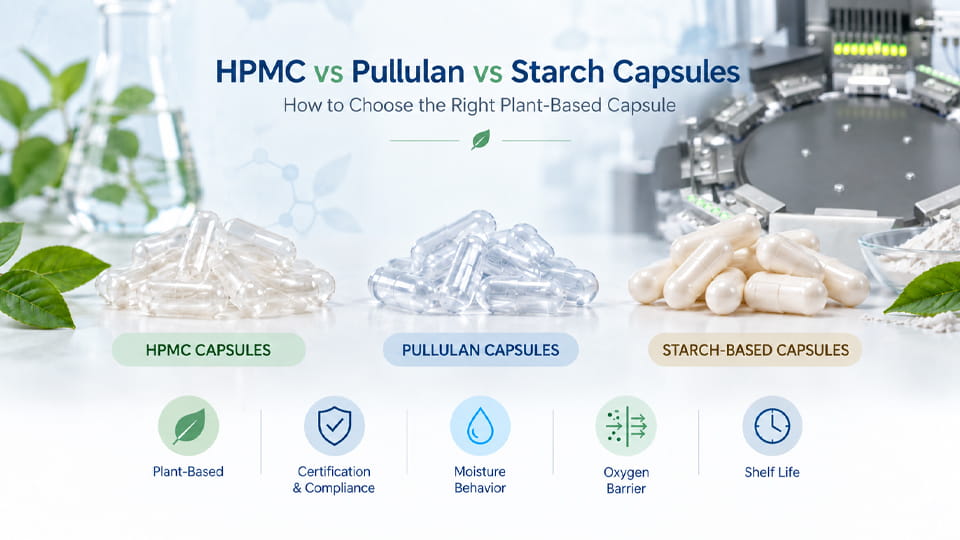

Cacat pengisian kapsul dapat muncul dalam beberapa cara: berat isi yang tidak konsisten, kebocoran bubuk, pemisahan kapsul yang gagal, penguncian yang buruk, cangkang retak, kemacetan, atau kapsul yang kosong atau hanya terisi sebagian. Penyebabnya tidak selalu adalah Mesin pengisian kapsul diri. Sifat aliran bubuk, kualitas cangkang kapsul, kosong, pengaturan dosis, penyelarasan perkakas, kecepatan mesin, dan kondisi pengoperasian semuanya dapat mempengaruhi kinerja pengisian.
Panduan ini menjelaskan cacat pengisian kapsul yang paling umum, apa yang biasanya menyebabkannya, dan cara memecahkan masalahnya langkah demi langkah. Anda juga akan belajar cara mengetahui apakah suatu masalah lebih mungkin terkait dengan bedak, cangkang kapsul, atau peralatan pengisian, dan pemeriksaan apa yang harus dilakukan sebelum mengubah pengaturan mesin atau menghubungi teknisi servis. Apakah Anda mengoperasikan mesin pengisian kapsul otomatis, mengelola produksi farmasi, atau sedang mengevaluasi peralatan pengisian kapsul untuk lini baru, panduan ini memberi Anda cara praktis untuk mengidentifikasi akar permasalahan dan mengurangi masalah pengisian yang berulang.
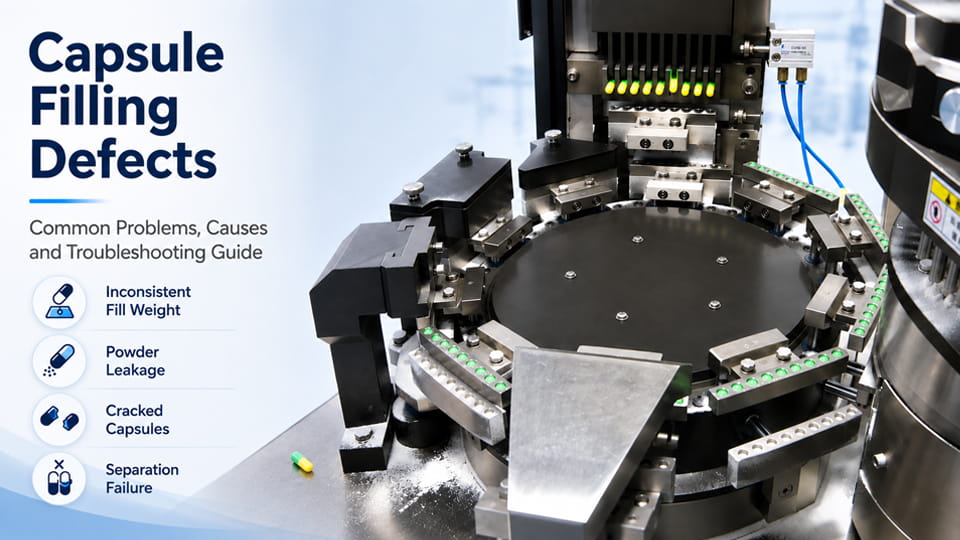
Tabel di bawah ini merangkum beberapa masalah pengisian kapsul yang sering terjadi, gejala mereka, dan penyebab khas. Masing-masing dieksplorasi secara rinci di bagian berikutnya.
| Jenis Cacat | Gejala | Penyebab Umum(S) |
| Kegagalan Pemisahan | Tutup kapsul dan badannya saling menempel atau jatuh padahal tidak seharusnya. | Kualitas kapsul buruk, kehilangan vakum, perkakas yang tidak selaras. |
| Kapsul Pecah/Retak | Retak, penyok atau pecah kapsul sebelumnya, selama, atau setelah diisi. | Cangkangnya lemah/rapuh, tekanan berlebihan, pengisian berlebihan. |
| Isi Variasi Berat | Kapsul terisi penuh atau terisi penuh (berat di luar spesifikasi). | Mekanisme pemberian dosis yang salah, aliran bubuk yang buruk, masalah pengosongan hopper. |
| Residu Serbuk (Tutup Berdebu) | Bubuk menempel pada bagian luar kapsul atau tumpah. | Pembentukan siput yang buruk, kelembaban bubuk yang tinggi, pengendalian debu yang tidak memadai. |
| Kegagalan Penutupan / Teleskop | Tutup tidak terkunci dengan benar atau tidak sejajar (teleskop). | Segmen penutup tidak selaras, pengaturan pin yang salah, kontaminasi di kunci. |
| Kapsul Kosong | Kapsul keluar dari jalur tanpa isi di dalamnya. | Kesalahan pemisahan atau penghilang kapsul kosong hilang; pakan macet. |
| Kesalahan Pengumpanan/Pengindeksan | Beberapa kapsul diberi makan, melewatkan kapsul, atau macet. | Ketidakselarasan majalah, mekanisme umpan yang aus, kesalahan mekanisme pengumpanan ganda. |
| Segel/Tali Rusak | Kapsul cair kehilangan segelnya, atau pita anti rusak rusak. | Pengaturan pita salah, ketebalan pita yang salah, kebocoran pengisian. |
Setiap cacat memiliki pola dan perbaikan yang unik. Pada bagian di bawah ini, kami membahas delapan kategori ini satu per satu: mengidentifikasi gejala, menunjukkan dengan tepat akar permasalahannya, dan mencoba perbaikan.
Di sebagian besar pengisi kapsul, cangkang kapsul kosong masuk pada piring berputar dan dipisahkan dengan penghisap vakum menjadi dua bagian: topi (bagian atas) dan tubuh (bagian bawah). Jika pemisahan gagal(Baca selengkapnya: Mengapa Tutup Kapsul dan Badannya Gagal Terpisah?), kedua bagiannya tetap menyatu atau salah jatuh, menghentikan garis.
Gejala: Setiap siklus, tutup kapsul tetap menempel pada badan atau tutup tidak jatuh dengan benar pada ring pengumpan. Mesin sering macet atau alarm berbunyi.
Kemungkinan Penyebabnya: Kualitas kapsul yang buruk atau vakum yang tidak tepat adalah penyebab utama. Kapsul yang melengkung atau rapuh mungkin tidak dapat dilepaskan. Saluran vakum kotor atau bocor, pompa vakum yang lemah, atau filter yang tersumbat dapat merusak daya isap. Pelat atau baki yang tidak sejajar berarti kapsul tidak dapat terpasang dengan benar saat dihisap. Kelembapan statis atau kelembapan yang berlebihan juga dapat menyebabkan tutup menempel. Meskipun sistem vakum Anda masih baru, Kebocoran atau kesalahan penyesuaian sering terjadi – sehingga membuat tutup tidak dapat terlepas dengan sempurna dari badannya.
Pemecahan masalah: Pertama, periksa kapsulnya. Gunakan pengukur go/no-go untuk memeriksa panjang dan diameter. Ganti kapsul yang tidak sesuai spesifikasi atau rusak. Periksa ruang hampa: pastikan ukuran pompa sesuai dengan mesin dan selangnya, katup, dan filter masih utuh. Pantau pengukur tekanan vakum di stasiun pengisian – harus sesuai dengan spesifikasi OEM dan stabil. Bersihkan atau ganti filter yang tersumbat dan perbaiki kebocorannya. Sesuaikan kekuatan vakum secara bertahap: terlalu kuat dapat memecahkan cangkang, terlalu lemah tidak akan memisahkan mereka. Berikutnya, memverifikasi kesejajaran mekanis. Piring makan kapsul, segmen atas, dan pelat penyelarasan tubuh harus diposisikan secara tepat sehingga masing-masing bagiannya berada tepat di bawah pengisapan. Sesuaikan celah pelat pemisah atau pin pengunci jika diperlukan, mengikuti manual mesin. Menurunkan statis (menggunakan ionizer atau mengatur kelembapan) juga dapat membantu pelepasan kapsul yang rapuh. Jika mesin memiliki penghilang kapsul kosong, pastikan itu berfungsi sehingga tidak terpisahkan (dobel) kapsul dikeluarkan sebelum diisi.
Pemisahan kapsul adalah langkah penting pertama dalam pengisian otomatis. Pompa vakum menarik tubuh ke bawah menuju pelat penyelaras, memisahkannya dari tutupnya. Vakum yang stabil dan penyelarasan yang tepat adalah kunci untuk menghindari kapsul tersangkut.
Jika penyesuaian tidak menyelesaikannya, pertimbangkan tips ini: Cobalah kapsul segar dari batch atau pemasok lain (“pembuat kapsul”) dikenal dengan toleransi yang ketat. Pastikan suhu dan kelembapan dalam penyimpanan tidak membuat kapsul terlalu lunak atau rapuh. Akhirnya, periksa apakah ada alat bantu pelepasan mekanis (seperti pin pemisah) berfungsi jika mesin Anda memilikinya. Dengan bersih, cangkang berkualitas tinggi dan sistem vakum yang disetel dengan benar, kegagalan pemisahan jarang terjadi.
Gejala: Anda melihat kapsul pecah di mangkuk pakan, cangkang retak pada output, atau kapsul pecah saat pengisian/penutupan. Cacat ini merusak produk dan merusak mesin.
Kemungkinan Penyebabnya: Kapsul dapat pecah jika terlalu rapuh atau jika mesin menggunakan tenaga yang berlebihan. Kerang yang usianya tidak tepat (terlalu kering) atau kelembapan yang diserap pada waktu yang salah dapat mudah retak. Memberi makan bubuk secara berlebihan (overdosis) menciptakan terlalu banyak tekanan internal saat tutupnya ditutup, menyebabkan pecah atau penyok pada ujung tutupnya. Bahkan kapsul yang benar pun dapat patah jika pin penutup dipasang terlalu dalam atau jika dikunci (penyegelan) kekuatan terlalu tinggi. Perubahan suhu (peralatan atau lingkungan yang panas) dan listrik statis dapat membuat cangkang lebih rapuh selama pemrosesan.
Pemecahan masalah: Pertama, konfirmasi kualitas kapsul: pastikan Anda menggunakan cangkang segar dari pabrik yang bagus pemasok kapsul. Periksa kelembapan di tempat penyimpanan; kesehatan reproduksi ideal untuk agar-agar atau HPMC kerang adalah tentang 40-60%. Jika terlalu kering atau terlalu lembab, kapsul mungkin menjadi rapuh atau saling menempel. Gunakan pengukur diameter kapsul – cangkang yang terlalu besar atau cacat lebih rentan retak. Kurangi pengaturan kedalaman dan tekanan penutupan mesin. Untuk mesin berkecepatan tinggi, bahkan sedikit penyesuaian pada pin kompresi dapat menghilangkan tekanan yang menyebabkan retaknya ujung kapsul.
Jika kerusakan masih terjadi, memeriksa berat isi: apakah Anda memaksakan pengisian terlalu banyak? Kapsul yang terlalu penuh (bahkan oleh 5-10% spesifikasi di atas) akan retak saat ditutup. Pastikan disk takaran atau pin tamping diukur dengan benar; mengkalibrasi atau menggantinya jika diperlukan. Akhirnya, menghaluskan tepi bagian mesin yang bersentuhan dengan cangkang – gerinda atau pelat yang tidak sejajar dapat menjepit kapsul. Setelah perubahan, berjalan dengan kecepatan lebih lambat untuk memverifikasi resolusi sebelum meningkatkannya kembali.
Mencegah Kerusakan: Gunakan kapsul HPMC berkualitas jika formula Anda sangat higroskopis; mereka menangani kelembapan lebih baik daripada gelatin. Hindari ruang hampa atau listrik statis yang berlebihan yang dapat mengeringkan cangkang. Perketat pengendalian lingkungan – lonjakan suhu di atas 25°C atau perubahan kelembapan mendadak dapat memicu keretakan. Sebagai aturan, mengoptimalkan berat isi dan pengaturan penutupan ke tingkat minimum yang diperlukan untuk penyegelan yang tepat. Hal ini mencegah “penyok” atau lubang kecil pada ujung kapsul yang disebabkan oleh penutupan yang terlalu agresif.
Gejala: Kapsul secara acak tampak kurang terisi (terlalu ringan) atau terisi berlebihan (terlalu berat), pemeriksaan berat badan yang gagal. Ketidakkonsistenan ini melanggar keseragaman dosis dan dapat berarti penolakan oleh QC.
Kemungkinan Penyebabnya: Kesalahan pengisian berat sering kali disebabkan oleh sistem takaran atau sifat bubuk. Disk takaran yang tidak sejajar atau aus, pin tamping, atau auger akan menghasilkan volume bubuk yang bervariasi. Masalah aliran serbuk sangat besar: jika campuran memiliki gumpalan uap air, granulasi yang buruk, atau segregasi, beberapa kapsul mendapatkan lebih banyak bubuk dan yang lainnya lebih sedikit. Hopper yang kosong atau laju pengumpanan yang lambat kadang-kadang dapat membuat kapsul kelaparan. Bahkan kecepatan putaran cincin pengisi vs. ketidaksesuaian kecepatan auger dapat menyebabkan kantong terisi berlebih/kurang.
Pemecahan masalah: Mulailah dengan mengkalibrasi mekanisme pemberian dosis pada Anda perangkat pengisian kapsul. Pada pengisi otomatis, ini berarti memeriksa celah dan jarak bebas dari disk takaran(S) dan pin tamping. Pastikan kecepatan auger dan kecepatan disk telah disesuaikan sehingga pengumpanan bubuk merata. Jika masalahnya bersifat intermiten, periksa hopper bubuk: isi ulang sebelum alarm tingkat rendah, dan memastikan sistem pemberian makan (vibrator, agitator) berjalan dengan lancar. Tingkatkan aliran bubuk dengan mengeringkan campuran, menambahkan gliden (misalnya. magnesium stearat), atau granulasi ke ukuran partikel yang lebih sempit.
Pembentukan dan aliran serbuk bubuk yang tepat sangat penting untuk keakuratan dosis. Pengisian yang tidak konsisten sering kali disebabkan oleh dosis atau bubuk yang salah dikalibrasi dengan ukuran butiran yang bervariasi. Gambar menunjukkan operator menyempurnakan disk takaran bubuk untuk memastikan setiap kapsul mendapatkan jumlah yang tepat.
Pantau juga faktor lingkungan: kelembapan yang tinggi dapat membuat bedak menggumpal, sementara statis menyebabkan fluffing. Gunakan pengatur kelembapan atau tambahkan bahan pengering jika diperlukan. Setelah penyesuaian, jalankan batch sampel dan periksa berat kapsul secara berkala. Jika under/overfeeds terus berlanjut meskipun dengan bedak yang baik dan mekanisme yang bersih, sistem dosis itu sendiri (pin atau disk) mungkin perlu diganti karena sudah aus.
Gejala: Kapsul muncul dengan bubuk yang terlihat di bagian luarnya, atau Anda melihat denda terakumulasi di mesin. Beberapa bubuk mungkin tumpah keluar dari kapsul selama pengisian atau penguncian, membentuk debu halus(Baca selengkapnya: Cara Mengatasi Kebocoran Serbuk pada Pengisi Kapsul?). Ini sering disebut kapsul “berdebu”..
Kemungkinan Penyebabnya: Proses pengisian dapat meninggalkan “siput” bubuk yang tidak masuk sepenuhnya ke dalam kapsul. Jika slug tidak terbentuk dengan bersih, kelebihan bubuk akan dimuntahkan. Alasannya termasuk kedalaman cakram takaran yang salah, pisau yang sudah usang, atau kecepatan pengisian yang terlalu cepat. Bedak dengan kelembapan tinggi juga bisa menempel dan tumpah. Jika tidak ada Polisher kapsul atau penyedot debu penggosok mati, bedak tabur pada kapsul tidak akan hilang. Bahkan listrik statis pun dapat membuat bubuk menempel pada permukaan. Dalam ringkasan, pembentukan siput yang buruk, kelembaban tinggi, dan pengumpulan debu yang tidak memadai merupakan penyebab umum.
Pemecahan masalah: Periksa dosing dan pin tamping: mereka harus mengompres bubuk dengan kuat sebelum diisi. Sesuaikan urutan tamping atau disk takaran untuk membentuk slug yang lebih rapat. Terkadang menggunakan lubang takaran yang lebih kecil atau kecepatan pengisian yang lebih lambat dapat membantu. Periksa kondisi hopper dan feed: jika resep Anda berubah (eksipien baru) atau batch tersebut memiliki banyak denda, saring campurannya atau keringkan lagi.
Pastikan pemoles kapsul (jika dilengkapi) berjalan pada kecepatan dan vakum yang benar. Poles tidak hanya membersihkan kapsul, itu juga mendorong bedak tabur kembali ke hopper. Jika garis Anda tidak memiliki penggosok, pertimbangkan untuk menambahkan pengisapan berkapasitas tinggi pada saluran pembuangan. Bersihkan mesin pengisi dan jalur pengumpanan secara teratur; bahkan gumpalan kecil di celah-celah bisa pecah dan menempel pada kapsul.
Gejala: Kapsul gagal terkunci dengan benar atau menyatu dengan cara yang miring (teleskop). Anda mungkin juga melihat konten bocor dari sambungan atau garis melintang (pada kapsul cair, pita segel rusak). Produk tampak tidak sejajar atau tidak tersegel sepenuhnya.
Kemungkinan Penyebabnya: Ketidaksejajaran pada stasiun penutup adalah penyebab umum. Jika segmen atas dan bawah dari perkakas penutup tidak sejajar sempurna, tutupnya bisa meluncur ke satu sisi (teleskop) alih-alih duduk sepenuhnya. Panjang atau tekanan pin penutupan yang salah juga dapat menyebabkan kapsul hanya terkunci sebagian. Pengisian yang berlebihan dapat menyebabkan tutup bagian atas macet secara tidak merata. Kontaminasi (bubuk atau minyak) di antarmuka tutup-badan dapat menghentikan segel yang rapat. Untuk kapsul cair, sebuah “pita” bahan penyegel diterapkan; jika tinggi atau suhu roda pengikat tidak aktif, pitanya tidak lengkap atau kusut.
Pemecahan masalah: Pertama, periksa keselarasan mekanis. Gunakan alat pengukur atau benda uji untuk menyelaraskan cam dan kedalaman cincin pengunci. Sesuaikan gerakan penutupan sehingga setiap bagian bawah tutup rata dengan alur badan. Periksa dan bersihkan tutup dan bagian badan; bahkan setitik kecil antara tutup dan badan berhenti menutup. Untuk kasus teleskop, pastikan setiap ruang kapsul pada disk bebas dari kendur samping dan timing cam sudah benar. Roda gigi atau bantalan yang aus dapat menyebabkan kesalahan pengindeksan yang tidak kentara.
Jika menggunakan kapsul dengan ukuran yang bervariasi (panjang, diameter), sesuaikan hopper dan magazine sehingga hanya satu ukuran yang dimasukkan, karena variasi dapat menyebabkan ketidakcocokan kunci. Jika kapsul “berceloteh” di jalur umpan, mereka mungkin tiba di joiner secara tidak merata. Turunkan kekuatan penutupan dan uji ulang: terkadang hanya dengan memotong sepersepuluh milimeter dari panjang pin dapat memecahkan masalah penguncian.
Untuk kapsul berisi cairan: verifikasi pengaturan garis melintang. Jalankan pengujian tanpa konten untuk melihat apakah pita diterapkan dengan benar; sesuaikan kecepatan roda pita, pemanas, dan ketebalan pita. Tip bagus dari JinLu: jika terjadi cacat pita, periksa apakah bahan pita gelatin memiliki kekuatan tarik yang tepat dan tidak menyusut sebelum waktunya. Jika semuanya gagal, lepaskan dan pasang kembali/ganti pin penutup.
Gejala: Produk jadi memiliki kapsul tanpa bubuk atau isi apa pun – cangkang yang efektif kosong. Ini mungkin lolos inspeksi visual atau pemeriksaan berat, menyebabkan masalah kualitas di hilir.
Kemungkinan Penyebabnya: Penyebab utamanya adalah kesalahan pada atau sebelum langkah pengisian. Jika pemisahan gagal dan kapsul kosong (Misalnya, topi atau badan bebas) ketinggalan diisi tetapi tidak dikeluarkan oleh penghilang kapsul yang kosong, itu akan keluar kosong. Kasus lainnya adalah pemberian pakan bubuk terhenti: kemacetan pada auger atau tabung pengisi yang tersumbat dapat mencegah bubuk mencapai kapsul pada satu stasiun. Dispenser atau sensor yang tidak berfungsi juga dapat memicu pengosongan (jika mesin mengira sudah terisi tetapi sebenarnya tidak menerima bubuk).
Pemecahan masalah: Amati keluarannya dan lacak setiap kapsul kosong kembali ke titik asalnya di dalam mesin. Periksa ejektor kapsul yang kosong: apakah disetel terlalu longgar atau dimatikan? Ejektor seharusnya melumpuhkan bagian kapsul yang tidak pernah terpisah atau bergerak dengan benar. Aktifkan atau sesuaikan jika tersedia. Periksa umpan bubuk: apakah level hopper rendah pada saat itu? Carilah penyumbatan sebagian pada auger atau disk takaran. Jalankan barisan dengan lambat dan perhatikan baik-baik untuk mendapatkan kepuasan yang kelaparan. Bersihkan semua penarik statis di mana bubuk mungkin menempel dan tidak mengalir masuk.
Jika masalahnya bersifat intermiten, verifikasi waktunya: lihat apakah cangkang kosong muncul pada interval yang sama, menunjukkan slip waktu mekanis. Jika kosong selalu keluar pada, mengatakan, setiap posisi ke-20, satu roller atau servo mungkin kehilangan gigi. Kencangkan sabuk dan periksa sinyal umpan balik encoder.
Gejala: Kapsul dimasukkan dua kali ke dalam ruangan yang sama (dua topi atau dua badan) atau lewati tanpa kapsul. Alternatifnya, kapsul mungkin tersangkut di magasin atau jalur pengumpan. Hal ini menyebabkan mesin berhenti atau keluaran tidak teratur.
Kemungkinan Penyebabnya: Kesalahan dalam pemberian kapsul seringkali bersifat mekanis. Pada mesin pengisian kapsul semi otomatis atau mesin manual, bisa jadi blok penaburan kapsul atau pintu pakan yang terlalu besar. Dalam sistem yang sepenuhnya otomatis, roda umpan yang aus, magnet, atau pemandu yang tidak sejajar menyebabkan salah pengumpanan. Terlalu banyak ruang hampa selama pemberian pakan juga dapat “mengeluarkan” kapsul dari wadahnya lebih awal, mengarah ke ganda. Sebaliknya, majalah atau baki yang tersumbat akan membuat cincin pengisi menjadi kekurangan.
Pemecahan masalah: Untuk mesin pembuat kapsul semi/otomatis, ikuti langkah-langkah ini: Pastikan hopper kapsul tidak terisi berlebihan – terkadang mengurangi level kapsul akan mencegah dua kapsul sekaligus. Sesuaikan gerbangnya sehingga kapsul jatuh satu per satu; pembukaan yang terlalu dini menghasilkan ganda. Periksa apakah sproket cakram dan orientor kapsul terkunci dengan benar pada posisinya. Bersihkan jalur umpan dan magasin: bubuk atau minyak lengket dapat menghalangi kapsul. Jika mesin Anda menggunakan umpan vakum, kurangi hisapan atau tambahkan nozel udara untuk memisahkan kapsul yang tersangkut. Ganti pegas atau bagian karet pada pengumpan yang sudah aus.
Pada mesin dengan kapsul dalam bak yang sudah dikunci atau magasin yang telah diisi sebelumnya, pastikan bak mandi memiliki gaya yang benar dan dalam kondisi yang baik. Periksa sensor atau kamera yang mendeteksi posisi kapsul; jika salah satu sensor kotor atau tidak sejajar, mesin mungkin mengira ada kapsul padahal sebenarnya tidak, menyebabkan kesalahan pengindeksan.
Gejala: Di dalam kapsul keras berisi cairan (yang sering kali memiliki “pita” gelatin untuk menutup tutupnya ke badan), pita penyegel tidak lengkap, miring, atau mengelupas. Anda mungkin melihat noda atau celah di tempat pita seharusnya berada.
Kemungkinan Penyebabnya: Pengikatan yang buruk biasanya merupakan masalah pada stasiun pengikat pengisi kapsul cair. Jika tinggi atau sudut roda pengikat salah, band tidak akan berlaku secara merata. Kecepatan roda yang tidak tepat dibandingkan dengan kecepatan botol juga menyebabkan pita tipis atau menggumpal. Jika solusi penyegelan (biasanya campuran gelatin atau polimer) terlalu panas atau dingin, itu tidak akan terikat dengan benar. Roda pita yang aus atau ketebalan pita yang berbeda dapat menyebabkan cacat. Juga, jika kapsul tidak sejajar akan menjadi pita (karena penutupan atau masalah pemberian makan di atas), pita akan keluar miring.
Pemecahan masalah: Pertama, mengisolasi langkah banding. Tanpa isi cairan, jalankan kapsul kosong melalui pita dan perhatikan baik-baik. Sesuaikan tinggi dan ketegangan roda pengikat sehingga hanya menyentuh sambungan badan tutup. Atur kecepatan roda sehingga lebar pita sesuai dengan lingkar kapsul tanpa meregang. Kalibrasi suhu: kebanyakan bander membutuhkan gel mendekati suhu 40–45°C. Jika tali terlalu tipis, dinginkan sedikit atau perlambat roller; jika kental, periksa larutan pita apakah ada serpihan. Periksa penggulung samping yang menahan kapsul: mereka seharusnya menggulung kapsul dengan kecepatan yang benar. Akhirnya, pastikan pengisian cairan tidak bocor sebelum pengikatan – jika kapsul muncul dalam keadaan basah, band tidak akan menempel. Perbaiki tumpahan isi terlebih dahulu.
Jika setelah penyesuaian pita masih “menari” di kapsul, akarnya mungkin memiliki ukuran kapsul yang tidak konsisten atau penutupan dari langkah sebelumnya. Kunjungi kembali itu juga. Dalam kasus yang parah, bahan roda pengikat mungkin perlu diganti (jika dipakai). Selalu jalankan pengukur ketebalan pita jika tersedia untuk memverifikasi pengaturan.
Ketika suatu masalah terjadi, pendekatan sistematis menghemat waktu. Berikut urutan yang disarankan:
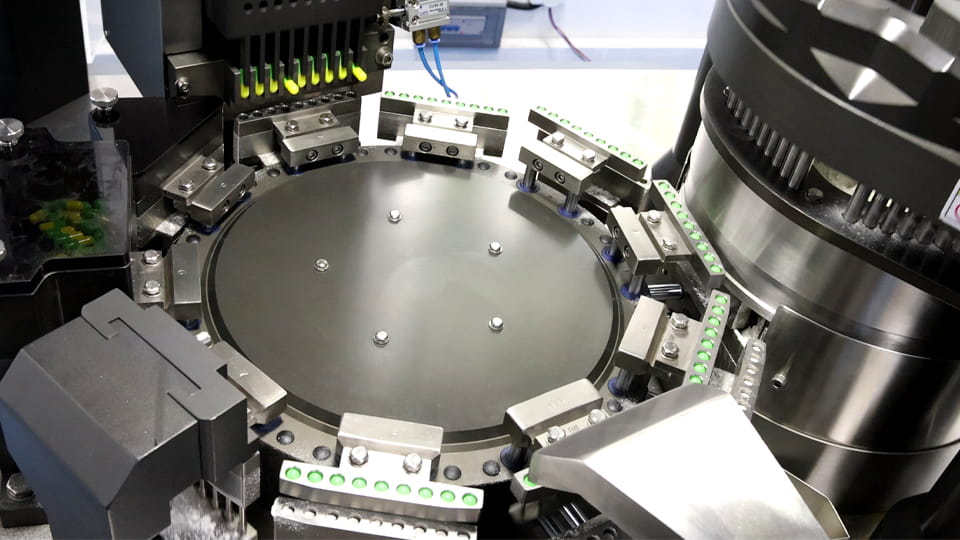
Keterampilan kuncinya adalah membedakan apakah suatu cacat disebabkan oleh mesin atau bahan. Berikut beberapa pedomannya:
Umumnya, mulailah dengan materi jika memungkinkan: cobalah menjalankan kontrol dengan bubuk dan kapsul standar yang terkenal bagus. Jika cacat masih berlanjut, itu hampir pasti bersifat mekanis. Sebaliknya, jika batch kapsul lain langsung memperbaiki masalah, maka mesin baik-baik saja.
Cara terbaik untuk mengurangi cacat adalah dengan mencegahnya. Pertimbangkan langkah-langkah ini:
Dengan menggabungkan pemeliharaan preventif terjadwal dengan pemantauan waktu nyata, banyak cacat dapat dihilangkan sebelum menghentikan produksi.

Kadang-kadang, cacat muncul dari masalah yang hanya dapat diselesaikan oleh pembuat mesin. Hubungi dukungan pabrikan Anda kapan:
Simpan detail kontrak dukungan Anda. Saat melaporkan suatu masalah, bersiaplah dengan model mesin dan nomor seri, deskripsi yang jelas tentang cacat tersebut, dan kode kesalahan apa pun. Foto atau video pendek mengenai tindakan cacat bisa sangat berharga. Menelepon lebih awal dapat menghemat waktu berjam-jam untuk menebak-nebak di kemudian hari.
Cacat pengisian kapsul bisa membuat frustasi, namun dengan pendekatan terstruktur Anda dapat meminimalkan downtime dan scrap. Kuncinya adalah pemeliharaan preventif yang baik, bahan berkualitas tinggi, Dan kalibrasi mesin secara hati-hati. Dengan mempelajari gejala dan penyebab yang diuraikan di atas, insinyur dan operator produksi dapat mendiagnosis masalah dengan cepat. Ketika masalah benar-benar muncul, melewati pemeriksaan bahan terlebih dahulu, lalu pengaturan peralatan. Jika cacat masih ada, jangan ragu untuk memanfaatkan keahlian pabrikan Anda – lagipula, mereka telah melihat semuanya!
Siap untuk menjalankan produksi kapsul dengan lebih lancar? Hubungi Pengepakan JinLu untuk peralatan pengisian kapsul terbaru yang andal dan dukungan ahli. Teknisi kami dapat membantu memecahkan masalah yang terus-menerus terjadi dan merekomendasikan solusi yang tepat Mesin pengisian kapsul otomatis atau peningkatan untuk menghilangkan cacat selamanya.
Retakan pada ujung sering kali berarti cangkang menjadi rapuh atau gaya pengisian terlalu tinggi. Periksa kelembapan kapsul (seharusnya ~12-15% untuk gelatin). Jika cuacanya baru atau cuaca lebih hangat, melembabkan ruangan. Juga, periksa pin penutup – sedikit penyesuaian dapat mengurangi tenaga berlebih.
Penurunan berat isi yang tiba-tiba biasanya menunjukkan adanya masalah pada pakan. Carilah selai di dalam hopper bubuk atau level hopper rendah. Periksa juga apakah agitator hopper sedang berjalan. Kalibrasi ulang disk takaran jika ada yang bergeser. Jika bubuk menggumpal karena kelembapan, saring dan keringkan.
Pemberian pakan ganda biasanya dilakukan dengan menyesuaikan gerbang pengumpanan kapsul atau waktu mekanisme penaburan. Dalam panduan semi-otomatis kami, solusinya adalah dengan memperlambat roda penaburan dan menyelaraskan blok penyortiran untuk memusatkan setiap kapsul satu per satu. Pastikan juga hopper tidak terlalu banyak menimbun, dan vakumnya tidak terlalu kuat pada feed (yang bisa menarik dua sekaligus).
Biasanya bukan tanpa pergantian penuh. Panjang/diameter kapsul yang berbeda sering kali memerlukan penggantian seluruh perkakas (bagian seperti pelat segmen, cincin pengisian, kamera). Menjalankan ukuran yang beragam tanpa melengkapinya akan menyebabkan kesalahan pengumpanan dan kegagalan penutupan. Selalu rencanakan proses terpisah untuk setiap format kapsul.
Kemacetan progresif dapat menandakan panas berlebih atau mesin melayang. Periksa apakah pelumasan perlu diisi ulang atau apakah motor memanas dan kehilangan tenaga. Juga, periksa jalur kapsul untuk melihat adanya penumpukan residu. Ekspansi termal dapat menyebabkan komponen menjadi kencang; tes pendinginan yang lebih lama mungkin akan mengungkap masalah.
Referensi:
1.PubMed —— Investigasi berbagai faktor yang mempengaruhi enkapsulasi pada mesin pengisian kapsul otomatis dalam tutup
2.PubMed —— Pengaruh atribut material terhadap berat isi kapsul dan variabilitas berat pada mesin nosel dosator
3.Sains Langsung— Pengaruh atribut bahan dan parameter proses terhadap keseragaman lapisan serbuk selama proses pengisian kapsul dosator dosis rendah
4.Gerbang Penelitian —— Cacat Kapsul Dan Solusinya Untuk Industri Farmasi
5.Jurnal PDA Sains dan Teknologi Farmasi —— Pengembangan Skema Kontrol Proses untuk Pengurangan Variasi Berat Kapsul
6.Sains Langsung— Pengisian bubuk ke dalam kapsul gelatin keras pada mesin pengisi tamp