
Kapsul keras berisi cairan (LFHC) pada dasarnya adalah kapsul dua potong standar (gelatin keras atau cangkang HPMC) yang diisi dengan formulasi cair berbahan dasar minyak atau tidak berair lainnya, bukan bubuk atau butiran. Bayangkan sebuah kapsul keras yang dapat Anda buka dan isi dengan campuran Anda sendiri – namun dibuat dalam skala besar dengan mesin presisi. Di bidang manufaktur, pompa atau jarum suntik menyuntikkan cairan dengan dosis terukur (seringkali berupa oli atau suspensi) ke dalam badan terbuka setiap kapsul. Setelah diisi, tutupnya tertutup di badan, dan sambungannya segera disegel (jadi tidak ada yang bocor). Untuk memvisualisasikannya, Perhatikan gambar kapsul keras berisi cairan di bawah ini:
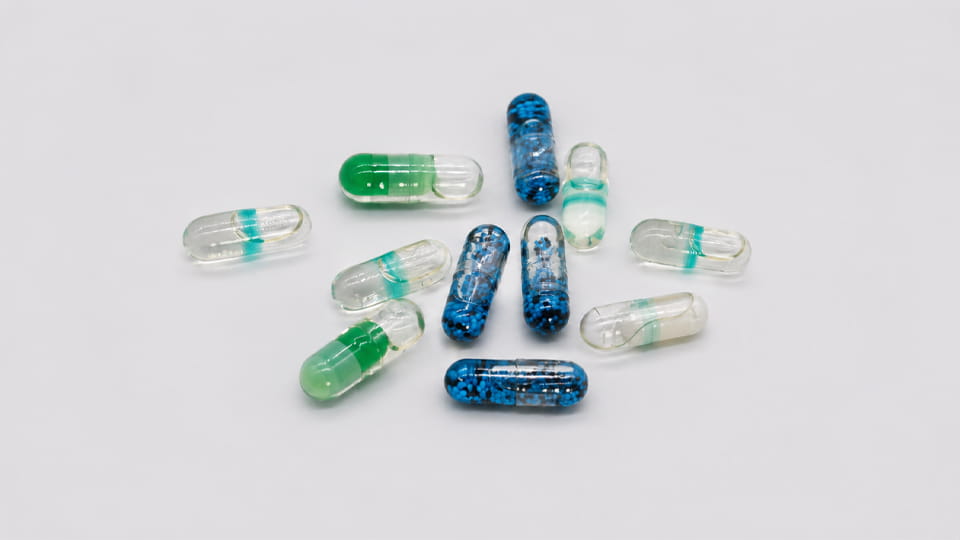
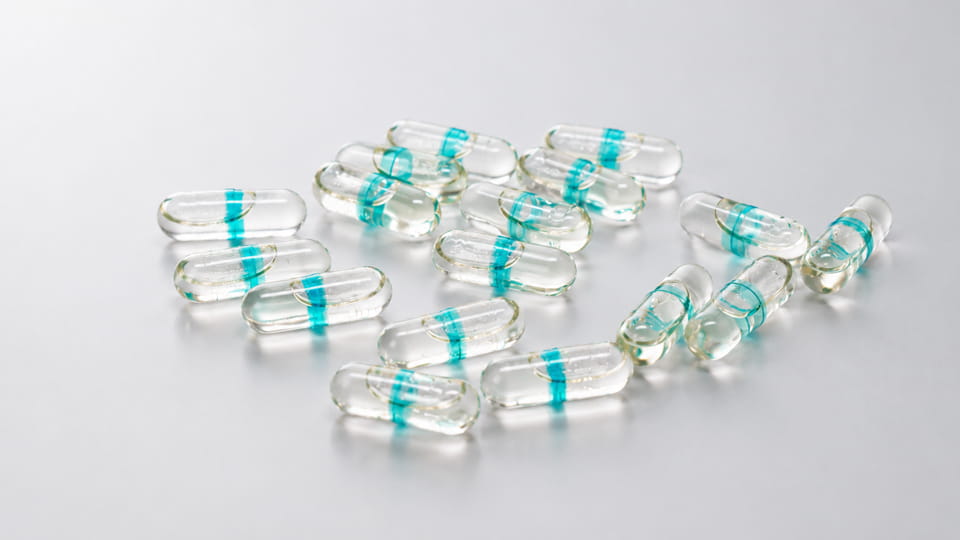
Angka: Kapsul keras dua potong berisi cairan. Setiap kapsul memiliki tutup dan badan yang disatukan dan disegel untuk menampung formulasi minyak atau cairan.
Kapsul berisi cairan memerlukan penyegelan khusus karena cairan dapat bocor. Metode penyegelan yang umum dilakukan adalah dengan mengoleskan pita gelatin tipis di sekitar sambungan (ditelepon "penyegelan pita”) atau menggunakan teknik fusi. nyatanya, modern pengisi kapsul cair menyukai NJY-1000C milik Jinlu secara otomatis mengisi cairan ke dalam cangkang keras standar dan kemudian menyegelnya ke dalam bentuk hibrida yang menggabungkan kemudahan menelan dengan penyerapan obat yang cepat. Pendeknya, LFHC memungkinkan Anda mengirimkan bentuk sediaan cair di dalam cangkang kapsul padat – perpaduan yang berguna antara bubuk dan gel lunak.
Untuk meringkas, itu manfaat kapsul keras berisi cairan termasuk: meningkatkan kelarutan dan bioavailabilitas obat keras; dosis fleksibel dan pengembangan mudah; lebih cepat, manufaktur yang lebih hemat biaya; stabilitas produk yang tinggi; dan kemampuan untuk menciptakan produk kombinasi baru. Keunggulan ini membuat LFHC menarik bagi produsen farmasi dan nutraceutical.
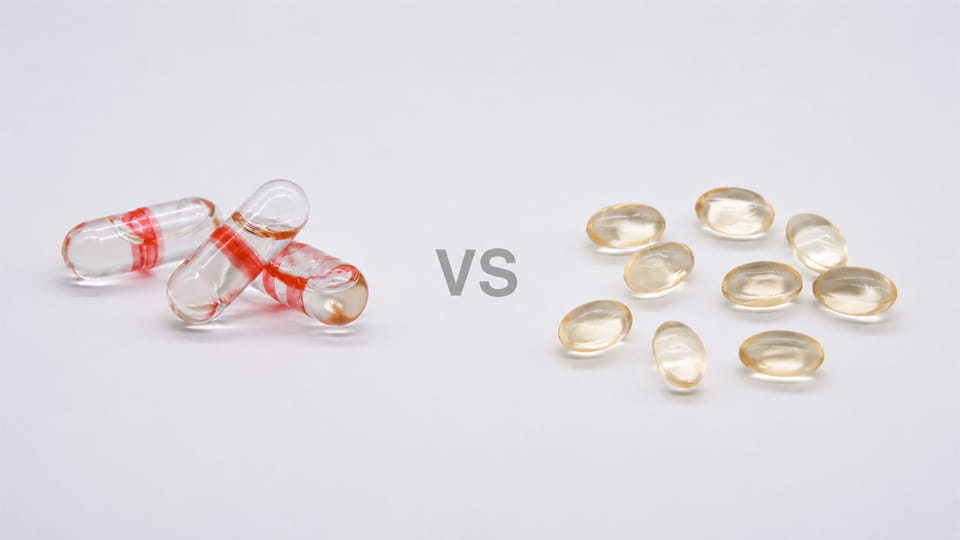
Wajar jika kita bertanya-tanya bagaimana perbandingan LFHC kapsul gelatin lunak. Keduanya memberikan formulasi cair, tetapi ada perbedaan utama. Softgels dibuat dalam satu langkah pencetakan dan bagus untuk minyak, tetapi mereka membutuhkan gelatin yang diplastisisasi (dengan kelembapan) dan kontrol kelembaban yang sangat ketat selama pembuatan. Kapsul keras dibuat terpisah dan diisi pada langkah kedua, yang berarti peralatan lebih sederhana dan tidak perlu memformulasi shell sendiri. Misalnya, dengan LFHC Anda dapat menggunakan cangkang HPMC untuk produk vegetarian atau bahan pengisi yang sensitif terhadap kelembapan – sesuatu yang tidak dapat dilakukan dengan softgel standar.
Dari sudut pandang manufaktur, kapsul keras sering kali unggul dalam hal biaya dan kecepatan. Softgels membutuhkan yang khusus mesin enkapsulasi dan hari persiapan, sedangkan pengisi kapsul cair menyelesaikan siklusnya dalam hitungan jam. Proses softgel juga membuang lebih banyak gelatin dan memerlukan peralatan persiapan gelatin yang mahal. Di sisi lain, softgels secara inheren menyegel dirinya sendiri ketika dibentuk, jadi mereka tidak memerlukan langkah penyegelan terpisah. LFHC membutuhkan langkah ekstra itu (banding atau fusi), tapi seperti yang dibicarakan, ini bisa sangat efisien dengan mesin pengikat modern.
| Fitur | Kapsul Keras Berisi Cairan | Gel lunak |
|---|---|---|
| Biaya Pembangunan | Lebih rendah | Lebih tinggi |
| Fleksibilitas Produksi | Tinggi | Sedang |
| Ketersediaan hayati | Bagus sekali | Bagus sekali |
| Bahan Kapsul | agar-agar/HPMC | Kebanyakan agar-agar |
| Pilihan Vegetarian | Tersedia | Terbatas |
| Produksi Batch Kecil | Lebih mudah | Sulit |
| Investasi Peralatan | Lebih rendah | Lebih tinggi |
Dalam ringkasan, kapsul keras berisi cairan menawarkan manfaat serupa bagi pasien (mudah ditelan, pelepasan isi cairan dengan cepat) sebagai softgel, tetapi dengan manufaktur yang lebih sederhana dan fleksibilitas formulasi yang lebih banyak. Mereka pada dasarnya menjembatani kesenjangan antara kapsul keras dan kapsul gel lunak.

Memproduksi kapsul keras berisi cairan melibatkan langkah-langkah pengisian kapsul yang sudah dikenal, dengan beberapa pertimbangan khusus untuk pengisian cairan. Tahapan utamanya adalah:
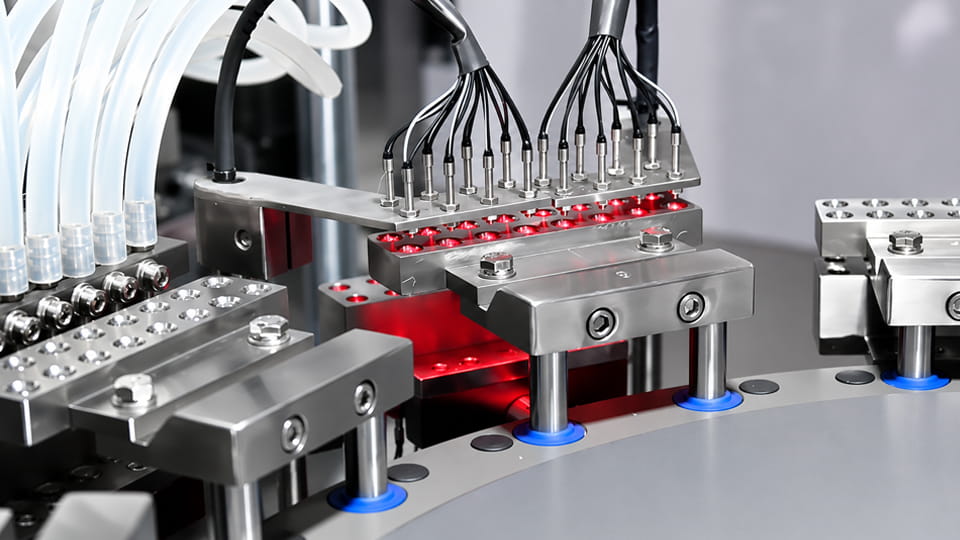
Angka: Mesin pengisian kapsul cair sedang bekerja. Kapsul keras kosong diisi dengan cairan dan kemudian ditutup rapat (terikat atau fusi) dalam satu proses yang berkesinambungan.
Setiap langkah di atas harus divalidasi kualitasnya. Dalam praktiknya, produsen menetapkan kontrol pada viskositas cairan, kalibrasi pompa, solusi pita, dan kondisi pengeringan. Mereka juga mungkin melakukan uji kebocoran pada sampel (tes vakum atau pemeriksaan visual) untuk memastikan integritas band. Tetapi dengan garis yang dirancang dengan baik – kosong, batang, geng, dan pengeringan – produksi kapsul berisi cairan dapat berjalan dengan output tinggi seperti halnya lini kapsul lainnya.
[jl_youtube src=”https://www.youtube.com/embed/jBjWRfpjJ4o”]
Melihat lebih dekat penyegelan pita bermanfaat, karena ini penting dalam pembuatan kapsul cair. Dalam proses ini, tirai sempit berisi larutan gelatin hangat diaplikasikan di sekitar lapisan kapsul yang terkunci. Sabuk kapsul kemudian melewati zona pendinginan sehingga pita terbentuk. Metode ini cepat, tidak memerlukan pelarut, dan langsung membuat kapsul tidak mudah rusak. Altasciences dan pakar lainnya menyukai penyegelan pita karena menghindari alkohol (jadi tidak ada sisa pengujian pelarut) dan memberikan bukti kerusakan yang dijual bebas dan pita warna bermerek. Seperti yang dikatakan oleh sebuah ulasan, penyegelan pita “menciptakan kedap udara, segel anti bocor yang melindungi formulasi dan meningkatkan stabilitas produk selama pengangkutan”.
Jenis penyegelan lainnya termasuk penyegelan fusi, dimana lapisan kapsul menjadi lunak (biasanya dengan campuran hidroalkohol) dan menyatu sebentar. Segel fusi mungkin terlihat lebih bersih tetapi memerlukan kontrol lingkungan yang ketat. Penyegelan semprotan mikro adalah pendekatan yang ditargetkan – sejumlah kecil sealant disemprotkan pada sambungan, diikuti oleh panas, yang menurunkan titik leleh kapsul pada lapisan dan mengikatnya. Namun, ini memerlukan pemantauan yang cermat untuk menghindari gelembung atau lengkungan. Dalam praktiknya, sebagian besar lini nutraceutical dan farmasi menggunakan pita karena keandalan dan kesederhanaannya.
Dalam hal peralatan, ada yang berdedikasi mesin pengikat kapsul yang terintegrasi dengan garis pengisi. Mesin ini secara akurat mengaplikasikan pita gel pada ribuan kapsul per menit. Karena penyegelan sangat penting bagi LFHC, mesin pengisi terkemuka sekarang menyertakan bander bawaan. Misalnya, Sistem penyegelan Jinlu yang dipatenkan secara otomatis menyesuaikan kecepatan pita sehingga setiap kapsul menjadi rata, mantel anti bocor.
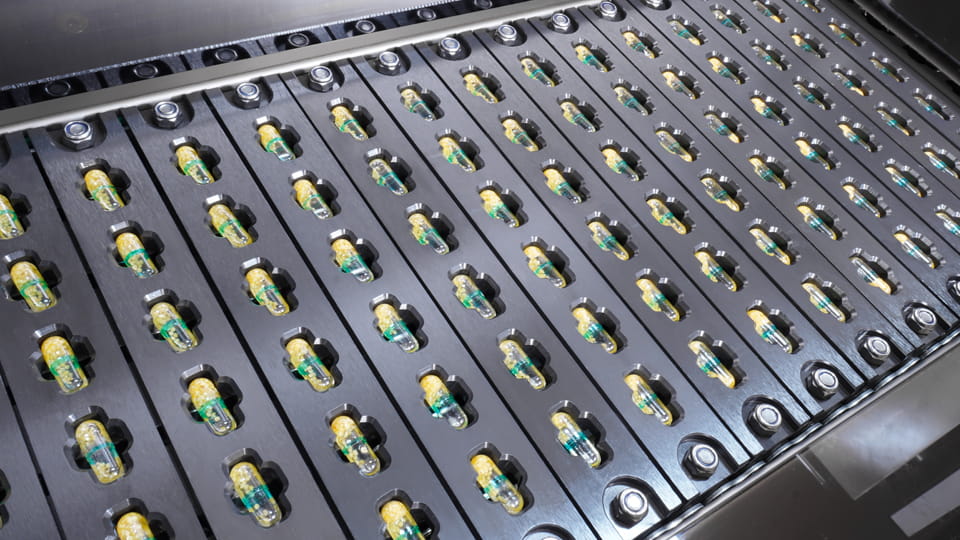
Kapsul keras berisi cairan menjangkau berbagai industri. Di dalam obat-obatan, mereka semakin banyak digunakan untuk entitas kimia baru (NCE) yang sukar larut atau sangat kuat. Banyak obat-obatan tahap akhir saat ini yang sesuai dengan gambaran tersebut, dan pemberian kapsul dapat menyederhanakan pengembangan bentuk sediaan. LFHC juga dapat memperbarui produk yang sudah ada: perusahaan terkadang memformulasi ulang tablet lama menjadi kapsul cair untuk meningkatkan kerja atau menggabungkan beberapa bahan aktif dalam satu pil. Misalnya, pengobatan kronis mungkin memberikan cairan kerja cepat ditambah pelet pelepasan waktu dalam satu kapsul.
Di nutraceutical dan suplemen bidang, kapsul berisi cairan populer untuk vitamin yang larut dalam minyak dan ekstrak tumbuhan. Panduan penyegelan richpacking mencatat bahwa produk disukai minyak ikan, omega-3, vitamin D, dan minyak herbal biasanya dimasukkan ke dalam LFHC. Memang, banyak suplemen “gaya softgel” kini dibuat sebagai LFHC dengan pita – konsumen masih mendapatkan dosis cairan yang mudah ditelan, namun produsen mendapatkan keuntungan dari peralatan pengisian yang lebih sederhana. Untuk suplemen makanan, kapsul berpita memberikan bukti kerusakan dan pita warna yang menarik tanpa biaya penuh Paket blister.
Manajer operasi dan teknisi pengadaan akan menghargai bahwa lini LFHC sering kali dapat dijalankan di lantai produksi yang sama dengan lini kapsul standar. Misalnya, A mesin pengisian kapsul yang sudah menangani bubuk terkadang dapat disesuaikan atau dilengkapi untuk menangani kepala takar cair. Ini berarti tanaman dapat menambahkan kemampuan dosis cair tanpa bagian softgel yang benar-benar baru. (Satu catatan: cangkang kapsul keras standar menangani cairan tidak berair dengan baik, tetapi formulasi yang sangat encer biasanya memerlukan kapsul khusus.) Fleksibilitas LFHC juga mencakup pengemasan. Setelah menyegel, kapsul bisa dikemas dalam kemasan melepuh, botolan, atau diikat dalam jumlah besar seperti pil lainnya.
Akhirnya, ingat itu ringkasan manfaat: LFHC meningkatkan bioavailabilitas minyak dan suspensi, memungkinkan pemberian dosis yang fleksibel, dan menawarkan kecepatan dan stabilitas manufaktur. Mereka ideal untuk API dosis rendah atau kuat (karena mengisi volume kecil lebih mudah daripada mengeluarkan bubuk kecil). Mereka juga memungkinkan throughput kapsul yang lebih tinggi: mesin berkecepatan tinggi dapat memompa keluar puluhan ribu per jam dengan ukuran kapsul mulai dari 000 (besar) hingga #5 (kecil). Untuk Manajer Operasi yang memutuskan jalur kapsul, kemampuan cair berarti Anda dapat menjalankan produk bubuk dan cair dalam satu sistem (dengan pergantian), memperluas bauran produk Anda tanpa investasi ganda.
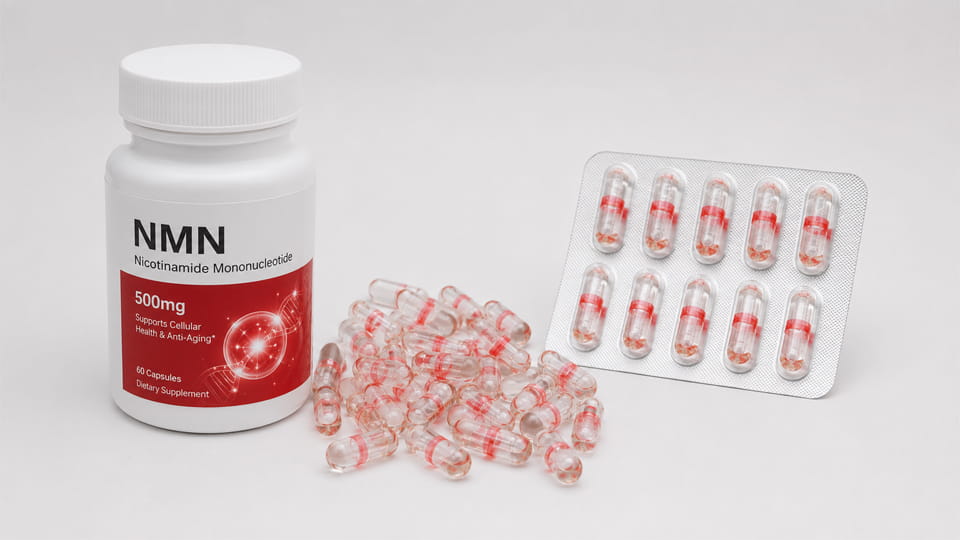
Kapsul keras berisi cairan adalah bentuk sediaan ampuh yang menggabungkan pil dan cairan terbaik. Mereka mengatasi sakit kepala formulasi (terutama untuk kombinasi obat yang sukar larut atau kompleks) dan memberi produsen skalabel, jalur produksi yang hemat biaya. Dengan menggunakan mesin pengisian kapsul cair dan teknik penyegelan, perusahaan dapat dengan andal memproduksi kapsul yang menghasilkan minyak secara massal, suspensi atau emulsi dengan rapi, bentuk yang dapat ditelan. Di dunia berkembang bentuk sediaan oral, LFHC menonjol karena fleksibilitasnya, permohonan yang sabar, dan kecepatan komersial. Baik Anda seorang manajer operasi di pabrik farmasi atau teknisi pengadaan yang mencari mesin pengemasan, menjelajah kapsul keras berisi cairan dapat membawa produk Anda lebih cepat ke pasar dengan kemanjuran yang lebih baik dan biaya yang lebih rendah.
Mencari solusi pengisian kapsul cair yang andal? Pengepakan Jinlu menyediakan peralatan pengisian dan pengemasan kapsul canggih untuk produsen farmasi dan nutraceutical di seluruh dunia.
Kapsul keras berisi cairan adalah kapsul dua bagian yang terbuat dari gelatin atau cangkang HPMC yang berisi cairan, setengah padat, penangguhan, atau formulasi berbahan dasar minyak. Berbeda dengan kapsul tradisional yang berisi bubuk, mereka mengizinkan produsen mengirimkan bahan-bahan dalam keadaan cair, yang dapat meningkatkan fleksibilitas formulasi dan kinerja bahan.
Manfaat utamanya mencakup peningkatan bioavailabilitas untuk bahan-bahan yang sukar larut, penyembunyian rasa yang lebih baik, perlindungan senyawa sensitif, dosis yang tepat, dan kemampuan memformulasi minyak, suspensi, dan sistem pengemulsi mandiri di dalam cangkang kapsul keras.
Proses pembuatannya biasanya mencakup persiapan formulasi, pengisian cairan ke dalam kapsul keras kosong, penguncian kapsul, penyegelan atau pengikatan, pengeringan, inspeksi, dan pengemasan akhir. Mesin pengisian kapsul cair khusus memastikan dosis yang akurat dan mencegah kebocoran.
Kapsul keras berisi cairan bisa mengandung minyak, formulasi berbasis lipid, Ekstrak herbal, suspensi, setengah padat, sistem penghantaran obat yang mengemulsi sendiri (SEDDS), dan formulasi cairan tidak berair lainnya. Formulasi berbahan dasar air umumnya dihindari karena dapat merusak cangkang kapsul.
Kapsul keras berisi cairan menggunakan cangkang kapsul dua bagian yang diisi dan disegel setelah enkapsulasi, sementara softgels terbentuk, dipenuhi, dan disegel dalam satu proses. Kapsul keras berisi cairan seringkali memberikan fleksibilitas formulasi yang lebih besar, biaya perkakas yang lebih rendah, peningkatan yang lebih mudah, dan pilihan untuk menggunakan cangkang HPMC vegetarian. Gel lunak, Namun, menawarkan segel satu bagian yang sepenuhnya kedap udara.
Ya. Kapsul berisi cairan HPMC banyak digunakan untuk bahan-bahan yang sensitif terhadap kelembapan, formulasi vegetarian, dan produk nutraceutical. Kapsul ini mengandung lebih sedikit kelembapan dibandingkan kapsul gelatin dan sering kali lebih disukai untuk suplemen nabati.
Penyegelan kapsul mencegah kebocoran selama transportasi dan penyimpanan, meningkatkan stabilitas produk, meningkatkan ketahanan terhadap kerusakan, dan membantu melindungi bahan-bahan yang sensitif terhadap oksigen. Metode penyegelan yang umum mencakup pengikatan kapsul dan teknologi penyegelan termal.
Kapsul keras berisi cairan banyak digunakan dalam produksi farmasi, produksi nutraceutical, suplemen makanan, produk jamu, kedokteran hewan, dan formulasi perawatan kesehatan khusus. Bahan-bahan ini khususnya cocok untuk minyak, vitamin, ekstrak botani, dan bahan aktif yang sukar larut.
Lini produksi kapsul keras berisi cairan biasanya mencakup mesin pengisian kapsul cair, mesin penyegel atau pengikat kapsul, mesin pemoles kapsul, Detektor logam, penyortir kapsul, mesin pengemas melepuh, jalur pembotolan, dan sistem inspeksi. Konfigurasi pastinya bergantung pada kapasitas produksi dan persyaratan peraturan.
Saat memilih mesin pengisian kapsul cair, produsen harus mengevaluasi akurasi pengisian, kecepatan produksi, kompatibilitas ukuran kapsul, integrasi penyegelan, kenyamanan pembersihan, kepatuhan terhadap GMP, tingkat otomatisasi, dan kebutuhan ekspansi di masa depan. Solusi ideal bergantung pada karakteristik formulasi dan volume produksi.
Referensi:
1.Kapsul Cangkang Keras Berisi Cairan: Pemberian Obat Saat Ini Mempengaruhi Teknologi Farmasi —— Perpustakaan Kedokteran Nasional
2.Kapsul Gelatin Keras Berisi Cairan ——jddtonline.info
3.Ulasan tentang kapsul gelatin keras berisi cairan —— merckmillipore.com
4.Evaluasi sistem otomatis untuk mengisi cairan ke dalam kapsul gelatin keras —— Perpustakaan Kedokteran Nasional
5.Kapsul gelatin keras berisi cairan : studi kompatibilitas eksipien/kapsul —— Sains Langsung
6.Kapsul Gelatin Keras Berisi Cairan dan Tertutup —— jddtonline.info
7.Memilih Eksipien untuk Kapsul Keras Berisi Cairan —— farmasi.com



