स्नैक पैकेजिंग: पैकेजिंग प्रकार के लिए संपूर्ण मार्गदर्शिका, मशीनों & समाधान
स्नैक पैकेजिंग: पैकेजिंग प्रकार के लिए संपूर्ण मार्गदर्शिका, मशीनों & समाधान
जुलाई 22, 2026
कोई टिप्पणी नहीं
वैश्विक स्नैक फूड बाजार फलफूल रहा है, और इसलिए प्रभावी स्नैक पैकेजिंग की मांग भी बढ़ रही है. वास्तव में, स्नैक पैकेजिंग बाजार का मूल्य बहुत अधिक था $20 अरब में 2025 और $21.8 बिलियन से अधिक होने का अनुमान है 2026. स्नैक पैकेजिंग सिर्फ एक बैग या बॉक्स से कहीं अधिक है - यह उत्पाद की गुणवत्ता की रक्षा और दक्षता में सुधार के लिए डिज़ाइन की गई एक संपूर्ण प्रणाली है. सही पैकेज स्नैक्स को ताज़ा और सुरक्षित रखता है (नमी को रोकना, ऑक्सीजन, और प्रकाश), हैंडलिंग और शिपिंग को आसान बनाता है, और आपके उत्पाद को शेल्फ पर आकर्षक ढंग से प्रस्तुत करता है. इस दौरान, पैकेजिंग प्रारूप निर्धारित करता है कि आपको किस मशीनरी की आवश्यकता होगी: चिप्स के लिए सरल वीएफएफएस लाइनों से लेकर नट्स और कैंडी के लिए स्वचालित प्रीमेड-पाउच सिस्टम तक.
चाहे आप आलू के चिप्स बनायें, पागल, कैंडी, पॉपकॉर्न या सूखे फल, लक्ष्य एक ही है: अपने उत्पाद की सुरक्षा करें, उत्पादन को कुशल बनाना, और उपभोक्ताओं से अपील की. हम आपको दिखाएंगे कि कौन से पैकेजिंग प्रारूप हैं (तकिया बैग, स्टैंड-अप पाउच, प्रवाह आवरण, वगैरह।) विभिन्न स्नैक्स के लिए सर्वोत्तम हैं, आपको किन सामग्रियों और अवरोधक फिल्मों की आवश्यकता है, और मशीनें कैसी लगती हैं वीएफएफएस या प्रीमेड-पाउच पैकर्स पंक्ति में फिट हो जाओ. इससे आपको विकल्पों की तुलना करने में मदद मिलेगी - उदा. आलू के चिप्स के लिए लागत प्रभावी वीएफएफएस तकिया बैग चुनना, मसालेदार नट्स के लिए एक प्रीमियम स्टैंड-अप पाउच की तुलना में - और एक स्नैक पैकेजिंग समाधान बनाएं जो संतुलित हो शेल्फ जीवन, रफ़्तार, और ब्रांडिंग.
स्नैक पैकेजिंग क्या है??
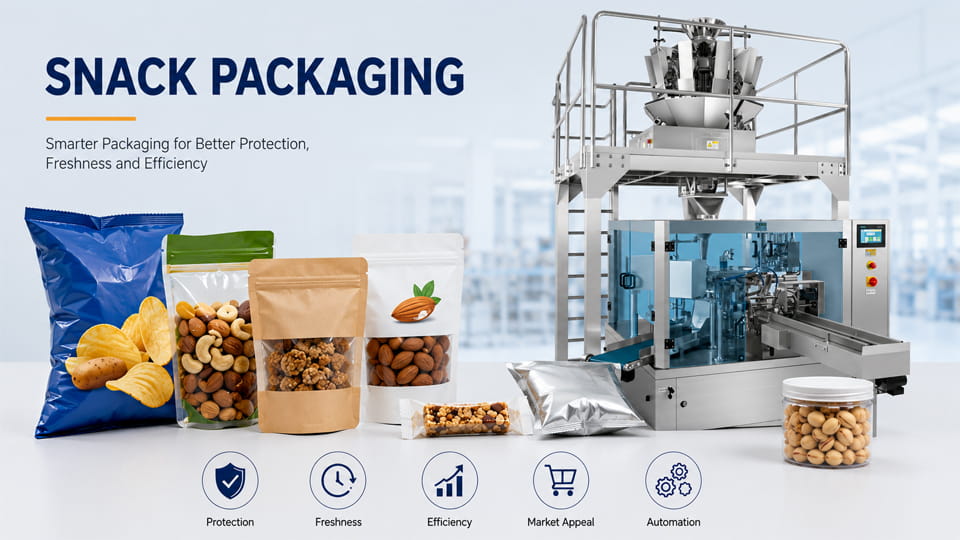
"स्नैक पैकेजिंग" का तात्पर्य रैपर से है, थैलियों, पाउच, और स्नैक फूड के लिए उपयोग किए जाने वाले कंटेनर - चिप्स जैसी चीजें, पागल, सूखे फल, कुकीज़, कैंडी, बीफ जर्की, प्रोटीन बार, और अधिक. पैकेज्ड स्नैक्स आमतौर पर सुविधा के लिए पहले से विभाजित होते हैं. सामान्य स्नैक पैकेज में शामिल हैं लचीले बैग या पाउच (तकिया बैग, स्टैंड-अप पाउच, फ्लैट पाउच), प्रवाह-लिपटे बार या कुकीज़, और छोटे कार्टन या ट्रे. प्रभावी स्नैक पैकेजिंग को उत्पाद को नमी से बचाना चाहिए, ऑक्सीजन, प्रकाश और संदूषण, एक आकर्षक प्रदान करते हुए, सुविधाजनक पैकेज. जैसा कि उद्योग रिपोर्ट नोट करती है, स्नैक पैकेजिंग "कई प्रकार" में आती है, नाश्ते के प्रकार पर निर्भर करता है, इसकी आवश्यक शेल्फ लाइफ है, और ब्रांड के स्थिरता लक्ष्य". उदाहरण के लिए, कुरकुरे बने रहने के लिए आलू के चिप्स अक्सर नाइट्रोजन-फ्लश्ड तकिया बैग में आते हैं, जबकि प्रीमियम नट्स को पुनः सील करने योग्य स्टैंड-अप पाउच में बेचा जा सकता है, और अलग-अलग कैंडीज़ ट्विस्ट रैप्स या डिब्बों में हो सकती हैं. ये सभी प्रारूप "स्नैक पैकेजिंग" के अंतर्गत आते हैं,प्रत्येक को विशिष्ट उत्पादों और उपयोग के मामलों के लिए तैयार किया गया है.
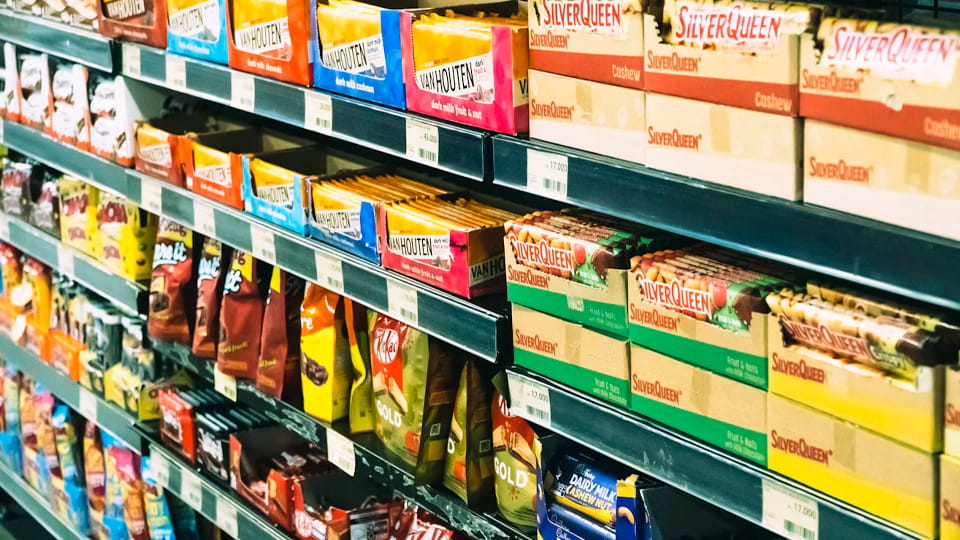
ढेर सारे स्नैक्स से भरी दुकान
स्नैक पैकेजिंग क्यों मायने रखती है?
स्नैक फूड हवा के संपर्क में आते हैं, नमी और संभालना, इसलिए पैकेजिंग में ताजगी और स्वाद अवश्य होना चाहिए. स्नैक की सही पैकेजिंग ऑक्सीजन के विरुद्ध अवरोध पैदा करती है, प्रकाश और नमी, जो स्नैक्स को लंबे समय तक कुरकुरा और स्वादिष्ट बनाए रखने में मदद करता है. अच्छी पैकेजिंग सुरक्षा और स्वच्छता भी सुनिश्चित करती है - एक अच्छी तरह से सील किया गया बैग दूषित पदार्थों को बाहर रखता है और गुणवत्ता को बरकरार रखता है. एक ही समय पर, स्नैक पैकेज में ब्रांडिंग और पोषण लेबल होते हैं. एक बड़ा, रंगीन थैली शेल्फ पर खरीदार का ध्यान खींच सकती है. संक्षेप में, स्नैक पैकेजिंग उत्पाद की गुणवत्ता का पहला बचाव है और ग्राहक से पहला हाथ मिलाना. यह विपणन प्रभाव के साथ कार्यात्मक सुरक्षा को जोड़ता है.
गुणवत्ता की रक्षा करें & ताज़गी: बहुत सारे स्नैक्स (चिप्स, पटाखे, पागल) उजागर होने पर बासी हो जाना. पैकेजिंग ऑक्सीजन और नमी को दूर रखती है.
सुविधा बढ़ाएँ: पुन: सील करने योग्य पाउच या सिंगल-सर्व पाउच स्नैक्स को चलते-फिरते उपयोग में आसान बनाते हैं. खरोंचें फाड़ें, ज़िपर या टोंटी सुविधा जोड़ते हैं.
ब्रांडिंग और शेल्फ अपील को बढ़ावा दें: लचीले बैग पूर्ण-रंगीन मुद्रण की अनुमति देते हैं. एक बड़ा, सपाट सतह का मतलब है कि लोगो और डिज़ाइन वास्तव में अलग दिख सकते हैं.
नुकसान को रोकने के & नुकसान: गद्दीदार स्थान, चिप बैग में "हवा" की तरह (वास्तव में नाइट्रोजन), परिवहन के दौरान नाजुक स्नैक्स को कुचलने से रोकता है. मजबूत पाउच या कठोर कंटेनर भी पंक्चर या फटने का विरोध करते हैं. उचित पैकेजिंग के बिना, उत्पाद टूट जाते हैं या लीक हो जाते हैं, जिससे बर्बादी होती है और रिटर्न मिलता है.
शेल्फ जीवन बढ़ाएँ: उच्च-अवरोधक फिल्में और संशोधित-वातावरण भरना (उदाहरण के लिए:. नाइट्रोजन फ्लश) स्नैक शेल्फ जीवन को दोगुना कर सकता है, अपशिष्ट को कम करना.
पैकेजिंग विशेषज्ञों के अनुसार, लचीली सामग्रियाँ विशेष रूप से स्नैक फूड के लिए आदर्श होती हैं क्योंकि वे हल्की होती हैं, मजबूत और मुद्रण को जीवंत बनाए रखते हुए बाधा सुरक्षा प्रदान करता है. पार्टी-आकार के चिप बैग से लेकर सिंगल-सर्व नट पैक तक, एक सफल स्नैक उत्पाद की दिशा में सही पैकेजिंग शैली और फिल्म चुनना एक महत्वपूर्ण कदम है.
सामान्य स्नैक पैकेजिंग प्रकार
स्नैक पैकेजिंग कई प्रारूपों में आती है. यहां आज उपयोग की जाने वाली सबसे लोकप्रिय शैलियाँ हैं:
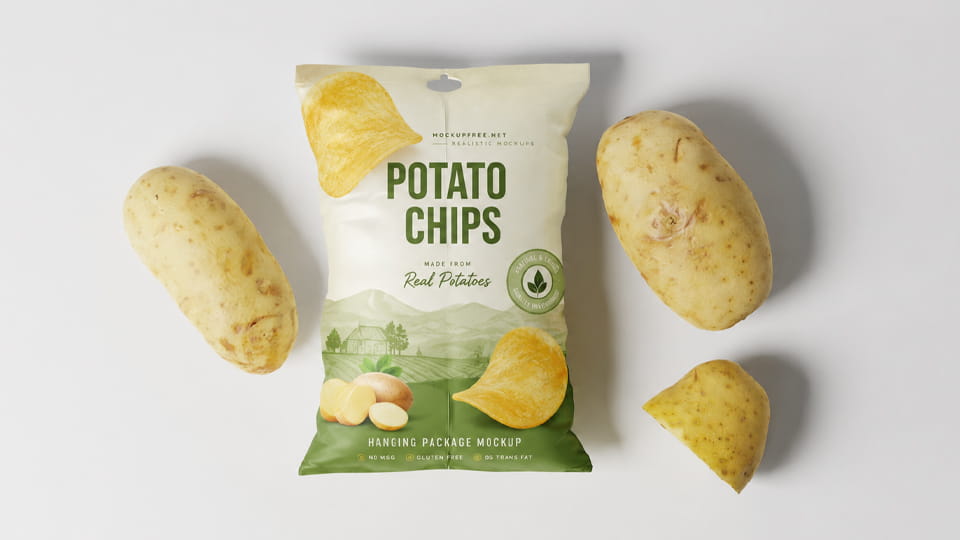
तकिया पाउच: ये साधारण तीन-तरफा सीलबंद बैग हैं जिन्हें आप चिप्स के लिए देखते हैं, प्रेट्ज़ेल या कैंडी. ए तकिये की थैली खाली होने पर चपटा होता है और भरने पर तकिये के आकार में फूल जाता है. इसे पीछे और ऊपर तथा नीचे सील किया गया है. तकिया पाउच कुछ अन्य शैलियों की तुलना में कम फिल्म का उपयोग करते हैं, इसलिए वे लागत प्रभावी हैं और कसकर पैक होते हैं. वे हैं स्नैक फूड के लिए बहुत आम है – आलू के चिप्स के बारे में सोचो, प्रेट्ज़ेल, पॉपकॉर्न और मेवे. (कई तकिया पाउचों में हैंग होल या पुनः सील करने योग्य ज़िपर जैसी सुविधाएं भी शामिल होती हैं।) कम सामग्री लागत के कारण, थोक स्नैक बैग के लिए तकिया बैग अक्सर पसंदीदा विकल्प होते हैं.
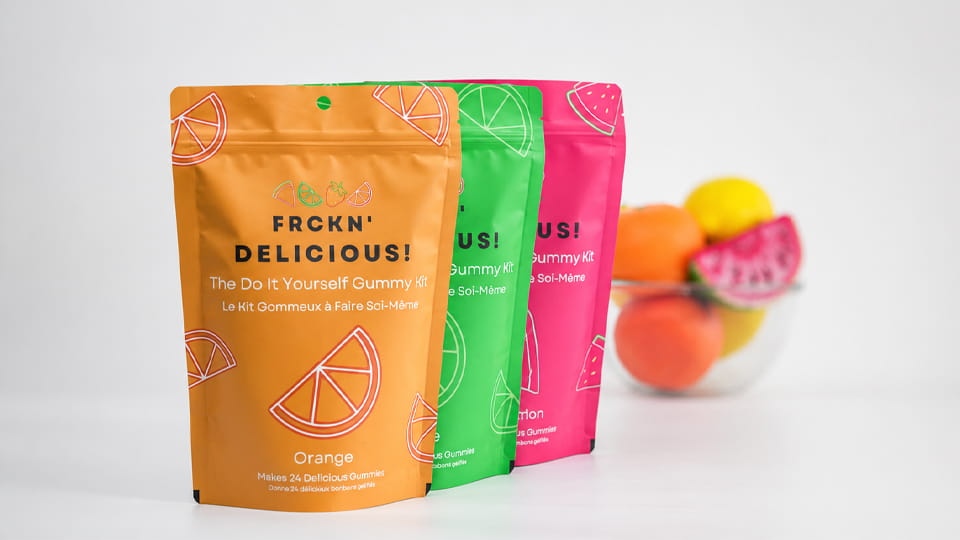
खड़े हो जाओ (गुस्सेटेड) पाउच: इन थैलियों में एक कली होती है (नीचे मुड़ा हुआ) इसलिए वे एक शेल्फ पर सीधे खड़े हो जाते हैं. स्टैंड-अप पाउच की लागत आमतौर पर अधिक फिल्म होती है लेकिन यह एक प्रीमियम लुक देता है. कई में पुनः बंद करने के लिए ज़िप-लॉक या टोंटी की सुविधा होती है. स्टैंड-अप पाउच पैकेजिंग है अतिरिक्त मात्रा वाले या शेल्फ अपील की आवश्यकता वाले उत्पादों के लिए आदर्श. उदाहरण के लिए, उच्च-स्तरीय नट या ट्रेल मिक्स अक्सर अलग दिखने के लिए स्टैंड-अप बैग का उपयोग करते हैं. ये पाउच स्नैक्स को ताज़ा रखते हैं और ब्रांडिंग के लिए एक बड़ी सतह प्रदान करते हैं. फिल्म की लागत थोड़ी अधिक होने के बावजूद, कई स्नैक ब्रांड बेहतर दृश्यता और सुविधा के लिए उन्हें पसंद करते हैं.
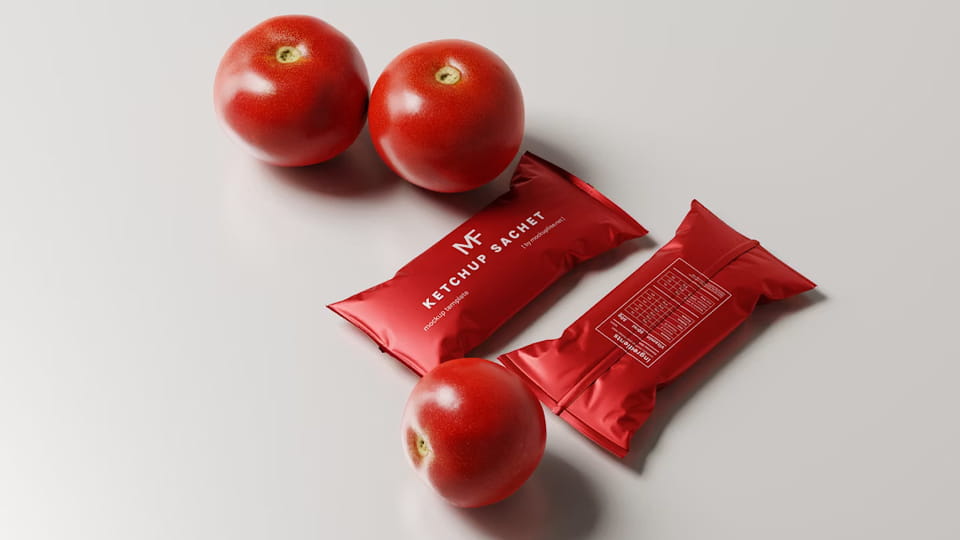
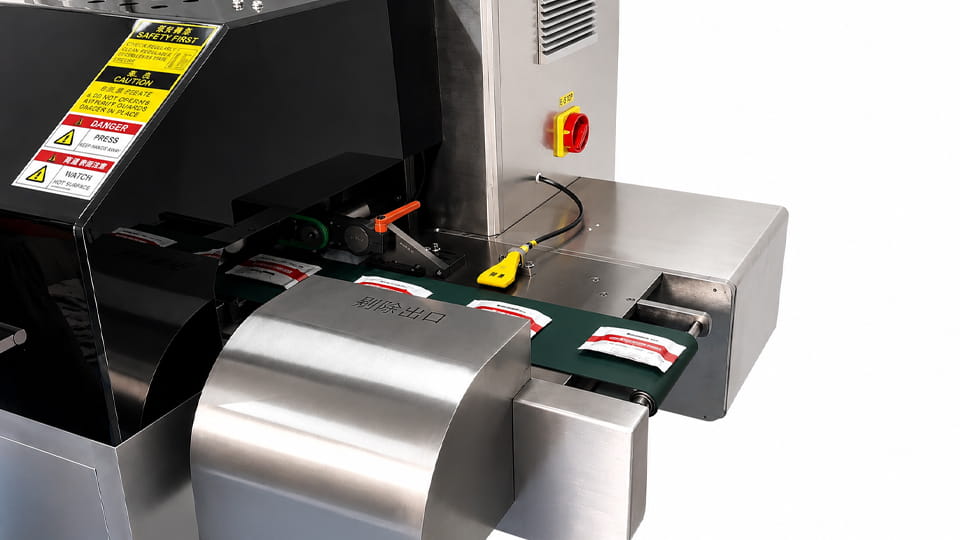
पाउच और स्टिक पैक: ये छोटे हैं, एकल-सेवा पैकेट तीन या चार तरफ से सील किए गए. मसालों के लिए पाउच उत्तम हैं, छोटे कैंडी भाग, या झटकेदार मसाला जैसे एक बार उपयोग किए जाने वाले स्नैक्स. छड़ी पैक (लंबे पतले पाउच) पाउडर पेय मिश्रण या छोटी कैंडी के लिए आम हैं. वे न्यूनतम सामग्री का उपयोग करते हैं और बहुत पोर्टेबल होते हैं, लेकिन पुनः सील करने योग्य नहीं हैं. मशीनें बुलाई गईं पाउच पैकिंग मशीनें या स्टिक पैक मशीनें इन पैक्स को तेज़ गति से भरें और सील करें. पाउच अक्सर साधारण लेमिनेटेड फिल्मों से बनाए जाते हैं जो अल्प शैल्फ जीवन के लिए पर्याप्त बाधा उत्पन्न करते हैं.
प्रवाह लपेटें & बार रैपर्स: थोड़ा जलपान (ग्रेनोला बार, कैंडी बार्स, बिस्कुट) क्षैतिज प्रवाह-रैप मशीनों का उपयोग करें. ये मशीनें अलग-अलग बार या पटाखों के ढेर को एक टाइट फिल्म में लपेटती हैं क्षैतिज, फिर सिरों को सील कर दें (जैसे कैंडी बार को कैसे लपेटा जाता है). फ्लो-रैप प्रत्येक बार के चारों ओर एक तंग तकिया-पैक बनाता है. यह तेज़ है और ठोस वस्तुओं के लिए अच्छा काम करता है.
पूर्वनिर्मित पाउच पैकिंग: अधिक जटिल थैली डिजाइनों के लिए (मल्टी-लेयर लैमिनेट्स, टोंटी, ज़िप बंद होना), कई कंपनियाँ उपयोग करती हैं पूर्वनिर्मित थैली मशीनें. ये मशीनें फ्लैट लोड करती हैं, एक पत्रिका से पूर्व-निर्मित बैग, उन्हें खोलने, उत्पाद भरें, फिर उन्हें सील कर दें. प्रीमेड पाउच मशीनें स्टैंड-अप ज़िपर बैग से लेकर टोंटीदार पेय पाउच तक कुछ भी संभालती हैं. थैली की विशेषता होने पर वे आम हैं (आसानी से खुलने वाली टोंटियों की तरह) उपभोक्ता मूल्य जोड़ें. ट्रेल मिक्स या चिप्स जैसे स्नैक आइटम के लिए, ए पूर्वनिर्मित ज़िपर थैली सटीक खुराक के साथ प्रति मिनट ~50-60 बैग तक की दर से भरा और सील किया जा सकता है.
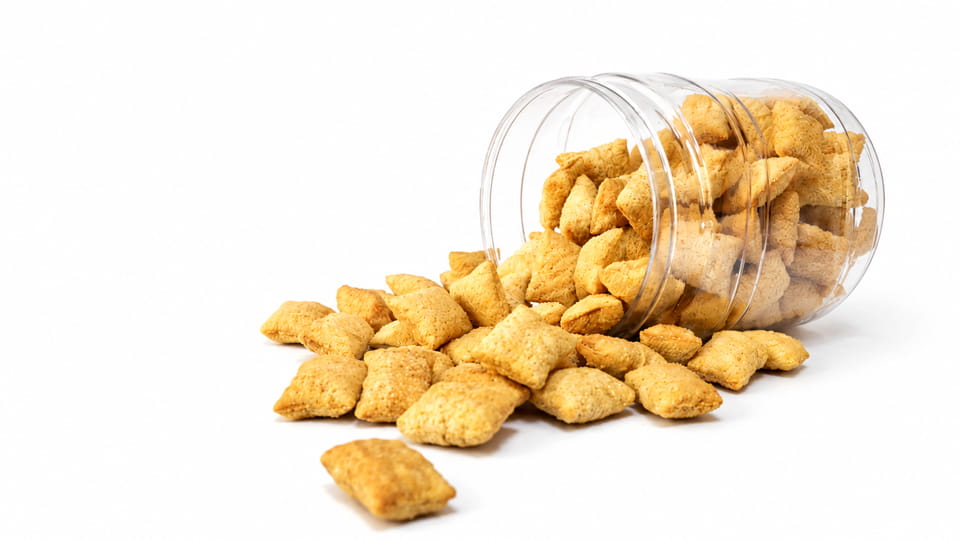
कठोर कंटेनर (बक्से, जार, डिब्बे): जबकि अधिकांश स्नैक पैकेजिंग लचीली होती है, कुछ उत्पाद डिब्बों का उपयोग करते हैं, डिब्बे या जार. उदाहरण के लिए, थोक प्रेट्ज़ेल कार्डबोर्ड बक्से में आ सकते हैं, और कुछ मेवे या पॉपकॉर्न प्लास्टिक जार में बेचे जाते हैं. कठोर पैकेजिंग भारी और महंगी होती है, लेकिन यह नाजुक स्नैक्स के लिए या कंटेनरों का पुन: उपयोग करते समय अच्छा है (कुकी जार की तरह). तथापि, अधिकांश हाई-स्पीड स्नैक लाइनें लचीले पाउच पर ध्यान केंद्रित करती हैं, स्वचालित स्नैक पैकेजिंग लाइनों पर कठोर कंटेनर कम आम हैं.
प्रत्येक पैकेजिंग प्रकार के अपने फायदे हैं. तकिया बैग सबसे तेज़ और सबसे सस्ते हैं; स्टैंड-अप पाउच रिक्लोजर और शेल्फ अपील प्रदान करते हैं; पाउच छोटी या एकल-सेवा वाली वस्तुओं के लिए आदर्श होते हैं; और फ्लो-लिपटे पाउच सूट बार या समान आकार के स्नैक्स. "सर्वोत्तम" प्रकार नाश्ते पर निर्भर करता है (चिप्स बनाम. ग्रेनोला बार बनाम. पागल), शेल्फ-जीवन की जरूरतें, ब्रांडिंग प्राथमिकताएँ, और पैकेजिंग बजट.
नाश्ते के लिए पैकेजिंग सामग्री
अधिकांश स्नैक पाउच बनाए जाते हैं लचीली फिल्में - लेमिनेटेड प्लास्टिक (और कभी-कभी पन्नी या कागज) जिसे हीट-सील किया जा सकता है. सामग्री का चुनाव महत्वपूर्ण है क्योंकि स्नैक्स को हवा से सुरक्षा की आवश्यकता होती है, नमी और कभी-कभी रोशनी. स्नैक पैकेजिंग में उपयोग की जाने वाली सामान्य सामग्री और लैमिनेट्स में शामिल हैं:
polyethylene (पीई) और पॉलीप्रोपाइलीन (पीपी): ये प्लास्टिक (अक्सर परतों में) बुनियादी ताप-सील करने योग्य अवरोध का निर्माण करें. कम घनत्व वाला पीई (एलडीपीई) और रैखिक एलडीपीई आंतरिक सीलेंट परत के रूप में बहुत आम हैं. ओरिएंटेड पीपी (बीओपीपी) मुद्रण योग्यता के लिए बाहरी भाग पर उपयोग किया जाता है. पॉलीथीन और पॉलीप्रोपाइलीन फिल्में नमी को अच्छी तरह से रोक सकती हैं और अच्छी सील ताकत प्रदान कर सकती हैं.
पॉलिएस्टर (पालतू): पीईटी फिल्म ताकत और उच्च-अवरोधक गुण जोड़ती है (यह लैमिनेट्स में एक सामान्य "मध्यम" परत है). एक लैमिनेट PET//चिपकने वाला//PE हो सकता है, उदाहरण के लिए. ऐसी फिल्में ऑक्सीजन संचरण को रोकने में मदद करती हैं.
धातुकृत फ़िल्में/एल्यूमीनियम फ़ॉइल: कुछ स्नैक फिल्मों में पतली धातु होती है (अल्युमीनियम) बेहतर ऑक्सीजन/प्रकाश अवरोध के लिए परत. उदाहरण के लिए, आलू के चिप्स में अक्सर धातुयुक्त फिल्म या फ़ॉइल लेमिनेट का उपयोग किया जाता है ताकि वे कुरकुरे बने रहें. ये फिल्में रोकती हैं 100% प्रकाश और नमी का.
लैमिनेटेड फ़िल्में: अधिकांश स्नैक पाउच उपरोक्त को मिलाकर बहु-परत लैमिनेट होते हैं (और कभी-कभी नायलॉन या EVOH). लेमिनेटेड फिल्में स्थायित्व और अवरोध शक्ति प्रदान करने के लिए परतों को मिलाती हैं. उदाहरण के लिए, ए 5- या 7-लेयर फिल्म में PET शामिल हो सकता है, अल्युमीनियम, चिपकने वाला और पीई. नतीजा: एक टिकाऊ बैग जो हवा को बाहर रखता है. लैमिनेट्स भारी मात्रा में वृद्धि किए बिना शेल्फ जीवन को नाटकीय रूप से बढ़ाते हैं.
बायोडिग्रेडेबल/कंपोस्टेबल फिल्में: पीएलए जैसी प्लांट-आधारित फिल्मों की ओर रुझान है. इनसे प्लास्टिक कचरे को कम किया जा सकता है, लेकिन वे आम तौर पर अधिक महंगे हैं और नमी अवरोधक आवश्यकताओं के लिए अभी भी परिपक्व हैं. कुछ प्रीमियम स्नैक ब्रांड कंपोस्टेबल बैग के साथ प्रयोग करते हैं (पीएलए या सेलूलोज़ आधारित) पटाखों के लिए, मेवे या चिप्स.
कागज या लेपित कागज: कुछ स्नैक्स (जैसे पटाखे या चाय के स्वाद वाले चिप्स) पतली प्लास्टिक या पन्नी की परत वाले कागज-आधारित पाउच का उपयोग करें. इनमें अधिक प्राकृतिक लुक होता है लेकिन आमतौर पर नमी से सुरक्षा के लिए अस्तर का उपयोग किया जाता है.
सभी मामलों में, बाहरी परत आमतौर पर प्रिंट करने योग्य होती है इसलिए ब्रांड चमकीले रंगों का उपयोग कर सकते हैं. भीतरी परतें और चिपकने वाले पदार्थ हवा बनाए रखते हैं, नमी और तेल को बाहर निकलने से रोकें. मशीन सीलिंग आवश्यकताएँ भी सामग्री को निर्धारित करती हैं: उच्च गति वाली मशीनों को ऐसी फिल्मों की आवश्यकता होती है जो उच्च तापमान पर सफाई से सील हो जाएं. उदाहरण के लिए, निरंतर ताप सीलर्स स्नैक लाइन पर आम तौर पर पीई के साथ काम करते हैं, पीपी, पीईटी और लेमिनेटेड फिल्में. वास्तव में, एक उद्योग रिपोर्ट में कहा गया है कि आधुनिक स्नैक-पैक फिल्में आमतौर पर ताकत और अवरोध के लिए पीई या पीईटी-आधारित लेमिनेट होती हैं.
स्नैक पैकेजिंग मशीनें & उपकरण
पैकेजिंग मशीनें उन फिल्मों और पाउचों को भरे हुए स्नैक बैग में बदल देती हैं. एक सामान्य स्नैक लाइन में, मशीनें वजन करने/भरने का काम संभालती हैं, बैग बनाना, सीलिंग और यहां तक कि केस-पैकिंग भी. यहां उपकरणों की प्रमुख श्रेणियां दी गई हैं:
वर्टिकल फॉर्म-फिल-सील (वीएफएफएस) मशीनों: वीएफएफएस मशीनें फिल्म के रोल से एक बैग बनाती हैं (आमतौर पर तकिया या कलीदार शैली) ऊर्ध्वाधर मुहरें बनाकर. ए वीएफएफएस मशीन फिर उसे भर देता है (गुरुत्वाकर्षण द्वारा या तौलने वाले यंत्र से) और शीर्ष को सील कर देता है. स्नैक पैकेजिंग में ये पंक्तियाँ बहुत आम हैं. वे चिप्स के लिए 30-200 बैग प्रति मिनट की गति से चल सकते हैं, मेवे और दानेदार स्नैक्स. वीएफएफएस लाइनों में एक छोटा पदचिह्न होता है और स्नैक को विभाजित करने के लिए मल्टीहेड वेटर या कप फिलर्स को एकीकृत किया जा सकता है. एक मल्टीहेड वेटर गिरता है, कहना, 100उच्च गति से प्रत्येक बैग में ग्राम चिप्स. क्योंकि VFFS तुरंत बैग बनाता है, यह आलू के चिप्स या पॉपकॉर्न जैसे उच्च मात्रा वाले उत्पादों के लिए आदर्श है जहां पैकेज सरल है (अक्सर एक तकिया पैक या साधारण कली).
क्षैतिज प्रवाह-लपेटें (एचएफएफएस) मशीनों: क्षैतिज प्रवाह-रैप मशीनें स्नैक्स को एक फिल्म ट्यूब में क्षैतिज रूप से लपेटती हैं और सिरों को सील कर देती हैं, एक कैंडी बार को लपेटने जैसा. एचएफएफएस का उपयोग अक्सर एकल आइटम या पंक्ति-पैक शैली पैकेजिंग के लिए किया जाता है. उदाहरण के लिए, कैंडी चलाने वाली मशीनें, ग्रेनोला बार, बिस्कुट या पटाखों के मल्टी-पैक इस शैली का उपयोग करते हैं. उद्योग विश्लेषण के अनुसार, एचएफएफएस सिस्टम स्नैक बार और कुकीज़ जैसे ठोस उत्पादों में उत्कृष्टता प्राप्त करते हैं, दर्जनों से चल रहा है 1,500 डिज़ाइन के आधार पर प्रति मिनट पैक. फिनिश आमतौर पर बहुत साफ-सुथरी होती है (चूँकि यह क्षैतिज है) और लंबे उत्पादों या समूहीकृत वस्तुओं को संभाल सकता है. समझौता यह है कि एचएफएफएस इकाइयां बड़ी और अधिक जटिल हैं.
पूर्वनिर्मित पाउच पैकिंग मशीनें: ये मशीनें निपटाती हैं पूर्व-निर्मित बैग (फ्लैट पाउच, doypacks, स्टैंड-अप बैग, पाउच, वगैरह।). मशीन पहले से बनी खाली थैली उठाती है, इसे वैक्यूम ग्रिपर से खोलता है, ऊपर से भर देता है, और फिर उसे सील कर देता है (आमतौर पर फिन हीट-सील के साथ). इनका उपयोग तब किया जाता है जब आपको विशेष पाउच सुविधाओं की आवश्यकता होती है (पुन: सील करने योग्य ज़िपर, टोंटी, भारी टुकड़े टुकड़े स्थिरता). उदाहरण के लिए, ट्रेल मिक्स या नट्स के लिए स्टैंड-अप ज़िपर पाउच अक्सर इस तरह से पैक किया जाता है. आधुनिक पूर्वनिर्मित पाउच मशीनें (जिंलू की ज़िपर पाउच मशीन की तरह) उच्च खुराक सटीकता के साथ प्रति मिनट लगभग 50-60 बैग तक पहुंच सकता है. वे अक्सर संवेदनशील स्नैक्स के लिए धूल निष्कर्षण या नाइट्रोजन फ्लश जैसे विकल्प शामिल करते हैं.
पूर्वनिर्मित पाउच पैकिंग मशीन
वजन और भरने की प्रणाली: लगभग सभी स्नैक लाइनों में वजन/भरने का स्टेशन होता है. यह एक हो सकता है मल्टीहेड वजनी सूखे नाश्ते के लिए, पाउडर या नट्स के लिए एक कप या बरमा भराव, या एक बड़ा कप भराव. मल्टीहेड वेटर चिप्स के लिए विशेष रूप से आम हैं, नट और ट्रेल मिश्रण क्योंकि वे सटीक हिस्से बहुत तेजी से वितरित करते हैं (अक्सर ±0.5-2g तक की गति पर सटीकता 100 प्रति मिनट वजन). सटीक तौलकर्ता ओवरफिलिंग को रोकते हैं (उत्पाद उपहार) और सुनिश्चित करें कि प्रत्येक बैग का वजन सही हो. थोक स्नैक्स के लिए कुछ लाइनें साधारण वॉल्यूमेट्रिक फिलर्स का उपयोग करती हैं (सस्ता, ढीली सामग्री के लिए अच्छा है लेकिन कम सटीक है) या तरल पदार्थ और सॉस के लिए साधारण कप फिलर्स.
पाउच/स्टिक-पैकिंग मशीनें: ये विशेष वर्टिकल मशीनें हैं. स्टिक पैक मशीनें बनती हैं, लंबे संकीर्ण बैग भरें और सील करें (पसंद केचप की छड़ें या कॉफ़ी की छड़ें). पाउच मशीनें छोटे फ्लैट पैकेट बनाती हैं, अक्सर बहुत तेज़ गति से (प्रति मिनट सैकड़ों) पाउडर या एकल-उपयोग स्नैक भागों के लिए (सोया सॉस के पैकेट की तरह, मसाला, छोटे पाउच में मेवे).
पाउच स्टिक पैकिंग मशीन
खिला & संदेश: भरने से पहले, स्नैक्स को अक्सर फिलर में एक स्थिर प्रवाह सुनिश्चित करने के लिए हिलने वाली टेबल या कन्वेयर द्वारा सॉर्ट और खिलाया जाता है. नाजुक नाश्ते के लिए, कोमल कन्वेयर टूटने से बचाते हैं. पॉपकॉर्न जैसे मुक्त-गिरने वाले उत्पादों के लिए, लिफ्ट और डायवर्टर तौलकर्ता या भरावकर्ता को लगातार फ़ीड सुनिश्चित करते हैं.
सीलर: भरने के बाद, स्नैक्स को सीलिंग की जरूरत है. हीट सीलर्स (निरंतर या आवेग) बैग सामग्री पर वायुरोधी सील बनाएं. हाई-स्पीड स्नैक लाइनों के लिए, लगभग 150-250°C तापमान पर चलने वाली निरंतर सील बार 60-150+ बैग प्रति मिनट सील करती हैं. ये सीलें हवा और नमी को रोक देती हैं. के विपरीत, आवेग सीलर्स कम उपयोग करते हैं, उच्च तापमान वाले पल्स और मोटी फिल्मों या धीमी रेखाओं पर उपयोग किए जाते हैं.
गिनती & बोतलबंद मशीनें: सभी स्नैक्स पाउच में पैक नहीं किए जाते हैं. गमीज़ जैसे उत्पाद, पागल, चॉकलेट बीन्स, जेली फलियां, कैंडी, और फ़्रीज़-सूखे फलों को अक्सर बोतलों में पैक किया जाता है. एक स्वचालित गिनती & भरने की मशीन बोतलें भरने से पहले प्रत्येक टुकड़े की सटीक गिनती करने के लिए इलेक्ट्रॉनिक सेंसर का उपयोग करता है, न्यूनतम उत्पाद उपहार के साथ लगातार मात्रा सुनिश्चित करना. एक संपूर्ण नाश्ता बोतलबंद लाइन एकीकृत भी कर सकते हैं बोतल खोलना, शुष्कक सम्मिलन, कैपिंग, मुद्रण, और लेबलिंग, यह इसे उच्च मात्रा में बोतलबंद स्नैक उत्पादन के लिए एक आदर्श समाधान बनाता है.
जेएल-16आर बियर गमी काउंटिंग बॉटलिंग लाइन
एकीकृत पैकेजिंग लाइनें: कई स्नैक उत्पादक एक विक्रेता से एक एकीकृत लाइन खरीदते हैं. उदाहरण के लिए, एक लाइन में वीएफएफएस बैगर को खाना खिलाने वाला मल्टीहेड वेटर शामिल हो सकता है, फिर एक डेट कोडर (मुद्रण तिथियों के लिए) और अंत में एक स्वचालित केस पैकर. स्वचालित लाइनें तेजी से आरओआई प्राप्त कर सकती हैं: मैन्युअल बैगिंग को ख़त्म करने से श्रम लागत और विसंगतियों में कमी आती है.
सारांश, स्नैक पैकेजिंग मशीनरी छोटे परिचालनों के लिए कॉम्पैक्ट टेबलटॉप फिलर्स से लेकर बड़े संयंत्रों के लिए उच्च गति वाली स्वचालित लाइनों तक की रेंज शामिल है. कुंजी आपके उत्पाद की मशीन शैली से मेल खाती है. जैसा कि वुल्फ पैकिंग नोट करता है: पूरी तरह से स्वचालित स्नैक पैकेजिंग सिस्टम न्यूनतम श्रम के साथ प्रति मिनट 60-150+ पैकेज प्राप्त कर सकते हैं. इस प्रकार की गति, सटीक वजन और सीलिंग के साथ संयुक्त, यह सुनिश्चित करता है कि प्रत्येक बैग सही ढंग से भरा और सील किया गया है, थ्रूपुट और उत्पाद स्थिरता को अधिकतम करना.
स्नैक पैकेजिंग मशीनें: भरने से लेकर तैयार पैक तक
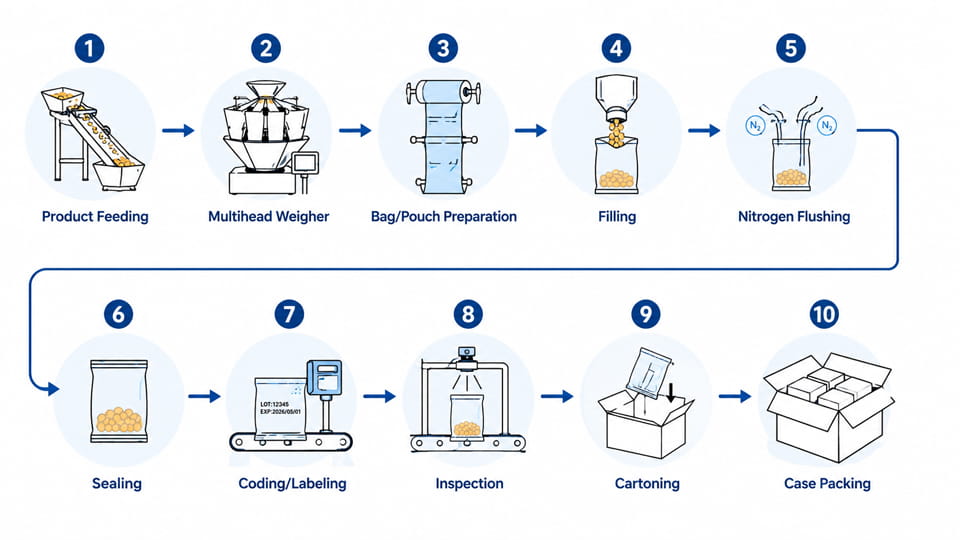
एक विशिष्ट नाश्ता पैकेजिंग लाइन इन चरणों का पालन करता है (नीचे फ़्लोचार्ट देखें):
उत्पाद खिलाना: स्नैक्स को हॉपर या कन्वेयर से वेटर या फिलर में डाला जाता है. कभी-कभी चिपचिपे उत्पादों के लिए वाइब्रेटरी फीडर या स्क्रू फीडर का उपयोग किया जाता है.
वजन (मल्टीहेड वजनी): नाश्ते को सटीक भागों में तौला जाता है. (तरल या पाउडर स्नैक्स के लिए, इसके स्थान पर डोजिंग पंप या पिस्टन फिलर का उपयोग किया जा सकता है।)
बैग/पाउच तैयार करना: मशीन या तो एक थैला बनता है फिल्म से (जैसा कि वीएफएफएस में है) या एक पूर्वनिर्मित थैली उठाता है (जैसा कि डॉयपैक मशीनों में होता है).
भरना: तौला हुआ भाग खुले बैग/थैली में डाल दिया जाता है. एकाधिक लेन समानांतर में कई बैग भर सकती हैं.
नाइट्रोजन फ्लशिंग (वैकल्पिक): सील करने से पहले, कई स्नैक लाइनें ऑक्सीजन को बाहर निकालने के लिए बैग में नाइट्रोजन गैस इंजेक्ट करती हैं, ताज़गी को लम्बा खींचना.
सील: बैग के खुले सिरे को हीट-सीलिंग जॉज़ द्वारा सील कर दिया जाता है. मशीनें टाइट सील के लिए सही ताप और दबाव लगाती हैं.
कोडिंग/लेबलिंग: भरे हुए बैग को ट्रेसिबिलिटी के लिए इंकजेट प्रिंटर या लेजर कोडर का उपयोग करके दिनांक/लॉट कोड के साथ चिह्नित किया जाता है.
निरीक्षण (चकवेया / दृष्टि): वजन सत्यापित करने के लिए बैग को जांचने वाले यंत्र से गुजारा जाता है. विज़न सिस्टम सील की अखंडता या प्रिंट गुणवत्ता का निरीक्षण कर सकते हैं.
कार्टनिंग: बैग या पाउच के समूहों को कार्टनिंग मशीन द्वारा उठाया और डिब्बों में डाला जा सकता है.
केस पैकिंग: अंत में, डिब्बों को केस पैकर द्वारा शिपिंग केस या पैलेट में लोड किया जाता है और सील कर दिया जाता है.
स्वचालित स्नैक पैकेजिंग लाइन का प्रवाह आरेख
इनमें से प्रत्येक चरण को स्वचालित और सिंक्रनाइज़ किया जा सकता है. उपरोक्त चित्र (एक जलपरी फ़्लोचार्ट) उत्पाद फीडिंग से लेकर अंतिम केस पैकिंग तक के प्रवाह को दर्शाता है.
अपने नाश्ते के लिए सही मशीन चुनना
कोई भी एक मशीन सभी स्नैक्स के लिए उपयुक्त नहीं है. "सर्वोत्तम" पैकेजिंग मशीन उत्पाद के आकार पर निर्भर करती है, भरण दर और बैग शैली. यहां कुछ दिशानिर्देश दिए गए हैं:
चिप्स & ग्रेनोला (ढीला, मुक्त बहना): मल्टीहेड वेइगर के साथ एक वीएफएफएस लाइन का आमतौर पर उपयोग किया जाता है. चिप्स ऊपर से एक बैग में आसानी से गिर जाते हैं. वीएफएफएस उच्च गति के लिए बहुत अच्छा है (30-200 बैग/मिनट) और इसका पदचिह्न छोटा है. अच्छी ऑक्सीजन अवरोधक वाली फिल्म चुनें और अतिरिक्त कुरकुरापन के लिए नाइट्रोजन फ्लश पर विचार करें.
पागल & सूखे मेवे: चिप्स के समान, ये एक वेटर के साथ वीएफएफएस पर अच्छा काम करते हैं. यदि आप ज़िपर के साथ स्टैंड-अप बैग चाहते हैं, पहले से बने पाउच पैकर का उपयोग करें. कुछ लाइनें बड़े पैमाने पर वजन वाले फीडर की पेशकश करती हैं जो बड़े बैग रन को संभालते हैं. यहां परिशुद्धता महत्वपूर्ण है - नट आकार में भिन्न हो सकते हैं, इसलिए एक मल्टीहेड वेइगर सस्ता माल कम करता है और वजन भी सुनिश्चित करता है.
स्नैक पट्टियां & कैंडी: क्षैतिज प्रवाह-आवरण (एचएफएफएस) मशीनें बार और लपेटी हुई कैंडी से चमकती हैं. वे एक बार या एकाधिक को एक साथ शीघ्रता से पैकेज कर सकते हैं. यदि बार फ़ॉइल या पेपर फ़्लो-रैप में आते हैं, वे मशीनें सिरों को कसकर सील कर सकती हैं. छोटे आकार के नाश्ते के लिए (पॉपकॉर्न के गुच्छों की तरह), एक एचएफएफएस एक क्षैतिज तकिया पैक भी बना सकता है.
मसाला & सॉस: पाउच या स्टिक पैक मशीनें मसाला मिश्रण को संभालती हैं, डिप पाउडर, या सिंगल-सर्व सॉस. ये मशीनें बहुत तेज चलती हैं (अक्सर प्रति मिनट सैकड़ों छड़ियाँ). वे पूर्वनिर्मित स्टिक पाउच के साथ भी काम कर सकते हैं.
पॉपकॉर्न चाहिए: पॉपकॉर्न को सांस लेने की क्षमता की आवश्यकता होती है (कुचलने से बचने के लिए) और एक बड़ा बैग. कई पॉपकॉर्न लाइनें पॉप्ड कॉर्न को धीरे से लोड करने के लिए विशेष बैग कन्वेयर बेल्ट के साथ वीएफएफएस का उपयोग करती हैं. कुछ लोग बड़े बैग के लिए बड़े उभरे हुए तले वाले क्षैतिज बैगर्स का उपयोग करते हैं.
बैच का आकार & स्वचालन स्तर: छोटे उत्पादक अर्ध-स्वचालित या वॉल्यूमेट्रिक मशीनों से शुरुआत कर सकते हैं (उदा।, ज़िपलॉक बैग में भराव भरने वाला एक टेबलटॉप). कन्वेयर और रोबोटिक्स के साथ बड़े ऑपरेशन पूरी तरह से स्वचालित हो जाते हैं. पूरी तरह से स्वचालित लाइनों में वजन करने वाली मशीनों के लिए केवल 1-2 ऑपरेटर हो सकते हैं, थैला, सील और केस प्रति घंटे हजारों स्नैक्स पैक करता है.
आउटपुट आवश्यकताएँ: अगर आपको चाहिये 100 बैग/मिनट, निश्चित रूप से स्वचालित मशीनों में निवेश करें. यदि केवल कुछ बैग प्रति मिनट, हाथ से लोड करने वाला मैनुअल या सेमी-ऑटो फिलर पर्याप्त हो सकता है (हालांकि वुल्फ ने चेतावनी दी है कि मैन्युअल पैकिंग में छिपी हुई लागत और अक्षमताएं हैं).
बैग सामग्री: कुछ मशीनें केवल कुछ विशेष प्रकार के बैग के साथ ही काम करती हैं. उदाहरण के लिए, अधिकांश वीएफएफएस मशीनें तकिया या गसेटेड बैग बनाती हैं, लेकिन वे नीचे की कली के साथ स्टैंड-अप पाउच नहीं बना सकते. के साथ -साथ, प्रीमेड पाउच मशीनें लगभग किसी भी बैग के आकार को संभाल सकती हैं, लेकिन केवल तभी जब बैग पहले से बना हो.
बजट & लागत पर लाभ: स्वचालित स्नैक मशीनों की कीमत दसियों से लेकर सैकड़ों-हजारों डॉलर तक हो सकती है. तथापि, श्रम बचत और बढ़ी हुई थ्रूपुट अक्सर उच्च-मात्रा वाली लाइनों के लिए 1-3 वर्षों के भीतर वापस आ जाती है. आरओआई की गणना में श्रम लागत शामिल है, मुफ़्त में कमी और दक्षता में लाभ - लेकिन अनुभव से पता चलता है कि केवल एक ही है 1% उत्पाद उपहार में कमी से उच्च मात्रा वाली स्नैक लाइनों पर प्रति वर्ष हजारों की बचत हो सकती है.
उद्योग मानक: भोजन के लिए स्नैक मशीनों को आम तौर पर स्वच्छता मानकों को पूरा करना चाहिए (स्टेनलेस स्टील, साफ़ करने में आसान) और संभवतः मानव उपभोग के लिए एचएसीसीपी/एफडीए दिशानिर्देश. के लिए प्रमाणित उपकरण चुनें खाद्य पैकेजिंग. रखरखाव और सेवा पर भी विचार करें - विश्वसनीय मशीनें लाइनों को सुचारू रखती हैं.
सारांश, अपने विशिष्ट स्नैक और उत्पादन आवश्यकताओं के बारे में सोचें. यदि आप आलू के चिप्स या मेवे पैक कर रहे हैं, वज़न मापने वालों के साथ एक उच्च गति वाला वीएफएफएस आम है. एनर्जी बार या कैंडी के लिए, फ्लो-रैपिंग मशीन या स्टिक पैकर सर्वोत्तम हो सकता है. मिश्रित स्नैक बैग या पुनः सील करने योग्य पाउच के लिए, एक पूर्वनिर्मित थैली मशीन आदर्श है. कुंजी मिलान करना है स्नैक प्रकार + बैग प्रकार + रफ़्तार सही मशीन के साथ. मशीन विशेषज्ञों से परामर्श करने में संकोच न करें: वे उत्पाद गुणों को ध्यान में रखेंगे, वांछित आउटपुट, और समाधान सुझाने की लागत.
निष्कर्ष
स्नैक पैकेजिंग की दुनिया कई स्वादिष्ट विकल्प प्रदान करती है. साधारण तकिया बैग और पाउच से लेकर परिष्कृत स्टैंड-अप पाउच और फ्लो रैप तक, प्रत्येक शैली का अपना स्थान होता है. लचीली पैकेजिंग सामग्री और लैमिनेट्स स्वाद की रक्षा करते हैं, जबकि हाई-स्पीड वीएफएफएस या एचएफएफएस मशीनें बैग को जल्दी और सही तरीके से भरती और सील करती हैं. सही पाउच प्रारूप और उपकरण चुनकर - और आधुनिक का उपयोग करके, स्वचालित लाइनें - स्नैक निर्माता भोजन को ताज़ा रख सकते हैं, शेल्फ पर सुसंगत और आंख को पकड़ने वाला. याद करना, अच्छी स्नैक पैकेजिंग न केवल उत्पाद की गुणवत्ता को बरकरार रखती है, यह उत्पादन में दक्षता और लाभप्रदता को भी बढ़ाता है.
चाहे आप एक अनुभवी परिचालन प्रबंधक हों या स्नैक पैकर्स की तलाश में नए खरीदार हों, हमें आशा है कि इस मार्गदर्शिका ने आपको एक स्पष्ट अवलोकन दिया है. यदि आप अपना सुधार करने के लिए तैयार हैं स्नैक पैकेजिंग लाइन, किसी पैकेजिंग मशीन विशेषज्ञ से बात करने पर विचार करें. जिन्लू पैकिंग, उदाहरण के लिए, लचीली पैकेजिंग मशीनों की एक श्रृंखला प्रदान करता है (मल्टीहेड वेयर्स से लेकर वीएफएफएस और पाउच पैकर्स तक) और एक कस्टम समाधान डिज़ाइन करने में मदद कर सकता है. आज ही हमसे संपर्क करें इस बात पर चर्चा करने के लिए कि आप अपनी स्नैक पैकेजिंग लाइन को कैसे अनुकूलित करें और अपने उत्पाद को वह सुरक्षा दें जिसके वह हकदार है.
स्नैक पैकेजिंग पर अक्सर पूछे जाने वाले प्रश्न
स्नैक पैकेजिंग क्या है?
स्नैक पैकेजिंग का तात्पर्य सुरक्षा की प्रक्रिया से है, संरक्षण, और उपयुक्त पैकेजिंग सामग्री और पैकेजिंग मशीनों का उपयोग करके स्नैक उत्पाद प्रस्तुत करना. इसमें आलू के चिप्स जैसे उत्पादों के लिए लचीले और कठोर दोनों पैकेजिंग समाधान शामिल हैं, पागल, पॉपकॉर्न चाहिए, कैंडी, गमियां, सूखे मेवे, कुकीज़, और अन्य खाने के लिए तैयार स्नैक्स.
स्नैक्स के लिए किस प्रकार की पैकेजिंग सर्वोत्तम है?
सर्वोत्तम पैकेजिंग उत्पाद की विशेषताओं पर निर्भर करती है. पिलो बैग चिप्स और पॉपकॉर्न जैसे उच्च मात्रा वाले उत्पादों के लिए आदर्श हैं, जबकि स्टैंड-अप पाउच बेहतर शेल्फ अपील और पुनः सील करने की क्षमता प्रदान करते हैं. प्रीमेड पाउच प्रीमियम स्नैक ब्रांडों के लिए लोकप्रिय हैं, और बोतलों का उपयोग अक्सर गमियों के लिए किया जाता है, पागल, और कैंडीज.
स्नैक पैकेजिंग के लिए आमतौर पर किन सामग्रियों का उपयोग किया जाता है?
सबसे आम स्नैक पैकेजिंग सामग्री में पीई शामिल है, पालतू, बीओपीपी, सीपीपी, एल्यूमीनियम पन्नी टुकड़े टुकड़े, धातुयुक्त फिल्में, और पुनर्चक्रण योग्य मोनो-मटेरियल फ़िल्में. सही सामग्री नमी के विरुद्ध आवश्यक अवरोध पर निर्भर करती है, ऑक्सीजन, रोशनी, और उत्पाद की ताजगी बनाए रखने के लिए ग्रीस लगाएं.
स्नैक पैकेजिंग के लिए किस मशीन का उपयोग किया जाता है??
पैकेज प्रारूप के आधार पर कई प्रकार की स्नैक पैकेजिंग मशीनें उपलब्ध हैं. सामान्य उपकरणों में वीएफएफएस मशीनें शामिल हैं, पूर्वनिर्मित पाउच पैकेजिंग मशीनें, मल्टीहेड वज़न करने वाले, गिनती & बोतलबंद स्नैक्स के लिए भरने की मशीनें, कार्टनिंग मशीनें, लेबलिंग मशीनें, और पूरी पैकेजिंग लाइनें.
स्नैक्स के लिए सबसे अच्छी पैकेजिंग मशीन कौन सी है??
कोई अकेला नहीं है “श्रेष्ठ” मशीन. एक वीएफएफएस मशीन तकिया बैग और उच्च गति उत्पादन के लिए आदर्श है, जबकि स्टैंड-अप पाउच और प्रीमियम पैकेजिंग के लिए पूर्वनिर्मित पाउच मशीन बेहतर है. गमीज़ या नट्स जैसे बोतलबंद उत्पादों के लिए, एक स्वचालित गिनती & फिलिंग मशीन उच्चतम सटीकता और दक्षता प्रदान करती है.
वीएफएफएस मशीन और प्रीमेड पाउच मशीन में क्या अंतर है??
एक वीएफएफएस (वर्टिकल फॉर्म भरने की सील) मशीन रोल फिल्म से बैग बनाती है, उन्हें भरता है, और उन्हें एक सतत प्रक्रिया में सील कर देता है, बड़े पैमाने पर उत्पादन के लिए इसे अत्यधिक लागत प्रभावी बनाना. एक पूर्वनिर्मित थैली मशीन पूर्वनिर्मित पाउचों को भरती और सील करती है, ब्रांडों को स्टैंड-अप पाउच जैसी अधिक आकर्षक पैकेजिंग शैलियों का उपयोग करने की अनुमति देना, ज़िपर बैग, और टोंटीदार थैली.
क्या एक स्नैक पैकेजिंग मशीन विभिन्न स्नैक उत्पादों को संभाल सकती है??
हाँ. कई आधुनिक स्नैक पैकेजिंग मशीनें त्वरित बदलाव का समर्थन करती हैं और चिप्स जैसे उत्पादों को पैकेज कर सकती हैं, पागल, पॉपकॉर्न चाहिए, कैंडी, बिस्कुट, ग्रेनोला, कॉफी बीन्स, और सूखे मेवे. फिलिंग सिस्टम और मशीन सेटिंग्स को उत्पाद के आकार के अनुसार समायोजित किया जाता है, आकार, और पैकेजिंग प्रारूप.
स्नैक पैकेजिंग में नाइट्रोजन फ्लशिंग का उपयोग क्यों किया जाता है??
ऑक्सीकरण को कम करने के लिए नाइट्रोजन फ्लशिंग पैकेज के अंदर ऑक्सीजन को नाइट्रोजन गैस से बदल देती है, स्नैक्स को लंबे समय तक कुरकुरा और ताज़ा बनाए रखने में मदद करता है. यह एक सुरक्षात्मक गद्दी भी बनाता है जो परिवहन के दौरान उत्पाद के टूटने को कम करता है.
मैं सही स्नैक पैकेजिंग समाधान कैसे चुनूं??
मशीन को अपने बैग की शैली और गति की जरूरतों के अनुरूप बनाएं. अगर आप चिप्स के लिए तकिया बैग का इस्तेमाल करते हैं, अपने आउटपुट के लिए एक VFFS लाइन आकार चुनें. यदि आप स्टैंड-अप बैग का उपयोग करते हैं, एक पूर्वनिर्मित पाउच फिलर प्राप्त करें जो आपके बैग के आयामों के अनुकूल हो. स्वचालन पर विचार करें: एक पूरी लाइन वेटर को एकीकृत कर सकती है + छड़ + मेटल डिटेक्टर + चकवेया. निर्माताओं की मार्गदर्शिकाओं का उपयोग करें और प्रदर्शनों का अनुरोध करें. सबसे अच्छी मशीन आपके उत्पाद के लिए उपयुक्त है, वांछित क्षमता, और बजट - और फिल्म की बर्बादी को ध्यान में रखना न भूलें, रखरखाव, और आपकी पसंद में बदलाव में आसानी.
क्या संपूर्ण स्नैक पैकेजिंग लाइन को अनुकूलित किया जा सकता है??
हाँ. अधिकांश औद्योगिक स्नैक पैकेजिंग लाइनों को आपकी उत्पादन आवश्यकताओं के अनुसार अनुकूलित किया जा सकता है. आपके उत्पाद पर निर्भर करता है, एक पूर्ण समाधान में भोजन उपकरण शामिल हो सकते हैं, तौलने या गिनने की प्रणालियाँ, भरने वाली मशीनें, सीलिंग उपकरण, मेटल डिटेक्टर, जाँच करने वाले, कार्टनर, और पैलेटाइजिंग सिस्टम, एक कुशल एंड-टू-एंड पैकेजिंग प्रक्रिया प्रदान करना.
पेटी फू, जिनलुपैकिंग के संस्थापक, ऊपर लाता है 20 फार्मास्युटिकल मशीनरी क्षेत्र में वर्षों की विशेषज्ञता. उनके नेतृत्व में, जिंलू डिज़ाइन को एकीकृत करने वाला एक विश्वसनीय आपूर्तिकर्ता बन गया है, उत्पादन, और बिक्री. पेटी को ग्राहकों को फार्मा पैकेजिंग की जटिलताओं से निपटने में मदद करने के लिए अपने गहन उद्योग ज्ञान को साझा करने का शौक है, यह सुनिश्चित करना कि उन्हें न केवल उपकरण प्राप्त हों, बल्कि उनके उत्पादन लक्ष्यों के अनुरूप एक सच्ची वन-स्टॉप सेवा साझेदारी है.