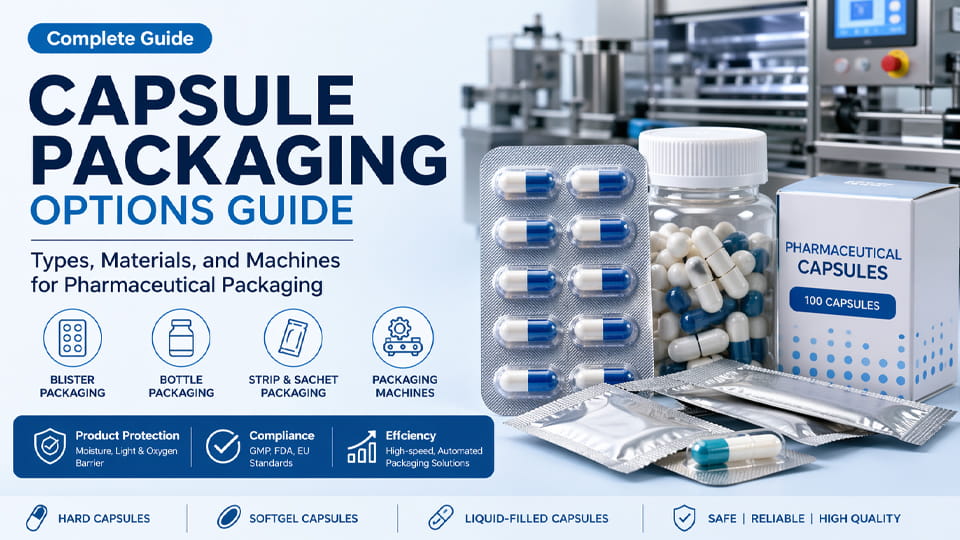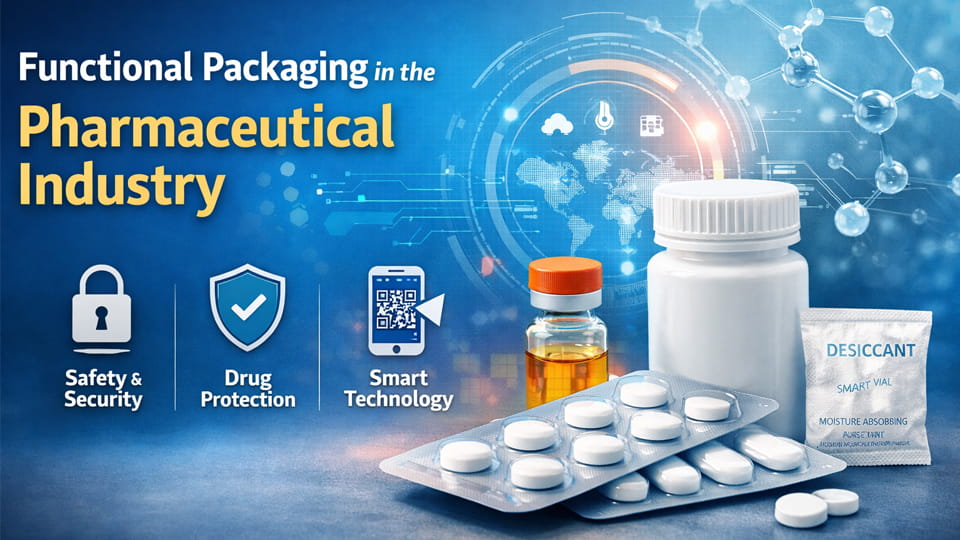

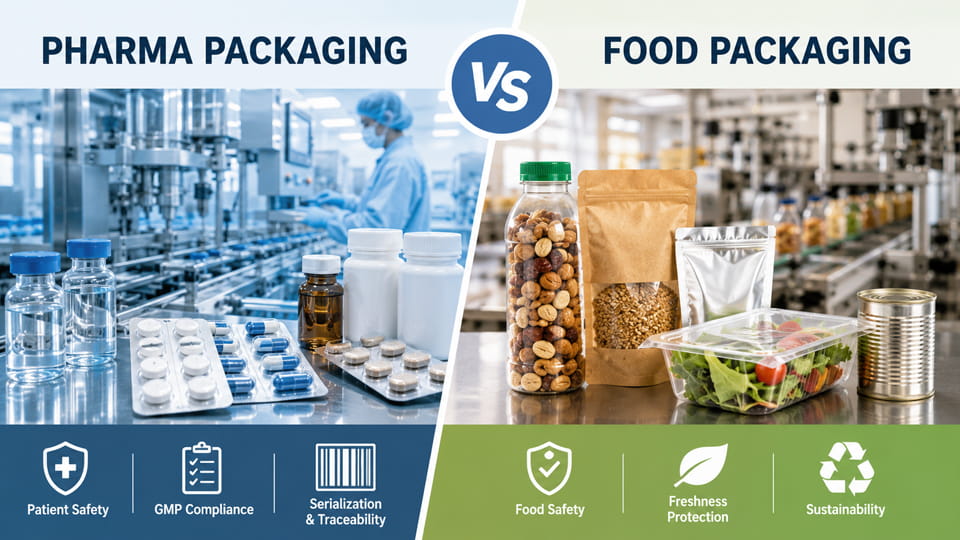
उत्पादों और उपभोक्ताओं की सुरक्षा के लिए उचित पैकेजिंग महत्वपूर्ण है. फार्मास्युटिकल पैकेजिंग (इसे ड्रग पैकेजिंग भी कहा जाता है) सभी कंटेनर शामिल हैं, सामग्री, और उपकरण जो दवाओं को घेरते हैं और उनकी सुरक्षा करते हैं. यह सुनिश्चित करता है कि कोई दवा सुरक्षित रहे, निर्माण से डिलीवरी तक स्थिर और प्रदूषण रहित. एफडीए की वर्तमान अच्छी विनिर्माण पद्धति (सीजीएमपी) नियमों के अनुसार दवा पैकेजिंग प्रक्रियाएं और उपकरण सख्त गुणवत्ता नियंत्रण को पूरा करते हैं. इसके विपरीत, खाद्य पैकेजिंग भोजन को खराब होने और संदूषण से बचाता है, पोषण और घटक संबंधी जानकारी प्रदान करता है, और वितरण और ब्रांडिंग में सहायता करता है. खाद्य पैकेजिंग को खाद्य-सुरक्षा नियमों का पालन करना चाहिए (उदाहरण के लिए:. एफडीए खाद्य संपर्क अनुमोदन) और खतरों को रोकने के लिए एचएसीसीपी जैसे खाद्य सुरक्षा कार्यक्रम लागू करता है. संक्षेप में, दोनों प्रणालियों का लक्ष्य उत्पादों को सुरक्षित रखना और सही ढंग से लेबल करना है, लेकिन फार्मा पैकेजिंग कड़े बाँझपन और ट्रेसेबिलिटी नियमों के अधीन है, जबकि खाद्य पैकेजिंग बाधा प्रदर्शन पर जोर देती है, सुविधा, और उपभोक्ता जानकारी.
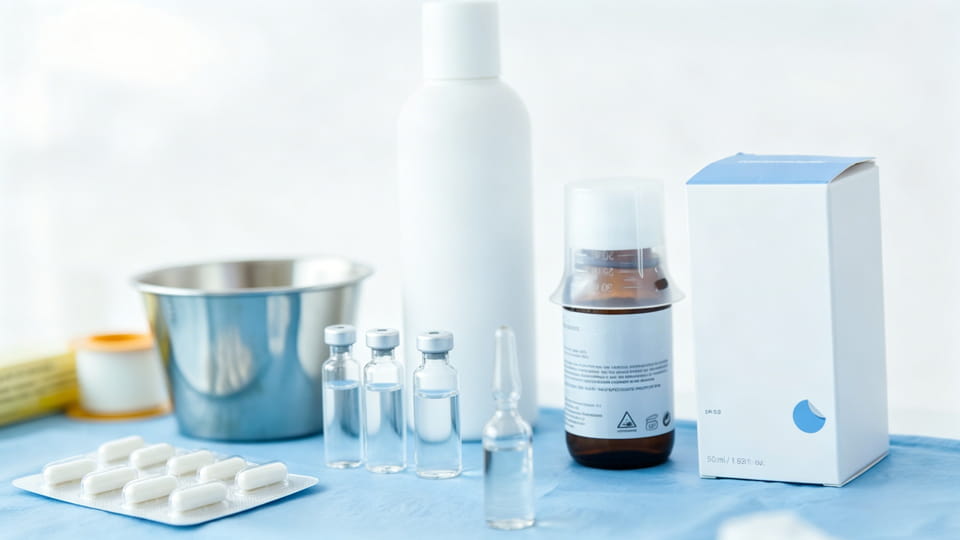
फार्मास्युटिकल पैकेजिंग में शामिल हैं प्राथमिक, माध्यमिक, और तृतीयक पैकेजिंग परतें. प्राथमिक पैकेजिंग दवा के सीधे संपर्क में है (उदाहरण के लिए:. फफोले, बोतलों, शीशियों, ampoules) और नमी के लिए पहला अवरोध प्रदान करता है, रोशनी, और ऑक्सीजन. उदाहरण के लिए, कठोर एम्बर कांच की बोतलें प्रकाश-संवेदनशील गोलियों को ढाल देती हैं, जबकि एल्यूमीनियम-प्लास्टिक फफोले के पैक शक्ति बनाए रखने के लिए प्रत्येक खुराक को वायुरोधी सील करें. द्वितीयक पैकेजिंग समूह प्राथमिक इकाइयाँ (उदाहरण के लिए:. मुद्रित डिब्बों में फफोले या बोतलें डालना) और लेबलिंग स्थान जोड़ता है, निर्देश, और सीलों से छेड़छाड़ करें. परिवहन के दौरान कार्टन उत्पादों को कुशन भी करते हैं. तृतीयक पैकेजिंग इसमें थोक शिपिंग कंटेनर शामिल हैं (बक्से, क्रेट, PALLETS) गोदाम और परिवहन के लिए उपयोग किया जाता है. प्रत्येक पैकेजिंग स्तर में कार्य होते हैं: प्राथमिक खुराक कंटेनर बनाता है, सेकेंडरी सूचना और मध्यम सुरक्षा प्रदान करता है, और तृतीयक थोक रसद संभालता है.
जिनलूपैकिंग का कहना है कि फार्मास्युटिकल पैकेजिंग में दवाएँ अवश्य रखनी चाहिए स्थिर और बाँझ, अक्सर में बाल-प्रतिरोधी या छेड़छाड़-स्पष्ट प्रारूप, खुराक और सुरक्षा संबंधी जानकारी देते समय.
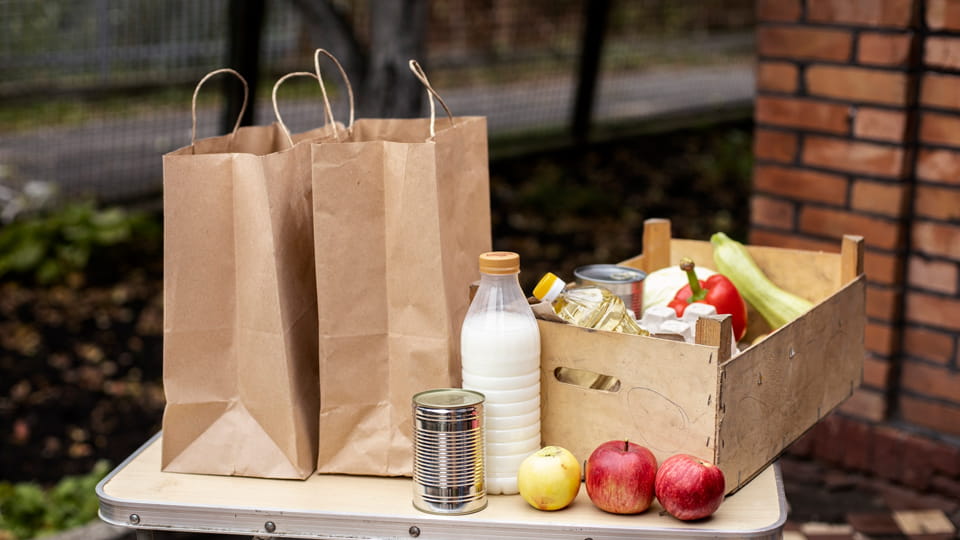
खाद्य पैकेजिंग का कार्य करता है रक्षा करना, संरक्षित करना, और सूचित करें. मुख्य कार्य भोजन को ताज़ा रखना है, संदूषण या ख़राबी को रोकें (नमी से, ऑक्सीजन, रोगाणुओं), और पोषण/घटक लेबलिंग और ब्रांडिंग प्रदान करना. सामान्य खाद्य पैकेजिंग प्रारूपों में बोतलें और जार शामिल हैं, लचीली थैली, डिब्बों, डिब्बे, ट्रे, और फिल्में. उदाहरण के लिए, केचप पुन: बंद करने योग्य पीईटी स्क्वीज़ बोतलों या सिंगल-सर्व फ़ॉइल पाउच में आ सकता है. स्नैक फूड में अक्सर बहुस्तरीय प्लास्टिक/फ़ॉइल पाउच या बैग का उपयोग किया जाता है जो पर्याप्त नमी/ऑक्सीजन अवरोध के साथ लागत को संतुलित करते हैं।.
हालाँकि दोनों उद्योग संदूषण को रोकने का प्रयास करते हैं, खाद्य पैकेजिंग को अक्सर प्राथमिकता दी जाती है उपभोक्ता सुविधा और लागत. उदाहरण के लिए, भोजन के पाउच में साधारण फिल्मों का उपयोग किया जाता है और उनका लक्ष्य पुनः बंद होने की क्षमता या हल्का डिज़ाइन होता है, जबकि फार्मास्यूटिकल्स अधिकतम अवरोध और स्थायित्व के लिए भारी-भरकम सामग्री का उपयोग कर सकते हैं.
उत्पाद प्रकार की परवाह किए बिना, प्रभावी पैकेजिंग आवश्यक है:
उदाहरण के लिए, जिनलू ने फार्मास्युटिकल पैकेजिंग सामग्री पर ध्यान दिया (काँच, प्लास्टिक, पन्नी) उनके सुरक्षात्मक गुणों के लिए चुना जाता है, सख्त गैर-विषाक्तता और छेड़छाड़-प्रतिरोध मानकों के तहत. खाद्य पैकेजिंग का उद्देश्य सुरक्षा भी है (उदाहरण के लिए:. आलू के चिप्स के लिए प्लास्टिक फिल्म) लेकिन लागत और विपणन अपील को संतुलित करता है.
| विशेषता | फार्मास्युटिकल पैकेजिंग | खाद्य पैकेजिंग |
| प्राथमिक लक्ष्य | दवा की प्रभावकारिता और बाँझपन को सुरक्षित रखें; संदूषण या मिश्रण को रोकें. सटीक खुराक सुनिश्चित करें (गिनती/खुराक का अंशांकन). | ताजगी बनाए रखें, ख़राब होने से रोकें, भाग प्रदान करें; सूक्ष्म जीव/रोगाणु संदूषण से रक्षा करें. सही पोषण/एलर्जी संबंधी जानकारी सुनिश्चित करें. |
| विनियामक मानक | सख्त जीएमपी अनुपालन (एफडीए 21 सीएफआर 210/211, ईयू जीएमपी यूड्रालेक्स वॉल्यूम.4, आईएसओ 15378). संपूर्ण पैकेजिंग प्रक्रिया मान्य और प्रलेखित है. | खाद्य सुरक्षा नियमों द्वारा शासित: एफडीए खाद्य संपर्क अनुमोदन, एचएसीसीपी (स्वच्छता स्थितियों के लिए पूर्व अपेक्षित कार्यक्रम), और बीआरसीजीएस/आईएसओ जैसे मानक 22000. एफडीए खाद्य लेबलिंग गाइड के अनुसार लेबल पूर्व-अनुमोदित. |
| पता लगाने की क्षमता | उच्च: प्रत्येक पैकेज पर बैच/लॉट नंबर, क्रमबद्धता (अद्वितीय बारकोड) औषधि वंशावली के लिए (उदाहरण के लिए:. संयुक्त राज्य अमेरिका में डीएससीएसए). पूर्ण ट्रैसेबिलिटी/रिकॉल सक्षम करता है. | मध्यम: वापस बुलाने के लिए बैच या दिनांक कोड; अधिकांश क्षेत्रों में प्रत्येक इकाई पर इसकी आवश्यकता नहीं है (थोक कोड को छोड़कर). सीमित क्रमबद्धता (कानून द्वारा शायद ही कभी). |
| स्पष्ट रूप से हस्तक्षेप करना | आमतौर पर हाँ: सुरक्षा मुहरें, ब्लिस्टर फ़ॉइल जो खोलने पर स्पष्ट रूप से टूट जाती है, विशेष टोपियाँ (बाल-प्रूफ़ या ड्रग-प्रूफ़). | कुछ खाद्य पदार्थों के लिए अक्सर हाँ (उदाहरण के लिए:. डिब्बे, दही के ढक्कन), लेकिन कई खाद्य पैकेजों में बुनियादी मुहरें होती हैं. छेड़छाड़-सूचक विशेषताएं (गर्मी सील) जार और ढक्कन पर आम. |
| साफ़ कमरा / स्वच्छता | गंभीर: उपकरण अक्सर नियंत्रित वातावरण में होते हैं (सफ़ाई कक्ष) कणों/रोगाणुओं से बचने के लिए. स्टेनलेस स्टील (SUS316L) सतह, HEPA निस्पंदन. | स्वच्छ डिज़ाइन की आवश्यकता है, लेकिन आमतौर पर सामान्य खाद्य-ग्रेड (कोई जंग नहीं, आसान धुलाई) क्लास-100K क्लीनरूम के बजाय. एलर्जेन या माइक्रोबियल क्रॉस-संदूषण को रोकने के लिए स्वच्छता डिजाइन. |
| सत्यापन/क्यूए | अनिवार्य उपकरण योग्यता और प्रक्रिया सत्यापन (आईआर/डब्ल्यूएच/पीक्यू) एफडीए/ईयू नियमों के अनुसार. पैकेजिंग प्रक्रियाओं को बाँझपन और स्थिरता के लिए मान्य किया गया. | एचएसीसीपी के अर्थ में मान्यता: महत्वपूर्ण बिंदुओं को नियंत्रित करें. उपकरण की सफाई/निरीक्षण किया जाता है, लेकिन औपचारिक सत्यापन (आईक्यू/ओक्यू) मानक नहीं है. क्यूए सूक्ष्म जीव विज्ञान और एलर्जी पर केंद्रित है. |
| सामग्री | फार्मा ग्रेड: उदाहरण के लिए:. टाइप-I ग्लास, चिकित्सा प्लास्टिक, एल्यूमीनियम पन्नी ढक्कन, रबर स्टॉपर्स, विशेष छाले. निकालने योग्य/लीचने योग्य पदार्थों के लिए परीक्षण किया गया (यह सुनिश्चित करने के लिए कि कोई हानिकारक प्रवास न हो). | भोजन पदवी: पीई, पालतू, पीपी, एल्यूमीनियम पन्नी, पेपरबोर्ड. खाद्य संपर्क के लिए FDA-अनुमोदित होना चाहिए. फार्मा की तुलना में कम शुद्धता की आवश्यकताएं; प्रवासन सीमा और एलर्जी पर नियामक फोकस. |
| लेबलिंग | विस्तृत लेबल: दवा का नाम, ताकत, मात्रा बनाने की विधि, चेतावनियाँ, बैच/लॉट, समाप्ति, निर्देश. विनियमों के लिए सटीक लेबलिंग और समीक्षा की आवश्यकता होती है (उदाहरण के लिए:. एनडीसी कोड). अक्सर छोटे प्रिंट. | पोषण तथ्य पैनल, सामग्री (वजन से उतरना), शुद्ध वजन, एलर्जेन संबंधी घोषणाएँ, ब्रांड मार्केटिंग. एफडी जरूर मिलनी चाहिए&सी अधिनियम आवश्यकताएँ (लेबल के लिए कोई FDA पूर्व-अनुमोदन नहीं, बल्कि सख्त प्रारूप दिशानिर्देश). |
| जोखिम को याद करें | बहुत ऊंचे दांव: किसी भी संदूषण से रोगी को नुकसान हो सकता है. रिकॉल महंगा है और कड़ाई से नियंत्रित है ( एफडीए क्रमिक रिकॉल नोटिस अनिवार्य करता है). पूरे बैच अक्सर खींचे जाते थे. | महत्वपूर्ण जोखिम (खाद्य सुरक्षा घटनाएं), लेकिन प्रभाव आम तौर पर कम होता है. विशिष्ट लॉट पर ध्यान केंद्रित करना याद आता है; पैकेजिंग अपशिष्ट अधिक सहन किया जाता है. |
| उपकरण मानक | उपकरण cGMP डिज़ाइन का होना चाहिए: साफ़/स्टेरलाइज़ करने में आसान, स्टेनलेस सतहें, मृत क्षेत्रों को न्यूनतम किया गया. आमतौर पर सीआईपी के तहत (जगह स्वच्छ रखें). उदाहरण के लिए:. वैक्यूम के साथ ब्लिस्टर मशीनें, बाँझ भरने वाली लाइनें. | स्वच्छता डिजाइन: स्टेनलेस स्टील, कोई बैक्टीरिया जाल नहीं. सीआईपी या वाश-डाउन विकल्प. उदाहरण के लिए:. वीएफएफएस लाइनें, फॉर्मर्स, भराव जो यूएसडीए/एफडीए स्वच्छता मानकों को पूरा करता है. डिज़ाइन ख़राब होने से बचाने पर केंद्रित है. |
ये तुलनाएँ इस पर प्रकाश डालती हैं फार्मास्युटिकल पैकेजिंग कहीं अधिक विनियमित एवं नियंत्रित है. उदाहरण के लिए, एफडीए के सीजीएमपी दिशानिर्देशों के अनुसार दवा पैकेजिंग लाइनों के लिए मान्य प्रक्रियाओं और सुरक्षित सिद्ध सामग्रियों का उपयोग करना आवश्यक है. के विपरीत, खाद्य पैकेजिंग व्यापक स्वच्छता और सुरक्षा नियंत्रणों का पालन करता है (एचएसीसीपी पूर्वावश्यक कार्यक्रम) फार्मास्युटिकल-शैली बैच सत्यापन के बजाय.
फार्मा पैकेजिंग किसके द्वारा नियंत्रित होती है? फार्मास्युटिकल जीएमपी विनियम. अमेरिका में।, शीर्षक 21 सीएफआर पार्ट्स 210-211 सेट वर्तमान अच्छा विनिर्माण अभ्यास (सीजीएमपी) दवा "पैकिंग" के लिए आवश्यकताएँ (पैकेजिंग). इसका मतलब है तरीके, को नियंत्रित करता है, सुविधाएँ, और दवाओं की पैकिंग में उपयोग किए जाने वाले उपकरणों को उत्पाद सुरक्षा और लेबल की ताकत सुनिश्चित करनी चाहिए. यूरोप उपयोग करता है ईयू जीएमपी (यूड्रालेक्स वॉल्यूम. 4) समान नियमों के साथ. इसके अतिरिक्त, आईएसओ 15378:2017 आईएसओ लागू करने वाला एक वैश्विक मानक है 9001 औषधीय उत्पादों के लिए प्राथमिक पैकेजिंग सामग्री के लिए क्यूएमएस सिद्धांत. आईएसओ 15378 संदूषण नियंत्रण को स्पष्ट रूप से संबोधित करता है, जोखिम में कमी, और पैकेजिंग सामग्री निर्माण में विनियामक अनुपालन.
तुलना करके, खाद्य पैकेजिंग को खाद्य सुरक्षा नियमों का पालन करना चाहिए. एफडीए के लिए आवश्यक है कि सभी खाद्य संपर्क सामग्री पूर्व-अनुमोदित हो (खाद्य संपर्क अधिसूचना या जीआरएएस के माध्यम से). खाद्य संयंत्रों में पैकेजिंग उपकरण एचएसीसीपी और एफडीए के खाद्य पदार्थों के लिए अच्छे विनिर्माण प्रथाओं के अनुसार स्वच्छता और संदूषण की रोकथाम के सिद्धांतों का पालन करते हैं।. एचएसीसीपी योजना के अंतर्गत उपकरण और पैकेजिंग सामग्री का उपचार किया जाता है पूर्वापेक्षित कार्यक्रम - उदाहरण के लिए, सुविधाओं और उपकरणों को स्वच्छता डिजाइन और सफाई प्रक्रियाओं का पालन करना चाहिए. जैसे मानक बीआरसीजीएस पैकेजिंग सामग्री या आईएसओ 22000 (खाद्य सुरक्षा प्रबंधन) भी लागू करें. दवाओं के विपरीत, खाद्य लेबल और पैकेजिंग के लिए अधिकारियों द्वारा पूर्व-अनुमोदन की आवश्यकता नहीं होती है, लेकिन लेबलिंग कानूनों का पालन करना होगा (सामग्री, पोषण, वगैरह।) जब बाज़ार में हों.
सारांश, फार्मास्युटिकल पैकेजिंग बाध्य है नियम के अनुसार नियमों (विशिष्ट दिशानिर्देश, प्रमाणपत्र लेखापरीक्षा), जबकि खाद्य पैकेजिंग द्वारा नियंत्रित किया जाता है निवारक सुरक्षा प्रणालियाँ (एचएसीसीपी, जीएफएसआई मानक) और खाद्य-संपर्क सामग्री अनुमोदन. यह अंतर कई सामग्री और उपकरण विकल्पों को संचालित करता है (ऊपर तालिका देखें).
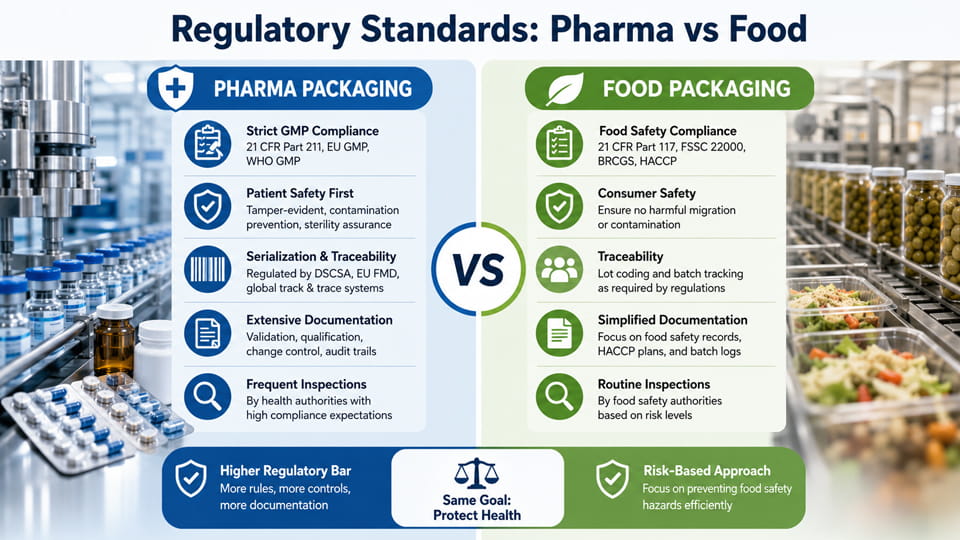
पैकेजिंग सामग्री अलग होना: फार्मास्युटिकल कंटेनर अक्सर उच्च शुद्धता का उपयोग करते हैं, अक्रिय सब्सट्रेट्स. सामान्य फार्मा प्राथमिक पैकेजिंग में शामिल हैं टाइप I ग्लास शीशियों (इंजेक्शन के लिए), फार्मास्युटिकल-ग्रेड प्लास्टिक (एचडीपीई, पीपी, पीईटीजी), और मल्टी-लेयर लैमिनेट्स (पीवीडीसी/अलू फ़ॉइल छाले). इन्हें ऐसे किसी भी रिसाव योग्य पदार्थों से बचने के लिए चुना जाता है जो दवा के साथ परस्पर क्रिया कर सकते हैं. वास्तव में, निकालने योग्य और निक्षालित करने योग्य (प्लास्टिक/पन्नी से निकलने वाले रसायन) फार्मा में एक प्रमुख चिंता का विषय हैं. दवा निर्माताओं को कंटेनर-क्लोजर अखंडता सुनिश्चित करने के लिए पैकेजिंग का परीक्षण करना चाहिए (सीसीआई) और यह कि कोई भी निक्षालित पदार्थ विषैली सीमा से नीचे रहता है. एफडीए मार्गदर्शन कठोर सीसीआई परीक्षण की सिफारिश करता है (उदाहरण के लिए:. रंग विसर्जन, दबाव क्षय) सीलबंद सुरक्षा सुनिश्चित करने के लिए बाँझ पैरेंट्रल पैकेजों के लिए.
खाद्य पैकेजिंग सामग्री (POLYETHYLENE, polypropylene, पालतू, लेपित पेपरबोर्ड, अल्युमीनियम, वगैरह।) प्रवासन के लिए भी परीक्षण किया जाता है (अक्सर EU के EC जैसे नियमों के तहत 1935/2004). तथापि, सुरक्षा परीक्षण की सीमा आमतौर पर फार्मा की तुलना में कम है. भोजन के लिए, एफडीए "खाद्य संपर्क पदार्थों की सूची" की देखरेख करता है - उदाहरण के लिए. सभी पॉलिमर और स्याही FDA-अनुमोदित होने चाहिए. खाद्य पैकेजिंग आमतौर पर सीसीआई परीक्षणों से नहीं गुजरती है, क्योंकि बाँझपन की आवश्यकता नहीं है; बजाय, इसे शेल्फ-लाइफ के लिए माइक्रोबियल चुनौती परीक्षण या एडिटिव्स के लिए माइग्रेशन परीक्षण से गुजरना पड़ सकता है.
व्यवहार में: फार्मा पैकेजिंग निष्कर्षण योग्य/लीच योग्य वस्तुओं पर सख्त नियंत्रण की मांग करता है. आईएसओ 15378 इसमें स्पष्ट रूप से कांच के लिए संदूषण जोखिम शमन शामिल है, प्लास्टिक, रबड़, और दवा पैकेजिंग में उपयोग की जाने वाली एल्युमीनियम सामग्री. खाद्य पैकेजिंग बाधा गुणों और खाद्य संपर्क नियमों के अनुपालन पर ध्यान केंद्रित करता है, लेकिन अधिक सामग्री विविधता की अनुमति देता है (और यहां तक कि पुनर्नवीनीकृत सामग्री भी) क्योंकि निगलने का जोखिम कम होता है और विषाक्त पदार्थों को सुरक्षित जोखिम स्तर पर नियंत्रित किया जाता है. उदाहरण के लिए, पानी की बोतलें (पालतू) आम हैं, जबकि दवाओं को शायद ही कभी गैर-फार्मास्युटिकल-ग्रेड प्लास्टिक में बोतलबंद किया जाएगा.
मशीनें स्वयं इन आवश्यकताओं को प्रतिबिंबित करती हैं. फार्मास्युटिकल पैकेजिंग उपकरण GMP के लिए डिज़ाइन किया जाना चाहिए: स्टेनलेस स्टील (अक्सर 316L), चिकनी सतहें, सीलबंद ड्राइव शाफ्ट, न्यूनतम दरारें, और आसान सफाई. वे अक्सर CIP-सक्षम होते हैं और सड़न रोकने वाले क्षेत्रों के लिए HEPA फ़िल्टर स्थापित करते हैं. सामान्य फार्मा मशीनों में शामिल हैं:
इसके विपरीत, खाद्य पैकेजिंग मशीनें मात्रा और स्वच्छता के लिए अनुकूलित हैं: वे अक्सर बड़े थ्रूपुट होते हैं (सेकंड में बैग) और त्वरित स्वच्छता के लिए बनाया गया (सीआईपी या वाश-डाउन क्षमता). विशिष्ट खाद्य पैकेजिंग उपकरण शामिल हैं:
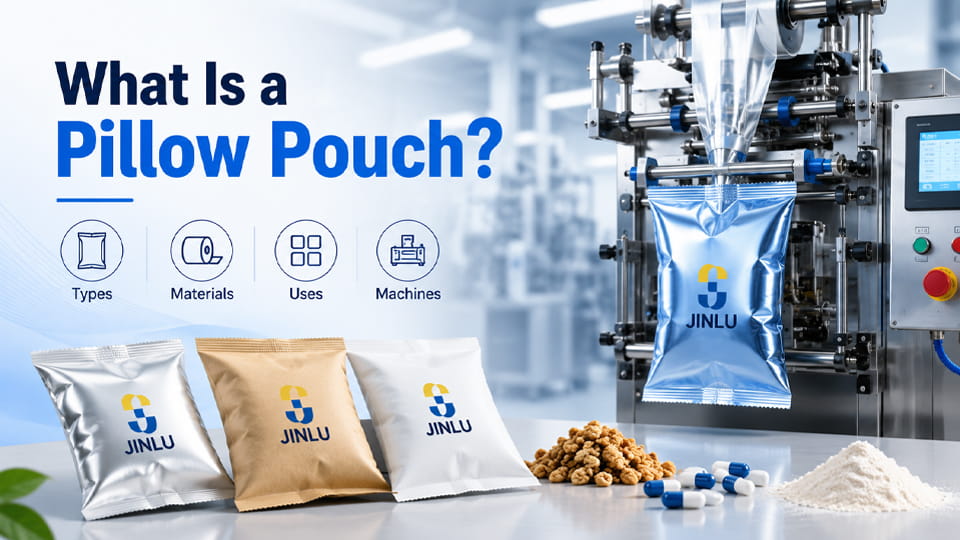
उदाहरण के लिए, जिनलू की प्रीमेड पाउच पैकिंग मशीनें गमियों के लिए बहुमुखी हैं, पाउडर या तरल पदार्थ, और जीएमपी के लिए प्रमाणित हैं, सीटी, एफडीए अनुपालन. के विपरीत, एक विशिष्ट स्नैक-फूड लाइन खाद्य-ग्रेड घटकों के साथ मल्टी-लेन वीएफएफएस का उपयोग कर सकती है.
यह बताने के लिए नीचे एक सरल फ़्लोचार्ट है कि कोई निर्माता उत्पाद प्रकार और आवश्यकताओं के आधार पर पैकेजिंग मशीनरी का चयन कैसे कर सकता है:
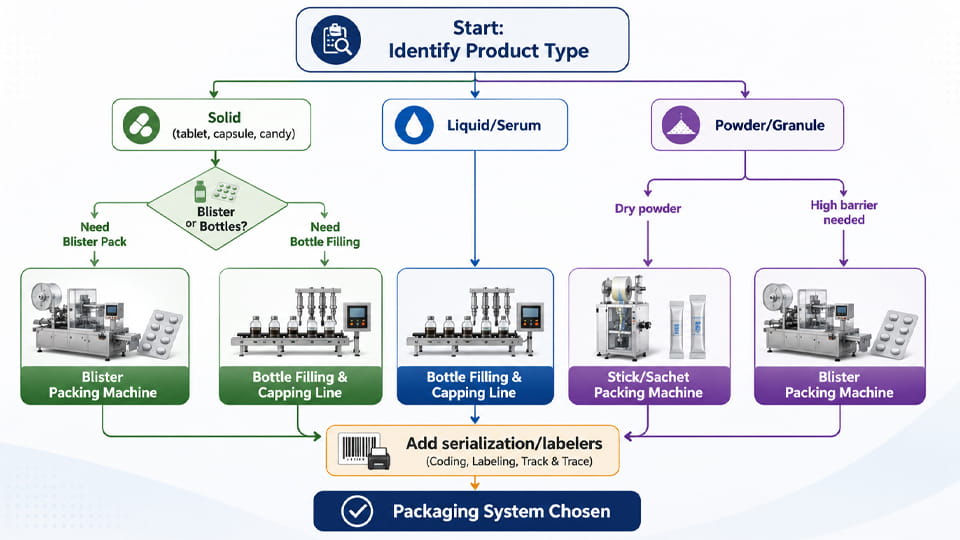
यह प्रवाह उजागर करता है: पैकेजिंग चुनें प्रारूप (ब्लिस्टर बनाम बोतल बनाम थैली, वगैरह।) उत्पाद स्वरूप और स्थिरता आवश्यकताओं के आधार पर, फिर संबंधित मशीन लाइन चुनें. उदाहरण के लिए, तापमान-संवेदनशील गोलियों का उपयोग बढ़ सकता है ठंडे रूप वाले छाले बोतलों के बजाय (ऑक्सीजन/नमी अवरोध सुनिश्चित करने के लिए).
में डिज़ाइन, फार्मा मशीनों में अक्सर सफाई और ट्रेसबिलिटी के लिए अधिक स्वचालन शामिल होता है. उदाहरण के लिए, इंजेक्टेबल्स के लिए फिलर्स लैमिनर फ्लो हुड के नीचे चलते हैं, जबकि खाद्य कन्वेयर ठंडे कमरे में खुले चल सकते हैं. दोनों को स्वच्छता मानकों को पूरा करना होगा, लेकिन अभाव और मान्यता भिन्न है.
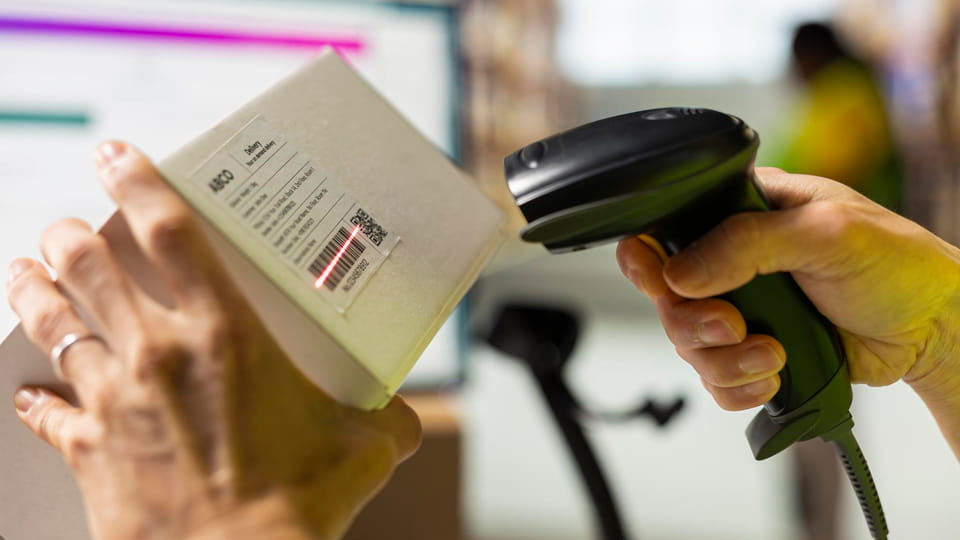
फार्मास्युटिकल पैकेजिंग बेहद सटीक लेबलिंग और ट्रैकिंग की मांग करती है. प्रत्येक दवा पैकेज आमतौर पर सटीक उत्पाद नाम दिखाता है, ताकत, बहुत संख्या, समाप्ति तिथि, और कभी-कभी ट्रैक-एंड-ट्रेस के लिए अद्वितीय सीरियल कोड (उदाहरण के लिए:. यू.एस. के अंतर्गत. डीएससीएसए कानून). एफडीए मार्गदर्शन ने कई दवाओं के लिए क्रमबद्धता लागू कर दी है, यूनिट पैकेजों पर अद्वितीय बारकोड की आवश्यकता होती है. यह सुनिश्चित करता है कि प्रत्येक आइटम में एक वापस बुलाए गए बैच का पता लगाया जा सकता है. इसके विपरीत, खाद्य पैकेजिंग लेबल में सामग्री सूची शामिल होनी चाहिए, पोषण पैनल, और एफडीए नियमों के अनुसार शुद्ध वजन, लेकिन आम तौर पर व्यक्तिगत इकाई क्रमबद्धता की आवश्यकता नहीं होती है (शायद कुछ पूरकों या बाज़ारों को छोड़कर).
दवाओं के लिए छेड़छाड़-सबूत भी मजबूत है - प्रत्येक ब्लिस्टर या शीशी में अक्सर एक सील होती है जो खोलने पर नष्ट हो जाती है. जिनलू का कहना है कि प्रत्येक इकाई पर क्रमबद्ध बारकोड और छेड़छाड़-स्पष्ट सीलें फार्मा में जालसाजी-रोधी के लिए मानक हैं. भोजन में, छेड़छाड़-स्पष्ट बैंड और सील का उपयोग किया जाता है (उदाहरण के लिए:. सोडा की बोतलों पर सुरक्षा रिंग, कैप्स पर इंडक्शन सील), लेकिन एक बार परोसे जाने वाले खाद्य पदार्थ पूरी तरह से बरकरार सील पर निर्भर हो सकते हैं (पाउच हीट सील की तरह) कम औपचारिक क्रमांकन के साथ.
फार्मा में ट्रैसेबिलिटी सिस्टम अधिक डिजिटल हैं (इलेक्ट्रॉनिक बैच रिकॉर्ड, जीएमपी दस्तावेज़ीकरण). भोजन का पता लगाने की क्षमता बहुत सारे और मूल पर केंद्रित है (सुरक्षा के लिए "फार्म टू फोर्क" के बारे में सोचें) लेकिन उपभोक्ता स्तर पर अक्सर कम विस्तृत होता है. सारांश, फार्मा पैकेजिंग लाइन पर क्रमबद्धता प्रौद्योगिकी में भारी निवेश करती है (बारकोड मुद्रण और स्कैनिंग), जबकि खाद्य लाइनें लेबलिंग गति और सभी आवश्यक जानकारी सुनिश्चित करने पर जोर देती हैं (उदाहरण के लिए:. एलर्जेन चिह्न, पोषण के कारक) सही ढंग से मुद्रित है.
दोनों उद्योग हरित पैकेजिंग की ओर बढ़ रहे हैं, लेकिन ड्राइवर और समाधान भिन्न हैं. फार्मास्यूटिकल्स में, अपशिष्ट को कम करने और जहां संभव हो वहां पुनर्चक्रण योग्य/बायोडिग्रेडेबल सामग्रियों का उपयोग करने पर जोर दिया जा रहा है. उदाहरण के लिए, निर्माता खोज कर रहे हैं मोनो सामग्री द्वितीयक पैकेजिंग के लिए ब्लिस्टर फिल्म और पुनर्नवीनीकृत कार्टनबोर्ड. एक चलन कागज बचाने के लिए मुद्रित कागज के आवेषण को डिजिटल जानकारी से बदलने का है. तथापि, किसी भी परिवर्तन को अभी भी स्थिरता आवश्यकताओं का अनुपालन करना होगा, इसलिए नवाचार अक्सर द्वितीयक या तृतीयक परतों में शुरू होते हैं.
भोजन में, स्थिरता का मतलब अक्सर हल्की पैकेजिंग होता है, खाद बनाने योग्य सामग्री, और एकल-उपयोग प्लास्टिक को कम करना. कई क्षेत्र कुछ गैर-पुनर्चक्रण योग्य वस्तुओं के विरुद्ध कानून बना रहे हैं. विशेष रूप से, मसाला पाउच (फ़ॉइल/टिशू पाउच) द्वारा कुछ बाज़ारों में चरणबद्ध तरीके से समाप्त किया जा रहा है 2030 पुनः भरने योग्य या पुनः प्रयोज्य विकल्पों के पक्ष में. प्रमुख खाद्य ब्रांड भी पुनर्नवीनीकरण योग्य मोनो-मटेरियल फिल्मों की तलाश कर रहे हैं. दोनों उद्योग कार्बन पदचिह्न को कम करने को महत्व देते हैं, लेकिन दवा कंपनियों को उत्पाद सुरक्षा की सर्वोपरि आवश्यकता के साथ पर्यावरण-लक्ष्यों को संतुलित करना होगा.
(वे): “स्थिरता एक प्रमुख प्रवृत्ति है: कंपनियां पुनर्चक्रण योग्य या बायोडिग्रेडेबल सामग्रियों के साथ पैकेज डिजाइन कर रही हैं और अतिरिक्त पैकेजिंग को कम कर रही हैं. उदाहरण के लिए, कार्टन पेपर अब अक्सर पुनर्नवीनीकृत सामग्री का उपयोग करते हैं, और मोनो-मटेरियल फिल्मों को आसान रीसाइक्लिंग के लिए चुना जाता है।
(केचप गाइड): “पर्यावरण के प्रति जागरूक ब्रांड हल्कापन चाहते हैं, पुनर्चक्रण योग्य विकल्प. वास्तव में, कुछ क्षेत्र एकल-उपयोग वाले मसालों के पाउच को भी चरणबद्ध तरीके से बंद कर रहे हैं 2030, निर्माताओं को इस ओर धकेलना टिकाऊ थैली या पुनः भरने योग्य समाधान.”
इन रुझानों का मतलब है कि उपकरण भी अनुकूल हो सकते हैं: ऐसी मशीनें जो पुनर्चक्रित प्लास्टिक को संभाल सकती हैं, या आसान सामग्री परिवर्तन के लिए डिज़ाइन की गई लाइनें मूल्यवान होती जा रही हैं.

फार्मा या खाद्य पैकेजिंग के लिए उपकरण का चयन करते समय, निम्नलिखित कारकों पर विचार करें:
व्यवहार में, निर्माताओं के साथ काम करें (पसंद जिन्लू पैकिंग) इन कारकों का विश्लेषण करने के लिए. उदाहरण के लिए, जिनलू की इंजीनियरिंग टीम इसकी अनुशंसा कर सकती है एकीकृत बोतल भरना & कार्टनिंग लाइन एक नए पूरक के लिए, या ए मॉड्यूलर पाउच पैकिंग समाधान एक विशेष सिरप के लिए.
जिनलू पैकिंग फार्मास्यूटिकल्स के लिए टर्नकी पैकेजिंग समाधान में माहिर है और खाद्य/न्यूट्रास्युटिकल उत्पाद. हमारी मशीनरी सख्त जीएमपी मानकों को पूरा करने के लिए डिज़ाइन की गई है (सीटी, एफडीए, आईएसओ प्रमाणपत्र) लचीलेपन की पेशकश करते हुए. प्रमुख लाभों में शामिल हैं:
साथ 30+ फार्मा पैकेजिंग मशीनरी में वर्षों, जिनलू पर उद्योग जगत के नेता उपकरण पहुंचाने के लिए भरोसा करते हैं सुरक्षित रूप से और कुशलता दवाओं और खाद्य पदार्थों को समान रूप से पैकेज करता है. हमारी मशीनें कैसी हैं, इस पर चर्चा करने के लिए हमसे संपर्क करें (पसंद ब्लिस्टर पैकिंग मशीनें, गिनती की मशीनें, कार्टोनिंग मशीनें, पाउच पैकिंग, या प्रीमेड पाउच फिलर्स) आपके उत्पादन लक्ष्यों को पूरा कर सकता है.
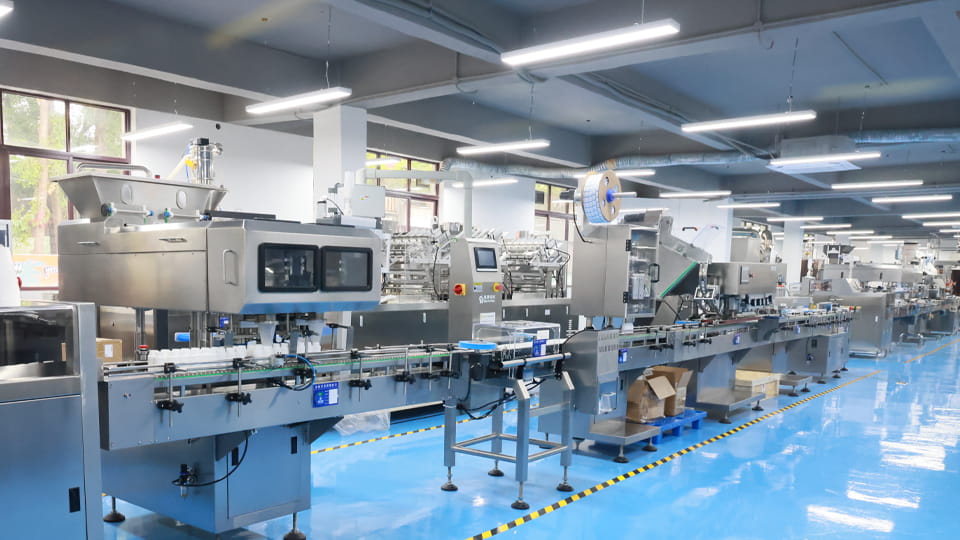
निष्कर्ष के तौर पर, फार्मा पैकेजिंग बनाम खाद्य पैकेजिंग भले ही दोनों का लक्ष्य उत्पादों की सुरक्षा करना है, फिर भी उनकी अलग-अलग प्राथमिकताएँ हैं. फार्मा पैकेजिंग सख्त जीएमपी नियमों द्वारा निर्देशित होती है और बाँझपन पर जोर देती है, पता लगाने की क्षमता, और बाधा अखंडता. खाद्य पैकेजिंग खाद्य सुरक्षा पर जोर देती है (क्षति/खतरों को रोकना) और व्यावहारिकता (लागत, सुविधा) एचएसीसीपी और खाद्य-संपर्क नियमों के तहत. सामग्री विकल्प, मशीन डिज़ाइन, और लेबलिंग इन प्राथमिकताओं को दर्शाती है: फार्मास्युटिकल लाइनें अक्सर क्रमबद्धता के साथ नियंत्रित वातावरण में चलते हैं, जबकि भोजन पंक्तियाँ सैनिटरी डिज़ाइन के साथ तेज़ गति से दौड़ें.
इन अंतरों को समझकर, पैकेजिंग इंजीनियर और खरीदार सही समाधान चुन सकते हैं. उदाहरण के लिए, एक दवा निर्माता एफडीए और ईयू नियमों को पूरा करने के लिए एकीकृत क्रमांकन के साथ एक उच्च-अवरोधक ब्लिस्टर लाइन का चयन कर सकता है. एक खाद्य नाश्ता निर्माता दक्षता के लिए मल्टी-लेन वीएफएफएस चुन सकता है, यह सुनिश्चित करना कि फ़िल्में FDA-अनुमोदित हैं. दोनों उपयुक्त तकनीक पा सकते हैं: जिनलू पैकिंग किसी भी दुनिया के लिए निर्मित मशीनें पेश करती है, जीएमपी-अनुरूप फफोले से लेकर लचीली थैली प्रणाली. अंत में, प्रत्येक उद्योग के नियमों का पालन करते हुए अंतिम उत्पाद की सुरक्षा और गुणवत्ता की जरूरतों को पूरा करना किसी भी पैकेजिंग प्रणाली का मुख्य लक्ष्य है.
फार्मास्युटिकल पैकेजिंग सख्त बाँझपन और नियामक अनुपालन को प्राथमिकता देती है. इसमें आमतौर पर उच्च-अवरोध शामिल होता है, सीजीएमपी नियमों के तहत दवाओं की सुरक्षा के लिए मेडिकल-ग्रेड सामग्री और छेड़छाड़-रोधी विशेषताएं. खाद्य पैकेजिंग ताजगी और सुरक्षा को प्राथमिकता देती है (क्षति/खतरों को रोकना) एचएसीसीपी और खाद्य-संपर्क नियमों के तहत, अक्सर हल्के या पुनर्चक्रण योग्य सामग्रियों का उपयोग करना.
औषधि आपूर्ति श्रृंखला सुरक्षा अधिनियम (डीएससीएसए) और इसी तरह के कानूनों के लिए आपूर्ति श्रृंखला के माध्यम से ट्रैकिंग को सक्षम करने के लिए व्यक्तिगत दवा पैकेजों पर अद्वितीय सीरियल नंबर की आवश्यकता होती है. यह नकली दवाओं को रोकने में मदद करता है और सटीक याद दिलाने की अनुमति देता है. अधिकांश खाद्य पदार्थों के लिए ऐसी आवश्यकताएँ मौजूद नहीं हैं, इसलिए आमतौर पर खाद्य पैकेजिंग में इकाई स्तर पर क्रमबद्ध ट्रेसिंग नहीं की जाती है.
कुछ मशीनें (जैसे ब्लिस्टर पैकर्स या पाउच फिलर्स) यदि ठीक से साफ और मान्य किया जाए तो दोनों उद्योगों में इसका उपयोग किया जा सकता है. उदाहरण के लिए, जिनलू की ब्लिस्टर मशीनें गोलियाँ और भोजन दोनों भागों को पैक करती हैं (जाम, नाश्ता) सामग्री और सेटिंग्स को स्विच करके. तथापि, उपयोग के बीच उपकरण को पूरी तरह से साफ किया जाना चाहिए और अपग्रेड की आवश्यकता हो सकती है (जैसे अतिरिक्त HEPA फ़िल्टर या GMP दस्तावेज़ीकरण) फार्मास्युटिकल मानकों को पूरा करने के लिए.
अमेरिका में।, सभी खाद्य पैकेजिंग घटक एफडीए-अनुमोदित खाद्य संपर्क पदार्थ होने चाहिए (एफ.सी.एस) मार्केटिंग से पहले. इसका मतलब है कोई भी प्लास्टिक, कलई करना, आईएनके, या भोजन के संपर्क में आने वाला चिपकने वाला पदार्थ FDA सूची में होना चाहिए या अधिसूचित होना चाहिए. लेबल और पैकेजिंग को भी FDA के खाद्य लेबलिंग नियमों का पालन करना चाहिए (घटक सूची, पोषण के कारक). खाद्य निर्माता सुरक्षित पैकेजिंग प्रक्रियाओं को सुनिश्चित करने के लिए एचएसीसीपी और जीएमपी का उपयोग करते हैं.
उत्पाद और उत्पादन आवश्यकताओं के आधार पर चुनें. प्रीमेड पाउच पैकर्स पूर्व-मुद्रित का उपयोग करते हैं, पुन: सील करने योग्य बैग और विशेष या उच्च-अवरोधक उत्पादों के लिए बहुत अच्छे हैं (उदाहरण के लिए:. विटामिन, रस) त्वरित बदलाव के साथ. वीएफएफएस मशीनें रोल फिल्म से ऑन-द-फ्लाई बैग बनाती हैं और उच्च गति में उत्कृष्टता प्राप्त करती हैं, मानक उत्पादों का उच्च मात्रा में संचालन (नाश्ता, पाउडर) कम सामग्री लागत पर. अपने बैग प्रारूप का मूल्यांकन करें, थ्रूपुट आवश्यकताएँ, और निर्णय लेने के लिए लचीलेपन की आवश्यकताएं.
संदर्भ:
1.वर्तमान अच्छा विनिर्माण अभ्यास (सीजीएमपी) नियमों | एफडीए -- हम. खाद्य एवं औषधि प्रशासन
2.21 सीएफआर भाग 211 – सबपार्ट जी – पैकेजिंग और लेबलिंग नियंत्रण —— कानूनी सूचना संस्थान
3.पैकेजिंग & खाद्य संपर्क पदार्थ (एफ.सी.एस) -- हम. खाद्य एवं औषधि प्रशासन
4.अच्छी विनिर्माण और वितरण प्रथाएँ —— यूरोपीय आयोग
5.वर्तमान अच्छी विनिर्माण प्रथाएँ (सीजीएमपी) भोजन और आहार अनुपूरक के लिए -- हम. खाद्य एवं औषधि प्रशासन