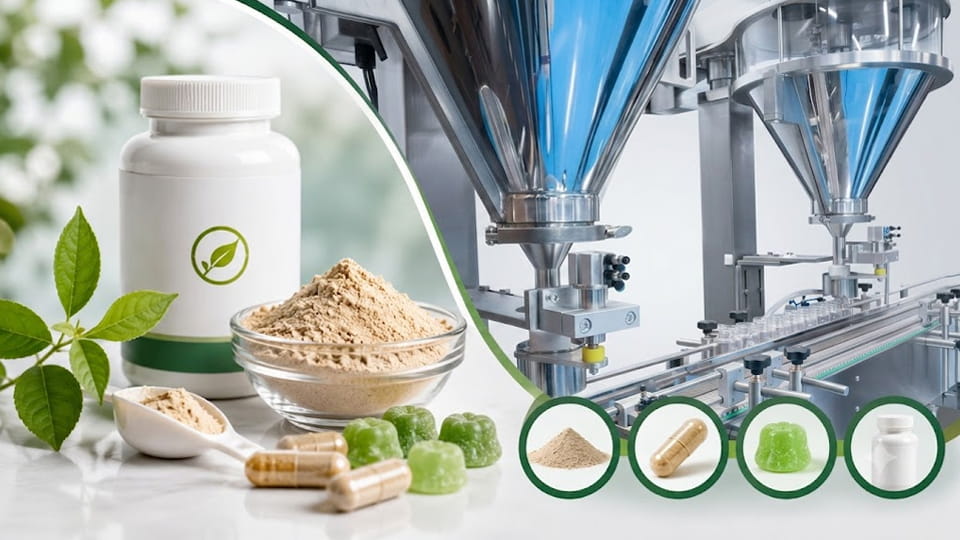
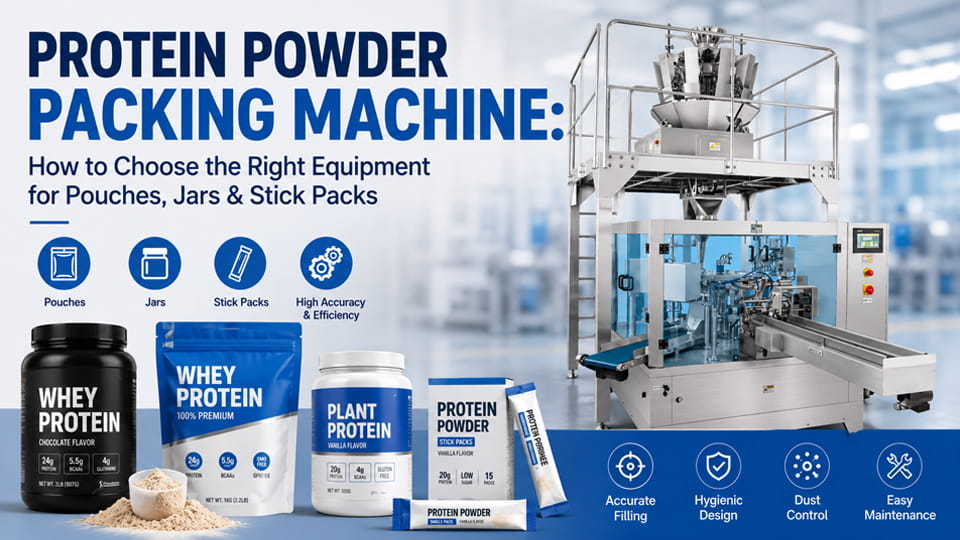
की वैश्विक मांग हर्बल अनुपूरक उत्पाद लगातार बढ़ रहे हैं क्योंकि अधिक उपभोक्ता अपने स्वास्थ्य और कल्याण के लिए प्राकृतिक तरीकों की तलाश कर रहे हैं. कैप्सूल और टैबलेट से लेकर पाउडर और गमियां तक, हर्बल सप्लीमेंट अब फार्मेसियों में पाए जाते हैं, सुपरमार्केट, और दुनिया भर में ऑनलाइन स्टोर. जैसे-जैसे बाज़ार का विस्तार होता है, निर्माताओं को लगातार गुणवत्ता की बढ़ती अपेक्षाओं का सामना करना पड़ रहा है, कुशल उत्पादन, और विश्वसनीय पैकेजिंग जो संवेदनशील वनस्पति अवयवों की सुरक्षा करती है. उत्पादन प्रक्रिया के दौरान उत्पाद की गुणवत्ता और अनुपालन सुनिश्चित करने के लिए अच्छी विनिर्माण प्रथाएं और उचित पैकेजिंग नियंत्रण भी आवश्यक हैं.
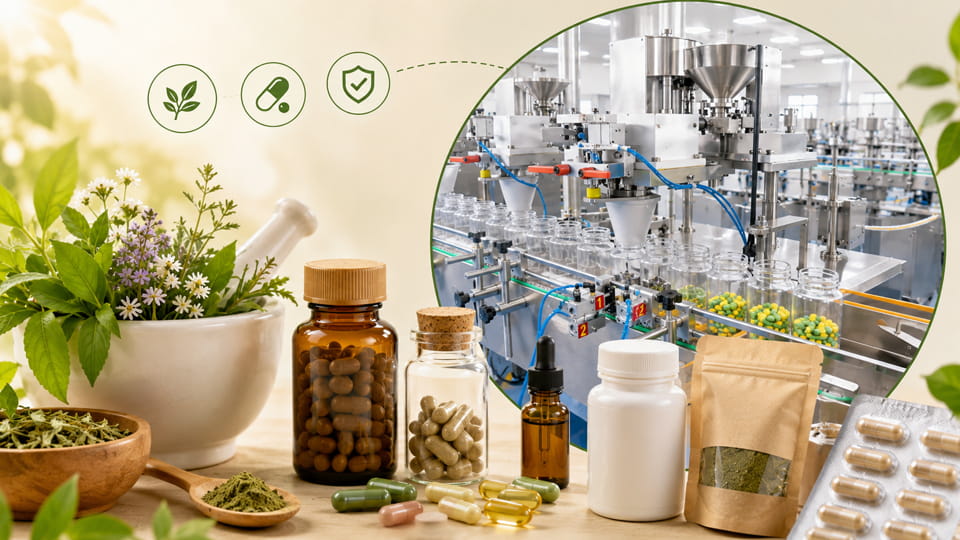
चाहे आप एक नई हर्बल सप्लीमेंट उत्पादन लाइन की योजना बना रहे हों या मौजूदा उपकरणों को अपग्रेड कर रहे हों, विनिर्माण प्रक्रिया को समझना बेहतर निर्णय लेने की दिशा में पहला कदम है. इस गाइड में, हम सबसे सामान्य प्रकार के हर्बल सप्लीमेंट्स के बारे में जानेंगे, उनका उत्पादन कैसे किया जाता है, शामिल उपकरण, और पैकेजिंग समाधान जो निर्माताओं को दक्षता में सुधार करने में मदद करते हैं, उत्पाद की गुणवत्ता, और शेल्फ जीवन.
हर्बल अनुपूरक (भी कहा जाता है वानस्पतिक अनुपूरक) की एक श्रेणी हैं आहारीय पूरक पौधों की सामग्री से बनाया गया (जड़ों, पत्तियों, फूल, बीज, या अर्क) स्वास्थ्य का समर्थन करने का इरादा है. सिंथेटिक विटामिन के विपरीत, हर्बल सप्लीमेंट प्राकृतिक स्रोतों से प्राप्त होते हैं. वे अक्सर पारंपरिक हर्बल दवाओं का उपयोग करते हैं (उदाहरण के लिए:. अदरक, जिन्कगो, Echinacea) और इसमें संकेंद्रित अर्क या पाउडर शामिल हैं. नियामक शर्तों में, हर्बल सप्लीमेंट्स को इस प्रकार वर्गीकृत किया गया है आहारीय पूरक, ड्रग्स नहीं. यू.एस. के अंतर्गत. कायदे से उनमें लेबल वाली सामग्री शामिल होनी चाहिए और संदूषकों से बचना चाहिए (कीटनाशक, हैवी मेटल्स). विशिष्ट रूपों में कैप्सूल शामिल हैं, गोलियाँ, softgels, पाउडर, तरल पदार्थ (टिंचर), चाय और गमियाँ.
हर्बल सप्लीमेंट का उद्देश्य पौधे-आधारित पोषक तत्वों या सक्रिय पदार्थों के साथ "आहार को पूरक करना" है, अक्सर प्रतिरक्षा समर्थन के लिए, पाचन, तनाव से राहत, या ऊर्जा. उदाहरण के लिए, बड़बेरी जैसी सामग्री, इचिनेसिया और विटामिन सी प्रतिरक्षा के लिए लोकप्रिय हैं, जबकि अश्वगंधा और हरी चाय का उपयोग तनाव से राहत और चयापचय के लिए किया जाता है. उपभोक्ता अपने प्राकृतिक स्रोत और स्वच्छ लेबल के कारण हर्बल सप्लीमेंट्स को तेजी से पसंद कर रहे हैं. वैश्विक हर्बल सप्लीमेंट बाजार के बारे में था $45.9 अरब में 2025 और इसके माध्यम से सालाना ~8% बढ़ने का अनुमान है 2034, संयंत्र-आधारित निवारक स्वास्थ्य देखभाल की मांग से प्रेरित.

हर्बल सप्लीमेंट कई खुराक रूपों में बनाए जाते हैं. प्रत्येक रूप के अपने फायदे हैं, इसलिए निर्माता उत्पाद और बाज़ार के आधार पर चयन करते हैं. सामान्य प्रारूपों में शामिल हैं:


हर्बल सप्लीमेंट कई रूपों में आते हैं: हार्ड कैप्सूल, softgels, गोलियाँ और पाउडर सभी वानस्पतिक अवयवों का उपयोग करते हैं. सही रूप का चयन हर्बल अर्क पर निर्भर करता है, खुराक की जरूरत है, और उपभोक्ता प्राथमिकताएँ.
| अनुपूरक प्रपत्र | विशिष्ट हर्बल सामग्री | प्रमुख लाभ | सामान्य पैकेजिंग | अनुशंसित विनिर्माण उपकरण |
|---|---|---|---|---|
| कैप्सूल | अश्वगंधा, हल्दी, Ginseng | निगलने में आसान, सटीक खुराक, संवेदनशील पाउडर की सुरक्षा करता है | बोतलों, फफोले के पैक | कैप्सूल भरने की मशीन, बोतल भरने की लाइन, फुल पैकेजिंग मशीन |
| गोलियां | Spirulina, लहसुन, दुग्ध रोम | प्रभावी लागत, लंबी संग्रहण और उपयोग अवधि, उच्च मात्रा में उत्पादन के लिए उपयुक्त | बोतलों, फफोले के पैक | टेबलेट प्रेस मशीन, गोली कोटिंग मशीन, बोतल पैकेजिंग लाइन |
| पाउडर | माचा, मोरिंगा, गेहूँ का ज्वारा | लचीले सर्विंग आकार, पेय मिश्रण और प्रोटीन मिश्रण के लिए आदर्श | स्टैंड-अप पाउच, छड़ी पैक, जार | पाउडर मिक्सर, बरमा भरने की मशीन, पूर्वनिर्मित पाउच पैकिंग मशीन |
| softgels | लहसुन का तेल, अलसी का तेल, इवनिंग प्राइमरोज तेल | तेल आधारित अर्क के लिए उपयुक्त, उपभोग करने में आसान | बोतलों, फफोले के पैक | सॉफ़्टजेल उत्पादन लाइन, बोतल भरने की मशीन |
| गमियां | एल्डरबेरी, सेब का सिरका, हल्दी | सुखद स्वाद, बच्चों और वयस्कों के बीच लोकप्रिय | बोतलों, पाउच | गमी गिनती मशीन, बोतल भरने की लाइन, पूर्वनिर्मित पाउच पैकिंग मशीन |
| तरल अर्क | Echinacea, जिन्कगो बिलोबा, वेलेरियन जड़ | तेजी से अवशोषण, अनुकूलित खुराक के लिए सुविधाजनक | कांच की बोतलें, ड्रॉपर की बोतलें | तरल भरने की मशीन, कैपिंग मशीन, लेबलिंग मशीन |
| हर्बल टी बैग्स | कैमोमाइल, पुदीना, हिबिस्कुस | पारंपरिक उपभोग विधि, सरल तैयारी | पाउच, डिब्बों | चाय बैग पैकिंग मशीन, कार्टोनिंग मशीन |
निर्माता जैवउपलब्धता या उपभोक्ता अपील के लिए एक विशिष्ट प्रारूप को लक्षित कर सकते हैं. उदाहरण के लिए, कैप्सूल-आधारित हर्बल सप्लीमेंट्स की बाजार में महत्वपूर्ण हिस्सेदारी है (आस-पास 39%) क्योंकि वे सक्रिय अवयवों की रक्षा करते हैं और शरीर में जल्दी घुल जाते हैं. पाउडर (जार या स्टिक पैक में) प्रोटीन या हरे सुपरफ़ूड मिश्रणों के लिए लोकप्रियता प्राप्त कर रहे हैं, जबकि गोलियाँ विटामिन और मानक हर्बल अर्क का मुख्य स्रोत बनी हुई हैं. अंत में, the विनिर्माण उपकरण (कैप्सूल भराव, टैबलेट प्रेस, पाउच, वगैरह।) चुने हुए रूप और उत्पादन की मात्रा से मेल खाना चाहिए.
निर्माता मजबूत उपभोक्ता मांग और वैज्ञानिक समर्थन वाली जड़ी-बूटियों पर ध्यान केंद्रित करते हैं. पूरकों में प्रमुख वनस्पति शामिल हैं:
नीचे दी गई तुलना आज के न्यूट्रास्युटिकल उद्योग में सबसे व्यापक रूप से उपयोग किए जाने वाले कुछ हर्बल सप्लीमेंट्स का त्वरित अवलोकन प्रदान करती है:
| हर्बल अनुपूरक | सामान्य स्वास्थ्य उद्देश्य* | सामान्य खुराक प्रपत्र | विशिष्ट पैकेजिंग | विनिर्माण नोट्स |
|---|---|---|---|---|
| हल्दी (करक्यूमिन) | संयुक्त और सूजन संबंधी सहायता | कैप्सूल, गोलियाँ, पाउडर | एचडीपीई बोतलें, फफोले के पैक, स्टैंड-अप पाउच | प्रवाह एजेंटों के साथ अक्सर मानकीकृत करक्यूमिन अर्क |
| अश्वगंधा | तनाव और नींद का सहारा | कैप्सूल, गमियां, पाउडर | प्लास्टिक की बोतलें, छड़ी पैक | आमतौर पर मानकीकृत जड़ अर्क के रूप में उत्पादित किया जाता है |
| Ginseng | ऊर्जा और संज्ञानात्मक समर्थन | कैप्सूल, softgels, तरल अर्क | एम्बर बोतलें, फफोले के पैक | भराई के दौरान नमी नियंत्रण महत्वपूर्ण है |
| Echinacea | प्रतिरक्षा स्वास्थ्य सहायता | गोलियां, कैप्सूल, टिंचर | बोतलों, कांच की ड्रॉपर बोतलें | अक्सर सूखे अर्क या तरल अर्क के रूप में निर्मित किया जाता है |
| दुग्ध रोम | लीवर स्वास्थ्य सहायता | कैप्सूल, softgels | एचडीपीई बोतलें, फफोले के पैक | मानकीकृत सिलीमारिन सामग्री की आमतौर पर आवश्यकता होती है |
| लहसुन | हृदय स्वास्थ्य सहायता | softgels, गोलियाँ | फफोले के पैक, बोतलों | गंध नियंत्रण और कोटिंग पर अक्सर विचार किया जाता है |
| अदरक | पाचन -समर्थन | कैप्सूल, पाउडर, चाय की थैलियां | पाउच, पाउच, बोतलों | पाउडर प्रवाहशीलता भरने की सटीकता को प्रभावित करती है |
| जिन्कगो बिलोबा | मेमोरी और सर्कुलेशन सपोर्ट | गोलियां, कैप्सूल | बोतलों, फफोले के पैक | अक्सर फ्लेवोनोइड सामग्री के लिए मानकीकृत किया जाता है |
| हरी चाय का अर्क | एंटीऑक्सीडेंट समर्थन | कैप्सूल, गोलियाँ | बोतलों, फफोले के पैक | गर्मी और नमी संरक्षण से स्थिरता में सुधार होता है |
| एल्डरबेरी | प्रतिरक्षा समर्थन | गमियां, सिरप, कैप्सूल | पीईटी बोतलें, कांच की बोतलें | गमियों के लिए समर्पित गिनती और बोतलबंद उपकरण की आवश्यकता होती है |
में रुझान 2025 प्रतिरक्षा स्वास्थ्य के लिए तैयार किए गए पूरकों पर प्रकाश डालें (बड़बेरी, Echinacea, जस्ता), महिलाओं की सेहत, और संज्ञानात्मक कल्याण. उदाहरण के लिए, ब्रिटेन के उपभोक्ता तेजी से हल्दी का उपयोग कर रहे हैं, अश्वगंधा, प्रतिरक्षा और तनाव के लिए मोरिंगा और एल्डरबेरी. संघटक सोर्सिंग और फॉर्मूलेशन के लिए गुणवत्ता नियंत्रण की आवश्यकता होती है: सक्रिय शक्ति और संदूषकों की अनुपस्थिति के लिए प्रत्येक जड़ी-बूटी का परीक्षण किया जाना चाहिए (कीटनाशक, हैवी मेटल्स) जीएमपी मानकों के अनुसार.

हर्बल सप्लीमेंट का निर्माण एक बहु-चरणीय प्रक्रिया का पालन करता है, वानस्पतिक अवयवों की विशिष्ट देखभाल के साथ मानक फार्मास्युटिकल तकनीकों का संयोजन. सामान्य प्रवाह है: कच्ची जड़ी-बूटियाँ प्राप्त करना → सफाई → सुखाना/पीसना → सम्मिश्रण → खुराक निर्माण (कैप्सूल/गोलियाँ) → पैकेजिंग. प्रमुख कदमों में शामिल हैं:
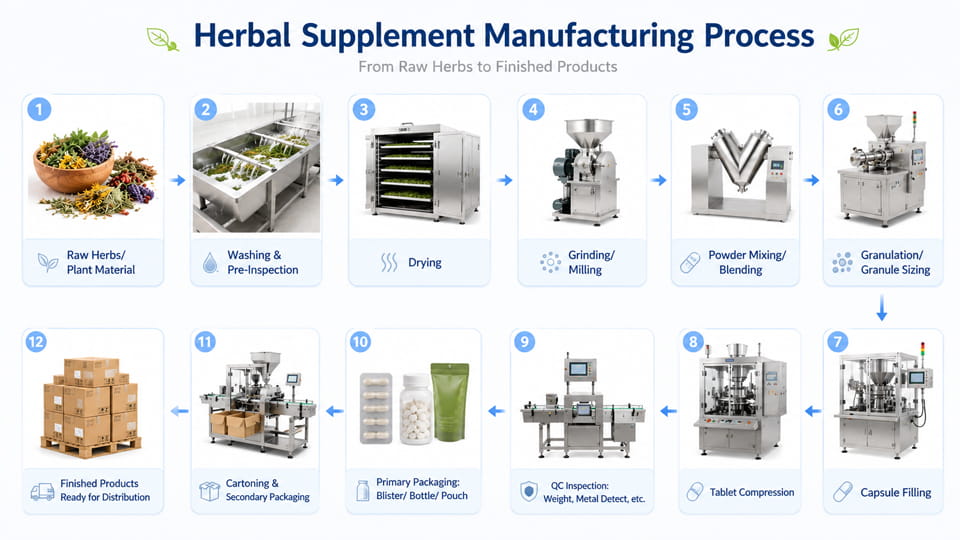
पूरे विनिर्माण के दौरान, स्थितियाँ (तापमान, नमी) बारीकी से नियंत्रित किया जाता है. कई वनस्पतियाँ नमी के प्रति संवेदनशील होती हैं, ताकि पूरी लाइन नमी-नियंत्रित साफ कमरे में चल सके. उच्च-अवरोधक पैकेजिंग (एल्यूमीनियम पन्नी छाले, जलशुष्कक के साथ एचडीपीई) शेल्फ जीवन को संरक्षित करने के लिए चुना गया है.
सफल पूरक उत्पादन विश्वसनीय पर निर्भर करता है प्रसंस्करण और पैकेजिंग मशीनें. यहां प्रमुख उपकरणों का अवलोकन दिया गया है - विशेष रूप से जिंलू द्वारा पेश किए गए उपकरण - उनकी भूमिकाओं के साथ:

आकृति: जिनलू की हाई-स्पीड कैप्सूल भरने की मशीन (मॉडल एनजेपी-1500डी, 90के सीपीएस/घंटा). ऐसे स्वचालित फिलर्स खाली कैप्सूल को उन्मुख करते हैं, मीटर हर्बल पाउडर, भराव को थपथपाएं, और प्रत्येक भरे हुए कैप्सूल को ±3% सटीकता के साथ इकट्ठा करें.
 आकृति: HZP-26D-40D रोटरी टैबलेट प्रेस मशीन. टैबलेट प्रेस हर्बल कणिकाओं को सटीक वजन और कठोरता के साथ गोलियों में संपीड़ित करती है. जिनलू की प्रेस से आउटपुट खत्म हो सकता है 260,000 एकरूपता सुनिश्चित करते हुए गोलियाँ/घंटा.
आकृति:पूर्वनिर्मित पाउच पैकेजिंग मशीन. ऐसी मशीनें (जिनलू की जीडी श्रृंखला की तरह) स्वचालित रूप से खुल सकता है, भरना, और स्टैंड-अप या ज़िपर पाउच को पाउडर से सील करें, दाने या गोलियाँ, बहुत सटीक भरण भार प्राप्त करना.
अन्य आवश्यक उपकरणों में बोतल वॉशर शामिल हैं (खाली बोतलें शुरू करने के लिए), लेबलर, और मेटल डिटेक्टर. जिनलू की मशीनें वैश्विक प्रमाणपत्रों को पूरा करने के लिए डिज़ाइन की गई हैं (सीटी, सीजीएमपी, एफडीए) और अनुकूलित किया जा सकता है (उदाहरण के लिए:. कठिन पाउडर के लिए वैक्यूम फीडर के साथ, मिश्रणों के लिए संयोजन तौलने वाले उपकरण).
सही प्राथमिक पैकेजिंग का चयन स्थिरता को प्रभावित करता है, प्रयोगकर्ता का अनुभव, और अनुपालन. नीचे हम पूरकों के लिए सामान्य पैकेजिंग प्रारूपों की तुलना करते हैं:
| प्रारूप | के लिए सबसे अच्छा | लाभ | चुनौतियाँ/विचार |
| बोतलों (एचडीपीई, पालतू) | कैप्सूल, गोलियां, softgels, गमियां | मजबूत नमी/ऑक्सीजन अवरोध; लेबल करना आसान है; बाल-प्रतिरोधी क्लोजर उपलब्ध हैं; परिचित प्रारूप | शिपिंग के लिए भारी; अक्सर अपारदर्शी (कम पुनर्चक्रण योग्य); मिश्रित सामग्री के साथ सीआर कैप की आवश्यकता है |
| फफोले के पैक (अलु/पीवीसी) | गोलियां, कैप्सूल, कैपलेट्स | यूनिट-खुराक सुरक्षा (प्रत्येक गोली सीलबंद); उत्कृष्ट बाधा (पन्नी); स्पष्ट रूप से हस्तक्षेप करना; सुविधाजनक खुराक | प्रति यूनिट अधिक महंगा; सीमित आकार/आकार; फ़ॉइल/पीवीसी का पुनर्चक्रण कठिन है |
| छड़ी पैक | पाउडर (एकल की सेवा), चाय | पूर्व-मापी पोर्टेबल खुराक; न्यूनतम बचा हुआ; स्लिम प्रोफ़ाइल | एकल-उपयोग अपशिष्ट; लैमिनेट्स की आवश्यकता है (चुनौतियों का पुनर्चक्रण करें); प्रति पैक छोटी मात्रा |
| पाउच | granules, जल्दी घुलने वाली गोलियाँ, पाउडर | एकल-भाग वाले पैकेट, अक्सर पानी में घुलनशील; कम लागत | सीमित नमी अवरोध; पंचर होने का खतरा; एकल-उपयोग अपशिष्ट |
| स्टैंड-अप पाउच (resealable) | पाउडर, granules, गमियां, मल्टीपैक | लाइटवेट, जगह की बचत; हाई बैरियर लैमिनेट्स; पुन: सील करने योग्य ज़िपर; अनुकूलन योग्य आकृतियाँ | अक्सर पारदर्शी (हल्का जोखिम); नमी-संवेदनशील सामग्री के लिए शुष्कक की आवश्यकता है; जिपर लागत बढ़ाता है |
| जार / टिन्स (ग्लास/एल्यूमीनियम) | गमियां, पाउडर, प्रीमियम उत्पाद | बेहतर पुनर्चक्रण क्षमता (ग्लास/एल्यूमीनियम); उच्च बाधा; पुन: प्रयोज्य; प्रीमियम लुक | भारी (शिपिंग लागत); भंगुर (काँच); जब तक इसमें ढक्कन तंत्र न जोड़ा जाए, यह डिफ़ॉल्ट रूप से बाल-प्रतिरोधी नहीं है |
| माध्यमिक कार्टन | बोतलों या फफोलों में कैप्सूल/गोलियाँ | थोक पैकेजिंग सक्षम करता है; अनेक उत्पादों के लिए अवरोध जोड़ता है; लेबलिंग स्थान प्रदान करता है | लागत और सामग्री जोड़ता है; कार्टन बैरियर प्लास्टिक से कमतर (नमी के लिए लाइनर की आवश्यकता हो सकती है) |
हर्बल सप्लीमेंट के लिए, नमी और ऑक्सीजन नियंत्रण महत्वपूर्ण पैकेजिंग कार्य हैं. उदाहरण के लिए, हाई-बैरियर ब्लिस्टर फ़ॉइल या मल्टी-लेयर पाउच हीड्रोस्कोपिक जड़ी-बूटियों की रक्षा कर सकते हैं. बच्चा प्रतिरोधी (करोड़) बंद करना अक्सर कानूनी रूप से आवश्यक होता है (खासकर विटामिन के लिए). टिकाऊ विकल्प (पीसीआर प्लास्टिक, पुनर्चक्रण योग्य सामग्री, खाद योग्य पाउच) रुझान बढ़ रहे हैं, लेकिन फिर भी सुरक्षा और शेल्फ-जीवन आवश्यकताओं को पूरा करना होगा.
पैकेजिंग मशीनें (बोतल भरने वाले, छाला रेखाएँ, पाउच पैकर्स) चुने गए प्रारूप और आउटपुट से मेल खाना चाहिए. स्वचालित सिस्टम (जैसे जिनलू का मॉडल जीडी पाउच पैकर या पीजे सीरीज ब्लिस्टर मशीनें) लगातार सीलिंग के साथ उच्च गति को संभालें, जो फार्मास्युटिकल के लिए जरूरी है जीएमपी अनुपालन.
अच्छे उपकरणों के साथ भी, पूरक उत्पादन में बाधा आ सकती है. यहां सामान्य समस्याएं और उपाय दिए गए हैं:
सभी मामलों में, निवारक रखरखाव और अनुभवी ऑपरेटर प्रमुख हैं. स्वचालित त्रुटि पुनर्प्राप्ति (स्टेशनों को अस्वीकार करें, एलार्म) मुद्दों को जल्दी पकड़ने में मदद करता है. उदाहरण के लिए, जिनलू की मशीनें गलत भरी हुई थैलियों को त्यागने के लिए "बुद्धिमान अस्वीकृति" की सुविधा देती हैं.
पैकेजिंग उपकरण का चयन एक रणनीतिक निर्णय है. विचार करने योग्य कारकों में शामिल हैं:
सारांश, अपने वांछित आउटपुट और अनुपालन आवश्यकताओं के लिए रेटेड मशीनें चुनें. The सही उपकरण लगातार भरण/सील सुनिश्चित करता है, उपज को अधिकतम करता है, और महँगे रिकॉल से बचता है.
प्राकृतिक स्वास्थ्य की ओर वैश्विक बदलाव ने हर्बल सप्लीमेंट को एक प्रमुख उद्योग बना दिया है, लेकिन इसके लिए कठोर फार्मास्युटिकल-स्तरीय विनिर्माण की भी आवश्यकता होती है. कच्चे वनस्पति के सावधानीपूर्वक परीक्षण से लेकर स्वचालित कैप्सूल भरने और छेड़छाड़-प्रूफ पैकेजिंग तक, प्रत्येक चरण को निरंतरता के लिए अनुकूलित किया जाना चाहिए, अनुपालन, और गुणवत्ता. उपकरणों में प्रगति (हाई-स्पीड कैप्सूल फिलर्स की तरह, सटीक ब्लिस्टर लाइनें, और लचीली थैली मशीनें) सख्त सहनशीलता बनाए रखते हुए न्यूट्रास्युटिकल कंपनियों को कुशलतापूर्वक बढ़ने की अनुमति दें.
सारांश, हर्बल अनुपूरक उत्पादन पारंपरिक वनस्पति ज्ञान और आधुनिक इंजीनियरिंग का एक जटिल नृत्य है. जीएमपी दिशानिर्देशों का पालन करके, सही मशीनरी का उपयोग करना, और रुझानों से आगे रहना (पसंद टिकाऊ पैकेजिंग और वैयक्तिकृत फॉर्मूलेशन), निर्माता सुरक्षित डिलीवरी कर सकते हैं, प्रभावी पौधे-आधारित उत्पाद. उन कंपनियों के लिए जो अपनी श्रृंखला का विस्तार या उन्नयन करना चाहती हैं, जिन्लू पैकिंग कैप्सूल फिलर्स की एक एकीकृत लाइनअप प्रदान करता है, टैबलेट प्रेस, छाले की मशीन, पाउच पैकर्स और बहुत कुछ - सभी न्यूट्रास्युटिकल उत्पादन के लिए बनाए गए हैं. हमसे संपर्क करें यह जानने के लिए कि कैसे हमारे उपकरण आपके हर्बल सप्लीमेंट को जड़ी-बूटी के बगीचे से स्टोर अलमारियों तक गुणवत्ता और दक्षता के साथ लाने में मदद कर सकते हैं.
हर्बल सप्लीमेंट जड़ी-बूटियों से बना एक आहार अनुपूरक है, वानस्पतिक अर्क, या अन्य पौधे-व्युत्पन्न सामग्री. ये उत्पाद आमतौर पर कैप्सूल के रूप में उपलब्ध हैं, गोलियाँ, पाउडर, गमियां, चाय, या तरल अर्क और पारंपरिक खाद्य पदार्थों को प्रतिस्थापित करने के बजाय आहार को पूरक करने के लिए डिज़ाइन किए गए हैं. बाज़ार पर निर्भर करता है, हर्बल अनुपूरकों को फार्मास्युटिकल दवाओं के बजाय आहार अनुपूरक के रूप में विनियमित किया जाता है.
अमेरिका में।, आहारीय पूरक (हर्बल सहित) FDA के DSHEA अधिनियम के अंतर्गत आते हैं. निर्माताओं को FDA cGMP नियमों का पालन करना चाहिए (21 सीएफआर 111) पहचान सुनिश्चित करने के लिए, पवित्रता, और संदूषण से बचने के लिए. इसका मतलब है कच्ची जड़ी-बूटियों का गहन परीक्षण और प्रक्रिया के दौरान जांच. यूरोप और अन्य जगहों पर, समान अच्छे विनिर्माण मानक (ईयू जीएमपी, डब्ल्यूएचओ दिशानिर्देश) न्यूट्रास्यूटिकल्स पर लागू करें.
वे कई रूपों में आते हैं: कैप्सूल, गोलियाँ, पाउडर, तरल पदार्थ/टिंचर, गमियां, छड़ी पैक, चाय, वगैरह. चुनाव वनस्पति गुणों और उपभोक्ता की पसंद पर निर्भर करता है. उदाहरण के लिए, छोटी कड़वी जड़ी-बूटियाँ कैप्सूल में जा सकती हैं, जबकि आरामदायक चाय को टी बैग के रूप में बेचा जाता है.
विनिर्माण प्रक्रिया में आमतौर पर कई प्रमुख चरण शामिल होते हैं:
• कच्ची जड़ी-बूटी का चयन
• सफाई और सुखाना
• पीसना या पीसना
• पाउडर सम्मिश्रण
• दानेदार बनाना (यदि आवश्यक हुआ)
• कैप्सूल भरना या टैबलेट संपीड़न
• गुणवत्ता निरीक्षण
• प्राथमिक पैकेजिंग
• कार्टोनिंग और सेकेंडरी पैकेजिंग
आधुनिक निर्माता निरंतरता में सुधार के लिए अक्सर इन प्रक्रियाओं को स्वचालित करते हैं, उत्पादकता, और उत्पाद की गुणवत्ता.
न्यूनतम पर, निर्माताओं को मिश्रण उपकरण की आवश्यकता होती है, एक कैप्सूल फिलर या टैबलेट प्रेस (खुराक के आधार पर), और एक पैकेजिंग लाइन. प्रमुख मशीनें शामिल हैं: कैप्सूल भरने की मशीन, रोटरी टैबलेट प्रेस, फुल पैकेजिंग मशीन, बोतल गिनती/भरने की लाइन, पाउच/स्टिक पैक मशीन, और पाउच पैकिंग मशीन. उदाहरण के लिए, जिनलू पैकिंग विशेष रूप से न्यूट्रास्यूटिकल्स के लिए डिज़ाइन किए गए कैप्सूल फिलर्स और पाउच पैकर्स प्रदान करती है.
अधिकांश निर्माता ब्लिस्टर पैक जैसी नमी प्रतिरोधी पैकेजिंग सामग्री का उपयोग करते हैं, इंडक्शन सील के साथ एचडीपीई बोतलें, एल्यूमीनियम पन्नी टुकड़े टुकड़े, या उच्च-अवरोधक पाउच. नियंत्रित उत्पादन वातावरण, desiccants, उचित सीलिंग सिस्टम, और नियमित गुणवत्ता निरीक्षण भी भंडारण और परिवहन के दौरान हर्बल सप्लीमेंट्स को सुरक्षित रखने में मदद करते हैं.
सर्वोत्तम पैकेजिंग उत्पाद के प्रकार और नमी के प्रति उसकी संवेदनशीलता पर निर्भर करती है, ऑक्सीजन, और प्रकाश.
सामान्य पैकेजिंग विकल्पों में शामिल हैं:
• कैप्सूल और टैबलेट के लिए बोतलें
• यूनिट-खुराक सुरक्षा के लिए ब्लिस्टर पैक
• पाउडर के लिए स्टैंड-अप पाउच
• एकल सर्विंग के लिए स्टिक पैक और पाउच
• तरल अर्क के लिए कांच की बोतलें
उपयुक्त बैरियर पैकेजिंग का चयन करने से उत्पाद की गुणवत्ता बनाए रखने और शेल्फ जीवन को बढ़ाने में मदद मिलती है.
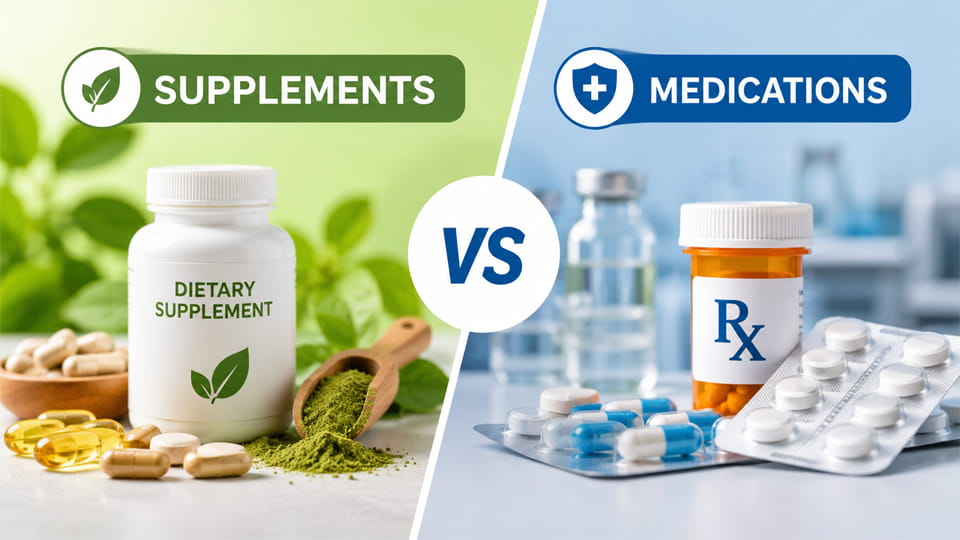
हर्बल सप्लीमेंट्स को आहार अनुपूरकों के रूप में वर्गीकृत किया गया है और इन्हें डॉक्टर के नुस्खे के बिना बेचा जा सकता है, पोषण संबंधी सहायता पर ध्यान केंद्रित करना. हर्बल औषधियाँ (आयुर्वेदिक या पारंपरिक चीनी दवाओं की तरह) इन्हें अक्सर दवाओं या चिकित्सा उत्पादों के रूप में विनियमित किया जाता है, बीमारियों के इलाज के दावों के साथ. पूरक सामान्य स्वास्थ्य को बढ़ावा दे सकते हैं (उदाहरण के लिए:. "प्रतिरक्षा का समर्थन करता है") लेकिन बीमारियों को ठीक करने का दावा नहीं कर सकते.
संदर्भ:
1.आहार अनुपूरक मार्गदर्शन दस्तावेज़ & विनियामक सूचना—— हम. खाद्य एवं औषधि प्रशासन
2.आहारीय पूरक —— हम. खाद्य एवं औषधि प्रशासन
3.हर्बल अनुपूरक —— हम. कृषि विभाग
4.सुरक्षित एवं प्रभावी वानस्पतिक आहार अनुपूरक का विकास —— नेशनल लाइब्रेरी ऑफ मेडिसिन
5.हर्बल आहार अनुपूरकों की गुणवत्ता आश्वासन और सुरक्षा —— नेशनल लाइब्रेरी ऑफ मेडिसिन
6.आहार और हर्बल अनुपूरक —— एनसीसीआईएच