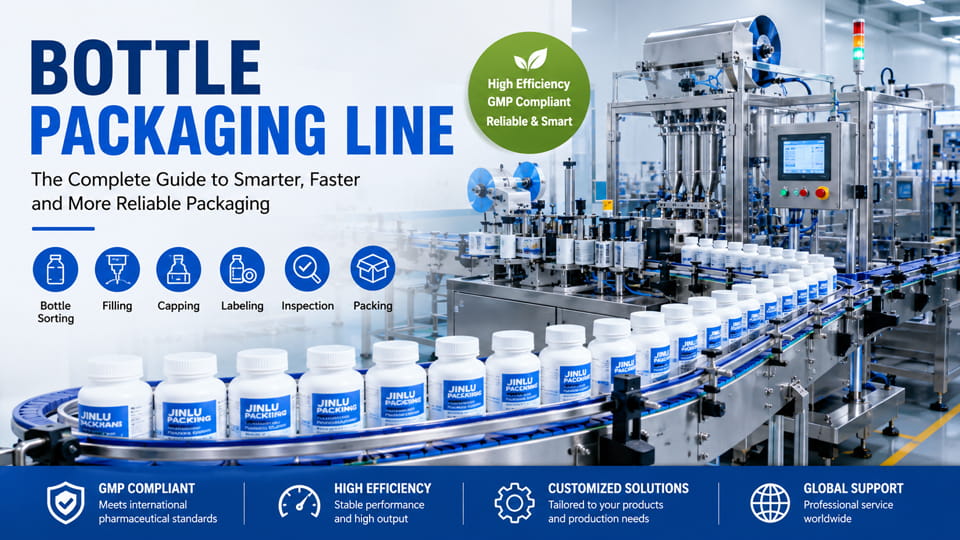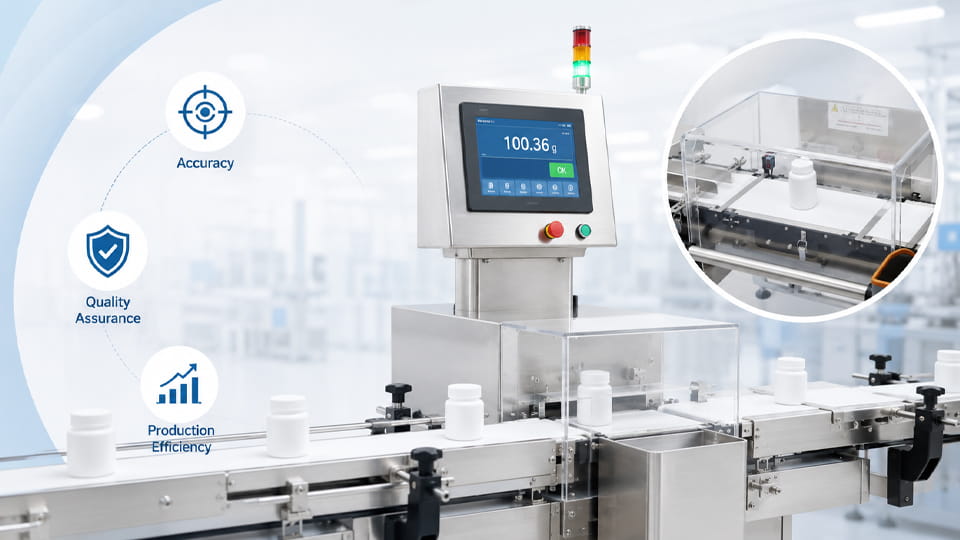

ظهور مکمل های صمغی مدل سنتی قرص/کپسول را در صنعت ویتامین به چالش کشیده است. آدامس ها به این دلیل محبوب هستند که طعم آب نبات دارند و به راحتی بلع می شوند, اما اغلب حاوی قند اضافه شده هستند و در طول زمان نسبت به قرص ها پایداری کمتری دارند. قرص و کپسول, در مقابل, می تواند دوزهای بالاتر مواد مغذی را با ماندگاری طولانی تر و دقت دوز دقیق ارائه دهد. این مقاله مقایسه می کند ویتامین آدامس در مقابل قرص از نظر جذب, تجربه کاربری, ثبات, محتوای قند, مقدار مصرف, و ماندگاری. ما بررسی می کنیم که چرا لثه ها شکوفا می شوند (مخصوصا در بین بچه ها, سالمندان و بازار در حال حرکت), زمانی که قرص ها ترجیح داده می شوند (برای دوزهای بالا و انطباق دقیق), و چگونه سازندگان هر قالب را بسته بندی می کنند. ما همچنین نقش تجهیزات مانند ماشین های شمارش را برجسته می کنیم, پرکننده, درپوش ها و برچسب ها در الف خط بسته بندی مکمل, با نمونه هایی از راه حل های جینلو پکینگ.
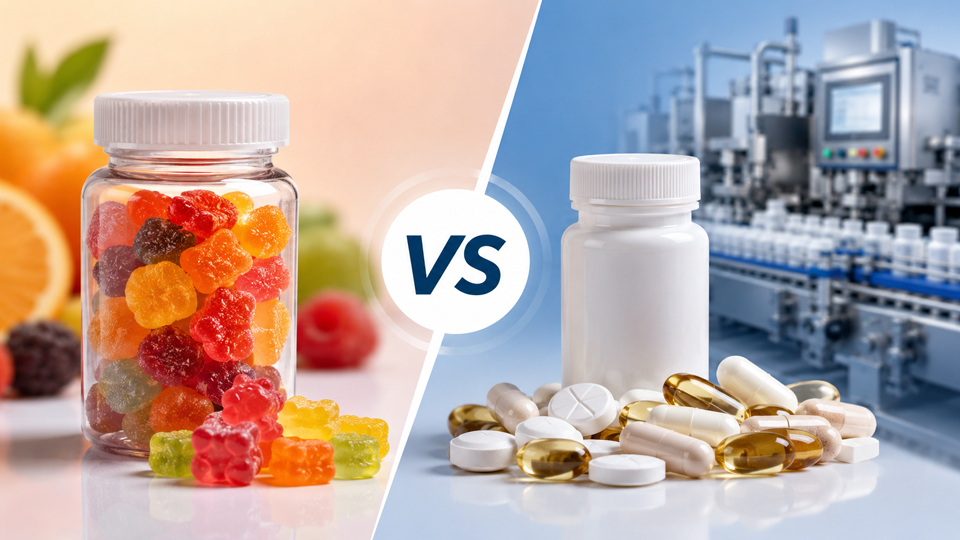
صمغ های ویتامین آب نبات های جویدنی هستند که با ویتامین ها فرموله شده اند, مواد معدنی یا مکمل های دیگر. آنها شبیه آب نبات با طعم میوه هستند (اغلب اشکال خرس یا حلقه دارند) و از ژلاتین استفاده کنید, پایه پکتین یا نشاسته برای جویدن. آدامس ها طوری طراحی شده اند که مصرف مکمل ها را لذت بخش تر می کنند. به عنوان مثال, یک مولتی ویتامین صمغی ممکن است حاوی ویتامین C باشد, D یا B12, طعم دار و رنگی شده تا طعم میان وعده را داشته باشد.
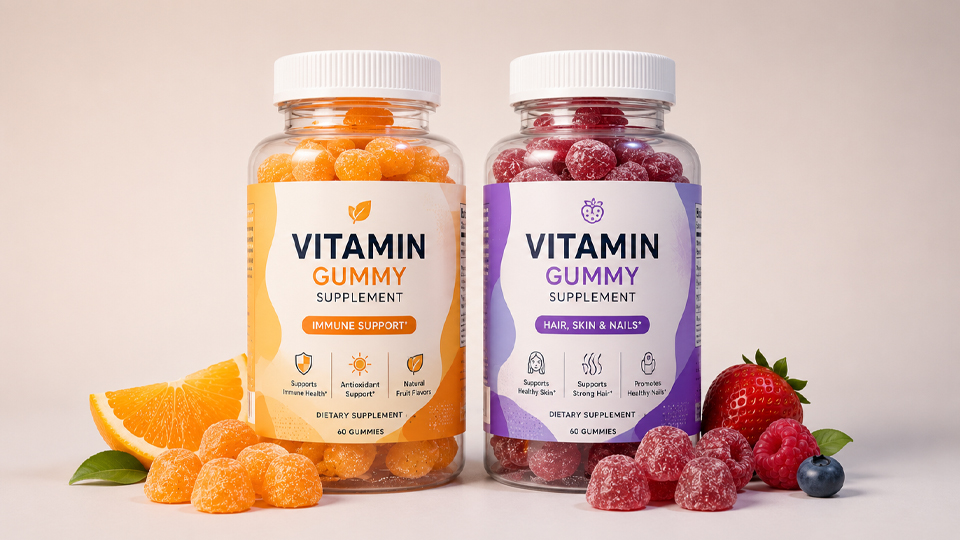
شکل: مکمل های صمغی ویتامین به شکل آب نبات. آدامس ها به ویژه برای مصرف کنندگانی که از بلعیدن قرص ها بیزارند جذاب است. همانطور که UCLA Health اشاره می کند, آدامسها طعمی شبیه به آب نبات دارند و برای معده راحتتر میشوند، زیرا فاقد آن هستند مواد اتصال دهنده موجود در قرص ها. کانترهای آدامسی مدرن حتی می توانند طیف وسیعی از اندازه ها را مدیریت کنند (به عنوان مثال. ماشینهای جینلو صمغهایی به طول ۲ تا ۱۳۰ میلیمتر را پردازش میکنند). نتیجه قابل حمل است, ویتامین جویدنی که به نظر می رسد و احساسی مانند یک غذا دارد.
"قرص" شامل قرص است, کپسول ها و ژل های نرم - آشنا فرمت های جامد برای مکمل ها. قرص قرص پودر یا گرانول فشرده هستند (با کلاسور) تحت فشار بالا تشکیل شده است. یک پرس قرص چرخشی می تواند خروجی داشته باشد ده ها هزار قرص در ساعت. تبلت ها همه کاره هستند: می توان آنها را پوشش داد (به عنوان مثال. فیلم یا شکر روکش شده) برای طعم یا انتشار تاخیری, و می توان آن را شکل داد یا چاپ کرد. کپسول از دو نیمه پوسته تشکیل شده است (معمولا ژلاتین یا HPMC) که پودرها را در بر می گیرد, گرانول یا حتی مایعات. کپسول سافت ژل پوسته های ژلاتینی یک تکه حاوی ویتامین ها یا روغن های مایع هستند (مانند روغن ماهی). قرص ها نیاز به بلع دارند اما در رساندن مواد مغذی بسیار کارآمد هستند. یک تبلت خوش مهندسی خواهد داشت وزن پایدار, سختی مناسب, ظاهر صاف و کیفیت ثابت.
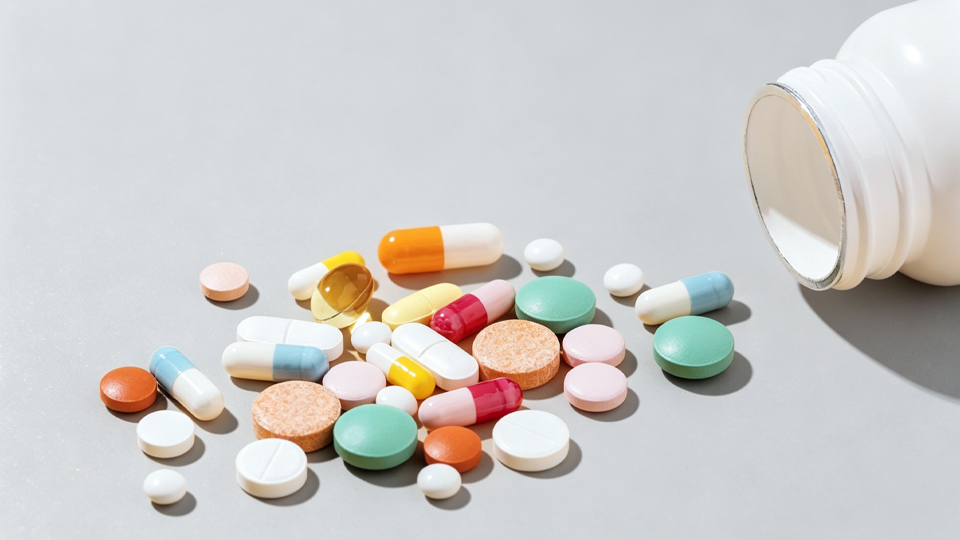
شکل: قرص های ویتامین شامل قرص است, کپسول ها و ژل های نرم. قرص ها و کپسول ها معمولاً دارای غلظت بیشتری از مواد فعال نسبت به صمغ ها هستند. زیرا قرص ها/کپسول ها جامدات فشرده یا محصور شده هستند, اگر به خوبی ذخیره شوند، اغلب برای سالها قوی می مانند. به عنوان مثال, یک خط قرص به سبک دارویی می تواند شامل ترکیب شود, دانه, تراکم (پرس تبلت) و پوشش اختیاری, به دنبال آن شمارش و بطری کردن. دستگاه های پرکن کپسول مدرن می توانند پردازش کنند صدها هزار کپسول در ساعت. در مجموع, مصرف قرص ها بالاست, فرم با دوز بالا مورد علاقه تولید کنندگان فله.
مطالعات روی فراهمی زیستی نتایج متفاوتی را نشان می دهد. برخی تحقیقات نشان دادند که جذب مواد مغذی می تواند مشابه باشد (یا حتی بالاتر) در آدامس در مقابل قرص. به عنوان مثال, بوها 2019 تحصیل در مواد مغذی گزارش داد که صمغهای ویتامین D نسبت به قرصها فراهمی زیستی کمی بهتری دارند. به همین ترتیب, یادداشت های UCLA Health: "تحقیقات نشان می دهد که بدن شما می تواند مواد مغذی موجود در ویتامین های صمغی را به راحتی مانند ویتامین های سنتی جذب کند.". این تا حدی به این دلیل است که جویدن آدامس ویتامین ها را با بزاق مخلوط می کند, شروع زودهنگام جذب. با این حال, همه مواد مغذی در آدامس ها به یک اندازه نیستند; ویتامین ها و مواد معدنی محلول در آب ممکن است تجزیه شوند یا به داخل ماتریکس صمغی نفوذ کنند.
در عمل, آدامس ها اغلب دارای استحکام کمتری هستند. کلینیک کلیولند خاطرنشان می کند "ویتامین های صمغی در واقع ویتامین ها و مواد معدنی کمتری نسبت به ویتامین های معمولی دارند" و تولید کنندگان ممکن است "آن ها را با بیش از آنچه در برچسب نوشته شده است بسته بندی کنند" تا در طول زمان ضرر را جبران کنند.. به طور خلاصه, در حالی که یک صمغ با فرمول مناسب می تواند مواد مغذی را به طور موثری ارائه دهد, قرص ها به طور کلی دوز دقیق را تضمین می کنند. جدول:
| جنبه | لثه | قرص (قرص / کپسول) |
| محتوای مواد مغذی | به طور معمول در هر واحد کمتر است; اغلب به تخریب جبران اضافه اضافه می شود | بار مواد مغذی بالا; قدرت قابل پیش بینی بیشتر |
| جذب | برای بسیاری از ویتامین ها قابل مقایسه است; هنگام جویدن شروع می شود | پس از حل شدن در معده/روده; برای اکثر مکمل ها کارآمد است |
| محدودیت های فرمولاسیون | ممکن است فاقد برخی ویتامین ها باشد (اتو کردن, B12) به دلیل طعم / ثبات | می تواند شامل طیف گسترده ای باشد (حتی فعال های حساس); پوشش طعم ماسک |
| تبلت در مقابل گامی | جویدنی, ممکن است نیاز به آب نداشته باشد; برای پرستوهای حساس بهتر است | به طور کامل بلعیده شده است; برای گریدهای با دوز بسیار بالا یا دارویی آسان تر است |
طعم جایی است که لثه ها می درخشند. آنها دارای طعم های میوه ای و بافت های جویدنی هستند که شبیه آب نبات است. این شیرینی, تجربه لذت بخش، انطباق را تشویق می کند, به خصوص در کودکان و سالمندان. همانطور که VitaMedica اشاره می کند, آدامس ها مشکلات بلع قرص را حل می کنند: اگر تا به حال با مکمل های سنتی مبارزه کرده اید, آدامس های جویدنی می تواند آسان باشد, جایگزین مناسب”. در مقابل, قرص ها اغلب دارای طعم ناخوشایند یا بافت گچی هستند (مگر اینکه پوشش داده شود), و کپسول ها می توانند بزرگ یا سخت باشند.
با این حال, طعم آب نبات مانند یک جنبه منفی دارد: شکر و مواد افزودنی. اکثر آدامس ها از شکر استفاده می کنند, آب میوه یا شیرین کننده ها برای پوشاندن تلخی. UCLA Health گزارش می دهد که بیشتر مکمل های صمغی دارای این ویژگی هستند 2– 8 گرم شکر در هر وعده, که می تواند جمع شود (AHA توصیه می کند <25گرم روزانه برای زنان). نسخه های بدون قند از الکل های قند استفاده می کنند (سوربیتول, زایلیتول) یا شیرین کننده های شدید, اما این می تواند باعث ناراحتی گوارشی در افراد حساس شود. قرص ها به طور کلی حاوی هیچ شیرین کننده نیستند (فقط مواد کمکی و عوامل اتصال).
خلاصه, آدامس ارائه می کند خوش طعم تجربه کاربری: آسان, خوشمزه, و سرگرم کننده. قرص ها عملکرد را در اولویت قرار می دهند: مصرف موثر دوزهای بالا. برای خیلی ها, انتخاب به اولویت و سبک زندگی بستگی دارد.
ثبات یک تمایز اصلی است. فرمت های جویدنی (آدامس یا مواد جویدنی) هستند مستعد جذب رطوبت. Healthline و Medical News Today هر دو به این نکته توجه دارند لثه ها سریعتر تحلیل می روند از تبلت ها. محتوای آب/رطوبت موجود در آدامس باعث ایجاد ویتامین می شود (به خصوص سی, بها) برای شکستن یا از دست دادن قدرت در طول چند ماه. تولیدکنندگان با "تقویت بیش از حد" صمغ ها با این امر مقابله می کنند, اما قدرت همچنان می تواند در طول زمان به زیر ادعاهای برچسب کاهش یابد. در مقابل, قرص ها (خشک, فشرده شده است) اگر به درستی ذخیره شود، قدرت را برای چندین سال حفظ می کند.
بسته بندی به افزایش عمر مفید کمک می کند. بطری های صمغی معمولاً نیاز دارند خشک کننده ها و مهر و موم های محکم برای کاهش رطوبت. در مقایسه, قرص ها اغلب در بسته های تاولی ساده یا بطری هایی با رطوبت بسیار کمتر بسته بندی می شوند.
صمغ ها تقریبا همیشه حاوی مواد شیرین کننده هستند. همانطور که در بالا ذکر شد, شکر اضافه شده یک نگرانی است. علاوه بر مسائل دندانی / بهداشتی, شیرین کننده (حتی کنسانتره آب میوه "طبیعی".) ارزش غذایی رقیق در هر صمغ. رنگها و طعمهای مصنوعی نیز در آدامسها رایج هستند تا آنها را جذاب کنند. افرادی که محدودیت های غذایی دارند (دیابت, فنیل کتونوری) یا کسانی که از مواد مصنوعی اجتناب می کنند ممکن است لثه ها را مشکل ساز بدانند.
در مقابل, قرص ها/کپسول ها از مواد کمکی استفاده می کنند (پرکننده, بنده) که معمولاً بی مزه و بی اثر هستند. بسیاری از قرص ها بدون قند هستند (روکش دار یا بدون روکش). گزینه های صمغی بدون قند وجود دارد, اما اینها اغلب از سوربیتول یا زایلیتول استفاده می کنند که می تواند اثرات گاز یا ملین ایجاد کند.
زیرا آدامس ها شبیه آب نبات هستند, مصرف کنندگان گاهی اوقات اضافی مصرف می کنند. خطر مصرف بیش از حد واقعی است: مواد مغذی مانند ویتامین A, D, اشمیه, K یا مواد معدنی مانند آهن دارای حد بالایی هستند. UCLA هشدار می دهد, مصرف بیش از دوز توصیه شده وسوسه انگیز است... آهن و روی بیش از حد می تواند باعث درد معده شود., استفراغ یا بدتر». لثه ها همچنین ممکن است قدرت متغیری داشته باشند: یک مطالعه اشاره کرد که دوزهای صمغی فردی می تواند متفاوت باشد, با وجود برچسب زدن.
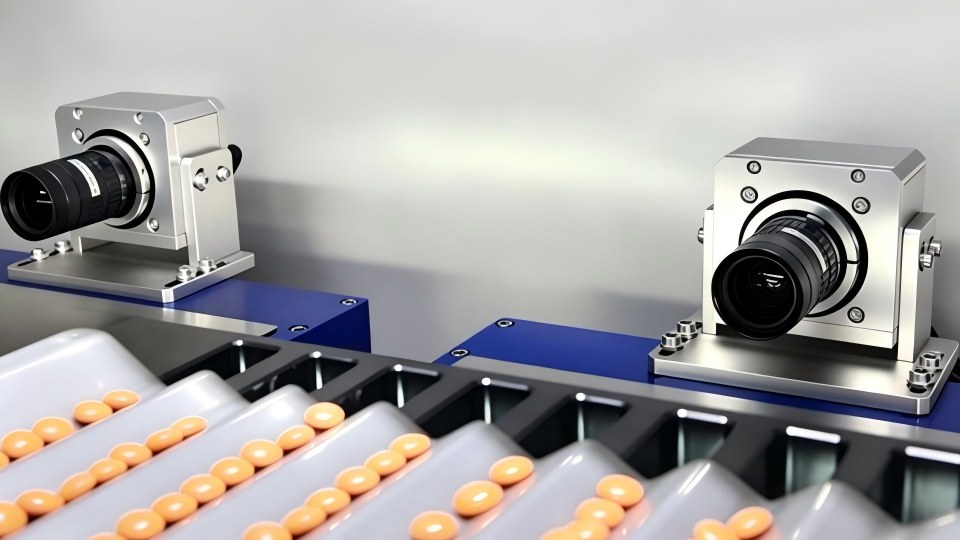
قرص ها و کپسول ها با دوزهای استاندارد در هر واحد ارائه می شوند. یک پرستو دقیقاً میلی گرم مورد نظر را به بدن می رساند, و کنترل این دقت در ساخت آسانتر است. خطوط شمارش خودکار دقیقاً تضمین می کند, بگو, 100 قرص در هر بطری,در حالی که لثه ها می توانند جمع شوند یا بچسبند, تبدیل کردن به یک چالش. (با این حال, شمارنده های صمغی مدرن به دست می آورند >99.9% دقت شمارش پس از تنظیم صحیح)
همانطور که در بالا اشاره شد, ماندگاری بسیار متفاوت است. قرص / کپسول معمولا عمر مفیدی 2 تا 3 سال دارند, اغلب مدت ها پس از تولید منقضی می شود. لثه, با رطوبت و قندشان, اغلب در بهترین شرایط فقط 1 تا 2 سال دوام می آورند. نکات کلیدی:
این بدان معناست که خردهفروشان و مصرفکنندگان باید سهام صمغی را با سرعت بیشتری بچرخانند. برای تولید کنندگان, این امر مستلزم چرخه تولید سریعتر به بازار و بسته بندی قوی است (زیر را ببینید) برای حفظ کیفیت.
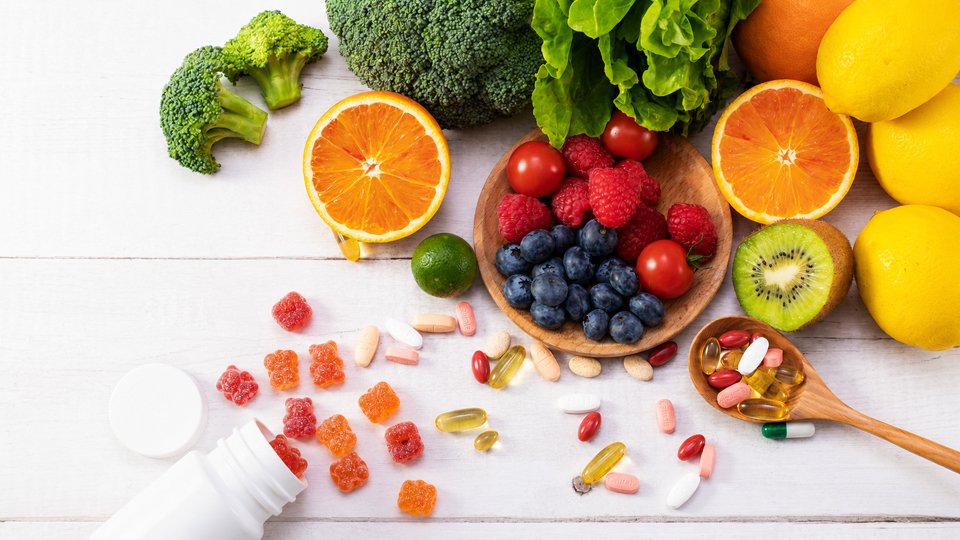
افزایش آدامس ها به دلیل تغییر ترجیحات مصرف کننده است. پدیده ای که به نام "خستگی قرص" مردم را وادار می کند تا فرمت های لذت بخش تری را درخواست کنند. همانطور که گلانبیا اشاره می کند, بسیاری از مصرف کنندگان اکنون قرص ها را غیر الهام بخش می دانند, رانندگی "جدید, فرمت های مکمل لذت بخش که راحتی را تامین می کند, طعم, و شخصی سازی”. روندهای بازار این را نشان می دهد:
به طور خلاصه, تقاضای مصرف کننده برای لذت بخش, مکمل های طعم دار بالاست. بازار مکمل در حال پاسخگویی است: آدامس های مولتی ویتامین به دسته ای چند میلیارد دلاری تبدیل شدند, و گزارش های صنعت پیش بینی رشد بالا را ادامه می دهند (به عنوان مثال. گلانبیا پیشبینی میکند که بازار جهانی مکملهای صمغی تقریباً سه برابر شود 2034). Gummies از طاقچه به جریان اصلی تغییر کرده است, توسط این روند خستگی قرص و جذابیت جمعیتی گسترده تقویت شده است.
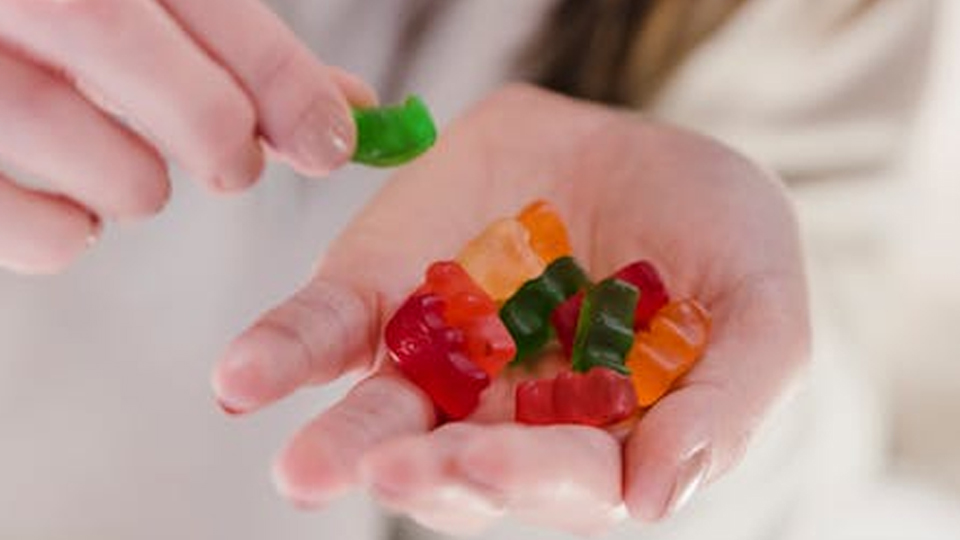
ویتامین های صمغی می توانند موثر باشند اگر به درستی فرموله و مصرف شود, اما محدودیت هایی دارند. ملاحظات کلیدی:
در عمل, ویتامین های صمغی کار می کنند, به ویژه برای پر کردن شکاف های غذایی جزئی. فقط در نظر داشته باشید: آنها ممکن است به طور کامل جایگزین قرص های با قدرت بالاتر نشوند, و آنها باید یک رژیم غذایی متعادل را تکمیل کنند. همیشه آنها را طبق دستور ذخیره کنید (باحال, خشک) و هنگام برنامه ریزی مصرف روزانه خود به محتوای قند توجه کنید.
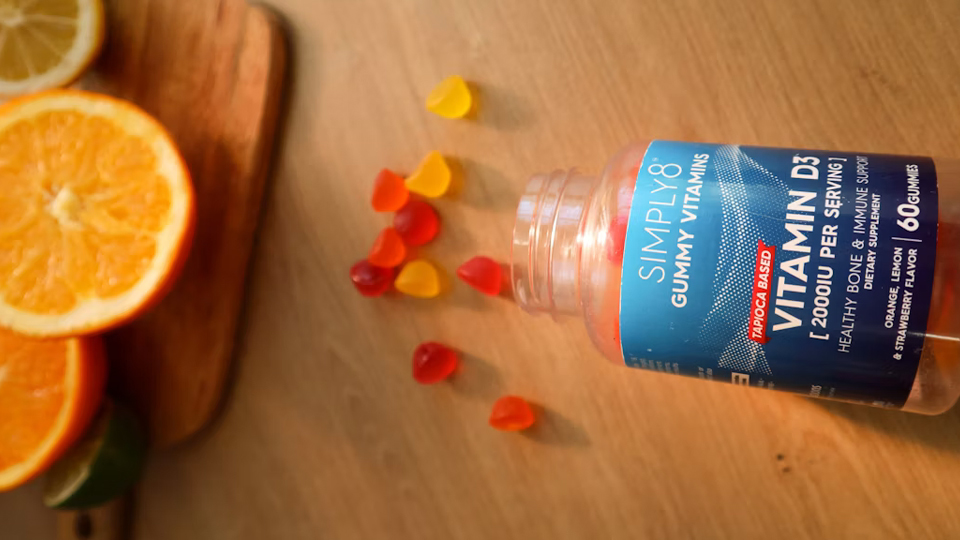
به طور خلاصه, آدامس ها برای کسانی که به یک فرم مکمل خوش طعم نیاز دارند مناسب است. آنها باید زمانی انتخاب شوند که راحتی و انطباق بر نیاز به دوزهای بسیار بالا بیشتر باشد.
از دیدگاه تولید, آدامس ها و قرص ها چالش های مختلفی را ایجاد می کنند:
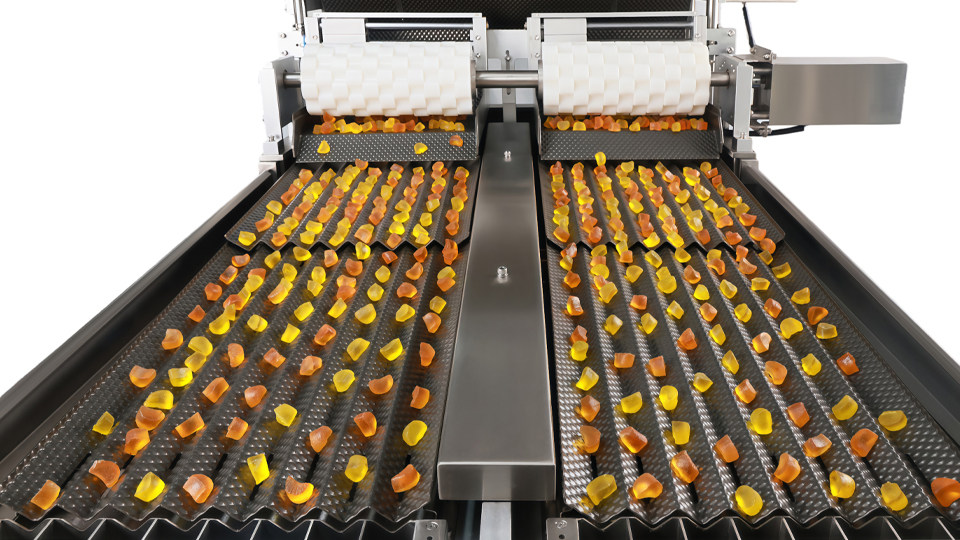
شکل: دستگاه شمارش صمغی قطعات را روی غلتک های ارتعاشی جدا می کند و می شمارد (تصویر: بسته بندی جینلو). ادغام کلید است. یادداشت های اصلی جینلو, شمارنده های آدامسی مدرن هستند "آماده ادغام" - آنها با بطری های بالادست و درپوش های پایین دست متصل می شوند, سیلرهای القایی, و برچسبها. در عمل, یک خط بسته بندی صمغی کاملاً خودکار، بطری ها را از دستگاه به سمت پر کردن حرکت می دهد (شمارش) به دوز (خشک کننده) به دربندی و برچسب زدن بدون دخالت دست. برای قرص, خطوط مشابه وجود دارد: شمارنده تبلت بطری ها را پر می کند, سپس یک درپوش کلاه ها را محکم می کند, سیلرهای فویل ممکن است مهر و موم را اعمال کنند, و برچسب زدن فرآیند را به پایان می رساند.
تجهیزات مربوطه (نمونه های جینلو):
هر قطعه از تجهیزات را می توان برای اطلاعات بیشتر در سایت Jinlu پیوند داد. این ابزارها به تولیدکنندگان کمک میکنند تا تولید هر کدام از قالبها را مقیاسبندی کنند.
هیچ فرمت ویتامین "بهترین" یک اندازه برای همه وجود ندارد. لثه برنده طعم, راحتی و انطباق برای بسیاری از جمعیت شناسی, اما قدرت و پایداری قفسه را عوض کنید. قرص ارائه حداکثر مواد مغذی, ماندگاری بیشتر و دقت دوز, اما می تواند سخت تر و کمتر سرگرم کننده باشد. تولیدکنندگان باید مشتریان هدف خود را در نظر بگیرند: اگر سلیقه و راحتی پادشاه است (به عنوان مثال. برای لثه ها یا ویتامین های کودکان), فرمت صمغی با وجود چالش هایش منطقی است. در صورت نیاز به دوز بالا یا تنظیم دقیق, قرص ها/کپسول ها به عنوان اسب های کار باقی می مانند.
تجهیزات بسته بندی شکاف را پر می کند: شمارش خودکار, خطوط پر کردن و آب بندی تضمین می کند که هر یک از قالب ها می توانند در مقیاس تولید شوند. محدوده جینلو-از شمارنده های صمغی و خطوط بطری به پرس قرص و دستگاه های تاول- نشان می دهد که چگونه کارخانه های مکمل مدرن می توانند با هر یک از بازارها سازگار شوند. با درک مزایا و معایب هر قالب (ویتامین آدامس در مقابل قرص), خریداران صنعت می توانند محصولات و تجهیزات مناسب را برای نیازهای مشتریان خود انتخاب کنند.
صمغ های ویتامینه لزوما بهتر از قرص ها نیستند, اما اغلب گرفتن آنها راحت تر و لذت بخش تر است. آدامسها میتوانند انطباق مکملها را بهبود ببخشند، زیرا احتمال بیشتری وجود دارد که افراد به طور مداوم آنها را مصرف کنند. قرص, از طرف دیگر, معمولاً ثبات مواد مغذی بهتری را ارائه می دهند, ماندگاری بیشتر, و ظرفیت دوز بالاتر.
برخی از ویتامین های صمغی ممکن است سریعتر حل شوند و سریعتر وارد سیستم گوارش شوند, به خصوص برخی مواد مغذی مانند ویتامین D یا B12. با این حال, در اکثر موارد, تفاوت جذب کلی بین آدامس ها و قرص ها زمانی که محصولات به درستی تولید شوند نسبتاً کم است..
ویتامین های صمغی به دلیل طعم بهتر محبوبیت پیدا کرده اند, مصرف راحت تری دارند, و "خستگی قرص" را کاهش دهید. بسیاری از مصرف کنندگان آدامس ها را ترجیح می دهند زیرا بیشتر شبیه یک میان وعده هستند تا مکمل های سنتی. روندهای سلامتی رسانه های اجتماعی و محصولات تغذیه شخصی نیز تقاضای بازار را تسریع کرده است.
بله. ویتامینهای صمغی با کیفیت بالا زمانی میتوانند برای بزرگسالان موثر باشند که حاوی دوز صحیح مواد مغذی باشند و بهدرستی ذخیره شوند.. بسیاری از بزرگسالان مکمل های صمغی را برای راحتی و بهبود قوام روزانه انتخاب می کنند.
بیشتر ویتامین های صمغی حاوی نوعی شیرین کننده هستند, مانند شکر, شربت گلوکز, یا کنسانتره میوه های طبیعی. با این حال, اکنون بسیاری از تولیدکنندگان، ویتامینهای صمغی بدون قند را برای پاسخگویی به تقاضای مصرفکننده سالم و بهداشتی عرضه میکنند.
ویتامین های صمغی ممکن است داشته باشند:
• ماندگاری کوتاه تر
• پایداری مواد مغذی کمتر
• قابلیت فرمولاسیون با دوز بالا محدود
• حساسیت بالاتر به گرما و رطوبت
• شکر یا مواد طعم دهنده اضافی
این عوامل می توانند چالش های اضافی را در فرآیندهای تولید و بسته بندی ایجاد کنند.
قرص های ویتامین اغلب برای:
• مصرف کنندگان مکمل با دوز بالا
• برنامه های تغذیه حرفه ای
• برنامه های کاربردی تغذیه ورزشی
• مصرف کنندگان آگاه به قند
• الزامات ذخیره سازی طولانی مدت
قرص ها و کپسول ها نیز کنترل دوز دقیق تری را برای تولید کنندگان دارو فراهم می کنند.
بله. تولید مکمل صمغی به طور کلی پیچیده تر از تولید قرص سنتی است. لثه ها نیاز به کنترل شدید رطوبت دارند, مدیریت دما, سیستم های سپرده گذاری دقیق, تونل های خنک کننده, و تجهیزات بسته بندی تخصصی برای جلوگیری از چسبندگی یا تغییر شکل.
تجهیزات معمول بسته بندی ویتامین صمغی شامل:
• دستگاه های صمغ شمار
• خطوط پر کردن بطری
• درج کننده های خشک کننده
• ماشین های دربندی
• سیستم های برچسب گذاری
• ماشین آلات آب بندی القایی
بسته بندی مناسب بسیار مهم است زیرا محصولات صمغی به رطوبت و گرما حساس هستند.
لثه ها معمولا به خطوط خاصی نیاز دارند: دستگاه شمارش صمغی (جدا کردن قطعات چسبنده) به دنبال آن درج ماده خشک کن, درپوش و برچسب گذاری. قرص ها می توانند از طریق شمارنده های استاندارد قرص و دستگاه های بسته بندی یا تاول زنی با نیاز کمتر به کنترل رطوبت عبور کنند.. Jinlu خطوط یکپارچه را برای هر دو نوع ارائه می دهد.
مراجع:
1.ویتامین های صمغی کار کنند? مزایا و معایب —— Healthline
2.ویتامین های صمغی به خوبی ویتامین های سنتی کار می کنند? —— کلینیک کلیولند
3.ویتامین های صمغی در مقابل قرص ها. آیا واقعاً مهم است? —— Reddit
4.مکمل های غذایی: ارزش مشکوک, خطرات پنهان —— انتشارات سلامت هاروارد