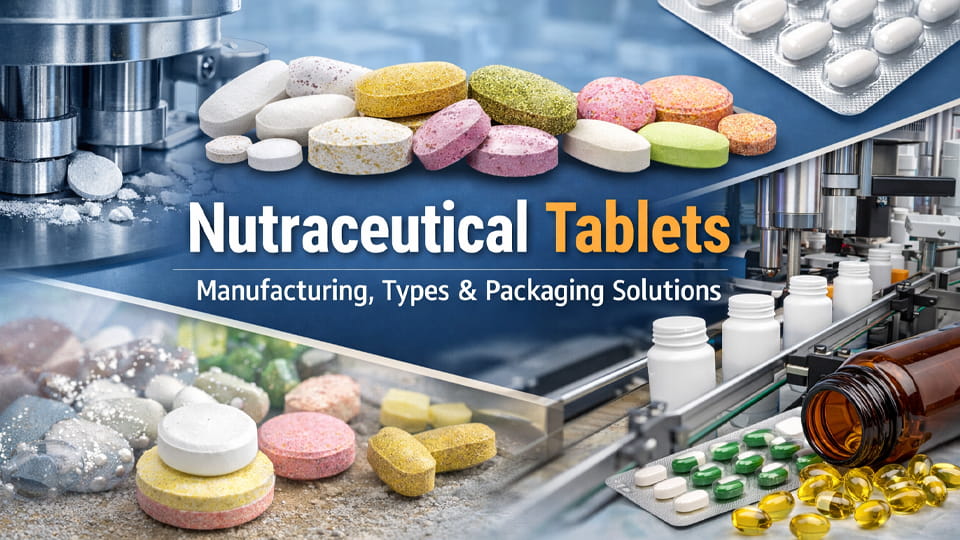

Understanding tablet sizes and shapes is key for any بسته بندی دارویی engineer or procurement specialist. Tablets come in all dimensions – from tiny mini-pills to large oblong caplets – and every design choice affects how patients swallow them and how we package them. در این راهنما, we’ll cover standard tablet dimensions, common shapes (گرد, بیضی شکل, مستطیل, و غیره), and the main packaging options (blister packs vs. بطری ها). We’ll keep things simple and practical, drawing on industry sources, so you can make informed decisions for your packaging line.

Pharmaceutical tablets vary widely in size – typically from about 1 mm up to 22 mm in their largest dimension. Standard tablets for adults are usually greater than 5 mm in diameter. Many manufacturers follow a “tablet size chart” with codes T0–T11 to label these dimensions. به عنوان مثال, T0 tablets are very small and round (≈6.35×6.35 mm), while T4 tablets can be large and oblong (≈26.1×9.9 mm). (See table below for typical chart sizes.)
| Chart Code | Tablet Dimensions (L×W, میلی متر) | Common Shape |
|---|---|---|
| T0 | 6.35 × 6.35 | گرد (tiny) |
| T3 | 12.7 × 6.60 | Oval (medium) |
| T4 | 26.1 × 9.91 | Oblong (بزرگ) |
| T9 | 12.95 × 7.37 | Oval (medium) |
جدول: Example tablet size chart (code vs. ابعاد).
Smaller tablets tend to be easier for patients to swallow. در واقع, در مورد 16 million Americans (and many more worldwide) have dysphagia (trouble swallowing), so mini-tablets or ≤3 mm pills are often used to aid these patients. For convenience, tablets are often categorized: مینی تبلت ها (≤3 mm), قرص های استاندارد (around 5–8 mm), and large tablets (>8–10 mm). Clinical studies confirm that increasing tablet size is linked to swallowing difficulties: patients report that large pills tend to get stuck, whereas tablets around 8 mm or smaller slip down more easily. به طور خلاصه, smaller and rounded tablets generally improve patient compliance, so manufacturers aim to keep pills as compact as possible without sacrificing dose.

Tablets aren’t just round! They come in many shapes and profiles, designed for function or branding. The simplest is a flat or convex round tablet (like most aspirin). Many pills are oval or oblong (capsule-shaped) to make them longer but narrower, which patients often find easier to swallow. There are also diamond, kidney, or novelty shapes – sometimes even pills molded as stars, animals, or fruits for branding or pediatric medications.

شکل: Round tablets are one of many common pill shapes. Shapes vary from simple round or oval to more complex designs.
Many manufacturers even add score lines (breakmarks) on tablets so they can be split into smaller doses. Scored tablets let patients adjust dosage or make swallowing easier by taking half the pill. در واقع, scoring is often done to match reference drugs or improve dosing flexibility. به طور خلاصه, the design of a tablet – its shape, اندازه, and score lines – is a deliberate choice balancing manufacturing, patient use, and brand identity. Unique shapes can enhance brand recognition and patient experience, but they also require more attention during production and packaging.
The shape and size of a tablet have a big impact on how easily a patient can take it. Studies show flat, wide pills with sharp edges are hardest to swallow, while rounded or curved tablets slide down more smoothly. به عنوان مثال, oval pills generally have faster esophageal transit than plain round ones. To improve compliance, drug designers consider patient factors (سن, توانایی بلع, و غیره) so that tablets are as small and ergonomic as possible. Difficulty swallowing often causes patients to skip doses. By using smaller tablets or adding an appropriate score line, manufacturers help ensure patients stick to their medication schedule.
Tablet variations aren’t random – they address specific needs:
البته, non-standard shapes have trade-offs. As one packaging expert notes, intricate shapes can complicate packaging: fancy tablets are more likely to jam or break during feeding and blister forming. That means packaging lines might need specialized feeders or adjustments for unusual pills.
Once tablets are made, we must package them safely for distribution. The main primary pharmaceutical packaging for tablets is either blister packs or bottles, each with its pros and cons.
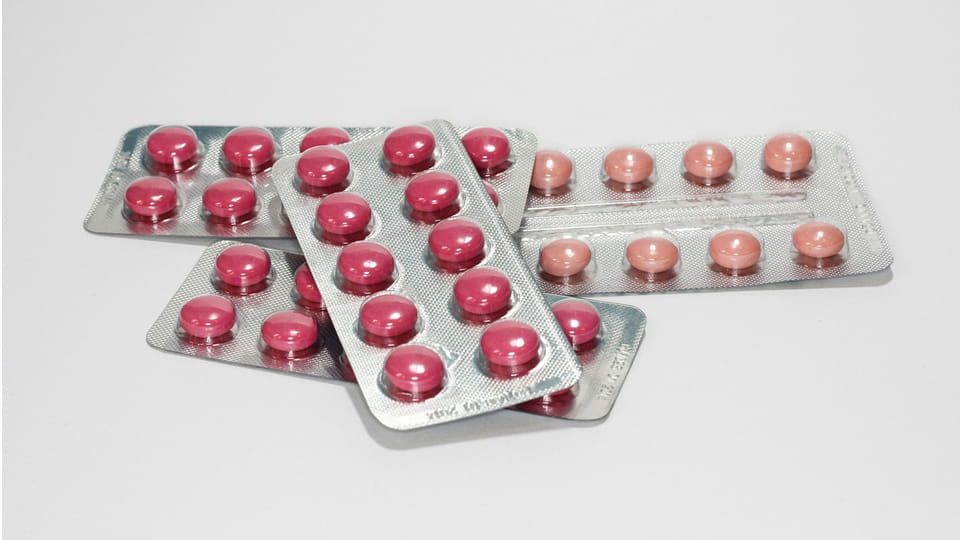
شکل: Tablets sealed in a blister pack. Blister packaging holds each pill in a plastic/foil cavity, protecting it from moisture and contamination.
Key Packaging Factors: When choosing bottle vs. تاول, در نظر گرفتن:
Blister packaging is usually done on specialized machines. Automatic blister machines heat or mold plastic webs into cavities, drop one tablet per cavity, and seal them with foil or plastic film. These machines reduce labor and material waste, مخصوصا برای تولید در حجم بالا. Semi-automatic blister equipment exists for pilot runs or clinical trial batches. All blister equipment must handle timing precisely and often includes tooling changeovers for different blister shapes. Most packaging lines also include کارتن سازها to put blister packs into labeled boxes.

Bottling lines use a different set of machinery: unscramblers, فیدرها, counters, and cappers. A typical tablet bottling machine works as follows:
[jl_youtube src=”https://www.youtube.com/embed/zRe4BB8i9n0″]
Modern bottling lines can run at high speed with custom slat feeders for each product to ensure accuracy. Sophisticated sensors and software on these machines make counting ultra-precise – one missed pill can halt a run to prevent miscounts.
Besides bottles and blisters, tablets may also be packaged in بسته های نواری (continuous aluminum or plastic films, also called “push-through” packs) for bulk or sample use. Strips are like an unperforated blister pack: tablets are sandwiched between two layers of foil or plastic, which are heat-sealed and cut into strips. This method is common in some markets or for hospital packs.
On the secondary packaging side (outside boxes and labels), all primary tablet packages (bottles or blisters) are usually placed into printed cartons or shrink-wrap bundles for distribution. Cartons provide extra protection and space for branding and information. Shrink wraps can secure multiple items together and offer tamper evidence.
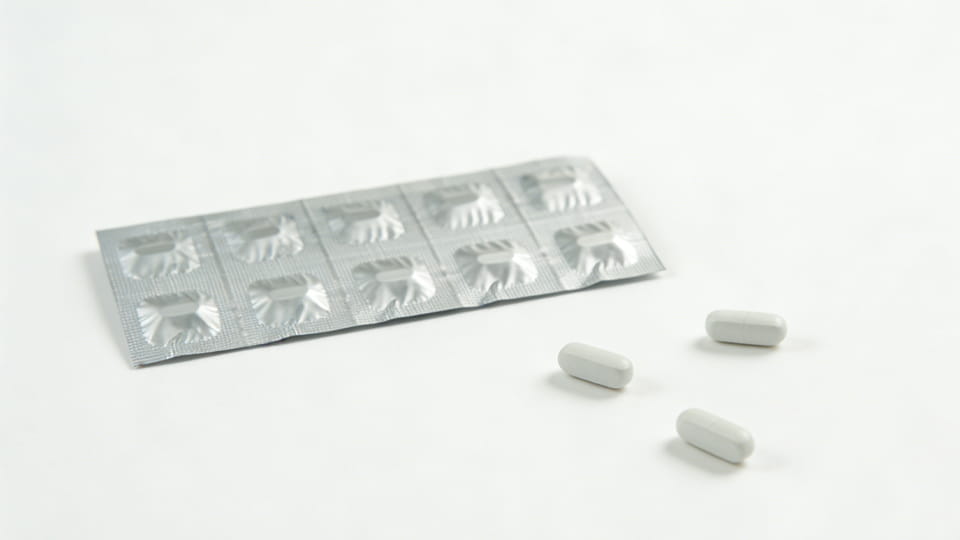
Regardless of package type, all tablet packaging must meet regulatory standards. به عنوان مثال, the FDA recommends that tablet dimensions shouldn’t exceed 22 میلی متر (largest dimension). Packaging materials must be food/drug-grade and often child-resistant by law. Quality machines also incorporate serialization and leak testing. Good packaging keeps tablets potent (blocking moisture and oxygen) و امن (no contamination).
Choosing the right packaging also involves thinking about tablet properties: extremely hard or brittle tablets might need softer conveyance (به عنوان مثال. cushioned feeders) to avoid chipping. Some manufacturers add coatings (film-coating machines) to improve hardness and stability. در تمام موارد, the goal is to maintain each tablet’s integrity from the press to the patient.
Tablet sizes, شکل, and packaging are not random decisions—they are carefully engineered elements that directly impact product performance, انطباق بیمار, و راندمان تولید. From tablet sizes ranging between 1 mm and 22 mm to widely used shapes like round, بیضی شکل, and oblong, every detail plays a role in how a drug is produced, packaged, and ultimately used by the patient . کوچکتر, well-designed tablets improve swallowability, while optimized shapes can enhance both usability and packaging line stability.
On the packaging side, the choice between blister packaging for tablets and bottle systems depends on factors like product sensitivity, dosage control, and distribution format. Blister packs offer superior protection and unit-dose precision, while bottles provide efficiency for high-volume production . در همان زمان, tablet design itself—such as hardness, شکل, and dimensions—must align with packaging equipment capabilities to ensure smooth operation and minimize defects.
برای تولید کنندگان دارو, procurement engineers, and packaging line designers, the key takeaway is simple: طراحی تبلت and packaging strategy must be considered together, not separately. Aligning these two aspects early in development reduces operational risks, improves product quality, and enhances patient experience.
If you’re evaluating your current tablet packaging process or planning a new pharma packaging line for tablets, now is the right time to optimize. Whether you’re dealing with complex tablet shapes, high-speed production requirements, or sensitive formulations, choosing the right packaging solution can make a measurable difference.
Looking to upgrade or customize your tablet packaging line?
Reach out today to explore efficient, scalable solutions tailored to your specific tablet sizes, شکل, and production goals. A well-designed packaging system is not just an investment in machinery—it’s an investment in product quality, رعایت, and long-term operational success.
Standard tablet sizes typically range from about 1 MM به 22 mm in diameter or length, depending on the dosage and formulation. Most commonly used oral tablets fall between 5 mm and 10 میلی متر, which balances dosage capacity and patient swallowability.
بله, manufacturers often use a tablet size chart (such as T0–T11 classifications) to standardize dimensions. These charts define length, عرض, and thickness to ensure consistency in production, ابزار سازی, and packaging processes.
The most common tablet shapes include:
• Round tablets
• Oval tablets
• Oblong (capsule-shaped) قرص ها
Each shape is selected based on pharmaceutical tablet design, قابلیت استفاده بیمار, و راندمان تولید.
Tablets are designed in different shapes to improve:
• Swallowability
• Brand recognition
• Manufacturing performance
• Packaging compatibility
Shape variation is a key part of patient-centric drug design and product differentiation.
به طور کلی, oval or oblong tablets are easier to swallow than round tablets because they have a smaller cross-sectional area. Studies show that both tablet size and shape significantly affect swallowing difficulty .
Research suggests that tablets around 7–8 mm or smaller are easier for most patients to swallow. Larger tablets (above ~10–14 mm) are more likely to cause discomfort or swallowing issues.
Tablet size and shape directly impact patient compliance. Around 26% of patients report difficulty swallowing tablets, often due to size and form . Poor swallowability can lead to missed doses or treatment discontinuation.
The main pharmaceutical tablet packaging types include:
• Blister packaging
• Bottle packaging
• Strip packaging
These fall under primary pharmaceutical packaging, designed to protect tablets from moisture, اکسیژن, و آلودگی.
• Blister packaging for tablets provides individual protection and better moisture resistance.
• Bottle packaging is more cost-effective for bulk storage and high-volume production.
The choice depends on product sensitivity, dosage control, and distribution needs.
Tablet shape directly impacts packaging efficiency. Irregular or complex shapes may:
• Cause feeding issues in packaging lines
• Increase breakage risk
• Require customized tooling
This is why tablet design and packaging equipment must be aligned early in development.
مراجع:
1.مواد بسته بندی دارویی و ایمنی دارو: یک بررسی کوتاه – MDPI
2.بهینه سازی طراحی بسته بندی تاول برای مواد دارویی به شکل جامد – ScienceDirect
3.Threshold Size of Medical Tablets and Capsules: Based on Information Collected by Japanese Medical Wholesaler - کتابخانه ملی پزشکی
4.اندازه, شکل, و سایر ویژگی های فیزیکی قرص ها و کپسول های عمومی – U.S. سازمان غذا و داروی