
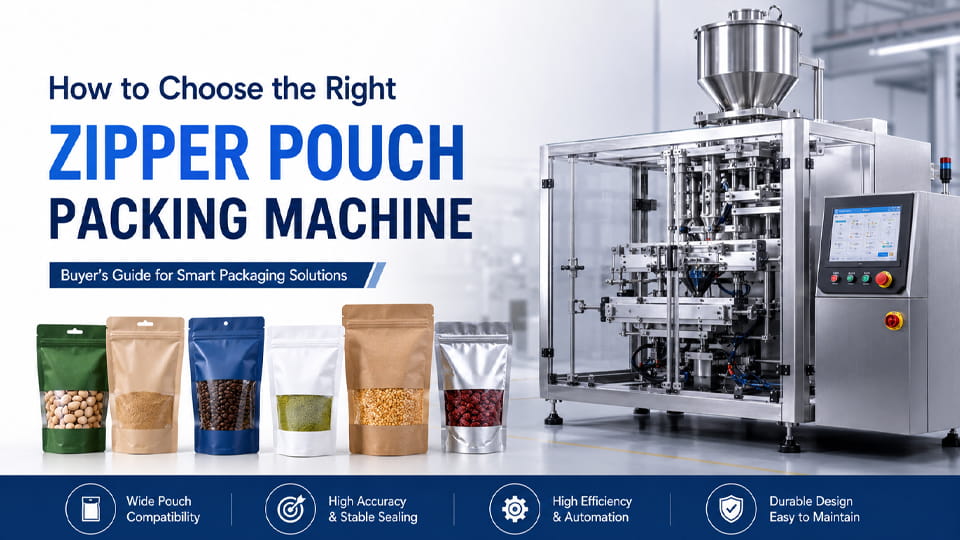
Elegir el derecho empaquetadora de bolsas con cremallera es una decisión crítica para cualquier fabricante de snacks, polvos, líquidos o productos farmacéuticos. La elección incorrecta puede provocar tiempo de inactividad, pesos de relleno inconsistentes, Sellos deficientes y desperdicio de producto.. En contraste, la máquina adecuada mejora la eficiencia, calidad y rentabilidad del producto. Esta guía explica qué bolsa con cremallera (bolsa resellable) las máquinas son, compara bolsa prefabricada VS Vffs sistemas, y camina por el 7 factores clave que debes considerar (tipo de producto, estilo bolsa, velocidad, calidad de sellado, materiales, limpieza y soporte). También destacaremos recomendaciones específicas de la industria y errores comunes que se deben evitar., concluyendo con consejos prácticos y un contacto con el proveedor. (Embalaje de Jinlu) para una solución personalizada.
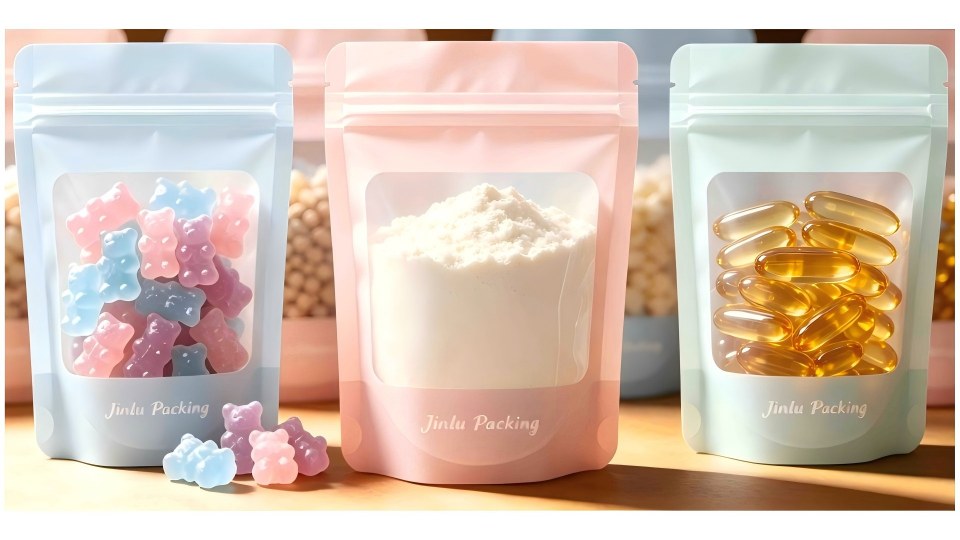
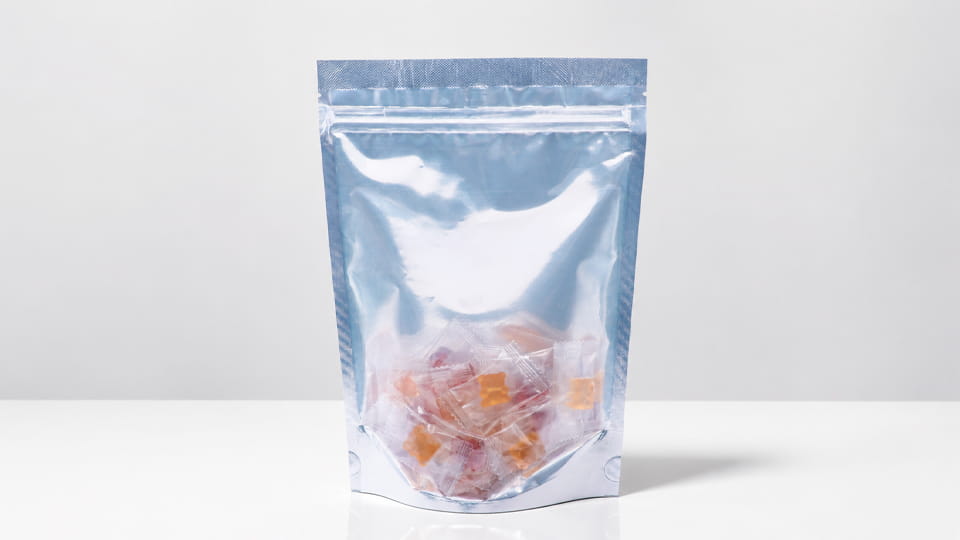
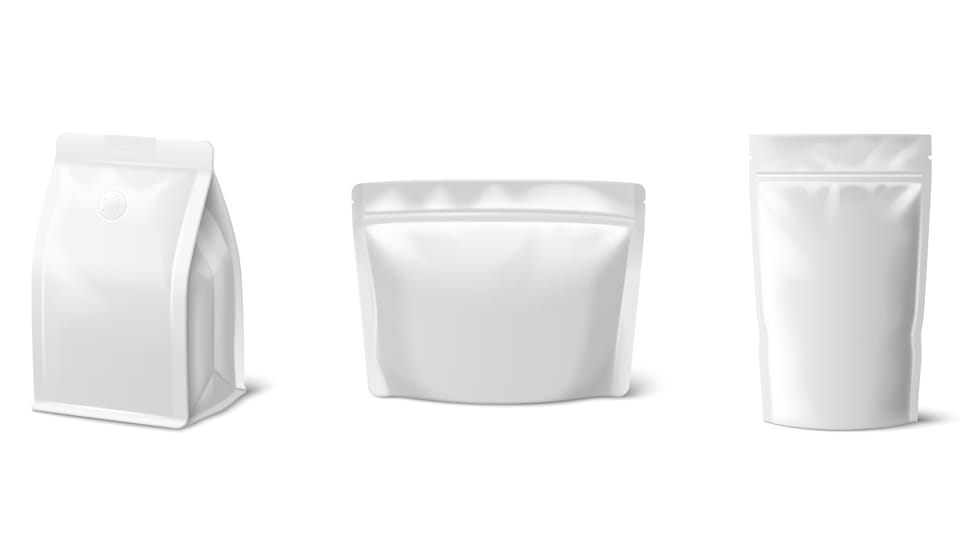
Incrustar imágenes puede ayudar a ilustrar estos puntos.. Por ejemplo, Considere la imagen a continuación de una bolsa resellable lista para llenar. Las máquinas de bolsas con cremallera manejan productos como este (café, gránulos, bocadillos) con precisión y velocidad.
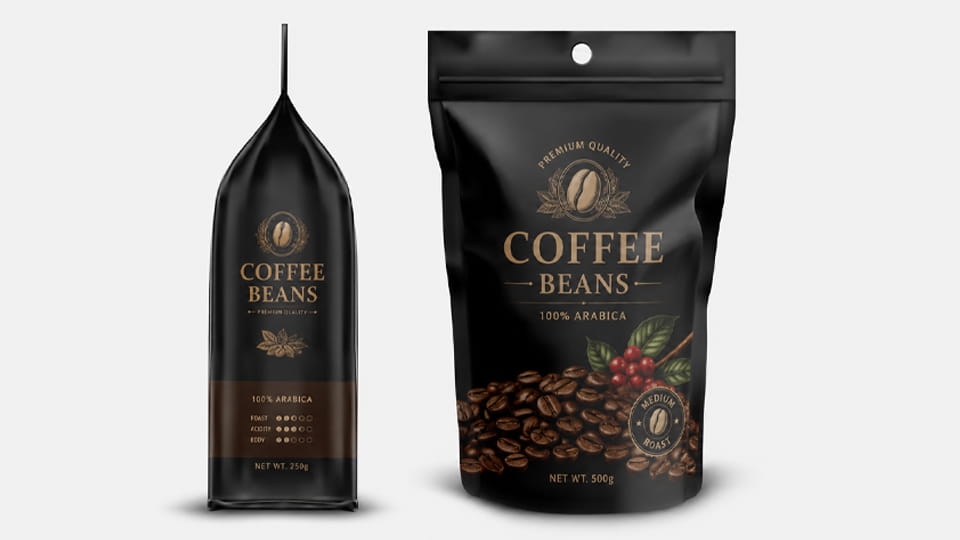
Cifra: Ejemplo de una bolsa resellable de pie (granos de cafe). Las máquinas empacadoras de bolsas con cremallera recogen automáticamente, Llena y sella estas bolsas prefabricadas para comida., industria farmacéutica y otras industrias.
A empaquetadora de bolsas con cremallera (También llamada máquina de bolsas con cremallera o bolsa con cierre hermético.) maneja automáticamente preformado bolsas que tienen un cierre de cremallera integrado. En lugar de formar bolsas con película (como en VFFS), Estas máquinas recogen bolsas prefabricadas de un cargador., abrirlos (a menudo con ventosas o pinzas mecánicas), llenarlos, alinear/cerrar la cremallera, termosellado por encima y por debajo de la cremallera, y luego descargue el paquete terminado. En breve, "escoge, abre, llena, Sella y entrega” bolsas listas para vender..
Este enfoque elimina la necesidad de formar bolsas sobre la marcha., dando un control más estricto sobre el llenado y sellado. Es especialmente útil para pegajosos., productos delicados o sensibles a la humedad (como geles, polvos ricos en grasas o ingredientes higroscópicos) donde la estabilidad de la bolsa y el sellado limpio son críticos. Porque la bolsa ya está fabricada., obtienes una prima, Aspecto listo para el almacenamiento con dimensiones precisas de la bolsa y manejo estable..
Los flujos de trabajo típicos de las máquinas de bolsas con cremallera siguen estos pasos:
Revista de bolsa –> Recogida de bolsas –> Apertura de la bolsa (aire o pinza) –> Llenado de producto (peso, bomba, etc.) –> Cierre de cremallera & Sellado térmico –> Descarga de bolsa terminada
Cada paso está automatizado para mayor velocidad y coherencia.. Por ejemplo, Las máquinas de Jinlu pueden procesar entre 50 y 60 bolsas por minuto (con alta precisión de dosificación ±0,5%), gracias a pesadoras multicabezales y sistemas de dosificación de precisión. También suelen incluir funciones como extracción de polvo o lavado con nitrógeno para polvos sensibles al oxígeno..
[jl_youtube src=»https://www.youtube.com/embed/w6SY05JS7S4″]
Aplicaciones comunes para máquinas de bolsas con cremallera incluyen:
Como señala Jinlupacking, Estas máquinas llenan todo, desde especias y proteínas en polvo hasta salsas y alimentos para mascotas, en cremallera prefabricada o bolsas de pie.
Hay dos arquitecturas principales para las máquinas empacadoras de bolsas.: Máquinas de bolsas prefabricadas (rotativo o lineal) y Formulario-Relleno-Sello (FFS) maquinas que pueda manejar formatos de bolsas con cremallera (generalmente unidades verticales de formado, llenado y sellado). En la práctica, Las verdaderas “máquinas de bolsas con cremallera” casi siempre se refieren a sistemas de bolsas prefabricadas., ya que aplicar una cremallera para enrollar la película en línea es complejo. Así es como se comparan los dos:
También llamados empacadores de bolsas preformadas., Estas máquinas utilizan bolsas prefabricadas con cremalleras ya colocadas.. Normalmente entran:
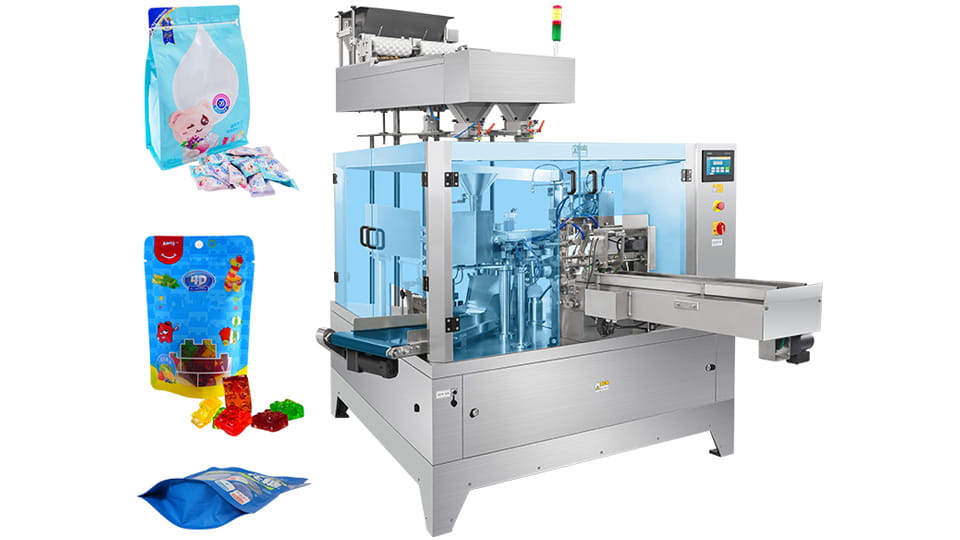
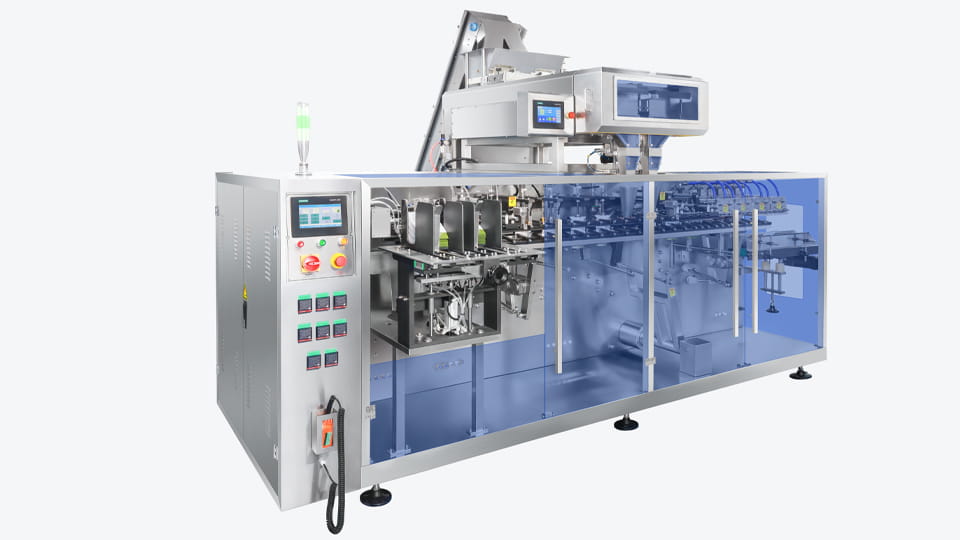
Ventajas de las máquinas prefabricadas: Rendimiento rápido, apariencia del paquete premium, estable & sellado consistente. Manejan fácilmente estilos de bolsas complicados: bolsas verticales, doypacks, bolsas con cremallera, bolsas con pico, etc.. – a menudo con accesorios como aplicadores de pico o lavadores de gas. Porque la bolsa está preformada, Se eliminan problemas como la tensión de la película o la mala formación., minimizando los errores de sellado. Máquinas rotativas, En particular, Puede integrar sistemas como 8 a 14 estaciones de pesaje al vacío para un llenado muy preciso..
Contras: Mayor costo de material (bolsas prefabricadas vs film), mayor espacio de piso, y maquinaria compleja (lo que puede significar un mayor costo de compra). La máquina debe tener el tamaño adecuado para determinadas dimensiones de bolsa y es posible que sea necesario cambiarla para tamaños de bolsa muy diferentes.. El almacenamiento de bolsas prefabricadas y la gestión de inventario son consideraciones adicionales. Generalmente es mejor para tiradas de volumen medio a alto donde la calidad y la velocidad justifican los costos..
Tradicional máquinas VFFS empezar con un rollo de película, formar una bolsa, llenarlo, y luego sellarlo. Algunos sistemas VFFS avanzados están diseñados para manejar cierres de cremallera incorporando una estación aplicadora de cremallera., pero estos son más especializados. El punto clave es que VFFS forma la bolsa sobre la marcha, dando flexibilidad en el tamaño de la bolsa y menor desperdicio de película.
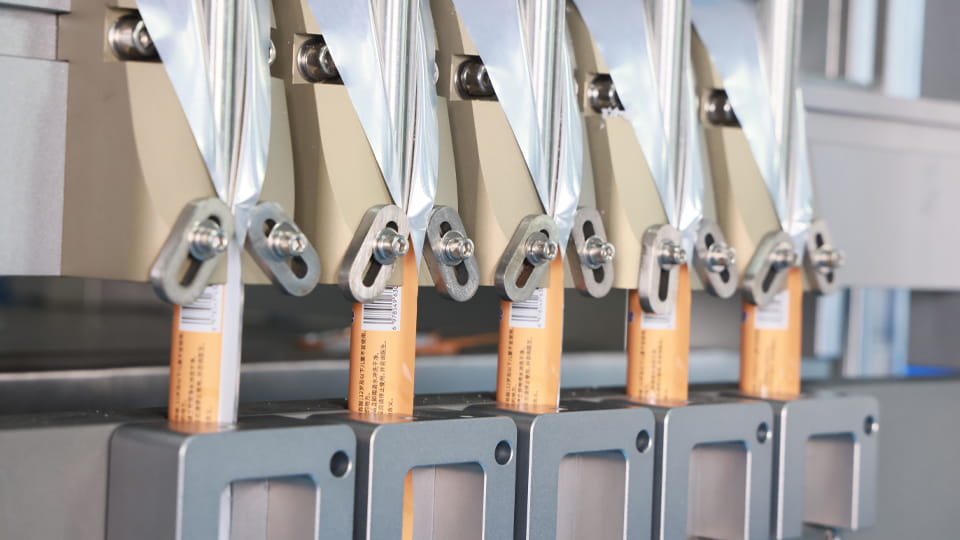
Ventajas de FFS: Muy alta eficiencia de materiales (chatarra mínima), menor coste del material de la bolsa, y gran flexibilidad (ajustes rápidos para el tamaño). Estas máquinas ocupan menos espacio y pueden funcionar 24/7 rentable.
Contras: Más complejo de ajustar (tensión de la película, mordazas de sellado, etc.), y el sellado puede ser menos confiable en productos pegajosos o higroscópicos ya que la película se mueve. La aplicación de cremallera puede complicar la mecánica.. La apariencia del paquete puede ser más sencilla. FFS se adapta a tiradas largas o diseños de bolsas más simples; Los sistemas prefabricados apuntan a una calidad y velocidad superiores..
A continuación se muestra un tabla comparativa resumiendo las principales compensaciones:
| Característica | Prefabricado (Bolso con cremallera) Máquina | Vffs (Formulario-Relleno-Sello) Máquina |
| Suministro de bolsas | Utiliza bolsas prefabricadas con cremallera/de pie | Forma bolsas sobre la marcha a partir de rollos de película. |
| Velocidad | Alto (p.ej. 30–60+ bolsas/min) por carril | Alto (variable, a menudo 30-100/min dependiendo de los carriles y el tamaño) |
| Uso de materiales | Más material (prefabricado, películas laminadas) | Muy eficiente en cuanto a materiales (material en rollo, menos chatarra) |
| Estilos de bolsa | Amplia gama: doypack, ponerse de pie, cremallera, canalón | Limitado a almohadas o formas básicas.; Se necesita complemento de cremallera |
| Apariencia | Aspecto premium, forma y gráficos consistentes | Bien, pero bolsas más simples (pliegues/sellos de pellizco) |
| Cambio | Cambio rápido para formato de bolsa., pero necesito bolsas diferentes | Cambios rápidos de tamaño en el software., película en mano |
| Espacio | Más grande (incluye cargador de bolsa, enjuagar, balanza) | Huella más pequeña para operaciones de ensacado |
| Costo (gasto de capital) | Más alto (equipo especializado + inventario de bolsa) | Menor costo de la máquina pero mayor uso de película |
| Mejor para | Productos pegajosos/delicados, marcas premium, múltiples formatos de bolsa | Tiradas de gran volumen, cambios de tamaño frecuentes, sensible a los costos |
| Accesorios | Puede incluir pesadoras multicabezales., rellenos de pico, sistemas de gas/vacío | Normalmente rellenos (pesadora o bombas) y formadores; accesorio de cremallera opcional |
| Ejemplos | Vitaminas en polvo en bolsas con cierre hermético., bocadillos proteicos, salsas en bolsas con pico | paquetes de palos, paquetes de azucar, snacks a granel en bolsas tipo almohada |
En la práctica, Los fabricantes suelen utilizar máquinas de cremallera prefabricadas para suplementos en polvo., snacks y salsas donde la presentación y la integridad del sello son cruciales, y reserve VFFS para formulaciones más simples o paquetes individuales más pequeños donde el costo es la principal preocupación.
Al seleccionar una máquina empacadora de bolsas con cremallera, céntrese en sus necesidades de producción. Aquí están los siete factores más importantes.:
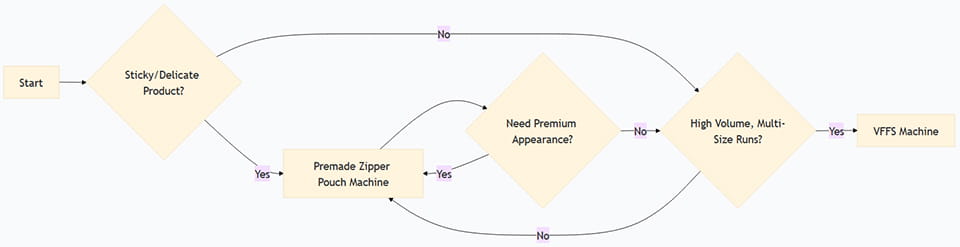
A continuación se muestra un flujo de decisiones ejemplo para resumir la lógica de selección:
Diferentes industrias tienen distintos requisitos y regulaciones.. Así es como las máquinas de bolsas con cremallera suelen alinearse por sector:
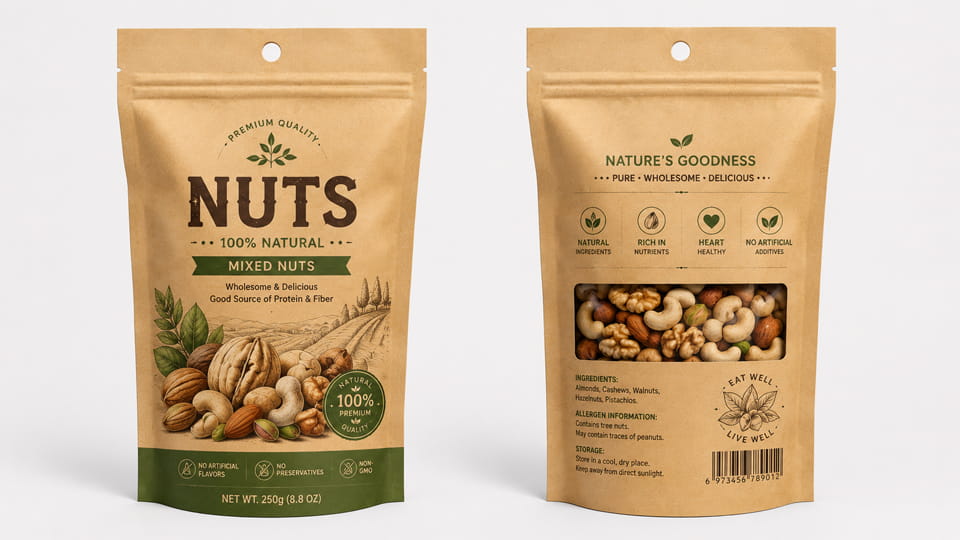
Ejemplo: Un fabricante de nueces opera una línea de bolsas con cremallera giratoria de 5 carriles con un rendimiento total de 250 bpm, usando alineación de cremallera guiada por visión y un imán incorporado para detección de metales.
Ejemplo: Un productor de nutracéuticos utiliza una máquina de bolsas prefabricadas con estaciones CIP integradas y descarga de N2 para envasar finos polvos de hierbas en bolsas con cremallera a prueba de niños..
en cada caso, discutir su producto con el proveedor. Como señala Jinlu Packing, Las soluciones de bolsas prefabricadas suelen ser elegidas por empresas alimentarias y farmacéuticas que necesitan un "sellado limpio"., presentación estable, y la flexibilidad para manejar diferentes estilos de bolsas”..
Evaluando cuidadosamente cada factor y evitando estos errores, asegurarás una compra sin problemas. Un último paso útil: redactar una lista de verificación (especificaciones del producto, capacidad, materiales, presupuestos) y usarlo para comparar cotizaciones. También, Solicite pruebas in situ o demostraciones en vídeo con su producto real antes de finalizarlo..
La comodidad resellable está en auge. A los consumidores les encantan las bolsas con cremallera para snacks, café, comida para bebe, golosinas para mascotas y más. Las tendencias del mercado muestran un cambio constante de productos de un solo uso a bolsas verticales resellables. Este crecimiento está impulsado por la sostenibilidad. (menos desperdicio que los cartones), materiales mejorados (películas de barrera que extienden la vida útil), y marca premium (impresión vibrante en bolsas).
Los análisis de la industria señalan que las máquinas de bolsas prefabricadas son cada vez más populares porque ofrecen flexibilidad. (“multiplicidad de tamaños y estilos de bolsos”) y facilidad de uso. En particular, La apariencia y el sellado de calidad hacen que las máquinas prefabricadas sean ideales para productos de alta gama.. Por ejemplo, Las marcas de gomitas de vitaminas o batidos de proteínas a menudo eligen bolsas con cremallera en lugar de paquetes de palos para señalar la calidad.
En líneas de envasado, prefabricado vs FFS es un debate en curso. El consenso: Utilice máquinas de bolsas con cremallera prefabricadas al presentar el producto., el manejo suave o los cambios rápidos son prioridades; Utilice FFS para obtener el máximo rendimiento y eficiencia en productos uniformes.. Los fabricantes pueden incluso utilizar líneas híbridas (prefabricado para SKU regulares, FFS para tiradas promocionales o pequeñas) para obtener lo mejor de ambos mundos.
En general, Espere ver más automatización y opciones de alta velocidad para las máquinas de bolsas con cremallera.. Innovaciones como la carga de bolsas totalmente robótica, codificación/impresión integrada, y saneamiento mejorado (especialmente post-Covid) se están volviendo estándar. Si planeas una nueva línea o una actualización, considere máquinas con características preparadas para el futuro (Conectividad IoT, actualizaciones de software, capacidad de varios carriles).
Seleccionar una máquina empacadora de bolsas con cremallera es un gran paso que afecta la calidad del producto y la eficiencia de la producción.. En resumen:
Si está listo para finalizar una elección o simplemente desea una opinión profesional, póngase en contacto con embalaje Jinlu. Jinlu es un proveedor confiable con sede en China de máquinas de envasado de alimentos y productos farmacéuticos. (con CE, certificaciones cGMP). Podemos recomendar una solución personalizada según su tipo de bolsa., producto y capacidad. Solicite una cotización o consulta técnica para asegurarse de obtener el sistema de embalaje de bolsas con cremallera adecuado para su línea.
Una amplia gama. Los ejemplos comunes incluyen alimentos secos. (bocadillos, nueces, café, especias), polvos (proteína en polvo, gránulos farmacéuticos), liquidos y semiliquidos (salsas en bolsas con pico), alimentos para mascotas, detergentes, y más. Básicamente, cualquier producto sólido o en polvo que se beneficie de una bolsa resellable puede manipularse con una máquina de bolsas con cremallera..
Una máquina de bolsas prefabricadas utiliza bolsas con cremallera preformadas, por lo que omite el paso de formación de película.. Esto produce una mejor estabilidad del sello y apariencia del paquete.. Una máquina VFFS forma cada bolsa a partir de rollos de película antes del llenado, lo cual es excelente para minimizar el desperdicio y durar mucho tiempo., producciones uniformes. En breve, Las máquinas prefabricadas destacan por su flexibilidad y embalaje premium, mientras que VFFS destaca por su rentabilidad para tiradas grandes.
Sí. La mayoría de las máquinas de bolsas con cremallera se pueden configurar con diferentes módulos de llenado.. Los polvos utilizan rellenos de barrena o pesadoras.; los gránulos/aperitivos utilizan pesadoras de cabezales múltiples; líquidos o productos viscosos utilice bombas de pistón o boquillas pulverizadoras. Algunas líneas admiten el llenado mixto en una sola máquina agregando una segunda llenadora. Asegúrese de que la máquina que elija tenga los rellenos adecuados para sus tipos de productos.
Las velocidades típicas están en el rango de 30 a 70 bolsas por minuto (por carril de máquinas). Los sistemas rotativos de alta gama pueden alcanzar hasta aproximadamente 60 bolsas/min., y las configuraciones de varios carriles multiplican ese rendimiento. La velocidad exacta depende del tamaño de la bolsa., sistema de llenado, y complejidad de la bolsa. al citar, Los proveedores suelen especificar un rango; Siempre aclare si la velocidad indicada es teórica o está probada con su producto..
Los costos varían ampliamente según el nivel de automatización., velocidad, y opciones. Las pequeñas bolsas semiautomáticas cuestan desde unos pocos miles de dólares, mientras que los grandes sistemas rotativos con básculas, codificadores, y el flujo de gas puede ser decenas o incluso cientos de miles. En lugar de solo el precio, considere el retorno de la inversión: Las máquinas suelen amortizarse en 6 a 18 meses gracias al ahorro de mano de obra y un mayor rendimiento.. Solicite cotizaciones completas, incluido el envío., instalación, Capacitación y apoyo para una comparación de manzanas con manzanas..
Depende del volumen de producción y del coste laboral., pero muchas empresas recuperan la inversión en un plazo de 6 a 18 meses. Los ahorros clave provienen de velocidades de embalaje más rápidas, pesos de relleno consistentes, desperdicio reducido, y reducción de mano de obra. Asegúrese de calcular los ahorros de los obsequios reducidos (mejor precisión de llenado) y calidad mejorada (menos rechazos).
Las bolsas y la preparación adecuadas. Proporcione bolsas con cremallera prefabricadas de alta calidad a partir de un convertidor confiable (Garantizar la integridad de la cremallera y la resistencia de la película.). Mantenga un inventario de bolsas del tamaño adecuado para la máquina.. También prepare aire comprimido. (≥0,6MPa) para piezas neumáticas, y una fuente de alimentación estable. Algunas líneas también necesitan una bomba de vacío o una fuente de nitrógeno si se utiliza transferencia de fluido o lavado.. De lo contrario, La configuración es similar a la de cualquier máquina envasadora. (arrasamiento, alineación del marco, controles de seguridad).
Referencias:
1.Embalaje & Sustancias en contacto con alimentos (FCS) -- A NOSOTROS. Administración de Alimentos y Medicamentos
2.2025 Tendencias mundiales de embalaje —— PMMI
3.Método de prueba estándar para determinar la integridad de los sellos para envases flexibles mediante inspección visual ——CienciaDirecta
4.Los proveedores de envases y los CPG utilizan cada vez más los envases flexibles —— Buceo de embalaje
5.El futuro del embalaje flexible: Tendencias, Beneficios & Innovaciones ——Resumen de envases