comprando un Máquina de llenado de cápsulas no es sólo una decisión de velocidad y precio. Se puede diseñar una máquina para llenar polvo, pero su formulación real aún puede formar un puente en la tolva, Quédate con las piezas dosificadoras., producir peso de llenado de cápsula inestable, generar demasiado polvo, o comportarse de manera diferente cuando la línea pasa de la velocidad de prueba a la producción total. El comportamiento del polvo farmacéutico es multidimensional, y la USP advierte específicamente que ninguna prueba de flujo simple puede caracterizarlo completamente..
La mejor pregunta es:
¿Puede esta máquina llenar repetidamente mi formulación con el tamaño de cápsula requerido?, peso de relleno, precisión y velocidad de producción?
respuesta rapida: Muchas formulaciones en polvo se pueden encapsular., pero la compatibilidad depende de la interacción entre fluidez del polvo, densidad aparente, densidad aprovechada, distribución del tamaño de partículas, humedad, cohesión, compactibilidad, peso de llenado objetivo, Tamaño de la cápsula y mecanismo de dosificación de la máquina.. La forma más confiable de confirmar la compatibilidad es probar la formulación real en el modelo propuesto. equipo de llenado de cápsula en condiciones de funcionamiento realistas. La investigación que compara los sistemas de llenado de cápsulas muestra que diferentes principios de dosificación pueden requerir diferentes características de formulación..
Para compradores, Responsables de producción y equipos de formulación., ese enfoque es mucho más seguro que preguntar sólo, “¿Este llenador de cápsulas maneja polvo??"

Antes de organizar un prueba de polvo o prueba de muestra, construir un perfil de formulación básico. No es necesario convertir cada compra de máquina en un proyecto de investigación., pero sí necesita suficientes datos materiales para comprender dónde está el riesgo. La USP trata el flujo de polvo como una combinación de propiedades en lugar de un solo número., mientras que los estudios de llenado de cápsulas muestran que la densidad, cohesión, la compresibilidad y el flujo pueden interactuar de manera diferente con diferentes mecanismos de llenado.
| Factor | Por qué es importante el llenado de cápsulas | Posible problema |
| Fluidez del polvo | Controla la consistencia con la que el material llega a la zona de dosificación. | puente, agujero de rata, alimentación intermitente |
| A granel / densidad aprovechada | Afecta el volumen, Comportamiento de embalaje y peso de llenado alcanzable. | Llenado insuficiente, deriva de peso, tamaño de cápsula incorrecto |
| Distribución del tamaño de partículas | Flujo de influencias, polvo y segregación | Desempolvamiento, desmezclar, dosificación inconsistente |
| Humedad / higroscopicidad | Puede alterar la cohesión y la adhesión. | aglomeración, pega, limpieza difícil |
| Cohesión / compactibilidad | Afecta la formación y liberación de la dosis de polvo. | enchufes débiles, pega, mala eyección |
| Mecanismo de dosificación | Diferentes sistemas interactúan de manera diferente con la misma formulación. | Es posible que sea necesario volver a optimizar una formulación cuando se transfiere |
USP <616> define la densidad aparente en términos de masa de polvo en relación con su volumen aparente y disposición de empaque, mientras USP <1063> señala que el flujo de polvo controlado durante la transferencia y la alimentación puede afectar atributos como el peso y la uniformidad del contenido.
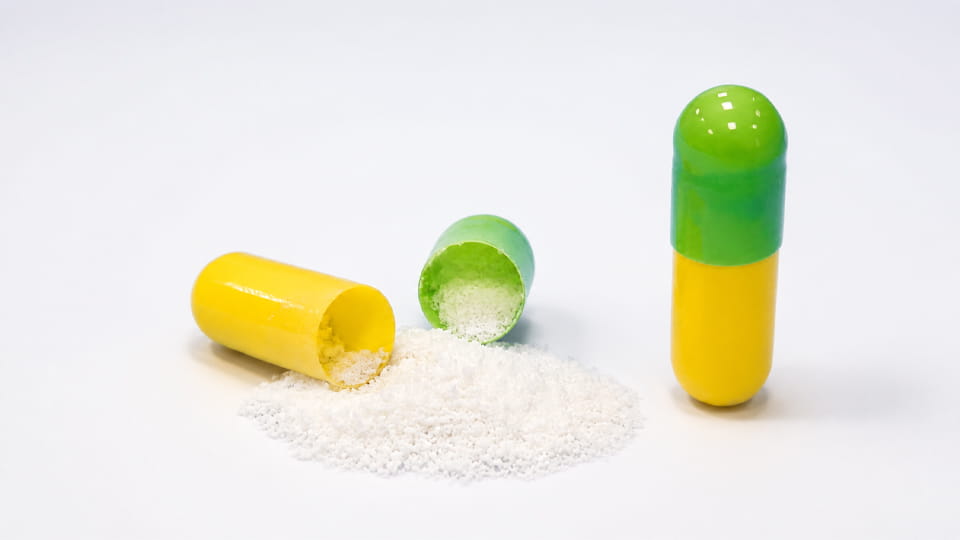
Dos indicadores de detección útiles son Índice de Carr y Relación de Hausner, ambos derivados de la densidad aparente y aprovechada.:
Índice de Carr = × 100
Relación de Hausner = Densidad aprovechada ÷ Densidad aparente
También puedes utilizar el ángulo de reposo como indicador simple., mientras que las pruebas de células de corte o una reología del polvo más detallada pueden ser valiosas para formulaciones difíciles. El punto clave es no convertir ningún resultado en una regla universal de pasa/falla.. USP <1174> describe explícitamente el comportamiento del polvo farmacéutico como multifacético y dice que una sola prueba simple no es suficiente para caracterizar adecuadamente el flujo del polvo.
Eso es importante porque la relación entre flujo y precisión de llenado de cápsulas cambios con el principio de llenado. En un estudio de boquilla dosificadora, Las propiedades de flujo del polvo estuvieron fuertemente relacionadas con el peso de la cápsula y la variabilidad del peso.. Otro estudio que utilizó equipos de llenado de tipo apisonador encontró que el flujo por sí solo no era un predictor confiable de la uniformidad del peso de las cápsulas.. En términos prácticos: utilizar el índice de Carr, Ratio de Hausner y pruebas relacionadas para identificar el riesgo., luego confirme el rendimiento en el sistema de dosificación real.
La densidad aparente le indica aproximadamente cuánto espacio físico ocupa su polvo suelto.. Esto es especialmente importante cuando un cliente especifica algo como “500 mg en un tamaño 0 cápsula." Miligramos describen la masa, no volumen. Dos 500 Las formulaciones de mg con densidades muy diferentes pueden requerir volúmenes de cápsulas muy diferentes.. USP <616> Asimismo, enfatiza que la densidad aparente depende tanto de la densidad del material como de la forma en que se empaquetan las partículas en el lecho de polvo..
Un cálculo útil de primer paso es:
Volumen de polvo suelto requerido ≈ Peso de llenado objetivo ÷ Densidad aparente
Toma un Tamaño 0 cápsula como un ejemplo sencillo. El fabricante de cápsulas Suheung enumera un volumen nominal de aproximadamente 0.68 mililitros para tamaño 0. Si su formulación tiene una densidad aparente de 0.60 g/mL, el material suelto correspondiente a ese volumen es aproximadamente:
0.68 mililitros × 0.60 g/mL = 0.408 gramo = 408 mg.
Entonces, si el peso objetivo de llenado de la cápsula es 500 mg, Tamaño 0 Se ve apretado cuando se juzga solo por el volumen suelto..
Eso hace no significar 500 mg es automáticamente imposible. El apisonamiento o el llenado del dosificador pueden consolidar el polvo más allá de su estado suelto.. Pero el cálculo le dice a su ingeniero algo útil de inmediato.: tamaño de la cápsula, volumen de dosificación, La compactibilidad del polvo y el grado requerido de densificación deben verificarse en lugar de asumirse..
Para más detalles sobre las dimensiones de la carcasa, aprende más de Jinlu Guía completa de tamaños de cápsulas, que cubre tamaños desde 000 a través de 5 y analiza la capacidad en relación con la densidad de formulación..
Los polvos muy finos pueden ser cohesivos., polvoriento o difícil de mover constantemente. USP <786> señala que para partículas pequeñas, Las fuerzas superficiales de cohesión y adhesión se vuelven cada vez más importantes., Esta es una de las razones por las que los polvos muy finos pueden comportarse de manera diferente a los gránulos gruesos.. La distribución del tamaño de las partículas también importa cuando los componentes de una mezcla tienen características de partículas muy diferentes., porque la manipulación y la vibración pueden contribuir al riesgo de segregación.
La humedad añade otra variable. Un polvo higroscópico o pegajoso puede adherirse gradualmente a la tolva., disco dosificador, pasadores de apisonamiento o superficies dosificadoras. Eso puede hacer que una formulación que funciona bien inicialmente se vuelva menos estable más adelante en el lote..
Por eso una máquina llenadora de cápsulas para polvo pegajoso, material esponjoso o polvo de flujo pobre debe evaluarse como un proceso en lugar de elegirse únicamente a partir de una hoja de especificaciones. Los principales fabricantes de equipos originales (OEM) de equipos farmacéuticos ofrecen configuraciones específicamente dirigidas a productos difíciles..
Dos principios industriales importantes de dosificación de polvo son pasador de apisonamiento / disco dosificador y dosator relleno.
Con sistema de disco dosificador, El polvo entra en las cavidades de un disco dosificador y se consolida progresivamente mediante pasadores de apisonamiento antes de que la dosis se transfiera al cuerpo de la cápsula. Con sistema dosificador, un tubo dosificador hueco entra en un lecho de polvo, retiene un tapón de polvo medido, Se mueve hacia el cuerpo de la cápsula y expulsa la dosis..
Ninguno de los sistemas es universalmente "mejor". Una comparación experimental directa encontró diferentes requisitos para la fluidez de la formulación., lubricidad y compactibilidad. en ese estudio, la máquina dosificadora requería un mayor grado de compactibilidad de la formulación, mientras que en la máquina de disco dosificador podría ser suficiente una cantidad relativamente menor de lubricante. Los investigadores también concluyeron que transferir una formulación entre las dos subclases de máquinas podría ser un desafío..
| Comportamiento de la formulación | Pasador de apisonamiento / Disco dosificador | Dispensador |
| Polvo que fluye libremente | Generalmente viable con optimización de configuración normal. | Generalmente viable si se puede retener una dosis estable. |
| Cohesivo / polvo de flujo pobre | Puede responder a los ajustes del lecho de polvo y del apisonamiento.; prueba requerida | puede trabajar, pero se debe verificar la formación y liberación del tapón. |
| Polvo altamente compactable | A menudo manejable a través de configuraciones de disco y apisonador. | Puede favorecer la formación de tapones; aún se debe comprobar la expulsión |
| Pegajoso / polvo higroscópico | Prueba muy recomendable | Prueba muy recomendable |
| dosis baja / formulación especial | Depende del diseño de herramientas y procesos. | Los sistemas dosificadores especializados se utilizan ampliamente para aplicaciones de dosis bajas. |
| Transferencia de otro principio de dosificación | Puede ser necesaria una nueva optimización | Puede ser necesaria una nueva optimización |
Siete señales de advertencia prácticas merecen atención: Puentes de polvo sobre la salida de la tolva.; El material se adhiere fuertemente a las superficies de acero inoxidable.; la mezcla genera exceso de finos o polvo; La densidad aparente cambia notablemente entre lotes o durante la manipulación.; Los ingredientes muestran segregación después de la transferencia.; peso de relleno se desvía durante la carrera; o el proceso no puede formarse repetidamente, transferir y expulsar una dosis de polvo estable.
Ninguno de esos síntomas prueba que su formulación no pueda encapsularse.. Las investigaciones con máquinas llenadoras de apisonadores han demostrado que incluso los polvos con flujo deficiente a veces se pueden gestionar optimizando la altura del lecho de polvo y los ajustes de la máquina.. Simplemente te dicen que una adecuada prueba de muestra de relleno de cápsulas Vale la pena hacerlo antes de finalizar la configuración del equipo..
Para una formulación desconocida, la evidencia más fuerte es una realidad prueba de polvo Utilizar equipos que reproduzcan el proceso de producción propuesto.. Utilice la mezcla de producción real cuando sea práctico., no es un sustituto más fácil. Utilice la gelatina prevista, HPMC u otra cubierta de cápsula, la propuesta tamaño de la cápsula, y el peso real de llenado de la cápsula objetivo.
Comience registrando el lote de formulación., densidad aparente, densidad aprovechada, cubierta de la cápsula, tamaño, piezas de dosificación, Nivel del lecho de polvo y configuración inicial de la máquina..
Luego haga funcionar la máquina llenadora de cápsulas en más de una condición.. Comience a una velocidad conservadora para confirmar la alimentación., separación de cápsulas, dosificar, transferencia y bloqueo. Próximo, pasar a la velocidad de funcionamiento normal planificada. Finalmente, Pruebe la velocidad de producción superior objetivo cuando esa velocidad forme parte de su especificación de compra..
Esto es importante porque la velocidad no siempre es solo una cifra de rendimiento.. Un estudio sobre dosificadores encontró que aumentar la velocidad de la máquina aumentaba la vibración de la máquina, lo que densificó el lecho de polvo y cambió significativamente el peso de relleno recolectado en el sistema de prueba. Por lo tanto, una demostración limpia de cinco minutos a baja velocidad no puede, por sí mismo, demostrar que la misma formulación se comportará de manera idéntica a la velocidad de producción.
Cápsulas de muestra en el comienzo, medio y final de la prueba. Registre los datos de peso de llenado bruto o neto acordados., calcular las estadísticas de variabilidad requeridas y documentar los rechazos. Esté atento a los puentes de polvo, hambre, polvo, acumulación de residuos, pega, transferencia de dosis débil, problemas de bloqueo de la cápsula, Fugas y demanda excesiva de limpieza.. Estas también son conexiones útiles con Jinlu. Defectos de llenado de cápsulas: Problemas comunes, Causas & Guía de solución de problemas, que cubre la variación del peso de llenado, fuga, problemas de bloqueo y alimentación.
Hacer no aplicar una regla universal inventada como “la FDA requiere ±3%”. Sus criterios de aceptación deben provenir de la especificación del producto., URS, estrategia de desarrollo o validación y requisitos de calidad aplicables. Para una prueba de muestra de formulación o FAT de equipo, Puede acordar de antemano el peso de llenado objetivo y la variabilidad., velocidad de producción sostenida, tasa de rechazo, calidad del cierre de la cápsula, Pérdida de polvo y tiempo de funcionamiento estable.. Los valores exactos deben ser producto.- y específico del proyecto.
Solicite los datos de la prueba, no solo un video que muestra cápsulas saliendo de la máquina. Un informe útil del proveedor debe indicar el modelo de la máquina y la configuración de dosificación., tamaño de la cápsula, lote de polvo, velocidad objetivo y real, resultados de la muestra de peso de relleno, rechaza, ajustes realizados durante la prueba, parámetros finales recomendados y cualquier limitación observada.
Para modernizadores de máquinas, usa la misma lógica. Alimentación mejorada, agitación, La extracción de polvo o el control del peso pueden mejorar un proceso estable., pero no se puede suponer que una modernización elimine un desajuste fundamental entre el comportamiento del polvo y el principio de dosificación.. Reproduzca el problema existente primero., luego compare la modificación utilizando el mismo polvo y los mismos criterios de aceptación. Esta es una recomendación de ingeniería basada en la sensibilidad documentada del llenado de cápsulas a los atributos del material., Ajustes de la máquina y principio de dosificación..
Considere también la variabilidad normal de la materia prima.. Una prueba realizada con un lote inusualmente fácil de fluir puede no representar una producción comercial futura.. Donde sea posible, registrar la densidad del lote probado, Perfil de humedad y tamaño de partículas para que los lotes posteriores puedan compararse con el material utilizado durante el ejercicio de calificación.. Los capítulos sobre polvos de la USP respaldan el tratamiento de estas propiedades de los materiales como aportes significativos para el desarrollo de procesos..
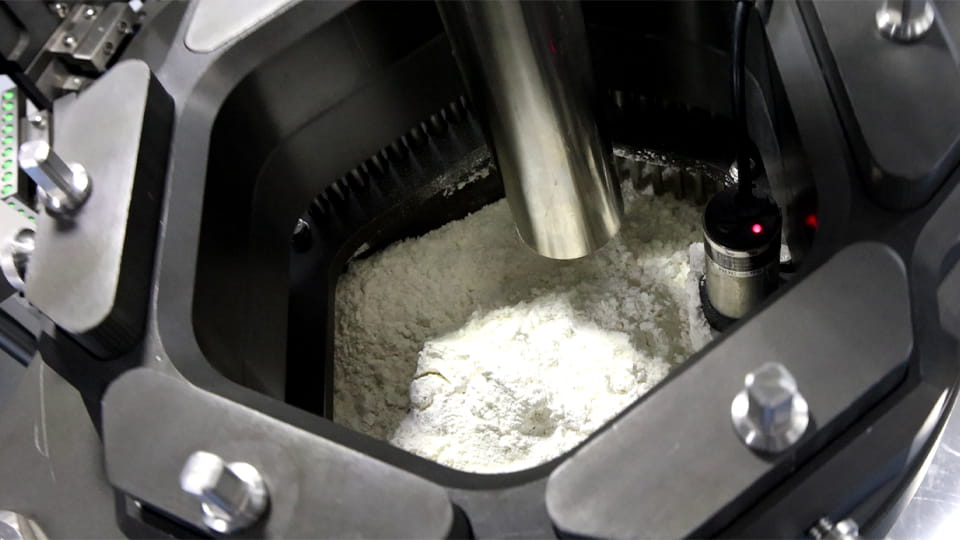
A Fabricante de la máquina de llenado de cápsulas Puede darle una recomendación más útil cuando su consulta incluye datos de formulación..
Como mínimo, enviar el tipo de producto, peso de llenado objetivo, Tamaño de la cápsula y capacidad de producción requerida.. Idealmente, también proporciona densidad aparente, densidad aprovechada, Índice de Carr, Relación de Hausner, distribución del tamaño de partículas, información de humedad o higroscopicidad, si el polvo fluye libremente, cohesivo o pegajoso, material de la cubierta de la cápsula, requisitos de contención cuando sean relevantes y los criterios de peso de llenado específicos de su producto.
Esa información ayuda al proveedor del equipo a decidir si una máquina automática estándar Máquina de llenado de cápsulas es adecuado o si la aplicación requiere una alimentación diferente, dosificar, instalación de control o contención de polvo. La gama actual de llenado de cápsulas de Jinlu incluye, equipos semiautomáticos y de llenado de líquidos.
Cuando un ensayo muestra problemas, separado optimización del lado de la máquina de optimización del lado de la formulación.
Los cambios en el lado de la máquina pueden incluir la altura del lecho de polvo, dimensiones del disco dosificador, profundidad o secuencia del pasador de apisonamiento, ajustes del dosificador, Comportamiento de alimentación o agitación., velocidad de producción, vacío, frecuencia de extracción y limpieza de polvo. El trabajo experimental de llenado por apisonamiento ha demostrado que la altura del lecho de polvo y los ajustes de apisonamiento pueden afectar el rendimiento del llenado de cápsulas., especialmente con polvos difíciles.
Los cambios en la formulación pueden implicar el control del tamaño de las partículas, granulación, Gestión de la humedad o cambios en los deslizantes., lubricantes o excipientes. Esas decisiones pueden afectar más que la maquinabilidad, por lo que pertenecen a la formulación del cliente, equipos de calidad y regulatorios. La investigación sobre formulaciones de cápsulas lubricadas muestra por qué es importante esta precaución: La concentración del lubricante puede afectar el comportamiento del polvo a granel., Variabilidad del llenado y funcionamiento de la máquina de diferentes maneras..
Un proveedor de máquinas debe informarle qué observó el equipo.. No debería convertir casualmente una prueba de máquina en un ejercicio incontrolado de desarrollo de formulaciones..
Cuando comparas rellenos de cápsulas, Mantenga el camino de decisión simple:
Caracterizar el polvo → confirmar el volumen de llenado → coincidir con el principio de dosificación → probar la formulación real → comparar los resultados con criterios de aceptación predefinidos.
Esa secuencia de cinco pasos aporta formulación, ingeniería y adquisiciones en la misma decisión en lugar de permitir que cada equipo evalúe la máquina desde un ángulo diferente. La literatura científica respalda esta visión combinada de material y proceso.: El comportamiento de llenado de la cápsula depende tanto de los atributos de la formulación como del mecanismo de llenado..
La respuesta más confiable a “¿Puede esta máquina llenadora de cápsulas manejar mi polvo??" Por lo tanto, no es una declaración de folleto..
Es:
Datos de prueba repetibles de su formulación real, sobre el sistema de dosificación propuesto, en el tamaño de cápsula requerido, Peso de llenado y velocidad de producción..
Lista de verificación final previa a la compra
☐ Se confirma el peso de llenado objetivo y el tamaño de la cápsula
☐ Se miden la densidad aparente y la densidad golpeada.
☐ Índice de Carr / Ratio de Hausner revisado como indicadores de screening
☐ Tamaño de partícula, humedad y pegajosidad evaluadas
☐ Principio de dosificación y método de alimentación confirmados
☐ Prueba de muestra de polvo real completada
☐ Velocidades de producción normales y objetivo probadas
☐ Datos de peso de llenado, rechazos y observaciones del proceso registradas
☐ Criterios de aceptación acordados antes del ensayo.
☐ Configuración final y limitaciones conocidas documentadas
Los llenadores de cápsulas modernos están diseñados para ser flexibles. La misma máquina a menudo puede procesar diferentes polvos, pero no necesariamente con la misma configuración.
Por ejemplo, Llenadoras automáticas de JinLu (como NJP-1200C y NJP-1500D) puede manejar polvos, gránulos, pellets e incluso microtabletas. Admiten tamaños de cápsula del n.° 000 al n.° 5 con piezas de cambio rápido. Sin embargo, si cambias de un polvo a otro, estar preparado para ajustar: diferentes polvos pueden necesitar diferentes discos dosificadores o pasadores apisonadores, y necesitarás una limpieza completa.

Como se señaló anteriormente, La transferencia de una fórmula entre las máquinas dosificadoras y de disco dosificador debe realizarse con cuidado.. Si tienes diversos productos (decir, tanto una fina mezcla de vitaminas como un gránulo más grueso), es posible que necesite cambiar los mecanismos de dosificación. También, polvo vs.. Los llenados de líquidos requieren diferentes máquinas o módulos..
En la práctica, Muchos clientes reservan una máquina por línea de productos o lavan el sistema a fondo.. Pero una llenadora versátil significa que potencialmente puede llenar su línea de cápsulas en una plataforma con solo cambiar las piezas..
A Máquina de llenado de cápsulas Puede verse perfecto en papel y aun así tener la configuración incorrecta para un polvo difícil.. Eso no significa necesariamente que la máquina sea deficiente o que la formulación sea mala.. Por lo general, significa que la máquina y el material deben evaluarse juntos..
Comience con lo básico: fluidez del polvo, densidad aparente, densidad aprovechada, distribución del tamaño de partículas, humedad, peso objetivo de llenado de la cápsula y tamaño de la cápsula. Luego observe de cerca el mecanismo de dosificación, especialmente al comparar disco dosificador / pasador de apisonamiento vs.. dosator sistemas. Finalmente, Probar la formulación real en condiciones que se asemejan a las de producción.. Investigación y R comercial&Los equipos D admiten este enfoque que prioriza la procesabilidad.
Esa secuencia proporciona a las adquisiciones una base más sólida para comparar proveedores., Proporciona a la producción una visión más realista del resultado alcanzable., y brinda a los ingenieros de formulación información útil antes de que se congele la configuración de la máquina.
En Embalaje de Jinlu, la mejor información inicial es su comportamiento de formulación, Densidad aparente y aprovechada, si está disponible., dosis objetivo, Tamaño de la cápsula y producción requerida.. Para desconocidos, pegajoso, esponjoso o polvos de flujo pobre, una prueba de muestra puede ayudar a evaluar la configuración de alimentación y dosificación propuesta antes de la compra.
Solicite una prueba de pólvora o Envíe sus datos de formulación a Jinlu Packing para revisar la aplicación e identificar una configuración de llenado de cápsulas adecuada.
No necesariamente. Se puede diseñar una máquina llenadora de cápsulas para polvos., pero el rendimiento real depende de la fluidez del polvo, densidad aparente, tamaño de partícula, humedad, cohesión, compresibilidad, peso de llenado objetivo, y el sistema de dosificación. La forma más segura de confirmar la compatibilidad es probar la formulación real en condiciones de producción realistas..
Las principales propiedades incluyen la fluidez del polvo., densidad aparente y aprovechada, distribución del tamaño de partículas, humedad, cohesión, lubricidad, y compresibilidad. Estas propiedades influyen en la consistencia con la que el polvo llega al área de dosificación., forma una dosis, se transfiere a la cápsula, y mantiene un peso de relleno estable.
Comience con pruebas de detección como el índice de Carr., Relación de Hausner, ángulo de reposo, densidad aparente, y densidad aprovechada. Estas pruebas ayudan a identificar riesgos de flujo, pero ningún valor demuestra por sí solo que una formulación se ejecutará correctamente. La confirmación final debería provenir de una prueba de la máquina llenadora de cápsulas prevista..
La densidad aparente determina cuánto volumen ocupa una determinada masa de polvo.. Por ejemplo, 500 mg de un polvo de baja densidad requiere más volumen de cápsula que 500 mg de un polvo denso. Por lo tanto, el tamaño de la cápsula debe seleccionarse utilizando tanto el peso de llenado objetivo como la densidad de la formulación., luego confirmado por una prueba de llenado real.
A menudo si, pero los polvos difíciles generalmente requieren una configuración y pruebas de la máquina más cuidadosas.. Los ajustes pueden implicar la alimentación en polvo., agitación, altura del lecho de polvo, configuración de apisonamiento, piezas de dosificación, o velocidad de funcionamiento. Para pegajoso, cohesivo, esponjoso, o polvos higroscópicos, Se recomienda encarecidamente realizar una prueba de muestra real antes de la selección final de la máquina..
Las causas comunes incluyen flujo de polvo inconsistente., cambios en la densidad aparente, condiciones desiguales del lecho de polvo, cambios de humedad, segregación, ajustes de dosificación incorrectos, efectos de velocidad de la máquina, y desgaste mecanico. Porque el llenado de las cápsulas suele ser volumétrico, Incluso un pequeño cambio en la densidad del polvo o en el comportamiento de alimentación puede cambiar el peso de llenado real..
Un pasador apisonador o un sistema de disco dosificador compacta gradualmente el polvo dentro de las cavidades del disco dosificador antes de transferir la dosis a la cápsula.. Un sistema dosificador recoge y comprime el polvo dentro de un tubo dosificador hueco antes de expulsar la dosis.. Los dos sistemas interactúan de manera diferente con el flujo de polvo., compactibilidad, y lubricidad.
Ningún sistema es universalmente mejor. La mejor elección depende de la fluidez de su formulación., compactibilidad, lubricidad, dosis objetivo, tamaño de la cápsula, y requisitos de producción. La investigación que compara los dos sistemas muestra que pueden tener diferentes requisitos de formulación., por lo que es preferible realizar pruebas comparativas para productos difíciles.
Sí, especialmente para desconocidos, pegajoso, cohesivo, higroscópico, baja densidad, o formulaciones de alto valor. Una prueba útil debería utilizar el tamaño de cápsula y el peso de llenado previstos y debería evaluar la consistencia del peso de llenado., estabilidad alimentaria, polvo pegado, fuga, bloqueo de la cápsula, rechaza, y rendimiento a velocidades de máquina realistas.
Como mínimo, proporcionar el tipo de producto, tamaño de la cápsula, peso de llenado objetivo, y capacidad de producción requerida. Si está disponible, también enviar densidad aparente, densidad aprovechada, tamaño de partícula, humedad, comportamiento del flujo de polvo, tipo de cubierta de cápsula, criterios de peso de llenado requeridos, e información sobre si la formulación es pegajosa, cohesivo, o higroscópico.
Referencias:
1.Densidad aparente de los polvos —— Farmacopea de los Estados Unidos
2.Comparación de los requisitos de formulación de las máquinas automáticas de llenado de cápsulas con dosificador y disco dosificador. —— Biblioteca Nacional de Medicina
3.Efectos de las propiedades de flujo del polvo sobre la uniformidad del peso del llenado de la cápsula. —— Biblioteca Nacional de Medicina
4.Desarrollo farmacéutico —— Yo Q8(R2)
5.La fluidez del polvo como indicación del rendimiento del llenado de la cápsula —— Ciencia Directa
6.Los efectos de los atributos del material sobre el peso del llenado de cápsulas y la variabilidad del peso en máquinas dosificadoras con boquilla. —— Ciencia Directa