
Η άνοδος των κολλωδών συμπληρωμάτων έχει αμφισβητήσει το παραδοσιακό μοντέλο δισκίων/κάψουλας στη βιομηχανία βιταμινών. Τα κόμμεα είναι δημοφιλή επειδή έχουν γεύση σαν καραμέλα και καταπίνονται εύκολα, αλλά συχνά περιέχουν πρόσθετη ζάχαρη και τείνουν να είναι λιγότερο σταθερά με την πάροδο του χρόνου από τα χάπια. Δισκία και κάψουλες, αντίθετα, μπορεί να προσφέρει υψηλότερες δόσεις θρεπτικών συστατικών με μεγαλύτερη διάρκεια ζωής και ακριβή ακρίβεια δοσολογίας. Αυτό το άρθρο συγκρίνει Vitamin Gummies vs Pills ως προς την απορρόφηση, εμπειρία χρήστη, σταθερότητα, περιεκτικότητα σε ζάχαρη, δοσολογία, και διάρκεια ζωής. Εξετάζουμε γιατί οι τσίχλες ανθούν (ειδικά μεταξύ των παιδιών, ηλικιωμένους και την αγορά εν κινήσει), όταν προτιμώνται τα χάπια (για υψηλές δόσεις και αυστηρή συμμόρφωση), και πώς οι κατασκευαστές συσκευάζουν κάθε μορφή. Τονίζουμε επίσης τους ρόλους του εξοπλισμού όπως οι μηχανές μέτρησης, πληρωτικά, καπάκια και ετικέτες σε α γραμμή συσκευασίας συμπληρωμάτων, με παραδείγματα λύσεων της Jinlu Packing.
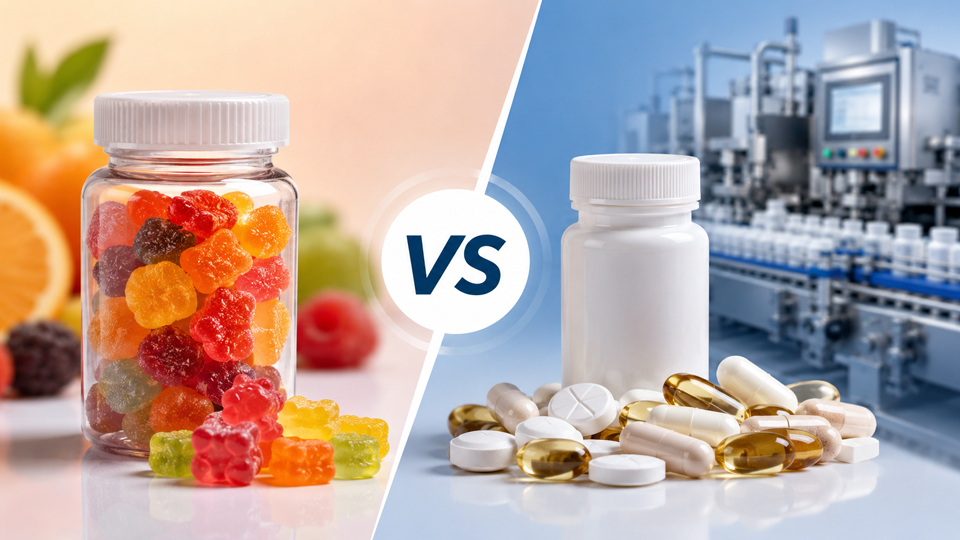
Οι τσίχλες βιταμινών είναι μασώμενες καραμέλες με βιταμίνες, μέταλλα ή άλλα συμπληρώματα. Μοιάζουν με καραμέλα με γεύση φρούτων (συχνά έχουν σχήματα αρκούδας ή δαχτυλιδιών) και χρησιμοποιήστε μια ζελατίνη, βάση πηκτίνης ή αμύλου για μάσηση. Τα Gummies έχουν σχεδιαστεί για να κάνουν τη λήψη συμπληρωμάτων πιο ευχάριστη. Για παράδειγμα, μια κολλώδης πολυβιταμίνη μπορεί να περιέχει βιταμίνες C, Δ ή Β12, αρωματισμένο και χρωματισμένο για γεύση σαν σνακ.
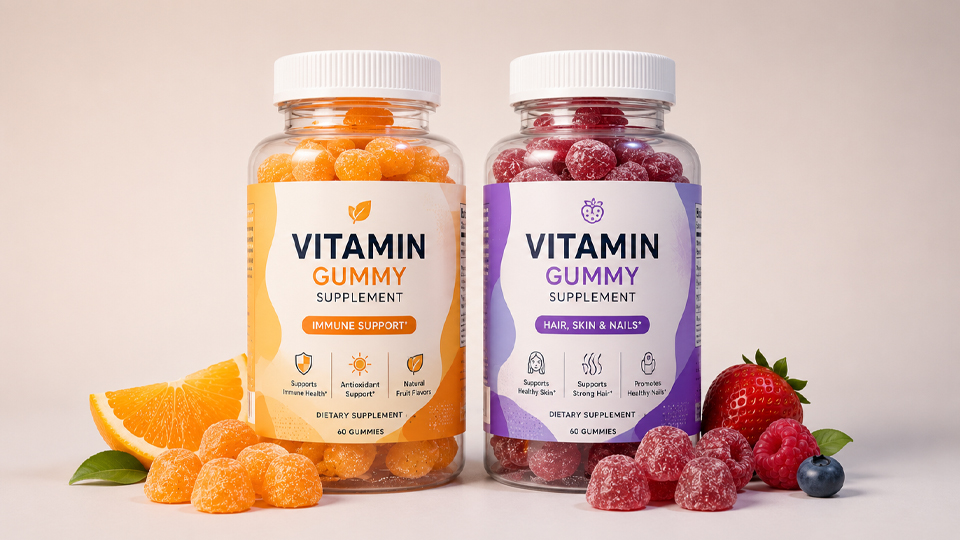
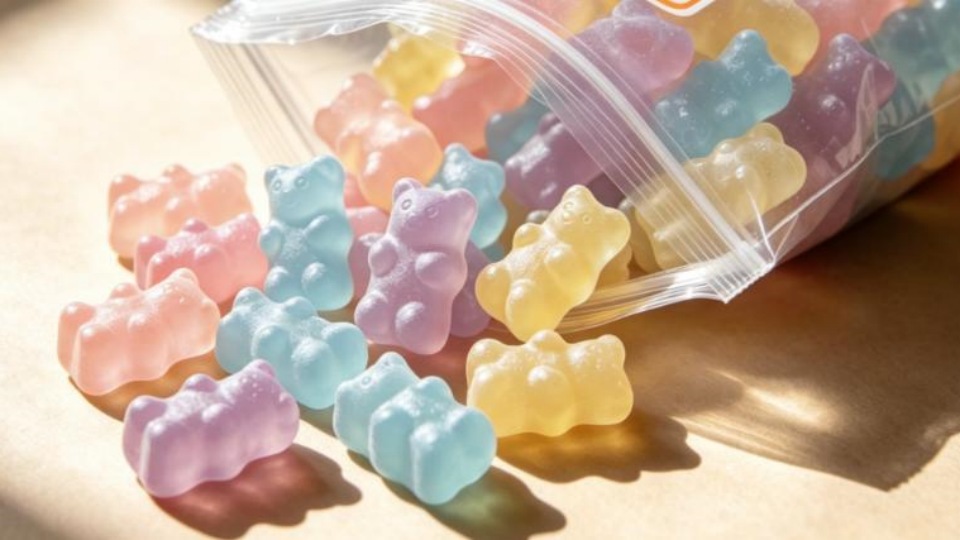
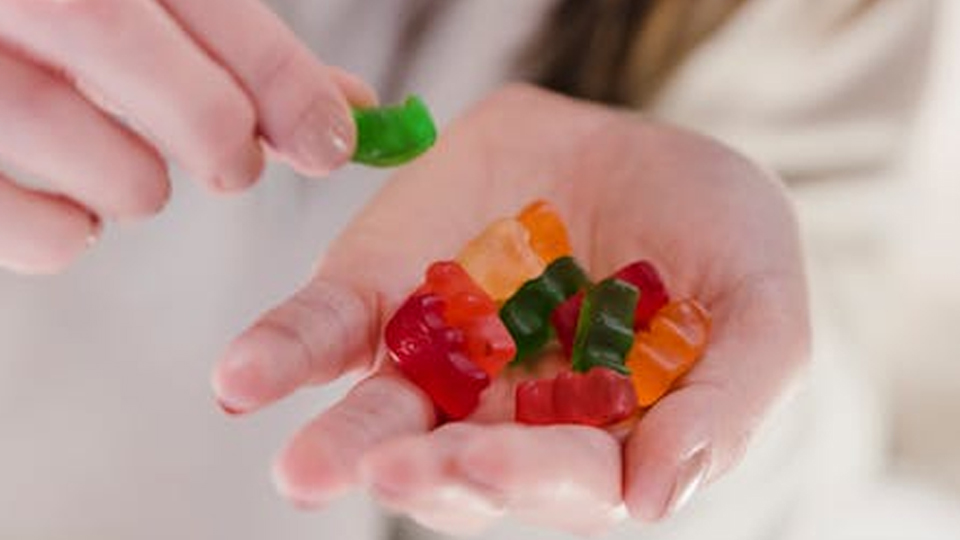
Εικόνα: Συμπληρώματα βιταμινών σε μορφή καραμέλας. Τα Gummies απευθύνονται ιδιαίτερα σε καταναλωτές που αντιπαθούν την κατάποση χαπιών. Όπως σημειώνει το UCLA Health, Τα ούλα έχουν γεύση σαν καραμέλα και είναι πιο εύκολα στο στομάχι επειδή τους λείπουν συνδετικοί παράγοντες που βρίσκονται σε ταμπλέτες. Οι σύγχρονοι κομμωτοί πάγκοι μπορούν να χειριστούν ακόμη και ένα ευρύ φάσμα μεγεθών (π.χ.. Τα μηχανήματα της Jinlu επεξεργάζονται κόμμι μήκους 2–130 mm). Το αποτέλεσμα είναι ένα φορητό, μασώμενη βιταμίνη που μοιάζει και έχει αίσθηση απόλαυσης.
Τα "χάπια" περιλαμβάνουν ταμπλέτες, κάψουλες και μαλακές κάψουλες – το γνωστό στερεές μορφές για συμπληρώματα. Χάπια ταμπλέτας είναι συμπιεσμένες σκόνες ή κόκκοι (με συνδετικά) σχηματίζεται υπό υψηλή πίεση. Μπορεί να βγει μια περιστροφική πρέσα tablet δεκάδες χιλιάδες ταμπλέτες την ώρα. Τα tablet είναι ευέλικτα: μπορούν να επικαλυφθούν (π.χ.. ταινία ή ζαχαρωμένος) για γεύση ή καθυστερημένη απελευθέρωση, και μπορεί να διαμορφωθεί ή να εκτυπωθεί. Κάψουλες αποτελείται από δύο μισά κελύφους (συνήθως ζελατίνη ή HPMC) που περικλείουν σκόνες, κόκκους ή ακόμα και υγρά. Κάψουλες μαλακής γέλης είναι κοχύλια ζελατίνης ενός κομματιού που περιέχουν υγρές βιταμίνες ή έλαια (σαν ιχθυέλαιο). Τα χάπια απαιτούν κατάποση, αλλά είναι εξαιρετικά αποτελεσματικά στην παροχή θρεπτικών συστατικών. Ένα καλά σχεδιασμένο tablet θα έχει σταθερό βάρος, σωστή σκληρότητα, λεία εμφάνιση και σταθερή ποιότητα.
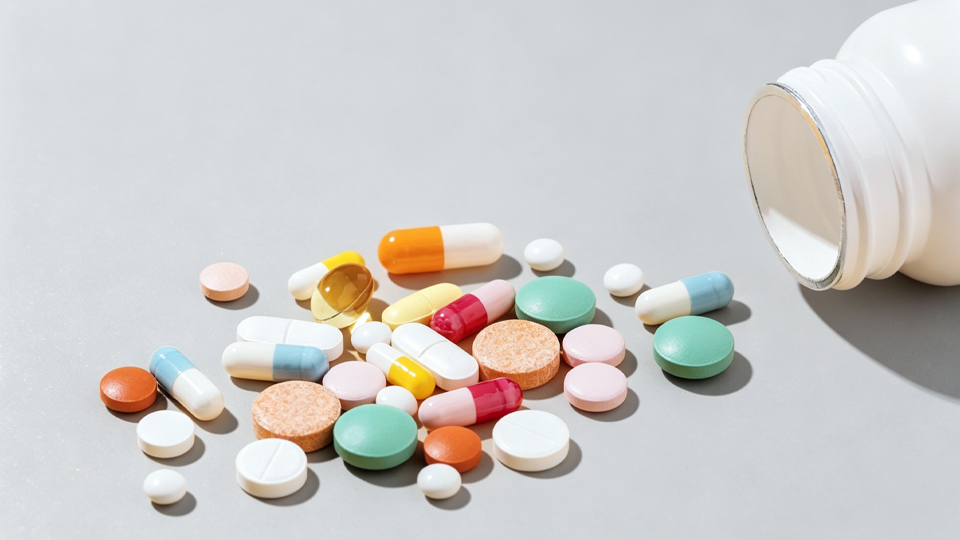
Εικόνα: Τα χάπια βιταμινών περιλαμβάνουν ταμπλέτες, κάψουλες και μαλακές κάψουλες. Τα δισκία και οι κάψουλες έχουν γενικά υψηλότερες συγκεντρώσεις δραστικών συστατικών από τα κόμμεα. Επειδή τα δισκία/κάψουλες είναι συμπιεσμένα ή ενθυλακωμένα στερεά, συχνά παραμένουν ισχυρά για χρόνια εάν αποθηκευτούν καλά. Για παράδειγμα, μια σειρά δισκίων φαρμακευτικού τύπου μπορεί να περιλαμβάνει ανάμειξη, κοκκοποίηση, συμπίεση (πρέσα tablet) και προαιρετική επίστρωση, ακολουθούμενη από μέτρηση και εμφιάλωση. Οι σύγχρονες μηχανές πλήρωσης καψουλών μπορούν να επεξεργαστούν εκατοντάδες χιλιάδες κάψουλες την ώρα. Εν ολίγοις, Τα χάπια έχουν υψηλή απόδοση, μορφή υψηλής δόσης που προτιμάται από τους κατασκευαστές χύδην.
Μελέτες για τη βιοδιαθεσιμότητα δείχνουν μικτά αποτελέσματα. Κάποιες έρευνες διαπίστωσαν ότι η πρόσληψη θρεπτικών συστατικών μπορεί να είναι παρόμοια (ή ακόμα πιο ψηλά) σε gummies vs χάπια. Για παράδειγμα, ένα 2019 μελέτη σε Θρεπτικά συστατικά ανέφεραν ότι τα κόμμεα βιταμίνης D πέτυχαν ελαφρώς καλύτερη βιοδιαθεσιμότητα από τα δισκία. Επίσης, Σημειώσεις UCLA Health: «Η έρευνα δείχνει ότι το σώμα σας μπορεί να απορροφήσει τα θρεπτικά συστατικά των κολλωδών βιταμινών τόσο εύκολα όσο εκείνα των παραδοσιακών βιταμινών». Αυτό οφείλεται εν μέρει στο ότι οι τσίχλες αναμειγνύουν τις βιταμίνες με το σάλιο, έναρξη της απορρόφησης νωρίς. Ωστόσο, δεν είναι όλα τα θρεπτικά συστατικά εξίσου στα ούλα; Οι υδατοδιαλυτές βιταμίνες και ανόργανα άλατα μπορεί να αποικοδομηθούν ή να εκπλυθούν στην ουλώδη μήτρα.
Στην πράξη, Οι τσίχλες έχουν συχνά χαμηλότερες αντοχές σε δοσολογία ετικέτας. Η Cleveland Clinic σημειώνει ότι «οι ουλικές βιταμίνες έχουν στην πραγματικότητα λιγότερες βιταμίνες και μέταλλα από τις κανονικές βιταμίνες» και οι κατασκευαστές μπορεί να «τα συσκευάσουν με περισσότερα από όσα λέει η ετικέτα» για να αντισταθμίσουν τις απώλειες με την πάροδο του χρόνου. Εν συντομία, ενώ ένα καλά διαμορφωμένο κόμμι μπορεί να προσφέρει αποτελεσματικά θρεπτικά συστατικά, Τα χάπια γενικά εγγυώνται μια ακριβή δόση. Τραπέζι:
| Αποψη | Ούλες | Χάπια (Δισκία/Κάψουλες) |
| Περιεκτικότητα σε θρεπτικά συστατικά | Τυπικά χαμηλότερο ανά μονάδα; Συχνά προστίθεται επιπλέον στην αντιστάθμιση της υποβάθμισης | Υψηλό φορτίο θρεπτικών συστατικών; πιο προβλέψιμη ισχύ |
| Απορρόφηση | Συγκρίσιμο για πολλές βιταμίνες; αρχίζει κατά τη μάσηση | Μετά από διάλυση στο στομάχι/έντερο; αποτελεσματικό για τα περισσότερα συμπληρώματα |
| Όρια σύνθεσης | Μπορεί να λείπουν ορισμένες βιταμίνες (σίδερο, Β12) λόγω γεύσης/σταθερότητας | Μπορεί να περιλαμβάνει μεγάλη γκάμα (ακόμη και ευαίσθητες δραστικές ουσίες); επιστρώσεις μάσκα γεύση |
| Tablet vs Gummy | Μασώμενο, μπορεί να παραλείψει να χρειαστεί νερό; καλύτερα για επιλεκτικούς καταπίνοντες | Κατάπιε ολόκληρο; ευκολότερο για πολύ υψηλές δόσεις ή φαρμακευτικές ποιότητες |
Η γεύση είναι εκεί που λάμπουν οι τσίχλες. Έρχονται σε φρουτώδεις γεύσεις και λαστιχωτές υφές που αισθάνονται σαν καραμέλα. Αυτό το γλυκό, η ευχάριστη εμπειρία ενθαρρύνει τη συμμόρφωση, ειδικά σε παιδιά και ηλικιωμένους. Όπως σημειώνει η VitaMedica, ούλα λύνουν προβλήματα κατάποσης χαπιών: «Αν έχετε παλέψει ποτέ με τα παραδοσιακά συμπληρώματα, Οι μασώμενες τσίχλες θα μπορούσαν να είναι εύκολες, βολική εναλλακτική». Σε αντίθεση, τα δισκία έχουν συχνά δυσάρεστη επίγευση ή κιμωλιακή υφή (εκτός αν επικαλυφθεί), και οι κάψουλες μπορεί να είναι μεγάλες ή δύσκολο να καταποθούν.
Ωστόσο, η γεύση που μοιάζει με καραμέλα έχει ένα μειονέκτημα: ζάχαρη και πρόσθετα. Οι περισσότερες τσίχλες χρησιμοποιούν ζάχαρη, χυμό φρούτων ή γλυκαντικά για να καλύψει την πικρία. Το UCLA Health αναφέρει ότι τα περισσότερα συμπληρώματα τσίχλας έχουν 2– 8 γραμμάρια ζάχαρης ανά μερίδα, που μπορεί να προστεθεί (συνιστά η AHA <25g καθημερινά για τις γυναίκες). Οι εκδόσεις χωρίς ζάχαρη χρησιμοποιούν αλκοόλες ζάχαρης (σορβιτόλη, ξυλιτόλη) ή έντονα γλυκαντικά, αλλά αυτά μπορεί να προκαλέσουν πεπτικές διαταραχές σε ευαίσθητα άτομα. Τα χάπια γενικά δεν περιέχουν γλυκαντικά (μόνο έκδοχα και συνδετικοί παράγοντες).
Συνοπτικά, ούλα προσφέρουν α εύγευστος εμπειρία χρήστη: εύκολος, γευστικός, και διασκέδαση. Τα χάπια δίνουν προτεραιότητα στη λειτουργία: αποτελεσματική κατάποση υψηλών δόσεων. Για πολλούς, η επιλογή εξαρτάται από την προτίμηση και τον τρόπο ζωής.
Η σταθερότητα είναι μια σημαντική διάκριση. Μασώμενες μορφές (τσίχλες ή μασώμενα) εκτάριο επιρρεπής στην πρόσληψη υγρασίας. Το Healthline και το Medical News Today το σημειώνουν και οι δύο τα ούλα αλλοιώνονται πιο γρήγορα παρά ταμπλέτες. Η περιεκτικότητα σε νερό/υγρασία στα κόμμεα προκαλεί βιταμίνες (ειδικά ο C, Β’) να καταρρεύσει ή να χάσει την ισχύ με τους μήνες. Οι κατασκευαστές το αντισταθμίζουν αυτό «υπερ-ενισχύοντας» τις τσίχλες, αλλά η ισχύς μπορεί να πέσει κάτω από τις αξιώσεις της ετικέτας με την πάροδο του χρόνου. Σε αντίθεση, δισκία (ξηρός, συμπιεσμένο) διατηρούν τη δραστικότητα για αρκετά χρόνια εάν αποθηκεύονται σωστά.
Η συσκευασία βοηθά στην παράταση της διάρκειας ζωής. Τα κολλώδη μπουκάλια συνήθως απαιτούν αποξηραντικά και σφιχτά σφραγίσματα για να μετριάσει την υγρασία. Συγκριτικά, Τα δισκία συχνά συσκευάζονται σε απλές συσκευασίες με κυψέλες ή μπουκάλια με πολύ λιγότερα προβλήματα υγρασίας.
Τα κόμμεα περιέχουν σχεδόν πάντα γλυκαντικούς παράγοντες. Όπως σημειώθηκε παραπάνω, προσθήκη ζάχαρης είναι μια ανησυχία. Εκτός από θέματα οδοντιατρικής/υγείας, γλυκαντικά (ακόμη και «φυσικά» συμπυκνώματα χυμού) αραιωμένη θρεπτική αξία ανά κόμμι. Τα τεχνητά χρώματα και γεύσεις είναι επίσης κοινά στις τσίχλες για να τις κάνουν ελκυστικές. Άτομα με διατροφικούς περιορισμούς (διαβήτης, φαινυλκετονουρία) ή όσοι αποφεύγουν τα τεχνητά συστατικά μπορεί να βρουν τα κόμμι προβληματικά.
Σε αντίθεση, δισκία/κάψουλες χρησιμοποιούν έκδοχα (πληρωτικά, συνδετικά) που είναι συνήθως χωρίς γεύση και αδρανή. Πολλά χάπια είναι χωρίς ζάχαρη (επικαλυμμένα ή μη). Υπάρχουν επιλογές τσίχλας χωρίς ζάχαρη, αλλά συχνά χρησιμοποιούν σορβιτόλη ή ξυλιτόλη που μπορεί να προκαλέσει αέρια ή καθαρτικά αποτελέσματα.
Γιατί οι τσίχλες μοιάζουν με καραμέλα, οι καταναλωτές μερικές φορές παίρνουν επιπλέον. Ο κίνδυνος υπερδοσολογίας είναι υπαρκτός: θρεπτικά συστατικά όπως οι βιταμίνες Α, ρε, μι, Το Κ ή μέταλλα όπως ο σίδηρος έχουν ανώτερα όρια. Το UCLA προειδοποιεί, «Είναι δελεαστικό να παίρνετε περισσότερη από τη συνιστώμενη δόση… Η υπερβολική ποσότητα σιδήρου και ψευδάργυρου μπορεί να προκαλέσει πόνο στο στομάχι, εμετό ή χειρότερα». Τα ούλα μπορεί επίσης να έχουν μεταβλητή ισχύ: Μια μελέτη σημείωσε ότι οι μεμονωμένες δοσολογίες τσίχλας μπορεί να ποικίλλουν, παρά την επισήμανση.
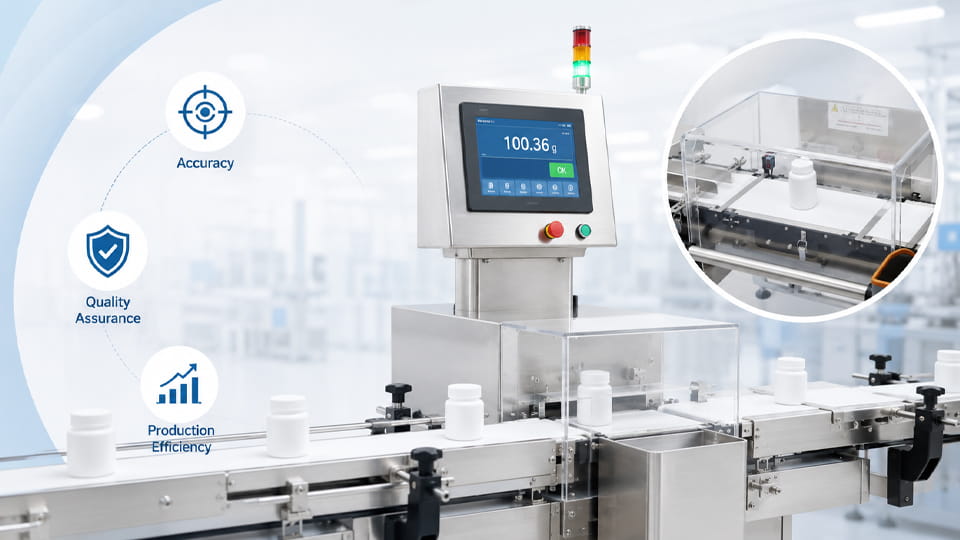
Τα δισκία και οι κάψουλες παρέχονται με τυποποιημένες δόσεις ανά μονάδα. Ένα χελιδόνι αποδίδει ακριβώς τα επιδιωκόμενα χιλιοστόγραμμα, και αυτή η ακρίβεια είναι ευκολότερο να ελεγχθεί στην κατασκευή. Οι αυτοματοποιημένες γραμμές μέτρησης διασφαλίζουν ακριβώς, λέγω, «100 ταμπλέτες ανά φιάλη," ενώ οι τσίχλες μπορεί να συσσωρευτούν ή να κολλήσουν, κάνοντας το μέτρημα πρόκληση. (Ωστόσο, οι σύγχρονοι κομμωτικοί μετρητές επιτυγχάνουν >99.9% ακρίβεια μέτρησης μόλις ρυθμιστεί σωστά.)
Όπως αναφέρθηκε παραπάνω, η διάρκεια ζωής διαφέρει πολύ. Δισκία/κάψουλες συνήθως έχουν διάρκεια ζωής 2-3 χρόνια, συχνά λήγει πολύ μετά την παραγωγή. Ούλες, με την υγρασία και τη ζάχαρη τους, συχνά διαρκούν μόνο 1-2 χρόνια υπό τις καλύτερες συνθήκες. Βασικά σημεία:
Αυτό σημαίνει ότι οι έμποροι λιανικής και οι καταναλωτές πρέπει να εναλλάσσουν το κολλώδες υλικό πιο γρήγορα. Για κατασκευαστές, συνεπάγεται ταχύτερους κύκλους παραγωγής στην αγορά και στιβαρή συσκευασία (δείτε παρακάτω) για τη διατήρηση της ποιότητας.
Η άνοδος των gummies οφείλεται στην αλλαγή των προτιμήσεων των καταναλωτών. Ένα φαινόμενο γνωστό ως “Κούραση χαπιών” ωθεί τους ανθρώπους να απαιτούν πιο ευχάριστες μορφές. As Glanbia notes, Πολλοί καταναλωτές βρίσκουν τώρα τα χάπια μη εμπνευσμένα, οδηγώντας «νέο, απολαυστικές μορφές συμπληρωμάτων που εξυπηρετούν την ευκολία, γεύση, και εξατομίκευση». Οι τάσεις της αγοράς το δείχνουν αυτό:
Εν συντομία, ζήτηση των καταναλωτών για ευχάριστη, αρωματισμένα συμπληρώματα είναι υψηλό. Η αγορά συμπληρωμάτων ανταποκρίνεται: Τα πολυβιταμινούχα κόμμεα μεγάλωσαν σε μια κατηγορία πολλών δισεκατομμυρίων δολαρίων, και οι εκθέσεις του κλάδου προβλέπουν συνεχή υψηλή ανάπτυξη (π.χ.. Η Glanbia προβλέπει ότι η παγκόσμια αγορά συμπληρωμάτων τσίχλας θα τριπλασιαστεί σχεδόν 2034). Οι Gummies έχουν μετατοπιστεί από τη θέση στο mainstream, τροφοδοτείται από αυτή την τάση κόπωσης και την ευρεία δημογραφική απήχηση.
Οι κολλώδεις βιταμίνες μπορούν να είναι αποτελεσματικές εάν διαμορφωθεί και καταναλωθεί σωστά, αλλά έχουν περιορισμούς. Βασικές εκτιμήσεις:
Στην πράξη, Οι κολλώδεις βιταμίνες λειτουργούν, ειδικά για τη γεφύρωση μικρών διατροφικών κενών. Απλά να έχετε υπόψη σας: ενδέχεται να μην αντικαταστήσουν πλήρως τα δισκία υψηλότερης ισχύος, και θα πρέπει να συμπληρώνουν μια ισορροπημένη διατροφή. Να τα αποθηκεύετε πάντα σύμφωνα με τις οδηγίες (δροσερός, ξηρός) και προσέξτε την περιεκτικότητα σε ζάχαρη όταν σχεδιάζετε την ημερήσια πρόσληψη.
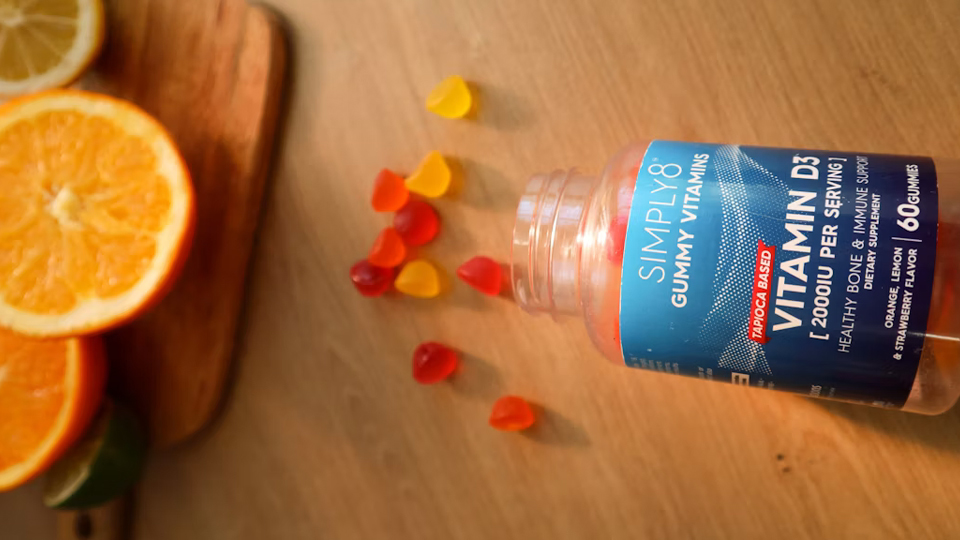
Εν συντομία, Τα gummies ταιριάζουν σε όσους χρειάζονται μια εύγευστη μορφή συμπληρώματος. Θα πρέπει να επιλέγονται όταν η ευκολία και η συμμόρφωση υπερτερούν της ανάγκης για πολύ υψηλές δόσεις.
Από παραγωγική άποψη, τα ούλα και τα χάπια παρουσιάζουν διαφορετικές προκλήσεις:
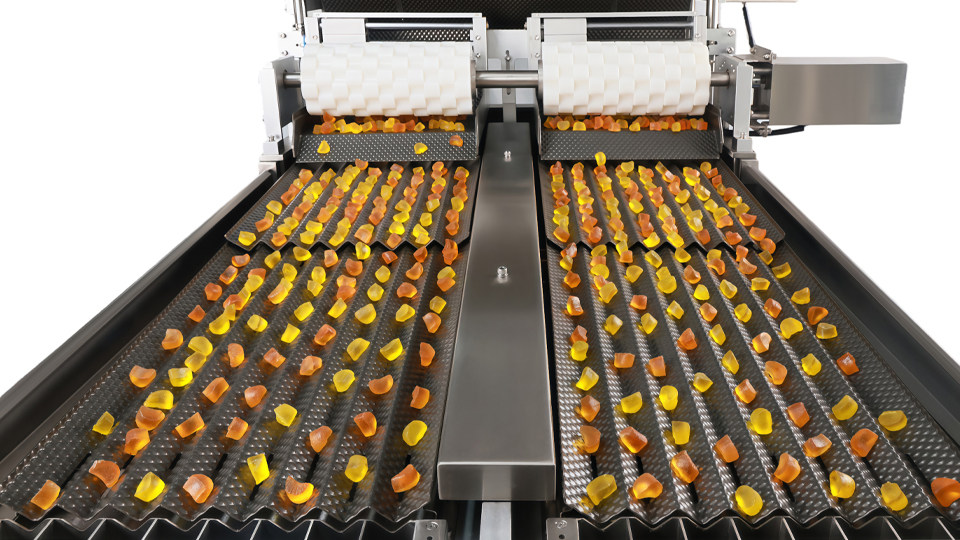
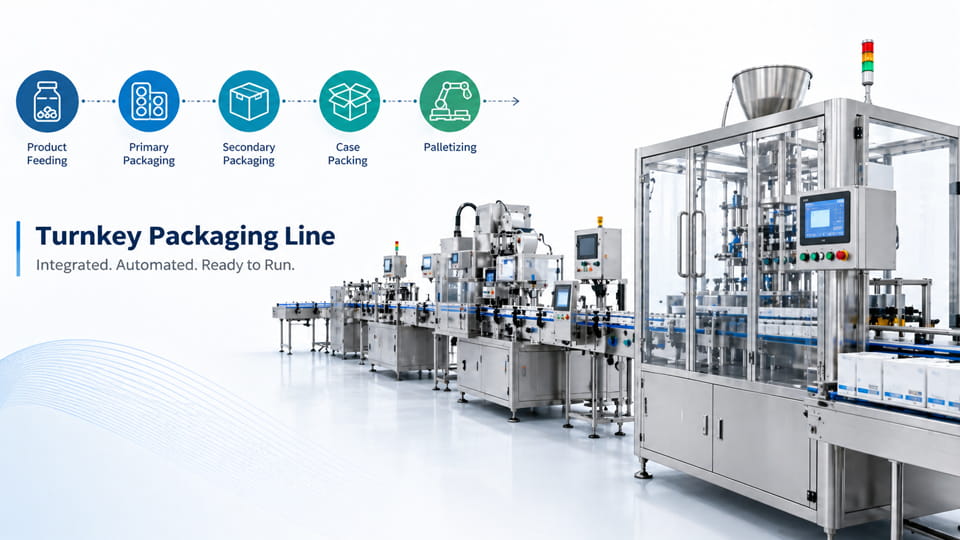
Εικόνα: Μια κολλώδης μέτρηση διαχωρίζει και μετράει κομμάτια σε δονούμενους κυλίνδρους (εικών: Συσκευασία Jinlu). Η ενσωμάτωση είναι το κλειδί. Πρωτότυπες σημειώσεις Jinlu, σύγχρονες γκυμώδεις πάγκοι είναι «Έτοιμη για ένταξη» – Συνδέονται με μηχανήματα αποκρυπτογράφησης φιαλών ανάντη και καπάκια κατάντη, επαγωγικά στεγανοποιητικά, και ετικετών. Στην πράξη, μια πλήρως αυτοματοποιημένη γραμμή συσκευασίας κολλώδης μεταφέρει τα μπουκάλια από το unscrambler στο γέμισμα (αρίθμηση) στη δοσολογία (αποξηραντικό) στην επικάλυψη και την επισήμανση χωρίς χειροκίνητη παρέμβαση. Για χάπια, υπάρχουν ανάλογες γραμμές: ένας μετρητής tablet γεμίζει μπουκάλια, τότε ένα καπάκι σφίγγει τα καπάκια, Τα στεγανοποιητικά μεμβράνης μπορούν να εφαρμόζουν σφραγίδες, και η επισήμανση ολοκληρώνει τη διαδικασία.
Σχετικός Εξοπλισμός (Παραδείγματα Jinlu):
Κάθε κομμάτι του εξοπλισμού μπορεί να συνδεθεί στον ιστότοπο Jinlu για περισσότερες πληροφορίες. Αυτά τα εργαλεία βοηθούν τους κατασκευαστές να κλιμακώσουν την παραγωγή οποιασδήποτε μορφής.
Δεν υπάρχει «καλύτερη» μορφή βιταμινών που να ταιριάζει σε όλους. Ούλες νίκη στη γεύση, ευκολία και συμμόρφωση για πολλά δημογραφικά στοιχεία, αλλά ανταλλάξτε τη ισχύ και τη σταθερότητα στο ράφι. Χάπια παρέχει τα μέγιστα θρεπτικά συστατικά, μεγαλύτερη διάρκεια ζωής και ακρίβεια δοσολογίας, αλλά μπορεί να είναι πιο δύσκολο να καταπιεί και λιγότερο διασκεδαστικό. Οι κατασκευαστές πρέπει να λαμβάνουν υπόψη τους πελάτες-στόχους τους: αν η γεύση και η ευκολία είναι βασιλιάς (π.χ.. για ούλα ή παιδικές βιταμίνες), το gummy σχήμα έχει νόημα παρά τις προκλήσεις του. Εάν απαιτείται υψηλή δόση ή αυστηρή ρύθμιση, δισκία/κάψουλες παραμένουν οι εργάτες.
Εξοπλισμός συσκευασίας γεφυρώνει το χάσμα: αυτοματοποιημένη καταμέτρηση, Οι γραμμές πλήρωσης και σφράγισης διασφαλίζουν ότι οποιαδήποτε μορφή μπορεί να παραχθεί σε κλίμακα. Το εύρος του Jinlu—από κομμωτές μετρητές και γραμμές μπουκαλιών σε πρέσες δισκίων και μηχανές κυψελών— απεικονίζει πώς τα σύγχρονα εργοστάσια συμπληρωμάτων μπορούν να προσαρμοστούν σε οποιαδήποτε αγορά. Κατανοώντας τα πλεονεκτήματα και τα μειονεκτήματα κάθε μορφής (Vitamin Gummies vs Pills), Οι αγοραστές του κλάδου μπορούν να επιλέξουν τα κατάλληλα προϊόντα και εξοπλισμό για τις ανάγκες των πελατών τους.
Τα τσίχλα βιταμινών δεν είναι απαραίτητα καλύτερα από τα χάπια, αλλά συχνά είναι ευκολότερο και πιο ευχάριστο να τα πάρεις. Τα ούλα μπορούν να βελτιώσουν τη συμμόρφωση με τα συμπληρώματα, επειδή οι άνθρωποι είναι πιο πιθανό να τα παίρνουν με συνέπεια. Χάπια, από την άλλη πλευρά, συνήθως προσφέρουν καλύτερη σταθερότητα θρεπτικών συστατικών, μεγαλύτερη διάρκεια ζωής, και μεγαλύτερη δοσολογική ικανότητα.
Ορισμένες κολλώδεις βιταμίνες μπορεί να διαλυθούν πιο γρήγορα και να εισέλθουν στο πεπτικό σύστημα πιο γρήγορα, ειδικά ορισμένα θρεπτικά συστατικά όπως η βιταμίνη D ή η Β12. Ωστόσο, στις περισσότερες περιπτώσεις, η συνολική διαφορά απορρόφησης μεταξύ τσίχλας και χαπιών είναι σχετικά μικρή όταν τα προϊόντα κατασκευάζονται σωστά.
Οι κολλώδεις βιταμίνες έχουν γίνει δημοφιλείς επειδή έχουν καλύτερη γεύση, είναι πιο εύκολο να καταναλωθούν, και να μειώσει την «κούραση χαπιών». Πολλοί καταναλωτές προτιμούν τσίχλες επειδή αισθάνονται περισσότερο σαν ένα σνακ παρά ένα παραδοσιακό συμπλήρωμα. Οι τάσεις ευεξίας στα social media και τα εξατομικευμένα προϊόντα διατροφής έχουν επίσης επιταχύνει τη ζήτηση της αγοράς.
Ναί. Οι υψηλής ποιότητας κολλώδεις βιταμίνες μπορούν να είναι αποτελεσματικές για ενήλικες όταν περιέχουν τη σωστή δόση θρεπτικών συστατικών και αποθηκεύονται σωστά. Πολλοί ενήλικες επιλέγουν συμπληρώματα τσίχλας για ευκολία και βελτιωμένη καθημερινή συνοχή.
Οι περισσότερες κολλώδεις βιταμίνες περιέχουν κάποια μορφή γλυκαντικού, όπως η ζάχαρη, σιρόπι γλυκόζης, ή φυσικά συμπυκνώματα φρούτων. Ωστόσο, Πολλοί κατασκευαστές προσφέρουν τώρα κολλώδεις βιταμίνες χωρίς ζάχαρη για να ανταποκριθούν στη ζήτηση των καταναλωτών με καθαρή ετικέτα και υγιεινή.
Οι κολλώδεις βιταμίνες μπορεί να έχουν:
• Μικρότερη διάρκεια ζωής
• Χαμηλότερη σταθερότητα θρεπτικών συστατικών
• Περιορισμένη ικανότητα σύνθεσης υψηλής δόσης
• Υψηλότερη ευαισθησία στη θερμότητα και την υγρασία
• Πρόσθετη ζάχαρη ή αρωματικά συστατικά
Αυτοί οι παράγοντες μπορούν να δημιουργήσουν επιπλέον προκλήσεις στις διαδικασίες παραγωγής και συσκευασίας.
Τα χάπια βιταμινών είναι συχνά καλύτερα για:
• Χρήστες συμπληρωμάτων υψηλής δόσης
• Προγράμματα επαγγελματικής διατροφής
• Εφαρμογές αθλητικής διατροφής
• Καταναλωτές που γνωρίζουν τη ζάχαρη
• Απαιτήσεις μακροχρόνιας αποθήκευσης
Τα δισκία και οι κάψουλες παρέχουν επίσης πιο ακριβή έλεγχο δοσολογίας για τους κατασκευαστές φαρμακευτικών προϊόντων.
Ναί. Η παραγωγή συμπληρωμάτων κόλλας είναι γενικά πιο περίπλοκη από την παραδοσιακή κατασκευή δισκίων. Οι κόμμι απαιτούν αυστηρό έλεγχο υγρασίας, διαχείριση θερμοκρασίας, ακριβή συστήματα εναπόθεσης, σήραγγες ψύξης, και εξειδικευμένο εξοπλισμό συσκευασίας για την αποφυγή κολλήματος ή παραμόρφωσης.
Ο κοινός εξοπλισμός συσκευασίας κολλώδους βιταμινών περιλαμβάνει:
• Μηχανές μέτρησης κόμμι
• Γραμμές πλήρωσης μπουκαλιών
• Εισαγωγείς ξηραντικού
• Μηχανές πωματισμού
• Συστήματα επισήμανσης
• Επαγωγικές στεγανοποιητικές μηχανές
Η σωστή συσκευασία είναι κρίσιμης σημασίας επειδή τα κομμιώδη προϊόντα είναι ευαίσθητα στην υγρασία και τη θερμότητα.
Τα gummies χρειάζονται συνήθως ειδικές γραμμές: μια κολλώδης μέτρηση (χωρίζοντας κολλώδη κομμάτια) ακολουθούμενη από εισαγωγή αποξηραντικού, κάλυψη και επισήμανση. Τα χάπια μπορούν να περάσουν από τυπικούς μετρητές χαπιών και μηχανές εμφιάλωσης ή κυψέλης με λιγότερη ανάγκη για έλεγχο της υγρασίας. Η Jinlu προσφέρει ολοκληρωμένες γραμμές και για τους δύο τύπους.
Αναφορές:
1.Κάντε τις Gummy Vitamins Work? Τα Οφέλη και τα Μειονεκτήματα —— Γραμμή υγείας
2.Οι Gummy Vitamins λειτουργούν όπως και οι παραδοσιακές βιταμίνες? —— Κλινική Κλίβελαντ
3.Gummy βιταμίνες vs χάπια. Έχει πραγματικά σημασία? —— Reddit
4.Συμπληρώματα διατροφής: Αμφίβολη αξία, κρυφούς κινδύνους —— Harvard Health Publishing