
Drug recalls are surprisingly common – over 14,000 recalls in the last decade in the U.S. alone – and they can be triggered by many factors. The most frequent causes include contamination and sterility failures, cGMP and manufacturing violations, Etikettierungs-/Verpackungsfehler, incorrect potency (OOS), and unexpected safety issues. These recalls range from minor fixes (Class III) to life-threatening hazards (Class I). We’ll explore each top cause, real-world examples, and essential prevention steps – from implementing robust quality systems (QMS/CAPA) to using automated inspection and packaging validation. Throughout, we emphasize how advanced Verpackungsmaschinen Und inspection technology (like Jinlu Packing’s solutions) can dramatically reduce recall risk.
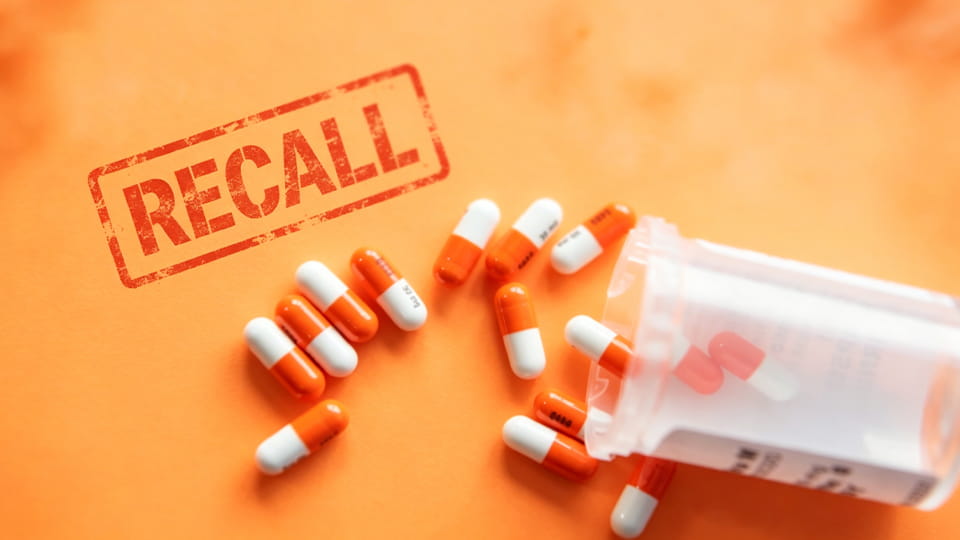
A drug recall is a voluntary action by a manufacturer (often at the FDA’s prompting) to remove or correct a defective or potentially harmful medicine. FDA’s role is to oversee and classify recalls by risk level. There are three classes: Class I (most serious, can cause death or serious injury, z.B. methanol in hand sanitizer), Class II (temporary or slight risk, z.B. ineffective drug potency), Und Class III (unlikely to cause harm, such as minor labeling/packaging errors). Recall depth (to consumers vs. wholesalers) is aligned with class: Class I typically reaches consumers, Class III often stops at distribution. Weniger als 10% of recalls are Class I; am meisten (80–90%) are Class II. In der Praxis, this means many recalls are precautions rather than imminent crises – but every recall can erode trust and safety, so prevention is critical.
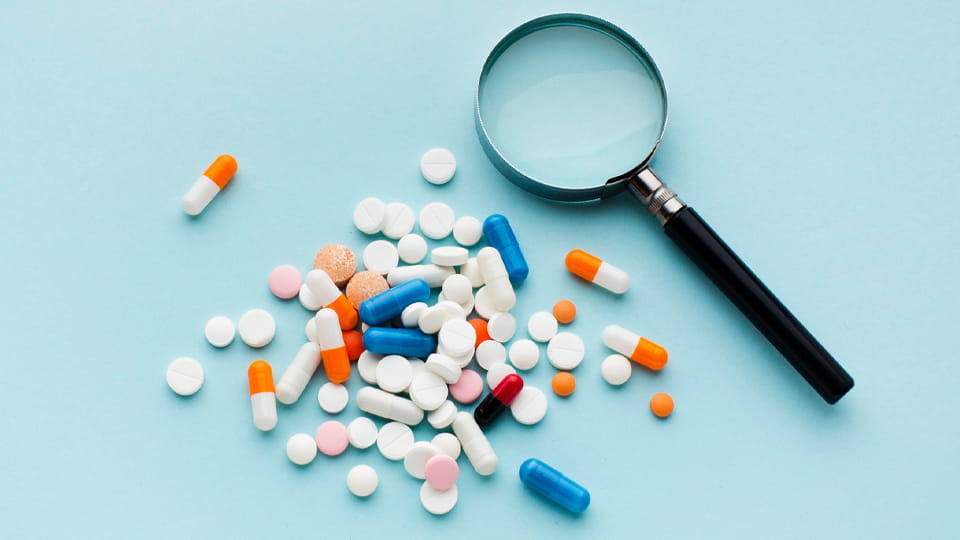
Drug recalls almost always have one or more root causes in manufacturing, Verpackung, or unexpected safety. Key categories include:
Kontamination (microbial, Chemikalie, or particulate) is a leading recall cause, especially for sterile products. This includes bacteria, fungi, or endotoxins in injectables, Augentropfen, Inhalatoren, usw. A 2012–2021 FDA analysis found sterility assurance failure was the primary driver of sterile-product recalls – reflecting weak process control or environmental monitoring. Zum Beispiel, several batches of OTC eye drops (“artificial tears”) were contaminated with Pseudomonas aeruginosa, causing a multi-state outbreak with vision loss and deaths. Unsanitary conditions or a single defect in a sterilization cycle can force a Class I recall (life-threatening risk). Even non-sterile drugs can harbor contaminants (z.B. bacterial spores or chemical impurities). FDA data show sterility and cGMP violations top recall causes.
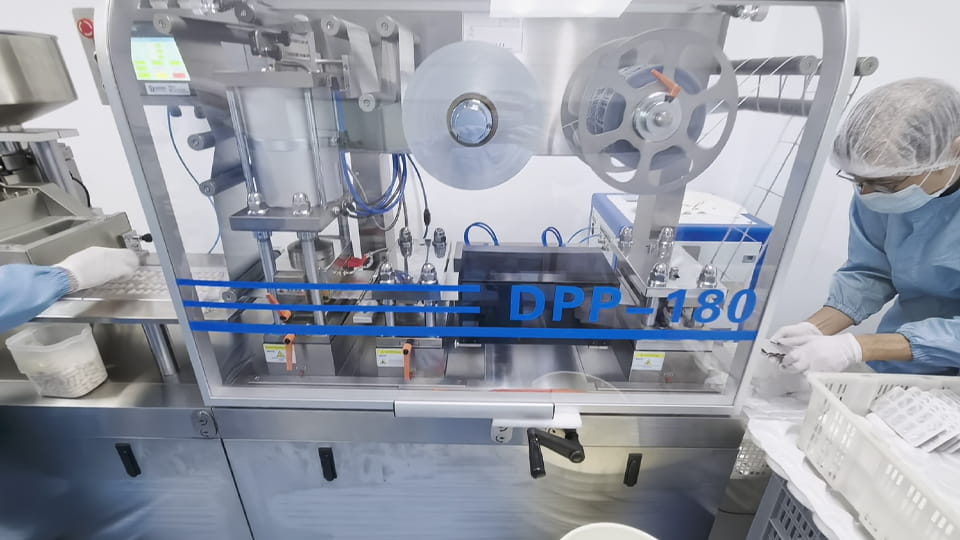
Figur: Operators inspecting pills at a pharmaceutical packaging line. Strict hygiene and automated checks help prevent contamination recalls.
Violations of Current Good Manufacturing Practices (CGMP) underpin many recalls. These include process deviations, inadequate process control or validation, unqualified equipment, and improper storage. A recent study of FDA data (2012–2023) found that sterility issues and cGMP non-compliance are the most common recall causes. Vor allem, cGMP recalls break down into problems like process control failures, inadequate storage/handling, manufacturing defects, nitrosamine impurities, and stability issues.
Zum Beispiel, many ARB blood-pressure drugs (valsartan, usw.) were recalled due to nitrosamine (NDMA) impurities from a chemical process error. Even tablets in intact packages can fail assay (Potenz) or contain trace contaminants if batch control is poor. Common manufacturing lapses include faulty sterilizer validation, uncontrolled mixing of chemicals, or cross-contamination between products. Als Dr. Ileana Elder noted, recall reports often cite foreign particulates, microbial growth, or cross-product mix-ups as causes.
Mis-labeling, errors in dosage strength, or presence of the wrong drug substance can also result from manufacturing mistakes. Zum Beispiel, a packaging line mix-up might place the wrong cap or label on a bottle. If unchecked, such defects by design happen at scale, prompting large recalls. Robust manufacturing control (complete batch records, OOS investigation, supplier qualification) is essential to avoid these issues.
Even minor packaging mistakes can trigger recalls because they directly impact patient safety and compliance. Labeling errors – wrong instructions, Stärke, missing warnings, or mix-ups – are frequently cited. One industry analysis noted that “labeling mistakes are the most common reason from a packaging perspective”. Zum Beispiel, a vial labeled “aspirin” but actually containing ibuprofen would be a mislabeling recall risk. Simple typos (z.B. missing decimal points) or artwork errors can also be critical.
Packaging defects (wrong or damaged containers, missing tamper seals, incorrect expiration dates) are likewise major issues. The EMA reports that “Product packaging issues” (mix-ups, damaged containers) and “Product label issues” (missing/incorrect batch numbers, Barcodes) were among the main reasons CAPs were recalled in 2024. In der Praxis, a misprinted label can cause overdose or allergic reactions, while a compromised blister or vial can allow contamination. Global data underscore packaging as a recall hotspot: defective leaflets, incorrect barcodes, or bent blisters have all triggered Class II–III recalls.
Drugs must meet potency and purity specifications. Over-potency or sub-potency beyond approved limits is another leading recall cause. If a tablet has less API (Aktiver pharmazeutischer Inhaltsstoff) than intended, patients may get inadequate therapy; too much API raises toxicity risk. Potency failures often stem from formulation errors, degraded raw material, or failure of process controls. Zum Beispiel, the thyroid supplement NP Thyroid was recalled when sub-potent tablets were detected in QC testing.
Quality-control labs and stability programs typically catch these OOS (out-of-spec) issues before distribution. But if a single batch slips through – say due to an undetected mixing error – it can prompt a large-volume recall. FDA surveillance testing has on occasion found unexpected “drop in dissolution” or assay outside limits in approved drugs, leading companies to withdraw entire lots. Im Allgemeinen, any failure in manufacturing or QC that leads to dosage errors (over/under) is considered a recall-worthy defect.
True adverse reactions (unseen in trials) rarely by themselves cause product recalls – instead, they trigger label changes or warnings. The FDA notes that recalls “due to adverse reactions are relatively uncommon compared with other reasons”. Zum Beispiel, an atypical side effect of a drug might lead to a “Dear Doctor” safety alert rather than a recall. Jedoch, very serious unexpected risks (death, seizures, severe organ damage) can prompt urgent recalls.
One historical example is of a drug found to markedly increase the risk of serious cardiovascular events. Such safety signals, if directly linked to the product, would justify recall until the issue is resolved. Most adverse-event issues are handled by pharmacovigilance (PV) additions to the label, but manufacturers must remain vigilant: a sequence of post-market injuries that clearly tie to a defect may convert into a recall scenario.
| Recall Cause | Typical Problem | Prevention / Mitigation |
| Kontamination | Microbial or chemical contamination; sterility failure | GMP-clean facilities; HEPA-Filtration; sterilization validation; automated microbial monitoring; container integrity tests |
| CGMP / Manufacturing Violations | Process control lapse; OOS results; impurities (z.B. nitrosamines) | Robust QMS/CAPA; real-time batch monitoring; validated processes; rigorous audits; employee training |
| Beschriftung / Packaging Errors | Wrong label, Stärke, or artwork; damaged pack or mismix | Automated label/print inspection (OCR, barcode scans); serialization and track-and-trace; validated artwork workflow; final human checks |
| Incorrect Potency (OOS) | Sub-/super-potent API; failed dissolution/stability | Process validation; in-line content uniformity check; accelerated stability studies; QC testing prior to release |
| Unexpected Safety Signal | Severe unanticipated adverse events | Comprehensive PV system; risk management plans; early clinical signal detection |
Tisch: Common drug recall causes contrasted with mitigation strategies (z.B. QMS, automated inspection, Validierung).
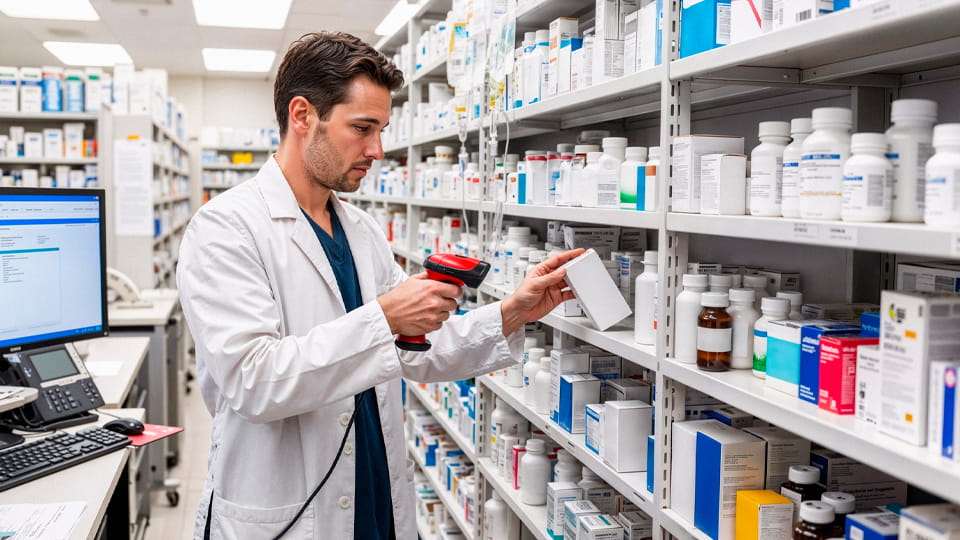
Recalls are expensive and damaging for drug companies. Beyond the upfront logistics of retrieving product, costs can include lost revenue, destroyed inventory, and compensation claims. Well-known recalls have imposed multi-billion-dollar losses: Vioxx ($6 billion in legal costs) and Baycol ($1 billion) are extreme examples. Even smaller recalls can trigger FDA enforcement, warning letters, import alerts, and site shutdowns if systemic problems are found. Companies may face fines or legal liability if negligence is proven. Brand reputation and physician trust can be severely harmed – patients and clinicians may avoid a product or even all generics by that manufacturer.
Darüber hinaus, recalls can disrupt the supply chain. A voluntary halt in production (or an FDA-mandated shutdown) can cause drug shortages. This is especially serious for lifesaving medicines: in blood pressure drugs, quality issues have already strained supply. Endlich, recalls invite regulatory scrutiny – the same data leading to a recall (FDA 483 observations, import violations, usw.) can flag inspectors to audit the facility again. This cycle can slow new product approvals and hurt long-term competitiveness.
Zusamenfassend, recalls have a ripple effect on finances, Einhaltung, and patient health. Preventing recalls is far less costly than responding to them.
Preventing drug recalls means building quality in at every stage. Key best practices include:
By integrating these measures, a manufacturer can dramatically cut the risk of recall. As the FDA notes, effective QMS paired with process knowledge and risk management allows “many types of changes to facilities, Ausrüstung, and processes without the need for prior approval” – because quality is built in. Mit anderen Worten, prevention is the best recall strategy.

Modern packaging systems play a critical role in preventing a drug recall, acting as the final quality checkpoint before products reach the market. Today’s pharmaceutical packaging line is no longer just about filling and sealing — it is a fully integrated quality control environment designed to detect defects in real time.
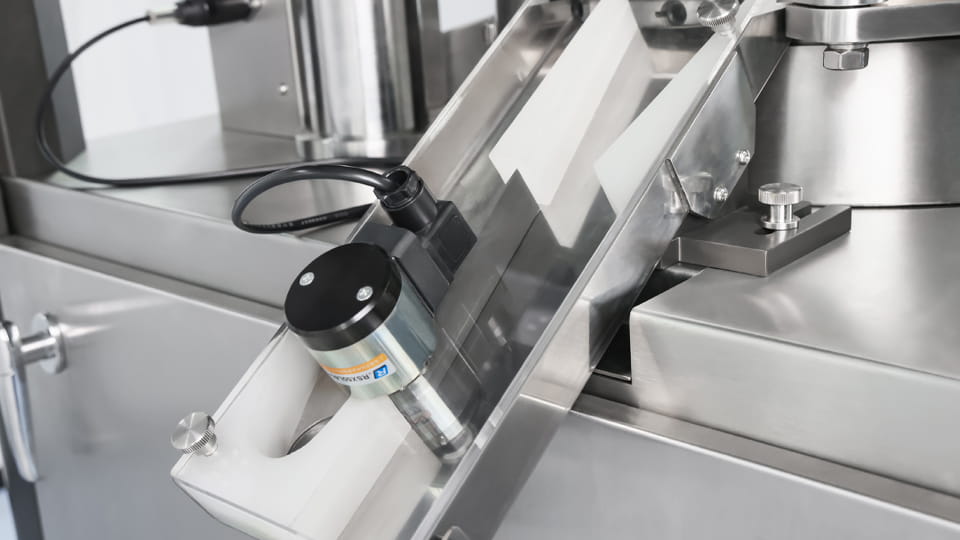
Equipment vendors like Jinlu Packing now embed advanced inspection technologies directly into pharmaceutical packaging solutions. Zum Beispiel, A bottle filling line may include inline vision systems that verify label accuracy, detect misprints, and automatically reject defective units. These systems help eliminate one of the most common recall triggers — labeling and packaging errors, which account for a significant portion of quality incidents under GMP environments .
For solid dosage products, A Blasenverpackungsmaschine must ensure precise cavity forming, Dichtungsintegrität, and correct product placement. Even minor deviations — such as improper sealing or material mismatch — can expose drugs to moisture or oxygen, leading to stability failures and potential recalls. Ähnlich, automated inspection integrated within a Tablettenzählmaschine helps prevent incorrect quantities, mixed batches, or cross-contamination, which are frequently linked to packaging-stage defects.
These risks are not theoretical. Regulatory inspections have repeatedly identified packaging and labeling as high-risk stages, with deficiencies in line clearance, Reinigungsvalidierung, and inspection procedures leading to compliance issues and recall events .
Um dies anzugehen, manufacturers are increasingly adopting fully integrated GMP compliant packaging line systems. These systems combine serialization, Sichtprüfung, checkweighing, and real-time data tracking into a unified workflow. With MES connectivity, every step of the pharmaceutical manufacturing process can be monitored and recorded, enabling rapid traceability if deviations occur.
The advantage is clear: defects are detected immediately rather than after large batches have been produced. Automated rejection systems remove non-conforming units in real time, while digital records ensure full audit readiness.
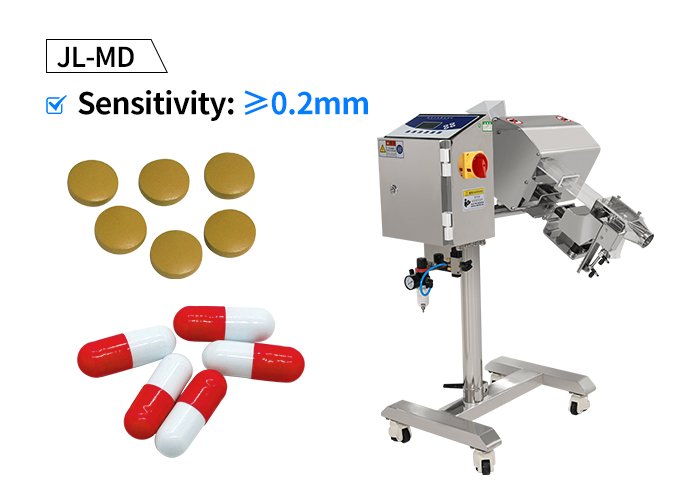
Zusamenfassend, modern packaging automation transforms packaging from a potential risk point into a powerful safeguard. By investing in advanced equipment and integrated quality control, pharmaceutical companies can significantly reduce human error, maintain cGMP compliance, and minimize the likelihood of costly drug recalls.
A drug recall is rarely caused by a single mistake. In den meisten Fällen, it results from small gaps across manufacturing, Verpackung, Inspektion, or documentation processes that accumulate over time. As regulatory expectations continue to evolve, pharmaceutical companies are shifting from reactive recall management toward proactive risk prevention.
By strengthening quality control throughout the pharmaceutical manufacturing process and adopting reliable pharmaceutical packaging solutions, manufacturers can significantly reduce recall risks while improving product consistency and patient safety. Modern automation, accurate inspection systems, and GMP-focused packaging design are no longer optional — they are essential parts of a resilient pharmaceutical supply chain.
If you are evaluating ways to reduce packaging risks or upgrade your production reliability, We can tailor a solution to your product needs – ensuring safe, genau, and recall-proof packaging. Protect patients and your brand: 👉reach out to Jinlu Packing today to discuss automated inspection, packaging validation, and turnkey lines for pharmaceutical production.
A drug recall is an action taken by a pharmaceutical company to remove or correct a product that violates regulatory standards or may pose a safety risk to patients. Recalls are typically voluntary but are monitored and overseen by regulatory agencies such as the FDA to ensure public protection.
The most frequent reasons include:
• Product contamination (microbial or particulate)
• Incorrect labeling or packaging errors
• Wrong dosage or potency problems
• Manufacturing defects
• Stability or storage failures
Research analyzing FDA recalls identified contamination and mislabeling among the leading causes across recalled drug products.
Nicht unbedingt. Drug recalls are classified by risk level: • Class I: Serious health risk or death possible • Class II: Temporary or reversible health effects • Class III: Low risk or regulatory non-compliance
Studies show that 80–90% of recalls fall into Class II, meaning serious harm is unlikely but correction is still required.
In den meisten Fällen, the pharmaceutical manufacturer initiates the recall voluntarily after identifying a quality issue. Regulatory authorities supervise the process and verify that affected products are properly removed from distribution.
Manufacturers reduce recall risk by:
• Implementing GMP-compliant production systems
• Using automated inspection equipment
• Validating packaging compatibility
• Improving batch traceability
• Conducting stability testing early
Quality-by-design manufacturing significantly lowers recall probability.
Typical actions include:
1. Stop distribution immediately
2. Identify affected batches
3. Notify regulatory authorities
4. Inform distri butors and customers
5. Execute product retrieval or correction
Rapid response helps reduce regulatory penalties and patient risk.
Referenzen:
1.Drug recall information for consumers, health care professionals and industry - UNS. Essen & Arzneimittelbehörde (FDA).
2.FDA 101: Product Recalls – Drugs.com.
3.FDA Announces Nationwide Recall of Over 580,000 Bottles of Blood Pressure Medication Due to Cancer-Causing Chemical – health.com.
4.Predicting drug recalls from Internet search engine queries – arxiv.org.