
giriiş: Pills – including tablets, kapsüller, and similar solid medicines – are among the most popular forms of medication. Tanım gereği, a pill is “a small and round shaped dosage form” that delivers a precise dose of drug. People love pills because they’re easy to take, taşınabilir, and accurate in dosing. Pharmaceutical experts note that pills come in countless sizes, şekiller, and formulations to meet different needs. Some pills release their drug slowly over time, while others act quickly for immediate relief. In this guide for industry professionals, we’ll walk through the different Hap türleri, nasıl çalışıyorlar, and how they’re made and packaged – all in clear, friendly terms.

Pills generally fall into two big families: kapsüller ve tabletler (solid compressed pills). Fakat, there are special varieties too. Açıklık sağlamak için, here are the major pill forms and their subtypes:
Each pill type is developed to solve a specific need. Örneğin, sprinkle capsules (mentioned above) were created so medications can be given to infants or patients who can’t swallow solid pills. Tabletler, diğer taraftan, can be formulated for very slow drug release (good for chronic medicine) or very fast action (like dissolving cough medicine in water).
Another way to classify pills is by how they release their drug in the body:
Pratikte, a pharmaceutical company chooses the release type based on the condition being treated. Fast-acting pills help acute issues like headaches, whereas extended-release forms improve compliance for chronic therapy (fewer doses per day). These details (release speed, duration) are critical when matching a pill to the right packaging and usage scenario.
In addition to release, pills differ by how you take them inside the body:
When you buy pills, the pharmaceutical company has already done a lot of work. The manufacturing process depends on the pill type:
Kısacası, tablet production is a tightly controlled sequence of mixing, granül, and compressing to ensure every pill is safe and effective.
Each production step is critical. Örneğin, capsule makers must control humidity and temperature carefully, because gelatin will deform if it dries too fast or stays too moist. Modern factories use automated equipment so that thousands of capsules can be made per minute with minimal defects.
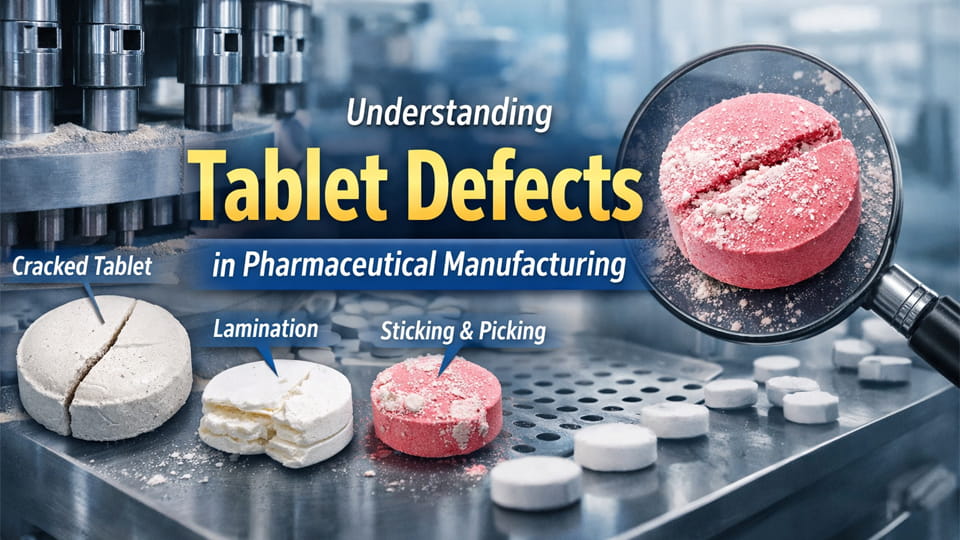
Production Example: In a tablet factory (pictured), mixtures of drug and excipients are fed into a tablet press. Each machine punch compacts the powder into solid tablets under enormous force. Quality checks along the line ensure uniform size, ağırlık, and content. High-speed tablet presses are a workhorse of pharma manufacturing.
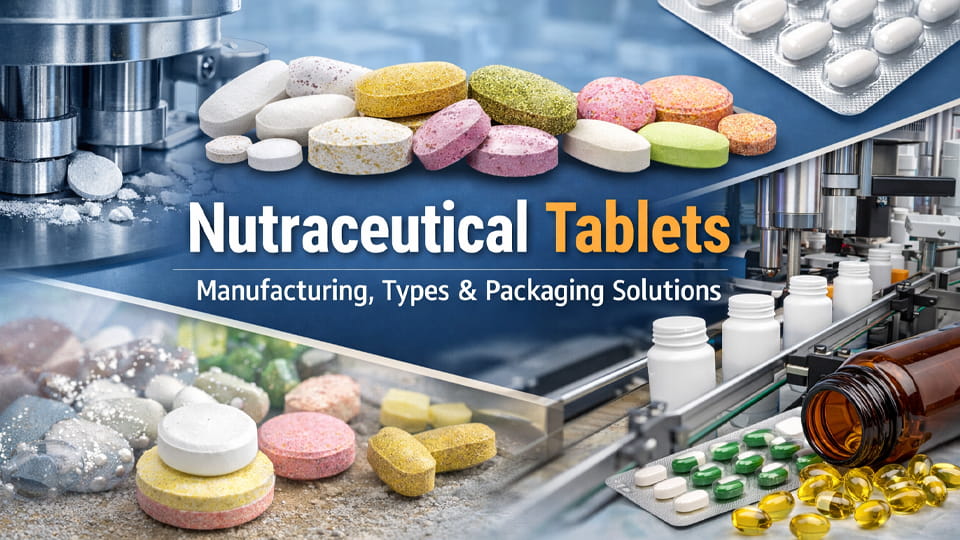
Ambalajlama (Sayma & Sızlanma): Once pills are made, the final step is packaging them for sale. This may involve:
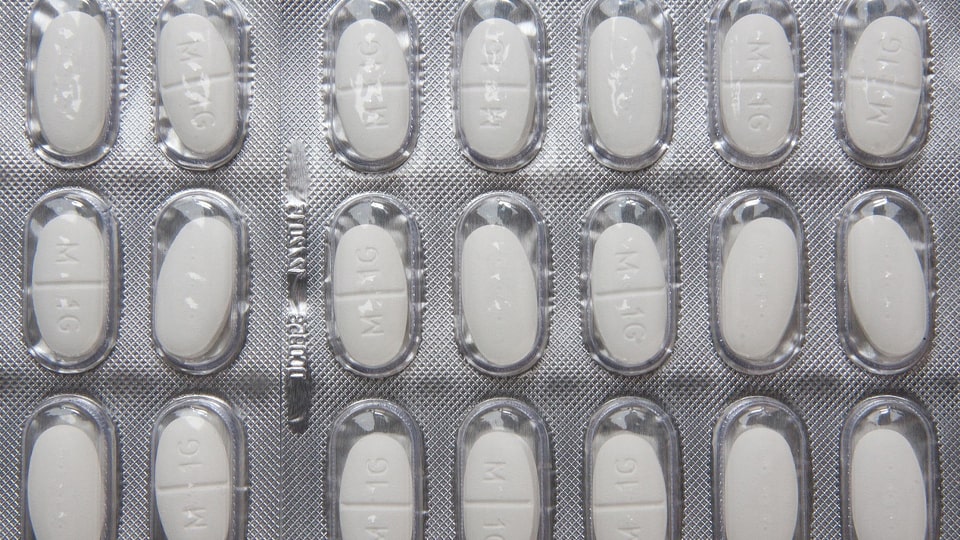
Packaging machines (şişe doldurucular, kabarcık paketleyiciler, kartonlama makineleri) are designed for specific pill types. Örneğin, a blister machine for tablets has different tooling than one for softgel capsules. Knowing the pill forms helps engineers set up the machines correctly.
Özetle, “pills” is a broad term covering many types of solid oral medicines. The two main categories are capsules and tablets, but within those categories there are dozens of varieties (chewable, effervescent, spray-dried powders, ve daha fazlası). We’ve seen that different pill types exist to improve dosing, emilim, and patient comfort. Örneğin, capsules can carry liquids (softgels) or be opened for feeding (sprinkle capsules), while special tablets dissolve in the mouth for those who can’t swallow.
Manufacturing and packaging each pill type requires specific processes and machines. Tablet makers use granulation and compression presses, whereas capsule makers use dipping and filling machines. At the end of the line, pills are automatically counted and packed into bottles or blisters. This ensures that industry buyers and engineers get a consistent product.
Understanding the different types of pills is crucial in pharmaceutical production and packaging. Whether you need bulk tablets or preformed capsules, knowing the forms helps in choosing the right machinery (Örneğin, a tablet counting machine vs. a capsule filler). By learning about pill forms, release types, and manufacturing steps, procurement and engineering teams can make informed decisions and ensure smooth production lines.
The main types of pills include tablets and capsules. Tablets are compressed solid medicines, while capsules have a shell (usually gelatin or plant-based) enclosing the medicine. Within these, there are subtypes like chewable tablets, orally disintegrating tablets, softgels, and sprinkle capsules. These forms help address different dosing and patient needs.
Tablets are compressed powders that may be coated or flavored, whereas capsules are shells filled with powder or liquid medicine. Capsules often dissolve faster and can be easier to swallow, while tablets are generally more stable and cost-effective to manufacture.
Softgel capsules are made from a soft gelatin shell containing liquid or semi-liquid medicine. They’re often larger and can deliver higher drug loads. Hard capsules consist of two solid shell parts filled with powder or pellets.
Orally disintegrating tablets are tablets designed to dissolve quickly in the mouth without water. They are useful for people who have difficulty swallowing pills or for fast onset of action.
Genişletilmiş sürüm (ER) pills are formulated to release medicine slowly over time, helping maintain steady drug levels and reduce dosing frequency. Delayed-release pills, such as enteric-coated tablets, are designed to dissolve later in the digestive tract to protect the drug or reduce stomach irritation.
Evet. A polypill is a pill that contains multiple active pharmaceutical ingredients in one dosage form, making it easier for patients to take combination therapies.
Most pills contain excipients, which help bind the medicine together, istikrarı geliştirin, control release, or make the pill easier to swallow. These inactive substances are essential for dosing accuracy and pill performance.
Sprinkle capsules are hard capsules filled with small pellets or granules that can be opened and sprinkled on soft food or beverages, useful for children or adults who have trouble swallowing whole pills.
The pill’s form (tablet, kapsül, immediate vs extended release) affects how quickly it dissolves and how the body absorbs the drug. Örneğin, capsules typically dissolve faster than tablets, while extended-release tablets release the medicine gradually over time.
Most pills are designed for oral use, but some solid dosage forms (like buccal or sublingual tablets) dissolve in the mouth and are absorbed directly into the bloodstream. Diğerleri, like certain solid suppositories, are inserted rectally or vaginally (though not considered oral pills).
Referanslar:
1.Solid Pharmaceutical Dosage Forms — Tablets – Pharmaguideline
2.Types of Pharmaceutical Tablets — Pharma Specialists
3.Capsule Manufacturing Technology: Innovations Shaping the Future – Tablets & Kapsüller
4.Polypill – Vikipedi