
ในการผลิตยา, อัน เครื่องผูกแท็บเล็ต เป็นสารออกฤทธิ์เฉื่อยที่เก็บผงของยาเม็ดไว้ด้วยกัน. ในแง่ง่ายๆ, ทำให้แป้งฝุ่นกลายเป็นของแข็ง, แท็บเล็ตขนาดกะทัดรัด. สารยึดเกาะจะจับอนุภาคผงแต่ละอนุภาคให้เป็น "เนื้อเดียวกัน", มวลของแข็ง” จึงเกิดเป็นเม็ดยาได้. ในทางปฏิบัติ, สารยึดเกาะเป็นพลังที่มองไม่เห็นซึ่งทำให้แท็บเล็ตมีรูปร่างและแข็งแรง. บทบาทหลักของสารยึดเกาะแท็บเล็ตคือการทำให้ผงและเม็ดเกาะติดระหว่างการบีบอัด, ให้เม็ดยาที่มีความแข็งแรงทางกลและความสมบูรณ์เพียงพอ. กล่าวอีกนัยหนึ่ง, โดยไม่มีเครื่องผูกที่ถูกต้อง, คุณจะจบลงด้วยกองผงแทนที่จะเป็นยาเม็ดสำเร็จรูป.
สำหรับใครก็ตามที่ร่วมงานด้วย เครื่องกดแท็บเล็ต, สารยึดเกาะมีความสำคัญ. ช่วยให้มั่นใจได้ว่าแต่ละจังหวะของการกดจะสร้างแท็บเล็ตที่สม่ำเสมอ. ในความเป็นจริง, สารยึดเกาะถือส่วนผสมทางเภสัชกรรมที่ใช้งานอยู่ (API) และสารเพิ่มปริมาณในเม็ดรวมกัน, giving tablets the mechanical strength needed for mass production, การจัดการ, และการจัดส่งสินค้า. เช่นเดียวกัน, สารยึดเกาะช่วยให้แท็บเล็ตทนทานต่อการหยิบจับ, packaging and storage by keeping ingredients bonded together. ในระยะสั้น, สารยึดเกาะแท็บเล็ตคือ กาวที่จำเป็น (พูดเป็นรูปเป็นร่าง) ภายในแท็บเล็ต. They keep all ingredients together from the hopper of a tablet press to the patient’s hands. การทบทวนใน Journal of Chemical Health Risks ยังอธิบายถึงสารยึดเกาะว่าเป็นตัวแทนที่ "เสริมสร้างพลังพันธะระหว่างอนุภาคภายในแท็บเล็ต,” ensuring solid dosage forms maintain their shape until use.
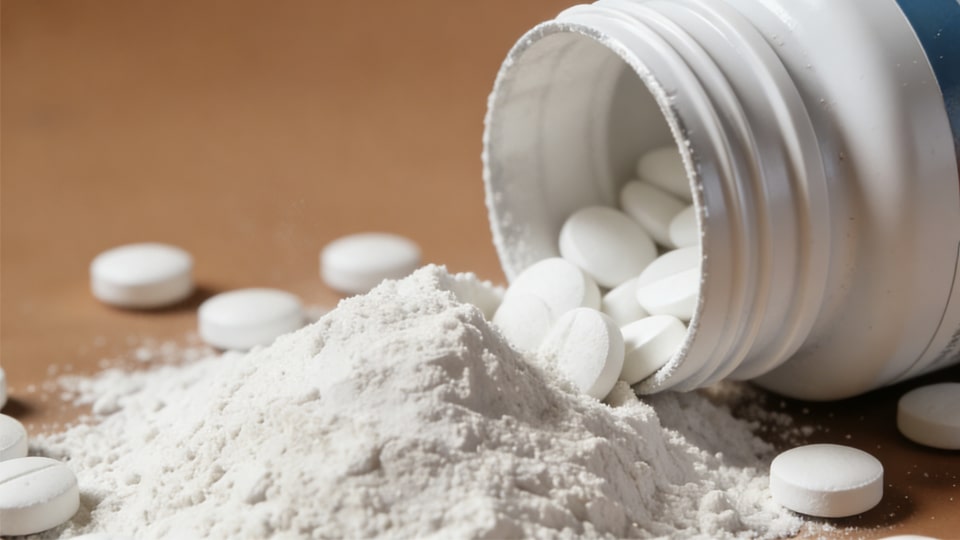
Tablet binders come in different categories depending on how the tablet is made. ในวงกว้าง, มี สารยึดเกาะบีบอัดโดยตรง, wet granulation binders, และ สารยึดเกาะแกรนูลแห้ง.
In a typical pharma line (especially in high-speed เครื่องกดแท็บเล็ต), สารยึดประสานแบบบีบอัดโดยตรงเป็นที่นิยมเพราะช่วยให้คุณข้ามขั้นตอนการทำให้เปียก/แห้งเพิ่มเติมได้. (ตัวอย่างเช่น, ในเม็ดเปียกสารยึดเกาะจะทำหน้าที่เหมือนกาวภายในแต่ละเม็ด)
ต่อไปนี้เป็นวัสดุประสานที่ใช้กันอย่างแพร่หลายและบทบาทของพวกเขา:
นี่เป็นเพียงตัวอย่างบางส่วน. สารยึดเกาะที่คุณเลือกขึ้นอยู่กับสูตรของคุณ (active drug, สลายตัว, รสชาติ, ฯลฯ) and process (direct vs granulation).
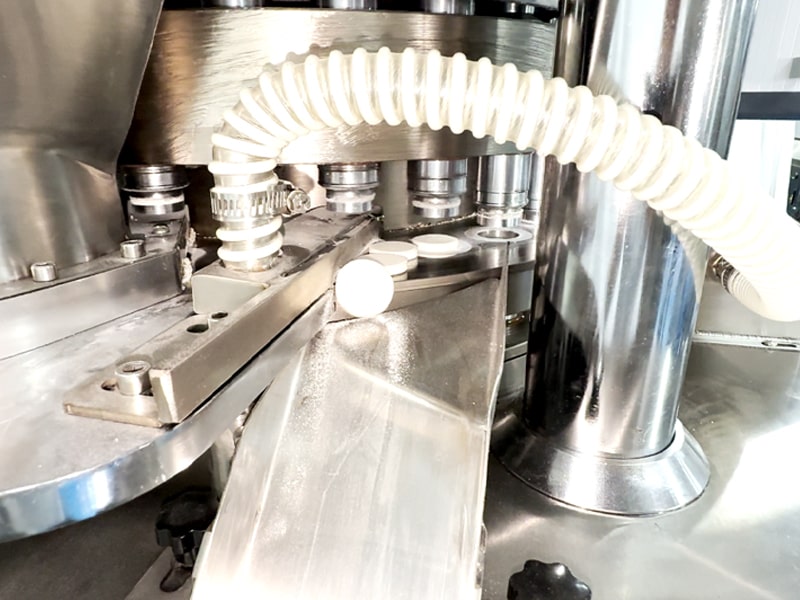
ภาพด้านล่างแสดงการกดแท็บเล็ตแบบหมุนความเร็วสูงในที่ทำงาน, อัดผงเป็นยาเม็ด. เครื่องผูกมีบทบาทสำคัญในเครื่องนี้. In a tablet press (เดี่ยวหรือแบบหมุน), ส่วนผสมของผงจะถูกป้อนเข้าแม่พิมพ์ด้วยแรงโน้มถ่วงและแรง. สารยึดเกาะที่ดีช่วยให้มั่นใจว่าผงจะไหลเข้าสู่แม่พิมพ์อย่างสม่ำเสมอและเกาะติดกันเมื่อหมัดบีบอัด. สารยึดเกาะเช่น MCC ทำให้สูตรผงมีความเหนียวและสม่ำเสมอมากขึ้น. ในแง่การปฏิบัติ, ซึ่งหมายความว่าแต่ละรอบการกดจะทำให้ได้เม็ดยาที่มีกำลังเต็มที่โดยมีน้ำหนักและความหนาแน่นสม่ำเสมอ. อนุภาคของสารยึดเกาะเปลี่ยนรูปหรือแตกหักและสร้างพันธะภายใต้ความกดดัน, ล็อคแท็บเล็ตเข้าด้วยกัน.
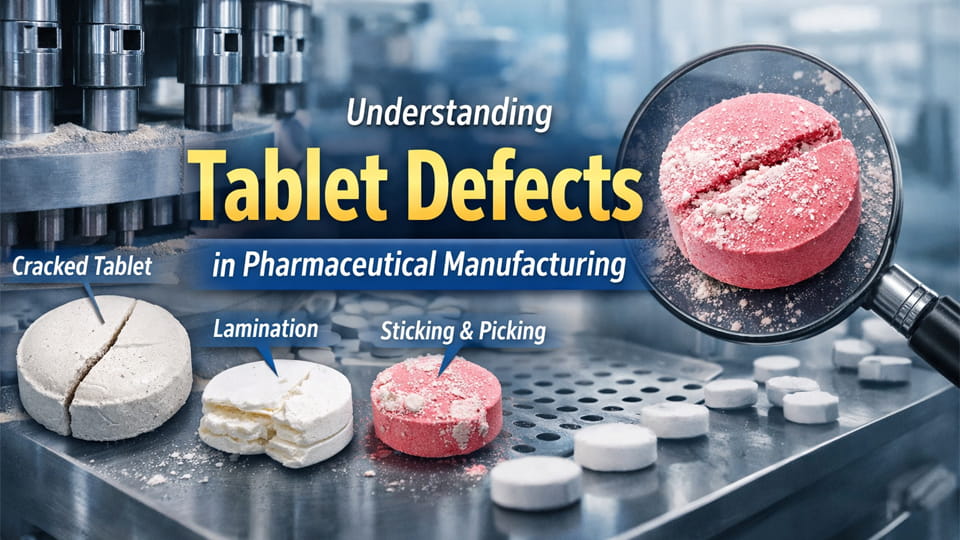
หากเครื่องผูกไม่ดีหรือขาดหายไป, แท็บเล็ตอาจมีข้อบกพร่อง. การใช้เครื่องผูกผิด (หรือไม่มีสารยึดเกาะ) อาจทำให้การไหลไม่ดีได้, เม็ดยาที่แตกหรือแตก, หรือเครื่องจักรช้าลงเนื่องจากการติดและการหยิบ. กล่าวอีกนัยหนึ่ง, หากไม่มีสารยึดเกาะที่ถูกต้อง ฮอปเปอร์และตัวป้อนอาจอุดตันหรือป้อนไม่สม่ำเสมอ, นำไปสู่การปิดฝาหรือเม็ดยาไม่เรียบ. การศึกษาบันทึกการผลิตแท็บเล็ตที่การเลือกสารยึดเกาะที่เหมาะสมเป็นส่วนหนึ่งของการวางแผนก่อนการผลิต. สำหรับวิศวกรบรรจุภัณฑ์, ซึ่งหมายความว่าสารยึดเกาะส่งผลต่อวิธีการกดแท็บเล็ต. การใช้สารยึดเกาะที่ช่วยเพิ่มการไหลของผง (like MCC) สามารถ ลดการหยุดทำงานของเครื่องจักรและปรับปรุงประสิทธิภาพการผลิต. ในทางกลับกัน, สารยึดเกาะที่เหนียวหรือไม่เหมาะสมอาจทำให้เครื่องจักรติดกาวหรือผลิตเม็ดยาที่เปราะได้. เมื่อทุกอย่างเข้ากัน – เครื่องผูกที่ถูกต้อง, เครื่องจักรที่เหมาะสม - คุณจะได้แท็บเล็ตที่แข็งแกร่งและการดำเนินการผลิตที่ราบรื่น.
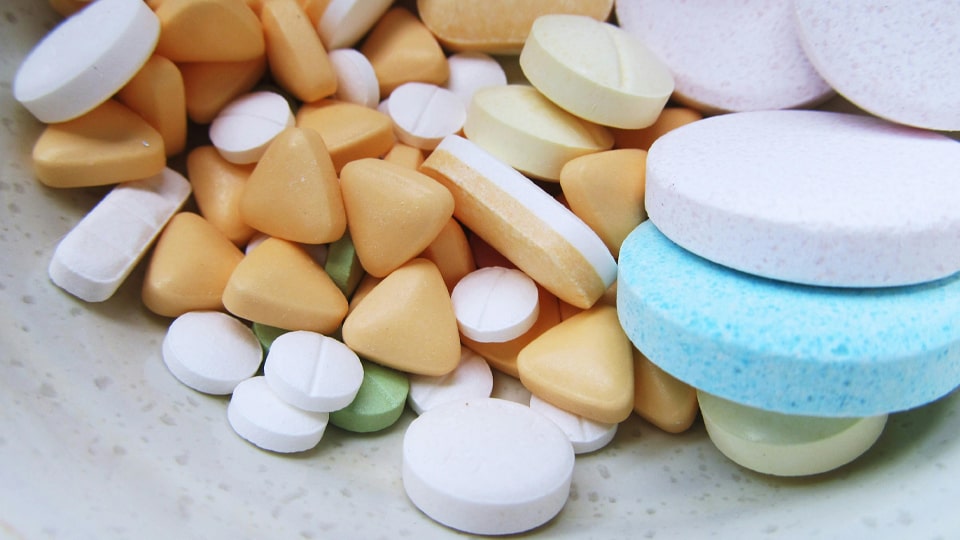
การเลือกเครื่องผูกไม่ใช่ขนาดเดียวที่เหมาะกับทุกคน. แทน, คุณจับคู่สารยึดเกาะกับยา, the tablet’s goal, and the equipment. นี่คือปัจจัยสำคัญบางประการที่ควรพิจารณา:
คุณสมบัติยา: พิจารณาความสามารถในการละลายของ API, ความเสถียรและการดูดความชื้น. สำหรับยาที่ไวต่อความชื้น, แนะนำให้ใช้สารยึดเกาะที่ทนความชื้นเช่น MCC. หากเป็นยาที่ชอบน้ำหรือสลายความชื้น, คุณอาจหลีกเลี่ยงสารยึดเกาะที่เป็นน้ำ.
การทบทวน Journal of Chemical Health Risks เน้นย้ำว่า การเลือกเครื่องผูกที่เหมาะสมถือเป็นสิ่งสำคัญในการรักษาความสมบูรณ์ของแท็บเล็ต. ในทางปฏิบัติ, ผู้กำหนดมักจะทดสอบผู้สมัครสองสามคนในช่วง R&ดี. เทรนด์สมัยใหม่ยังรวมถึงสารยึดเกาะอเนกประสงค์ด้วย (สิ่งที่รวมเข้ากับการแตกตัวหรือการปิดบังรสชาติ) และสารยึดเกาะตามธรรมชาติเพื่อความยั่งยืน. ในที่สุด, เครื่องผูกที่เหมาะสมทำให้การผลิตมีประสิทธิภาพ: มันเพิ่มความคล่องตัวในการสร้างแท็บเล็ต, หลีกเลี่ยงข้อบกพร่อง, และบรรลุเป้าหมายคุณภาพ.
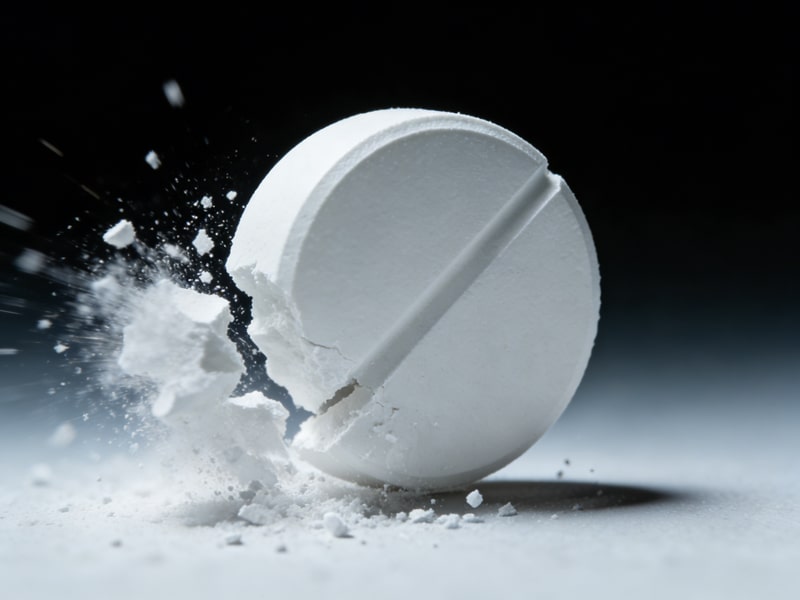
ในขณะที่งานหลักของเครื่องผูกคือการยึดแท็บเล็ตเข้าด้วยกัน, พวกเขามักจะเพิ่มสิทธิประโยชน์โบนัส. ตัวอย่างเช่น, การควบคุมการสลายตัว: some binders will help the tablet break apart at the right time. คนอื่น, like mannitol, double as sweeteners to improve mouthfeel. Certain binders can even promote tablet disintegration once swallowed, affecting how quickly the drug is released. And they can impact how a tablet feels on the tongue – using mannitol as a binder adds a cool, sweet sensation, and saccharose (table sugar) dissolves quickly for a smooth feel.
Compressibility is another key aspect. A binder like MCC not only sticks particles but also deforms under pressure to make very uniform, hard tablets. Binders help create the right texture and strength. เช่น, Microcrystalline Cellulose gives structural integrity to tablets and makes them “consistently hard”. นอกจากนี้, fillers like dicalcium phosphate add weight and hardness, reducing capping.
ในที่สุด, innovative binders are being developed. There are “multifunctional binders” (sometimes nicknamed “rock stars”) that do binding และ การแตกสลาย, and naturally-derived binders (algal or plant-based) for greener formulas. Some binders even include flavors to mask bad tastes. All these advances mean binders are no longer just passive glue – they’re active participants in tablet performance.
In the world of tablet manufacturing, a tablet binder isn’t just another ingredient — it’s one of the core reasons tablets hold together and perform reliably. Binders act like cohesive agents that help powders and granules form strong, uniform tablets when compressed in a tablet press machine or เครื่องแท็บเล็ต. They ensure tablets maintain their shape, achieve consistent weight and strength, and withstand handling from production to packaging and use.
Choosing the right binder matters. The choice affects tablet integrity, ความสามารถในการไหล, ความแข็งแรงทางกล, and even drug release profiles — all of which are essential for high-quality pharmaceuticals. Whether you’re working with traditional binders like MCC and starches or advanced polymers like PVP and HPMC, matching the binder to formulation goals and equipment capabilities makes manufacturing smoother and more reliable.
For manufacturers and engineers working with จินลู่บรรจุ’s tablet production equipment, understanding binders and how they interact with your machines helps you optimize your product quality and production efficiency. A well-chosen binder plus the right tablet press setup can significantly reduce defects and increase throughput — ultimately leading to better products and happier customers.
A tablet binder is an inactive ingredient (excipient) added during tablet manufacturing to help powder particles stick together and form a solid tablet. It enhances cohesiveness and ensures the tablet maintains its shape during compression and handling.
Binders are used to improve powder cohesiveness and compressibility. They help the tablet resist breaking or crumbling during manufacturing, บรรจุภัณฑ์, ขนส่ง, และใช้.
Common binder types include natural binders (เช่น, แป้ง, gums), synthetic binders (เช่น, พีวีพี, โพลีเอทิลีนไกลคอล), and semi-synthetic binders (เช่น, HPMC, HPC). Each type offers different binding properties and is chosen based on formulation needs.
Binders improve cohesion between particles so that during compression in a tablet press machine, the powder blend forms a strong, แท็บเล็ตขนาดกะทัดรัด. They can work through wet granulation, dry granulation, or direct compression processes.
While binders help powders stick together and form tablets, disintegrants help tablets break apart quickly when ingested so the active ingredient can be released. In formulation design, binders and disintegrants often work together but serve opposite functions.
ใช่. Too little binder may cause weak tablets that break easily, while too much binder can slow disintegration or affect drug release. The right binder concentration depends on the tablet size, สูตร, และรายละเอียดการปล่อยที่ต้องการ.
ใช่. Some binders influence how fast a tablet breaks apart and how quickly the active pharmaceutical ingredient (API) is released. ตัวอย่างเช่น, certain polymers can slow disintegration to create controlled-release tablets.
ใช่. Binders like microcrystalline cellulose (มช) and pregelatinized starch are commonly used in direct compression because they improve powder flow and compressibility, making them ideal for high-speed tablet press machines.
Important factors include the solubility of the API, moisture sensitivity, desired release profile, tablet hardness, and compatibility with other excipients. These influence both tablet performance and manufacturability.
ใช่. Besides cohesion, binders influence tablet strength, powder flow in tablet machines, disintegration timing, and sometimes taste or mouthfeel in chewable tablets.
อ้างอิง:
1. A review on tablet binders as a pharmaceutical excipient – World Journal of Biology Pharmacy and Health Sciences
2.Tablet Binders as an Excipient in Pharmaceutical Formulation – Journal of Chemical Health Risks
3.Research on the influences of binders on high shear wet granulation and tablet quality – ไซแอนซ์ไดเร็กต์