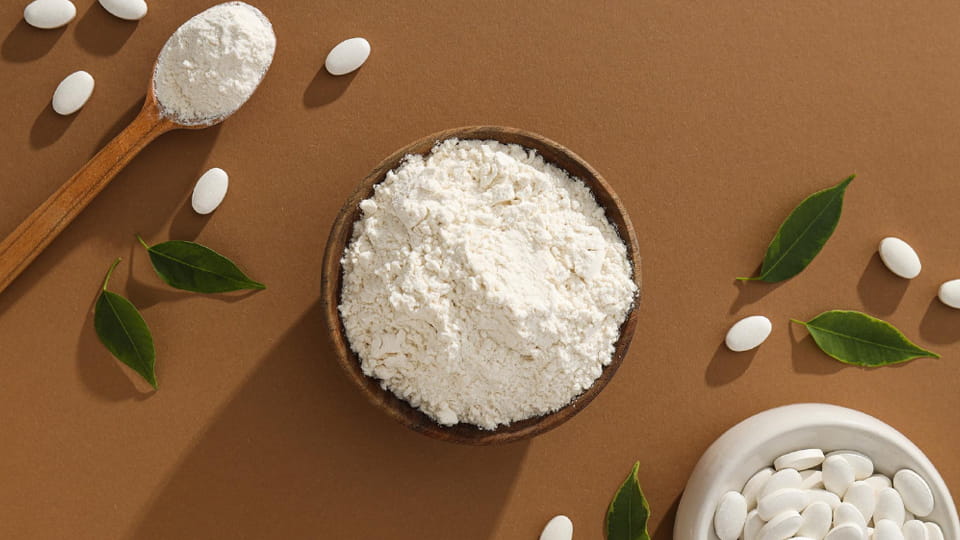
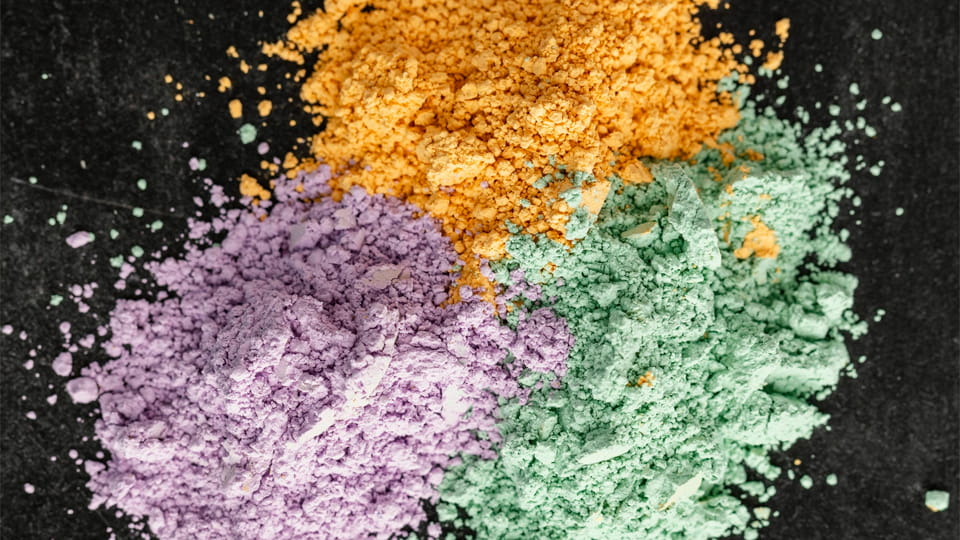
Mixing is a crucial step in pharmaceutical manufacturing. Proper mixing ensures that active ingredients are evenly distributed in a batch, so every tablet or capsule has the right dose and consistent quality. The pharmaceutical industry uses manytypes of mixers (often called blenders) to blend powders, เม็ด, creams or liquids. Pharmaceutical mixers include tumbler mixers, ribbon blenders, planetary mixers, and static mixers. ในทางปฏิบัติ, mixers are chosen based on what you’re blending: dry powders, wet granules, viscous pastes, or solutions. ในคู่มือนี้, we’ll break down the main mixer andblender machinesused in pharma, explain how each works, and give tips on picking the right one for your application.
Mixing equipment in pharma can be broadly grouped by application. Dry-powder mixers (for tablet or capsule formulations) tumble or shear solid particles. Cream/gel mixersknead or fold viscous materials. Liquid solution mixersstir and emulsify liquids. Below we cover each category and the popular mixer types within them. Wherever possible, we cite industry sources to explain how the machines work.
Common Types of Mixers for Solid Dosage Form (Powder and Granule)
Tumbling blenders and ribbon mixers dominate dry-powder blending. These mixers provide gentle, thorough mixing with minimal damage to particles, which is crucial for fragile active ingredients. Common powder mixer types include:
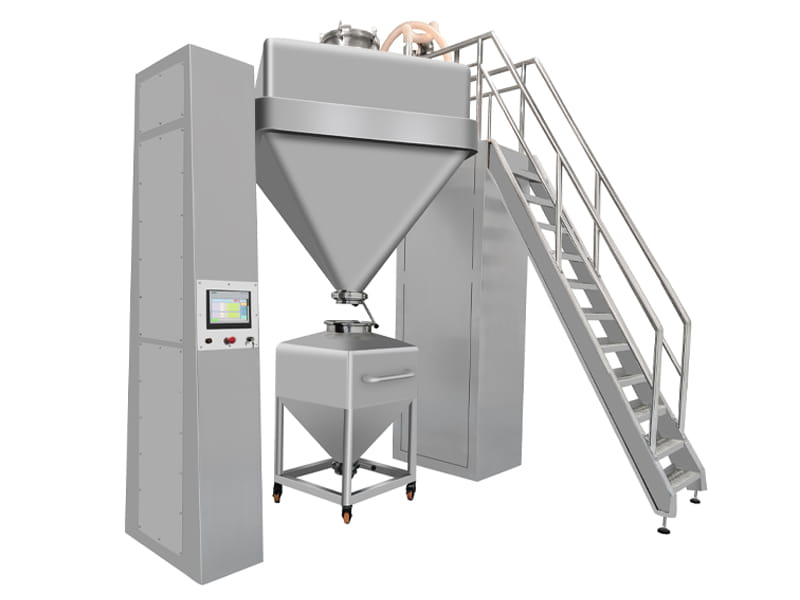
Tumbler Blenders (V-Blenders, Double-Cone Blenders, 3D Blenders,Square Cone Mixer)– These machines mix free-flowing powders and granules by rotating the product in a vessel. ตัวอย่างเช่น, V-blendershave a V-shaped chamber made of two cylinders. As the vessel turns, materials cascade and diffuse, blending gently. Double-cone mixerswork on the same principle: a rotating vessel with two conical ends tumbles powders to achieve uniform mixing by diffusion. Both V-blenders and double-cone blenders are widely used for dry ingredients because they handle large volumes and clear out completely (no dead zones). (V-blenders and double-cone mixers can also be calledpowder mixers หรือ pharmaceutical blenders, since they mix powders without high shear.) A modern variant is the3ดี (three-dimensional) blender, which moves the batch along multiple axes for even faster blending, though it still tumbles the product gently.
Types of Mixers:V Type Mixer Machine
Types of Mixers:Square Cone Mixer
Ribbon Blenders– Ribbon or paddle mixers have a horizontal trough with helical blades (ribbons) that rotate through the materials. The ribbons push powder from the ends of the trough toward the center and back out, creating both convection and diffusion (large- and small-scale motion). ในทางปฏิบัติ, a ribbon blender can mix powders of different properties, even adding small amounts of liquid spray if needed. Many manufacturers call theseblender machines. Ribbon blenders are popular in pharma for their versatility: they can handle powders, น้ำพริก, and even slurries under vacuum or temperature control. ตัวอย่างเช่น, ROSS (a mixer maker) notes that ribbon blenders can heat or cool materials and even coat particles with liquid if required.
Conical (Nauta) Screw Mixers– These are a special kind of powder mixer. ก conical screw mixer (หรือ Nauta mixer) has a conical vessel and a vertical screw that rotates around the cone’s wall. This design gently lifts material from the bottom and drops it through the batch in a three-dimensional way. The action produces a very homogeneous mix with low-intensity shear. Nauta mixers excel at mixing delicate or segregating powders (where particles differ in size or density) because the screw conveys and folds the product slowly.Nauta mixers were specially designed for segregative, free-flowing powders and allow complete discharge of product for easy cleaning. These mixers are often used when precise uniformity is needed in large batches.
High-Shear (ความเร็วสูง) Mixers– Although often associated with wet granulation, high-shear mixers also appear in powder handling. ก high-shear mixerhas a rotor-stator system that spins at very high speed, creating strong shear forces. ในด้านเภสัชกรรม, high-shear mixers can take dry powder and a little binder solution to form wet granules, or disperse powders into liquids. Senieer (a manufacturer) notes that high-shear mixers are used to produce “granular, อิมัลชัน, and suspension products” and can emulsify and homogenize mixtures by grinding them finely. โดยพื้นฐานแล้ว, a high-shear mixer is a powder mixer that operates so fast it also does granulation. Use these when you need quick granulation or a very fine blend, but remember they subject materials to more force (not ideal for very fragile ingredients).
Bin/IBC Blenders– Also calledbin blenders หรือ IBC mixers, these use large, portable containers as mixing vessels. You load powder into a steel intermediate bulk container (IBC) and lock it into a mixing frame that rotates. This setup is common in pharmaceuticals for batch flexibility: you can load a full container, mix, then transport it directly to the next step (like tablet pressing) without transferring powder. Bin blenders offer gentle tumbling similar to V- or double-cone mixers, but they serve high-volume production well. According to one source, bin blenders are essentially large-scale tumble mixers used for bulk powder processing.
Types of Mixers for Creams, Gels and Ointments
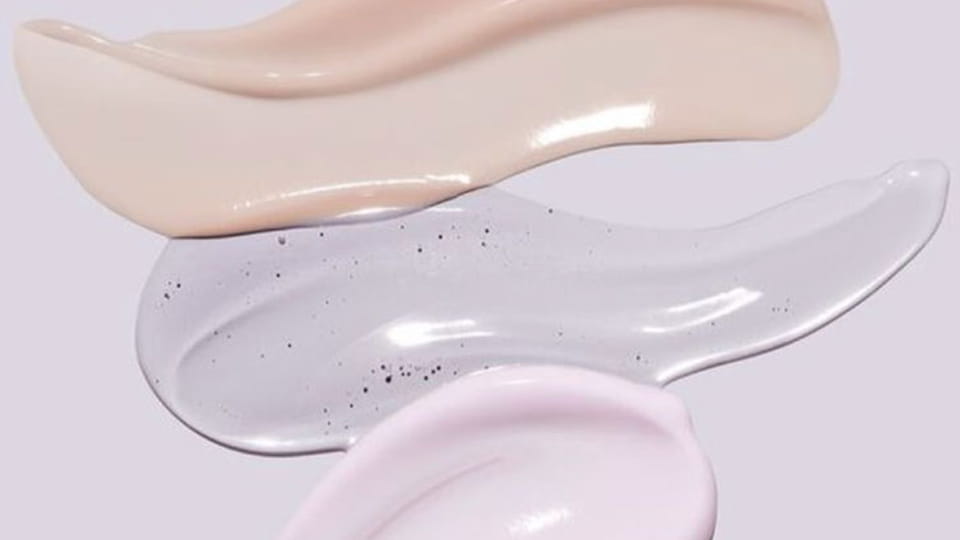
Thicker, viscous formulations (ครีม, gel or paste) require powerful, agitator-based mixers. These mixers use paddles or blades with heavy-duty drives:
Planetary Mixers– In a planetary mixer, a mixing blade (or multiple blades) orbits around the bowl while spinning on its own axis. This kneading action (like the planets orbiting) thoroughly mixes high-viscosity pastes. As SED Pharma notes, planetary mixers “utilize a combination of rotating and revolving movements” to create a homogeneous mix. They’re commonly used for products like creams, ขี้ผึ้ง, gels and heavy suspensions. The slow, intense mixing kills lumps and disperses solids uniformly. Think of a planetary mixer as a heavy-duty kitchen mixer for pharma creams.
High-Shear (Homogenizer Emulsifier) Mixers– These are also used for semi-solid mixes. A high-shear mixer can mix creams or liquid suspensions by applying intense shear (through a rotating impeller next to a stationary screen). It breaks up particles and helps liquid bind into powders. Sometimes calledhomogenizers หรือ อิมัลซิไฟเออร์, they create ultra-smooth, lump-free products. We’ve already mentioned high-shear mixers in powders, but in cream-making they often incorporate vacuum or sealing to handle sticky mixtures.
Paddle and Impeller Mixers– For moderately viscous semisolids, simple agitators or impeller mixers can work. These are essentially tanks with a motor-driven shaft and blades or paddles that stir the batch. They are less aggressive than planetary mixers and not as effective on very stiff materials, but they handle creams or gels at medium consistency.
All the above machines for creams usually have a stainless-steel bowl, built-in heating/cooling jackets, and are designed for easy cleaning (CIP/SIP) to meet GMP.
Mixers for Liquids and Solutions
Pharmaceutical solutions (like syrups, injectable solutions, or suspensions) are mixed with specialized agitators:
Propeller (Low-Speed) Mixers– These mixers use a propeller blade on a vertical shaft to stir liquids gently. They run at low speed but produce a good flow to suspend particles in a low-viscosity medium. They’re used when you have powders to dissolve or distribute in a large volume of liquid (E.G. saline solution, น้ำเชื่อม).
Turbine (ความเร็วสูง) Mixers– These have turbine blades (like a fan) and rotate faster to handle medium-viscosity liquids. They are used for emulsions or any formulation where you need more shear in liquids.
Paddle Mixers– Not to be confused with ribbon mixers, paddle mixers here mean large flat blades that paddle through liquid gently. They create minimal shear, so they’re used for very delicate formulations (some biological injectables or something requiring no foaming).
A resource on pharmaceutical mixers notes: “Common pharmaceutical solution mixers include: paddle mixers, propeller mixers, turbine mixers”. ในระยะสั้น, fluid mixing equipment is chosen based on viscosity and gentle handling needs.
Static Mixers– An additional option is astatic mixer, which contains no moving parts. Liquids pass through stationary baffles in a pipe, mixing continuously. While static mixers are more common in continuous process industries, they see some use in pharmaceutical flow systems for blending solvents or cooling streams. (As one source points out, pharmaceutical mixersmayinclude static mixers for liquid blending.)
Special-Purpose Mixers
Besides the above categories, there are some notable mixers in pharma:
Conical Screw (Nauta) Mixer– Mentioned earlier, but worth highlighting as a special type. Its unique gentle 3D action makes it popular for heat-sensitive materials and products requiring exact uniformity.
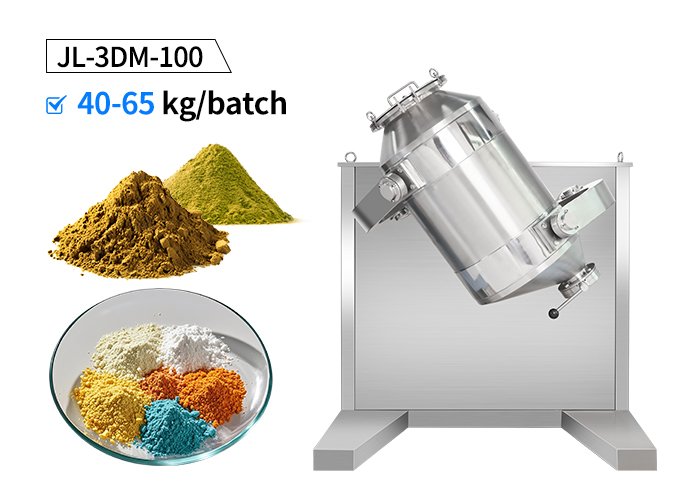
3D Mixers– These machines tilt and rotate a vessel along multiple axes (up/down, side/side) so the material moves in three dimensions. They provide very fast mixing for free-flowing powders, though they require overhead cranes to load. 3D mixers are used when speed is critical.
Types of Mixers:3ดีมิกเซอร์
Vacuum Emulsifying Mixers– For creams and ointments, a vacuum emulsifier (vacuum mixer) both mixes and degasses a batch. It typically has a high-shear mixer and anchor agitator in a vacuum chamber. This isn’t a “dry powder mixer” but it’s a key pharma mixer for sterility and removing air.
Each of these is a variation on the basic types above. ตัวอย่างเช่น, a double cone mixer might be jacketed for heating/cooling, or a V-blender might have an intensifier bar to break clumps. The key is that all pharma mixers are designed for cleanability (full stainless steel, ซีไอพี), to meet strict GMP hygiene.
Choosing the Right Mixer
With so manytypes of blenders and mixers, how do you pick the best one for your product? Several factors matter:
Material properties: Consider particle size, รูปร่าง, density and flowability. Some powders are fluffy and low-density; others are heavy or prone to dusting. Low-shear tumbling mixers (V-blender, double-cone) handle flowable granules well, while harder-to-mix powders might need a ribbon blender or a high-shear blender.
Mixing time and efficiency: Evaluate how fast each mixer can achieve uniform blend. Ribbon blenders and high-shear mixers typically mix faster (นาที) than a slow tumbler might (tens of minutes), but too much speed might cause heat or attrition. Balance speed against gentleness.
Batch size and scalability: A mixer should suit your batch volume. Some mixers (like lab-scale planetary or ribbon blenders) don’t scale easily to large production. คนอื่น, like V-blenders and double-cone blenders, come in sizes from a few liters up to thousands of liters. Consider flexibility: does the machine handle both small R&D batches and full-scale manufacturing?
Cleanability and compliance: Pharmaceutical standards require easy cleaning and no cross-contamination. Choose mixers with features like sloped, seal-less designs and full drainability. ตัวอย่างเช่น, many V-blenders have butterfly valves for complete discharge, and ribbon blenders offer full-welded, polished interiors. Verification of clean-in-place (CIP/SIP) options may be needed.
Additional requirements: Think about vacuum or pressure needs, heating/cooling jackets, inert gas use (E.G. nitrogen blanketing), dust collection, and control systems (CIP cycles, data logging). If you need to inject liquid binders gradually, a ribbon blender with spray nozzles or a high-shear granulator might be needed.
โดยสรุป, ที่ best mixerdepends on what you’re mixing and how. As one pharmaceutical equipment provider says, pick a mixer based on material type, desired uniformity, ขนาดชุด, and cleaning ease. ตัวอย่างเช่น, if you have a simple dry powder that doesn’t stick, a V-blender or double-cone mixer might work perfectly. If you have sticky wet granules, a high-shear granulator or planetary mixer would be better.
สรุป
Pharmaceutical manufacturing uses a widevariety of mixers (เครื่องปั่น) tailored to different materials and processes. Dry blends usually call for tumbling blenders (V or double-cone), ribbon mixers or bin blenders. Semi-solid products (ครีม, เจล) use planetary or high-shear mixers. Liquid solutions rely on paddle, propeller or turbine mixers. Each machine has pros and cons: tumblers give gentle, low-impact mixing; ribbon blenders offer good speed; high-shear mixers achieve quick granulation; and so on. When designing your process, consider the material properties, batch size and cleaning requirements.
Choosing the right mixer can boost both product quality and productivity. With the right equipment — whether it’s apharma blender (like a ribbon mixer) หรือก powder mixer (like a double-cone blender) — you’ll achieve uniform blends with minimal waste. ในทางปฏิบัติ, manufacturers often have a set of several mixers and blenders on their shop floor to handle different tasks. By understanding theTypes of Mixersavailable and how each works, you can match the mixer to your formula’s needs. This leads to faster cycles, consistent batches, and easier scale-up — all essential for efficient drug production.
Looking to optimize your pharmaceutical mixing processes with reliable equipment that supports consistent quality and easy maintenance? จินลู่บรรจุoffers a wide selection of advanced mixers and blenders designed withrobust stainless‑steel construction, user‑friendly operation, and easy‑to‑clean sanitary featuresto help you meet strict hygiene, ประสิทธิภาพ, และข้อกำหนดด้านกฎระเบียบ. Whether you’re blending powders, น้ำพริก, หรือของเหลว, our solutions are built to deliverstable performance, reduced downtime, and dependable resultsfor today’s demanding pharmaceutical production environments — contact us to explore the right mixing equipment for your needs.
FAQs on Types of Mixers in Pharmaceutical Industry
What are the main pharmaceutical types of mixers used in drug manufacturing?
Pharmaceutical mixers include tumble blenders like V-blenders and double cone blenders for dry powders, ribbon blenders for convective mixing, high-shear mixers for emulsions and granules, and planetary mixers for creams and gels. Different mixers are chosen based on material properties and the intended formulation.
What is a V-blender and when is it used?
A V-blender is a dry powder mixer with two cylindrical shells forming a V shape. It tumbles materials gently to achieve a uniform blend, making it ideal for free-flowing powders and granules in tablet or capsule production.
How does a double cone blender differ from a V-blender?
Both are tumble blenders, but a double cone blender has symmetrical conical chambers that provide very gentle mixing and good discharge characteristics, which is beneficial for fragile or heat-sensitive powders.
What is the role of a ribbon blender in pharmaceutical mixing?
A ribbon blender features a U-shaped trough and helical agitators that move materials both radially and laterally, making it suitable for large batches of dry powders or granules and even blending light pastes or slurries.
When should a high-shear mixer be used in pharmaceutical processes?
High-shear mixers use fast-rotating rotor-stator systems to create intense shear, which helps in dispersing powders into liquids, producing emulsions, สารแขวนลอย, and wet granules. They are essential for stable liquid formulations.
What products are best suited for planetary mixers?
Planetary mixers are used for viscous semi-solid materials such as creams, ขี้ผึ้ง, เจล, and pastes. Their dual rotating motion ensures thorough mixing and uniform consistency.
Can mixers handle both dry powders and liquids?
Some mixers are specialized (เช่น, tumble blenders for powders and agitators for liquids), but others like high-shear mixers can handle both powder-to-liquid blending for emulsions or suspensions.
What is a fluidized zone mixer and where is it used?
Fluidized zone mixers suspend particles in a fluidized state, allowing gentle mixing of delicate or heat-sensitive powders and aiding processes like coating or granulation.
Why is choosing the right mixer important in pharmaceutical manufacturing?
Selecting the correct mixer affects product quality, blending uniformity, processing time, and compliance with hygiene standards. Poorly matched mixers can lead to inconsistent doses or longer production cycles.
What mixer type should be used for liquid solutions like syrups or injectables?
For low-viscosity liquids or solutions, agitator or propeller mixers are commonly used to dissolve ingredients and ensure bulk liquid homogeneity, while turbine mixers add shear for emulsions.