
Solid dosage forms are medications made in a solid state – think pills, แท็บเล็ต, แคปซูล, และผง. These are the most common drug formats in pharmaceuticals. They’re designed to be taken by mouth (oral administration), so they dissolve in the gastrointestinal tract to deliver the active ingredient to the body. Compared to liquids or gels, solid pills are usually more stable, easier to store and ship, and give a precise dose every time. ตัวอย่างเช่น, solid pills last longer on the shelf and stay stable under normal conditions, so patients and manufacturers alike prefer them for convenience and reliability.
Solid dosage forms come in many shapes and sizes. The category includes standard tablets (flat or round compressed powders), แคปซูล (gelatin shells filled with powder or granules), and even bulk powders or granules that can be mixed or poured. แคปซูล, เช่น, typically have a gelatin shell that holds the active drug inside. Each solid unit is made to contain a precise amount of medication – that way, every pill you take has the correct dose. This uniformity also makes solid pills easy to handle and use in manufacturing. โดยรวม, patients find solid forms easy to take (just swallow them with water!), and pharmacists appreciate their stability and consistency.
From a formulation perspective, a solid dosage formulation is simply the process of turning drug molecules into a stable solid form. This process involves mixing the active ingredient with “helper” or excipient ingredients (ผู้ยึดติด, ฟิลเลอร์, การเคลือบ, ฯลฯ) to ensure the medicine works properly. The result can be tablets, แคปซูล, or powders. Compared to liquids or semi-solids, solid formulations often do not require refrigeration and are less prone to spoilage.

Solid dosage forms are popular for several reasons. They are physically and chemically stable, so they don’t degrade quickly like liquids can. They also allow accurate dosing and consistent drug content, which is crucial for effective treatment. For patients, swallowing a pill is generally easy and doesn’t require measurement or mixing, so it helps ensure they take the right amount. Manufacturers benefit too: solid pills often cost less to produce (large-scale tablet presses and capsule machines are efficient) and take up less storage space than equivalent liquid bottles. ในระยะสั้น, solid oral dosage forms hit the sweet spot of convenience, ความปลอดภัย, และความคุ้มค่า.
Because of these advantages, pharmaceutical companies often choose solid oral dosage (OSD) forms when they can. ในความเป็นจริง, oral tablets and capsules account for a very large share of all medications prescribed.
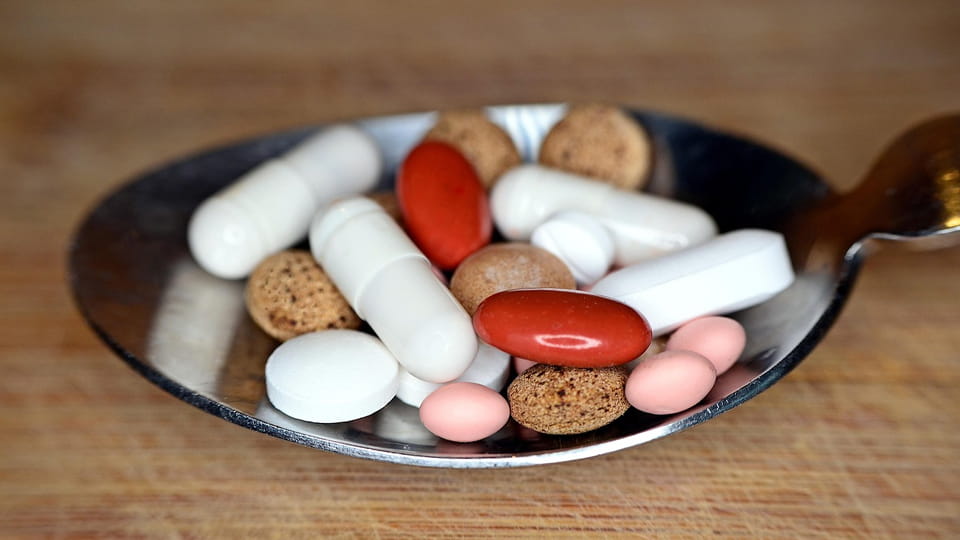
แท็บเล็ต. Tablets are by far the most common solid form. A tablet is made by compressing a mix of active drug and excipients into a specific shape (กลม, วงรี, or even a custom shape). They come in various types depending on how they release the drug:
Tablets are popular because they’re easy to make and handle. During manufacturing, the powdered ingredients may first be granulated (to improve flow and compression) and then compressed in a tablet press. The press squeezes the powders into a hard, uniform pill. หลังจากกด, tablets often get a coating (to improve taste, ความมั่นคง, or appearance). These compressed tablets are very robust: they can withstand packaging, การส่งสินค้า, and storage with little risk of damage or dosage change.
แคปซูล. A capsule is another common solid form. It’s essentially a small container (usually made of gelatin or plant-based polymer) that holds the drug inside. Capsules can be hard (two pieces snapped together) or soft (a sealed gel), and they typically contain powder, เม็ด, or even liquids inside. Many supplements and medications use capsules because the gelatin shell can mask unpleasant tastes and allow quick release in the stomach. Like tablets, capsules are manufactured in huge volumes with machines that fill the shell with the powdered mixture.
Capsules offer flexibility: the shell material can be modified (ตัวอย่างเช่น, to be enteric so it only dissolves in the intestine), or two powders can be placed in one capsule in a “tablet-in-capsule” design. They provide precise dosing and quick absorption, and patients often find them easy to swallow. Capsule filling machines (semi-auto or fully automatic) are a key part of oral solid dose manufacturing lines, underlining how widespread this dosage form is in the pharma industry.
โดยสรุป, types of solid dosage forms include tablets (various kinds), แคปซูล, คอ, ผง, เม็ด, เม็ด, และอีกมากมาย. Each type is chosen based on how the drug should be delivered and who will use it. The variety ensures there’s a solid form suited to almost any medication need.

Most solid forms (especially tablets and capsules) are intended for oral use. When you swallow a pill, it travels down the GI tract. Tablets typically disintegrate into powder in the stomach or intestines, and the drug dissolves so it can be absorbed. Some forms (like sublingual tablets under the tongue) release medication directly into the bloodstream through the mouth.
Manufacturing steps: Creating an oral solid dosage usually involves these core steps:
At each stage, precise control is vital. ตัวอย่างเช่น, lubricants are often added before compression so pills don’t stick to the press, and binders help the tablet hold its shape. The final product must be strong enough to survive handling but able to break apart or dissolve properly in the body.
Modern oral solid dose manufacturing can be highly automated. Equipment such as roller compactors, fluid bed processors, and automatic tablet presses handle most of the work. The goal is to achieve uniform, high-quality tablets/capsules that are safe and effective. Pharmaceutical companies invest heavily in this process because well-made solid doses mean reliable therapy and regulatory compliance.
After manufacturing, solid dosage units must be packaged for sale and use. Common packaging includes blister packs, แพ็คแถบ, ขวด, และซอง. Packaging serves to protect the drug from moisture, การปนเปื้อน, and tampering.
Packaging is a critical step in the supply chain. For solid forms, the right pack keeps the dose accurate and the product stable. Automated machines (blister packers, bottle cappers, ผู้ติดฉลาก) work alongside the manufacturing line to get products market-ready.
It’s worth noting that semi-solid dosage forms (ครีม, ขี้ผึ้ง, เจล, น้ำพริก) are a related category, but they serve different purposes. Semi-solids are not pills – they’re neither liquid nor solid but spreadable formulations used mainly on the skin or for transdermal delivery. Common examples include skin creams, medicated gels, and topical ointments. They “bridge the gap” between liquids and solids.
Semi-solids are primarily used for local treatment of skin conditions or patches (like a nicotine or hormone patch) because they can be applied directly where needed. They can deliver medication through the skin over time. Solid dosage forms, ในทางตรงกันข้าม, are usually meant for systemic effects (they are swallowed or inserted, not rubbed on skin). While this article focuses on solid forms, it’s useful to remember that if a product needs to stick on skin or spread easily, a semi-solid form is chosen. Each dosage form has its own manufacturing and packaging needs: creams use mixers and tubes, whereas pills use presses and bottles.
Solid dosage forms dominate the global pharmaceutical market thanks to their versatility. Tablets and capsules are used for everything from painkillers and antibiotics to supplements and vaccines (E.G. freeze-dried powders). Controlled-release tablets allow chronic conditions (like heart disease or diabetes) to be managed with just one pill a day. Effervescent powders provide quick relief when dissolved. Even in emerging trends like personalized medicine or 3D-printed pills, the end result is often still a solid tablet or capsule tailored to the patient.
For buyers and engineers in the pharmaceutical equipment sector, understanding solid dosage forms helps guide the choice of machinery and lines. Key equipment includes granulators, dryers, แท็บเล็ตกด, ฟิลเลอร์แคปซูล, เครื่องเคลือบ, and the packaging lines (พุพอง, bottle filling, strip packing, ฯลฯ) that follow. Each type of solid form may require specialized processes or packaging.
โดยสรุป, a solid dosage form is simply any drug delivered as a solid unit – and this unit can take many shapes (แท็บเล็ต, แคปซูล, ผง, ฯลฯ). These forms are prized for stability, ความสะดวก, and precise dosing. Understanding the different types (tablets vs. capsules vs. เม็ด, ฯลฯ) and their manufacturing is essential for ensuring quality medications and choosing the right processing equipment. We hope this guide has given you a clear overview of solid dosage forms and their applications in the pharmaceutical industry.
A solid dosage form is a type of pharmaceutical product that delivers medication in a solid state, เช่นแท็บเล็ต, แคปซูล, ผง, or granules. These forms contain active ingredients combined with excipients and are designed for oral administration with accurate dosing and good stability.
Common types of solid dosage forms include tablets, แคปซูล, ผง, เม็ด, เม็ด, คอ, และซอง. Each type serves different therapeutic needs and delivery mechanisms.
Tablets are compressed solid units made of active ingredients and excipients, while capsules are solid shells (มักเป็นเจลาตินหรือจากพืช) filled with powder, เม็ด, หรือเม็ด. Both deliver precise doses orally, but tablets are formed by compression and capsules by filling a shell.
Solid dosage forms are widely used because they offer accurate dosing, อายุการเก็บรักษานานขึ้น, convenience in transport and storage, and ease of administration compared to liquids.
ใช่. Some solid dosage forms like modified-release tablets or enteric-coated capsules are formulated to release the active ingredient slowly or at specific locations in the digestive system for better therapeutic outcomes.
Excipients are inactive components mixed with the active drug. They help in binding, improving flow, controlling disintegration, and maintaining stability or taste of the solid dosage form.
Solid dosage forms are rigid and intended for oral ingestion, whereas semi-solid dosage forms (like creams or gels) are more spreadable and typically used for topical application on the skin.
Manufacturing of solid doses involves steps like blending active and inactive ingredients, การทำเม็ดเล็ก, การทำให้แห้ง, การบีบอัด (for tablets), ไส้แคปซูล, การเคลือบ, quality inspection, และบรรจุภัณฑ์. Modern lines often use automated machinery to ensure uniformity and efficiency.
Solid oral dosage forms can be packaged in blister packs, ขวด, or sachets. Blister packs protect individual doses, while bottles hold multiple units for bulk dispensing. Packaging preserves stability and protects from moisture or contamination.
ไม่เสมอไป. Some drugs with poor stability, unpleasant taste, or that require immediate action may be better suited for liquid or injectable forms. อย่างไรก็ตาม, solid dosage remains the most common choice where feasible due to stability and ease of use.
อ้างอิง:
1. A Review on Solid Dosage form: แท็บเล็ต — SAS Publishers
2.Pharmaceutical Engineering: Solid Dosage Forms (Technical Overview) — pharmacy180.com
3.Comprehensive Guide to Solid Oral Dosage Forms: Tablets and Capsules – pharma.tips
4.Dosage form – วิกิพีเดีย