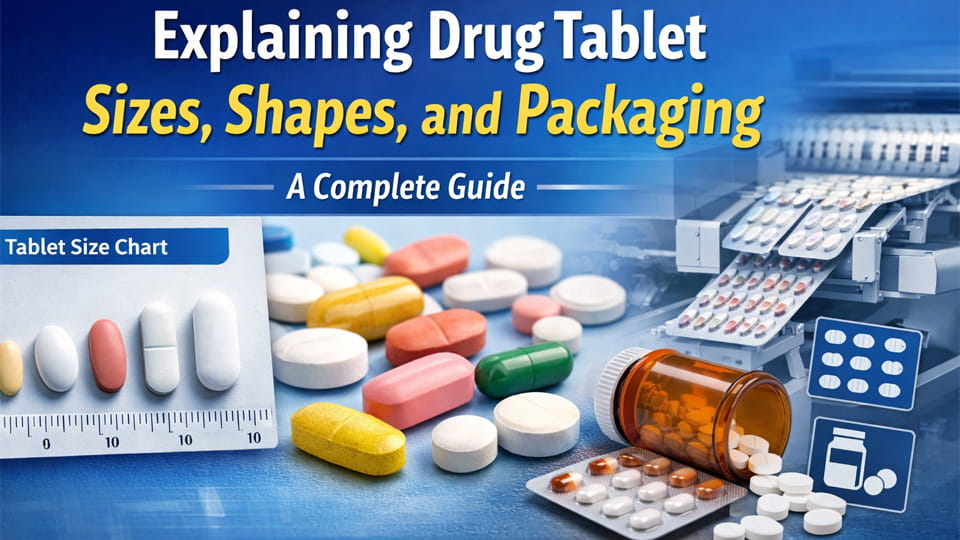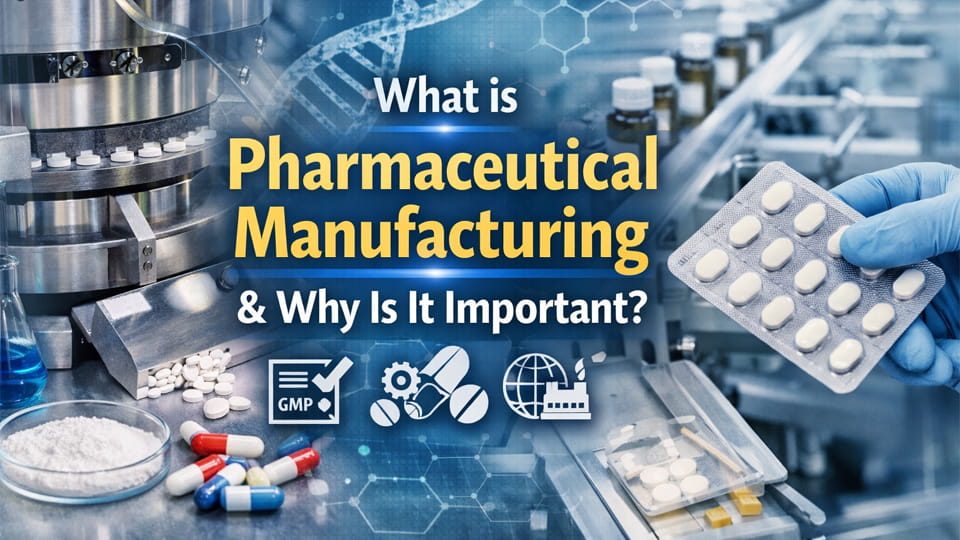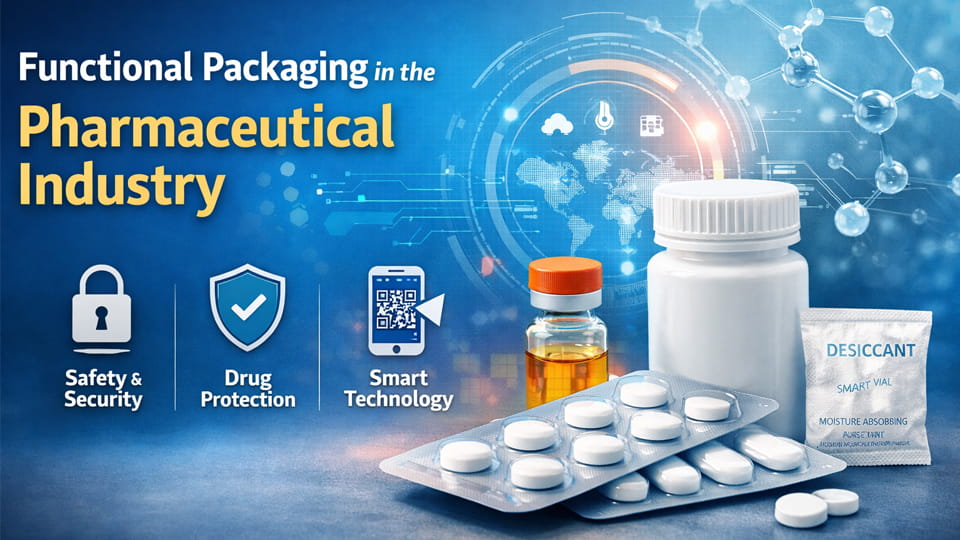

Pharmaceutical equipment – also called pharma machinery – includes all the machines, เครื่องผสม, and tools used in drug manufacturing. These specialized devices handle everything from mixing raw ingredients to testing finished pills. กล่าวอีกนัยหนึ่ง, high-tech equipment is the backbone of any pharmaceutical factory. It ensures medications are made safely, precisely, and efficiently. ในคู่มือนี้, we’ll walk through the key categories of pharma machinery, why each is important, and what functions they serve.
Medicines must be made under extremely clean and controlled conditions, so equipment is designed for sterility and precision. We’ll cover bulk-processing gear (เครื่องผสม, เครื่องบดย่อย, dryers), tablet/capsule machines, packaging systems, lab and quality-control instruments, plus support equipment like autoclaves and conveyors. โดยในตอนท้าย, procurement engineers and industry buyers will have a clear overview of essential pharmaceutical machinery, from pharmaceutical packaging machines to analytical instruments, helping pharma companies and engineers make informed decisions.
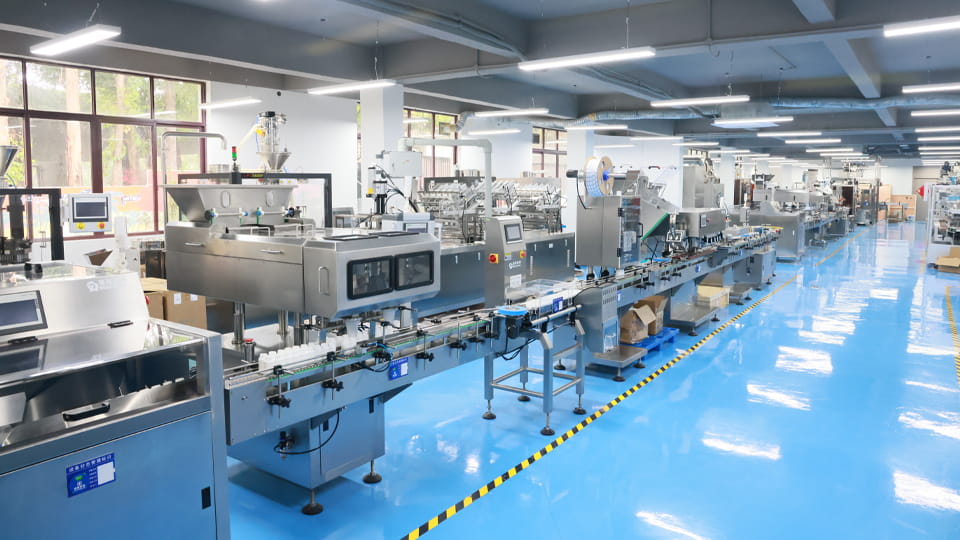
Bulk processing machinery prepares the raw ingredients before pills are formed. Mixers and blenders combine active ingredients with fillers uniformly. ตัวอย่างเช่น, ribbon blenders and V-blenders mix powders gently so every tablet has the same dose. High-speed mixers tackle tough blends of powders and liquids quickly (like a giant stand mixer, but much more powerful). These machines ensure each batch is consistent. Manufacturing equipment from mixing and blending to granulation and drying is crucial for making tablets, capsules and powders.

Tablet presses compress powders into tablets – part of dosage-form processing discussed next. But the bulk equipment above handles raw ingredient processing. ในระยะสั้น, bulk mixers, เครื่องบดย่อย, dryers, and associated systems create the uniform, dry powders or granules needed for reliable tablet and capsule production.
Once bulk materials are ready, tablet and capsule machines form them into the final dosage. The heart of this stage is the tablet press. Rotary tablet presses use high pressure to squeeze powder into tablets; they can produce thousands of uniform pills per hour. Modern presses often have multiple compression stations so a whole row of tablets is made with each rotation.
Presses use tremendous pressure for consistent tablet shape and dose. ในทางปฏิบัติ, engineers monitor each press for uniform tablet weight and hardness. Tablet Coaters are often paired with presses: they tumble tablets in a spray of coating solution (น้ำตาล, film, หรือการเคลือบลำไส้). Coating improves pill appearance, swallowability and can control drug release.
Capsules are handled by capsule filling machines. These machines align empty capsule halves, fill them with powder or pellets, and lock the caps. They work very quickly and precisely. Some capsule machines handle liquids for softgels or liquid-filled capsules (soft gelatin encapsulation). หลังจากเติมแล้ว, a capsule polisher/cleaner may remove dust from finished capsules.
Key machinery in this category:


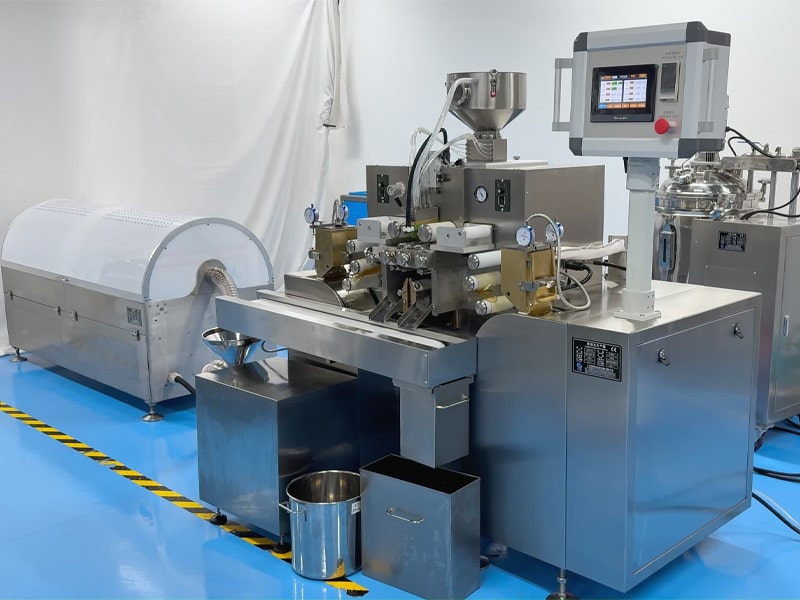
Each machine must be calibrated for exact weight. ตามบันทึกของ Jinlupacking, “uniform dosage” is critical – tablet presses and capsule-fillers ensure each dose has the correct active ingredient. Precision here means patient safety.
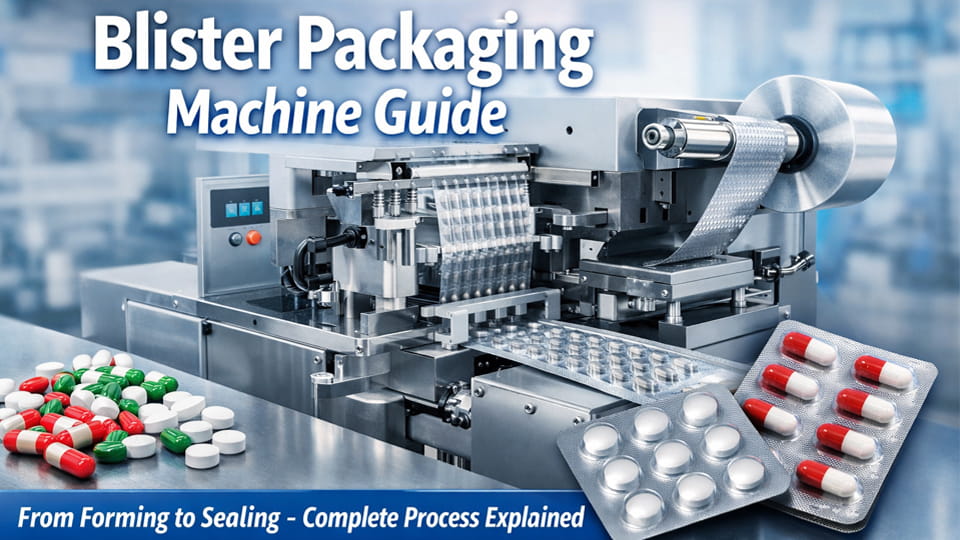
After pills or capsules are made, pharmaceutical packaging machines prepare products for distribution. Packaging equipment protects drugs from damage and contamination, and provides necessary labeling. ตัวอย่างเช่น, blister packaging machines place tablets or capsules into plastic cavities which are then sealed with foil. The image above shows operators tending a blister line. Blister packs lock out moisture and let patients see each dose, reducing errors.
Other key packaging machines include:

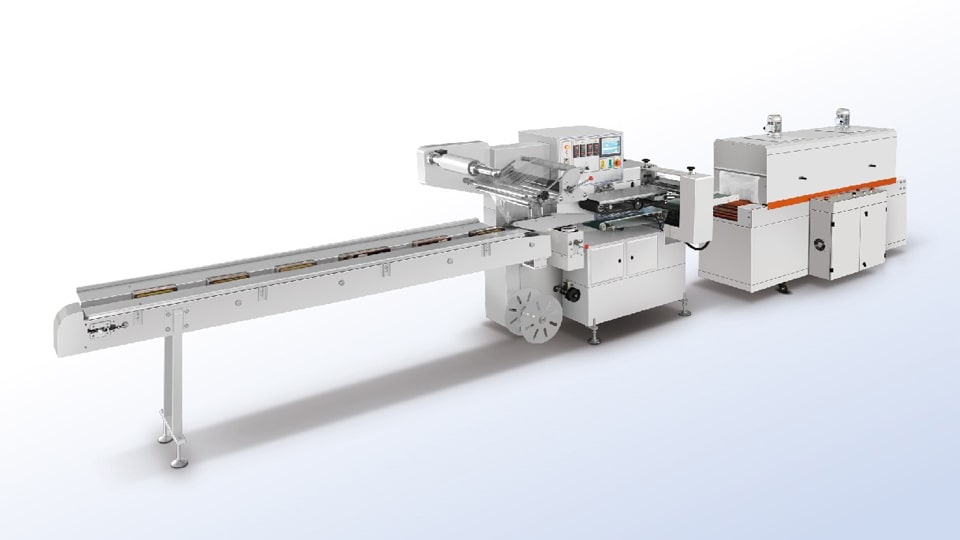
แต่ละอย่างนี้ pharmaceutical packaging machines must operate at high speed and precision. เช่น, a blister machine forms pockets and seals them perfectly to protect from air and moisture. Then a labeling machine adds critical information, ensuring each box has clear instructions. Together, packaging systems make sure products reach pharmacists and patients in ready-to-use form.
Examples of packaging equipment: Blister packer, strip or pouch packer, bottle filler & แคปเปอร์, cartoning line, case packer, conveyor systems between machines. These are all part of a pharma packaging line. As an industry reference notes, these systems “ensure that medications are safely and securely packaged for distribution and consumption”.
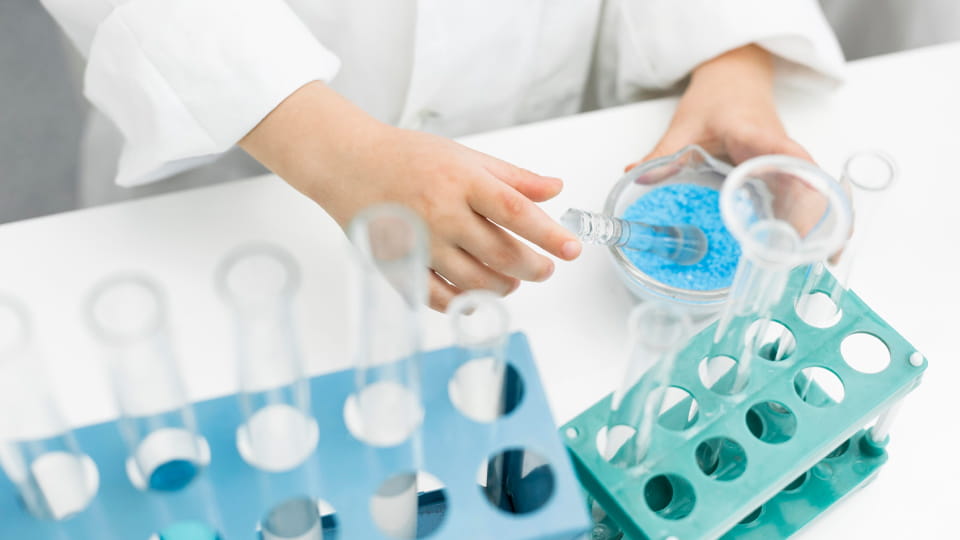
Ensuring drug safety and efficacy requires testing at each stage. Dedicated laboratory and QC instruments are essential. ในภาพด้านบน, a scientist uses precision instruments to analyze a sample. Common equipment includes:
These machines often live in lab cleanrooms. ตัวอย่างเช่น, spectrophotometers and dissolution apparatus play a vital role in QC. ดังที่แหล่งข่าวแห่งหนึ่งอธิบาย, “spectrophotometers analyze chemical composition” and “dissolution testers evaluate how medications dissolve, providing info on bioavailability.” Analytical lab equipment may not be on the production floor, but it is integral to the pharma manufacturing process. It verifies that everything meets specifications and regulatory standards.
Several specialized machines keep the production environment sterile and safe. ในด้านเภสัชกรรม, “equipment must be extremely clean and precise”. Key support equipment includes:
notes that material handling equipment (สายพานลำเลียง, lifts, automated vehicles) moves products safely around the factory and “prevents contamination” as well as damage. All these systems – sterilizers, ซีไอพี, cleanrooms, HVAC and conveyors – work behind the scenes. They aren’t visible to the patient, but they’re crucial for product quality and compliance.
โต๊ะ: Common Pharmaceutical Equipment by Category
| หมวดหมู่ | Examples of Equipment |
|---|---|
| Bulk Processing | Mixers (ribbon/V-blender), Granulators, Dryers, Mills, Tanks, Feeders |
| Dosage Formation | Tablet Presses, Capsule Fillers, เครื่องเคลือบ, Encapsulation Machines |
| การบรรจุหีบห่อ | Blister Machines, Bottle Filling & การจับ, Cartoners, Labelers, Checkweighers |
| การควบคุมคุณภาพ & Lab | HPLC/GC Systems, Spectrophotometers, Dissolution Testers, Analytical Balances, pH Meters |
| Sterilization & การทำความสะอาด | Autoclaves, Sterile Filters, Lyophilizers, CIP Systems |
| Material Handling & สนับสนุน | Conveyors, Vacuum Conveyors, Air Handling (HVAC), Pressurized Vessels, Reactors |

Every piece of pharmaceutical machinery must meet strict regulatory standards. As one industry guide emphasizes, pharma equipment manufacturing is about “precision, ความปลอดภัย, and efficiency”. Small errors in dosing or contamination can have serious consequences. Good pharma equipment ensures that each pill and vial is made exactly right, protecting patients and maintaining trust.
Buyers and engineers should always choose equipment built to GMP standards. ในความเป็นจริง, “every piece of equipment must meet strict compliance standards,” including Good Manufacturing Practices (GMP) and ISO certifications. These standards guarantee consistency in production, product control and machine safety. Reputable manufacturers provide validation documents and performance data, proving their machines produce reliable results.
Routine maintenance and calibration are also essential. As the industry says, “broken machines make defective products” – so regular servicing keeps equipment operating correctly. Well-maintained equipment has a long life, produces less waste, and supports continuous, uninterrupted production.
โดยสรุป, pharmaceutical equipment covers a wide range of machines – from bulk mixers and tablet presses, to high-tech packaging lines and lab analyzers. Each has its own purpose in the drug-making process. Using quality, well-designed equipment helps pharma companies boost efficiency and meet the high standards required for safe medicine production.
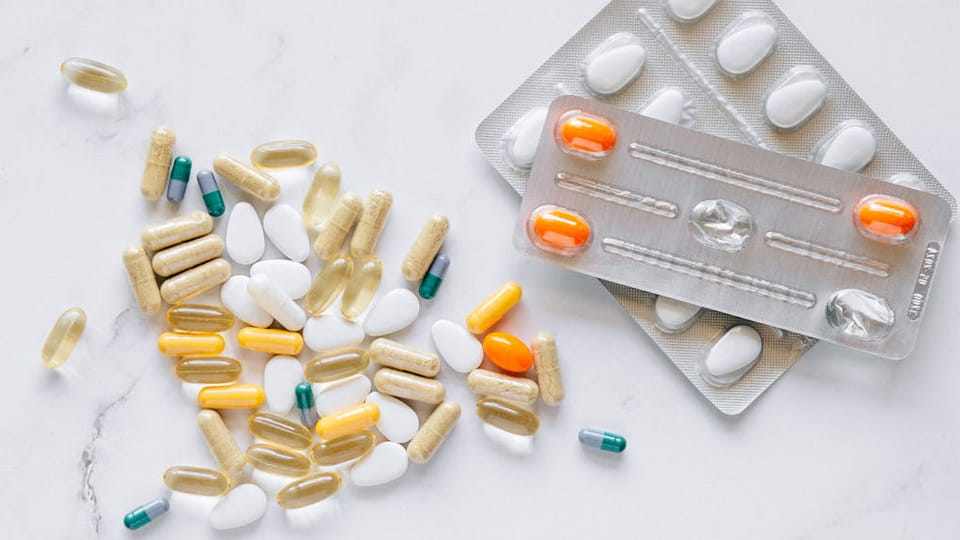
To wrap up, the world of pharmaceutical equipment is both broad and essential — from raw material processing and blending, to tablet and capsule formation, บรรจุภัณฑ์, และการควบคุมคุณภาพ. Each machine category plays a vital role in ensuring product consistency, การปฏิบัติตามกฎระเบียบ, and operational efficiency. ทันสมัย การผลิตยา is not just about producing doses — it’s about precision, ความเป็นหมัน, traceability, and reliability at every step of production. As industry demand grows and technologies evolve, investing in the right pharma machinery becomes a strategic advantage for any manufacturer aiming to compete on quality and cost-effectiveness in global markets.
Whether you’re upgrading an existing line or building a new facility, having up-to-date and reliable equipment is key. For tailored solutions — from high-precision mixers and tablet presses to advanced pharmaceutical packaging machines and automated lines — explore the offerings at Jinlu Packing. Their comprehensive range of pharma machinery is designed to help pharmaceutical companies and engineering teams optimize production and stay aligned with the latest industry standards. Learn more about suitable equipment options and how they can support your manufacturing goals at jinlupacking.com.
Pharmaceutical equipment refers to the machinery and tools used throughout drug manufacturing — from raw material processing and mixing to dosage forming, บรรจุภัณฑ์, and quality testing. It includes mixers, แท็บเล็ตกด, ฟิลเลอร์แคปซูล, เครื่องบรรจุภัณฑ์, and analytical lab instruments.
Specialized pharma machinery ensures consistent quality, การใช้ยาที่แม่นยำ, และการปฏิบัติตามกฎระเบียบ. These machines maintain sterility and accurate processing, which are essential for safe and effective medicines.
Major categories include bulk processing (mixers/granulators), dosage-form machines (แท็บเล็ตกด, ฟิลเลอร์แคปซูล), packaging equipment (blister packers, bottle fillers), quality control instruments (HPLC, dissolution testers), and sterilization/cleanroom support systems.
แท็บเล็ตกด, also called a tablet compressor, compresses powders into uniform tablets under high pressure. It’s crucial for solid oral dosage forms and can be single-punch for small batches or rotary for large-scale production.
Capsule filling machines automatically fill empty capsules with powder, เม็ด, or granules, then lock the caps. They serve a different dosage form than tablet presses and are chosen based on product type (hard-shell or softgels).
Typical packaging equipment includes blister packaging machines, bottle filling and capping machines, เครื่องเขียนกล่อง, ผู้ติดฉลาก, and checkweighers to protect products and prepare them for distribution.
Quality control instruments like analytical balances, HPLC/GC systems, spectrophotometers, and dissolution testers verify product purity, ความแรง, and compliance with standards before medicines reach the market.
Support equipment includes autoclaves (steam sterilizers), ไลโอฟิไลเซอร์ (เครื่องอบแห้งแบบแช่แข็ง), clean-in-place (ซีไอพี) ระบบ, sterile filtration units, and material handling systems — all designed to keep production environments sterile and contamination-free.
Companies follow strict Good Manufacturing Practices (GMP) and validation protocols to ensure equipment meets safety and quality requirements. Machines are designed, ที่ปรับเทียบแล้ว, and serviced according to regulatory guidelines to support consistent production.
ใช่. Equipment like mixers, แท็บเล็ตกด, or packaging lines can often be tailored to product specifications (dosage form, ความเร็ว, automation level) to optimize efficiency and meet manufacturing goals.
อ้างอิง:
1.แนวทางปฏิบัติที่ดีในการผลิต (GMP) - องค์การอนามัยโลก (WHO)
2.Pharmaceutical Manufacturing Equipment Overview — รีวิวเภสัชกรรมอเมริกัน
3.Pharma Manufacturing Equipment Guide 2025: ประเภท, เทรนด์, and Innovations — pharmanow.live
4.เครื่องจักรเภสัชกรรม & Technology — CPhI Online Directory