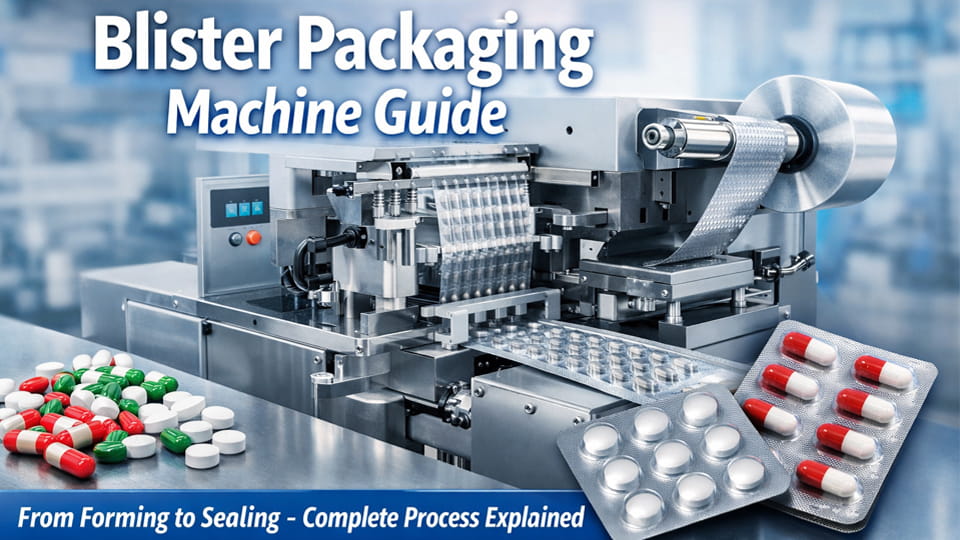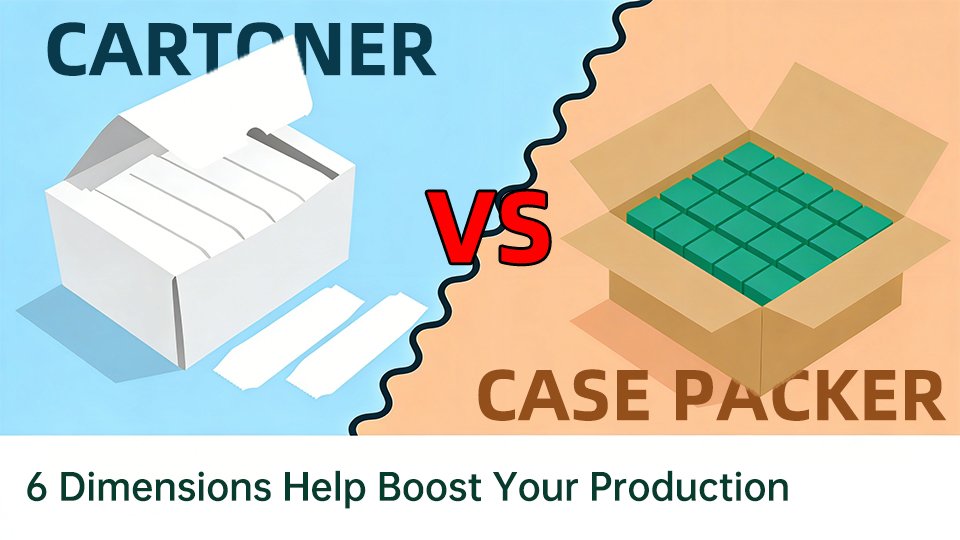

A blister cartoning machine is a specialized packaging system that automates placing pre-packaged blister trays (for tablets, แคปซูล, เครื่องสำอาง, ฯลฯ) ลงในกล่อง. ในแง่ง่ายๆ, it erects flat cartons, inserts blister packs, and seals the carton – all in one continuous flow. These machines automate the process of inserting pre-sealed blister packs containing pharmaceuticals, cosmetics or consumer goods into cartons. By streamlining these steps, blister cartoners significantly boost packaging speed and consistency while cutting manual labor. ในความเป็นจริง, a blister cartoning machine can run at very high speed – often up to 200–300 cartons per minute on high-end models – which is vital for meeting the demands of busy production lines.
Blister cartoners are widely used in pharmaceutical and related industries. ตัวอย่างเช่น, Jinlupacking notes that บรรจุภัณฑ์พุพอง และ cartoning equipment is “essential” for pharmaceuticals (and even food products), delivering high efficiency and consistent quality. These machines can be customized for different carton sizes, blister pack materials (like PVC-Alu or Alu-Alu blisters), and sealing methods. ในทางปฏิบัติ, a blister cartoning line often pairs a blister packer with a cartoner: the blister line forms sealed blisters and then feeds them into a เครื่องบรรจุกล่อง. Such integrated lines can reach speeds of around 100 cartons per minute. Manufacturers emphasize that a good cartoning machine reduces labor costs and increases output by handling the work “in one-stop”.
Synonyms: In the industry, you may also hear these machines called “blister cartoners” or “cartoning machines for blister packs.” For bottle-shaped products, a similar device called a “เครื่องเขียนกล่องขวด” is used; some bottle cartoners can even handle blister-shaped capsules and tablets. But in this guide our focus is on blister cartoning machines, their key features, common types (horizontal vs vertical), and main components.
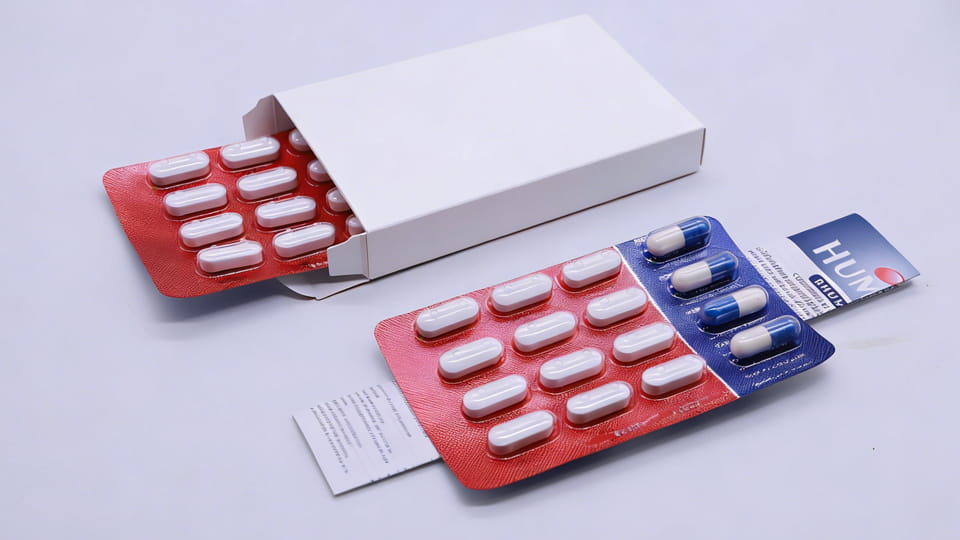
Modern blister cartoning lines achieve very high throughput and precision. A common specification is up to 100 cartons per minute for a fully automatic line, with some specialized high-speed models reaching over 300 cpm. Typical machines run on PLC/servo controls and a touch-screen HMI, which allow quick changeovers and easy adjustment for different carton sizes and blister layouts. Most cartoners are built from 304-grade stainless steel, featuring enclosed frames and safety guards to meet GMP and cleanroom requirements. Other important features include glue or tape sealing stations, automatic print/inkjet coders for batch and expiry dates, and sensors that detect jams or empty spots to avoid defective packs.

There are several ways to categorize cartoning machines. The right choice depends on your production volume, product type, and layout. Here are some common distinctions:

Blister cartoning machines consist of several functional units, each responsible for part of the process. Understanding these will help you recognize what to look for when comparing models:
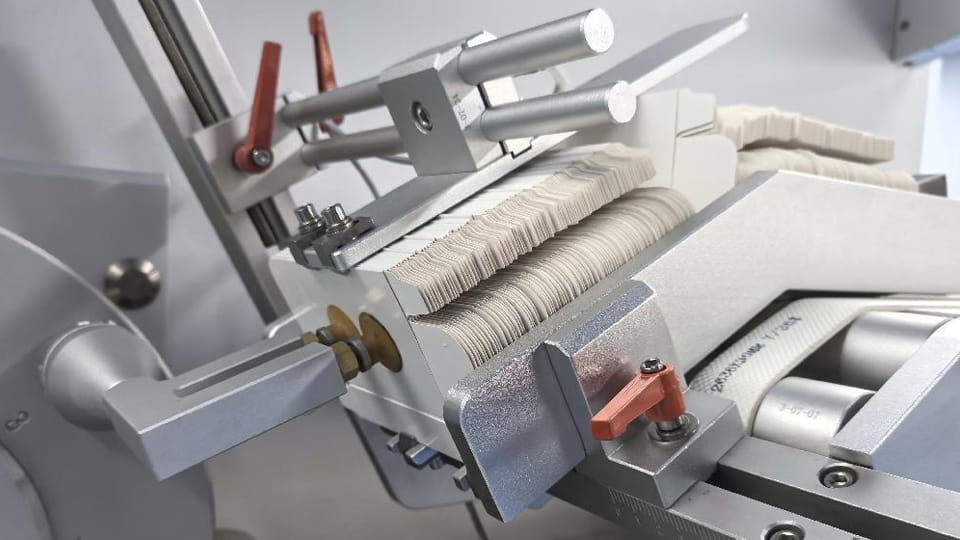
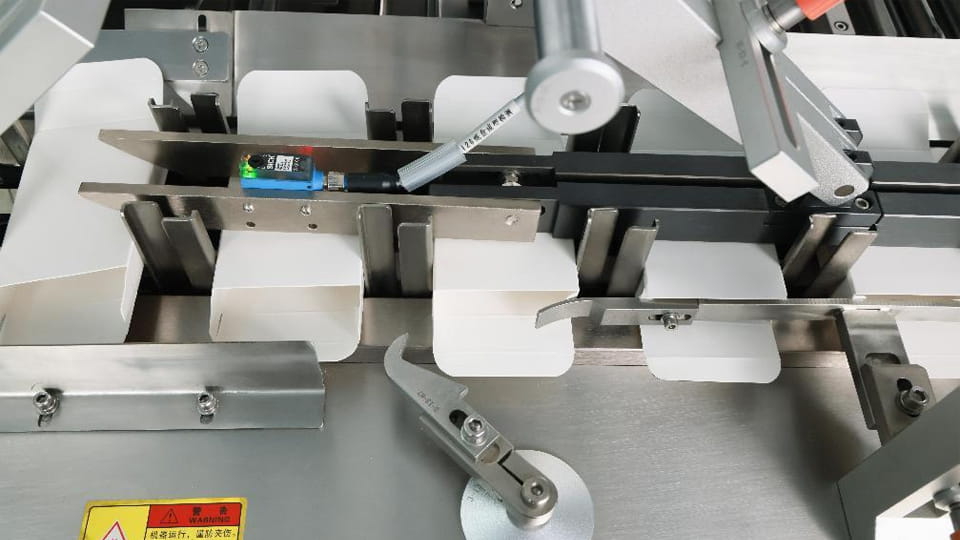
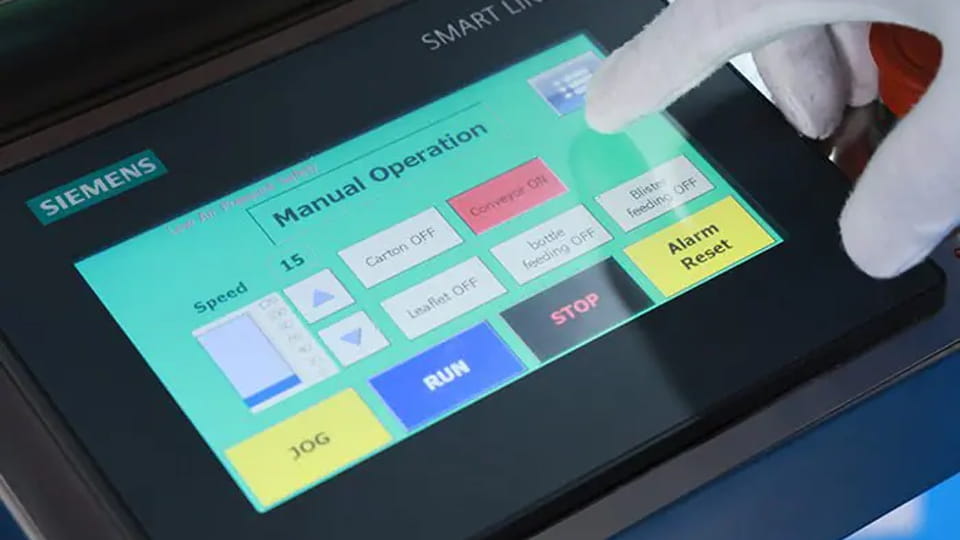
These components work in concert to transform flat blanks and loose blister sheets into neatly boxed products, all under computerized control.
The table below summarizes each key component and its role:
| ส่วนประกอบ | Role |
|---|---|
| Carton Magazine | Holds a stack of flat carton blanks. Picks and feeds cartons one-by-one into the machine. |
| Carton Erector | Folds and forms each blank into a box shape, ready to be filled. |
| Product Feeder/Conveyor | Transports blister packs (or bottles/tubes) to the insertion point, aligning them properly. |
| Insertion Station | Automatically places the blister pack and leaflet (if any) into the open carton. |
| Folding & Sealing Station | Folds the top flaps and seals the carton (using tuck-in flaps or hot-melt glue). |
| Control Panel (PLC & HMI) | Computerized control unit. Operators set carton dimensions and machine parameters via touchscreen. |
| Sensors & Vision Systems | Detect presence of cartons, สินค้า, and leaflets at each stage. Any missing component triggers a reject. |
| Inkjet Printer | Prints expiration dates, barcodes, or batch numbers on the carton for compliance. |
| ความปลอดภัย & การหล่อลื่น | Safety devices (guards, emergency stops) protect operators. Lubrication lines keep moving parts running smoothly. |
The cartoning process flows through several automated steps. อันดับแรก, a blank carton is picked from the magazine and erected into an open box. Glue (or tape) is applied to the side seams as needed, and the carton is transported on a conveyor to the loading station. Blister packs are grouped by the infeed system and arrive just in time for insertion. ต่อไป, a mechanical pusher or vacuum head loads the blister into the carton, placing it gently inside. ในที่สุด, the machine folds and seals the carton’s top flaps – either tucking them in or folding them around the sides – and applies printing so each carton gets its batch code and date. At the end of the line, any defective cartons (E.G. missing product or bad code) are automatically ejected, and the good packs are collected for case packing or palletizing.
[jl_youtube src=”https://www.youtube.com/embed/k0uyybgttcu”]
Blister cartoning machines are found wherever blister-packed products need secondary packaging. The most obvious users are pharmaceutical and nutraceutical manufacturers, where tablets, แคปซูล, ซอง, or even medical devices in blisters must be enclosed in boxes. ตัวอย่างเช่น, an over-the-counter medicine might be blister-packed at high speed, then immediately fed into an automatic cartoner. A large factory might run three shifts on a continuous blister line, filling and cartoning thousands of packs per hour.
Other applications include vitamin supplements, cosmetic products (E.G. samples in blisters), and even hardware items in retail blister packs. ในแต่ละกรณี, the blister cartoning machine ensures the product is secured, tamper-evident and easy to ship. In many plants, these machines are paired with case packers at the end, so the cartons feed directly into a case loading machine.
When evaluating machines, engineers often consider product size and format diversity. A machine that can switch quickly between blister types and carton sizes is valuable for companies running multiple SKUs. They also look at ease of operation (การควบคุมที่ใช้งานง่าย, recipe recall) and total cost of ownership (energy use, maintenance intervals). Well-designed cartoners pay for themselves by saving labor and reducing packaging errors.
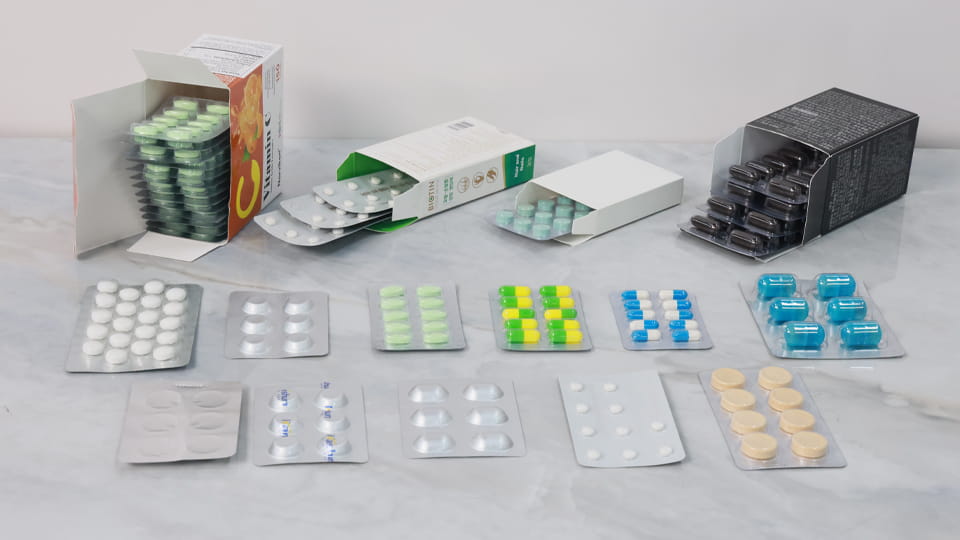
โดยสรุป, a blister cartoning machine is a sophisticated piece of equipment that automates the final step of blister pack packaging. It brings together fast mechanical feeding, electronic controls, and smart sensors to pack products efficiently into cartons while maintaining product integrity. Key features include high throughput (บ่อยครั้ง 100+ กล่อง/นาที), fully automatic operation, quick format changes, and compliance with cleanroom standards. There are different styles to choose from – semi vs. อัตโนมัติเต็มรูปแบบ, horizontal vs. แนวตั้ง, continuous vs. intermittent – depending on your production needs. By understanding each machine’s types, capabilities, and main components, packaging engineers and procurement teams can select the best cartoning solution for their line. ด้วยเครื่องที่เหมาะสม, blister packages are boxed accurately and quickly, ultimately improving efficiency and product safety in pharma manufacturing.
A Blister Cartoning Machine is an automated packaging system that inserts blister packs containing tablets, แคปซูล, or other products into cartons and seals them for distribution. It performs multiple functions such as carton erection, blister insertion, leaflet insertion, and carton sealing in a continuous process.
These machines are widely used in pharmaceutical, เกี่ยวกับสารอาหาร, medical device, and consumer goods industries to ensure efficient, ปลอดภัย, and consistent secondary packaging.
A typical blister cartoning process includes the following steps:
1.Flat cartons are picked from the magazine and erected
2.Blister packs are fed and aligned
3.Leaflets (หากต้องการ) are inserted
4.Blisters are loaded into cartons
5.Cartons are sealed using tuck-in flaps or glue
6.Codes such as batch numbers and expiration dates are printed
Modern machines also include sensors and inspection systems to reject defective cartons automatically.
Blister cartoners are primarily used in:
• Pharmaceutical manufacturing
• Nutraceutical production
• Medical device packaging
• Cosmetic and personal care industries
• Consumer goods packaging
They are especially important in pharmaceutical packaging, where accurate dosing, traceability, and tamper protection are critical.
The main difference lies in motion type:
Intermittent motion cartoner:
• Stops briefly at each station
• Easier to maintain
• More flexible for multiple carton sizes
• Ideal for medium production speeds
Continuous motion cartoner:
• Operates without stopping
• Higher speed and efficiency
• Best for large-scale pharmaceutical production
Continuous systems typically offer higher throughput and efficiency.
Blister cartoners are highly versatile and can package:
• Tablets and capsules
• Medical devices
• Nutraceutical supplements
• Cosmetic blister packs
• Veterinary medicines
They can also be configured to package bottles, ซอง, หลอด, or vials depending on feeder design.
Major components include:
• Carton magazine and feeding system
• Blister feeding unit
• Carton erection mechanism
• Product insertion system
• Carton sealing station
• Coding and printing system
• PLC control system
• Sensors and inspection devices
These components work together to ensure efficient, แม่นยำ, and reliable packaging operations.
ใช่. Blister cartoners are commonly integrated into a full blister cartoning line, connecting directly with:
• Blister packing machines
• Leaflet inserting machines
• Vision inspection systems
• Case packing machines
• Palletizing systems
This integration enables fully automated production with minimal manual intervention and improved efficiency.
Blister cartoning machines improve efficiency by:
• Increasing packaging speed
• Reducing labor requirements
• Eliminating manual packaging errors
• Ensuring consistent packaging quality
• Supporting continuous production lines
Automation significantly improves output while reducing operational costs and packaging errors.
ปัจจัยการคัดเลือกที่สำคัญ ได้แก่:
• Production speed requirements
• Carton size range compatibility
• Product type and format
• Machine automation level
• Integration capability with existing lines
• Ease of maintenance and changeover
Machines with servo control and PLC systems offer better flexibility, faster changeovers, and higher precision.
The main difference is the product feeding system:
• Blister cartoners handle blister packs
• Bottle cartoners handle bottles or containers
Both perform similar functions such as carton erection, การแทรกผลิตภัณฑ์, และการปิดผนึก, but use different feeding mechanisms.
อ้างอิง:
1.Integrated Blister and Cartoning Systems — Pharmaceutical Technology
2.Guidelines on Packaging for Pharmaceutical Products — WHO
3.Carton and Container Labeling Requirements — U.S.FOOD&DRUG ADMINISTRATION
4.Packaging Equipment Validation and Automation — ISPE White Paper