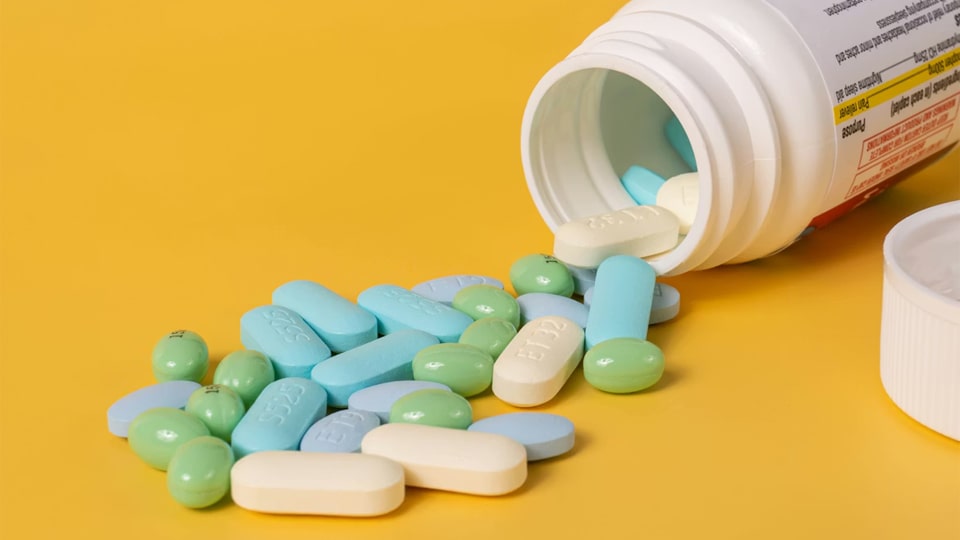

คุณเคยสงสัยบ้างไหมว่าทำไมเม็ดยาจำนวนมากถึงมีชั้นนอกเป็นมันเงา? นั่นคือความมหัศจรรย์ของ แท็บเล็ตเคลือบฟิล์ม. ในแง่ง่ายๆ, ยาเม็ดเคลือบฟิล์มคือยาที่พื้นผิวถูกห่อหุ้มไว้เป็นแผ่นบางๆ, แม้แต่ฟิล์มโพลีเมอร์. ภาพยนตร์เรื่องนี้ทำหน้าที่หลายอย่าง: ทำให้เม็ดยากลืนได้ง่ายขึ้น, ปกป้องยาภายใน, และยังช่วยควบคุมการปล่อยยาในร่างกายอีกด้วย. ในความเป็นจริง, การเคลือบฟิล์ม เป็นที่นิยมใช้กันมากที่สุดในปัจจุบัน ประเภทของการเคลือบแท็บเล็ต.
เม็ดเคลือบฟิล์มมีความโดดเด่นเนื่องจากความเรียบ, ลักษณะที่มีสีสัน. ในความเป็นจริง, ผิวเคลือบแท็บเล็ตที่เคลือบฟิล์มเรียบเนียน, สีสดใส, และตราสินค้าที่โดดเด่นสร้างความประทับใจให้กับลูกค้าที่แตกต่างไปจากเดิมอย่างสิ้นเชิง. นี่ไม่ใช่แค่รูปลักษณ์เท่านั้น แต่ยังช่วยให้ผู้ป่วยระบุยาของตนได้ และทำให้แบรนด์ยามีรูปลักษณ์ที่เป็นเอกลักษณ์. วันนี้เราจะแจกแจงทุกสิ่งที่คุณควรรู้เกี่ยวกับแท็บเล็ตเคลือบฟิล์ม: พวกเขาคืออะไร, ทำไมพวกเขาถึงใช้, กระบวนการเคลือบทำงานอย่างไร, และแม้กระทั่งอุปกรณ์ที่เกี่ยวข้อง.

ยาเม็ดเคลือบฟิล์มคือยาเม็ดที่มีพื้นผิวเคลือบด้วยฟิล์มโพลีเมอร์บางๆ. ฟิล์มนี้มักทำจากโพลีเมอร์ทางเภสัชกรรม (เช่น HPMC หรือเอทิลเซลลูโลส) ผสมกับพลาสติไซเซอร์และเม็ดสี. ผลที่ได้คือเรียบเนียน, มักเป็นชั้นสีที่ล้อมรอบแกนแท็บเล็ต. โดยทั่วไปขั้นตอนการเคลือบเป็นหนึ่งในกระบวนการสุดท้ายในการผลิตแท็บเล็ต: หลังจากที่เม็ดยาถูกกดและทำให้แห้ง, พวกเขาเข้าไปใน เครื่องเคลือบ โดยที่ฟิล์มถูกทาและทำให้แห้ง.
เทคโนโลยีการเคลือบฟิล์มได้รับการพัฒนาให้ดีขึ้นกว่าการเคลือบน้ำตาลแบบดั้งเดิม. การเคลือบฟิล์มสมัยใหม่เข้ามาแทนที่ความหนา, เปลือกน้ำตาลหลายชั้นในช่วงกลางศตวรรษที่ 20. ในความเป็นจริง, แท็บเล็ตเคลือบฟิล์มเชิงพาณิชย์เครื่องแรกสุดปรากฏขึ้น 1954 (ผลิตโดย Abbott Laboratories โดยใช้เซลลูโลสโพลีเมอร์ในตัวทำละลาย). ฟิล์มเคลือบช่วยให้มีความบางเป็นพิเศษ, พื้นผิวที่หรูหราโดยไม่ต้องเพิ่มขนาดแท็บเล็ตอย่างมีนัยสำคัญ. พวกเขายังช่วยให้ผู้ผลิตควบคุมการปล่อยตัวยาได้อย่างแม่นยำโดยการเลือกโพลีเมอร์เฉพาะ.
แท็บเล็ตเคลือบฟิล์มมีข้อดีมากกว่าแท็บเล็ตที่ไม่เคลือบหลายประการ. นี่คือประโยชน์หลักที่อุตสาหกรรมที่ผู้คนให้ความสำคัญ:
ในระยะสั้น, การเคลือบฟิล์มช่วยเพิ่มความทนทานและการใช้งานโดยไม่ต้องเพิ่มความหนามากนัก. คนไข้จะได้แท็บเล็ตที่ดูดี, รู้สึกเรียบเนียน, และส่งมอบยาได้อย่างน่าเชื่อถือ. และผู้ผลิตได้รับผลิตภัณฑ์ที่ตรงตามข้อกำหนดและความต้องการของตลาด.
บริษัทยาใช้วิธีการเคลือบหลายวิธี, แต่ละอันมีกรณีการใช้งานของตัวเอง. นี่ การเคลือบฟิล์มเปรียบเทียบกับแบบอื่นเป็นอย่างไร:
ในทางปฏิบัติ, วิศวกรด้านเภสัชกรรมเลือกวิธีการเคลือบตามความต้องการของยา. ตัวอย่างเช่น, การเคลือบลำไส้มีความสำคัญสำหรับยาที่ไวต่อกรด, ในขณะที่การเคลือบน้ำตาลอาจยังใช้สำหรับเคี้ยวที่ต้องการความเรียบมาก, ภายนอกแสนหวาน. แต่สำหรับยาเม็ดประจำส่วนใหญ่ (เหมือนวิตามิน, ยาบรรเทาอาการปวด, ใบสั่งยาทุกวัน), การเคลือบฟิล์มถือเป็นจุดที่น่าสนใจในการปกป้อง, รูปร่าง, และประสิทธิภาพการผลิต.
สิ่งที่เข้าไปในภาพยนตร์ที่เต็มไปด้วยสีสันนั้น? โดยทั่วไปสูตรการเคลือบฟิล์มจะมีส่วนผสมของ:
ผู้ผลิตมักซื้อผงเคลือบสำเร็จรูป (เช่นเดียวกับระบบ Opadry® ของ Colorcon) ที่ต้องละลายไป. แต่ไม่คำนึงถึงแหล่งที่มา, “สารละลายเคลือบ” สุดท้ายที่พ่นลงบนเม็ดยาโดยพื้นฐานแล้วคือโพลีเมอร์ + กระด้างไนล + เม็ดสี + ตัวทำละลาย.
การทาฟิล์มเคลือบเป็นกระบวนการพ่นและทำให้แห้งอย่างแม่นยำ. ขั้นตอนพื้นฐานก็คือ:
โดยสรุป, film coating is a spray-on, dry-off process: prepare the coating solution, spray it onto the moving tablets, evaporate the solvent, then repeat until done. The result is a thin, consistent film around each tablet core. Precision is key: too much spray or too hot air can cause defects (like orange peel texture or cracking), so modern coaters use computerized controls to regulate every parameter (อัตราสเปรย์, drum speed, inlet air temperature, ฯลฯ).
Making film-coated tablets requires two main types of machines: a tablet press and a tablet coating machine.
Modern coating machines often have:
A good coater yields high coating uniformity – every tablet’s finish looks the same. ตัวอย่างเช่น, advanced systems can detect and reject a single poorly coated tablet in real time, keeping quality high. This automation and precision is why modern film coating is faster and more consistent than ever before.
If you’re in procurement or engineering, remember: the right equipment makes a huge difference. jinlupacking (ตัวอย่างเช่น) offers high-speed coating machines that handle film, น้ำตาล, or enteric applications with ease. Whatever system you choose, ensure it meets your batch size and process control needs.

Film-coated tablets are everywhere in the pharma and supplement world. You’ll see them in daily vitamins, OTC painkillers, prescription medicines, และอีกมากมาย. That’s because the advantages they offer translate into real benefits:
Film coating is a sophisticated yet essential process in tablet manufacturing. By encapsulating a tablet core in a thin polymer film, manufacturers protect their product and improve patient acceptance. Understanding film coating – from its materials to its steps – helps you make smarter decisions in design and production.
ที่ jinlupacking, we understand film-coated tablets inside and out. We offer tablet press and coating machines designed for high efficiency and uniform results. Whether you need to mask a bitter taste, enhance stability, or launch a new colorful pill, we can help. Contact us today to discuss your coating project or request a quote on our equipment. Let’s work together to make your next batch of tablets the best it can be.
A film coated tablet is a tablet whose surface has been covered with a thin polymer-based film (rather than left bare or coated with sugar). This “film coating” (or “tablet film coating”) provides a smooth, often colored outer layer without significantly increasing the tablet’s size or weight.
Film coating offers multiple benefits compared to uncoated tablets:
• It protects the active drug (API) from moisture, แสงสว่าง, ออกซิเจน, and other environmental factors — helping maintain potency and extend shelf life.
• It masks unpleasant taste or odor of the drug core, ปรับปรุงการปฏิบัติตามผู้ป่วย.
• It makes tablets easier to swallow by giving a smooth, slick surface.
• It enables aesthetic/branding options: สี, imprinting, distinctive look — helpful for product identification and brand recognition.
• It allows, ในหลายกรณี, controlled or modified release by selecting suitable polymers or coating thickness.
A typical film coating formulation contains:
• Film-forming polymers (เช่น, cellulose derivatives such as HPMC).
• Plasticizers (to make the film flexible and prevent cracking)
• (ไม่จำเป็น) Colorants/pigments or opacifiers (for appearance, การสร้างแบรนด์, or to protect light-sensitive APIs)
• A solvent (water in aqueous coatings, or sometimes organic solvent for moisture-sensitive APIs) to deliver the coating materials; after spraying, the solvent evaporates, leaving the solid film.
The typical film coating process involves:
1.Preparing the coating solution (polymer, กระด้างไนล, pigments dissolved or suspended in solvent).
2.Loading compressed tablets (cores) into a tablet-coating machine — usually a rotating pan, perforated drum, or fluid-bed coater.
3.Spraying the coating solution onto the tablets while they tumble or fluidize.
4.Simultaneously drying (warm air) to evaporate the solvent, leaving a solid, thin, uniform film on each tablet.
5.Repeating spray-dry cycles until the desired coating weight/thickness and finish are achieved.
This spray-and-dry method is significantly faster and more efficient than traditional multi-step sugar coating.
Yes — though standard film coating typically dissolves quickly in watery environment so that the tablet releases the drug shortly after ingestion.
For specialized release profiles (เช่น, delayed release, enteric release, sustained release), manufacturers can choose specific polymers or multi-layer coatings to control when and where the active ingredient is released in the gastrointestinal tract.
Compared to sugar coating, การเคลือบฟิล์ม:
• Adds much less weight/size to the tablet (often only ~2–3% increase vs. ขึ้นไป 50%+ with sugar coating) • Is faster and more efficient (single-step spray-dry vs. multiple, labor-intensive steps) • Provides better mechanical strength and resistance to abrasion or chipping during handling or transport • Retains embossed markings or identification marks on the tablet core (since the film is thin)
Yes — some potential disadvantages or challenges:
• The coating process requires specialized equipment (tablet coating machines) and careful control (อัตราสเปรย์, การทำให้แห้ง, airflow) to avoid defects.
• If the coating is not properly applied (uneven spray, insufficient drying, poor plasticizer distribution), tablets might show defects like peeling, การแตก, or inconsistent dissolution.
• The cost of coating (วัสดุ + process time + equipment investment) is higher than producing simple uncoated tablets.
• Some APIs or tablet cores may not be suitable for coating (เช่น, การดูดความชื้นสูง, very soft, or unstable under coating conditions).
Film coating is especially useful for:
• Tablets with APIs that are moisture- or light-sensitive (to protect stability)
• Drugs with unpleasant taste or odor (to mask taste/odor)
• Tablets requiring easy swallowing (เช่น, for pediatric or geriatric patients)
• Products where appearance, การสร้างแบรนด์, or easy identification matters (สี, imprint, distinct look)
• Tablets that may benefit from immediate release or customizable release profiles — though for more complex release (E.G. enteric or sustained), additional formulation considerations apply.
Typical quality checks for film-coated tablets include:
• Visual inspection — uniformity of coating, absence of cracks/peeling, good appearance.
• Weight gain measurement — ensures each tablet has the correct amount of coating applied.
• Dissolution / disintegration testing — to verify that the coating dissolves appropriately and the drug is released as intended.
• Mechanical strength / friability testing — to ensure the coated tablets can survive handling, บรรจุภัณฑ์, and transport without chipping or breaking.
Not necessarily. While film coating has become the most widely used method for standard tablets due to its efficiency and advantages, different coating methods still have their place. ตัวอย่างเช่น, if a tablet needs a pH-dependent release (enteric), a functional coating or specialized film is required. For chewables or certain pediatric formulations, sugar coating might still be preferred for a softer, candy-like finish.