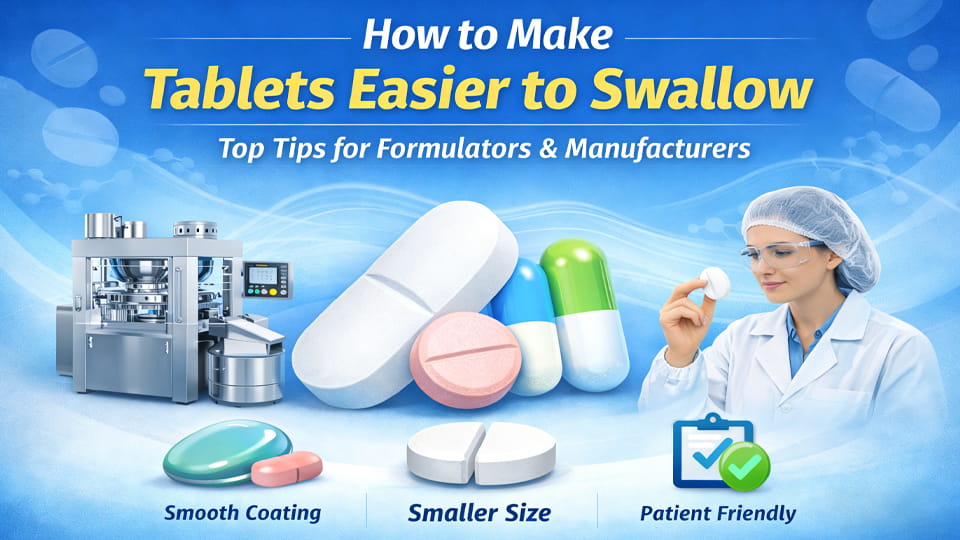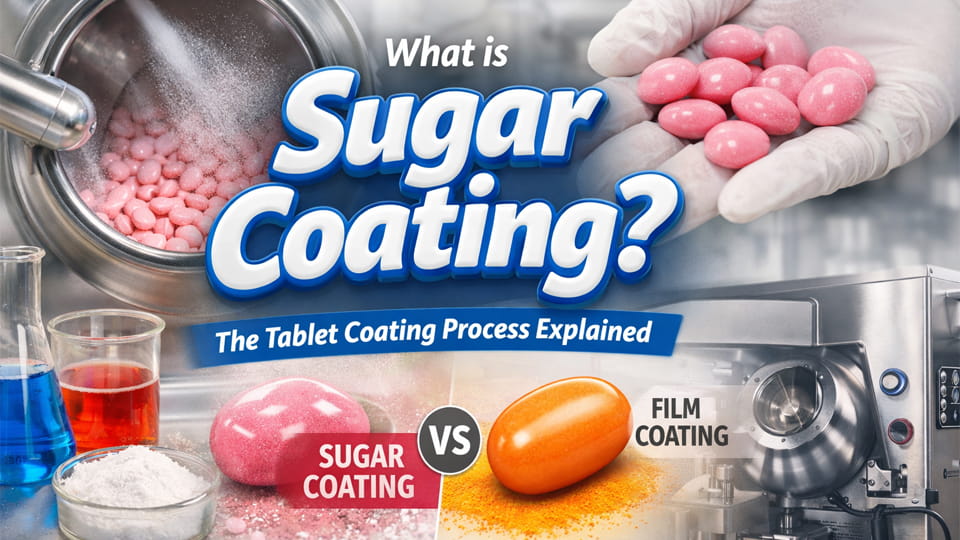

สงสัยว่าการเคลือบแบบไหนที่เหมาะกับคุณ? เรามาสำรวจความแตกต่างระหว่างการเคลือบลำไส้กับการเคลือบฟิล์มกันดีกว่า.
ในโลกของยาเม็ด, การเคลือบ มักเป็นวีรบุรุษที่ไม่ได้ร้อง. บาง, ชั้นที่แทบมองไม่เห็นจะคอยปกป้องการเดินทางของแท็บเล็ตแต่ละเครื่องผ่านร่างกายอย่างเงียบ ๆ. บางครั้งพวกมันจะป้องกันสารออกฤทธิ์จากกรดในกระเพาะที่มีฤทธิ์รุนแรง. ครั้งอื่นๆ, ช่วยควบคุมวิธีการและเวลาในการปล่อยแท็บเล็ตหรือแคปซูล. ในหลายกรณี, ประสิทธิภาพของยาขึ้นอยู่กับการเคลือบยาพอๆ กับสูตรของมัน. ในบทความนี้, เราสำรวจเทคโนโลยีการเคลือบที่ใช้กันอย่างแพร่หลายสองเทคโนโลยี, การเคลือบลำไส้เทียบกับการเคลือบฟิล์ม, และเปรียบเทียบวิธีการทำงาน, พวกมันถูกใช้ที่ไหน, และวิธีการผลิต.
ประเด็นสำคัญ:
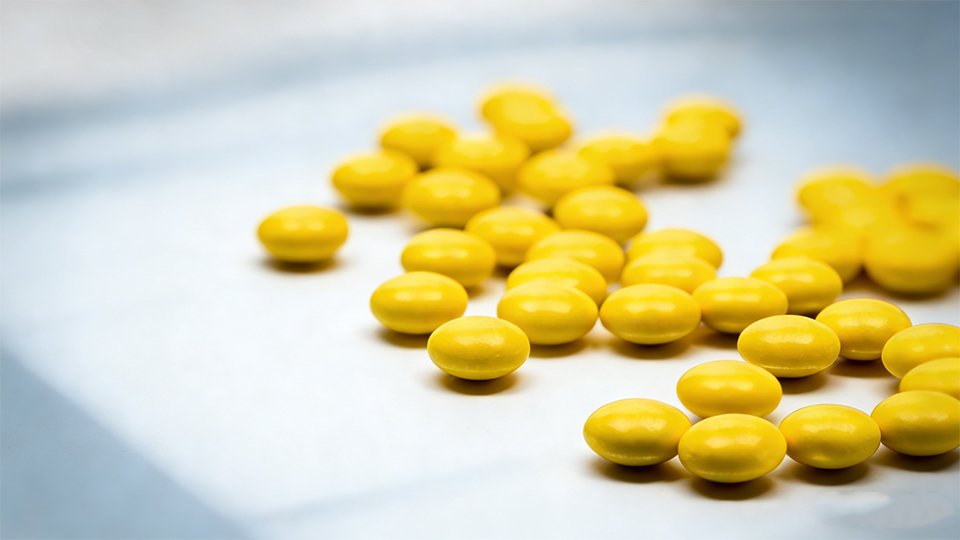
การเคลือบลำไส้ เป็นชั้นป้องกันพิเศษที่ใช้กับแท็บเล็ต, หมายถึงยา เช่น แคปซูลและยาเม็ดโปรไบโอติก มีการเคลือบลำไส้และป้องกันจากกรดในกระเพาะ. มันเหมือนกับเสื้อกันฝนอันเล็กๆ บนยาของคุณ. ช่วยให้ยาปลอดภัยจากกรดแก่ในกระเพาะอาหาร, ดังนั้นเม็ดยาจะคงอยู่จนหมดจนถึงลำไส้, ที่ซึ่งมันเปิดขึ้นและเริ่มทำงาน. การเคลือบลำไส้เป็นสิ่งสำคัญสำหรับยาที่ถูกทำลายโดยกรดในกระเพาะหรือจำเป็นต้องถูกดูดซึมในลำไส้เพื่อให้ทำงานได้อย่างถูกต้อง.
สารเคลือบที่ไม่ก่อให้เกิดลำไส้จะละลายในกระเพาะอาหาร, ในขณะที่สารเคลือบลำไส้จะต้านทานกรดในกระเพาะอาหาร, ละลายในลำไส้เท่านั้น.
ไม่มาก! การเคลือบลำไส้ทำจากโพลีเมอร์ทนกรด, หรือที่เรียกว่าวัสดุเคลือบลำไส้, เช่นเซลลูโลสอะซิเตตพทาเลทหรือโคพอลิเมอร์ของกรดเมทาคริลิก, ซึ่งจะคงอยู่ในกระเพาะอาหารของคุณและละลายเมื่อไปถึงสภาพแวดล้อมที่อ่อนโยนกว่าของลำไส้เท่านั้น. “เสื้อคลุม” อันชาญฉลาดนี้ช่วยปกป้องยาในช่องปากจากกรดในกระเพาะและป้องกันการระคายเคืองต่อเยื่อบุกระเพาะอาหาร.
คำตอบคือใหญ่ “ไม่”. ยาเม็ดเคลือบลำไส้ได้รับการออกแบบเหมือนยาแคปซูลปล่อยเวลาสำหรับกระเพาะอาหารของคุณ. พวกมันเลี่ยงสภาพแวดล้อมที่เป็นกรดและละลายเฉพาะจุดที่ต้องการเท่านั้น. การบดยาเม็ดเคลือบลำไส้ก็เหมือนกับการปลดล็อคความปลอดภัยแต่เนิ่นๆ: ยาสามารถถูกทำลายได้ด้วยกรดในกระเพาะหรือทำให้เกิดการระคายเคือง.
การเคลือบลำไส้เป็นมากกว่าชั้นมันเงาบนเม็ดยา. มันทำหน้าที่เหมือนโล่เล็กๆ, รักษายาให้ปลอดภัยจากกรดในกระเพาะและให้แน่ใจว่ายาจะปล่อยออกมาเฉพาะในส่วนที่ได้ผลดีที่สุดเท่านั้น. อีกทั้งยังช่วยปกป้องกระเพาะอาหารของคุณจากการระคายเคือง. ต่อไปนี้เป็นภาพรวมง่ายๆ ว่าสารเคลือบลำไส้ทำหน้าที่อะไร และมักใช้ที่ใดบ้าง:
ตารางที่ 1-คุณประโยชน์และตัวอย่างของการเคลือบลำไส้
| ผลประโยชน์ / วัตถุประสงค์ | มันทำอะไร | ตัวอย่าง / ยาสามัญ |
| ปกป้องยาที่ละเอียดอ่อน | หยุดยาที่อาจระคายเคืองกระเพาะอาหารของคุณ | แอสไพริน, โปรไบโอติกบางชนิด |
| กำหนดเป้าหมายไปยังจุดที่ถูกต้อง | รับรองว่ายาจะออกเฉพาะในลำไส้เท่านั้น | โอเมพราโซล, อาหารเสริมเอนไซม์บางชนิด |
| ประสิทธิผลดีขึ้น | ทำให้ตัวยาไม่ถูกทำลายโดยกรดในกระเพาะ | โอเมพราโซล, แอสไพรินเคลือบลำไส้ |
| สบายท้องได้ง่ายขึ้น | ลดอาการคลื่นไส้หรือรู้สึกไม่สบาย | โปรไบโอติก, ผลิตภัณฑ์ยาต้านการอักเสบ |
นี่เป็นตัวอย่างการเคลือบลำไส้โดยทั่วไปในผลิตภัณฑ์จริง, เช่น แอสไพรินเคลือบลำไส้, โปรไบโอติก, และอาหารเสริมเอนไซม์. ใช้ทั้งในเม็ดเคลือบลำไส้และแคปซูล, วิธีนี้ช่วยปกป้องยาในกระเพาะอาหารและปล่อยยาในลำไส้เท่านั้น. เป็นผลให้, ยาที่เคลือบลำไส้จะทำงานได้อย่างมีประสิทธิภาพมากขึ้นในขณะที่อ่อนโยนต่อกระเพาะอาหาร.
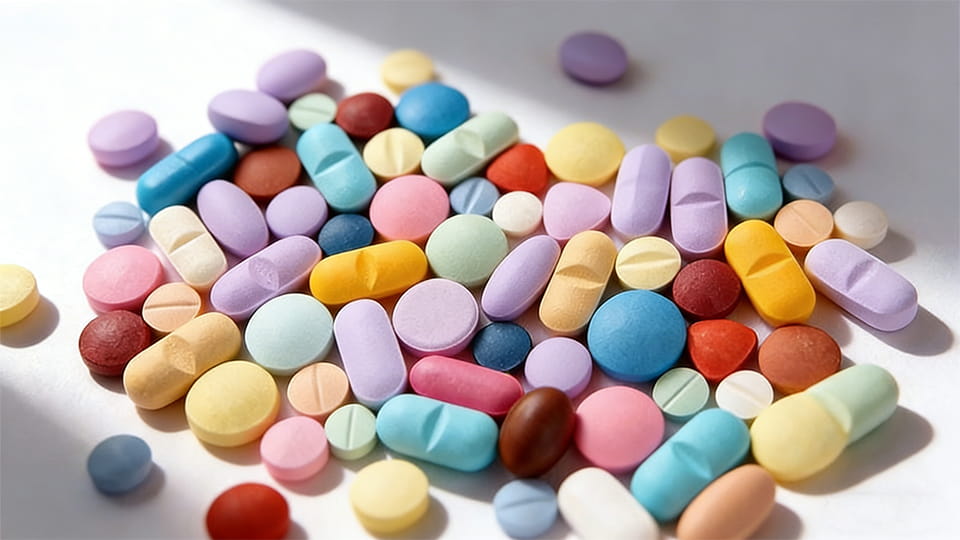
การเคลือบฟิล์ม หมายถึงการใช้ชั้นโพลีเมอร์บางๆ บนแท็บเล็ต. กล่าวอีกนัยหนึ่ง, เม็ดยาเคลือบฟิล์มผลิตจากการเคลือบฟิล์ม, ซึ่งหมายถึงการใช้ชั้นโพลีเมอร์บางๆ บนแท็บเล็ต. วัตถุประสงค์ของการเคลือบฟิล์มคือเพื่อปกป้องสารออกฤทธิ์จากความชื้น, อากาศ, หรือทำให้เม็ดยาดูสว่างขึ้น. ไม่เหมือนสารเคลือบลำไส้, ฟิล์มเคลือบละลายในกระเพาะอาหาร, ทำให้ตัวยาสามารถดูดซึมได้โดยตรงในระบบทางเดินอาหารส่วนบน.
การเคลือบฟิล์มมีสองประเภทหลักๆ. สารเคลือบสูตรน้ำเป็นประเภทเคลือบฟิล์มที่พบบ่อยที่สุดเพื่อความปลอดภัย, ยืดหยุ่นได้, และเป็นมิตรกับสิ่งแวดล้อม. อีกอันหนึ่ง, การเคลือบที่ใช้ตัวทำละลาย, ใช้สำหรับยาที่ไวต่อความชื้น แต่ไม่ค่อยได้รับความนิยมเนื่องจากปัญหาด้านความปลอดภัยและสิ่งแวดล้อม.
โดยทั่วไปการเคลือบฟิล์มจะมีความบาง, เกราะป้องกันที่ทำจากโพลีเมอร์เช่น HPMC, พลาสติไซเซอร์เพื่อความยืดหยุ่น, และบางครั้งก็ใช้สีสำหรับการสร้างแบรนด์. มันทำให้เม็ดยามีเสถียรภาพ, เรียบ, และกลืนง่าย. วัสดุเหล่านี้ก่อให้เกิดการเคลือบฟิล์มเรียบบนแท็บเล็ต, ทำให้ยาเม็ดเคลือบฟิล์มมีความคงตัวและกลืนง่าย.
เม็ดเคลือบฟิล์มบางชนิดสามารถแยกออกได้, แต่ไม่ใช่ทั้งหมด. หากแท็บเล็ตมีเส้นคะแนน, มักจะปลอดภัยที่จะตัดมัน. ถ้ามันไม่ได้, การแยกตัวอาจเปลี่ยนขนาดยาหรือวิธีการดูดซึมยา. เพื่อให้แน่ใจ, ทางที่ดีควรตรวจสอบบรรจุภัณฑ์หรือสอบถามเภสัชกรก่อนที่จะทำลายแท็บเล็ต.
การเคลือบฟิล์มไม่ได้เป็นเพียงการตกแต่งที่สวยงามเท่านั้น. โดยการปรับสูตรการเคลือบและความหนา, ผู้ผลิตยังสามารถมีอิทธิพลต่อวิธีที่ยาเม็ดเคลือบฟิล์มปล่อยสารออกฤทธิ์ในกระเพาะอาหารได้อย่างไร. สิทธิประโยชน์ทั้งหมดนี้ช่วยปรับปรุงประสิทธิภาพของยาและความรู้สึกสบายใจในการรับประทาน.
ตารางที่ 2-คุณประโยชน์และตัวอย่างการเคลือบฟิล์ม
| ผลประโยชน์ / คุณสมบัติ | มันทำอะไร | ตัวอย่าง / การใช้งานทั่วไป |
| กำบังรสชาติ & กลืนง่ายขึ้น | ซ่อนความขมขื่น; พื้นผิวเรียบ | ยาแก้ภูมิแพ้ เช่น Zyrtec, วิตามินรวมขนาดใหญ่ |
| การป้องกันจากสิ่งแวดล้อม | ป้องกันความชื้น, แสงสว่าง, อากาศ | ยาแก้ปวด OTC จำนวนมาก, วิตามินชั้นยาว |
| ความมั่นคง & อายุการเก็บรักษา | ลดการย่อยสลายระหว่างการจัดเก็บและการขนส่ง | ยารักษาโรคหัวใจ, อาหารเสริมทุกวัน |
| รีลีสควบคุม | ปรับความเร็วของยาที่ละลายและเข้าสู่ร่างกาย | สูตรการปลดปล่อยแบบขยาย |
| รูปลักษณ์และการระบุตัวตนที่ดีขึ้น | เพิ่มสีสัน, เงาเพื่อการรับรู้ | เภสัชภัณฑ์ที่มีตราสินค้า |
เอามารวมกัน, ประเด็นเหล่านี้ตอกย้ำถึงข้อดีของแท็บเล็ตเคลือบฟิล์มในการใช้งานจริง. ในด้านหนึ่ง, การเคลือบฟิล์มสำหรับแท็บเล็ตช่วยเพิ่มการปิดบังรสชาติ, รูปร่าง, และความสามารถในการกลืนได้, ด้วยเหตุนี้จึงพบตัวอย่างยาเม็ดเคลือบฟิล์มจำนวนมากในยาและอาหารเสริมประจำวัน. ในทางกลับกัน, เพราะเม็ดยาเคลือบฟิล์มละลายในกระเพาะ, ไม่เหมาะกับยารักษาโรคที่ต้องหลีกเลี่ยงกรดในกระเพาะอาหารหรือต้องขับออกจากลำไส้.
ทั้งการเคลือบลำไส้และการเคลือบฟิล์มช่วยปรับปรุงการทำงานของแท็บเล็ต, แต่มีความแตกต่างกันหลายประการ. การเปรียบเทียบนี้เน้นให้เห็นถึงความแตกต่างที่สำคัญระหว่างยาเม็ดเคลือบฟิล์มและยาเม็ดเคลือบลำไส้ในแง่ของการปลดปล่อย, วัสดุ, และกรณีการใช้งาน. ตารางด้านล่างนี้จะแสดงภาพรวมโดยสรุปเกี่ยวกับความแตกต่างหลักๆ:
ตารางที่ 2-ความแตกต่างหลักระหว่างการเคลือบลำไส้และการเคลือบฟิล์ม
| คุณสมบัติ | การเคลือบลำไส้ | การเคลือบฟิล์ม |
| วัตถุประสงค์หลัก | ป้องกันยาจากกรดในกระเพาะและชะลอการหลั่งจนถึงลำไส้ | ปกป้องพื้นผิวแท็บเล็ตและปรับปรุงความสามารถในการกลืน |
| กลไกการปลดปล่อย | ละลายในลำไส้เท่านั้น (ขึ้นอยู่กับ pH) | มักจะละลายในกระเพาะอาหาร (pH เป็นอิสระ) |
| วัสดุ | โพลีเมอร์ที่ไวต่อค่า pH ที่ต้านทานกรด | โพลีเมอร์ที่ละลายในน้ำ/ค่า pH ต่ำ |
| การใช้งานทั่วไป | ยารักษาโรคที่ไวต่อกรดหรือระคายเคืองต่อกระเพาะอาหาร | การป้องกันทั่วไป, สุนทรียศาสตร์, ปิดบังรสชาติ |
| ความซับซ้อนในการผลิต | สูงกว่า; ต้องการการควบคุมค่า pH ที่แม่นยำ | ต่ำกว่า; กระบวนการที่ง่ายและรวดเร็วยิ่งขึ้น |
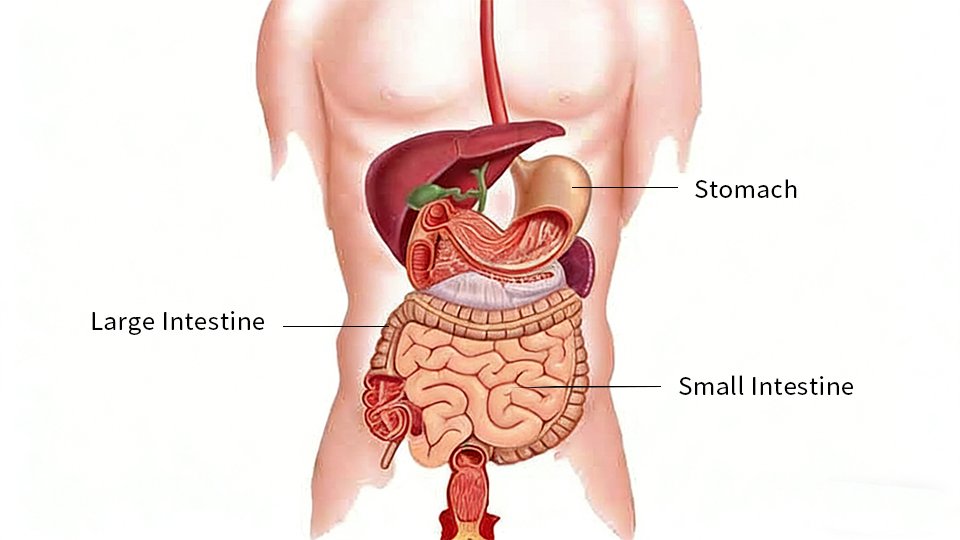
การเคลือบลำไส้: เพื่อป้องกันยาเม็ดจากกรดในกระเพาะ, และละลายในลำไส้เท่านั้น.
การเคลือบฟิล์ม: เพื่อป้องกันแท็บเล็ตจากความชื้น, รสชาติของมาสก์, และทำให้กลืนได้ง่ายขึ้น.
การเคลือบลำไส้ขึ้นอยู่กับค่า pH: พวกมันคงสภาพเดิมในค่า pH ต่ำ (ท้อง) แต่จะละลายเมื่อมี pH ในลำไส้สูงขึ้น.
Film coatings are pH-independent: they dissolve quickly upon contact with fluids in the stomach and release the medication there.
Enteric coatings: Made from acid-resistant polymers that only dissolve in the intestines. These are specially designed to survive stomach acid.
Film coatings: Made from smooth, water-soluble polymers with a bit of plasticizer or color to make pills look nice and slide down easily.
การเคลือบลำไส้: Ideal for medicines that can be ruined by stomach acid or cause irritation like proton pump inhibitors, ยาปฏิชีวนะบางชนิด, and probiotics.
การเคลือบฟิล์ม: is widely used for everyday tablets and supplements, where the main goals are ease of swallowing, ปิดบังรสชาติ, and protection during storage.
Are film-coated tablets better than enteric-coated tablets? The answer depends on where the pharmaceuticals needs to work and what patients need most. A few practical factors related to the medication itself, like how it behaves in the body and what patients need, have a significant impact on your choice. Below is a quick comparison to help guide your decision:
Table 4-Which Coating Fits Your Medicine Best
| Key Factor | การเคลือบลำไส้ | การเคลือบฟิล์ม |
| Needs to survive stomach acid | √ | |
| Releases medication in intestine | √ | |
| กลืนง่าย | √ | |
| Protects from moisture/light | √ | |
| Can be used for many common tablets | √ | |
| Lower coating cost and easier manufacture | √ |
Some medicines are picky. If the pharmaceuticals cannot handle stomach acid or might irritate your stomach, enteric coating keeps it safe until it reaches the small intestine. This is also why medicine like omeprazole have an enteric coating: without it, stomach acid would break down the active ingredient before it can work. Film coatings dissolve in the stomach and are perfect for medication that are stable and need to act fast.
Big, bitter pills can be hard to swallow. Film coating smooths the surface, รสชาติของมาสก์, และทำให้กลืนได้ง่ายขึ้น. This is especially helpful for children, seniors, or daily supplements. Enteric-coated tablets can be swallowed but their focus is on timing rather than comfort.
Film coating shields against moisture, แสงสว่าง, และออกซิเจน, keeping pills safe on the shelf. Enteric coating is a specialized guard against stomach acid. It helps the medicine reach the intestine intact and reduces stomach upset.
Film coating is usually simpler and cheaper. It uses fewer layers and easier materials. Enteric coating requires precise, acid-resistant polymers and careful formulation, making it more complex and sometimes costlier to produce.
From a manufacturing perspective, both coating processes are core to the pharmaceutical application of tablet enteric coating and film coating. Understanding which coating suits a medicine and its users is only part of the story. Every tablet starts in the factory, and the way it is coated can make a big difference to its effectiveness and patient experience. Whether it’s enteric coating or film coating, producing a high-quality, reliable tablet requires careful control of materials, timing, and machinery. ต่อไป, let’s take a closer look at how these coatings are actually applied, the processes involved, and the equipment that makes it all possible.
Since tablets are currently the most popular forms to be coated, the following will take tablet coating for example. Even though enteric coating and การเคลือบฟิล์ม serve different purposes, the film coating process and enteric coating process are surprisingly similar in practice. Both coating go through the essential steps of applying the coating, การทำให้แห้ง, and curing. The image below breaks down each step side by side, showing the unique quirks and challenges of each type, so you can see exactly how these tiny protective layers are put on your pills.
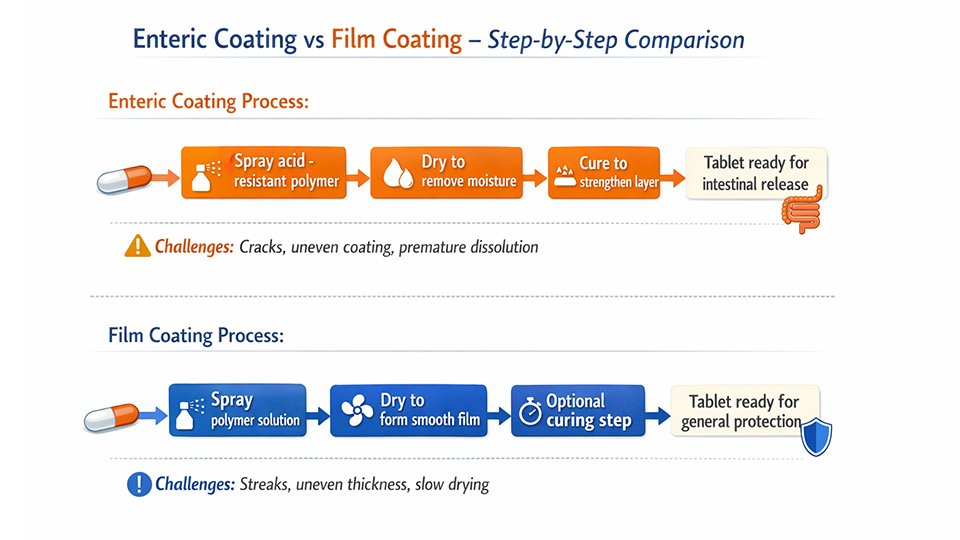
Coating tablets may seem straightforward, yet even experts run into issues. The four most common ones are:
Some tablets end up with thicker coating while others are too thin. This affects how the oral medication is released and can make tablets look inconsistent. It usually happens when spray rate, pan rotation, or airflow isn’t perfectly balanced.
Coatings can crack or peel if drying is too fast or if the polymer formulation isn’t right. This exposes the tablet to moisture and can reduce shelf life or cause stomach irritation for enteric-coated medicine.
Tablets may stick to each other or to the machine during coating. High humidity, over-wet spraying, or wrong pan speed are common causes. Sticking leads to missing coating spots and production delays.
Sometimes tablets end up with a rough surface instead of a smooth finish. This happens if the coating of tablets dries too quickly or spray parameters aren’t optimized. It can affect swallowing and the visual quality of the tablets.
Getting a tablet coated well is not just about the formula. The machine matters just as much. A good tablet coating machine helps control how the coating is sprayed, dried, and set, so each tablet comes out smooth and consistent. With the right coating machines for tablets, manufacturers can avoid common headaches like patchy coating, การติด, or coatings that release too early or too late. That’s why reliable equipment has become a key part of making both film-coated and enteric-coated tablets work the way they should.
ACG Group (อินเดีย): A global leader in pharmaceutical machinery with tablet coating and fluid bed systems that offer precise process control and uniform spray distribution. Their equipment helps ensure each tablet receives the same amount of coating, reducing patchiness.
LTPM (จีน): Advanced tablet coaters from LTPM use programmable control systems and adjustable spray arms to maintain consistent coating distribution across different tablet shapes and sizes.
ดองเรียบ (เยอรมนี): Pioneer in fluid bed technology that helps control temperature and airflow during drying, minimizing stress on the coating layer and preventing cracks or peeling. Fluid bed units also improve uniformity and drying efficiency.
Thomas Processing (สหรัฐอเมริกา): Offers sophisticated tablet coating solutions that include controlled temperature and airflow settings to maintain the integrity of sensitive coatings.
syntegon (เยอรมนี): A well-known global supplier of process and packaging technology whose coating machines are designed with optimized drum movement and exhaust systems to reduce tablet sticking or picking during coating.
Senieer (จีน): Provides integrated coating of tablets and drying solutions with precise airflow and spray balance that significantly reduce sticking issues during large batch runs.
Pharmaland (จีน): Some high-efficiency film coating machines incorporate PLC control and flexible air exchange systems that promote smooth drying and prevent rough surfaces.
T&T MACHINERY (เวียดนาม): Their advanced film coaters with adjustable spraying and air handling systems help ensure even film formation without surface defects.
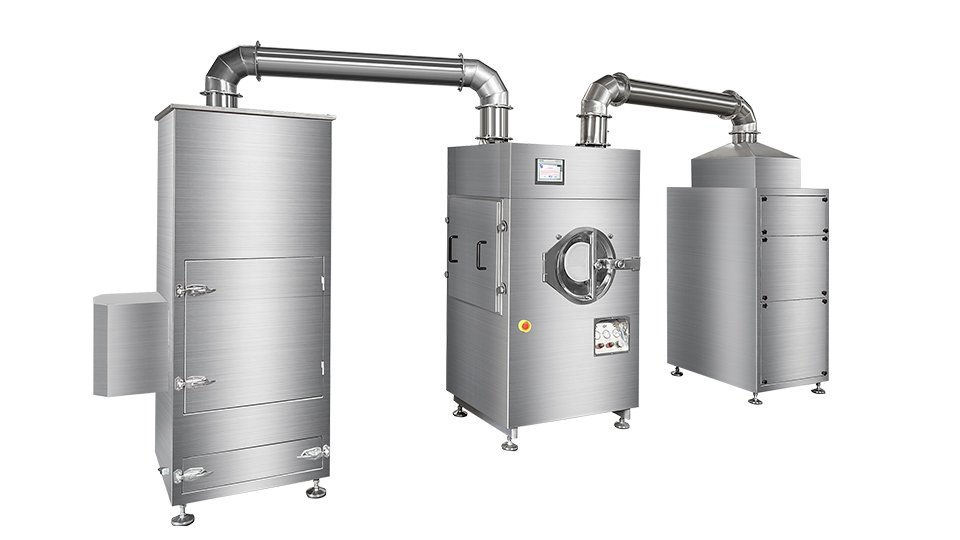
ของเรา เครื่องเคลือบ are designed with these challenges in mind, providing stable, even, and efficient coating for both film and enteric-coated tablets. Beyond the machine itself, we back you with full service support to keep production running smoothly:
This combination of reliable machines and comprehensive support ensures manufacturers can produce high-quality coated tablets consistently while minimizing downtime or quality issues.
Enteric coating and film coating each play a key role in how tablets protect, release, and deliver medicine. When comparing film coating and enteric coating, the right choice comes down to medicine behavior, patient needs, and manufacturing capability. While their functions differ, both rely on precise processes and reliable equipment to overcome common coating challenges and ensure consistent quality.
ที่ จินลู่บรรจุ, we follow a simple belief: creating value for customers is creating value for ourselves. This philosophy guides our focus on equipment reliability, service support, and long-term partnership. With the right coating solution, better tablets today lead to stronger products tomorrow.
[1] OSHA – Machine Guarding Standards. เรา. Occupational Safety and Health Administration.
[2] UL Solutions – Machine Safety Standards. ห้องปฏิบัติการรับประกันการจัดจำหน่าย.
[3] IEC 60204-1 – Safety of Machinery: Electrical Equipment of Machines. International Electrotechnical Commission.