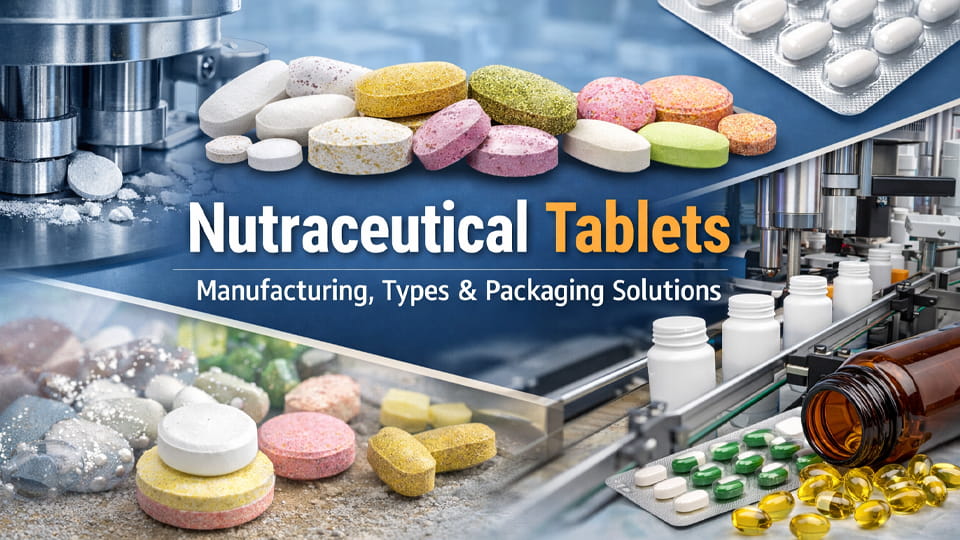
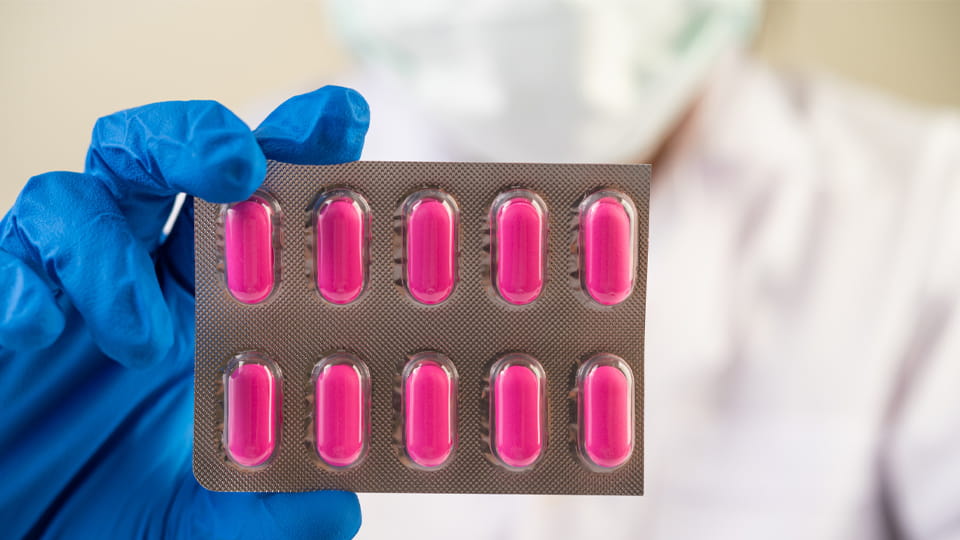
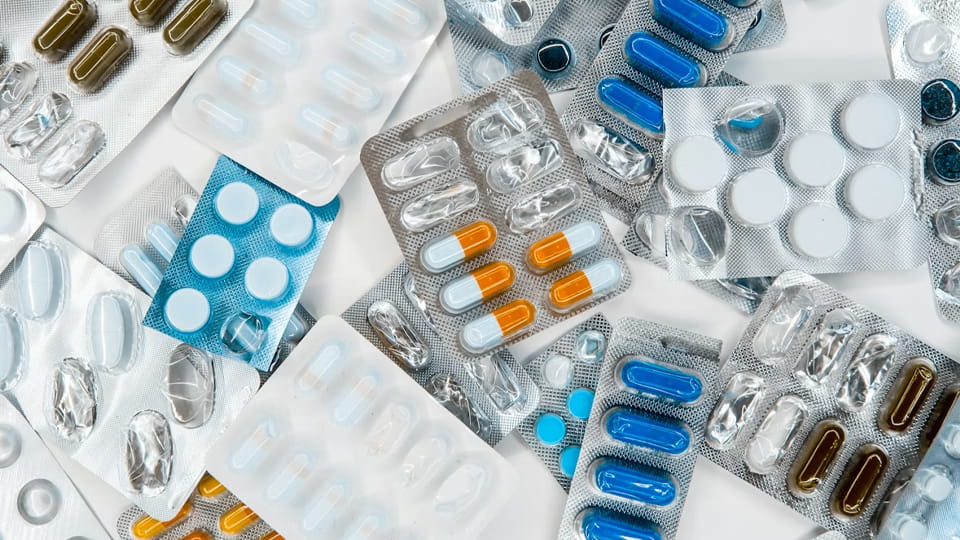
เครื่องบรรจุภัณฑ์พุพองare essential equipment in the pharmaceutical and medical industries, used to form, เติม, and seal products like pills, แคปซูล, and small medical devices into sealed blisters. ในแง่ง่ายๆ, a blister pack consists of a thermoformed plastic cavity (the “blister”) on a plastic or paperboard backing, usually sealed with foil or film. This process protects each dose or item in its own pocket. Modern blister machines automate these steps – forming plastic sheets into blisters, placing products, and heat-sealing a foil lid – to ensure safe, บรรจุภัณฑ์. Whether you’re a pharmacist, procurement engineer or production manager, this guide will walk you through everything about blister packaging machines, from how they work to choosing the right one for your needs.
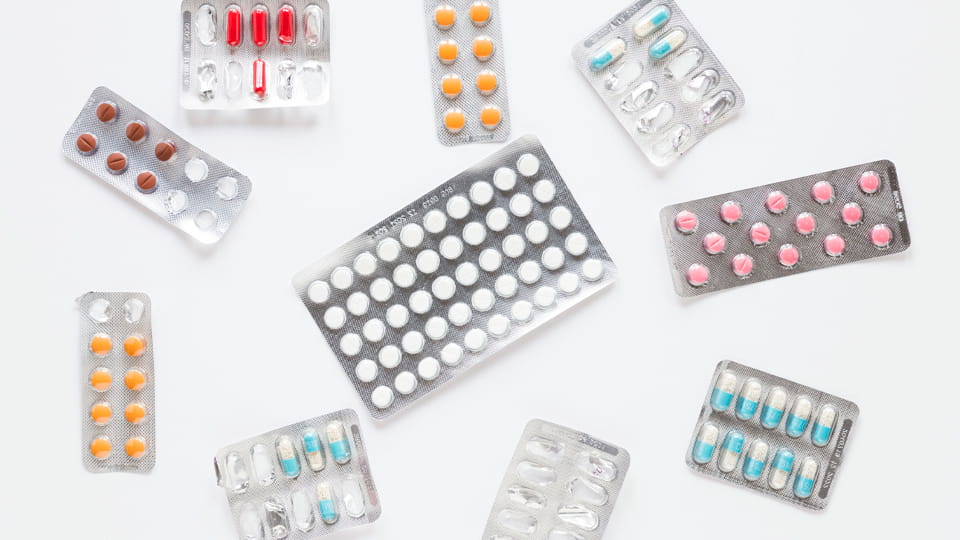
Uses of Blister Packaging:Blister packs are everywhere you find pharmaceuticals and health products. They are commonly used to pack tablets, แคปซูล, suppositories and other medical blister pack items. In pharmacies, each pill or capsule is individually sealed in a blister cavity to keep it fresh and protected until use. The backing card can be printed with dosage instructions or logos, helping patients manage their medication. นอกเหนือจากยา, blister packs also protect small consumer goods (like batteries or electronic parts), food supplements, and even cosmetics or hardware. This packaging makes products visible yet secure – you can see the item through the clear plastic while keeping it shielded from moisture, light and contamination.
Blister packaging means creating cavities in plastic sheets and sealing them with foil or paper. In a pharmacy example, each pill is held in its own pocket until needed. The cavity (shown above) is typically made from PVC or similar plastic, and the backing is foil or coated cardboard that is heat-sealed in place. This unit-dose approach improves product protection and dosing accuracy.
Key Benefits of Blister Packaging
Blister packaging offers many advantages, especially for pharmaceuticals and healthcare products. Some of the key benefits include:
การป้องกัน & ความสดชื่น:Each dose in a blister pack is isolated in its own sealed compartment. This shields medicines from humidity, ออกซิเจน, and contaminants that could degrade them. ตัวอย่างเช่น, a tablet inside a sealed blister stays fresh until the foil is peeled back. If aluminum foil is used (in alu-alu blisters), the barrier to moisture and light is nearly perfect, greatly extending shelf life.
Tamper-Evident Safety:Blister packs make tampering obvious. Since each pocket is sealed, it’s easy to tell if a blister has been opened or damaged. Manufacturers can even add child-resistant features on the foil or card to meet regulatory requirements. This independent sealing of doses helps ensure quality control and user safety – if one dose is compromised, the others remain unaffected.
การจ่ายยาที่แม่นยำ & การปฏิบัติตาม:By dispensing one pill per cavity, blisters help patients take the correct dose. The clear layout makes it obvious how many doses have been taken. Printed calendars or labels on blister cards can guide patient schedules, reducing missed or double doses. This is especially helpful for elderly patients or complex medication regimens. ในความเป็นจริง, blister packaging is known to improve medication adherence by giving a visual “checklist” for each dose.
ทัศนวิสัย & การสร้างแบรนด์:Many blister packs have a clear plastic front so consumers or pharmacists can see the product before use. This transparency reassures the user about the contents and quantity. ในขณะเดียวกัน, the backing card or foil surface provides space for branding, drug information, คำแนะนำ, and batch codes. A well-designed blister card strengthens brand recognition and helps users follow instructions (E.G. วันหมดอายุ, หมายเลขแบทช์) right on the package.
ความสะดวก & การปรับแต่ง: ชุดพองมีน้ำหนักเบา, portable, and convenient for single doses. They can be stacked in wallets or pill organizers. Manufacturers can design blisters to fit any shape or number of products – from single pills to multiple rows of capsules. All plastic blisters are thermoformed, so the machine can be adjusted to the needed size and shape for your product. This means blister machines are highly adaptable for different items, whether you need compact cards or large trays.
Each sealed blister shows one dose inside. This kind of packaging is tamper-evident and child-safe by design. ตัวอย่างเช่น, you could add a child-resistant foil or a “push-through” cover, and anyone trying to open it would leave a clear mark on the pack.
Althoughblister packaging has many strengths, it’s also worth noting a few drawbacks: Not all pharmaceutical forms work well (liquids or very large tablets may not be blister-friendly). Switching patients from bottles to blister packs can require education, since dose tracking differs. The sealing process can be slower than simple bottle filling, and blister machines are an expensive investment – which can make the per-unit cost higher for very small production runs. อย่างไรก็ตาม, for most high-volume or sensitive products, the benefits of blister protection and compliance outweigh these challenges.
How Blister Packaging Machines Work
A blister packaging machine (sometimes called a blister packing machine, blister sealing machine, or simply blister machine) automates the steps of forming, การกรอก, การปิดผนึก, and cutting blister packs. Here’s a typical process flow for an automatic blister packing machine:
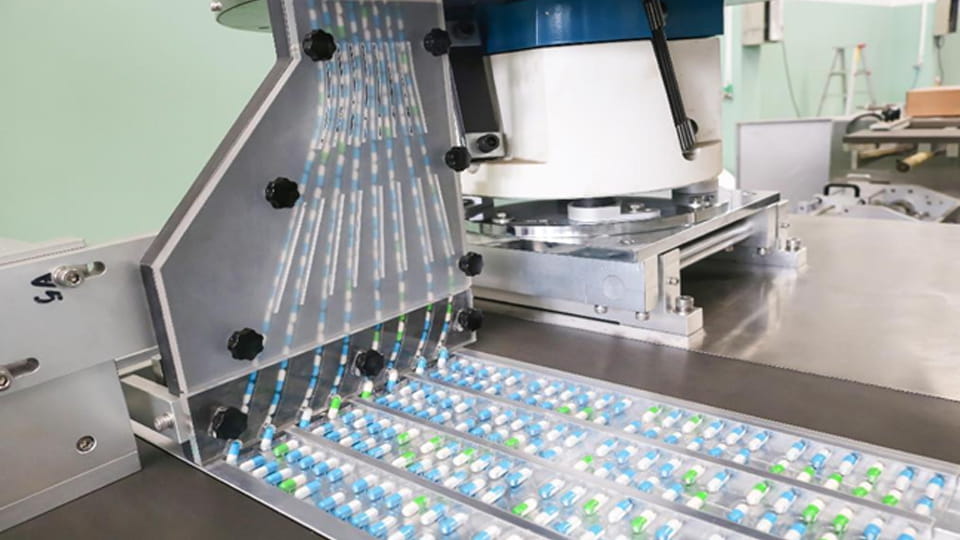
Forming the Blisters: อันดับแรก, a plastic web (often PVC or a similar film) is fed into the machine and heated. The machine’s forming station uses molds or pockets to thermoform the plastic into blisters or cavities. Each cavity is shaped to hold one tablet or capsule. (For alu-alu blister machines, cold-forming is used instead: the machine mechanically presses aluminum foil into cavities.)
กำลังโหลดผลิตภัณฑ์: ต่อไป, the products (แท็บเล็ต, แคปซูล, ฯลฯ) are placed into the formed cavities. High-speed machines use vibratory bowls or automatic feeders to drop exactly one item into each blister. Some machines have vision systems or sensors to ensure correct filling.
การปิดผนึก: หลังจากเติมแล้ว, a lid material is applied. Typically a foil-coated paper or pure aluminum foil is unwound and placed over the filled blisters. The machine then seals the blister by heat and pressure, bonding the lid to the plastic around each cavity. The result is an airtight seal for each dose.
Cutting and Perforation: ในที่สุด, the sealed blisters are cut into strips or individual cards. Punching or die-cutting stations separate packs, often creating per-dose perforations or cutting out blister cards in the correct size. The finished blister packs can then be collated into boxes or fed into cartoning lines.
Modern machines often include additional features like printed date-coding, foil-embossing (for expiration dates), or checks for missing items. They are controlled through touch-screen interfaces and programmable logic, allowing easy changeovers between different pack formats. Many machines log production data to meet GMP traceability requirements.
Key components in a blister machine include the forming station (for shaping cavities), filling stations (product placement), sealing station (heat sealing the lid), and cutting station. Some lines also have reject mechanisms to remove faulty packs and vision inspection to catch errors. ดังแหล่งบันทึกแห่งหนึ่ง, many modern machines are designed for easy cleaning and calibration – a must for pharmaceutical use.
Blister packing machines come in several configurations, each suited to different production needs:
Manual or Semi-Automatic Machines:These bench-top or standalone units are useful for lab batches, การทดลองทางคลินิก, or very small runs. The operator manually places or manually assists in sealing. ตัวอย่างเช่น, a manual blister machine may require hand-loading of tablets, with the machine providing the heat seal. Semi-automatic machines still need an operator to feed products or perform some steps, but automate forming and sealing.
Automatic Continuous (แบบหมุน) เครื่องจักร:In high-volume production, automatic blister packing machines are used. These machines can produce thousands of blisters per minute. High-speed rotary blister machines (like Jinlu’s DPH-270Max) can reach around 27,000 blisters per hour. They are ideal for large batch manufacturing of common products like tablet or capsule blister packs.
Flat-Plate (Indexed) เครื่องจักร:Flat-plate or intermittent blister machines operate station-by-station. A section of plastic web is indexed (moved) to each station where it stops while forming, filling or sealing happens, then indexes forward. These are often simpler and more flexible than rotary machines, easier to change for different pack sizes or formats. They are suitable for medium-speed production and offer quick changeover between products.
Cold-Form (อลู-อลู) Blister Machines:For the highest barrier needs, ตุ่มอลู-อลูpackaging machines are used. Instead of thermoforming plastic, these machines mechanically form cavities in a double layer of aluminum foil, then seal with an aluminum lid. This cold-forming process gives unbeatable moisture protection, but the machines run slower (a few thousand blisters per hour). Use cases are specialty pharmaceuticals or supplements that are extremely moisture-sensitive, like effervescent vitamins or biologic drugs.
เมื่อเลือกเครื่อง, one also distinguishes by automation level: some lines are fully automatic (การขึ้นรูป, การกรอก, การปิดผนึก, cutting all in one go) while others are modular. Fully automatic lines require less labor and give higher throughput, but manual machines cost less and suit small-scale operations.
เครื่องบรรจุหีบห่อลูกกลิ้ง DPH-270MAX
Materials Used in Blister Packs
The choice of materials is crucial for blister packs:
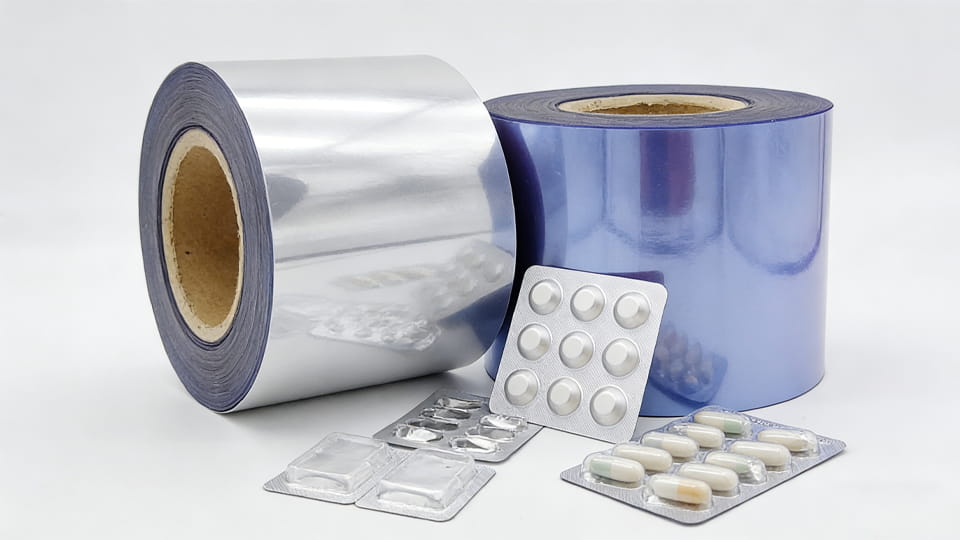
Blister Film:The blister or cavity is usually made from plastic films like PVC (โพลีไวนิลคลอไรด์), พีวีซีเคลือบ PVDC, สัตว์เลี้ยง, or COC. PVC is common due to its clarity, ความแข็งแกร่ง, and low cost. PVDC (โพลีไวนิลิดีนคลอไรด์) laminates add extra moisture barrier where needed. PET or COP films can be used for very clear or chemically stable cavities. โดยสรุป, PVC/PVDC films are widely used, with PVDC especially when a higher moisture barrier is needed.
Lidding Material:The lidding (the backing that seals the blister) is often aluminum foil, cold-form foil or paperboard. Standard aluminum foil seals create blisters where you peel back foil to retrieve the product. White cardboard (coated or heat-seal coated) is also common – a printed paperboard backing that is heat-sealed to the plastic. Alu-Alu packs use aluminum foil on both sides for the pocket and lid for maximal barrier.
Coatings and Adhesives:The blister film or foil usually has a heat-seal lacquer or coating so that when heated, it bonds the two sides together securely. This coating must be compatible with both film and foil, ensuring a strong seal.
Cards and Inserts:Blister packs are often attached to a printed card (บรรจุภัณฑ์บัตรตุ่ม) for retail display, or packed in boxes. For strict pharmaceuticals, the card provides space for ingredients, batch numbers and dosing instructions.
Selecting the Right Blister Packaging Machine
When buying a blister packaging machine, consider factors like production volume, product type, and compliance needs:
Production Speed and Volume:Estimate how many blister packs per hour you need. High-speed rotary machines can handle tens of thousands of units, whereas a smaller batch might only need a semi-automatic line. Keep in mind that Alu-Alu machines run slower than PVC machines, so only choose those if high barrier is required.
Product Specifications:The size, รูปร่าง, and sensitivity of your product matter. Check that the machine can form cavities of the right size and configuration. ตัวอย่างเช่น, blister machines can create rows and columns of cavities; make sure the cavity design matches your pills or capsules. If you need both tablet and capsule blistering, ensure the feeder systems can handle different shapes.
Packaging Material:Decide on theblister materials (พีวีซี, PVDC, foil) and ensure the machine supports them. Some blister machines are designed for PVC/foil (การทำเทอร์โมฟอร์ม), while others handle cold-form foil. If you need switchable formats (E.G. sometimes PVC blisters, sometimes Alu-Alu), confirm the manufacturer can accommodate quick changeovers or separate lines.
Automation Level:Choose between manual, semi-automatic and fully automatic machines. Automatic lines need fewer operators and save on labor for large runs. They often include PLC controls, automated feeders, and safety guards. Semi-automatic machines cost less but require more hands-on work.
การปฏิบัติตามกฎระเบียบ: ในด้านเภสัชกรรม, the machine must meet GMP and other international standards. Look for features like easy-to-clean stainless steel construction, sealed control panels, and validation documentation. Modern blister machines often include data logging and even OEE (Overall Equipment Effectiveness) monitoring for quality assurance. If required, ensure the machine has CE marking and any local certifications.
Vendor Support and Reputation:Work with a reputable blister packaging machine manufacturer. Key criteria include after-sales service, availability of spare parts, and custom engineering capability. ตัวอย่างเช่น, Jinlu Packing Machinery and similar suppliers specialize in pharmaceutical lines and can custom-tailor solutions. Check the supplier’s track record: do they have case studies or references in your industry? Good manufacturers will guide you on everything from machine layout to preventive maintenance.
Cost of Ownership:Beyond the initial price, consider operating costs. High-quality blister machines may have higher upfront cost but can reduce waste and downtime. Also think about energy use (heater power) and material usage (precise forming reduces film waste).
Operating and Troubleshooting Tips
To get the most from your blister machine, follow these best practices:
Calibration and Settings:Always set and verify the correct heat, pressure and cycle time for the specific film and foil you use. A common issue is mis-sealed blisters from incorrect heating. Calibrate temperature and pressure after material changes.
Regular Maintenance:Keep molds, dies and heaters clean and properly lubricated. Replace worn tooling before it causes misalignments. Most manufacturers recommend a preventive maintenance schedule (weekly lubrication, monthly part inspection, ฯลฯ). Using a computerized maintenance system (CMMS) can help track schedules.
Product Handling:Ensure products are dry and within spec. ตัวอย่างเช่น, sticky tablets can jam feeders. Check that the vibratory feeder or pick-and-place mechanism is adjusted for your item’s size.
Troubleshooting Sealing Issues:If seals are weak or blister lids are not bonding, check that the heat-seal lacquers on the films are intact and the machine’s heater bars are functioning. Faulty or uneven heater elements are a common cause of seal defects.
Alignment and Registration:Many blister machines use sensors (eye marks) to align the foil/film with the cavities. Misalignment can cause missing blisters or miscut packages. Inspect sensors and adjust registration if the punched pack isn’t centered.
Validation and Documentation:For regulated products, perform installation, operational and performance qualification (IQ/OQ/PQ) as required. Keep good records of each production run (fill counts, seal times, batch #s) for traceability.
If problems persist, work with the machine manufacturer’s service team. ตัวอย่างเช่น, leading firms often provide troubleshooting guidelines or remote support to diagnose issues.
Blister Packaging Machine Manufacturers
Several manufacturers specialize in blister machinery for pharmaceuticals and related industries. When reviewing options, มองหา:
Experience in pharma:Trusted names will understand GMP, produce clean-room-friendly designs, and have references in medication production.
Custom solutions:Your product may require a custom mold or special feeder. See if the manufacturer offers engineering support or mold design services.
การสนับสนุนหลังการขาย:Good manufacturers offer spare parts, การฝึกอบรม, and quick technical support to minimize downtime.
Complete lines:Some suppliers (เช่น Jinlu Packing) offer end-to-end packaging lines, including capsule filling, แท็บเล็ตกด, and blister machines, which can simplify integration.
ในที่สุด, choosinga reliable blister packaging machine manufacturerensures you get a machine with precise output, compliance certificates, and local support. Feel free to request factory visits or machine demos to verify performance.
บทสรุป
Blister packaging machines transform pharmaceutical and medical packaging by providing protection, ความแม่นยำของปริมาณ, และความสะดวกสบาย. Whether you call it a blister machine, เครื่องบรรจุตุ่ม, or blister sealing machine, เป้าหมายก็เหมือนกัน: safe and efficient packaging of unit-dose products. This guide covered the basics: from what blister packaging is, to how these machines operate, ผลประโยชน์ของพวกเขา, and tips on selecting the right equipment. By understanding blister packaging technology and working with experienced manufacturers, you can ensure your products stay potent, ปลอดภัย, and well-presented. Investing in a high-quality blister packaging machine – and maintaining it properly – will boost your production efficiency and product quality for years to come.
Recommended Resources: For more details on blister packaging, see Jinlu Packing’s product pages and industry articles. (ตัวอย่างเช่น, Jinlu Packing offers a range of automatic and manual blister machines designed for pharmaceutical use.)
FAQs On Blister Packaging Machine
What is a blister packaging machine?
A blister packaging machine is equipment used to form plastic cavities, fill them with products such as tablets or capsules, and seal them with foil or film. It is widely used in pharmaceutical and medical blister packaging to ensure product protection and unit-dose delivery.
How does a blister packing machine work?
A blister packing machine works through four main steps: การขึ้นรูป, การกรอก, การปิดผนึก, และการตัด. Plastic film is heated and shaped into cavities, products are placed inside, then sealed with foil under heat and pressure to create airtight packaging.
What products can be packed using a blister machine?
Blister machines are commonly used for tablets, แคปซูล, ยาเม็ด, and small medical devices. They are also suitable for consumer goods like batteries and electronics, depending on machine configuration.
What is the difference between PVC blister and Alu-Alu blister packaging?
PVC blister packaging uses plastic film and aluminum foil, offering good visibility and cost efficiency. Alu-Alu blister packaging uses aluminum on both sides, providing superior moisture and light protection, ideal for sensitive drugs.
What is the difference between a blister packaging machine and a strip packing machine?
A blister packaging machine forms individual cavities for each product, while a strip packing machine seals products between continuous layers of film or foil without forming cavities.
What are the advantages of blister packaging in pharmaceuticals?
Blister packaging provides excellent protection, หลักฐานการงัดแงะ, accurate dosing, and improved patient compliance. It also extends shelf life by protecting products from moisture and contamination.
What is an automatic blister packing machine?
An automatic blister packing machine performs forming, การกรอก, การปิดผนึก, and cutting in a continuous process with minimal human intervention, making it ideal for high-volume pharmaceutical production.
What are common problems in blister packaging machines?
Common issues include poor sealing, material jams, and product misalignment. These are often caused by incorrect temperature settings, worn components, or improper machine calibration..
How do you choose the right blister packaging machine?
You should consider production capacity, product type, วัสดุบรรจุภัณฑ์, automation level, and compliance requirements. Choosing a reliable blister packaging machine manufacturer is also critical for long-term performance.
Can one blister machine handle different materials like PVC and Alu-Alu?
ใช่, some advanced blister machines can handle both PVC and Alu-Alu formats, but they require different forming systems (thermoforming vs cold forming) and compatible tooling.