
Cápsulas entéricas parecem pílulas comuns, mas possuem revestimentos especiais para resistir ao ácido estomacal e liberar seu conteúdo no intestino. Entérico (ou gastrorresistente) as cápsulas são especialmente projetadas para viajar com segurança pelo estômago e se dissolver no intestino delgado. O termo “entérico” vem do grego para intestino. Na prática, as cápsulas entéricas recebem um revestimento sensível ao pH ou são feitas de materiais sensíveis ao pH para que permaneçam intactas no estômago ácido (pH ~1,5–3,5) mas se dissolvem rapidamente quando atingem o pH mais alto do intestino delgado. Em termos simples, cápsulas entéricas protegem o medicamento ou suplementos internos do ácido estomacal, garantindo que os ingredientes ativos sejam liberados apenas quando a cápsula passar para o intestino. Esta simples mudança no local de liberação pode fazer uma grande diferença na eficácia e tolerância de muitos medicamentos e suplementos.
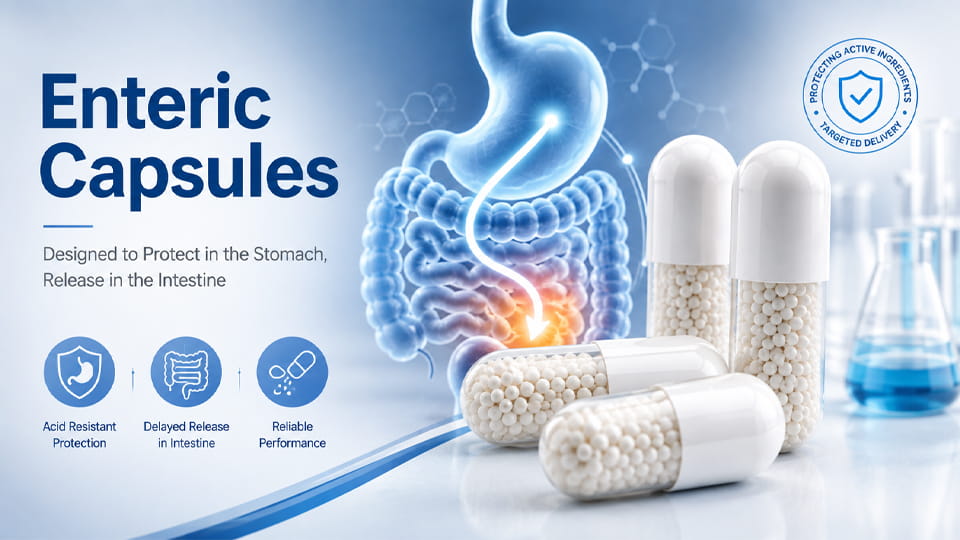
Entérico (resistente a ácidos, gastrorresistente) cápsulas são formas farmacêuticas orais projetado para resistir ao ácido estomacal e se dissolver no intestino delgado. Dependendo do design do produto, a função gastrorresistente pode vir do invólucro da cápsula em si, um revestimento entérico, ou conteúdo com revestimento entérico como pellets ou grânulos. Esta abordagem é comumente usada quando um API é sensível ao ácido gástrico, quando a liberação no estômago é indesejável, ou quando a formulação se destina a distribuir o seu ingrediente ativo ao longo do trato gastrointestinal. Na prática, eles transportam drogas intactas pelo estômago e as liberam em um pH mais alto (geralmente acima de pH 5,5–6,0). Esse Liberação desencadeada por pH serve a dois propósitos principais:
Esses benefícios explicam por que as formulações variam de medicamentos prescritos a suplementos e nutracêuticos. Por exemplo, entregar probióticos vivos em uma cápsula entérica garante que os organismos sobrevivam ao ácido estomacal. De forma similar, atrasar a liberação de analgésicos evita dores de estômago. Em suma, cápsulas entéricas permitem entrega com liberação atrasada: a cápsula passa pelo estômago (permanecendo intacto) e abre apenas quando atinge os intestinos com pH mais alto.
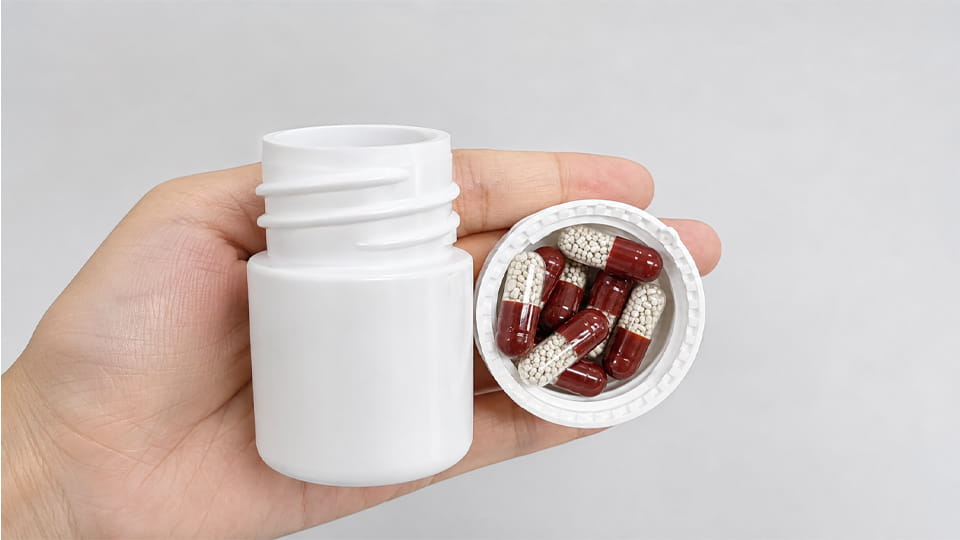
Embora as cápsulas entéricas muitas vezes se pareçam com gelatina normal ou cápsulas vegetais, eles contêm polímeros especiais que os mantêm unidos no ácido estomacal. O segredo das cápsulas entéricas é o pH. No ambiente ácido do estômago, seu revestimento especial ou casca permanece sólido (não se dissolve). Uma vez que a cápsula se move para o intestino delgado (normalmente pH 5,5–7,5), o pH mais alto faz com que o revestimento se quebre. Por exemplo, um polímero comum chamado HPMCP (ftalato de hidroxipropilmetilcelulose) é escolhido para cápsulas entéricas porque permanece insolúvel abaixo de pH 5,5. Na prática, uma cápsula com HPMCP passará com segurança por 1–3 horas no estômago e só começará a se dissolver quando chegar ao intestino. Esta liberação desencadeada pelo pH garante o preenchimento da cápsula (seja em pó, líquido ou outras formas) é lançado no local certo.
Testes regulatórios confirmam esta ação. Por design, uma forma farmacêutica entérica deve não desmoronar ou vazar seu conteúdo em fluido gástrico simulado (pH 1.2) por até 1–2 horas, e deve desintegrar-se totalmente e liberar seu conteúdo em condições intestinais (pH ~6,8). Em termos simples, as regras da farmacopeia exigem que não mais do que 10% do conteúdo da cápsula pode ser liberado em ácido semelhante ao estômago, enquanto pelo menos 80% deve ser liberado em um pH mais alto (intestinal) buffer. Isso garante que as cápsulas entéricas realmente “atrasem” a liberação até o intestino delgado..
Selecionar os materiais certos é crucial para uma cápsula entérica eficaz. Os principais componentes incluem o polímero(é) para o revestimento (ou casca) e excipientes. Polímeros e materiais entéricos comuns são:
Além disso, materiais do invólucro da cápsula por si só podem contribuir para o comportamento entérico. Por exemplo, alguns produtos usam cápsulas pré-fabricadas resistentes a ácidos para evitar uma etapa de revestimento. Exemplos incluem Capsugel EnTRinsic® (um invólucro de acetato de celulose e ftalato) e CapsCanada AR Caps® (uma mistura de HPMC e ftalato de hipromelose). Estas conchas especiais são projetadas para permanecerem estáveis no pH gástrico (E.G.. AR Caps são estáveis para 60 min em condições semelhantes às do estômago) e então se desintegram no pH intestinal. O uso de tais cápsulas entéricas pode simplificar a produção (nenhuma etapa de revestimento necessária), mas requer o fornecimento das próprias cápsulas proprietárias.
Para resumir os materiais: a maioria das cápsulas entéricas usa um revestimento de polímero pós-preenchimento aplicado, ou um cápsula de grau entérico; polímeros comuns são metacrilatos (Eudragit L/S), CAP/HPMCP, ou resinas naturais. Os formuladores também ajustam os sistemas de plastificantes e solventes para garantir uma uniformidade, filme sem defeitos.
As cápsulas entéricas oferecem diversas vantagens claras quando você precisa de uma entrega direcionada ou sensível:
Geral, cápsulas entéricas essencialmente permitem que você controle onde e quando seu produto libera sua carga útil. Isto é enorme para formulações com enzimas sensíveis ou nutrientes lábeis aos ácidos, para dosagem de liberação temporizada, e para conforto do paciente. Como diz um especialista em cápsulas, a natureza resistente aos ácidos dos invólucros entéricos “torna-os adequados para funções de administração de medicamentos mais especializadas do que um gelatina ou cápsula vegetal”.
Escolhendo entre cápsulas entéricas, cápsulas de gelatina padrão, e cápsulas de HPMC não é apenas uma questão de material de invólucro. Seu comportamento em condições ácidas, resposta à umidade, perfil de lançamento pretendido, e os requisitos de manuseio podem ser bem diferentes. A comparação a seguir oferece aos fabricantes farmacêuticos e às equipes de produção uma rápida visão geral das principais diferenças.
| Dimensão de comparação | Entérico / Cápsulas resistentes a ácidos | Cápsulas de gelatina padrão | Cápsulas HPMC padrão |
|---|---|---|---|
| Comportamento de desintegração | Projetado para resistir à desintegração em condições gástricas e liberar conteúdo posteriormente em condições intestinais | Geralmente projetado para desintegração relativamente rápida | Geralmente projetado para desintegração rápida; o desempenho depende da formulação |
| Limiar de pH | Depende do polímero entérico e da formulação; projetado para resistir ao pH gástrico baixo e liberar em um pH mais alto | Nenhuma proteção entérica inerente desencadeada por pH | O HPMC padrão não é inerentemente entérico, a menos que seja especialmente formulado ou revestido |
| Teor de umidade | Depende da composição da casca e do processo de fabricação; o controle ambiental pode ser importante | Contém umidade relativamente alta e pode ser afetado por mudanças de umidade | Geralmente tem requisitos de umidade mais baixos do que a gelatina e pode ser adequado para algumas formulações sensíveis à umidade. |
| Aplicações ideais | APIs sensíveis a ácidos, formulações de liberação retardada, e entrega direcionada ao intestino | Produtos farmacêuticos e nutracêuticos convencionais de liberação imediata | Produtos que requerem shells HPMC, incluindo muitas formulações vegetarianas ou sensíveis à umidade |
| Considerações de manuseio | Requer controle cuidadoso do manuseio do shell, parâmetros de preenchimento, e estresse mecânico | Bem estabelecido e geralmente compatível com processos convencionais de enchimento de cápsulas | O comportamento mecânico e de umidade difere da gelatina e deve ser validado no equipamento de envase selecionado |
A produção de cápsulas entéricas segue etapas básicas semelhantes às cápsulas normais – mas com algumas alterações nos materiais e no revestimento. Em uma fábrica de cápsulas, os estágios típicos são:
Resumindo, a fabricação de cápsulas entéricas usa tecnologia de cápsula familiar, mas requer cuidado extra em materiais e testes. Etapas comuns, como imersão de alfinetes ou preenchimento de fita, ainda se aplicam, mas com polímeros entéricos na mistura. Muitos fabricantes escolhem linhas avançadas de fabricação de cápsulas que suportam vários materiais de cápsulas. Como aconselha um guia de embalagem, verifique novamente se o seu equipamento pode lidar com “cápsulas entéricas” da mesma forma que faria com gelatina ou cascas vegetarianas. Bom design de equipamento (superfícies metálicas lisas, ferramentas apropriadas para HPMC, etc.) ajuda a evitar danos a essas conchas especializadas durante o enchimento.
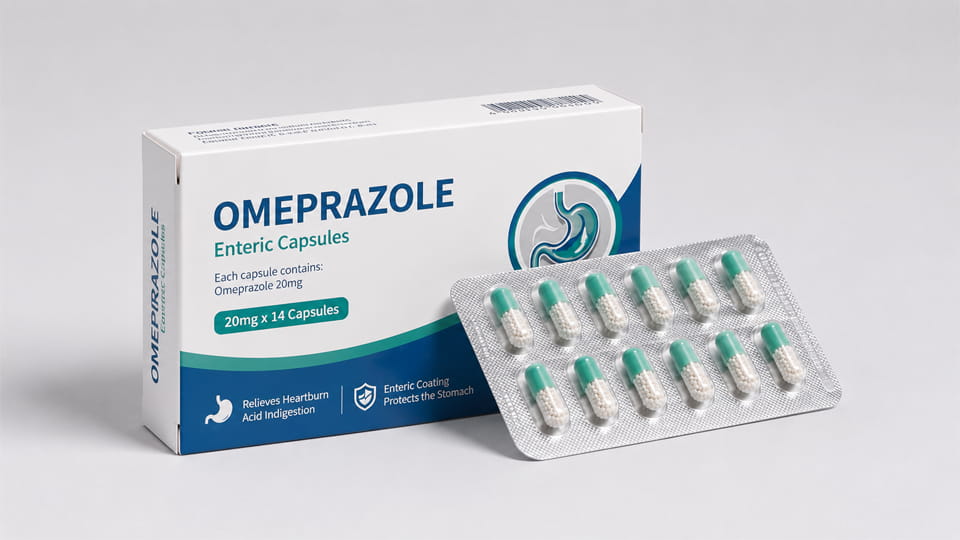
Um controle de qualidade robusto é essencial para garantir a função entérica. As principais métricas de qualidade incluem:
Os órgãos reguladores exigem que formulários de liberação retardada atender a critérios rígidos de dissolução. De acordo com farmacopeias, critérios de aceitação podem indicar, por exemplo, “no estágio ácido, não mais do que X% de liberação; no estágio tampão, pelo menos Y% é liberado em Z minutos.” Os limites específicos dependem da monografia do medicamento. Na prática, os fabricantes validam seus lotes de cápsulas entéricas em relação a esses padrões farmacopéicos usando os testes acima. Testes de estabilidade também são realizados para garantir que as propriedades entéricas sejam mantidas durante o prazo de validade..
As cápsulas entéricas oferecem uma maneira poderosa de melhorar a administração de medicamentos e o conforto do paciente, garantindo que os medicamentos passem pelo estômago sem serem liberados e ativados no intestino delgado.. Cápsulas entéricas permitem uma alimentação mais segura, entrega de medicamentos mais eficaz, combinando formulação inteligente e fabricação precisa. Seu sucesso depende de processos rigorosos de revestimento e testes, bem como equipamentos de encapsulamento de alta qualidade. Esteja você produzindo lotes de ensaios clínicos ou milhões de cápsulas por ano, o maquinário certo é fundamental. Para qualquer farmacêutico, nutracêutico, ou empresa de suplementos considerando formulações entéricas, entender esses pontos é essencial para o sucesso do produto.
Se você é gerente de operações ou compras e deseja produzir cápsulas entéricas, JinLu Packing pode ajudá-lo com o maquinário certo. Oferecemos soluções avançadas de enchimento e embalagem de cápsulas que são compatíveis com cápsulas entéricas e outras cápsulas especiais. Nossas máquinas são projetadas para precisão, facilidade de limpeza, e conformidade com os padrões farmacêuticos. Pronto para otimizar sua produção de cápsulas entéricas? Entre em contato com a JinLu Packing hoje para uma solução personalizada ou orçamento adaptado às suas necessidades de cápsula.
As cápsulas entéricas são cápsulas de liberação retardada projetadas para resistir ao fluido gástrico e prevenir a liberação prematura do medicamento no estômago.. Eles são projetados para liberar seu conteúdo após atingir um ambiente intestinal apropriado. Dependendo da formulação, a função entérica pode vir do invólucro da cápsula, um revestimento externo, ou pellets ou grânulos com revestimento entérico colocados na cápsula.
As cápsulas entéricas são usadas quando uma formulação precisa de proteção contra o ácido gástrico, quando a liberação no estômago é indesejável, ou quando o ingrediente ativo se destina a ser liberado ao longo do trato gastrointestinal. Eles podem ajudar a proteger APIs sensíveis a ácidos e reduzir a exposição indesejada de certas formulações ao estômago.
As cápsulas entéricas utilizam um design gastrorresistente que permanece intacto sob condições gástricas ácidas e permite a liberação do medicamento quando a forma farmacêutica atinge um ambiente intestinal adequado.. Muitos sistemas entéricos dependem de polímeros responsivos ao pH, embora o mecanismo exato de liberação dependa da formulação e do polímero utilizado.
As cápsulas entéricas são geralmente um tipo de cápsula de liberação retardada. “Lançamento atrasado” descreve o perfil de lançamento, enquanto “entérico” ou “gastro-resistente” descreve um mecanismo comum usado para retardar a liberação, protegendo a forma farmacêutica de condições gástricas. No entanto, nem todo sistema de liberação retardada precisa usar um mecanismo entérico.
As cápsulas de gelatina padrão são geralmente projetadas para dissolução e liberação relativamente rápidas após exposição a fluidos gastrointestinais., enquanto as cápsulas entéricas são projetadas especificamente para resistir às condições gástricas e retardar a liberação. O desempenho entérico pode ser alcançado através de materiais de revestimento especializados, revestimentos, ou conteúdo com revestimento entérico, portanto, os dois tipos de cápsulas podem exigir formulações diferentes, manuseio, e considerações de fabricação.
Sim, mas uma cápsula HPMC padrão não é automaticamente uma cápsula entérica. HPMC pode ser usado como material de revestimento de cápsula em um sistema de administração entérico, mas o desempenho gastrorresistente necessário depende da formulação específica, sistema de polímero, revestimento, ou tecnologia de cápsula. O produto final deve ser avaliado em relação aos requisitos pretendidos de dissolução e liberação.
Os sistemas entéricos podem usar polímeros responsivos ao pH, como derivados de celulose, incluindo ftalato de hidroxipropilmetilcelulose (HPMCP), acetato ftalato de celulose (PAC), e copolímeros de ácido metacrílico. A escolha depende do perfil de lançamento necessário, compatibilidade de formulação, método de processamento, e especificações regulatórias.
Existem várias abordagens de fabricação. Um fabricante pode aplicar um revestimento entérico à cápsula como uma etapa posterior de processamento, cubra o invólucro da cápsula antes de encher, use um invólucro de cápsula feito de polímeros gastrorresistentes, ou preencha cápsulas convencionais com pellets ou grânulos com revestimento entérico. A via apropriada depende da formulação e das características de liberação exigidas.
Sim. Pellets ou grânulos com revestimento entérico podem ser colocados em cápsulas duras como uma abordagem para obter liberação intestinal retardada. Durante a produção, os fabricantes precisam considerar a fluidez do pellet, precisão de enchimento de cápsulas, estresse mecânico, e a possibilidade de danificar o revestimento durante o manuseio. As configurações do equipamento devem ser validadas com a formulação específica e tipo de cápsula.
As cápsulas entéricas são normalmente avaliadas quanto à sua resistência a condições ácidas e seu subsequente comportamento de liberação em um tampão adequado ou meio de estágio intestinal. Os testes farmacopeicos de liberação retardada podem incluir um estágio ácido seguido por um estágio tampão, com critérios de aceitação definidos pela monografia aplicável ou especificação do produto.
Referências:
1.A Farmacopéia Internacional: Cápsulas de liberação retardada (cápsulas entéricas)—— QUEM
2.Formas de dosagem oral de liberação prolongada: Desenvolvimento, Avaliação, e Aplicação de Correlações In Vitro/In Vivo —— NÓS. Food and Drug Administration
3.Cápsulas duras entéricas vazias comercialmente disponíveis, Tecnologia de Produção e Aplicação —— Biblioteca Nacional de Medicina
4.Avaliação in vitro de cápsulas de HPMC com revestimento entérico – efeito dos fatores de formulação no desempenho do produto —— Biblioteca Nacional de Medicina
5.Cápsulas de HPMC com revestimento entérico: Comparação de revestimentos entéricos e investigação da relação entre desintegração in vitro e tempos de dissolução —— Universidade Johannes Gutenberg em Mainz
6.Revestimento Farmacêutico e Suas Diferentes Abordagens, uma revisão —— Biblioteca Nacional de Medicina