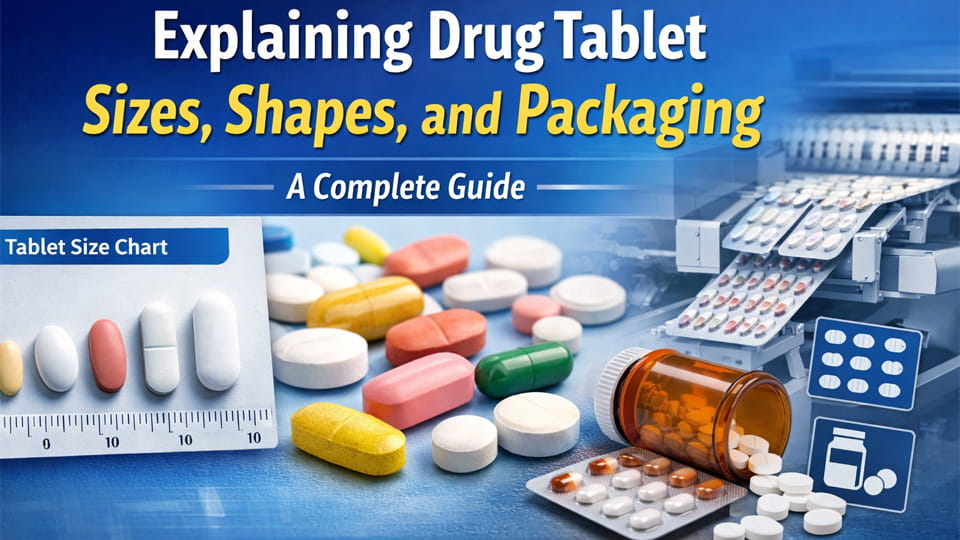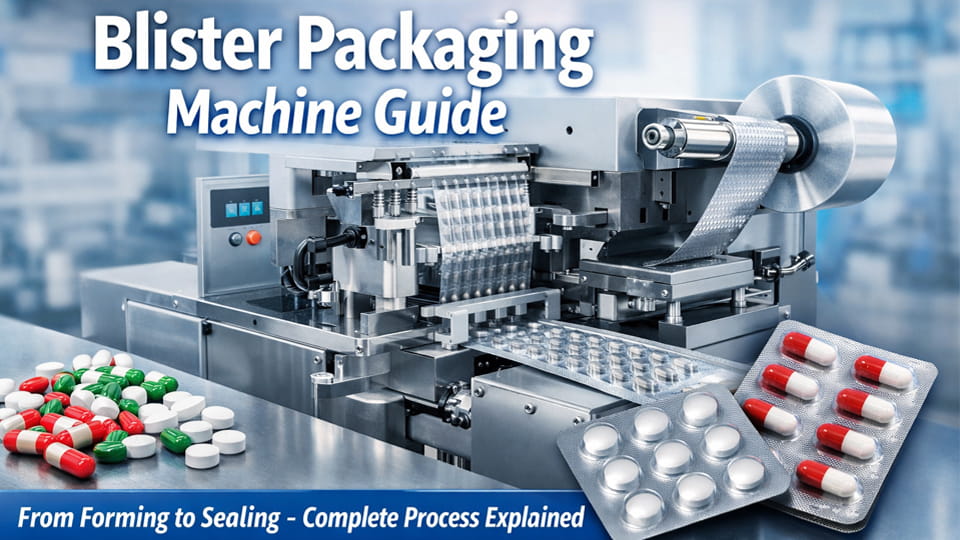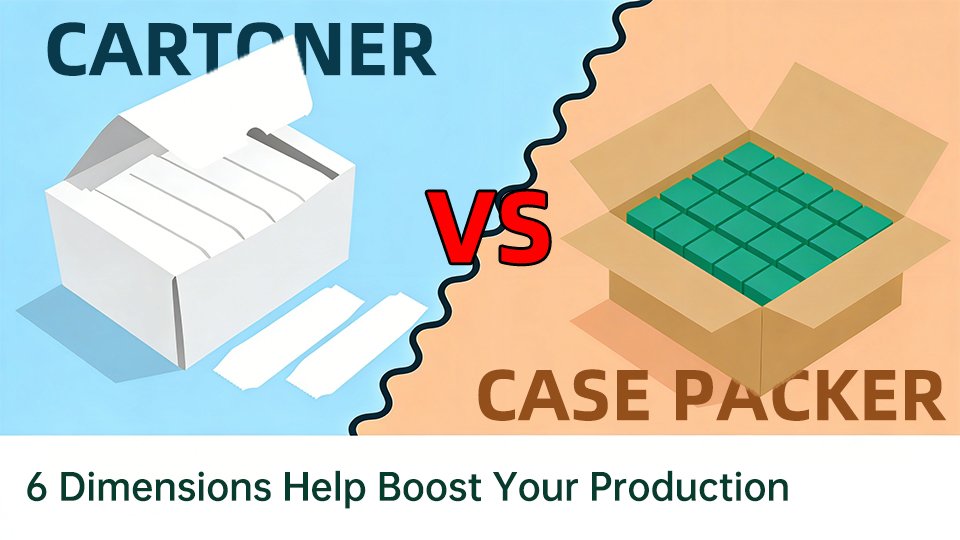

Een blisterverpakkingsmachine is een gespecialiseerd verpakkingssysteem dat het plaatsen van voorverpakte blistertrays automatiseert (voor tabletten, capsules, cosmetica, enz.) in dozen. In eenvoudige bewoordingen, het richt platte dozen op, voegt blisterverpakkingen toe, en sluit de doos – alles in één continue stroom. Deze machines automatiseren het proces van het inbrengen van voorverzegelde blisterverpakkingen met farmaceutische producten, cosmetica of consumptiegoederen in dozen. Door deze stappen te stroomlijnen, blisterverpakkingsmachines verhogen de verpakkingssnelheid en -consistentie aanzienlijk en verminderen handarbeid. In werkelijkheid, een blisterverpakkingsmachine kan op zeer hoge snelheid draaien – vaak tot 200 à 300 dozen per minuut op geavanceerde modellen – wat essentieel is om te voldoen aan de eisen van drukke productielijnen.
Blisterverpakkingen worden veel gebruikt in de farmaceutische en aanverwante industrieën. Bijvoorbeeld, Jinlupacking merkt dat op blaarverpakking En kartonneerapparatuur is “essentieel” voor farmaceutische producten (en zelfs voedingsproducten), het leveren van hoge efficiëntie en consistente kwaliteit. Deze machines kunnen worden aangepast voor verschillende doosformaten, materialen voor blisterverpakkingen (zoals PVC-Alu of Alu-Alu blisters), en afdichtingsmethoden. In de praktijk, een blisterverpakkingslijn combineert vaak a blisterverpakker met een kartonneermachine: de blisterlijn vormt verzegelde blaren en voert deze vervolgens in een kartonneermachine. Dergelijke geïntegreerde lijnen kunnen snelheden bereiken van ongeveer 100 dozen per minuut. Fabrikanten benadrukken dat een goede kartonneermachine de arbeidskosten verlaagt en de productie verhoogt door het werk ‘in één keer’ af te handelen..
Synoniemen: In de industrie, U kunt deze machines ook wel ‘blisterverpakkingsmachines’ of ‘kartonmachines voor blisterverpakkingen’ noemen. Voor flesvormige producten, een soortgelijk apparaat genaamd een “fles kartonmachine” wordt gebruikt; sommige flessenkartonmachines kunnen zelfs blistervormige capsules en tabletten verwerken. Maar in deze gids ligt onze focus op blisterverpakkingsmachines, hun belangrijkste kenmerken, voorkomende soorten (horizontaal versus verticaal), en hoofdcomponenten.
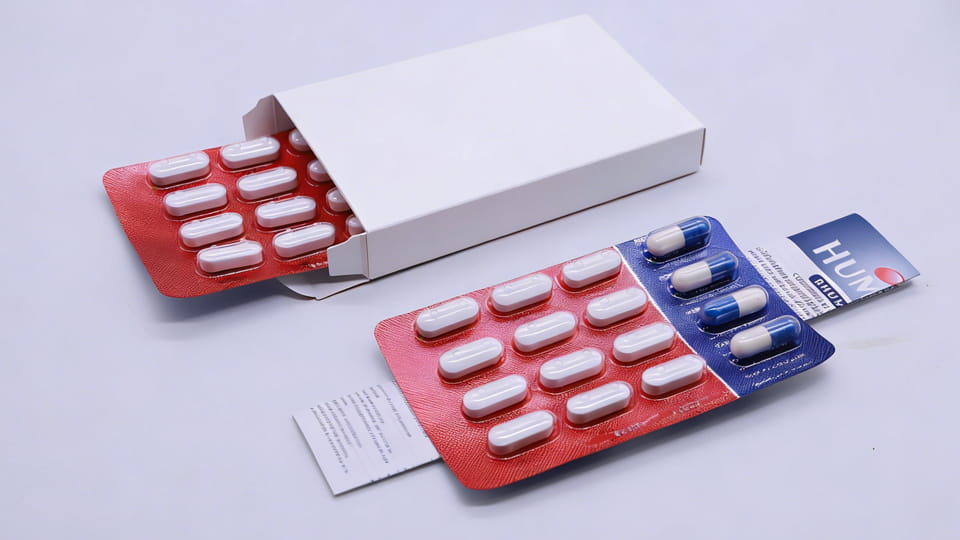
Moderne blisterverpakkingslijnen bereiken een zeer hoge doorvoer en precisie. Een gemeenschappelijke specificatie is aan 100 dozen per minuut voor een volautomatische lijn, met enkele gespecialiseerde hogesnelheidsmodellen die voorbij reiken 300 cpm. Typische machines draaien op PLC/servo-besturingen en een HMI met aanraakscherm, waardoor snelle wisselingen en eenvoudige aanpassing mogelijk zijn voor verschillende doosformaten en blisterindelingen. De meeste kartonnen dozen zijn gemaakt van roestvrij staal van kwaliteit 304, met gesloten frames en veiligheidskappen om te voldoen aan GMP- en cleanroomvereisten. Andere belangrijke kenmerken zijn lijm- of tape-afdichtstations, automatische print-/inkjetcodeersystemen voor batch- en vervaldata, en sensoren die storingen of lege plekken detecteren om defecte verpakkingen te voorkomen.

Er zijn verschillende manieren om kartonneermachines te categoriseren. De juiste keuze hangt af van uw productievolume, producttype, en indeling. Hier zijn enkele veelvoorkomende verschillen:

Blisterverpakkingsmachines bestaan uit verschillende functionele eenheden, ieder verantwoordelijk voor een deel van het proces. Als u deze begrijpt, kunt u beter herkennen waar u op moet letten bij het vergelijken van modellen:
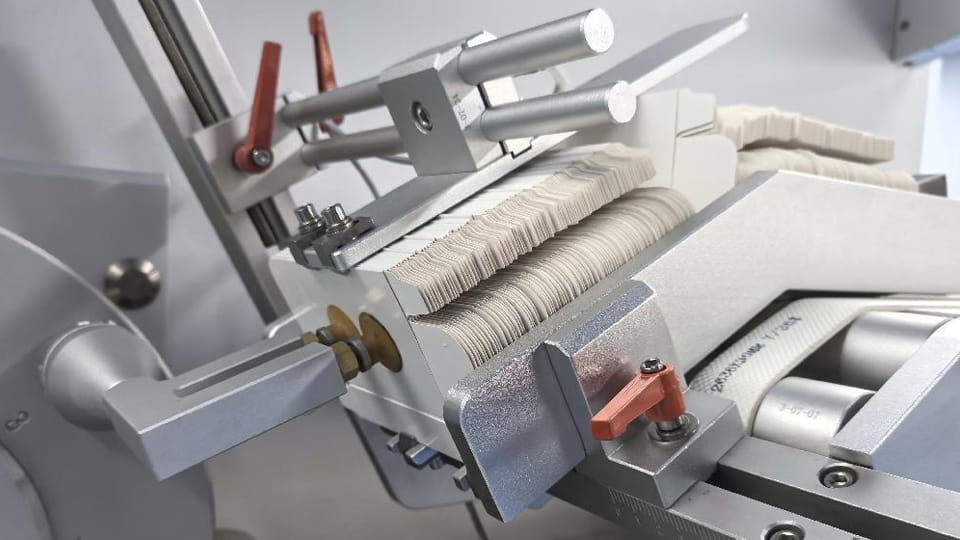
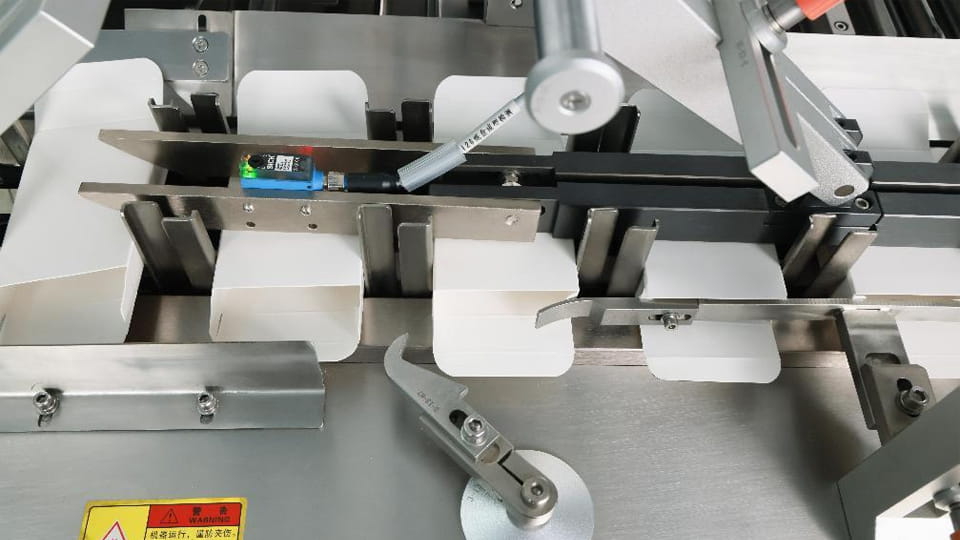
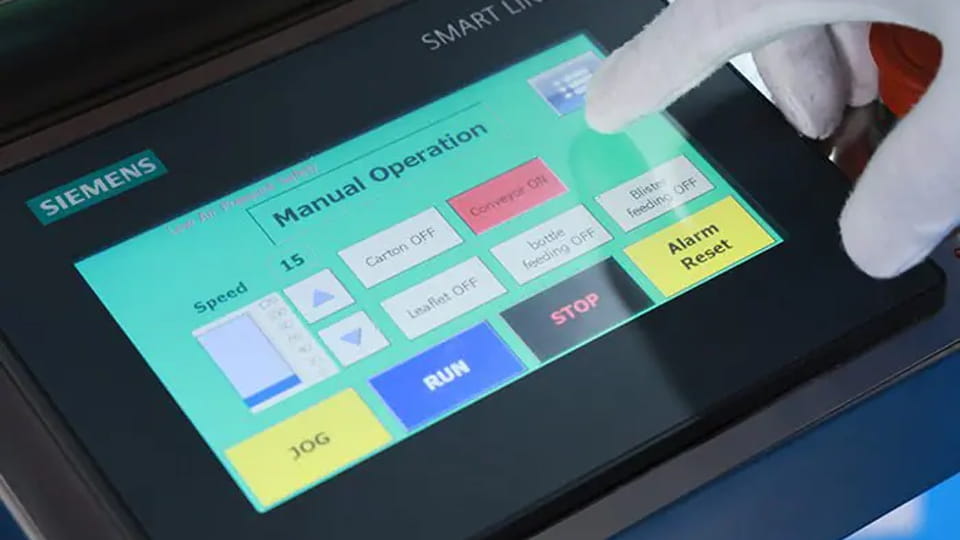
These components work in concert to transform flat blanks and loose blister sheets into neatly boxed products, all under computerized control.
The table below summarizes each key component and its role:
| Onderdeel | Role |
|---|---|
| Kartonnen tijdschrift | Holds a stack of flat carton blanks. Picks and feeds cartons one-by-one into the machine. |
| Carton Erector | Folds and forms each blank into a box shape, ready to be filled. |
| Product Feeder/Conveyor | Transports blister packs (or bottles/tubes) to the insertion point, aligning them properly. |
| Insertion Station | Automatically places the blister pack and leaflet (if any) into the open carton. |
| Folding & Sealing Station | Folds the top flaps and seals the carton (using tuck-in flaps or hot-melt glue). |
| Control Panel (PLC & HMI) | Computerized control unit. Operators set carton dimensions and machine parameters via touchscreen. |
| Sensors & Vision Systems | Detect presence of cartons, producten, and leaflets at each stage. Any missing component triggers a reject. |
| Inkjet Printer | Prints expiration dates, barcodes, or batch numbers on the carton for compliance. |
| Veiligheid & Smering | Safety devices (guards, noodstops) protect operators. Lubrication lines keep moving parts running smoothly. |
The cartoning process flows through several automated steps. Eerst, a blank carton is picked from the magazine and erected into an open box. Glue (or tape) is applied to the side seams as needed, and the carton is transported on a conveyor to the loading station. Blister packs are grouped by the infeed system and arrive just in time for insertion. Volgende, a mechanical pusher or vacuum head loads the blister into the carton, placing it gently inside. Eindelijk, the machine folds and seals the carton’s top flaps – either tucking them in or folding them around the sides – and applies printing so each carton gets its batch code and date. Aan het einde van de lijn, any defective cartons (bijv. missing product or bad code) are automatically ejected, and the good packs are collected for case packing or palletizing.
[jl_youtube src=”https://www.youtube.com/embed/k0uyybgttcu”]
Blister cartoning machines are found wherever blister-packed products need secondary packaging. The most obvious users are pharmaceutical and nutraceutical manufacturers, where tablets, capsules, zakjes, or even medical devices in blisters must be enclosed in boxes. Bijvoorbeeld, an over-the-counter medicine might be blister-packed at high speed, then immediately fed into an automatic cartoner. A large factory might run three shifts on a continuous blister line, filling and cartoning thousands of packs per hour.
Other applications include vitamin supplements, cosmetic products (bijv. samples in blisters), and even hardware items in retail blister packs. In elk geval, the blister cartoning machine ensures the product is secured, tamper-evident and easy to ship. In many plants, these machines are paired with case packers at the end, so the cartons feed directly into a case loading machine.
When evaluating machines, engineers often consider product size and format diversity. A machine that can switch quickly between blister types and carton sizes is valuable for companies running multiple SKUs. They also look at ease of operation (intuïtieve bedieningselementen, recipe recall) and total cost of ownership (energieverbruik, maintenance intervals). Well-designed cartoners pay for themselves by saving labor and reducing packaging errors.
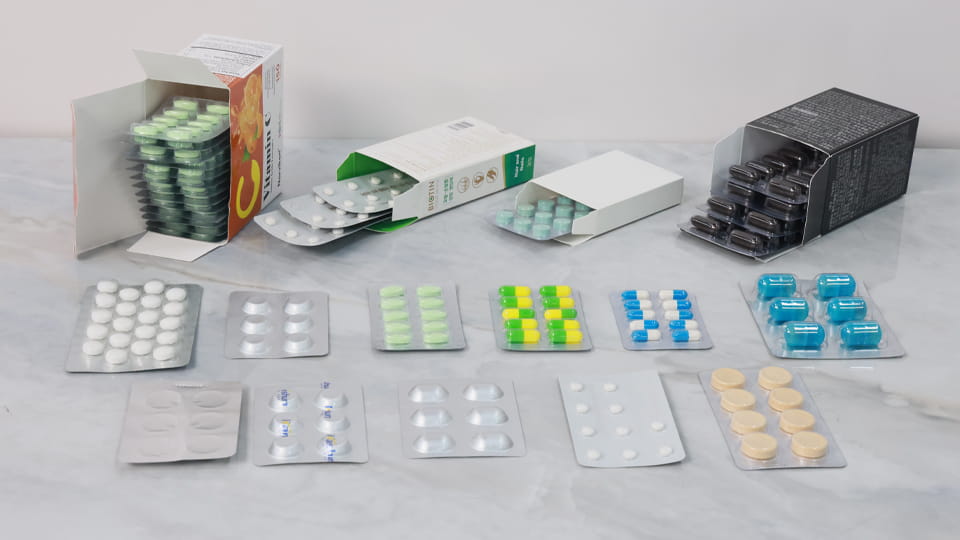
Samengevat, a blister cartoning machine is a sophisticated piece of equipment that automates the final step of blister pack packaging. It brings together fast mechanical feeding, electronic controls, and smart sensors to pack products efficiently into cartons while maintaining product integrity. Key features include high throughput (vaak 100+ dozen/min), fully automatic operation, quick format changes, and compliance with cleanroom standards. There are different styles to choose from – semi vs. Volledig automatisch, horizontaal vs. verticaal, continuous vs. intermittent – depending on your production needs. By understanding each machine’s types, capabilities, en hoofdcomponenten, packaging engineers and procurement teams can select the best cartoning solution for their line. Met de juiste machine, blister packages are boxed accurately and quickly, ultimately improving efficiency and product safety in pharma manufacturing.
A Blister Cartoning Machine is an automated packaging system that inserts blister packs containing tablets, capsules, or other products into cartons and seals them for distribution. It performs multiple functions such as carton erection, blister insertion, leaflet insertion, and carton sealing in a continuous process.
These machines are widely used in pharmaceutical, nutraceutisch, medical device, and consumer goods industries to ensure efficient, veilig, and consistent secondary packaging.
A typical blister cartoning process includes the following steps:
1.Flat cartons are picked from the magazine and erected
2.Blister packs are fed and aligned
3.Leaflets (indien nodig) are inserted
4.Blisters are loaded into cartons
5.Cartons are sealed using tuck-in flaps or glue
6.Codes such as batch numbers and expiration dates are printed
Modern machines also include sensors and inspection systems to reject defective cartons automatically.
Blister cartoners are primarily used in:
• Pharmaceutical manufacturing
• Nutraceutical production
• Medical device packaging
• Cosmetic and personal care industries
• Consumer goods packaging
They are especially important in pharmaceutical packaging, where accurate dosing, traceerbaarheid, and tamper protection are critical.
The main difference lies in motion type:
Intermittent motion cartoner:
• Stops briefly at each station
• Easier to maintain
• More flexible for multiple carton sizes
• Ideal for medium production speeds
Continuous motion cartoner:
• Operates without stopping
• Higher speed and efficiency
• Best for large-scale pharmaceutical production
Continuous systems typically offer higher throughput and efficiency.
Blister cartoners are highly versatile and can package:
• Tablets and capsules
• Medical devices
• Nutraceutical supplements
• Cosmetic blister packs
• Veterinary medicines
They can also be configured to package bottles, zakjes, buizen, or vials depending on feeder design.
Major components include:
• Carton magazine and feeding system
• Blister feeding unit
• Carton erection mechanism
• Product insertion system
• Carton sealing station
• Coding and printing system
• PLC control system
• Sensors and inspection devices
These components work together to ensure efficient, nauwkeurig, and reliable packaging operations.
Ja. Blister cartoners are commonly integrated into a full blister cartoning line, connecting directly with:
• Blister packing machines
• Leaflet inserting machines
• Vision inspection systems
• Case packing machines
• Palletizing systems
This integration enables fully automated production with minimal manual intervention and improved efficiency.
Blister cartoning machines improve efficiency by:
• Increasing packaging speed
• Reducing labor requirements
• Eliminating manual packaging errors
• Ensuring consistent packaging quality
• Supporting continuous production lines
Automation significantly improves output while reducing operational costs and packaging errors.
Belangrijke selectiefactoren zijn onder meer:
• Production speed requirements
• Carton size range compatibility
• Product type and format
• Machine automation level
• Integration capability with existing lines
• Ease of maintenance and changeover
Machines with servo control and PLC systems offer better flexibility, snellere omschakelingen, and higher precision.
The main difference is the product feeding system:
• Blister cartoners handle blister packs
• Bottle cartoners handle bottles or containers
Both perform similar functions such as carton erection, product insertion, en verzegeling, but use different feeding mechanisms.
Referenties:
1.Integrated Blister and Cartoning Systems — Pharmaceutical Technology
2.Guidelines on Packaging for Pharmaceutical Products - WHO
3.Carton and Container Labeling Requirements — U.S.FOOD&DRUG ADMINISTRATION
4.Packaging Equipment Validation and Automation — ISPE White Paper