×
온라인 서비스
✉️이메일: 💬WhatsApp: +86 18011793320
💡
  • 블로그
  • 장 캡슐: 사용에 대한 완전한 가이드, 장점 및 의약품 제조

장 캡슐: 사용에 대한 완전한 가이드, 장점 및 의약품 제조

Enteric capsules look like ordinary pills but have special coatings to resist stomach acid and release their contents in the intestine. 장의 (또는 gastro-resistant) capsules are specially designed to travel safely through the stomach and dissolve in the small intestine. The term “enteric” comes from the Greek for intestine. 실제로, enteric capsules are given a pH-sensitive coating or made of pH-sensitive materials so that they remain intact in the acidic stomach (pH ~1.5–3.5) but rapidly dissolve when they reach the higher pH of the small intestine. 일반 용어로, enteric capsules protect the medicine or supplements inside from stomach acid, ensuring the active ingredients are released only once the capsule has passed into the intestines. This simple change in release site can make a big difference in effectiveness and tolerance of many drugs and supplements.

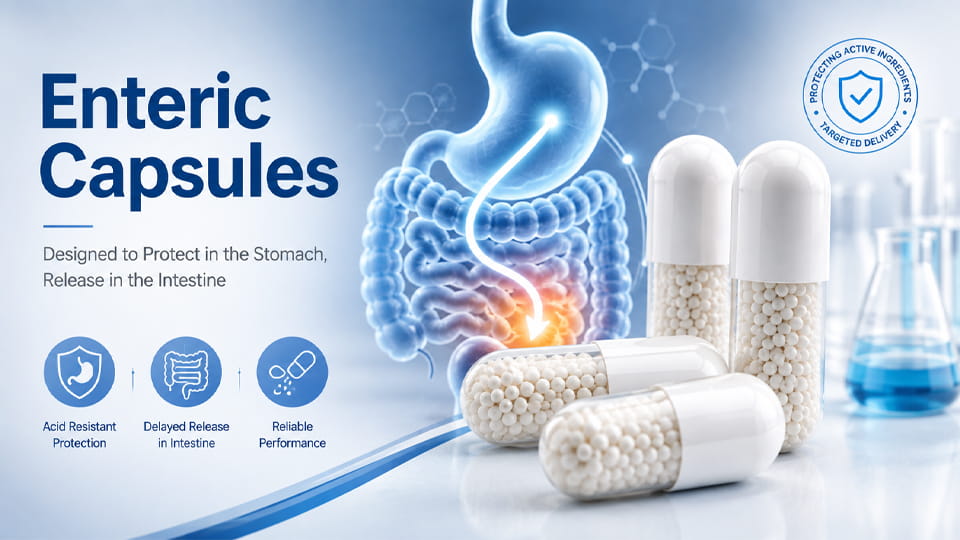
내산성 보호 및 장내 지연 방출 기능을 갖춘 장용 캡슐


What Are Enteric Capsules and Why Use Them?

장의 (내산성, gastro-resistant) capsules are oral dosage forms designed to resist stomach acid and dissolve in the small intestine. Depending on the product design, the gastro-resistant function may come from the 캡슐 껍질 그 자체, 안 장용 코팅, 또는 enteric-coated contents such as pellets or granules. This approach is commonly used when an API is sensitive to gastric acid, when release in the stomach is undesirable, or when the formulation is intended to deliver its active ingredient further along the gastrointestinal tract. 실제로, they carry drugs through the stomach intact and release them at a higher pH (usually above pH 5.5–6.0). 이것 pH-triggered release serves two main purposes:

  • Protect Acid-Sensitive Drugs. 많은 아피스 (예를 들어. certain enzymes, antibiotics like erythromycin, and proton pump inhibitors such as omeprazole) are degraded or inactivated by gastric fluid. An enteric coating shields these APIs until the capsule reaches the duodenum, maximizing absorption and bioavailability.
  • Protect the Patient (Gastric Mucosa). Some drugs (notably NSAIDs like aspirin or ibuprofen) irritate or damage the stomach lining. By delaying release until the intestines, enteric capsules mitigate gastric side effects and ulcer risk.
  • Target Intestinal Delivery. Enteric capsules are also used to target the lower GI tract (예를 들어. treating ulcerative colitis or delivering probiotics to the colon). 요컨대, the “enteric” approach concentrates drug release where it is most needed or best absorbed.

These benefits explain why formulations range from prescription drugs to supplements and nutraceuticals. 예를 들어, delivering live probiotics in an enteric capsule ensures the organisms survive stomach acid. 비슷하게, delaying release of painkillers prevents stomach upset. 요약하면, enteric capsules enable delayed-release delivery: the capsule passes through the stomach (remaining intact) 그리고 opens only when it reaches the higher-pH intestines.

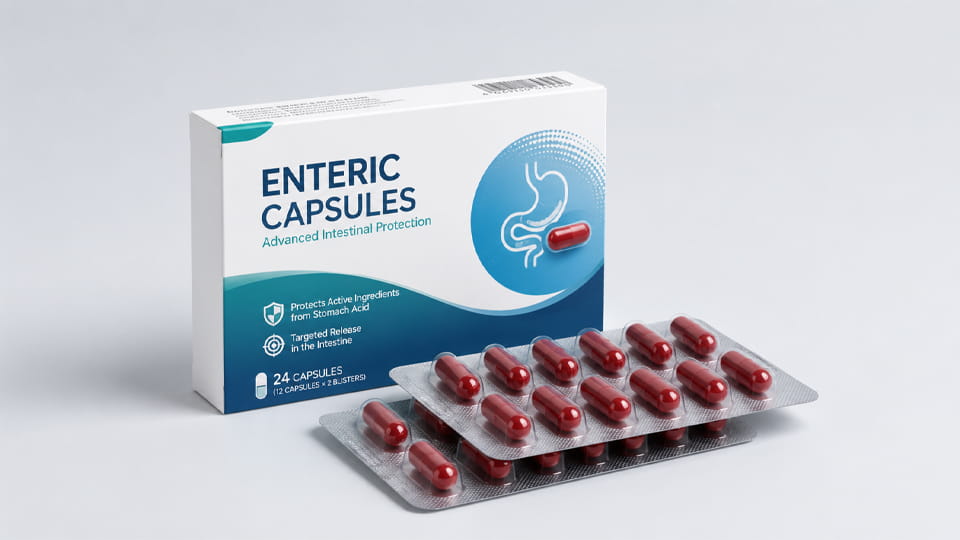
Enteric capsules in pharmaceutical blister packaging and medicine box


How Enteric Capsules Work (Mechanism of Action)

Although enteric capsules often look just like normal gelatin or veggie capsules, they contain special polymers that hold them together in stomach acid. The secret of enteric capsules is pH. In the stomach’s acidic environment, their special coating or shell stays solid (does not dissolve). Once the capsule moves into the small intestine (typically pH 5.5–7.5), the higher pH triggers the coating to break down. 예를 들어, a common polymer called HPMCP (hydroxypropyl methylcellulose phthalate) is chosen for enteric capsules because it remains insoluble below about pH 5.5. 실제로, a capsule with HPMCP will pass safely through 1–3 hours in the stomach and only start dissolving when it reaches the intestine. This pH-triggered release ensures the capsule’s fill (whether powder, liquid or other forms) is released at the right location.

Regulatory tests confirm this action. By design, an enteric dosage form must ~ 아니다 fall apart or leak its contents in simulated gastric fluid (pH 1.2) for up to 1–2 hours, 그리고 ~ 해야 하다 fully disintegrate and release its contents in intestinal conditions (pH ~6.8). 간단히 말해서, pharmacopeia rules require that no more than 10% of the capsule’s content can be released in stomach-like acid, whereas at least 80% should be released in a higher-pH (intestinal) buffer. This ensures that enteric capsules really do “delay” release until the small intestine.


Materials and Formulation Considerations

Selecting the right materials is crucial for an effective enteric capsule. Key components include the 중합체(에스) for the coating (or shell) 그리고 부형제. Common enteric polymers and materials are:

  • 메타크릴산 공중합체 (Eudragit® types). These acrylic or methacrylic polymers can be tailored to dissolve at specific pH thresholds (예를 들어, Eudragit L dissolves at pH ~5.5, while Eudragit S requires pH >7). They form the backbone of many pharmaceutical enteric coatings.
  • 셀룰로오스 유도체. 예를 들면 다음과 같습니다 Cellulose Acetate Phthalate (캡), 하이드록시프로필 메틸셀룰로오스 프탈레이트 (HPMCP), 그리고 HPMCAS (acetate succinate). These materials are traditional enteric polymers that swell and dissolve in intestinal conditions.
  • Natural Polymers. 더욱 더, 생분해성 재료 좋다 때리다, 어느 (corn protein), 알긴산나트륨, 또는 키토산 사용된다 (often in nutraceutical capsules). These can provide gastric protection with good safety profiles, especially for sensitive products like 생선 기름 or probiotics.
  • Plasticizers and Excipients. Enteric films usually include plasticizers (예를 들어, 트리에틸 구연산염, 트리아세틴, 못 400) to improve flexibility and adhesion. Choice of plasticizer affects film permeability: hydrophilic plasticizers can increase water uptake (risking acid penetration), while hydrophobic ones (like TEC) better preserve acid resistance. Achieving the right balance is a key formulation challenge.

게다가, capsule shell materials themselves may contribute to enteric behavior. 예를 들어, some products use pre-made acid-resistant capsules to avoid a coating step. Examples include Capsugel’s EnTRinsic® (a cellulose acetate phthalate shell) and CapsCanada’s AR Caps® (a blend of HPMC and hypromellose phthalate). These special shells are designed to remain stable in gastric pH (예를 들어. AR Caps are stable for 60 min in stomach-like conditions) and then disintegrate at intestinal pH. Using such enteric capsule shells can simplify production (no coating step needed), but requires sourcing the proprietary capsules themselves.

To summarize materials: most enteric capsules use a polymer coating applied post-fill, 또는 enteric-grade capsule shell; common polymers are methacrylates (Eudragit L/S), CAP/HPMCP, or natural resins. Formulators also adjust plasticizer and solvent systems to ensure a uniform, defect-free film.


Benefits of Using Enteric Capsules

Enteric capsules offer several clear advantages when you need targeted or sensitive delivery:

  • Protects Acid-Labile Ingredients: Many ingredients (like enzymes, 프로바이오틱스, or certain drugs) would be damaged by stomach acid. An enteric capsule shields these sensitive fills on their journey through the stomach. Gelita, a leading gelatin maker, notes that enteric capsules “protect sensitive ingredients on their way through the stomach”, so that the actives reach the intestine intact. 예를 들어, probiotics or fecal transplant materials for microbiome therapies need this protection to survive until they reach the gut.
  • Improved Efficacy and Bioavailability: By releasing the drug in the small intestine, enteric capsules can dramatically improve absorption. Active ingredients can be absorbed where they are meant to, rather than partially lost or degraded in the stomach. This means higher therapeutic effect from the same dose. 간단히 말해서, delivering medication precisely to the target site (the intestine) often translates to better performance and more predictable results.
  • Reduced Stomach Irritation: Many medications are harsh on the stomach lining (aspirin is a classic example). Enteric capsules keep the drug from contacting the stomach directly, which minimizes GI irritation and nausea. As one review notes, enteric forms avoid the stomach altogether, preventing irritation or unpleasant aftertaste from acids or oils until the capsule reaches the intestine. 요컨대, a patient takes the capsule comfortably, and it only “opens” where it’s supposed to.
  • Targeted Delivery: Some treatments ~ 해야 하다 act in the intestines (like certain colorectal cancer therapies or inflammatory bowel drugs). Enteric capsules are ideal for this. They deliver the contents right to the lower GI tract, ensuring high local concentrations where needed. They also allow time-release effect: 의도적으로, they dissolve more slowly. 예를 들어, the engineered polymers in an enteric shell typically delay break-down by up to several hours, so the medication release can occur one to two hours after ingestion. This slow, controlled release is useful for formulations with narrow absorption windows.

전반적인, enteric capsules essentially let you control 어디 그리고 언제 your product releases its payload. This is huge for formulations with sensitive enzymes or acid-labile nutrients, for time-release dosing, and for patient comfort. As one capsule expert puts it, the acid-resistant nature of enteric shells “makes them suitable for more specialized drug delivery functions than an ordinary 젤라틴 또는 식물성 캡슐”.

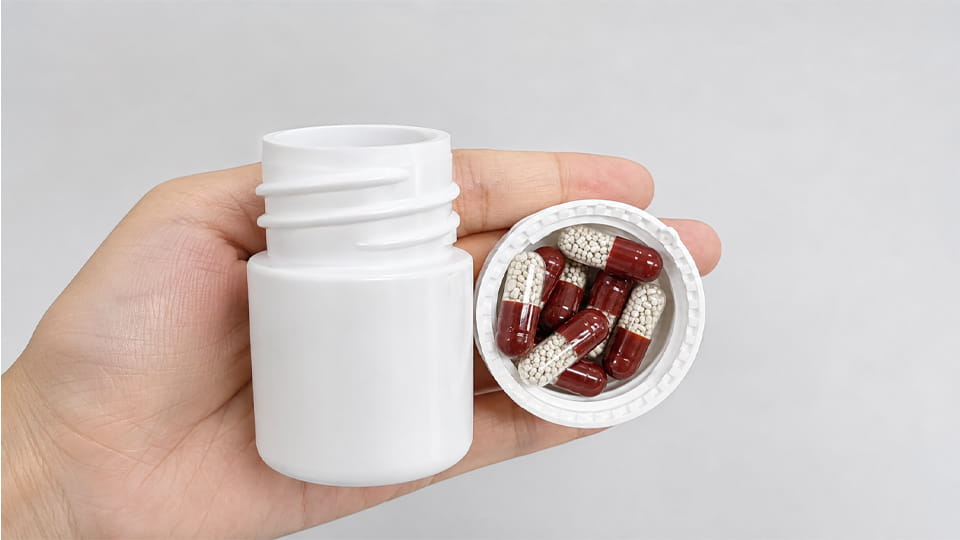
Alt: Enteric capsules filled with pellets in an open white medicine bottle


Acid Resistant Capsules vs. Standard Gelatin & HPMC 캡슐

Choosing between Enteric Capsules, standard gelatin capsules, and HPMC capsules is not only a question of shell material. Their behavior in acidic conditions, moisture response, intended release profile, and handling requirements can be quite different. The following comparison gives pharmaceutical manufacturers and production teams a quick overview of the key differences.

Comparison Dimension 장의 / Acid Resistant Capsules Standard Gelatin Capsules Standard HPMC Capsules
Disintegration behavior Designed to resist disintegration in gastric conditions and release contents later under intestinal conditions Generally designed for relatively rapid disintegration Generally designed for rapid disintegration; performance depends on formulation
pH threshold Depends on the enteric polymer and formulation; designed to resist low gastric pH and release at a higher pH No inherent pH-triggered enteric protection Standard HPMC is not inherently enteric unless specially formulated or coated
Moisture content Depends on shell composition and manufacturing process; environmental control may be important Contains relatively high moisture and can be affected by humidity changes Generally has lower moisture requirements than gelatin and can suit some moisture-sensitive formulations
Ideal applications Acid-sensitive APIs, delayed-release formulations, and intestinal-targeted delivery Conventional immediate-release pharmaceutical and nutraceutical products Products requiring HPMC shells, including many vegetarian or moisture-sensitive formulations
Handling considerations Requires careful control of shell handling, filling parameters, and mechanical stress Well established and generally compatible with conventional capsule filling processes Mechanical and moisture behavior differs from gelatin and should be validated on the selected filling equipment


Manufacturing Process of Enteric Capsules

The production of enteric capsules follows similar core steps as regular capsules – but with some twists in materials and coating. In a capsule manufacturing facility, the typical stages are:

  1. Shell Formation: For hard enteric capsules, 스테인레스 스틸 pins or molds are dipped into a viscous solution of the shell material (gelatin or HPMC plus enteric polymers) and then dried. Controlled humidity and temperature ensure the shell cures properly. Softgels are made by depositing two gelatin ribbons (one possibly with polymer added) that are thermally sealed and filled on the fly.
  2. Adding Enteric Properties: If using ECDDT, the enteric polymer is already mixed in the shell dough (예를 들어. HPMC + 캡). If traditional, after shell formation each capsule is coated with an enteric polymer dispersion and dried. Modern approaches like Gelita’s one-step softgel or new hard capsule blends aim to skip that separate coating stage for efficiency.
  3. 충전재: Empty shells (now enteric-ready) are sent to a 캡슐 충전 기계. Capsule fillers position the capsule bottoms, fill them with powder/granules/oil, and then lock on the tops. Semi-automatic or automatic fillers work here. It’s crucial to ensure the process does not compromise the enteric shell. 예를 들어, excessive moisture or friction could damage an already brittle enteric coating, so some machines feature gentle handling or U-shaped powder guards to prevent spills.
  4. 품질검사: 충전 후, capsules undergo checks. 여기에는 육안 검사가 포함됩니다. (to spot cracks in the shell), weight/dosing accuracy, and crucially, tests for enteric performance. 실제로, manufacturers must perform dissolution tests (as described above) to certify each batch’s enteric resistance. Only capsules that meet strict pharmacopeia criteria (no disintegration in acid, complete release in intestinal buffer) are approved for sale.
  5. 보조 포장: 마지막으로, filled enteric capsules are typically packaged in bottles 또는 물집 팩. 에이 물집 포장 기계 can be used to automate the forming, 급송, 밀봉, and cutting of these blister packs, helping manufacturers maintain consistent packaging quality. The handling is similar to other capsules, though some producers note that blister packaging can offer extra protection from moisture (important for cellulose-based shells).

요약, making enteric capsules uses familiar capsule technology but requires extra care in materials and testing. Common steps like pin-dipping or ribbon filling still apply, but with enteric polymers in the mix. Many manufacturers choose advanced capsule manufacturing lines that support multiple capsule materials. As one packaging guide advises, double-check that your equipment can handle “enteric capsules” just as it would gelatin or vegetarian shells. Good equipment design (smooth metal surfaces, appropriate tooling for HPMC, 등.) helps prevent damage to those specialized shells during filling.

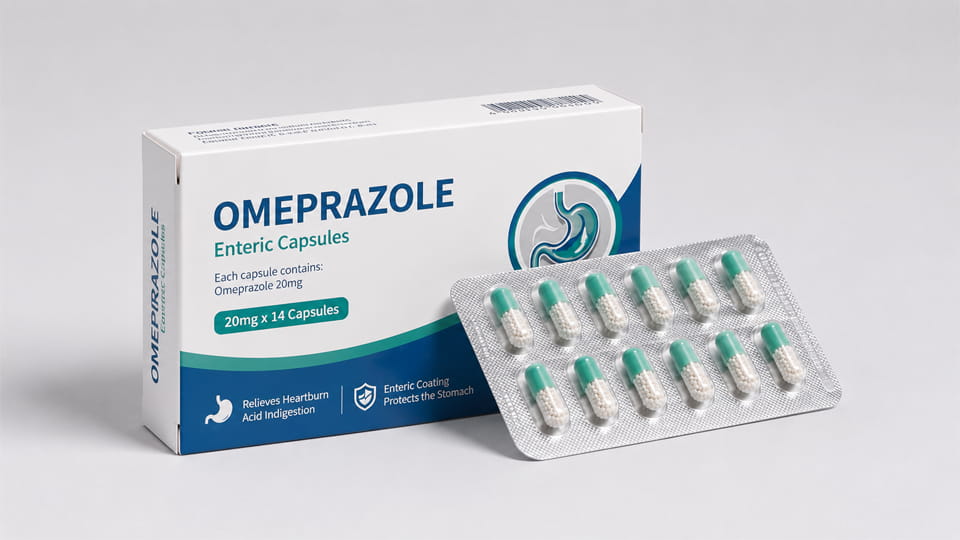
Enteric capsules in omeprazole blister packaging and medicine box


Quality Assurance and Testing

Robust QA is essential to ensure enteric function. Key quality metrics include:

  • 코팅 균일성: The enteric film must be continuous and consistent. Intra- and inter-batch uniformity checks (예를 들어. visual inspection or spectroscopic coating thickness measurement) are used to detect any weak spots in the film. A typical target is a specific % weight gain on the core (often around 10±2%), which correlates to the required film thickness.
  • 분해 테스트: 언급한 바와 같이, disintegration is done in two stages. The capsule should show no disintegration (no open gaps) in simulated gastric fluid for the full acid-stage duration. Afterward, it should disintegrate fully in simulated intestinal fluid (typically within 60 분). 예를 들어, one Japanese method confirms an enteric capsule shows no disintegration for 120 min in simulated gastric fluid, then breaks down within 60 min in intestinal fluid.
  • 용해 프로파일: Disintegration is complemented by quantitative dissolution testing. The protocol typically uses 900 mL of pH ~1.2–1.5 buffer at 37 °C, 100 rpm, for 2h. Drug release must remain low (예를 들어. <10%) in this acid stage. Then the medium is switched to pH 6.8 buffer, where the drug should release to meet specification (often 80–100% dissolved within a given time). These conditions simulate gastric transit followed by intestinal environment.

Regulatory bodies require that delayed-release forms meet strict dissolution criteria. According to pharmacopeias, acceptance criteria might state, 예를 들어, “in the acid stage no more than X% release; in the buffer stage at least Y% release within Z minutes.” The specific limits depend on the drug monograph. 실제로, manufacturers validate their enteric capsule batches against these pharmacopeial standards using the tests above. Stability testing is also performed to ensure the enteric properties are maintained over shelf life.


결론

Enteric capsules offer a powerful way to improve drug delivery and patient comfort by ensuring medications pass through the stomach without releasing and activate in the small intestine. Enteric capsules enable safer, more effective drug delivery by combining smart formulation and precise manufacturing. Their success depends on stringent coating and testing processes, as well as high-quality encapsulation equipment. Whether you’re producing clinical-trial batches or millions of capsules per year, the right machinery is critical. For any pharmaceutical, 기능식품, or supplement company considering enteric formulations, understanding these points is essential for product success.

If you’re an operations or procurement manager looking to produce enteric capsules, JinLu Packing can help you with the right machinery. We offer advanced capsule filling and packaging solutions that are compatible with enteric and other specialty capsules. Our machines are designed for precision, 청소의 용이성, and compliance with pharma standards. Ready to optimize your enteric capsule production? Contact JinLu Packing today for a custom solution or quote tailored to your capsule needs.


FAQs About Enteric Capsules

What are Enteric Capsules?

Enteric Capsules are delayed-release capsules designed to resist gastric fluid and prevent premature drug release in the stomach. They are designed to release their contents after reaching an appropriate intestinal environment. Depending on the formulation, the enteric function may come from the capsule shell, an external coating, or enteric-coated pellets or granules filled into the capsule.

Why are Enteric Capsules used?

Enteric Capsules are used when a formulation needs protection from gastric acid, when release in the stomach is undesirable, or when the active ingredient is intended to be released further along the gastrointestinal tract. They can help protect acid-sensitive APIs and reduce unwanted exposure of certain formulations to the stomach.

How do Enteric Capsules work?

Enteric Capsules use a gastro-resistant design that remains intact under acidic gastric conditions and then allows drug release when the dosage form reaches a suitable intestinal environment. Many enteric systems rely on pH-responsive polymers, although the exact release mechanism depends on the formulation and polymer used.

Are Enteric Capsules the same as delayed-release capsules?

Enteric Capsules are generally a type of delayed-release capsule. “Delayed release” describes the release profile, while “enteric” or “gastro-resistant” describes a common mechanism used to delay release by protecting the dosage form from gastric conditions. 하지만, not every delayed-release system has to use an enteric mechanism.

What is the difference between Enteric Capsules and standard gelatin capsules?

Standard gelatin capsules are generally designed for relatively rapid dissolution and release after exposure to gastrointestinal fluids, while Enteric Capsules are specifically designed to resist gastric conditions and delay release. Enteric performance can be achieved through specialized shell materials, 코팅, or enteric-coated contents, so the two capsule types can require different formulation, 손질, 및 제조 고려 사항.

Can HPMC capsules be used as Enteric Capsules?

예, but a standard HPMC capsule is not automatically an Enteric Capsule. HPMC can be used as a capsule-shell material in an enteric delivery system, but the required gastro-resistant performance depends on the specific formulation, polymer system, 코팅, or capsule-shell technology. The final product should be evaluated against its intended dissolution and release requirements.

What materials are used to make Enteric Capsules?

Enteric systems can use pH-responsive polymers such as cellulose derivatives, including hydroxypropyl methylcellulose phthalate (HPMCP), cellulose acetate phthalate (캡), and methacrylic acid copolymers. The choice depends on the required release profile, formulation compatibility, processing method, and regulatory specifications.

How are Enteric Capsules manufactured?

There are several manufacturing approaches. A manufacturer may apply an enteric coating to the capsule as a later processing step, coat the capsule shell before filling, use a capsule shell made from gastro-resistant polymers, or fill conventional capsule shells with enteric-coated pellets or granules. The appropriate route depends on the formulation and required release characteristics.

Can enteric-coated pellets be filled into hard capsules?

예. Enteric-coated pellets or granules can be filled into hard capsules as one approach to achieving delayed intestinal release. 생산 중, manufacturers need to consider pellet flowability, capsule-filling accuracy, mechanical stress, and the possibility of damaging the coating during handling. Equipment settings should be validated with the specific formulation and capsule type.

How are Enteric Capsules tested?

Enteric Capsules are typically evaluated for their resistance to acidic conditions and their subsequent release behavior in a suitable buffer or intestinal-stage medium. Pharmacopoeial delayed-release testing can include an acid stage followed by a buffer stage, with acceptance criteria defined by the applicable monograph or product specification.


참고자료:
1.The International Pharmacopoeia: Delayed-release capsules (장용 캡슐)—— WHO
2.Extended Release Oral Dosage Forms: 개발, Evaluation, and Application of In Vitro/In Vivo Correlations —— 우리를. 식품의약품안전청
3.Commercially Available Enteric Empty Hard Capsules, Production Technology and Application —— 국립 의학 도서관
4.In Vitro Evaluation of Enteric-Coated HPMC Capsules—Effect of Formulation Factors on Product Performance —— 국립 의학 도서관
5.Enteric-coated HPMC capsules: Comparison of enteric coatings and investigation of relationship between in-vitro disintegration and dissolution times —— Johannes Gutenberg University Mainz
6.제약 코팅 및 다양한 접근 방식, 리뷰 —— 국립 의학 도서관

이 기사를 공유하세요:
사진 사소한 푸
사소한 푸

사소한 푸, 진루패킹 창업자, 가져오다 20 제약 기계 부문에 대한 다년간의 전문 지식. 그의 리더십 아래, Jinlu는 디자인을 통합하는 신뢰할 수 있는 공급업체로 성장했습니다., 생산, 그리고 판매. Petty는 고객이 제약 포장의 복잡성을 헤쳐나갈 수 있도록 깊은 산업 지식을 공유하는 데 열정을 갖고 있습니다., 장비뿐만 아니라 제품도 받을 수 있도록 보장, 생산 목표에 맞춘 진정한 원스톱 서비스 파트너십.

목차

문의 보내기

답장을 남겨주세요

귀하의 이메일 주소는 공개되지 않습니다. 필수 입력란이 표시되어 있습니다 *

무료 견적 받기

*우리는 귀하의 기밀성을 존중하며 모든 데이터는 보호됩니다. 귀하의 개인정보는 JL 솔루션을 위해서만 사용 및 처리됩니다..