
Dietary supplements (also known as nutritional supplements or vitamin supplements) come in many shapes and sizes. From multivitamin pills on store shelves to protein powders in a jar, these products add nutrients to people’s diets in convenient ways. For context, 우리를. regulations define a dietary supplement as a product taken by mouth that contains one or more dietary ingredients (비타민, 탄산수, 허브, 아미노산, 등.) intended to supplement the diet. According to the U.S. 식품의약품안전청 (FDA), supplements are ingested and come in many forms, 태블릿 포함, 캡슐, 소프트 젤, 젤 캡, 분말, bars, 구미, and liquids. 이 가이드에서는, we’ll break down the most common supplement forms (정제, 캡슐, powders and more) and highlight the machines that produce and package them. This overview is written for industry professionals – formulators, 엔지니어, and buyers – who need a clear, friendly guide to supplement formats and production methods.
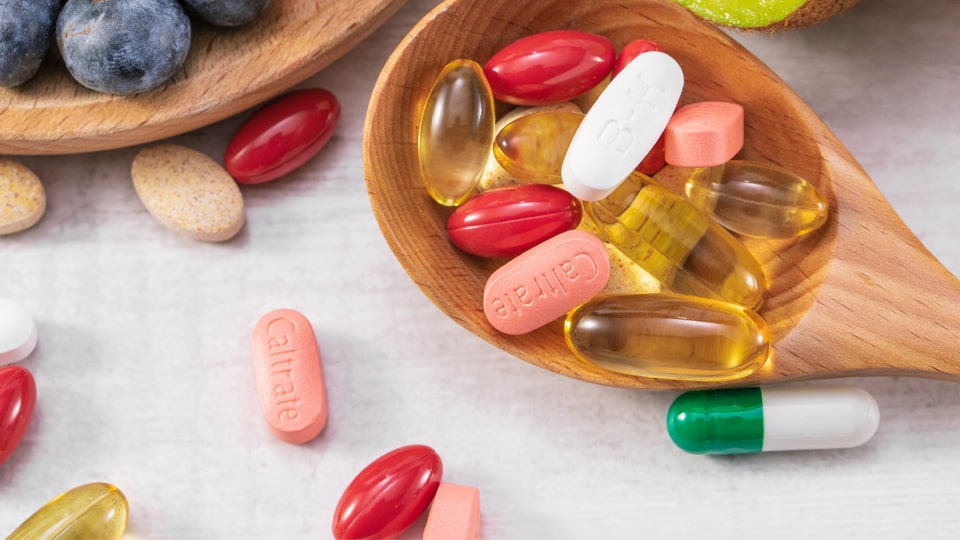
Before we dive into the specific forms that dietary supplements take, it helps to understand the common categories of supplements on the market today. These types are based on their primary ingredients and the benefits they are intended to provide:
These categories overlap with supplement forms such as tablets, 캡슐, 및 분말, and many products combine ingredients from multiple categories to address broader nutritional needs.
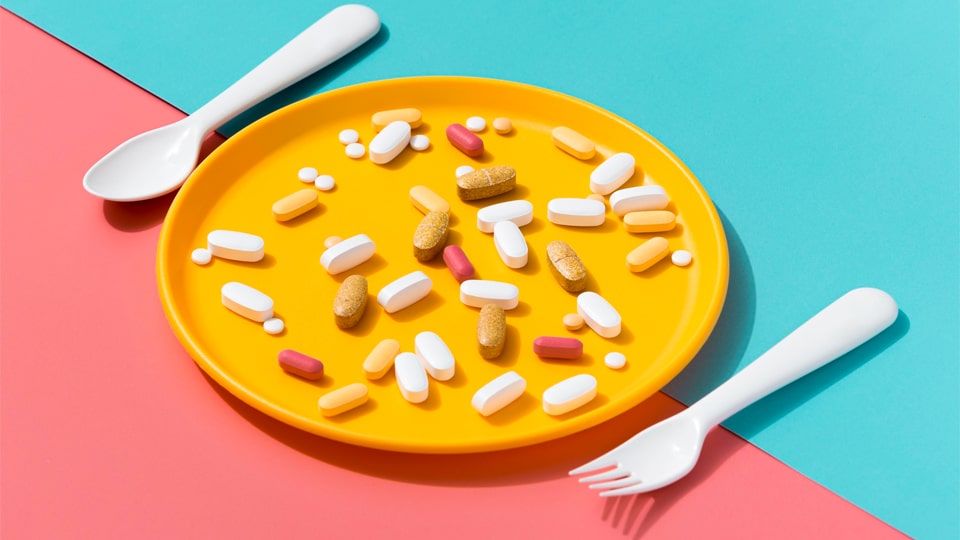
Tablets are among the most familiar forms of dietary supplements. They are made by compressing powder or granulated ingredients into solid pills, which can be round, 타원형, or other shapes. Tablet manufacturing involves a tablet press machine that applies high pressure to form each dose. 예를 들어, Jinlu Packing’s advanced 태블릿 프레스 (the JLZP series) can produce extra-large tablets (up to 60mm in diameter) with a compression force of 400kN, achieving high outputs (최대 35,000 시간당 정제). Tablets can also be coated (예를 들어. 필름 코팅) to mask taste and protect ingredients.
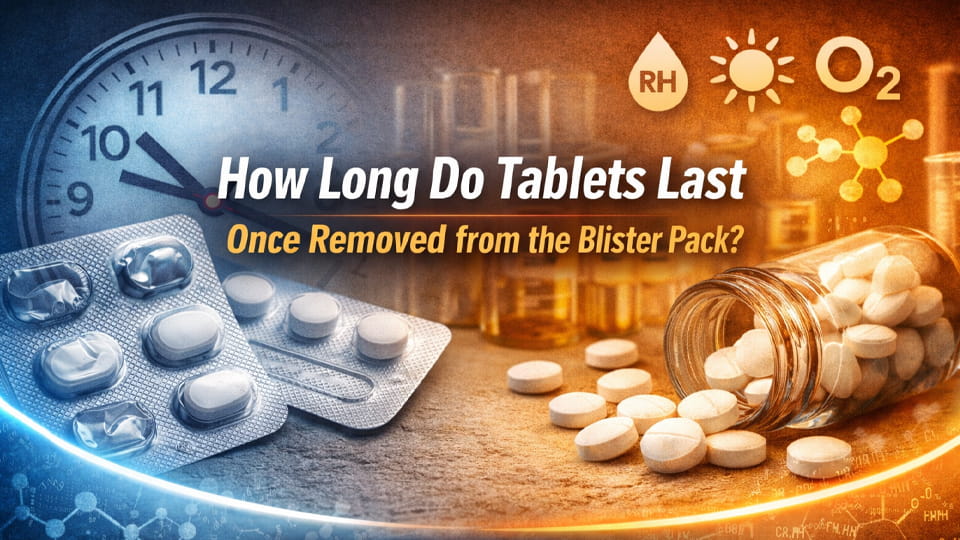
Tablets are usually sold in bottles or blister packs. In a bottle (플라스틱 또는 유리), tablets may be counted by an 자동계수기 and then sealed. Blister packaging is also very common: plastic cavities are formed and sealed with foil to hold each tablet. Blister packs protect tablets from moisture and tampering, and make single doses easy to access. 우리의 물집 포장 기계 are designed to precisely form cavities, place tablets or capsules, and seal them for pharmaceutical and supplement products.
Key Points for Tablets: Compressed on tablet press machines, coated if needed, then packaged in bottles or blister cards. Tablets deliver high doses in a convenient form.
– (예: A one-a-day multivitamin tablet.)
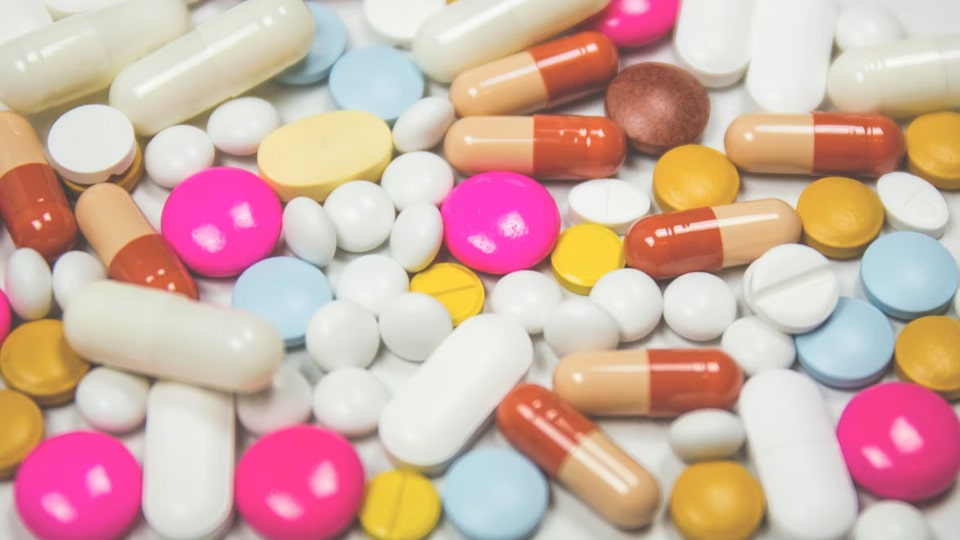
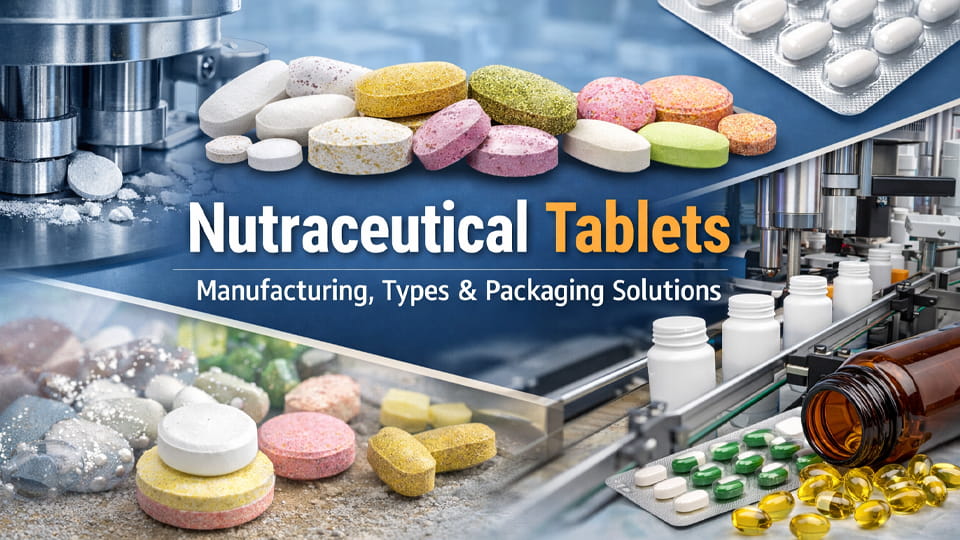
Many dietary supplements come in solid tablet or capsule form. These are often packaged in bottles or blister cards for easy dose counting. The photo above shows an assortment of supplement pills and capsules.
Capsules are another hugely popular supplement form. A capsule has a shell (종종 젤라틴 또는 식물성) that is filled with powder or liquid. Hard capsules consist of two halves that snap together; they are typically filled with dry powders or granules of herbs, 비타민, or minerals. 소프트젤 캡슐 (liquid capsules) have a one-piece soft gelatin shell filled with oil-based or liquid ingredients (common for fish oil, 비타민 D, or botanical extracts). Capsules can mask unpleasant tastes and are easy to swallow for many people.
Manufacturing capsules requires a capsule filling machine. This automatic machine separates empty capsule shells, fills them with precise amounts of powder or pellets, and then closes them. High-speed capsule fillers can process thousands of capsules per hour with very accurate dosing. 예를 들어, Jinlu’s automatic capsule filling machines ensure rapid production and precision for any size of capsule. 충전 후, capsules are typically packaged in bottles (often with a desiccant to keep them dry) 아니면 블리스 터 팩 (foil-backed cards). Modern counting machines can drop an exact number of capsules into each bottle before capping.
• Capsules are extremely common: one market survey found that about 48% of all supplement products are in capsule form (versus 22% as tablets), reflecting the flexibility of capsules in the market.
Key Points for Capsules: Encapsulate powders or oils inside shells using capsule filling machines. Packaged in bottles or blister packs for dosing.
– (예: An herbal powder in a vegetable capsule 또는 fish-oil softgel.)
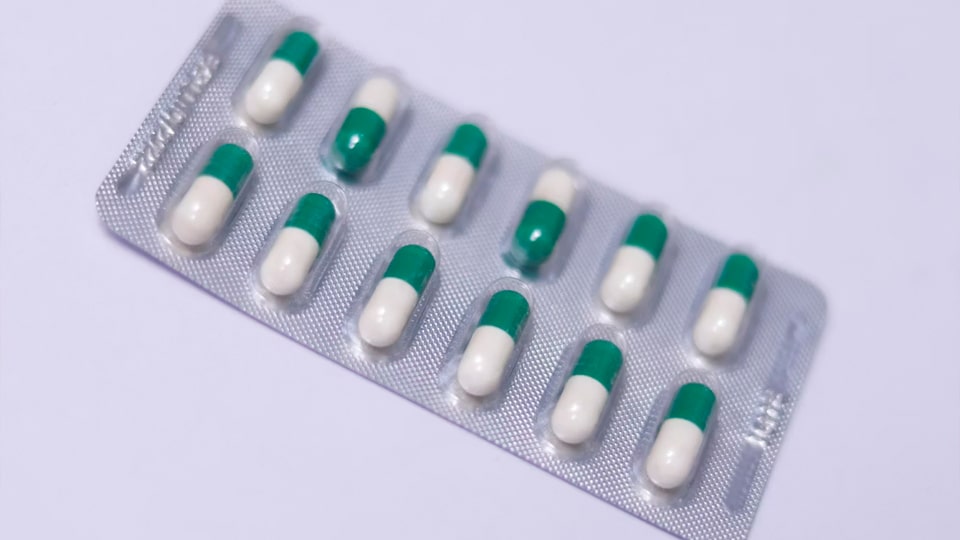
Many capsule supplements come in foil-backed blister packs or bottles. The image above shows green-and-white capsules sealed in a blister card. This kind of packaging keeps capsules fresh and makes each dose easy to remove.
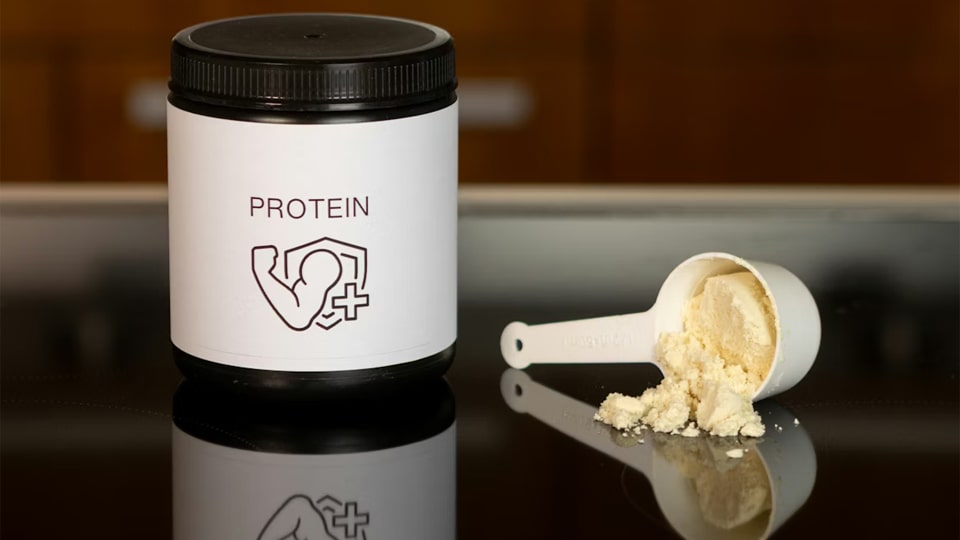
Many supplements come in powder form – think protein powder, greens drink mixes, or powdered vitamins. Powders dissolve in water or juice and can deliver larger doses. 예를 들어, a scoop of protein powder might equal 3–4 capsules worth of protein. Industry sources suggest powder supplements allow higher doses than pills. Powders are blended from active ingredients and excipients, often using mixers and granulators to ensure consistency.
블렌딩 후, powders are filled into stick packs, 향 주머니, 항아리, 아니면 파우치. A stick pack is a narrow tear-open strip for a single serving; a larger jar or tub may hold multiple servings. Jinlu Packing offers premade pouch packing machines that automatically fill and seal powders into stand-up pouch bags or sachets. When filling bottles or jars, a powder filling machine dispenses the correct amount and a capper seals the container. Because powders have different flow properties than tablets or capsules, specialized powder filling machines ensure each container gets the correct dose.
Key Points for Powder Supplements: Mix ingredients into a powder and fill into stick packs, 향 주머니, 아니면 항아리. Use mixers/granulators and powder/pouch filling machines for packaging.
– (예: A berry-flavored daily greens powder in single-serve stick packs or a tub of protein powder.)
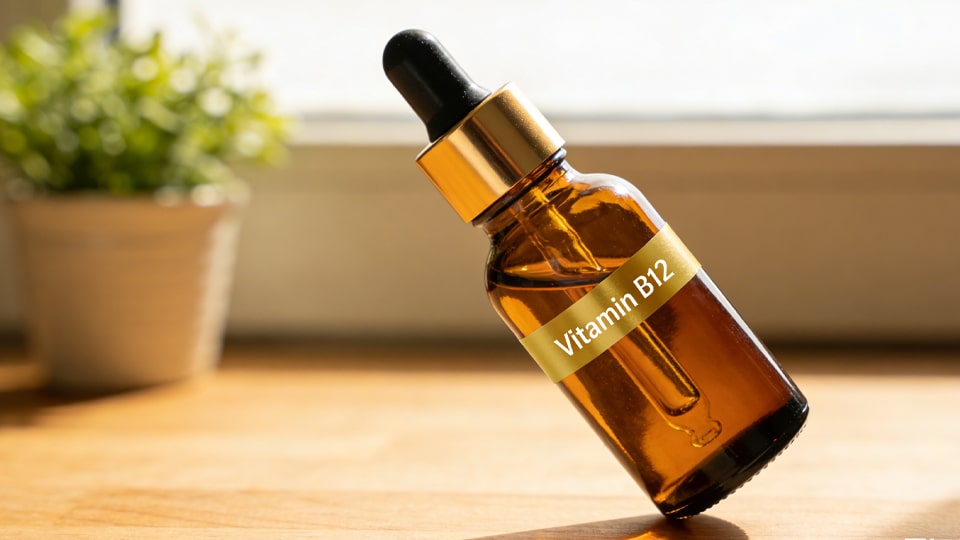
Liquid supplements include liquid vitamins, herbal tinctures, syrups, and concentrated shots. Think of vitamin D drops, melatonin syrup, or probiotic beverages. Liquid forms can be absorbed quickly and are easy for consumers to take. 하지만, liquids require strict cleanliness and often need preservatives or refrigeration.
Manufacturers create liquid supplements by dissolving or suspending ingredients in a base (물, 기름, or alcohol). These liquids are then filled into bottles, 바이알, or ampoules using liquid filling machines. 예를 들어, a rotary liquid filler can fill hundreds of dropper bottles per minute, followed by a capping machine. If a bottle contains more than one dose (예를 들어. a vitamin syrup), a dosing cup or dropper is often included. Jinlu Packing’s liquid filling and capping lines are designed for precise dosing and GMP compliance.
Key Points for Liquid Supplements: Ingredients in solution or suspension. Filled with liquid filling and capping machines, typically into bottles or vials.
– (예: Vitamin B12 liquid drops with a built-in dropper cap.)
Chewable vitamins and gummies are a hit for kids and for adults who dislike swallowing pills. These come as chewable tablets or gummy candies (made from gelatin or pectin) infused with nutrients. They are often brightly colored and fruit-flavored. Common examples include vitamin C chewables and melatonin gummies.
Producing gummy vitamins is similar to candy-making: an ingredient mix is cooked and poured into molds or a continuous depositing system. 씹을 수있는 정제 (like chewable calcium or multivitamins) are molded and dried. Packaging is usually in blister packs or jars. Jinlu Packing’s blister machines can handle gummies just as they do tablets, placing each piece in a sealed cavity. Counting machines can also dispense a fixed number of gummies into bottles. 적절한 포장 (air-tight jars or sealed blisters) protects these moist, chewy supplements from humidity.
Key Points for Chewables/Gummies: Gelatin or candy-like supplements formed via confectionery processes, then packaged in blisters or bottles.
– (예: Strawberry-flavored vitamin C gummies or chewable multivitamins for kids.)

Beyond the usual pills and powders, supplements can appear in novel formats:
Each unique form requires its own process. Jinlu Packing’s focus is on tablets, 캡슐, and packaging machinery, which cover the most common supplement formats. 하지만, understanding these other forms helps in designing the right production line.

No matter the supplement form, proper packaging is crucial. Common packaging formats include bottles (태블릿용, 캡슐, 분말, 또는 액체), 물집 팩 (for tablets and capsules), pouches/sachets (for powders or liquids), and cartons/boxes (for retail display). The IADSA notes that supplements are commonly packed in blister packs, 병, 스틱 팩, and vials.
Manufacturers use automated lines to handle packaging. A blister packing machine forms plastic pockets and seals them with foil, producing strips or cards of pills or gummies. A bottle-filling line can count tablets or fill liquids into bottles, then automatically cap and label them. 예를 들어, Jinlu Packing’s automatic counting machines accurately dispense a precise number of tablets or capsules into each bottle at high speed. 마지막으로, a cartoning machine can wrap or box the finished packs into cartons for shipping to stores.
By integrating these systems, supplement producers achieve an efficient workflow. 예를 들어, tablets move from the tablet press to the blister packer, then to labeling and boxing machines. Capsules flow from the filler to a counter or blister, and onward. Using specialized machines for each step ensures consistent quality, meets GMP standards (예를 들어. 316L stainless contact parts), and maximizes throughput.
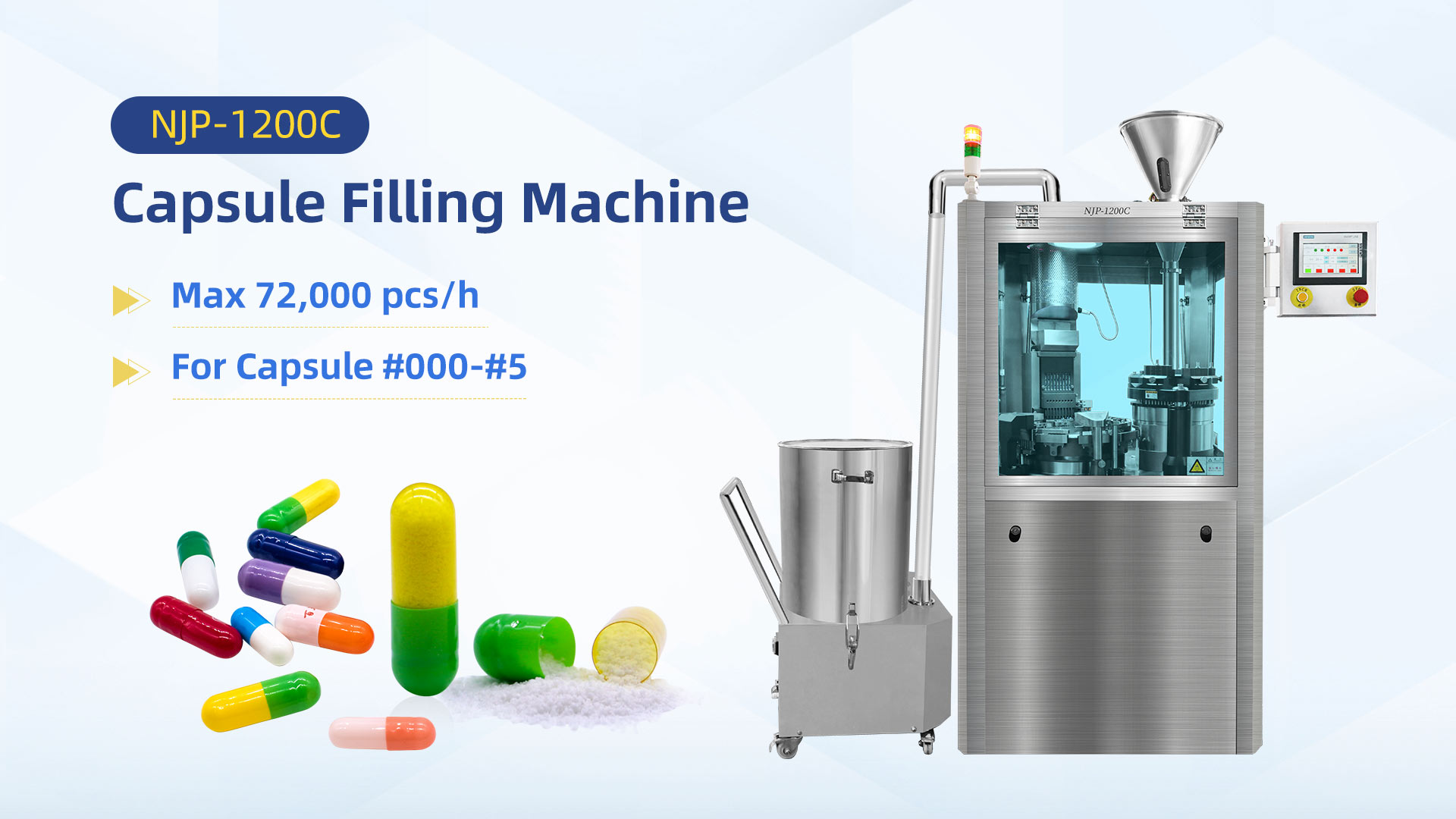
현대의 high-speed capsule filling machines (위에 표시된) efficiently fill and close thousands of capsules per hour with precise doses of supplement powders. This automation ensures a consistent product in every capsule. Such high-capacity automation helps manufacturers meet large production demands.
| Supplement Form | Common Packaging | Key Equipment / 기계 |
|---|---|---|
| 정제 | 병, Blister Cards | 태블릿 프레스, 계산 기계, Blister Packer |
| 캡슐 (Hard/Soft) | 병, Blister Cards | 캡슐 충전물 기계, 계산 기계, Blister Packer |
| 분말 | 향 주머니, 파우치, 항아리 | 분말 충전물 기계, Pouch Packing Machine |
| 액체 | 병, 바이알 | Liquid Filling Machine, 캡핑 기계 |
| Gummies / Chewables | 병, Blister Cards | Gummy Depositor, 계산 기계, Blister Packer |
| 다른 (Bars, 마름모꼴, Eff.) | Wrappers, Blister Cards, 튜브 | Bar Forming Machine, 태블릿 프레스 (흥분한), Blister Packer |
The best form for a new supplement depends on the ingredients and user needs. 예를 들어, oil-based ingredients (like omega-3) are usually made into softgel capsules to mask taste and improve stability. Chewable tablets or gummies appeal to children or users who dislike swallowing pills. 분말 (protein, greens) are popular for athletes who mix drinks, while tablets and capsules suit general use. Each form also drives packaging choices: liquid fillers for vials or bottles, powder packers for sachets or jars, and blister machines for pills. Knowing these options helps formulators and engineers design an efficient production line.
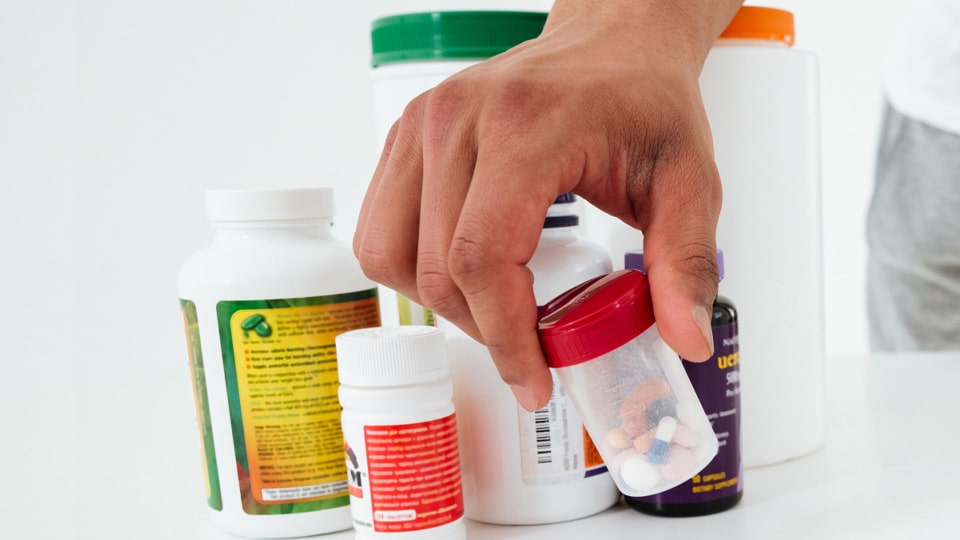
Choosing the right form of dietary supplement affects stability, 복용량, and user experience. Tablets and capsules offer precise dosing and long shelf life. Powders and liquids allow higher doses or faster absorption. Gummies and chewables improve taste and ease of use for some customers. The form also dictates packaging needs – for example, moisture-sensitive items often use blisters or sealed bottles.
업계 구매자 및 엔지니어용, knowing these forms means selecting the right machinery. Jinlu Packing’s equipment – from tablet presses to capsule fillers to blister packing machines – is engineered to support all major supplement forms. Whether you’re producing vitamin tablets, herbal capsules, protein shakes, 아니면 구미비타민, choosing the correct machines ensures consistent product quality and production efficiency.
요약, dietary supplements come in many forms. Tablets and capsules are the most common solid formats, but powders, 액체, 구미, and other formats are widely used too. Each form has its own production process and packaging style. By leveraging specialized machinery – such as 진루 포장’s tablet press machines, capsule filling lines, and blister packers – supplement manufacturers can produce a broad range of products to meet global demand. Proper equipment leads to safer, more reliable supplements on pharmacy shelves worldwide.
테이크아웃: From classic pill bottles to modern gummy packs, understanding the forms of dietary supplements (and the equipment behind them) is key for any supplement company. The right tablet machines, 캡슐 필러, and blister packers ensure high quality and efficiency.
A dietary supplement is a product taken by mouth that contains dietary ingredients — such as vitamins, 탄산수, 허브, 아미노산, or other substances — intended to supplement the diet rather than replace conventional food. Dietary supplements must be labeled as such to distinguish them from drugs or foods.
Dietary supplements come in many formats, 태블릿 포함, 캡슐, 소프트 젤, 젤 캡, 분말, 구미, bars, and liquids. These forms allow for different dosing options and consumer preferences.
Tablets are compressed solid doses often used for vitamins and minerals, produced with tablet machines. Capsules have a shell filled with powders or liquids and are created using capsule filling machines. Capsules can be easier to swallow and suitable for sensitive ingredients. (Referenced from article content)
Powdered supplements allow for larger doses and easy mixing with liquids. Powders are filled into stick packs, 향 주머니, or jars using specialized powder filling machines, making them ideal for products like protein or greens mixes. (Referenced from article content)
예. 액체 (such as vitamin drops or herbal tinctures) are rapidly absorbed and easy to take, but they require precise dosing with liquid filling and capping machines during production. (Referenced from article content)
Blister machines form and seal supplement pieces (정제, 캡슐, or gummies) in individual cavities on cards or strips. This protects products from moisture and tampering, and improves handling in the supply chain. (Referenced from article content)
In the United States, agencies like the FDA do not review dietary supplements for safety or effectiveness before they are marketed. It is the responsibility of manufacturers to ensure safety and compliance with labeling requirements.
아니요. Dietary supplements are intended to add to the diet, not replace a variety of foods. A balanced diet remains the primary source of nutrients for health.
Buyers should consider factors like ingredient stability, target dosage, user preference (예를 들어, ease of swallowing) and intended use. 예를 들어, softgels might be chosen for oil-based nutrients, while powders suit higher-dose formulas. (Referenced from article content)
Supplement form influences packaging: tablets and capsules often use bottles or blisters; powders may use pouches or tubs; liquids use bottles or vials. The choice of packaging is crucial for product stability and compliance. (Referenced from article content)
참고자료:
1.Questions and Answers on Dietary Supplements – 미국 식품의약국(FDA)
2.Definition and Identity of Health Supplements and Nutraceuticals – Food Safety Standard
3.Analysis of the Filing Status of Health Foods (건강보조식품) in China for 2024 – www.cirs-group.com
4.Regulatory overview of health supplements – Health Sciences Authority