
タブレットとカプセル production cost is one of the first questions pharmaceutical manufacturers and production engineers ask when planning oral solid dose product lines. Tablet vs Capsule decision isn’t just about shape or patient preference—it has real implications for production time, 材料, machinery investment, and overall manufacturing cost. Ever wondered which pill format saves you money – tablets or capsules? It’s not as simple as it sounds. Both use similar ingredients (active drugs, フィラー, バインダー) and often end up in the same packaging (like a medicine blister pack). 例えば, if a factory already has a blister packer, it will handle either tablets or capsules equally. In that case, the main cost decision becomes: invest in a 打錠機 or a カプセルフィラー?
このガイドでは, we’ll break down the key production cost differences so manufacturers can make the best choice.
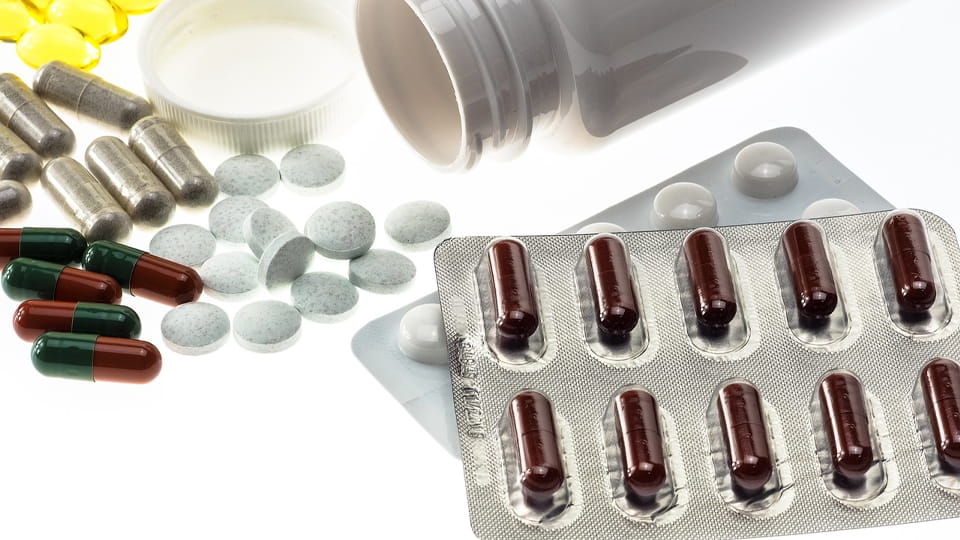
初め, let’s clarify the forms. Tablets are solid oral doses made by compressing powders (drug plus excipients) into a firm pill or caplet. They are often coated with a thin polymer or sugar film for taste and stability. カプセル, usually hard capsules, consist of medication powder or pellets enclosed in a two-part shell (commonly gelatin or a plant-based polymer). A capsule is made of two halves (本体とキャップ) that snap together after filling. (ソフトジェルカプセル are a related form filled with liquid, but for simplicity we’ll focus on tablets vs hard-shell capsules here.)
These process differences lead directly to cost differences. Let’s see why capsules often cost less up front, and why tablets can be more economical at high volume.
Many manufacturers – especially startups or small-batch producers – favor capsules at first because the initial production costs tend to be lower. Key reasons include:
The trade-off is in materials: capsule shells add cost. Gelatin or HPMC capsule shells are a consumable that tablet cores don’t need. ある情報源のメモとして, “Capsules might have higher raw material costs primarily due to the cost of the capsule shells”. 実際に, each capsule’s shell can cost more than the powder inside a tablet. まだ, even with that higher material cost, the overall savings from simpler processing and equipment often make capsules cheaper to get started.
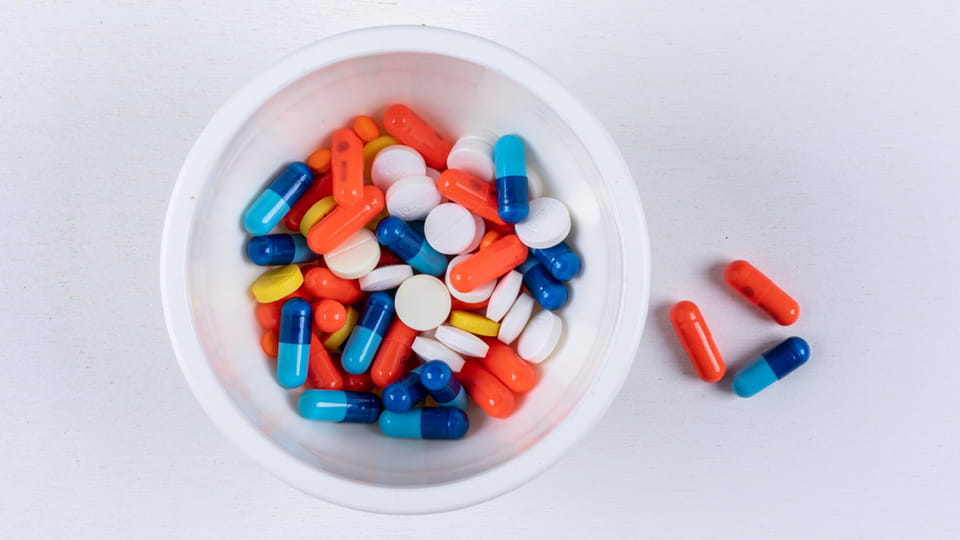
As production volume increases, tablets often become the more cost-effective choice per unit. Key reasons tablets can cost less in bulk:
実際に, major pharmaceutical and supplement producers often find tablets cheaper at large scale. Industry reports indicate that roughly 70% or more of oral solid dose products are tablets, reflecting this scale advantage.
To recap, here are the main cost factors and how each form compares:
要するに, capsules save on startup costs, while tablets save on unit costs at volume. But let’s also consider packaging.
After production, pills are packed – and packaging costs are similar for tablets and capsules. Most solid-dose products use blister packs or bottles for unit-dose packaging.
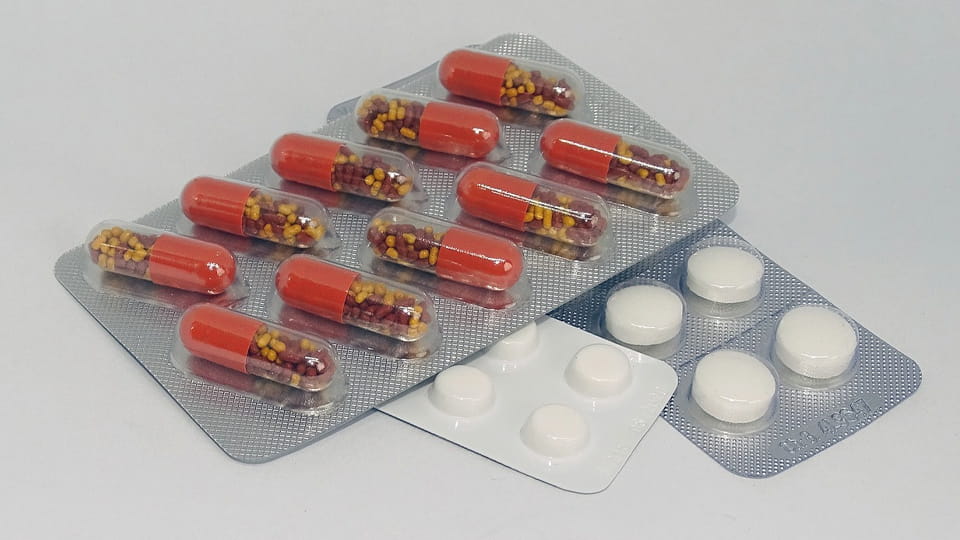
例えば, a medicine blister pack has individual cavities for each pill. Tablets and capsules both fit into these cavities and are sealed. The packing process is essentially the same either way.
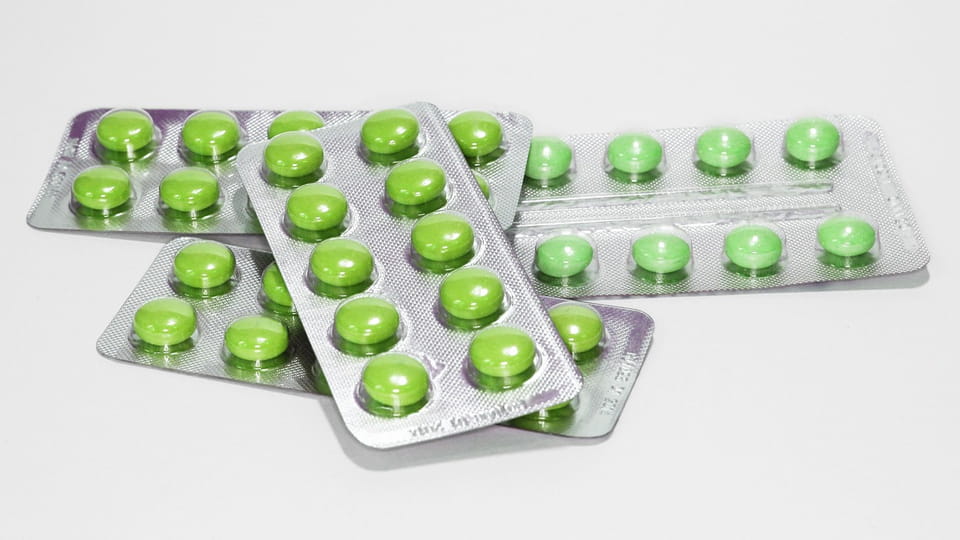
This image shows a typical blister pack containing tablets. Each cavity holds one dose, protecting it from moisture and tampering. If these were capsules instead, the packaging machine would operate in the same way. Because blister packers treat tablets and capsules equally, the packaging cost per dose is virtually the same for both forms.
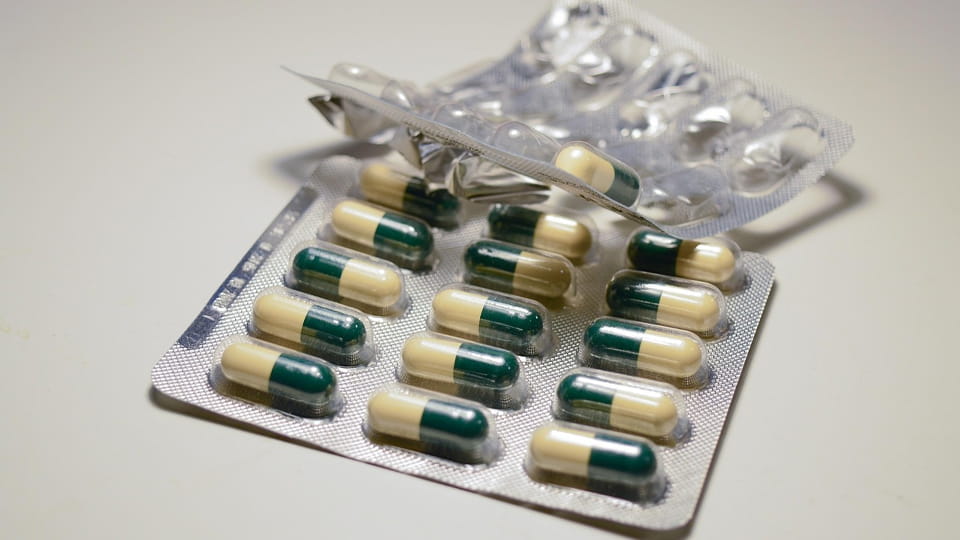
同様に, カプセル (pictured above) can be placed into blister packs just like tablets. Whether it’s tablets or capsules going into blisters or bottles, the downstream line is nearly identical. (Modern bottling lines, 例えば, can fill either form with no extra cost.) The small differences – like tablets needing a coating step, and capsules needing polishing – are minor compared to the overall manufacturing costs.
要約すれば, パッケージング (bottling or blistering) generally doesn’t tip the cost balance toward tablets or capsules. The big cost factors lie in producing the pills themselves.
Cost isn’t the only consideration. Here are some practical factors that might influence the tablet-vs-capsule choice:
These factors don’t change the per-pill manufacturing cost directly, but they affect overall product success and indirect costs (例えば. faster delivery to market or less product waste).
So which wins out? The answer depends on the situation:
最終的に, the difference between tablets and capsules in production cost is not fixed. Capsules save capital and time up front; tablets save money at scale. Manufacturers and procurement engineers should evaluate batch sizes, formulation needs, and equipment availability to make the most cost-effective choice. By running the numbers (例えば, computing the cost-per-thousand-doses for each option), you can see at what point tablets or capsules become cheaper for your specific product.
| 側面 | タブレット | カプセル |
|---|---|---|
| 装置 & Setup | より高い (プレス, granulator, coater) | より低い (カプセルフィラー, polisher) |
| Material Cost | より低い (cheap excipients) | より高い (capsule shells) |
| スループット | Very high at scale | 適度 (better for small batches) |
| Facility/Utilities | より高い (larger plant, more power) | より低い (コンパクト, less energy) |
| Optimal Batch Size | 大きい (economies of scale) | Small to medium |
| Development Time | より長い (complex formulation) | 短い (easier tweaking) |
| Regulatory Effort | もっと (multi-component tests) | Less (simpler formula) |
| Marketing/Patient Factors | Customizable shape/color, scoreable | Easier swallow, no taste |
This table reinforces what we’ve discussed. 実際に, small projects often lean toward capsules, while large-scale production often favors tablets.
Final Verdict: Capsules save you time and capital up front; tablets save you money per dose at high volumes. Evaluate your production volume, formulation requirements, and business priorities to decide which form gives you the best ROI. Understanding the difference between tablets and capsules in manufacturing will guide you to the most cost-efficient choice for your products.
When you look at the tablet versus capsule decision through the lens of cost, there isn’t a small runs and rapid product launches, capsules often win thanks to simpler processing and lower upfront machinery investment. But as you scale up, high-speed tablet presses combined with inexpensive excipients can drop your per-unit cost significantly, making tablets more economical in bulk.
Beyond pure cost, remember to weigh formulation needs, patient expectations, and long-term supply chain efficiency into your decision. Whether you choose tablets or capsules, the ultimate aim is to balance production efficiency, 品質, and business strategy.
If you’re ready to evaluate your manufacturing line, compare タブレットプレス機 vs カプセル充填機 効率, or explore the most cost-effective ways to integrate into your current setup, start the conversation today. Our team can help you analyze equipment choices, output targets, and investment plans so you can confidently decide whether tablets or capsules fit your product roadmap best.
👉 Reach out to ジンルパッキング に optimize your pharmaceutical production workflow or compare machinery options now. Let’s make your next project both efficient and cost-effective!
Tablets are solid oral dosage forms made by compressing powder mixtures, whereas capsules consist of medication filled inside a shell (commonly gelatin or HPMC). Tablets may require coating or granulation, while capsules are filled into pre-made shells.
多くの場合, capsules are cheaper to start producing due to simpler processes and lower equipment needs, while tablets can be cheaper per unit at high volume because tablet presses produce large quantities efficiently and tablet excipients are inexpensive compared to capsule shells.
Tablets use inexpensive excipients and high-speed pressing machines that create high throughput. When manufacturing millions of doses, the per-tablet cost drops significantly due to economies of scale, which often makes tablets more economical for large batches.
常にではありません; capsules have higher raw material cost because of the shell, but their simpler processing may lower initial costs. しかし, when comparing production at scale, tablets often cost less per dose overall. The choice depends on production scale and formulation needs.
Tablet manufacturing can involve more steps like granulation, 圧縮, and coating, which require more equipment and labor. Capsules mainly need a filler machine and polishing step, which simplifies the line and reduces some costs, especially at smaller volumes.
Yes — because tablets are compressed solids with lower moisture content, they tend to be more stable and have a longer shelf life compared to capsules, which can be sensitive to humidity and environmental conditions. This stability can indirectly reduce product loss and waste costs in packaging or storage.
はい. Both tablets and capsules can be packaged using standard systems such as medicine blister pack lines. Packaging costs per dose are typically similar since the downstream equipment treats both dosage forms largely the same.
できる. Capsules are often easier to swallow and tasteless due to the shell, while tablets can be flavored, 得点した, or altered for controlled release. The choice may affect market acceptance and indirectly influence product strategy and costs.
はい. Some active ingredients may be better suited to one form — for example, moisture-sensitive APIs may be less stable in capsules. Tablets allow for extended release and dosage flexibility, which can justify higher formulation costs in some products.
一般的に, if you’re producing at large scale — tens of thousands or millions of units — the high throughput and lower per-unit material cost of tablets typically outweigh the higher initial investment compared with capsule production.
参考文献:
1. Capsules vs Tablets (Differences in Cost and Manufacturing) — Welzo
2.Tablets vs. カプセル: 長所, 短所, and How They Differ — Healthline
3.Pharma Manufacturer Technical Literature – Tablet & Capsule Production Methods — www.mohp.gov.eg
4.Oral Solid Dosage Contract Manufacturing Market – 製品別 (錠剤, カプセル, 粉)(2024 – 2032) — GII Global Information