
製薬機器 – 製薬機械とも呼ばれます – すべての機械が含まれます, ミキサー, 医薬品製造に使用される道具と. これらの特殊な装置は、原材料の混合から完成した錠剤の検査まですべてを処理します。. 言い換えると, ハイテク機器は製薬工場の根幹です. 医薬品が安全に製造されることを保証します, 正確に, そして効率的に. このガイドでは, 製薬機械の主要なカテゴリーを見ていきます, なぜそれぞれが重要なのか, そしてそれらがどのような機能を果たすのか.
医薬品は非常に清潔で管理された条件下で製造されなければなりません, そのため、機器は無菌性と正確性を考慮して設計されています. 大量処理装置について説明します (ミキサー, 顆粒剤, 乾燥機), タブレット/カプセルマシン, 包装システム, 研究室および品質管理機器, オートクレーブやコンベアなどのサポート機器も追加. 最後までに, 調達エンジニアと業界のバイヤーは、重要な製薬機械の概要を明確に把握できます。, 医薬品包装機から分析機器まで, 製薬会社やエンジニアが情報に基づいた意思決定を行えるよう支援する.
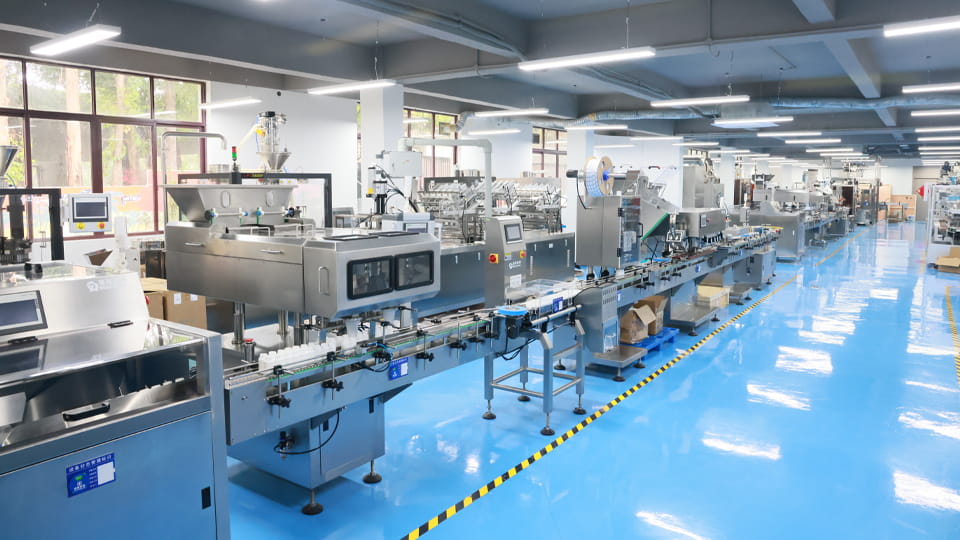
バルク加工機械は錠剤を形成する前に原料を準備します. ミキサーとブレンダー 有効成分と充填剤を均一に組み合わせる. 例えば, リボン ブレンダーと V ブレンダーは粉末を穏やかに混合するため、すべての錠剤が同じ用量になります。. 高速ミキサーは粉末と液体の難しい混合物を素早く処理します (巨大なスタンドミキサーのような, しかし、はるかに強力です). これらの機械は各バッチの一貫性を保証します. 錠剤を作るには、混合・混合から造粒・乾燥までの製造設備が重要です, カプセルと粉末.

錠剤プレスは粉末を錠剤に圧縮します – 次に説明する剤形加工の一部です. しかし、上記のバルク設備は原料の処理を処理します. 要するに, バルクミキサー, 顆粒剤, 乾燥機, および関連システムがユニフォームを作成します, 信頼性の高い錠剤やカプセルの製造に必要な乾燥粉末または顆粒.
バルク材料が準備できたら, 錠剤とカプセルの機械はそれらを最終的な投与量に成形します. このステージの中心となるのは打錠機です. ロータリー打錠機は高圧を使用して粉末を錠剤に絞ります; 1時間あたり数千個の均一な錠剤を生産できる. 現代のプレス機には複数の圧縮ステーションが搭載されていることが多いため、回転するたびに錠剤の列全体が製造されます。.
プレス機は錠剤の形状と用量を一定にするために多大な圧力を使用します。. 実際に, エンジニアは、錠剤の重量と硬度が均一であるかどうかを各プレス機で監視します。. タブレットコーターは印刷機と組み合わせて使用されることがよくあります: コーティング溶液のスプレーの中で錠剤を転がします (砂糖, 膜, または腸内コーティング). コーティングにより毛玉の外観が改善されます, 飲み込みやすく、薬物放出を制御できる.
カプセルはカプセル充填機で扱われます. これらの機械は空のカプセルの半分を整列させます, 粉末またはペレットを詰めます, そしてキャップをロックします. 非常に迅速かつ正確に作業します. 一部のカプセルマシンは、ソフトジェルまたは液体が充填されたカプセル用の液体を処理します。 (ソフトゼラチンカプセル化). 充填後, カプセル研磨機/クリーナーは、完成したカプセルからほこりを除去する場合があります。.
このカテゴリーの主な機械:


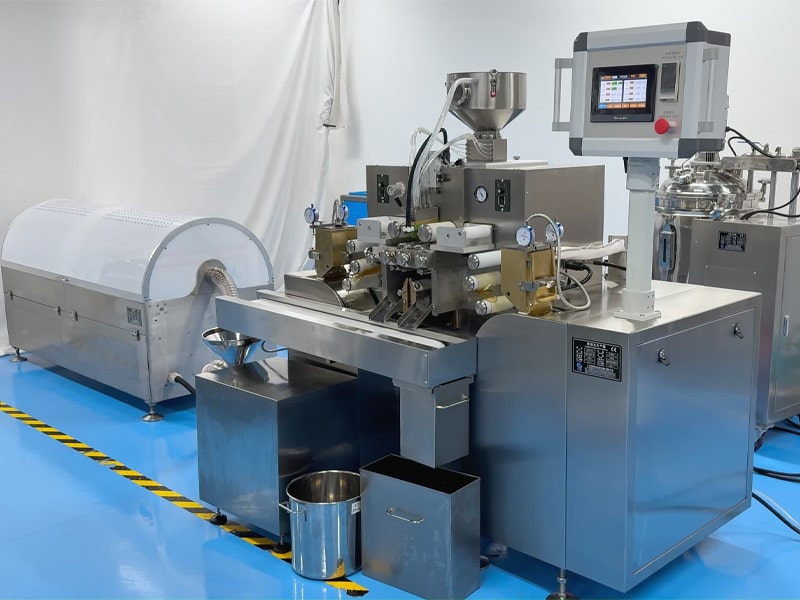
各マシンは正確な重量に合わせて校正する必要があります. Jinlupacking 氏が指摘するように, 「均一な投与量」が重要です - 打錠機とカプセル充填機により、各投与量に正しい有効成分が含まれていることを確認します. ここでの精度とは患者の安全を意味します.
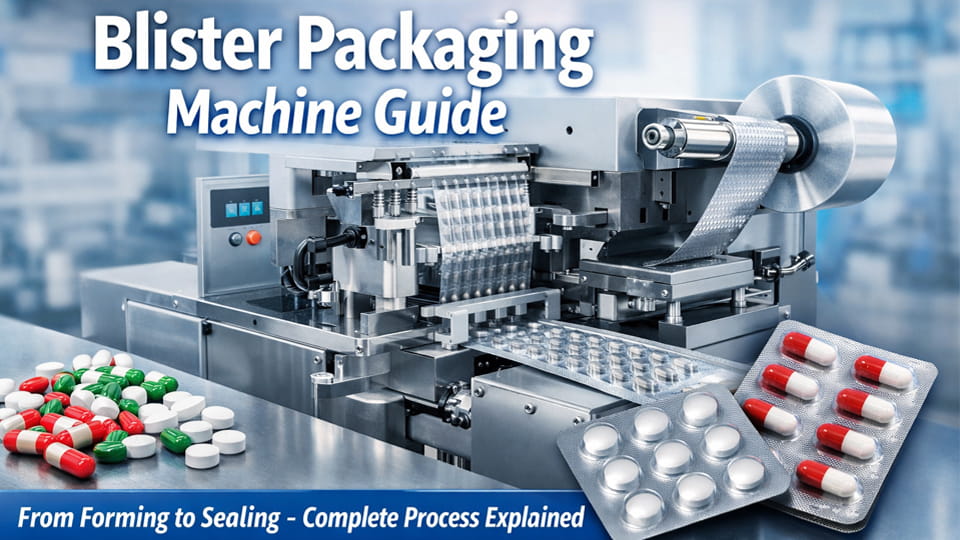
錠剤やカプセルの製造後, 医薬品包装機は流通に向けて製品を準備します. 包装装置は医薬品を損傷や汚染から守ります, 必要なラベルを提供します. 例えば, ブリスター包装機は錠剤またはカプセルをプラスチックの空洞に入れ、ホイルで密封します。. 上の画像は、水ぶくれのラインを手入れするオペレーターを示しています. ブリスターパックが湿気を遮断し、患者が各投与量を確認できるようにします, エラーを減らす.
その他の主要な包装機械には次のものがあります。:

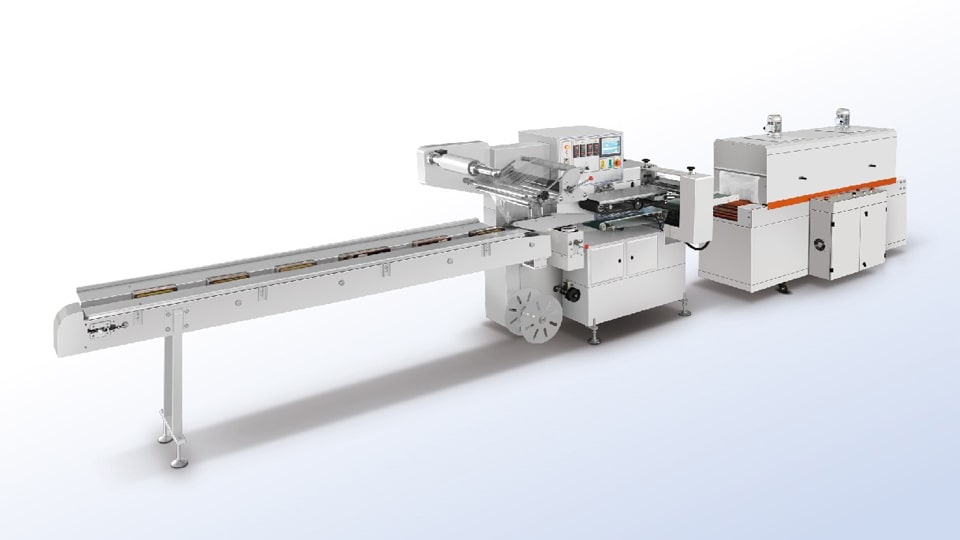
これらのそれぞれ 医薬品包装機 高速かつ高精度に動作する必要がある. 例えば, ブリスターマシンはポケットを形成し、空気や湿気から保護するために完全に密封します。. その後、ラベル貼付機が重要な情報を追加します, 各箱に明確な説明書が記載されていることを確認する. 一緒に, 包装システムにより、製品がすぐに使える形で薬剤師と患者に確実に届けられます。.
包装設備の一例: ブリスターパッカー, ストリップまたは パウチパッカー, ボトルフィラー & キャッパー, 箱詰めライン, ケースパッカー, 機械間のコンベヤシステム. これらはすべて医薬品包装ラインの一部です. 業界参考資料として, これらのシステムは「医薬品が流通および消費のために安全かつ確実に包装されることを保証します」.
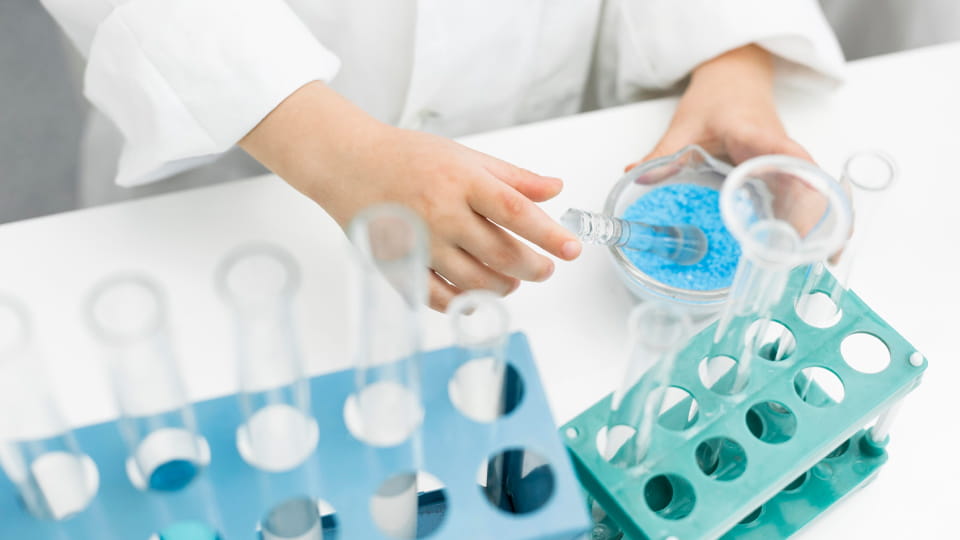
医薬品の安全性と有効性を確認するには、各段階での試験が必要です. 専用の実験室および QC 機器が不可欠です. 上の画像では, 科学者は精密機器を使用してサンプルを分析します. 共通装備には以下のものがあります:
These machines often live in lab cleanrooms. 例えば, spectrophotometers and dissolution apparatus play a vital role in QC. ある情報筋が説明しているように、, “spectrophotometers analyze chemical composition” and “dissolution testers evaluate how medications dissolve, providing info on bioavailability.” Analytical lab equipment may not be on the production floor, but it is integral to the pharma manufacturing process. It verifies that everything meets specifications and regulatory standards.
Several specialized machines keep the production environment sterile and safe. 製薬業界で, “equipment must be extremely clean and precise”. Key support equipment includes:
notes that material handling equipment (コンベア, lifts, automated vehicles) moves products safely around the factory and “prevents contamination” as well as damage. All these systems – sterilizers, CIP, cleanrooms, HVAC and conveyors – work behind the scenes. They aren’t visible to the patient, but they’re crucial for product quality and compliance.
テーブル: Common Pharmaceutical Equipment by Category
| カテゴリ | Examples of Equipment |
|---|---|
| 一括処理 | ミキサー (ribbon/V-blender), 造粒機, Dryers, ミルズ, Tanks, フィーダー |
| Dosage Formation | 打錠機, Capsule Fillers, コーター, 封止機 |
| 包装 | Blister Machines, Bottle Filling & キャッピング, 箱詰め業者, Labelers, Checkweighers |
| 品質管理 & 研究室 | HPLC/GC Systems, Spectrophotometers, Dissolution Testers, 分析天びん, pH Meters |
| Sterilization & クリーニング | Autoclaves, Sterile Filters, Lyophilizers, CIP Systems |
| Material Handling & サポート | Conveyors, Vacuum Conveyors, Air Handling (HVAC), Pressurized Vessels, Reactors |

Every piece of pharmaceutical machinery must meet strict regulatory standards. As one industry guide emphasizes, pharma equipment manufacturing is about “precision, 安全性, and efficiency”. Small errors in dosing or contamination can have serious consequences. Good pharma equipment ensures that each pill and vial is made exactly right, protecting patients and maintaining trust.
Buyers and engineers should always choose equipment built to GMP standards. 実際には, “every piece of equipment must meet strict compliance standards,” including Good Manufacturing Practices (GMP) and ISO certifications. These standards guarantee consistency in production, product control and machine safety. Reputable manufacturers provide validation documents and performance data, proving their machines produce reliable results.
Routine maintenance and calibration are also essential. As the industry says, “broken machines make defective products” – so regular servicing keeps equipment operating correctly. Well-maintained equipment has a long life, produces less waste, and supports continuous, 中断のない生産.
要約すれば, pharmaceutical equipment covers a wide range of machines – from bulk mixers and tablet presses, to high-tech packaging lines and lab analyzers. Each has its own purpose in the drug-making process. Using quality, well-designed equipment helps pharma companies boost efficiency and meet the high standards required for safe medicine production.
To wrap up, the world of pharmaceutical equipment is both broad and essential — from raw material processing and blending, to tablet and capsule formation, パッケージング, および品質管理. Each machine category plays a vital role in ensuring product consistency, 規制のコンプライアンス, 運用効率と. モダンな 医薬品製造 is not just about producing doses — it’s about precision, 無菌性, トレーサビリティ, and reliability at every step of production. As industry demand grows and technologies evolve, investing in the right pharma machinery becomes a strategic advantage for any manufacturer aiming to compete on quality and cost-effectiveness in global markets.
Whether you’re upgrading an existing line or building a new facility, having up-to-date and reliable equipment is key. For tailored solutions — from high-precision mixers and tablet presses to advanced pharmaceutical packaging machines and automated lines — explore the offerings at Jinlu Packing. Their comprehensive range of pharma machinery is designed to help pharmaceutical companies and engineering teams optimize production and stay aligned with the latest industry standards. Learn more about suitable equipment options and how they can support your manufacturing goals at jinlupacking.com.
Pharmaceutical equipment refers to the machinery and tools used throughout drug manufacturing — from raw material processing and mixing to dosage forming, パッケージング, および品質テスト. It includes mixers, 打錠機, カプセル充填剤, 包装機, and analytical lab instruments.
Specialized pharma machinery ensures consistent quality, 正確な投与, 規制遵守と. These machines maintain sterility and accurate processing, which are essential for safe and effective medicines.
Major categories include bulk processing (mixers/granulators), dosage-form machines (打錠機, カプセル充填剤), packaging equipment (ブリスターパッカー, ボトルフィラー), quality control instruments (HPLC, dissolution testers), and sterilization/cleanroom support systems.
タブレットプレス, also called a tablet compressor, compresses powders into uniform tablets under high pressure. It’s crucial for solid oral dosage forms and can be single-punch for small batches or rotary for large-scale production.
Capsule filling machines automatically fill empty capsules with powder, ペレット, または顆粒, then lock the caps. They serve a different dosage form than tablet presses and are chosen based on product type (hard-shell or softgels).
Typical packaging equipment includes blister packaging machines, bottle filling and capping machines, 箱詰め機, ラベラー, and checkweighers to protect products and prepare them for distribution.
Quality control instruments like analytical balances, HPLC/GC systems, spectrophotometers, and dissolution testers verify product purity, 効力, and compliance with standards before medicines reach the market.
Support equipment includes autoclaves (steam sterilizers), 凍結乾燥機 (凍結乾燥機), clean-in-place (CIP) システム, sterile filtration units, and material handling systems — all designed to keep production environments sterile and contamination-free.
Companies follow strict Good Manufacturing Practices (GMP) and validation protocols to ensure equipment meets safety and quality requirements. Machines are designed, キャリブレーション, and serviced according to regulatory guidelines to support consistent production.
はい. Equipment like mixers, 打錠機, or packaging lines can often be tailored to product specifications (dosage form, スピード, 自動化レベル) to optimize efficiency and meet manufacturing goals.
参考文献:
1.適正製造基準 (GMP) - 世界保健機関 (誰が)
2.Pharmaceutical Manufacturing Equipment Overview — American Pharmaceutical Review
3.Pharma Manufacturing Equipment Guide 2025: 種類, トレンド, and Innovations — pharmanow.live
4.製薬機械 & テクノロジー — CPhI Online Directory