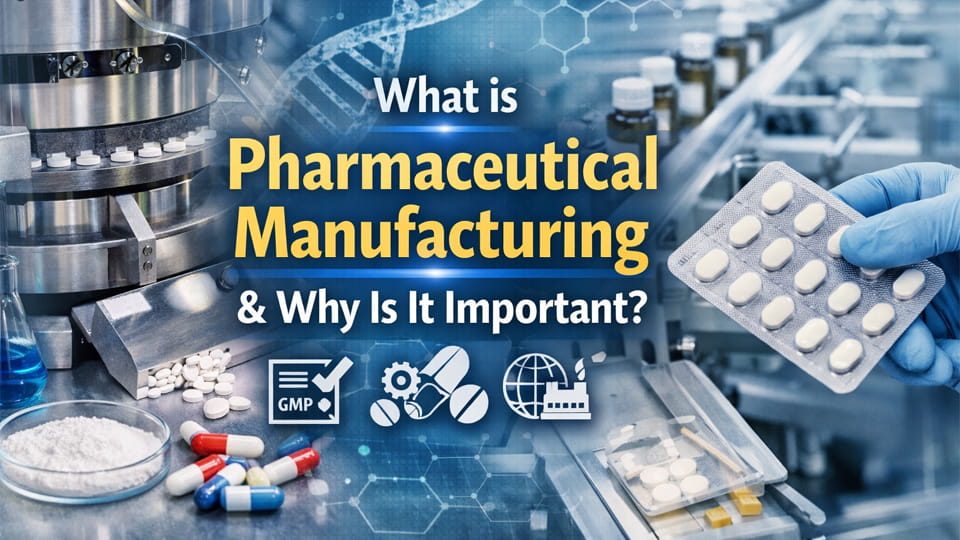
Produzione di compresse nutraceutiche, Tipi, e soluzioni di imballaggio spiegate
Produzione di compresse nutraceutiche, Tipi, e soluzioni di imballaggio spiegate
Marzo 27, 2026
Non ci sono commenti
Nutraceutical tablets are solid dietary supplement pills that deliver vitamins, minerali, botanicals or other health-boosting ingredients in a convenient form. Think of them as a cross between pharmaceuticals and natural foods. They offer precise dosing and shelf stability, making them a popular format for vitamins and supplements. In this guide we’ll explain what nutraceutical tablets are, why they’re in demand, the major types you’ll encounter, and a step-by-step look at how they’re made and packaged. We’ll also cover key requirements and common packaging solutions – from bottles to blister packs – and how to choose the right equipment for your supplement production line.
What Are Nutraceutical Tablets?
Nutraceutical tablets are compressed pills containing one or more active nutrients, botanical extracts or dietary ingredients. Unlike capsules or gummies, tablets are solid dosage forms where ingredients are blended and squeezed under high pressure into a specific shape. The blend can include vitamins, minerali, proteins, herbs or nutraceutical compounds. Tablets can be engineered with multiple layers or coatings to combine ingredients or control release. Because they are dry, compact and easy to label, tablets remain one of the most common “dietary supplement tablet” formats in nutraceutical production.
Nutraceutical tablets bridge food and pharmaceutical categories. They aren’t classified as drugs, but they must still meet dietary supplement regulations (such as cGMP for supplements). In pratica, that means following strict manufacturing controls even if ingredients are food-based. Brands often market tablets for health benefits like immune support, digestion, or joint health. Insomma, any supplement designed as a pill for oral use can be called a nutraceutical tablet.
Why Tablets Are Popular in Nutraceutical Products
Tablets are popular for supplements because they offer precise dosing, stabilità, e comodità. Each tablet provides a measured amount of active ingredients, which helps avoid dosing errors. Tablets are compact and durable – consumers can carry a bottle of tablets in a purse or pillbox with little worry of breakage. Compared with liquids or powders, tablets have fewer handling issues and often longer shelf life. Per esempio, many vitamin tablets are packaged in high-density polyethylene (HDPE) or PET bottles, which protect them from moisture and oxidation.
From a manufacturing standpoint, tablets are easy to label and batch. Production lines can be set up for continuous high-volume tablet compression (often tens of thousands per hour). Anche, tablet ingredients are typically dry blends, which simplifies filling compared to sticky or liquid formulas. In sintesi, tablets combine ease-of-use for consumers with efficient production – making them a go-to choice in the supplement industry.
Types of Nutraceutical Tablets
There are manytablet formatsto meet different needs. Some common types include:
Standard compressed tablets.These are the basic form: active ingredients blended with fillers and binders, then compressed into one-layer pills. They can be any shape (girare, ovale, capsula) to ease swallowing. Often they’re film-coated in a neutral color for stability and to mask taste. Standard tablets are used for multivitamins, minerali, amino acids and many other supplements.
Compresse rivestite.A polymer orrivestimento di zuccherois applied to improve swallowability, protect ingredients, or control release. Rivestimenti cinematografici (made from cellulose or polymers) add a barrier against humidity and can mask a bitter core. Rivestimenti entericiare also used to prevent dissolution in the stomach, releasing actives in the intestine. Coated tablets offer improved stability and a premium look.
Layered or combination tablets.These tablets contain two or more layers, each with a different formula. Per esempio, a tablet might have separate layers for fast-release vitamin C and a slow-release herbal blend. Multi-layer tablets allow incompatible ingredients to be combined or timed-release profiles within one pill.
Compresse masticabili.Designed to be chewed and swallowed, not swallowed whole. Chewables use lower compression so they dissolve easily in the mouth. They are often flavored (Per esempio, fruit flavors) to make them palatable. Chewable vitamins and probiotics are popular especially for children or anyone who dislikes swallowing pills.
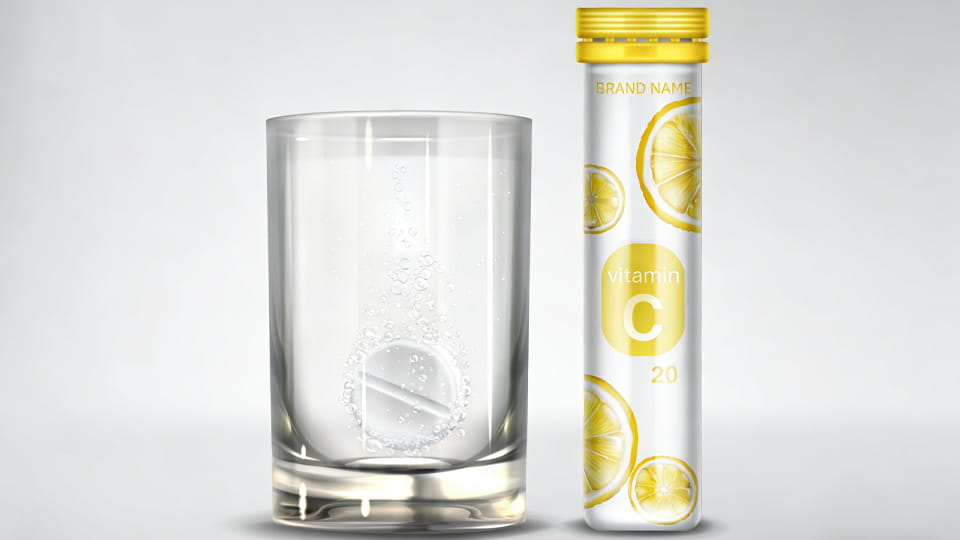
Compresse effervescenti.These contain ingredients (often citric and tartaric acid) that fizz and dissolve when dropped in water. Effervescents deliver supplements like vitamin C, potassium, or minerals in a drink. Because they dissolve quickly, they require special packaging: moisture-proof containers with desiccant or sealed blister foils. Per esempio, tubes with desiccant inserts are common for effervescent vitamin tablets.
Fast-dissolve or sublingual tablets.These dissolve on the tongue without water. Less common in nutraceuticals but used for certain niche supplements (like melatonin or B12), these require special excipients to dissolve quickly.
Each tablet type may call for differenteccipienti (leganti, Disintegranti, dolcificanti, ecc.) and different packaging. But whether it’s an uncoated multivitamin or a flavored chewable, the core manufacturing process starts similarly – as we discuss next.
Nutraceutical Tablet Manufacturing Process
The production of nutraceutical tablets follows a series of well-defined steps. The flowchart below outlines a typical tablet manufacturing and packing process:
Preparazione della materia prima.Active ingredients (vitamine, minerali, botanicals) ed eccipienti (fillers like microcrystalline cellulose, leganti, Disintegranti) are received and weighed. Each raw material batch is verified for weight and identity (weight certificates, material checks) before use. Common excipients include starches, cellulose, stearato di magnesio (lubricant), ecc.
Mixing or granulation.The powders are dry-mixed or wet-granulated to ensure uniform distribution of actives. In wet granulation, a liquid binder is added to form granules which are then dried. For abrasive or moisture-sensitive ingredients (common in nutraceuticals), dry blending is often preferred to maintain ingredient stability. Moisture content may be tested (PER ESEMPIO., moisture analysis) to reach the right granule dryness.
Miscelatore tipo V
Milling and sizing. Se necessario, the dried granules or blended powders are milled to a uniform particle size. Proper sizing improves flowability into the tablet die. As noted by industry experts, nutraceutical powders can be coarse or abrasive, so mills and mixers must be robust.
Lubrication/blending.A final blending step adds lubricants (per esempio. stearato di magnesio, silicon dioxide) to prevent sticking in the press. This blend is carefully mixed to avoid over-lubrication (which can reduce binding). The yield – percent weight of compressed granules vs. raw mix – is calculated.
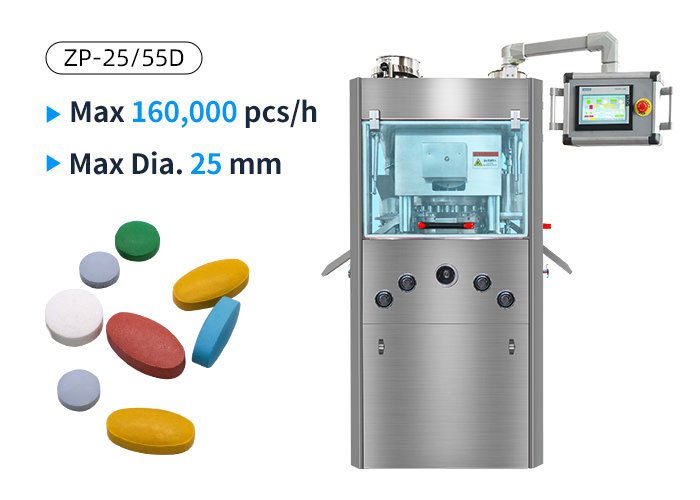
Tablet compression.The blended powder is fed into a tablet press. High-speed rotary tablet presses (or single-punch pill presses) apply pressure via punches and dies to form tablets. Considerazioni chiave: Nutraceutical presses often need tougher tool steel (like tungsten-carbide punches) and coatings because herbal powders can abrade and stick. Machines may run slightly slower than pharma machines to accommodate variability in natural ingredients. During compression, operators check tablet weight, spessore, hardness and appearance. If coated tablets are required, the compressed tablets go on to the next step.
Tablet rotante ZP-25/55D
Rivestimento (opzionale).Tablets may be coated in a fluid bed or pan coater. A polymer or sugar solution is sprayed on to form a uniform film. Film coating helps protect sensitive nutrients and masks taste. Colorants or opacifiers (biossido di titanio, ecc.) can be added for branding and UV protection. After coating, tablets are dried and inspected.
Macchina per il rivestimento di compresse ad alta velocità
Inspection and finishing.Final quality control checks ensure tablets meet specifications (variazione di peso, friability, potenza). Tablets are sorted and any rejects (scheggiato, overweight) are removed.
Batch release and packing preparation.A release test ensures the batch meets all tests (purezza, contenuto) before shipping to packaging.
Throughout this process, traceability is important: batch numbers and production records are maintained. Unlike pharmaceutical drugs, nutraceutical GMPs might be somewhat less rigorous in documentation, but leading manufacturers trend toward pharma-level quality.
Packaging Requirements for Nutraceutical Tablets
Once tablets are ready, packaging must protect the product and comply with regulations. Nutraceutical packaging serves several critical functions:
Protection from the elements.Nutraceutical tablets often contain sensitive bioactives (omega-3s, probiotici, vitamina C, estratti di erbe) that degrade with moisture, oxygen or light. Effective packaging acts as a barrier to humidity and air, preserving potency. Without a good moisture barrier, tablets can soften or become chemically unstable. Per esempio, effervescent tablets would react with ambient moisture if not sealed.
Stability and shelf life.Good packaging extends shelf life. Studies show that unit-dose blister packs can double a tablet’s shelf life (24–36 months in blisters versus 12–18 months in bottles). This is because each tablet in a blister is isolated from others and sealed against air. If long shelf life is desired, manufacturers choose high-barrier films (PVC-PVDC, alu-alu foils, ANIMALE DOMESTICO) and minimize headspace oxygen.
Regulatory compliance.Nutraceutical packaging must meet labeling and safety rules. Labels should include ingredient lists, usage directions, supplement facts, lot number and expiration date. Many regions require tamper-evident features (per esempio. shrink bands or induction seals) to ensure consumer safety. Traceability is also key: barcodes and batch codes should be integrated for inventory and recalls.
Consumer convenience.Pack designs should make dosing easy. Tablets might be in bottles with child-resistant caps or in blister strips that release one dose at a time. Portabilità, ease-of-opening and portion control all improve consumer experience. Per esempio, daily multivitamins in blisters let users track intake easily.
Marchio e informazione.The package is the first thing consumers see. Chiaro, professional packaging builds trust. Full graphics, nutrition claims, and logos are printed on boxes or labels to differentiate products on shelves.
Sostenibilità.Modern consumers expect eco-friendly packaging. Many supplement brands now prefer recyclable HDPE bottles or biodegradable blister materials. Packaging should align with environmental goals while still protecting the product.
In sintesi, packaging must be durable and functional. It must keep tablets dry and intact, provide safety features, and communicate brand messaging effectively.
Common Packaging Solutions for Nutraceutical Tablets
Nutraceutical tablets are commonly packaged in bottles or blister packs, though other formats exist. Below are typical solutions:
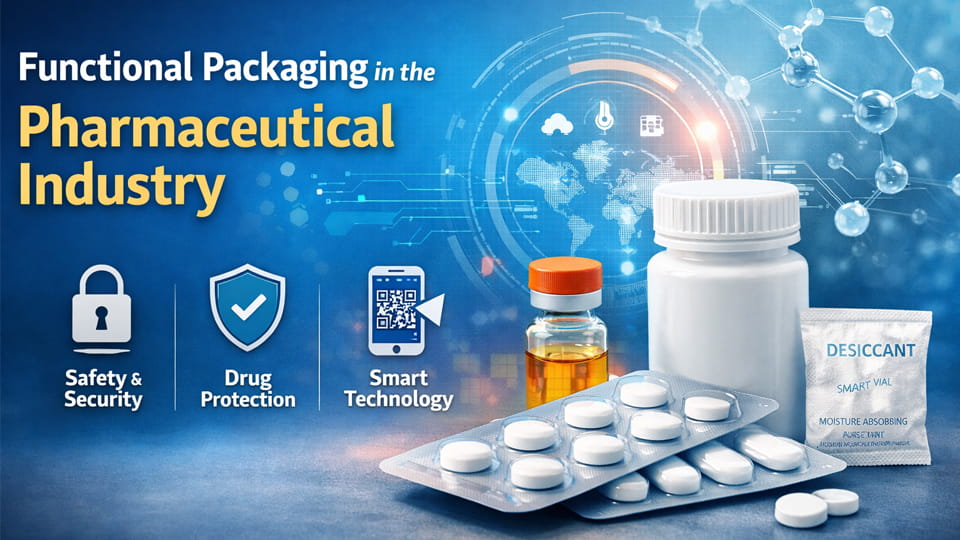
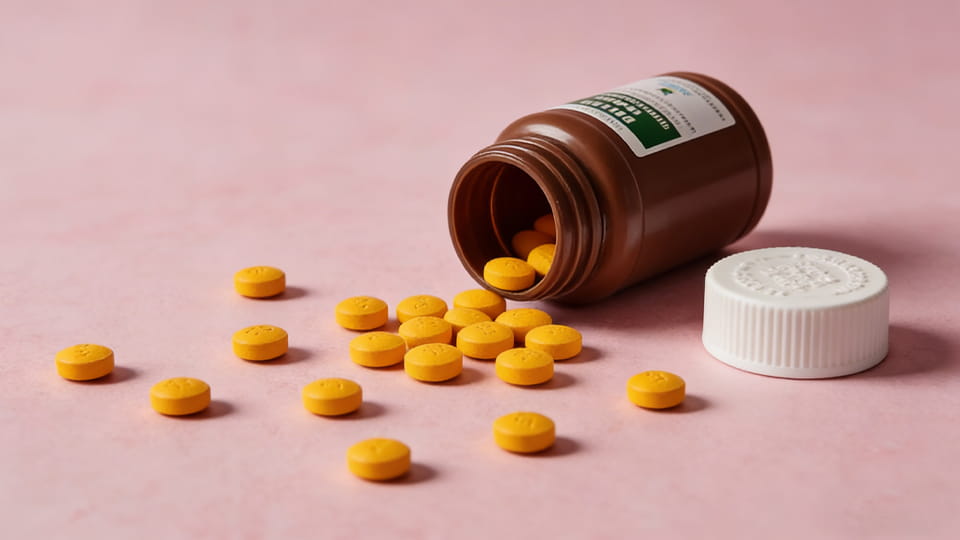
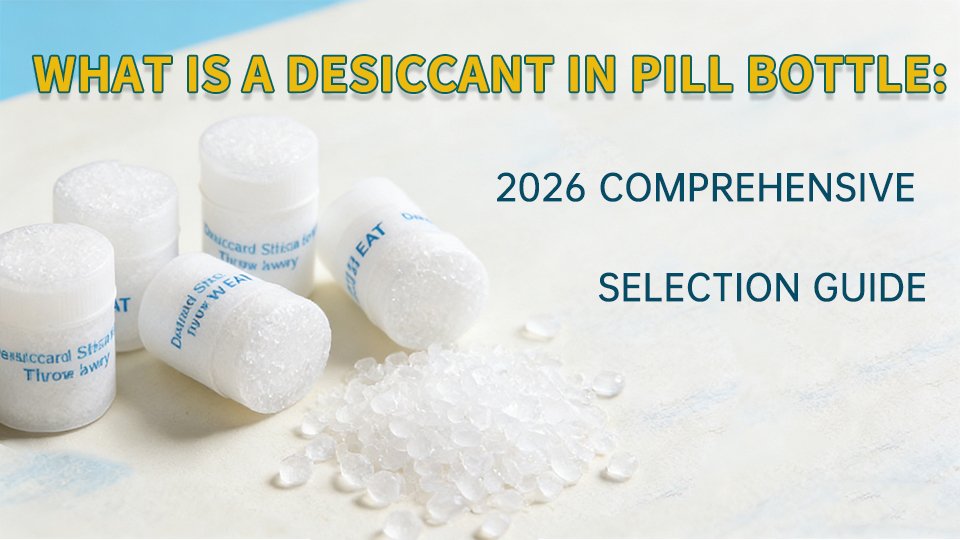
Bottiglie (HDPE or PET).The most ubiquitous packaging for supplements is plastic bottles with tamper-evident caps. Tablets are counted or dosed into bottles (often by an automatic tablet counting machine), then a hygroscopic desiccant is often added to each bottle to absorb moisture. High-density polyethylene (HDPE) bottles are popular for their excellent moisture barrier. PET bottles, which are clear and recyclable, are used when product visibility is a selling point. Bottles typically go through unscramblers, alimentazione, conteggio, capping and labeling stations (see table below).
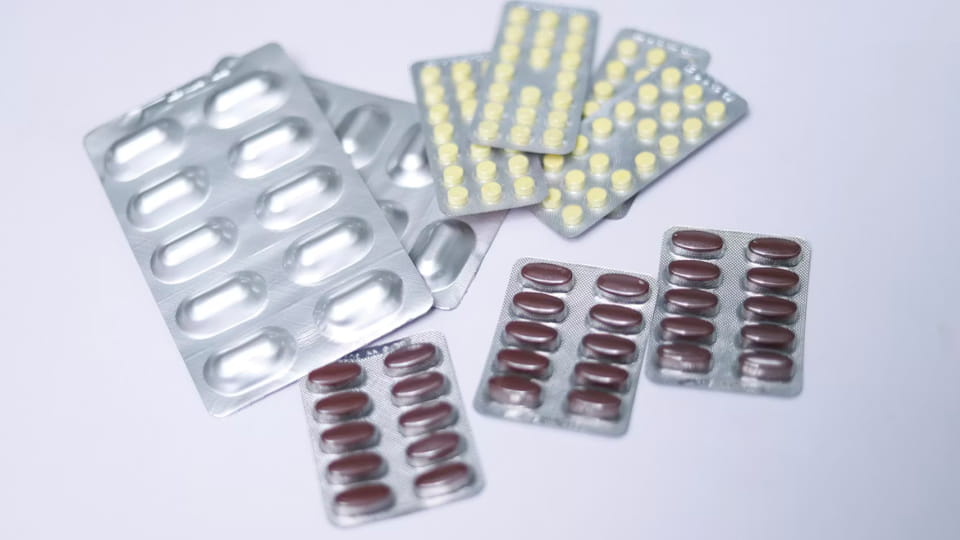
Pacchetti di blister (confezioni a strisce).Blisters have individual pockets for each tablet, sealed with a foil backing. Common materials include PVC (conveniente, moderate barrier) or alu-aluminum (high barrier against moisture/light). Blister packaging is ideal for dose-count per sheet (per esempio. 10×10 for a 100-tab supply). It provides unit-dose protection; if one tablet is removed, the others remain sealed. Blisters often come in cartons for retail sale. This format is used for shelf-stable tablets or tablets that must stay extra-dry. Modern high-capacity blister lines can form cavities, fill tablets, and seal and even carton them in one continuous line.
Tubes and sachets.For effervescent or powder-like formulations, aluminum tubes with moisture-proof liners are used (often with a desiccant cap). While not common for standard tablets, some chewables or effervescent vitamins use such packaging for extra protection.
Bottle and blister combinations.Some brands use bottles of blister cards or box sets combining blisters and bottles for promotional kits.
The table below summarizes typical packaging by dosage form:
Form
Typical Packaging
Compresse
Bottiglie (HDPE, ANIMALE DOMESTICO) or Blister packs (PVC, PVDC, Alu-Alu)
Capsule
Bottiglie, vesciche, or jars
Powders/Granules
Bustine, pacchetti di bastoncini, tubs or jars
Effervescent Tab.
Tubes with desiccant caps, barrier foil blisters
Gummies/Chews
Jars, resealable pouches, bottiglie
When designing a supplement packaging line, manufacturers incorporate several automated steps. A typical supplement bottling line includes:
Decodifica della bottiglia:Orients and feeds empty bottles onto the line.
Air Cleaning Station:Blows out dust from bottles.
Desiccant Insertion:Inserts small desiccant packets or cotton fill into each bottle (common for moisture control).
Macchina per il conteggio delle compresse:Precisely dispenses a set number of tablets or capsules into each bottle. Modern counters can handle 8 O 16 lanes at high speed.
Cap Feeding and Capping:Automatically places and tightens child-resistant caps. High-speed cappers can seal hundreds of bottles per minute.
Induction Sealing:An induction heater melts foil inner seals under caps for tamper evidence and freshness.
Etichettatrice:Applies self-adhesive labels on bottle sides or wraps labels 360°.
Cartoning/Secondary Packing (opzionale):Groups bottles into cartons via a cartoner or overwrapper for retail presentation.
For blister packaging lines, equipment usually includes a forming machine (to thermoform plastic trays), a tablet loader (for insertion), a heat or cold seal station (to apply foil), and a cutting unit (to cut individual blister cards). Advanced lines may integrate a cartoner. Per esempio, some high-capacity lines can package blister cards and carton them at rates up to 500 cartoni/min, thanks to features like servo-driven pick-and-place and continuous-motion sealing.
Video: Example of nutraceutical tablet bottle packaging (HDPE bottle with cap). Bottling lines use counters, berretti, sealers, labelers and cartoner. Choosing betweenbottle vs blisterdepends on factors like shelf life, costo, and consumer preference. Bottles are often used for vitamins taken daily (per esempio. a year’s supply in one jar), while blisters are used for monthly supplies (10–30 tablets) or travel packs.
How to Choose the Right Packaging Equipment
Selecting the right equipment for nutraceutical tablets depends on your production needs, product characteristics, e bilancio. Here are some key considerations:
Production volume and flexibility.Estimate your peak output. High-volume supplements (hundreds of thousands of tablets per day) benefit from automated rotary tablet presses and high-speed bottling lines. Smaller niche products may use semi-automatic or smaller-scale machines. If you plan many SKUs or formula changes, choose equipment with quick changeover capabilities. Modular systems (like interchangeable stuffing or sealing stations) allow faster format shifts. Come nota un esperto del settore, supplement lines often run smaller batches with more SKU changes, so quick-changeover is vital.
Material handling and tooling.Consider your tablet formula. If it contains hard minerals or fibers, you need robust tooling (PER ESEMPIO., tungsten-carbide punches) and feeders with strong agitation. Nutraceutical blends can be more abrasive than refined pharma powders, so consult machinery suppliers about “Nutra kits” or hard-coated components for tablet presses and filling equipment.
Regulatory compliance.Ensure machines meet at least dietary supplement GMP standards (for food-grade production). While supplement GMPs are usually less stringent than pharma, top manufacturers equip their lines with GMP-friendly features: smooth stainless steel frames, easy-clean parts, and optional sensors for traceability. If you aim to upgrade to higher standards later, pick machines that can add instrumentation or fully enclosed compression chambers.
Packaging format compatibility.Make sure your packaging line matches your chosen formats. Bottle lines, blister lines and tube lines are distinct. For bottles, confirm the line can handle your range of bottle sizes and cap types. For blisters, consider the film materials (PVC vs alu) and blister shapes. Many suppliers offer customizable lines – for example, Jinlu’s packaging offerings include fillers/counters and sealers that fit specific bottle dimensions.
Automation and integration.Modern packaging lines have advanced automation (vision systems for inspection, servo drives for precision, PLC controls for data capture). Decide how automated you want your line: do you need in-line weight checks on each bottle? Do you want automatic densitometer checks for foil seals? These features improve quality but add cost. A balance of automation can maximize efficiency while keeping budget in check.
Equipment supplier support.Work with reputable equipment manufacturers (like Jinlu Packing and others) who understand nutraceutical requirements. Check references for reliability and after-sales service. In the tablet press world, Per esempio, some manufacturers offer versatile machines (per esempio. the “ZP Series” tablet press by Jinlu) that can be adapted for both nutraceutical and pharma needs.
Total Cost and ROI.Remember to factor maintenance, energy use, and spares. A slightly slower but more durable machine might save money over time if it requires fewer repairs. Analyze your cost per tablet, including packaging, to ensure profitability at projected sales volumes.
By evaluating these factors – volume, conformità, flessibilità, and support – you can select the machines that fit your nutraceutical tablet operations. Whether expanding an existing line or building a new facility, the right combination of presses, rivestimenti, and packaging machines will keep tablets flowing efficiently from production to patient.
Conclusione
Nutraceutical tablets are a staple of the supplement industry, prized for their precise dosing and ease of use. In this guide we covered how these tablets are formulated and manufactured – from blending and compression to optional coating – and we reviewed the rigorous packaging needs they entail. Effective packaging protects sensitive nutrients from moisture, ossigeno e luce, meeting regulations with tamper-evident designs. Common packaging solutions include high-barrier blister cards and sturdy HDPE bottles, each produced on specialized lines with counters, berretti, and sealers.
Choosing the right equipment – from tablet presses to counting machines and bottling lines – is crucial. Look for machines built for the rugged characteristics of supplement powders and flexible production requirements. Consider factors like batch size, GMP standards, and product formats when planning your line.
For nutraceutical manufacturers and packaging managers, partnering with an experienced supplier can make all the difference. Looking for a reliable tablet packaging solution? Contact Jinlu Packing for customized nutraceutical supplement production and packaging lines. Whether you need a high-speed tablet press, a complete bottling line, or a turnkey blister packing system, Jinlu Packing’s expertise in tablet machinery can help you scale up safely and efficiently.
Ready to optimize your nutraceutical tablet production? Reach out to Jinlu Packing today for consultation and see how our tailored packaging equipment can meet your needs.
FAQs On Nutraceutical Tablet
What is a nutraceutical tablet?
A nutraceutical tablet is a solid dosage form made by compressing dietary ingredients such as vitamins, minerali, herbs, or bioactive compounds into a tablet. It is widely used in dietary supplement tablets due to its precise dosage, stabilità, e comodità per i consumatori.
What are the main uses of nutraceutical tablets?
Nutraceutical tablet uses include supporting overall health, improving immunity, enhancing digestion, boosting energy levels, and supplementing nutritional deficiencies. They are commonly used in preventive healthcare and wellness products.
How are nutraceutical tablets manufactured?
Nutraceutical tablet manufacturing typically involves several steps: raw material preparation, blending or granulation, compressione della compressa, optional coating, and quality testing. The tablet compression process is a key stage where powders are formed into solid tablets under pressure.
What is the difference between nutraceutical tablets and pharmaceutical tablets?
The main difference lies in formulation and regulation. Nutraceutical tablets contain natural or food-derived ingredients and are regulated as dietary supplements, while pharmaceutical tablets contain active drugs and must meet stricter medical regulations. Nutraceutical formulations are often more complex due to multiple active ingredients.
What types of nutraceutical tablets are available?
Common nutraceutical dosage forms in tablets include standard compressed tablets, compresse rivestite, compresse masticabili, compresse effervescenti, and multilayer tablets. Each type serves different consumer preferences and functional requirements.
Why is tablet form popular in supplement production?
Tablet form is popular in supplement tablet production because it offers accurate dosing, durata di conservazione più lunga, easy transportation, and cost-effective manufacturing. Tablets are also more stable compared to liquid or powder supplements.
What packaging options are used for nutraceutical tablets?
The most common tablet packaging solutions include: • Bottles (HDPE or PET) • Blister packaging for supplements • Sachets or stick packs (less common for tablets) Each option is chosen based on product stability, durata di conservazione, and marketing needs.
Why is blister packaging used for supplements?
Blister packaging for supplements provides individual sealing for each tablet, offering better protection against moisture, ossigeno, e contaminazione. It also improves dosage control and extends shelf life compared to bulk packaging.
What machines are used in nutraceutical tablet packaging?
A typical nutraceutical tablet packaging machine setup may include: • Tablet counting machine • Bottle filling system • Capping machine • Induction sealing machine • Labeling machine These machines are often integrated into a complete supplement packaging line for high efficiency and automation.
How do I choose the right nutraceutical tablet packaging equipment?
To choose the right equipment, consider production capacity, formato di imballaggio (bottle or blister), product characteristics, livello di automazione, e requisiti di conformità. A well-designed supplement bottling line or blister packing line should match your output goals and product stability needs.
Piccolo Fu, Fondatore di Jinlupacking, porta sopra 30 anni di esperienza nel settore delle macchine farmaceutiche. Sotto la sua guida, Jinlu è diventato un fornitore affidabile che integra la progettazione, produzione, e vendite. Petty condivide con passione la sua profonda conoscenza del settore per aiutare i clienti a destreggiarsi tra le complessità del packaging farmaceutico, assicurandosi che ricevano non solo attrezzature, ma una vera partnership di servizi one-stop su misura per i loro obiettivi di produzione.