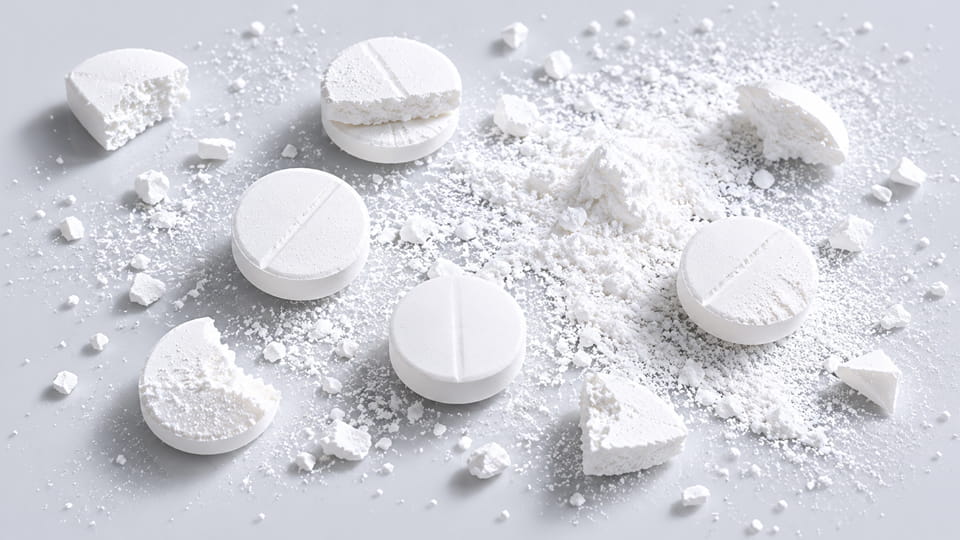

Mesin penghapus tablet sangat penting dalam lini produksi farmasi untuk menghilangkan kelebihan bubuk dan serpihan dari tablet segera setelah kompresi. Dengan pengadukan mekanis dan penyampaian tablet melalui baki berlubang dengan ekstraksi vakum, dedusters menghilangkan debu permukaan, memperbaiki penampilan tablet dan mencegah kontaminasi. Hal ini menjamin kualitas produk yang lebih baik, kepatuhan dengan standar GMP FDA/EMA, dan pemrosesan hilir yang lebih lancar (misalnya. pelapisan atau penyegelan lepuh). Penghilang debu modern (sering terbuat dari SUS304/316L baja tahan karat) mungkin berintegrasi detektor logam untuk debu ganda- dan pengendalian pengotor. Panduan ini menjelaskan cara kerja pengurang debu tablet, tipe utama mereka, manfaat, dan kriteria seleksi, dengan fokus pada solusi tingkat farmasi Jinlu Packing.
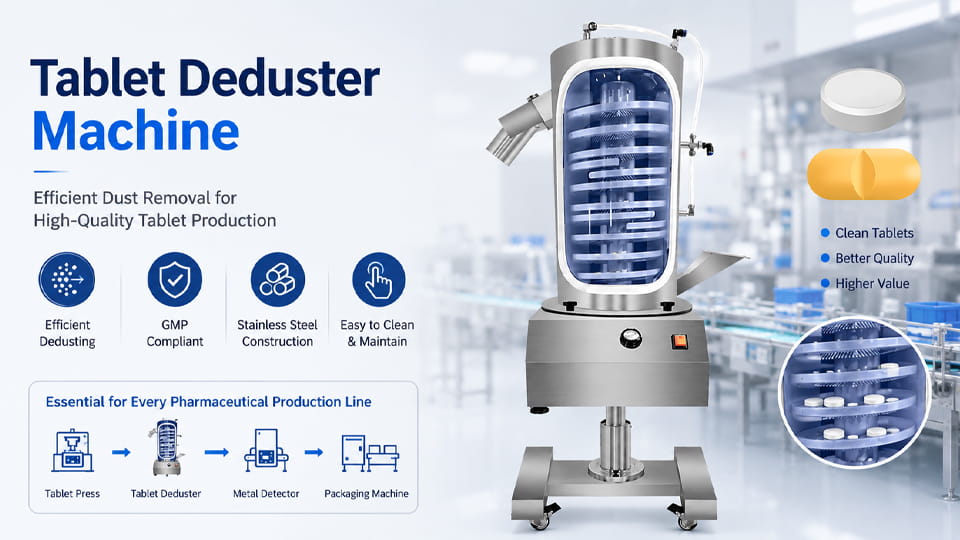
Deduster tablet adalah perangkat pembersih pasca-pers dalam pembuatan dosis padat. Biasanya dipasang di antara tablet tekan dan peralatan hilir (mesin pelapis atau pengemasan). Tugas deduster adalah memisahkan debu yang terlepas, pecahan, atau tablet di bawah standar sebelum dikemas. Dalam praktiknya, tablet jatuh dari mesin press ke dalam feed hopper deduster. Di dalam, mereka melewati baki atau layar berlubang yang bergetar. Getaran (atau konveyor heliks yang lembut) mengaduk tablet, mengguncang debu dan partikel kecil hingga bebas dari seluruh permukaan. Serentak, sistem vakum atau jet udara menarik bubuk yang keluar dari ruangan untuk dikumpulkan. Hasil akhirnya bersih, tablet bebas debu yang terus berlanjut.
Penghilang debu tablet dibuat dengan standar farmasi yang ketat: baja tahan karat kelas makanan (biasanya SUS304 atau SUS316L) konstruksi memastikan tidak ada kontaminasi. Seringkali mereka dilengkapi dengan baki dan penutup yang mudah dilepas untuk dibersihkan (Desain CIP/WIP) dan kontrol yang ramah pengguna. Beberapa model, seperti milik Jinlu Tablet Deduster dengan Detektor Logam, mengintegrasikan pemindai logam dalam modul yang sama. Mesin gabungan ini tidak hanya menghilangkan debu tetapi juga menolak tablet apa pun yang mengandung serpihan logam, menyediakan dua lapisan kontrol kualitas dalam satu unit kompak.
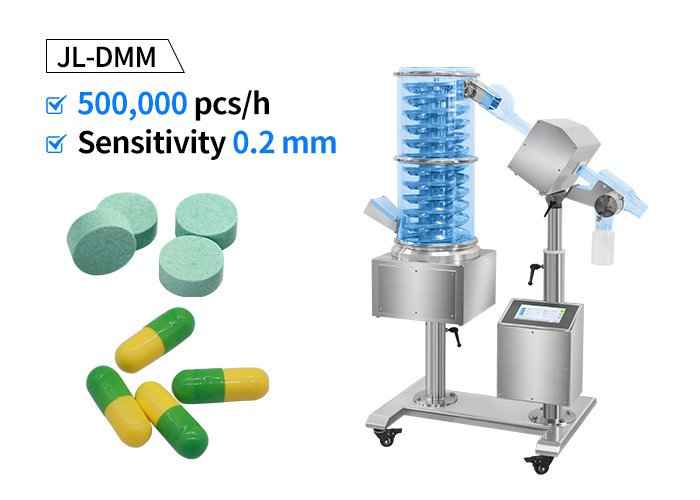
Angka: A mesin penghancur tablet (dengan detektor logam terintegrasi) menghilangkan kelebihan bubuk dari tablet setelah ditekan.
Proses dedusting umumnya melibatkan empat tahap:
Bersama, langkah-langkah ini menjaga integritas tablet sekaligus mencapai pembersihan menyeluruh. Mesin modern sering kali mencatat parameter operasi (kecepatan, tekanan vakum, data kesalahan) untuk memenuhi Bagian FDA 21CFR 11 persyaratan pencatatan elektronik.
[jl_youtube src=”https://www.youtube.com/embed/U1KbW9XeHK8″]
Penghilang debu tablet umumnya diklasifikasikan berdasarkan struktur pengangkutan dan metode penghilangan debu. Dalam manufaktur farmasi, tiga tipe utama adalah deduster horizontal, pengurang debu vertikal, dan deduster tipe kuas.
Penghilang debu tablet horizontal menggunakan pelat atau tabung berlubang yang bergetar untuk menggerakkan tablet ke depan sambil memisahkan debu dan partikel halus. Serbuk yang lepas jatuh melalui permukaan berlubang dan dihilangkan dengan sistem vakum.
Mesin-mesin ini memiliki struktur yang sederhana, biaya rendah, dan pengoperasian yang mudah, menjadikannya cocok untuk produksi skala kecil atau lini produksi tablet tradisional. Namun, mereka biasanya menawarkan waktu tinggal yang lebih singkat dan efisiensi penghilangan debu yang lebih rendah, terutama di lingkungan produksi berkecepatan tinggi. Persyaratan ruang lantai yang lebih besar juga membatasi integrasi dengan jalur pengemasan otomatis modern.
Penghilang debu tablet vertikal adalah jenis yang paling banyak digunakan dalam produksi farmasi modern. Mereka menggunakan getaran terkontrol untuk menggerakkan tablet melalui jalur spiral sambil terus menghilangkan debu dan gerinda.
Dibandingkan dengan mesin horizontal, deduster vertikal menyediakan jalur pengangkutan yang lebih panjang, kinerja penghilangan debu yang lebih baik, jejak kaki yang lebih kecil, dan integrasi yang lebih mudah dengan detektor logam, Mesin kemasan blister, dan jalur pengisian botol. Penghilang debu tablet vertikal umumnya dibagi menjadi dua subtipe:

Deduster tipe sikat menggunakan sikat berputar untuk membersihkan dan memoles tablet selama pengangkutan. Mereka cocok untuk yang rapuh, dilapisi, atau tablet halus yang memerlukan penanganan lembut dan penyelesaian permukaan yang lebih baik.
Meskipun sistem tipe kuas dapat meningkatkan tampilan tablet, mereka membutuhkan lebih banyak perawatan dan pembersihan karena keausan sikat. Untuk alasan ini, mereka terutama digunakan dalam aplikasi khusus daripada jalur produksi standar berkecepatan tinggi.
Hari ini, pengurang tablet vertikal yang dapat dibawa ke atas tetap menjadi pilihan utama bagi sebagian besar produsen farmasi karena efisiensinya yang tinggi, desain kompak, dan integrasi lini produksi yang mudah.
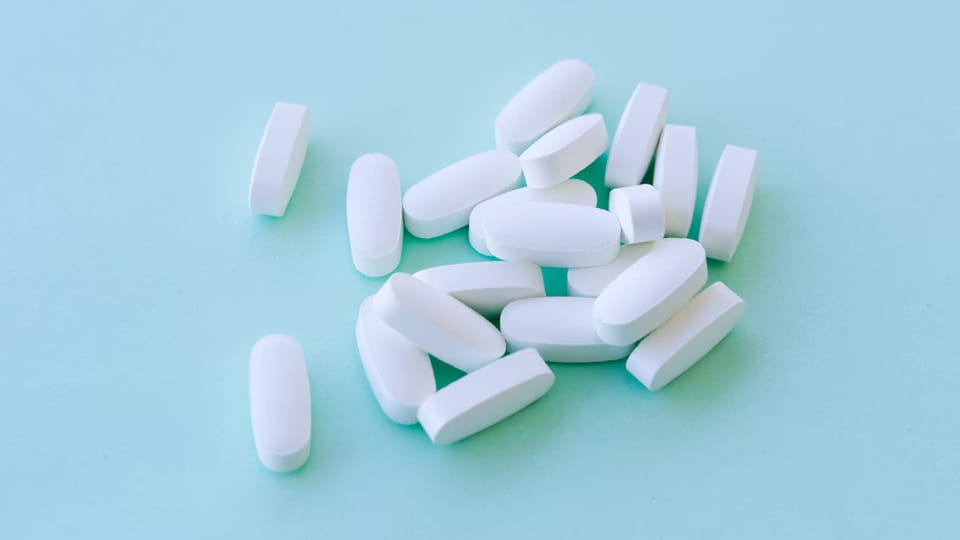
Penghilang tablet adalah a harus dimiliki untuk setiap lini produksi dosis padat modern karena secara langsung mendukung kualitas produk, keselamatan dan kepatuhan. Menghilangkan debu setelah kompresi tidak dapat dinegosiasikan untuk GMP. Seperti yang dijelaskan oleh salah satu pemandu, bahkan sedikit bubuk pun dapat merusak proses hilir – penghilangan debu “mencegah kontaminasi dalam operasi pengemasan, memastikan penyegelan lepuh yang tepat, dan menjaga penampilan produk”. Badan pengatur (FDA, Ema, CGMP) berharap peralatan seperti pengurang debu tablet memiliki desain yang higienis, dan debu itu ditampung atau ditangkap. Misalnya, deduster yang dibuat sesuai standar FDA menggunakan protokol pembersihan yang tervalidasi (WIP/CIP) dan segel yang aman sehingga debu obat yang kuat atau beracun tidak akan pernah keluar.
Selain itu, dedusters memenuhi tuntutan mesin press berkecepatan tinggi. Jinlu mencatat model saat ini mampu menangani hingga 100,000 tablet per jam sehingga dapat dengan mudah menandingi mesin press rotari tercepat sekalipun. Hal ini mencegah perlambatan produksi; deduster tidak akan menjadi hambatan throughput. nyatanya, dengan menggabungkan penghilangan debu dan deteksi logam (bila berlaku), mesin ini menghemat jejak saluran dan mengurangi risiko kontaminasi sekunder antar perangkat.
Akhirnya, tablet bersih meningkatkan hasil dan mengurangi limbah. Jika debu tertinggal di tablet, mereka mungkin tetap bersatu, salah timbang, atau memicu cacat pada lapisan atau melepuh. Penghapusan debu secara signifikan menurunkan tingkat penolakan dan keluhan pelanggan. Dengan menerapkan langkah QC “tablet bersih” terakhir, produsen menjaga konsistensi potensi tablet dan keselamatan pasien.
| Fitur | Deduster tablet | Pemoles Tablet |
| Fungsi Utama | Hapus debu lepas dan partikel halus dari tablet. | Poles atau buff permukaan tablet agar bersinar (seringkali melalui sikat atau kain yang berputar). |
| Penggunaan Khas | Dipasang segera setelah tablet ditekan, pra-pelapisan/pengemasan. Memastikan tablet bebas debu. | Digunakan setelah dedusting (atau sendirian) sebagai langkah finishing untuk pemolesan kosmetik. |
| Mekanisme | Baki getar atau layar spiral + ekstraksi vakum. | Memutar sikat atau sabuk abrasif menggosok permukaan tablet dengan lembut (dengan vakum minimal). |
| Koleksi debu | Vakum atau pengisapan integral menangkap bubuk yang dihilangkan. | Terbatas; terutama mendorong debu berlebih ke dalam drum pemoles. Kurang efektif dalam menangkap debu sepenuhnya. |
| Dampak pada Tablet | Membersihkan tablet tanpa mengubah bentuk; menolak tablet pecah. | Menghaluskan tepian dan menambahkan hasil akhir mengkilap; mungkin sedikit membulatkan sudut. Terutama peningkatan estetika. |
| Integrasi | Sejalan dengan lini produksi (sering kali dapat diatur ketinggiannya untuk ditekan). Opsi CIP/WIP tersedia. | Seringkali merupakan unit yang berdiri sendiri atau hilir; tidak selalu siap pakai GMP. |
| Manfaat | Memenuhi persyaratan pembersihan GMP, menjaga keakuratan berat badan. | Meningkatkan daya tarik visual; menghilangkan tanda permukaan kecil. |
Meja: Perbandingan tablet deduster dan pemoles. Dedusters terutama untuk menghilangkan debu dan mengontrol kualitas, sedangkan pemoles fokus pada penampilan. Sebagai akibat, deduster biasanya menyertakan sistem ekstraksi debu, sedangkan pemoles tidak.
Memilih deduster yang optimal bergantung pada kebutuhan proses Anda. Mempertimbangkan:
Dengan mempertimbangkan faktor-faktor ini—throughput, spesifikasi tablet, konstruksi, dan layanan—Anda dapat memilih deduster yang menjaga tablet Anda tetap bersih, aman, dan saluran Anda berjalan dengan efisien.
Penghilang debu tablet digunakan di semua industri yang membuat tablet terkompresi:
Dalam semua kasus, desain deduster serupa. Misalnya, Mesin Jinlu dapat menanganinya 3–25 mm tablet berbagai bentuk, menjadikannya serbaguna untuk siapa pun dosis padat garis. Entah itu obat penyelamat nyawa atau vitamin kompleks, deduster menjaga tablet tetap utuh dan bebas kontaminasi.

Jinlu Packing adalah produsen mesin pengemasan farmasi yang terpercaya, dan penghilang debu tablet kami mencerminkan pengalaman puluhan tahun. Alasan utama memilih Jinlu antara lain:
Untuk lebih jelasnya, lihat kami Tablet Deduster dengan produk Detektor Logam halaman, atau hubungi kami untuk penawaran khusus dan tata letak garis. Pakar kami dapat merekomendasikan sistem dedusting yang ideal (dengan atau tanpa deteksi logam) untuk memenuhi persyaratan kualitas dan anggaran Anda.
Penghilang debu tablet adalah investasi penting bagi produsen dosis padat mana pun. Dengan memastikan tablet meninggalkan permukaan pers bebas dari kotoran, dedusters melindungi kualitas produk dan keselamatan pasien sekaligus meningkatkan efisiensi produksi. Mereka membantu memenuhi standar peraturan yang ketat dan mengurangi penolakan atau penarikan kembali yang memakan banyak biaya. Dengan deduster yang tepat (terutama yang terintegrasi dengan detektor logam), tablet Anda akan lebih bersih, jalur Anda akan berjalan lebih lancar, dan produk akhir Anda akan memiliki kualitas yang lebih tinggi.
Jika Anda ingin meningkatkan saluran Anda, Pengepakan Jinlu menawarkan rangkaian lengkap peralatan penghilang debu dan penanganan tablet. Hubungi Pengepakan Jinlu hari ini untuk penawaran atau konsultasi – pakar kami dapat membantu mengonfigurasi Tablet Deduster yang ideal (dengan atau tanpa deteksi logam) untuk lini farmasi Anda. Pastikan produksi Anda memenuhi standar kualitas dan efisiensi tertinggi dengan solusi dedusting Jinlu yang telah terbukti.
Deduster menghilangkan kelebihan bubuk dan butiran halus dari tablet segera setelah kompresi. Langkah pembersihan ini mencegah debu mengkontaminasi tahap selanjutnya (seperti pelapisan atau terik) dan memastikan setiap tablet memiliki hasil akhir yang murni. Menghilangkan debu juga meningkatkan penyegelan pada kemasan melepuh dan mencegah partikulat terisi lepas dalam botol.
Ya. Penghilang debu tablet dirancang untuk ditempatkan sejajar dengan mesin press. Mereka biasanya ditempatkan tepat setelah saluran pembuangan mesin press. Banyak model yang memiliki dudukan yang dapat disesuaikan ketinggiannya atau konektor yang serasi sehingga dapat dipasang secara langsung. Pengaturan inline ini memungkinkan tablet mengalir langsung dari mesin press ke deduster tanpa transfer manual, yang menyederhanakan produksi.
Deduster tablet membersihkan tablet dari debu dan pecahan, sementara detektor logam memindai dan menolak tablet yang terkontaminasi logam. Mesin deduster/detektor logam gabungan Jinlu sebenarnya melakukan keduanya dalam satu unit. Dalam hibrida itu, sistem saringan deduster pertama-tama menghilangkan debu dan menolak tablet yang pecah, kemudian detektor logam di bagian hilir memeriksa tablet yang telah dibersihkan untuk mencari partikel logam.
Dedusters harus dibersihkan secara teratur sesuai GMP. Khas, baki atau filter pengumpul debu dikosongkan setiap hari. Bagian dalam (layar, nampan, dan hopper) harus dibersihkan atau disedot setidaknya setiap minggu. Banyak perusahaan melakukan pembongkaran dan pencucian penuh (WIP/CIP) bulanan atau di antara pergantian produk besar. Pabrikan sering kali menyarankan untuk membersihkan lubang yang berlubang dan memeriksa filter vakum setiap hari. Pemeriksaan pemeliharaan tahunan dan penggantian suku cadang (misalnya. motor getaran, segel) membantu menjaga efisiensi tetap tinggi.
Ya, deduster yang tepat dirancang untuk GMP. Mereka menggunakan bahan kelas farmasi (misalnya. SUS316L) dan prinsip desain higienis. Deduster yang patuh akan mulus, interior bebas las dan komponen yang dapat dilepas dengan cepat agar mudah dibersihkan. Pembersihan otomatis (WIP/CIP) tersedia pada model kelas atas untuk meminimalkan pembersihan manual. Semua langkah operasional (misalnya. pengaturan kecepatan, membersihkan log) dapat didokumentasikan untuk memenuhi audit. Penghancur Jinlu, Misalnya, memenuhi peraturan kualitas FDA/EMA dan mendukung Bagian 21CFR 11 pencatatan data saat dipasangkan dengan detektor logam.
Penghapusan debu pada tablet penting dilakukan karena sisa bubuk dapat mempengaruhi kualitas pelapisan, penyegelan lepuh, pengisian botol, dan penampilan produk. Hal ini juga membantu mengurangi risiko kontaminasi dan menjaga peralatan pengemasan hilir lebih bersih dan stabil selama produksi.
Ya. Mesin pengusir tablet modern biasanya dilengkapi pengaturan getaran yang dapat disesuaikan yang memungkinkan operator memproses tablet berlapis, tablet effervescent, tablet kunyah, dan bentuk tidak beraturan tanpa merusak permukaan produk.
Selain manufaktur farmasi, pengurang tablet juga banyak digunakan dalam nutraceutical, makanan, gula-gula, dan industri kimia untuk produk seperti tablet vitamin, tablet permen, tablet deterjen, dan suplemen herbal.
Referensi:
1.Panduan Memilih Dedusters Tablet Dalam Operasi Manufaktur Farmasi —— farmasionline.com
2.Menempel dan Memetik dalam Kompresi Tablet Farmasi: Tinjauan Konsorsium IQ —— Sains Langsung
3.Mengatasi Akumulasi Debu pada Pembuatan Tablet —— farmasi.com
4.Teknologi Farmasi Inc.: Deduster Ketat Debu —— Kemasan Layanan Kesehatan