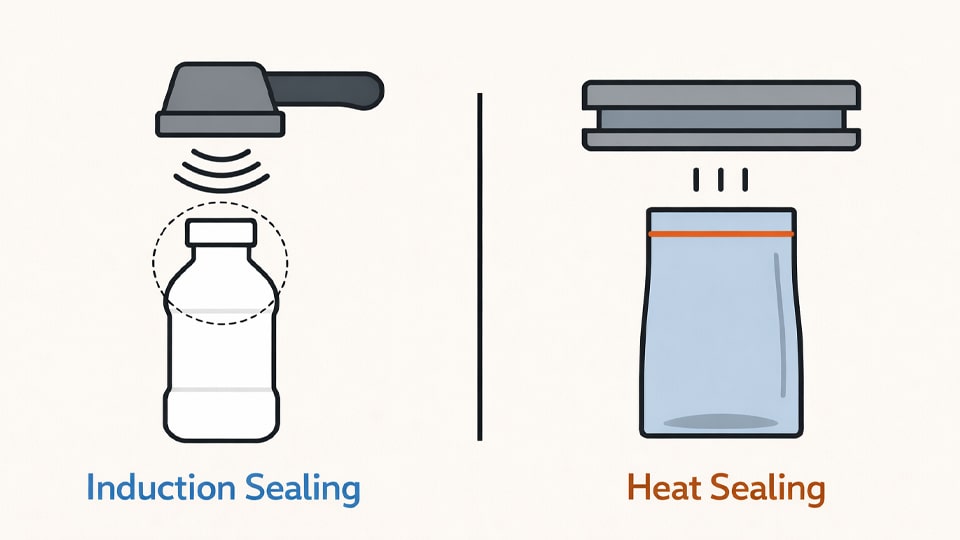

Saat membahas berbagai jenis segel botol yang tersedia, Anda mungkin sudah familiar dengan liner yang sensitif terhadap tekanan dan segel induksi panas; Namun, apakah Anda sepenuhnya memahami prinsip dasar di balik pengoperasiannya dan kinerja penyegelan yang berbeda?
Di industri farmasi dan kesehatan, pelapis yang peka terhadap tekanan dan segel induksi panas mewakili dua jenis segel botol yang paling umum. Bersama, kedua kategori ini berjumlah lebih dari 70% dari pasar pelapis tutup botol global.
Menentukan jenis segel tertentu yang paling cocok untuk produk tertentu merupakan tantangan yang harus dihadapi setiap produsen; belum, banyak produsen sering mengabaikan pentingnya memilih segel yang tepat untuk botol. Namun tahukah Anda jika Anda memilih pelapis yang peka terhadap tekanan saat mengirimkan botol berisi cairan melalui angkutan laut, hasilnya bisa berupa peti pengiriman kayu berisi cairan yang tumpah? Untuk membantu Anda menentukan segel mana yang merupakan pilihan optimal untuk produk Anda, artikel ini akan mempelajari secara mendalam perbedaan antara pelapis yang peka terhadap tekanan vs segel induksi panas, sekaligus menawarkan rekomendasi mengenai sealer induksi panas.
Poin Penting
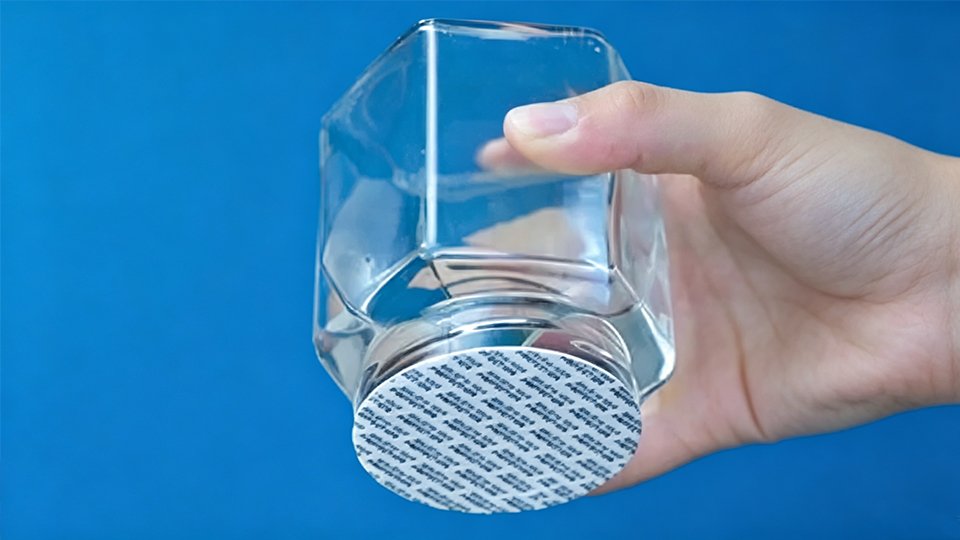
Liner yang peka terhadap tekanan menghasilkan segel tutup botol yang sempurna melalui penerapan tekanan. Mirip seperti catatan tempel, perlu ditekan dengan kuat agar dapat menempel pada permukaan, segel yang peka terhadap tekanan ini bergantung pada gaya yang diterapkan saat mengencangkan tutup botol.
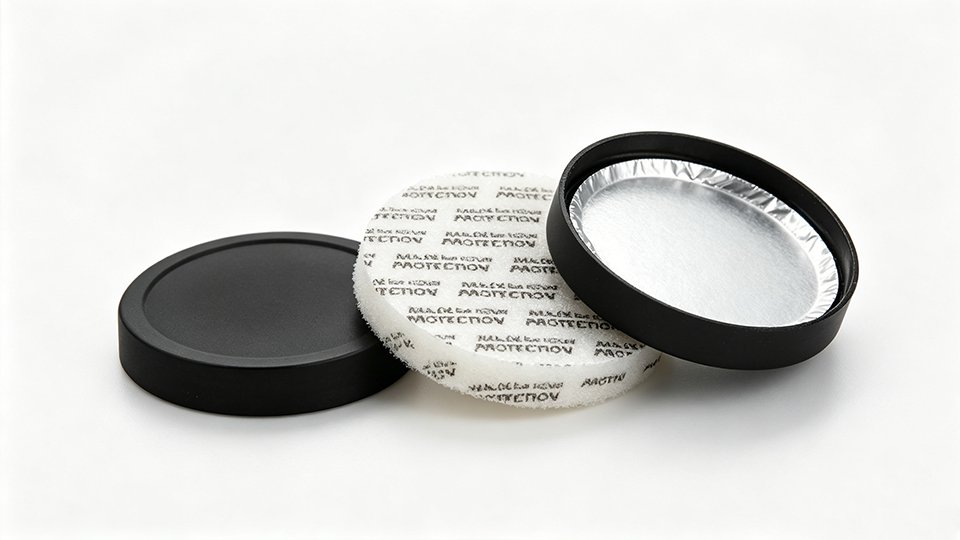
Khas, pelapis penutup ini terdiri dari pelapis busa yang dilapisi dengan perekat khusus; selama proses penyegelan tutup saat tutup botol dikencangkan, tekanan yang dihasilkan menyebabkan sisi perekat lapisan busa menempel kuat pada tepi wadah.
Karena mereka tidak memerlukan panas atau kondisi khusus lainnya, pelapis penutup yang sensitif terhadap tekanan ini biasanya digunakan dalam kemasan suplemen nutrisi kering, vitamin, dan obat-obatan padat. Untuk perlindungan dasar, tutup busa standar atau pelapis busa berfungsi dengan baik.
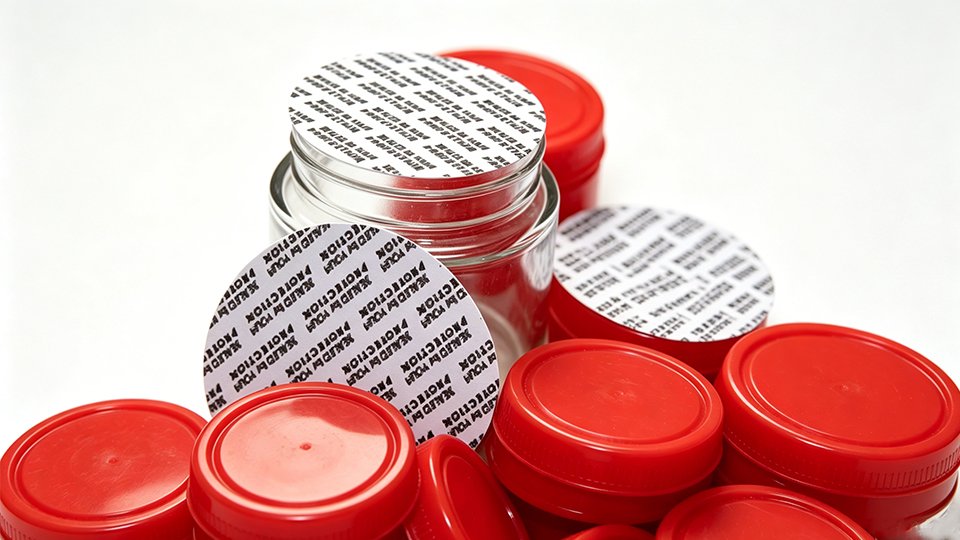
Meskipun metode penyegelan yang peka terhadap tekanan mudah diterapkan, produk ini tidak terlalu cocok untuk produk dengan persyaratan ketahanan kelembaban yang tinggi. Di sinilah metode penyegelan botol lainnya, penyegelan induksi, ikut bermain. Segel induksi memiliki struktur berlapis-lapis, biasanya terdiri dari alas karton, lapisan lilin, aluminium foil, dan film polimer. Dibandingkan dengan liner tutup segel tekanan, segel induksi panas ini memerlukan medan elektromagnetik yang kompleks untuk mengikat dengan aman ke wadah.
Prinsip kerjanya sederhana. Seperti tutup botolnya, yang berisi lapisan induksi panas foil khusus, lewat di bawah kumparan a penyegel induksi panas, medan elektromagnetik yang dipancarkan kumparan menembus tutup plastik, langsung memanaskan foil penyegel induksi. Panas ini melelehkan lapisan lilin dan lapisan film plastik pada kertas timah; lilin diserap oleh lapisan karton yang berdekatan, sedangkan film plastik yang meleleh berfungsi seperti perekat, mengikat erat foil ke bukaan botol untuk melengkapi segel.
Seluruh proses tidak memerlukan kontak dan tidak perlu melepas tutupnya, membuatnya cepat dan bersih. Banyak merek juga meningkatkan ke segel angkat dan kupas atau menggunakan lapisan segel induksi untuk memastikan kepercayaan konsumen yang maksimal.
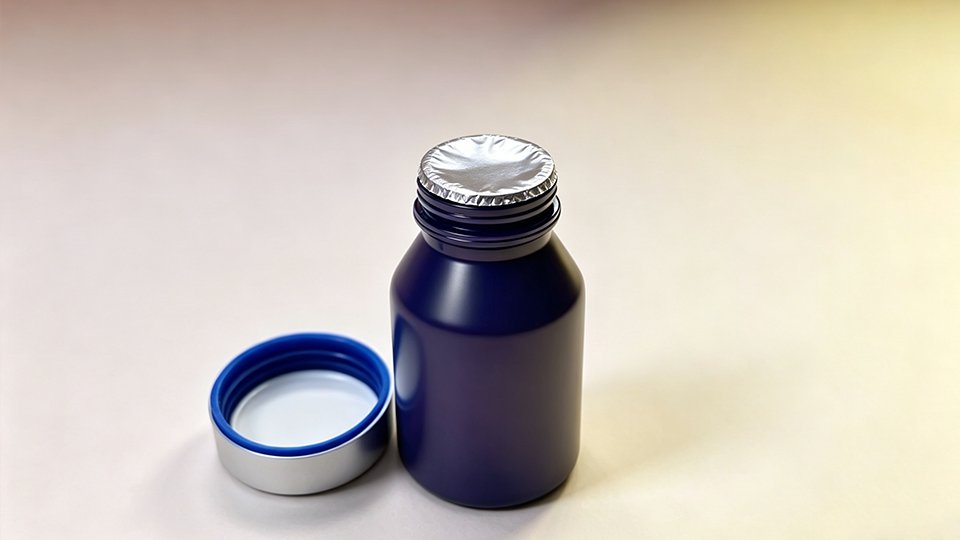
Peran penting segel botol dalam bidang farmasi dan nutraceutical tidak bisa dilebih-lebihkan. Untuk lebih memahami pelapis tutup botol mana yang sesuai dengan lini produksi Anda, berikut adalah tabel perbandingan komprehensif untuk menunjukkan perbedaan utama antara pelapis sensitif tekanan dan segel induksi panas.
Tabel 1-perbandingan antara pelapis sensitif tekanan vs segel induksi panas
| Faktor Perbandingan | Liner Sensitif Tekanan | Segel Induksi Panas |
| Kinerja Penyegelan | Cocok untuk barang kering | Bagus sekali (botol tertutup kedap udara) |
| Peralatan yang Dibutuhkan | Tidak ada | Mesin penyegel induksi panas |
| Bukti kerusakan | Rendah hingga Sedang | Tinggi (Meninggalkan residu foil penyegel induksi) |
| Lebih baik untuk | Bubuk kering, kapsul, pil | Cairan, bubuk sensitif, minyak |
| Kecepatan Produksi | Sedang | Sangat Tinggi |
Kinerja Penyegelan
Untuk memperpanjang umur simpan produk, penyegelan kedap udara sangat penting. Karena penyegelan tergantung pada tekanan, pelapis yang peka terhadap tekanan tidak memiliki keandalan segel induksi panas meskipun merupakan pilihan yang baik untuk produk kering.
Peralatan dan Investasi
Lapisan penutup yang sensitif terhadap tekanan tidak memerlukan belanja modal tambahan pada lini pengemasan; mesin capping standar melakukan semua pekerjaan. Sebaliknya, menggunakan segel induksi panas memerlukan investasi pada penyegel botol seperti penyegel induksi. Namun, sebagai skala produksi, ROI pada mesin induksi menjadi tidak dapat disangkal karena penurunan pembusukan secara drastis.
Bukti dan Keamanan Tamper
Di industri farmasi, keselamatan adalah hal yang sangat penting. Akibatnya, fitur anti rusak memungkinkan konsumen dengan cepat menentukan apakah suatu produk telah dibuka, sering mencari segel untuk pelindung botol. Sementara pelapis busa atau tutup busa dasar terkadang dapat dilepas dan diganti tanpa meninggalkan bekas kerusakan yang jelas, penyegelan induksi panas, sebaliknya, meninggalkan residu aluminium foil saat dibuka yang sulit dihilangkan. Untuk alasan ini, banyak produsen suplemen kesehatan dan obat-obatan kelas atas cenderung menyukai tutup segel induksi panas.
Kesesuaian Produk
Jika Anda mengemas kapsul kering, segel yang peka terhadap tekanan atau tutup busa dasar mungkin sudah cukup. Tapi untuk suplemen cair, sirup, atau bubuk yang sensitif terhadap kelembapan, liner induksi panas adalah pilihan yang lebih disukai.
Memilih antara pelapis yang sensitif terhadap tekanan vs segel induksi panas pada akhirnya berkaitan dengan berbagai faktor yang kompleks. Saat Anda perlu mengambil keputusan, Pertimbangkan situasi berikut ini:
Jika Anda adalah perusahaan startup yang mengemas vitamin kering atau dosis padat: Liner yang sensitif terhadap tekanan adalah pilihan yang lebih baik
Dengan memilih jenis cap seal ini, Anda menghilangkan kebutuhan untuk membeli a mesin penyegel induksi panas, sehingga secara signifikan mengurangi biaya produksi. Lebih-lebih lagi, bahan busa memberikan perlindungan yang sangat baik terhadap isinya, melayani fungsi bantalan yang efektif.
Jika Anda memproduksi obat-obatan cair atau sirup: Pilih segel induksi panas.
Cairan terkenal bocor selama transit. Segel induksi panas mengatasi masalah kebocoran ini dengan sempurna karena dipanaskan untuk menyatukan aluminium foil dengan mulut botol, sehingga menciptakan botol yang tertutup sempurna.
Jika Anda memproduksi nutraceutical (seperti probiotik atau minyak ikan): Pilih segel induksi panas.
Pakar teknologi pengemasan terkenal Dr. Sara Jenkins menekankan hal itu, saat menangani API yang mudah menguap, penggunaan teknologi pelapis induksi panas foil dapat memperpanjang umur simpan nutraceuticals yang efektif lebih dari 40% dibandingkan dengan kemasan tertutup lapisan busa standar.
Memilih pelapis tutup dan segel terbaik hanyalah langkah pertama, ada beberapa potensi masalah yang mungkin terjadi selama penyegelan. Jadi mari kita pelajari beberapa tantangan umum selama proses penyegelan tutup.
Torsi Batas Tidak Konsisten: Tutup yang terlalu longgar membuat lapisan penutup tidak dapat terpasang dengan benar, mengakibatkan tekanan penyegelan induksi tidak mencukupi dan kegagalan foil penyegel induksi untuk menempel pada botol.
Foil Terlalu Panas: Pengaturan yang tidak tepat pada penyegel induksi panas dapat menghanguskan segel botol, merusak segel induksi panas dan leher botol.
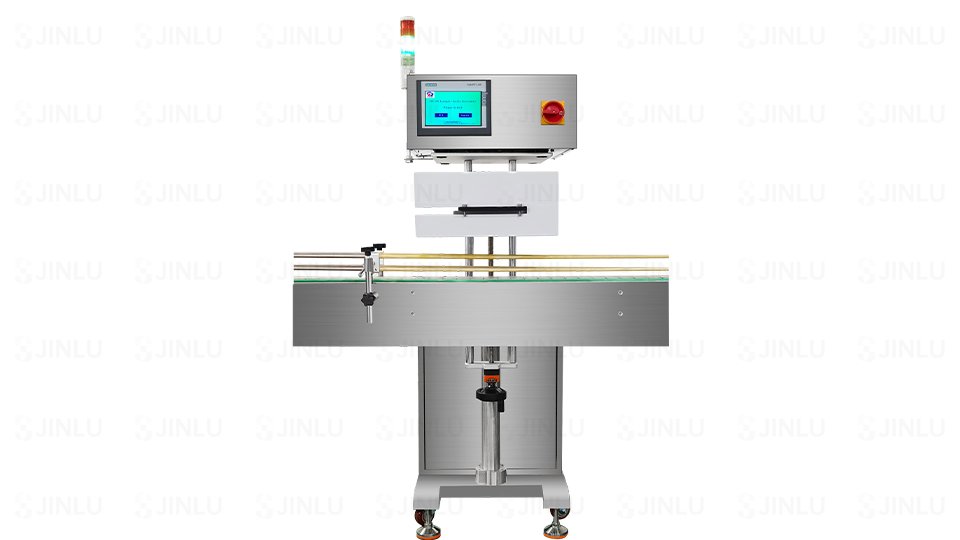
Tutup tidak sejajar: Tutup yang tidak sejajar mencegah segel induksi melakukan kontak yang seragam dengan botol, menyebabkan segel tidak lengkap dan potensi kebocoran.
Kecepatan Jalur Tidak Cocok: Jika kecepatan ban berjalan terlalu tinggi, botol menghabiskan cukup waktu dalam medan elektromagnetik, mencegah plastik segel tutup botol dan polimer meleleh sepenuhnya.
Solusinya terletak pada mesin presisi dan kalibrasi penyegel botol Anda yang tepat. Berikut adalah beberapa solusi praktis yang dapat membantu mengatasi tantangan tersebut:
Torsi Batas Tidak Konsisten: Tetapkan rentang torsi tertentu (MISALNYA., 15–25 inci-pon) dan verifikasi menggunakan penguji torsi digital. Jika tingkat torsi berfluktuasi secara tidak menentu, ingatlah untuk memeriksa kopling penutup secara teratur dari keausan atau kebocoran oli; jika tidak, tekanan ke bawah yang tidak stabil akan mencegah lapisan tutup segel menempel dengan aman.
Foil Terlalu Panas: Lakukan uji bertahap untuk menentukan tingkat daya minimum yang diperlukan untuk merekatkan liner induksi panas dengan benar. Gunakan alat pengukur untuk mengatur celah udara menjadi 3–5 milimeter untuk mencegah posisi kepala induksi terlalu dekat dengan tutup segel induksi. Jika pengaturan daya terlalu tinggi, atau jika celah udara terlalu kecil, foilnya mudah terbakar. Mulailah pengujian pada pengaturan daya rendah dan tingkatkan secara bertahap.
Tutup tidak sejajar: Sesuaikan rel pemandu dan roda bintang untuk meminimalkan ketidakstabilan botol. Memanfaatkan sensor penglihatan untuk secara otomatis mendeteksi dan menolak tutup yang bengkok atau terlalu tinggi sebelum memasuki zona penyegelan.
Kecepatan Jalur Tidak Cocok: Aktifkan fungsi kompensasi kecepatan agar mesin penyegel dapat menyesuaikan keluaran dayanya secara otomatis selaras dengan kecepatan ban berjalan. Pastikan setiap bahan pelapis tutup botol setidaknya tetap berada di bawah koil induksi 0.2 detik untuk memberikan waktu yang cukup bagi polimer untuk meleleh sepenuhnya.
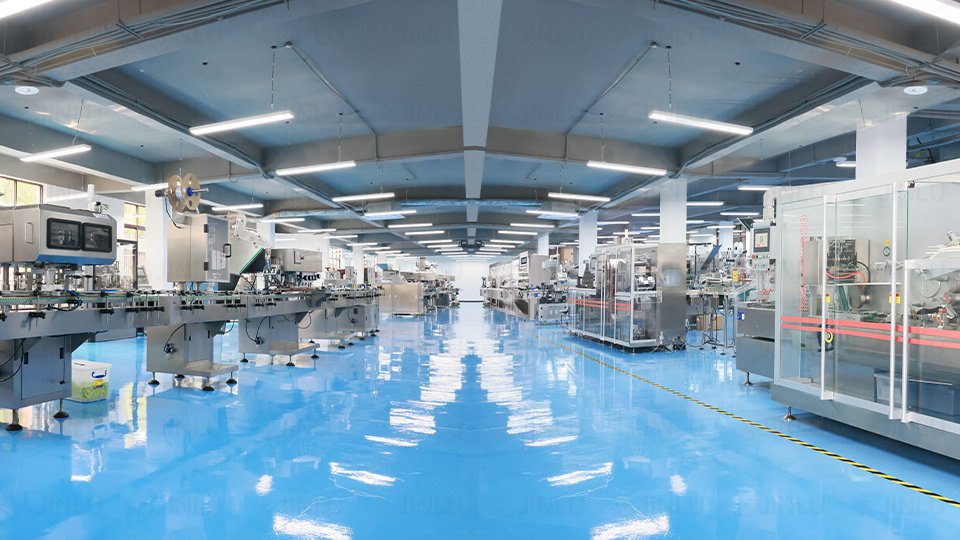
Didedikasikan untuk menyediakan peralatan dan solusi lini produksi yang luar biasa, Jinlu Packing telah bekerja sama erat dengan Fortune 500 raksasa farmasi seperti Robinson, UCB, dan Farmasi AS. Dengan bengkel dan mesin bersertifikasi ISO yang memiliki sertifikasi CE dan cGMP, Jinlu Packing telah bekerja sebaik mungkin untuk menghadirkan mesin dan layanan berkualitas tinggi.
Inilah cara Jinlu Packing mendukung lini produksi Anda:
Solusi Lini Produksi Khusus: Kami menyediakan solusi yang disesuaikan untuk memastikan mesin penyegel induksi Anda terintegrasi secara mulus dengan peralatan pembatasan dan pengisian yang ada, menangani semuanya mulai dari pelapis tutup silikon sederhana hingga pelapis induksi yang rumit.
Bahan yang sesuai dengan CGMP: Semua komponen mesin dan segel botol yang bersentuhan dengan botol telah disertifikasi memenuhi persyaratan ketat standar cGMP.
Layanan Komisioning Komprehensif: Kami menawarkan panduan jarak jauh dan layanan komisioning di tempat untuk memastikan operasi pembatasan dan penyegelan cap liner Anda berjalan lancar sejak hari pertama.
Dokumentasi Lengkap: Setiap mesin disertai dengan satu set manual lengkap, Dokumentasi FAT/SAT, dan video tutorial purna jual yang mendetail untuk memudahkan perawatan rutin peralatan segel induksi botol Anda.
Perdebatan mengenai pelapis sensitif tekanan vs segel induksi panas tidak pernah berakhir. Namun satu hal yang pasti adalah persyaratan kinerja penyegelan menentukan segel botol mana yang harus Anda pilih. Ingin botol Anda tersegel sempurna? Pengepakan Jinlu akan memberi Anda solusi yang komprehensif dan bijaksana, tidak hanya untuk mesin penyegel induksi panas, tetapi juga untuk garis.
Hal ini sangat tidak disarankan! Liner yang sensitif terhadap tekanan mengandalkan torsi tutup, yang mana cairan yang disegel oleh lapisan sensitif tekanan rentan bocor. Dalam kasus ini, segel induksi adalah pilihan favorit untuk membuat segel aman untuk botol pelindung.
Belum tentu, tapi topimu harus serasi. Mereka harus mampu menahan lapisan segel induksi rata pada bibir botol dan tidak boleh mengandung komponen logam apa pun yang dapat mengganggu medan elektromagnetik..
Sangat, jika integritas produk terancam. Tidak peduli untuk startup atau perusahaan besar, sealer induksi panas adalah suatu keharusan ketika produk memerlukan penyegelan kedap udara.
Industri ini membuat kemajuan besar! Banyak produsen pelapis topi kini mengembangkan pelapis induksi yang dapat didaur ulang dan menggunakan bahan yang lebih mudah dipisahkan dalam aliran daur ulang, selaras dengan tujuan keberlanjutan modern. Pasar cap liner terus berkembang untuk menawarkan segel botol yang lebih ramah lingkungan.
Referensi
[1] Penelitian Pandangan Besar: Pasar Penutupan Dan Penutupan (2026 – 2033)
[2] Strategi Pengemasan: Dampak Penyegelan Hermetik terhadap Umur Simpan Nutraceutical.
[3] Dunia Pengolahan Farmasi: Mengatasi Kemacetan pada Jalur Pengisian Cairan.