
Produksi kapsul dalam jumlah kecil biasa terjadi pada nutraceutical, suplemen herbal, uji klinis, R&D, uji coba dan kontrak manufaktur. Memilih yang benar Mesin pengisian kapsul sangat penting untuk menyeimbangkan biaya merek dan laboratorium tahap awal, fleksibilitas, Dan kepatuhan terhadap GMP. Berbeda dengan lini farmasi bervolume tinggi, operasi ini sering kali menangani proses terbatas, beberapa SKU, dan formula yang terus berkembang. Hak pengisi kapsul meningkatkan throughput dan konsistensi tanpa investasi berlebihan. Dibandingkan dengan pengisian tangan (nampan kapsul manual), sebuah mesin dapat melipatgandakan keluaran dari beberapa ratus hingga puluhan ribu kapsul per jam, sekaligus meningkatkan akurasi dosis. Namun otomatisasi hadir dalam berbagai bentuk. Beberapa produsen memulai dengan a pengisi kapsul manual (tidak diperlukan listrik, biaya rendah) atau a mesin pengisian kapsul semi otomatis (operasi yang dibantu) sebelum beralih ke otomatisasi penuh seiring bertambahnya volume. Panduan ini memotong jargon, menjelaskan cara mencocokkan mesin enkapsulasi jenis dan spesifikasi untuk kebutuhan batch kecil Anda.
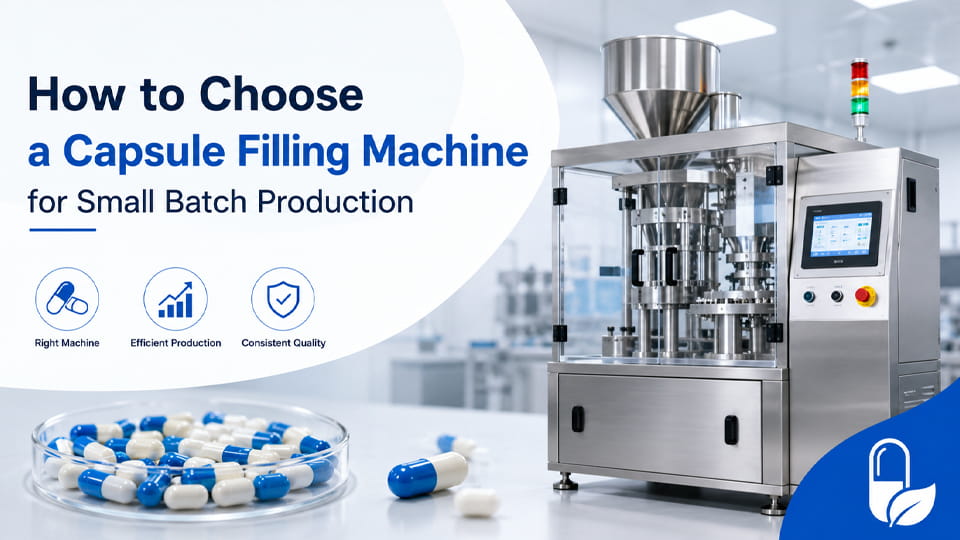
Mesin pengisian kapsul digunakan di seluruh bidang farmasi, suplemen, dan produk jamu, untuk bubuk, pelet, dan bahkan cairan. Kami akan mengeksplorasi kemampuan dan fitur desainnya untuk membantu Anda memutuskan mana yang tepat untuk skala Anda. Kami juga mencakup faktor peraturan seperti kebersihan GMP dan persyaratan operator, karena jalur kecil sekalipun harus memenuhi standar kualitas.
“Batch kecil” umumnya mengacu pada volume yang relatif rendah atau proses produksi yang fleksibel. Definisinya bermacam-macam, tetapi salah satu tolok ukur praktisnya adalah keluaran per putaran atau per jam. Misalnya, pengisi manual biasanya digunakan untuk batch yang sangat kecil (di bawah ~500 kapsul sekali jalan). Setelan mesin semi otomatis lari kecil-menengah (pada urutan 1,000–5.000 kapsul per jam). Pengisi otomatis dibenarkan ketika kebutuhan keluaran melebihi ~5.000–10.000 kapsul per jam. Aturan praktis ini sesuai dengan pengamatan industri: ketika permintaan harian naik diatas angka kasarnya 15,000 kapsul, banyak produsen meningkatkan peralatan dari manual ke semi-otomatis untuk memangkas biaya tenaga kerja.
Secara praktis, kita dapat mengkategorikan skala sebagai: R&Skala D/Lab (ratusan per hari), Batch Kecil (ribuan per hari), Menengah/Komersial (puluhan ribu per hari), Volume Tinggi (100k+ per jam). Produsen skala kecil sering kali menangani beberapa SKU atau mengubah formula, jadi mereka butuh fleksibilitas. Panduan ini berfokus pada peralatan manual dan semi-otomatis yang berkembang dalam rezim di bawah 50.000 caps/hari, sambil tetap menyentuh mesin otomatis jika Anda berencana untuk meningkatkannya.
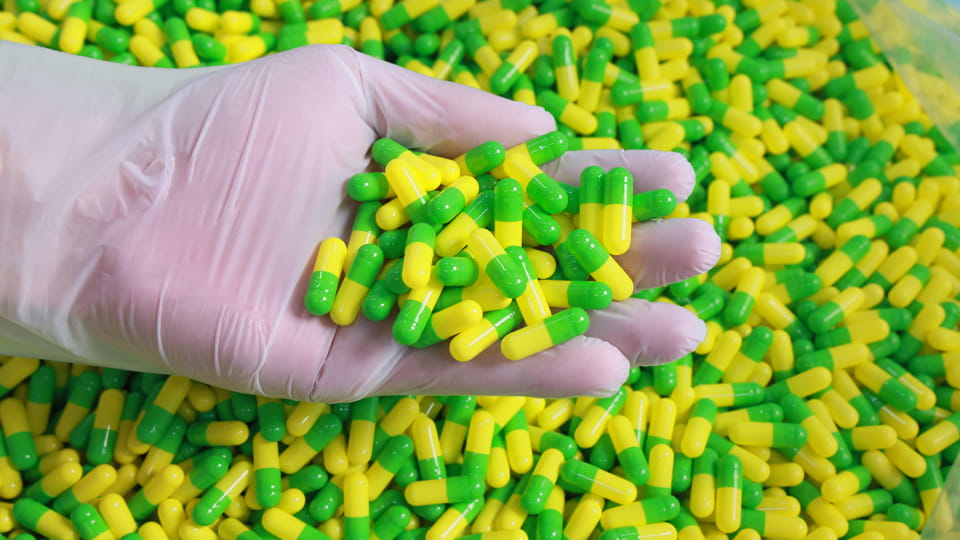
Mesin pengisi kapsul terbagi dalam tiga kategori besar: Manual, Setengah otomatis, Dan Sepenuhnya otomatis. Masing-masing memiliki trade-off kecepatan yang berbeda, biaya, tenaga kerja, dan kompleksitas. (Varian khusus ada, misalnya. pengisi kapsul cair atau enkapsulator softgel, tapi di sini kami fokus pada peralatan kapsul dua bagian yang keras.)
Pengisi kapsul manual (kadang-kadang dipanggil nampan kapsul atau pengisi piring) tidak memerlukan listrik dan menggunakan alat tamping sederhana. Operator menyebarkan bubuk di nampan badan kapsul, tamp dengan tangan, dan tutup dengan tangan.
Dalam ringkasan, pengisian manual sangat terjangkau dan mudah dipelajari, namun melebihi beberapa ratus kapsul sekali jalan, hal ini dengan cepat menjadi tidak praktis karena kelelahan dan ketidakkonsistenan operator.
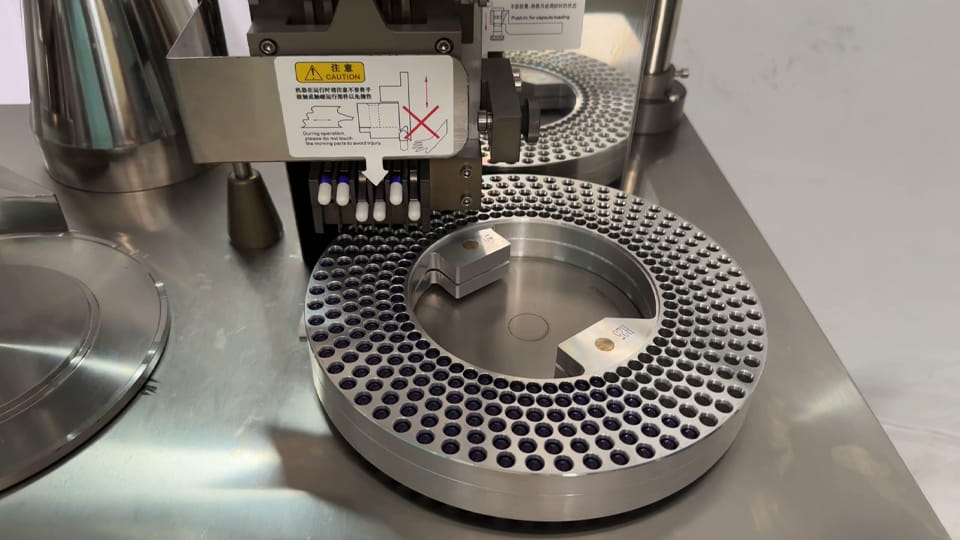
Pengisi kapsul semi-otomatis memadukan kendali operator dengan bantuan alat berat. Khas, seorang operator memasukkan kapsul kosong ke dalam hopper dan bubuk ke dalam sistem takaran, tapi mesinnya mengotomatiskan langkah-langkah penting seperti orientasi kapsul, isian, dan terkadang membatasi. Misalnya, banyak model menggunakan hopper kapsul bergetar dan vakum pneumatik untuk memisahkan dan menampilkan badan dan tutup kapsul, kemudian auger atau pin tamping memberi dosis bubuk, dan sistem mekanis mengunci kapsul.

Angka: Sebuah Jinlu CGNT-209 mesin pengisian kapsul semi otomatis, kompatibel dengan ukuran kapsul #000–#5 dan mampu menghasilkan ~40.000 kapsul/jam.
Pengisi kapsul sepenuhnya otomatis berfungsi setiap langkah terus menerus dengan keterlibatan manusia yang minimal. Mereka memuat kapsul kosong secara otomatis, memisahkan dan mengarahkannya, dosis bahan pengisi dengan tepat, gabungkan kembali bagiannya, memeriksa cacat, dan mengeluarkan kapsul yang sudah jadi. Mesin ini sering menggunakan meja putar yang rumit dengan banyak stasiun pemberian dosis.

Angka: Kecepatan tinggi Mesin pengisian kapsul otomatis (Jinlu NJP-3800D) diberi nilai ~228.000 kapsul/jam. Unit-unit ini menawarkan hasil yang tak tertandingi namun paling baik untuk produksi skala besar.
Pengisi Kapsul Cair (Catatan Khusus): Beberapa mesin kapsul dirancang untuk pengisian cairan atau minyak. Mereka menggunakan pompa mikro atau nozel untuk memasukkan cairan ke dalam kapsul cangkang keras. Mesin ini biasanya masih berputar dan dapat mencapai puluhan ribu per jam. Meskipun berharga untuk minyak dan suspensi, mereka membutuhkan pembersihan yang hati-hati dan seringkali khusus agar-agar atau kapsul HPMC untuk mencegah kebocoran. Kami akan fokus pada mesin pengisian bubuk kering di sini, tapi perlu diingat a mesin berkemampuan cair adalah sebuah pilihan jika formula Anda menuntutnya.
Dalam ringkasan, itu pilihan jenis mesin bergantung pada skala produksi dan anggaran Anda. Pengisi manual (<~500/hari) paling sederhana dan termurah; setengah otomatis (hingga ~40k/jam) melayani sebagian besar produsen kecil; dan mesin otomatis (>~50k/jam) adalah untuk kebutuhan dalam jumlah besar.
Saat mengevaluasi mesin pengisian kapsul, fokus pada spesifikasi dan fitur desain yang paling penting untuk produksi skala kecil. Faktor kuncinya antara lain:
Sesuaikan kecepatan alat berat dengan kebutuhan throughput Anda. Pengisi manual hanya menghasilkan beberapa ratus hingga beberapa ribu kapsul per jam. Mesin semi-otomatis melonjak hingga puluhan ribu: banyak model berjalan 10,000–40.000 tutup/jam dalam penggunaan terus menerus. Peralatan yang sepenuhnya otomatis melampauinya 100,000 kapsul/jam.
Menjaga ruang kepala adalah hal yang bijaksana: jika permintaan bisa berlipat ganda, pertimbangkan model yang lebih cepat atau model dengan peningkatan modular. Namun hindari ukuran yang berlebihan (lihat Kesalahan di bawah).
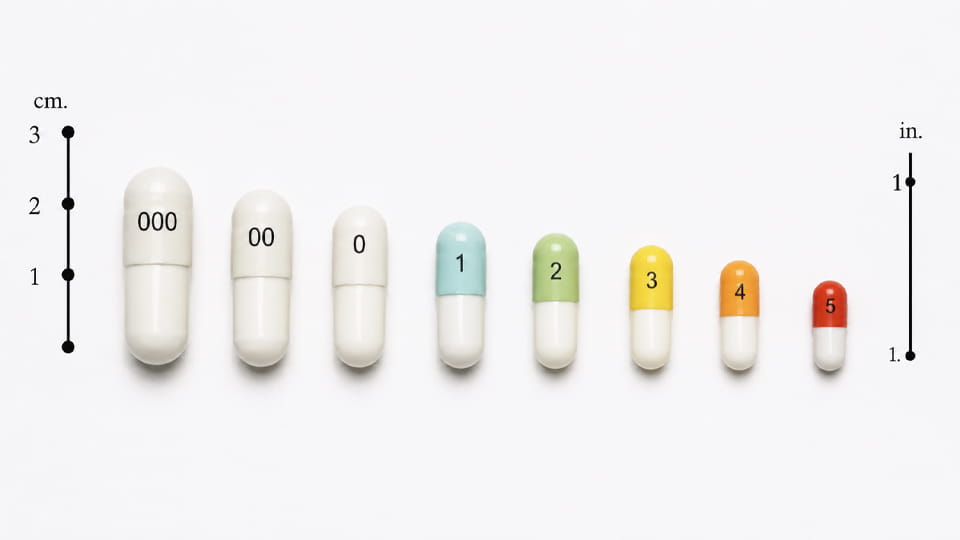
Pengisi Anda harus menangani ukuran kapsul kamu gunakan. Kapsul keras berkisar dari 000 (terbesar) ke 5 (terkecil). Nutrisi dan farmasi sering digunakan #00, 0, 1, 2, dll.. Pastikan mesin mendukung ukuran Anda di luar kotak.
Fleksibilitas ukuran sangat penting bagi produsen kecil yang memiliki banyak produk. Dalam panduan pembeli, Jinlu mencatat bahwa kompatibilitas multi-ukuran merupakan nilai tambah yang besar, menghemat biaya dan ruang.
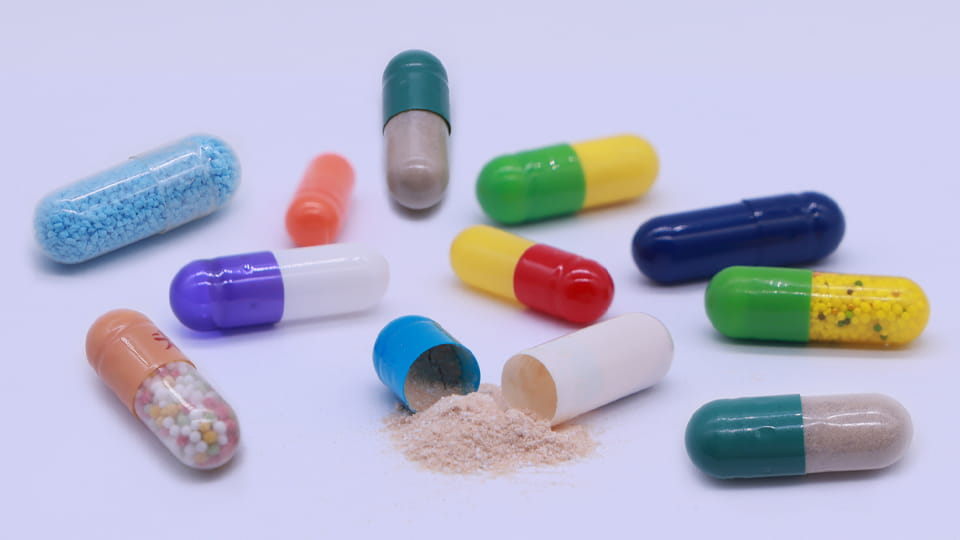
Bahan pengisi kapsul sangat bervariasi alirannya, kepadatan, dan lengket. Mesin Anda harus menangani bubuk atau butiran spesifik yang Anda gunakan.
Pendeknya: tanyakan kepada vendor apakah mereka telah mengisi formula seperti milik Anda, dan pertimbangkan untuk meminta contoh uji coba atau demonstrasi jika memungkinkan.
Berat pengisian yang akurat tidak dapat dinegosiasikan dalam produksi kapsul. Carilah mesin dengan kontrol dosis yang tepat:
Selalu minta data atau testimoni tentang konsistensi pengisian. Bahkan kesalahan kecil pada berat kapsul dapat berarti produk di luar spesifikasi. Ingat, mempercepat tidak boleh mengorbankan akurasi – alat berat terbaik menyeimbangkan kecepatan tinggi dengan kontrol yang ketat.
Produksi farmasi/suplemen menuntut kebersihan dan pengendalian kontaminasi:
Untuk produsen kecil, waktu henti untuk urusan pembersihan. Mesin yang sulit dibersihkan akan memperlambat produksi dan berisiko menyebabkan kontaminasi silang. Membuat kebersihan merupakan faktor pembelian utama.
Menilai elemen manusia:
Pendeknya, bandingkan total biaya tenaga kerja (upah + atas) versus biaya mesin. Ingatlah bahwa mesin semi-otomatis melakukan upaya operator perdagangan untuk belanja modal.
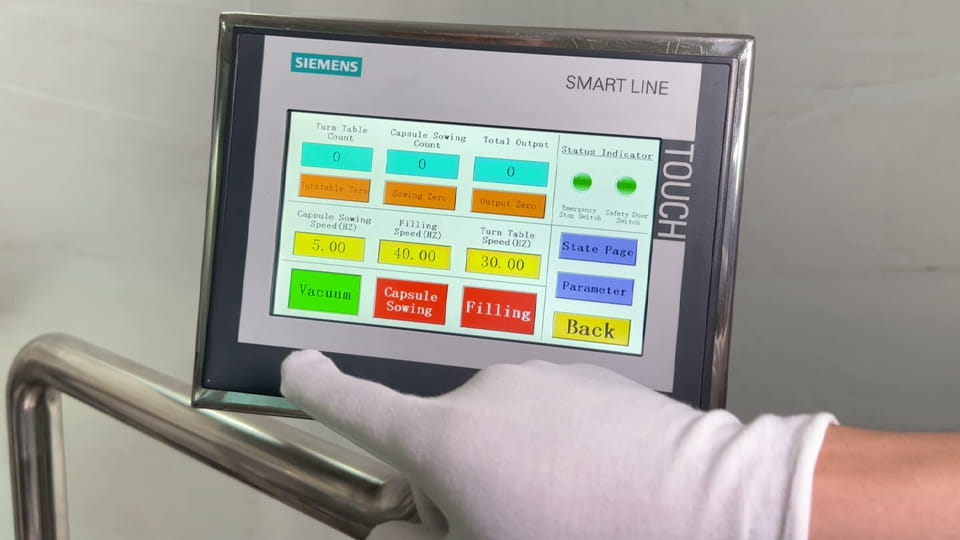
Bahkan untuk jumlah kecil hari ini, berpikir ke depan:
Berencana untuk tumbuh dengan anggun. Banyak perusahaan kecil yang melampaui ukuran pengisi kapsul pertama mereka; memilih yang memiliki jalur peningkatan atau membeli sedikit lebih besar dari kebutuhan saat ini menghemat biaya di ujung jalan.
| Fitur | Pengisi Kapsul Manual | Pengisi Semi-Otomatis | Pengisi Otomatis |
| Investasi Khas | Sangat rendah (ratusan $) | Sedang (~$5.000–$20.000+) | Tinggi (enam angka) |
| Keluaran (kapsul/jam) | 500–2.000 (Max) | 10,000–40.000 (jangkauan stabil) | 30,000+ ke 200,000+ |
| Dibutuhkan Tenaga Kerja | Tinggi (satu orang per nampan) | Sedang (1 operator per mesin) | Rendah (1–2 operator per baris) |
| Keterampilan Pengguna | Sangat rendah | Sedang (beberapa pelatihan) | Tinggi (memerlukan pelatihan teknis) |
| Ketepatan & Konsistensi | Variabel (bergantung pada operator) | Bagus (diatur oleh mesin) | Bagus sekali (kontrol ketat) |
| Kepatuhan terhadap GMP | Dasar (nampan terbuka, akrilik) | Bagus (dosis tertutup, bagian SS) | Bagus sekali (tertutup sepenuhnya, SS316) |
| Terbaik untuk | R&D, laboratorium, hobi, <500/hari | Pabrik kecil-menengah (~ribuan/hari) | Produksi skala besar (>100k/jam) |
| Contoh Produk | Nampan tangan, 300/400-pelat lubang | Jinlu CGN-208D (30k/jam), CGNT-209 (40k/jam) | Jinlu NJP-3800D (228k/jam) |
Untuk sebagian besar startup suplemen atau farmasi skala kecil, A mesin pengisian kapsul semi otomatis mencapai titik manis. Mesin ini harganya jauh lebih murah dibandingkan mesin otomatis besar namun memberikan kecepatan dan konsistensi yang jauh lebih tinggi dibandingkan metode manual. Semi-otomatis (30–40k batas/jam) dapat menangani kebutuhan produksi yang terus meningkat tanpa menguras tenaga kerja karena pengisian manual. Mereka juga cenderung memenuhi persyaratan desain GMP (bagian tahan karat, hopper tertutup) penting bagi produsen pertama kali.
Pengisi manual masih punya tempat jika volume Anda sangat rendah (formula peracikan khusus atau formula khusus) atau anggaran menjadi kendala utama. Namun waspadai titik kritisnya: seperti catatan JinluPacking, sekali keluaran harian melebihi ~15.000 kapsul, biaya tersembunyi dari manual (mengolah lagi, lembur) sering kali membuat mesin semi-otomatis membayar sendiri.
Mesin otomatis biasanya melebihi kebutuhan startup; hanya pertimbangkan jika Anda memperkirakan penskalaan yang sangat cepat atau sudah memiliki kontrak bervolume tinggi. Misalnya, produsen kontrak yang melayani banyak klien mungkin membenarkan unit otomatis kecil (<$50k) atau mesin bekas untuk memenuhi pesanan dalam jumlah besar.
Dalam ringkasan: Manual untuk si kecil, batch sesekali; Semi-Otomatis untuk sebagian besar perusahaan yang sedang berkembang; Otomatis untuk volume tinggi. Bicarakan dengan pemasok tentang perkiraan Anda—beberapa mungkin menyarankan model tingkat menengah. Jinlupacking, misalnya, mendorong bisnis untuk “meningkatkan” lini semi-otomatis mereka untuk mencapai sasaran produksi tingkat berikutnya.
Hindari jebakan ini dengan mencocokkan mesin secara hati-hati milikmu rencana produksi dan bekerja sama dengan pemasok terkemuka yang dapat memandu Anda. Seperti yang disimpulkan oleh salah satu pemandu Jinlu, keputusan ini harus berupa kemitraan – pilih peralatan yang sesuai berkembang bersama bisnis Anda.
Memilih mesin pengisian kapsul adalah keputusan penting bagi produsen skala kecil mana pun. Ini akan mempengaruhi efisiensi Anda, kualitas produk, dan skalabilitas. Meringkas poin-poin penting:
Terpenting, bekerja dengan pemasok berpengalaman dan mencari referensi atau studi kasus (Situs Jinlu menawarkan berita Dan studi kasus) saat menyelesaikan pilihan Anda. Dengan mesin yang tepat, produksi kapsul skala kecil Anda akan berjalan lancar, menghasilkan konsisten, kapsul berkualitas tinggi yang memenuhi peraturan dan menyenangkan pelanggan Anda.
Untuk sebagian besar skenario skala kecil, pengisi kapsul semi-otomatis menawarkan keseimbangan terbaik antara biaya dan kinerja. Ini memberikan throughput yang tinggi (~30k–40k batas/jam) tanpa mengorbankan jalur otomatis penuh. Pengisi manual hanya optimal untuk volume yang sangat kecil (puluhan hingga beberapa ratus kapsul). Mesin yang sepenuhnya otomatis umumnya ditujukan untuk operasi bervolume tinggi.
Pengisi kapsul manual umumnya TIDAK direkomendasikan melebihi skala yang sangat kecil atau R&D gunakan. Mereka tidak memiliki kecepatan dan konsistensi yang dibutuhkan untuk menjalankan komersial. Pengalaman industri menunjukkan bahwa kebutuhan keluaran melebihi beberapa ribu kapsul per hari, pengisian manual menjadi hambatan. Untuk kualitas dan efisiensi yang konsisten dalam lingkungan produksi, disarankan untuk meningkatkan ke pengisi semi-otomatis.
Kebanyakan mesin kapsul keras menerima ukuran kapsul 000 (terbesar) hingga 5 (terkecil). Ukuran umum dalam nutraceuticals adalah 00, 0, 1, Dan 2. Misalnya, baik mesin semi-otomatis dan otomatis dari Jinlu mencakup semua ukuran #000 melalui #5. Periksa spesifikasi produk untuk memastikannya; peralihan ukuran biasanya memerlukan penggantian baki pengisi atau cetakan, tetapi banyak desain yang membuat perubahan ini cepat.
Pengisi kapsul terkemuka untuk penggunaan farmasi dibuat sesuai standar cGMP. Mereka biasanya menampilkan rangka baja tahan karat SUS304/316, ruang dosis tertutup, dan permukaan halus agar mudah dibersihkan. Carilah sertifikasi CE/FDA atau klaim kepatuhan cGMP. Mesin dari pemasok berkualitas (seperti JinluPacking) dirancang dengan sudut membulat, kandang yang higienis, dan sering kali disertai dengan dukungan validasi. Selalu verifikasi bahan dan desain terhadap persyaratan GMP.
Mesin otomatis cenderung memiliki akurasi tertinggi (seringkali dalam ±1–3% dari berat target) karena sistem auger yang presisi dan kontrol umpan balik. Semi-otomatis biasanya mencapai presisi yang serupa atau sedikit lebih rendah. Pengisian manual memiliki variasi paling banyak (bergantung pada operator). Jika dosis yang tepat sangat penting, pilih mesin dengan sistem takaran penyesuaian halus dan pertimbangkan model dengan pemeriksaan berat in-line. Selalu tanyakan kepada vendor tentang data variasi berat yang khas.
Minimal, memiliki penghitung kapsul yang akurat dan pengujian kepatuhan (misalnya. pemeriksaan berat badan, penguji disintegrasi). Anda mungkin juga memerlukan kemasan melepuh atau botol, sealer, dan mesin pelabelan. Jinlu menawarkan mesin penghitung kapsul dan pengepakan melepuh, Misalnya. Jangan lupakan perlengkapan HSE (masker debu, penyedot debu) untuk menangani tumpahan bubuk apa pun.
Spesifikasi (misalnya. “100.000 kapsul/jam”) sangat bergantung pada kondisi. Selalu minta tes penerimaan pabrik (GEMUK) atau sampel dijalankan menggunakan kapsul dan bubuk Anda yang sebenarnya. Tes di dunia nyata ini adalah cara paling pasti untuk memastikan kapasitas, ketepatan, dan kompatibilitas. Merupakan praktik standar bagi pemasok terkemuka untuk mengizinkan pengujian pembeli sebelum pembelian akhir.
Referensi:
1. Bentuk Dosis Produsen Obat cGMPs (10/93) -- KITA. Badan Pengawas Obat dan Makanan
2.Informasi Obat – Pedoman Pembuatan Kapsul -- SIAPA
3.Pengisian bubuk menjadi dua bagian kapsul keras —— Perpustakaan Kedokteran Nasional
4.Investigasi berbagai faktor yang mempengaruhi enkapsulasi pada mesin pengisian kapsul otomatis dalam tutup —— Perpustakaan Kedokteran Nasional