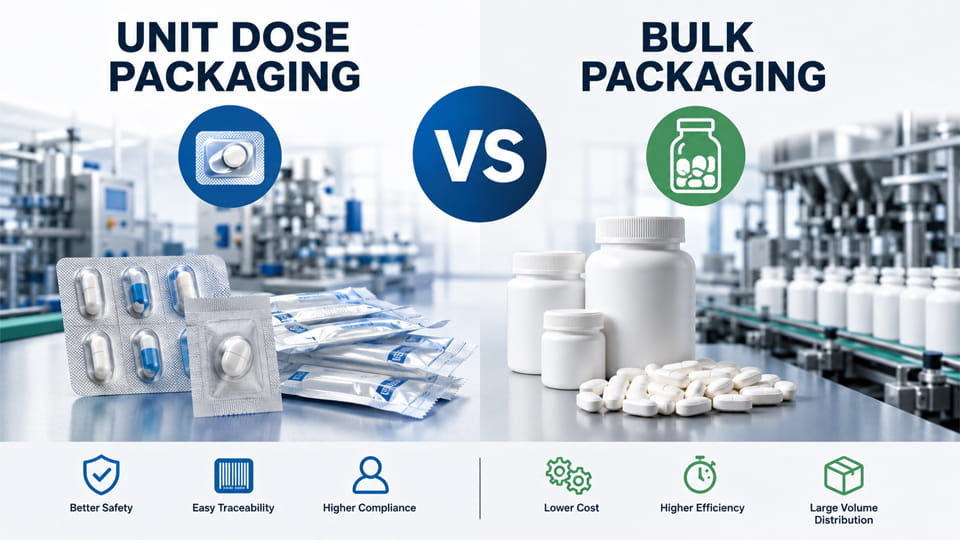

Kesalahan pengobatan dan ketidakpatuhan merupakan masalah utama dalam layanan kesehatan. Dosis yang tidak diatur dengan baik dapat menyebabkan dosis terlewat atau dosis ganda, mengurangi efektivitas pengobatan, dan bahkan risiko keselamatan. Kemasan memainkan peran penting dalam membantu pasien meminum pil yang tepat pada waktu yang tepat. Paket blister Dan polong (penyelenggara pil) kotak adalah dua sistem pengemasan populer yang dirancang untuk mengatur dosis dan meningkatkan kepatuhan. Sedangkan keduanya bertujuan membantu pasien meminum obat dengan benar, mereka bekerja dengan cara yang sangat berbeda. Paket Blister disegel, buatan pabrik, paket dosis tunggal sering digunakan dalam pengeluaran farmasi dan produksi massal; Kotak dosis adalah pengatur multi-kompartemen yang dapat digunakan kembali yang diisi oleh pasien atau apoteker. Masing-masing metode mempunyai kelebihan dan kekurangan dalam hal perlindungan, kenyamanan, biaya, dan kepatuhan.
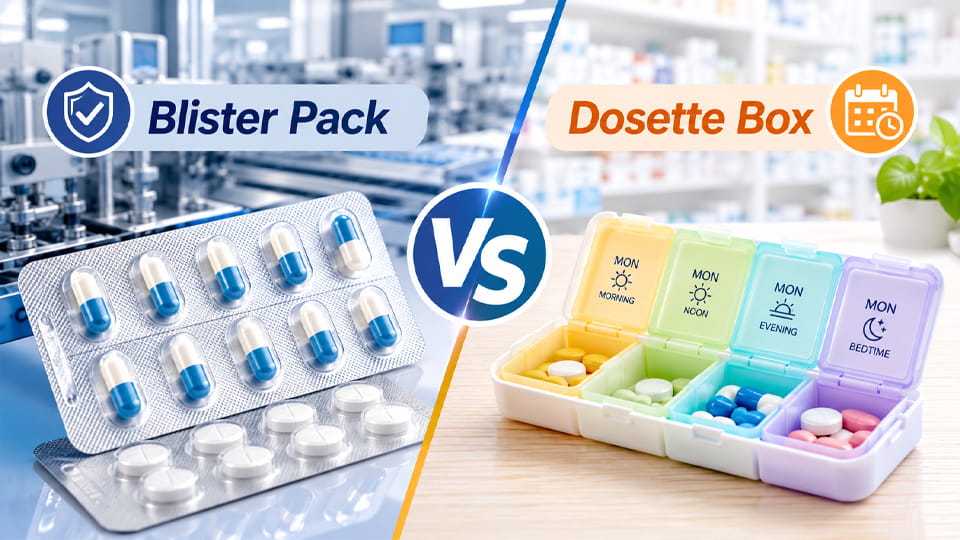
Artikel ini mengeksplorasi “Paket Blister vs Kotak Dosis” secara mendalam. Kami akan mendefinisikan masing-masing, lihat cara pembuatannya, bandingkan fitur-fiturnya dalam tabel yang jelas, dan meninjau pro dan kontra. Kami juga akan memeriksa bukti kepatuhan dan keamanan pengobatan, memandu kapan harus memilih satu opsi dibandingkan opsi lainnya, dan diskusikan bagaimana produsen farmasi mengambil pilihan tersebut. Akhirnya, kami akan menjawab FAQ umum tentang kedua jenis kemasan tersebut. Pada akhirnya, Anda akan memahami solusi pengemasan mana yang paling sesuai dengan situasi atau kebutuhan produksi Anda.
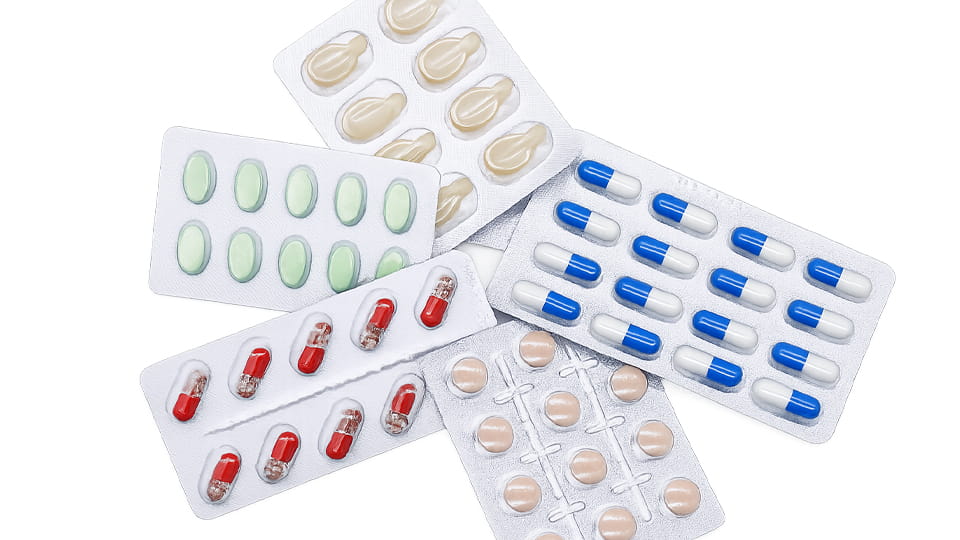
A Paket blister adalah disegel, dosis tunggal (satuan dosis) kemasan yang biasa digunakan dalam industri farmasi. Ini terdiri dari rongga individu (lepuh) dibuat dengan lembaran plastik thermoforming (sering kali PVC atau bahan serupa) dan menyegelnya dengan penyangga (kertas foil atau kertas laminasi). Setiap rongga menampung satu dosis (tablet, kapsul, atau ampul), mengisolasinya dari lingkungan. Desain ini menawarkan perlindungan tinggi terhadap kelembapan, oksigen, dan kontaminasi, memperpanjang umur simpan.
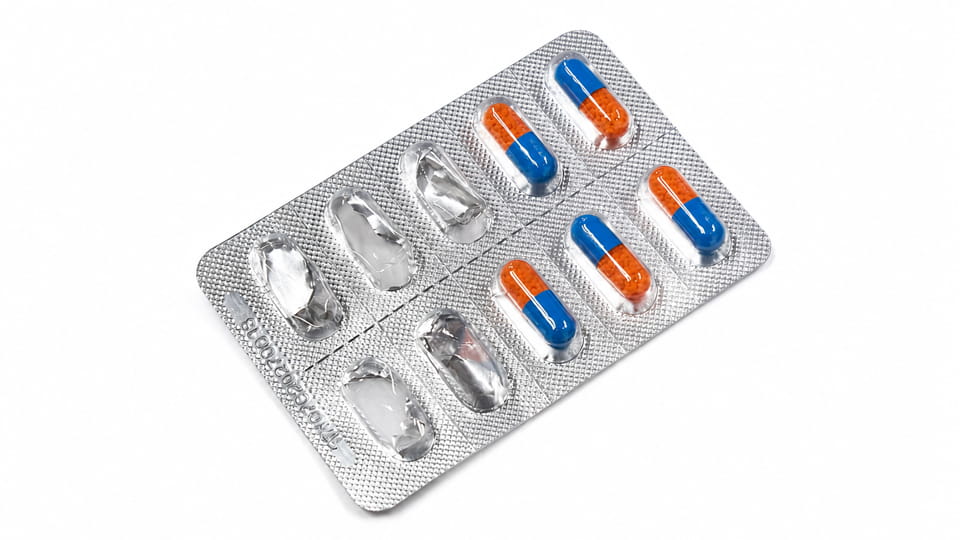
Angka: Contoh kemasan melepuh dengan masing-masing kapsul disegel dalam kantong plastik thermoformed (didukung oleh foil).
Paket Blister pada dasarnya berukuran kecil, kompartemen jelas yang memungkinkan pasien dan apoteker melihat bentuk sediaan secara visual sambil menjaganya tetap tertutup rapat. Lepuh plastik seringkali transparan (untuk visibilitas) dan bagian belakangnya mungkin berupa foil atau kertas karton yang dicetak dengan informasi dosis, Tanggal kedaluwarsa, atau merek. Pelabelan ini membantu pengguna mengikuti jadwal pengobatan.
Paket blister modern biasanya diproduksi dengan mesin berkecepatan tinggi. Sebuah mesin pengepakan melepuh otomatis bentuk, mengisi, segel, dan meninju paket dalam proses yang berkelanjutan. Misalnya, Mesin pelat datar DPP-270Max Jinlu membentuk rongga, menyimpan pil atau kapsul ke dalam setiap rongga, lalu panaskan tutup foilnya. Mesin-mesin ini bertemu standar cGMP dan dapat berjalan di 50+ siklus per menit (atau hingga 450 pelat per menit pada model JL-DPH-270Max kecepatan tinggi). Hasilnya tidak mudah rusak, kantong obat siap pakai di apotek. Karena produksinya otomatis, kemasan melepuh ideal untuk batch besar di bidang manufaktur farmasi atau nutraceutical, mencapai kualitas yang konsisten dan throughput yang tinggi.
A kotak polong (disebut juga pengatur pil atau kotak pil) adalah sederhana, wadah yang dapat digunakan kembali dengan kompartemen untuk dosis individu. Khas, itu adalah nampan plastik yang dibagi menjadi beberapa bagian berdasarkan hari dalam seminggu dan/atau waktu (Pagi, siang, malam, waktu tidur). Pasien, pengasuh, atau layanan dispenser secara manual mengisi setiap kompartemen dengan pil yang dibutuhkan selama seminggu atau bulan.
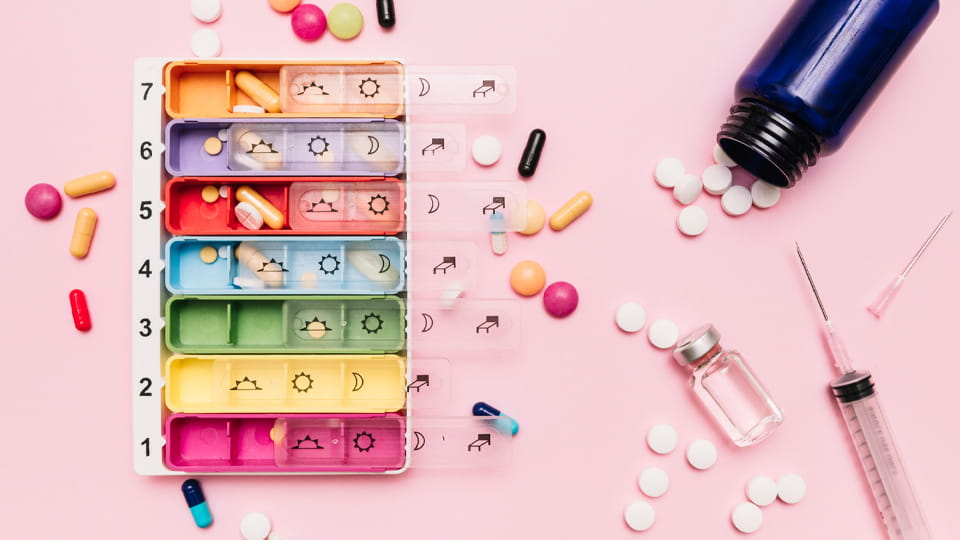
Kotak dosis biasanya terbuat dari plastik cetakan injeksi (seperti polipropilena). Mereka memiliki tutup berengsel atau penutup geser yang diberi label untuk setiap waktu pemberian dosis. Beberapa dosis memiliki alur penghitungan pil atau pemisah snap-in. Tidak ada kertas penyegel – setiap kompartemen dosis terbuka sampai pasien dapat mengaksesnya.
Kotak obat sangat umum digunakan di rumah dan tempat perawatan untuk mengatur obat-obatan. Mereka sangat berguna bagi pasien yang mengelola pengobatannya sendiri dan lebih memilih pengobatan sederhana, sistem berbiaya rendah.
| Faktor | Paket blister | Kotak Pod (Penyelenggara Pil) |
| Jenis Kemasan | Paket dosis unit tertutup (plastik/foil) | Baki plastik tersegmentasi yang dapat digunakan kembali |
| Cara Kerjanya | Film plastik thermoformed menjadi rongga, kemudian ditutup rapat dengan foil atau film, satu dosis per segel | Kompartemen diberi label berdasarkan hari/waktu; pengguna mengisi ulang dengan pil setiap siklus |
| Siapa yang Mengisinya | Produsen atau apotek (otomatis) | Sabar, pengasuh, atau layanan farmasi (panduan) |
| Dapat digunakan kembali | Sekali pakai, sekali pakai setelah dikonsumsi | Dapat digunakan kembali (isi lagi setiap minggu) |
| Umur simpan / Perlindungan | Penghalang kelembaban/cahaya yang sangat baik, umur simpan yang lama | Perlindungan terbatas (tidak ada segel); isinya menurun lebih cepat |
| Bukti kerusakan | Tinggi (setiap rongga disegel; robekan foil menunjukkan pembukaan) | Tidak ada (kompartemen terbuka dapat terangkat atau terbuka secara tidak sengaja) |
| Kepatuhan Pengobatan | Tinggi (pelabelan dosis satuan, dosis panduan kalender) | Sedang (mengatur dosis, tetapi keakuratannya bergantung pada pengisian yang benar) |
| Kemudahan penggunaan | Sangat mudah – pasien cukup mengupas satu dosis dalam satu waktu | Sederhana setelah diisi; tetapi pengisian membutuhkan waktu dan perhatian |
| Ideal Untuk | Regimen yang rumit, pasien lanjut usia atau gangguan ingatan, apoteker | Regimen sederhana, pengguna independen, anggaran terbatas |
| Fleksibilitas | Rendah (konten tetap; paket baru diperlukan jika obat berubah) | Tinggi (dapat memperbarui kompartemen kapan saja) |
| Metode Produksi | Otomatis (Mesin kemasan blister) | Manual (tidak ada mesin khusus) |
| Biaya | Umumnya lebih tinggi (mesin & bahan) | Lebih rendah (kotak plastik sederhana) |
| Dampak Lingkungan | Lebih banyak sampah plastik/foil sekali pakai | Dapat digunakan kembali, lebih sedikit limbah (kecuali pembuangan berkala) |
Meja: Perbedaan utama antara kemasan melepuh dan doset (penyelenggara pil) kotak dalam kemasan farmasi.
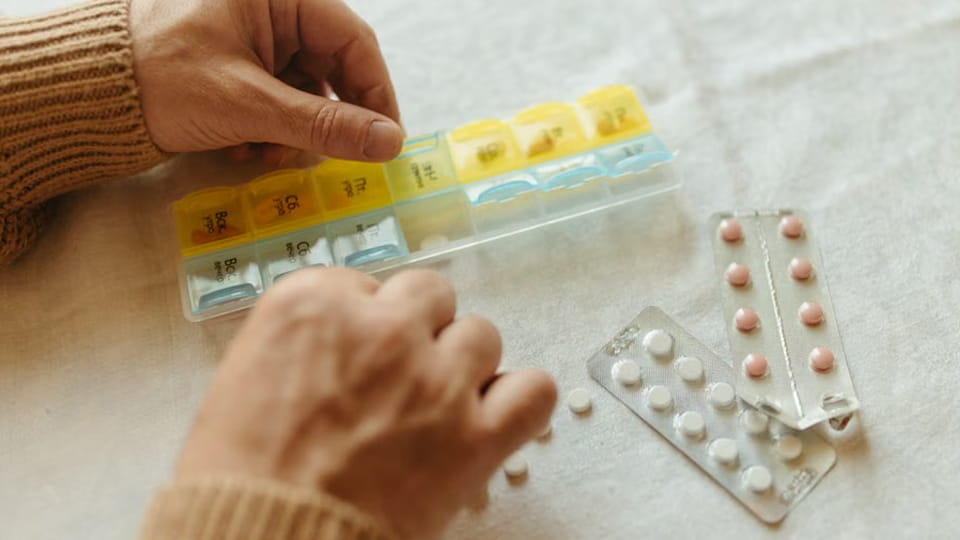
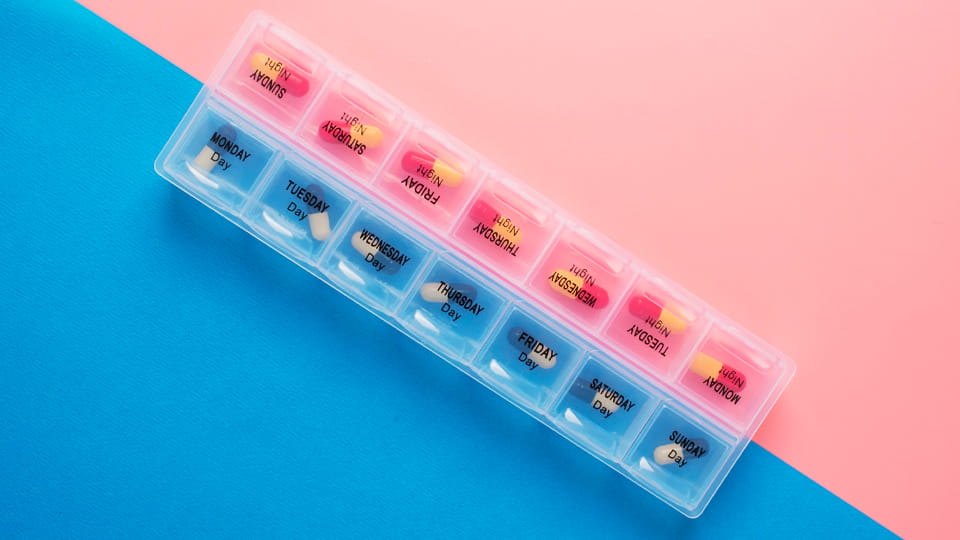
kepatuhan minum obat (meminum obat dengan benar sesuai resep) sangat penting untuk keberhasilan pengobatan. Intervensi pengemasan seperti lepuh dan pengatur sering digunakan untuk meningkatkan kepatuhan. Penelitian menunjukkan kemasan melepuh cenderung lebih efektif dalam meningkatkan kepatuhan daripada kotak obat yang diisi rumah. Dalam satu tinjauan sistematis, intervensi yang menggunakan kemasan melepuh memiliki ukuran efek yang jauh lebih besar (ES ≈ 0.80) pada hasil kepatuhan dibandingkan dengan mereka yang menggunakan penyelenggara pil (ES ≈ 0.38). Secara klinis, penelitian dalam perawatan kronis dan psikiatris menemukan bahwa setiap penelitian dengan obat kemasan melepuh menunjukkan peningkatan tingkat kepatuhan.
Mengapa lepuh lebih membantu? Kuncinya adalah struktur dan keterlibatan apotek. Paket melepuh dilengkapi dengan petunjuk dosis yang jelas dan diisi oleh para profesional, mengurangi kelupaan dan kebingungan. Seperti yang dicatat oleh salah satu blog industri, kemasan lepuh menggunakan kompartemen berlabel sehingga pasien “tidak perlu bertanya atau memeriksa ulang obat apa yang harus diminum kapan”. Sebaliknya, kotak dosis sepenuhnya bergantung pada pasien yang mengikuti instruksi dengan benar. Jika pasien lupa pil mana yang dibawa kemana, penyelenggara dosette tidak menawarkan perlindungan.
Begitulah, kotak dosis masih dapat meningkatkan kepatuhan untuk kasus-kasus sederhana. Untuk seseorang yang meminum satu atau dua pil setiap hari, cukup menyortirnya berdasarkan hari/waktu adalah pengingat yang berguna. Mereka “sangat membantu bagi pasien lanjut usia, pasien yang rentan, orang dengan kesulitan ingatan, dan pengasuh keluarga” untuk mempertahankan rutinitas. Namun, bahkan dalam kasus tersebut, beberapa apotek memperingatkan bahwa pengobatan yang rumit atau perubahan yang sering dilakukan sebaiknya menggunakan layanan melepuh.
Dalam situasi perawatan darurat, kemasan blister memiliki keuntungan: mereka dengan jelas menampilkan semua obat dan jadwal pasien dalam satu kartu. Hal ini penting bagi petugas pertolongan pertama atau staf rumah sakit. Dalam ringkasan, jika kepatuhan adalah prioritas, kemasan melepuh umumnya lebih disukai (terutama pada pasien polifarmasi atau risiko tinggi). Dosis berfungsi sebagai alat cadangan atau alat lapis kedua yang berbiaya rendah ketika kemasan melepuh tidak tersedia atau diperlukan.
Memilih Paket blister Kapan:
Industri dan aplikasi: Farmasi, suplemen, tablet nutrisi, beberapa alat kesehatan (seperti popok atau strip diagnostik), dan bahkan barang-barang non-narkoba (baterai, elektronik) menggunakan kemasan melepuh. Dalam semua kasus ini, investasi pada mesin pengepakan melepuh otomatis terbayar dengan kecepatan dan keandalan.
Gunakan a kotak polong Kapan:
Namun, bahkan dalam kasus ini, penting untuk memastikan dukungan yang tepat. Apotek sering memberi tahu pasien bahwa suatu rejimen menjadi rumit, beralih ke kemasan blister mungkin lebih aman. Dosis paling efektif untuk mempertahankan jadwal yang sudah sederhana, bukan untuk pengorganisasian yang berisiko tinggi.
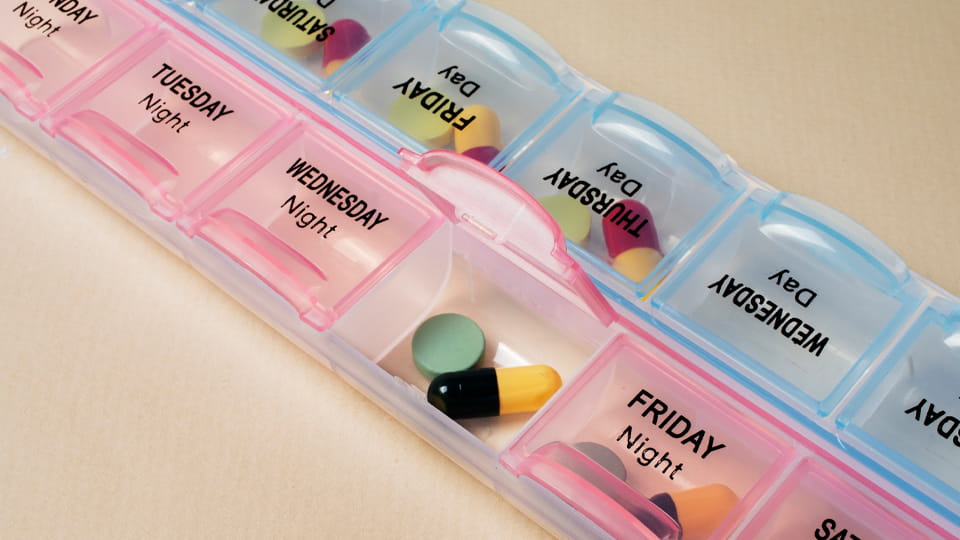
Produsen dan pengemas farmasi mempertimbangkan beberapa faktor ketika memilih antara kemasan melepuh atau menyediakan dosis:
Dalam ringkasan, kemasan lepuh farmasi adalah norma untuk skala besar, produk dengan kepatuhan tinggi. Kotak polong lebih dipilih oleh penyedia layanan kesehatan dan konsumen karena fleksibilitas dan biayanya yang rendah. Banyak produsen akan menawarkan produk kemasan melepuh dan membiarkan pasien atau apotek memindahkan pil ke dalam dosis jika diperlukan di rumah.

Di Paket Blister vs Kotak Dosis perdebatan, pilihan “terbaik” bergantung pada konteks. Paket Blister menang karena perlindungannya yang tinggi, pengisian profesional, dan dukungan kepatuhan – ideal untuk resep kompleks dan produksi farmasi skala besar. Kotak dosis menang karena biaya rendah, dapat digunakan kembali, dan fleksibilitas – paling baik untuk rejimen sederhana yang dikelola di rumah. Banyak sistem layanan kesehatan yang sebenarnya menggunakan kombinasi tersebut: apotek mengisi kemasan melepuh untuk pengeluaran, sambil mengizinkan resep berulang untuk dimasukkan ke dalam dosis di rumah jika pasien menginginkannya.
Untuk produsen farmasi atau apotek yang ingin meningkatkan keamanan dan kepatuhan, berinvestasi di peralatan pengemasan melepuh otomatis adalah kuncinya. Dan Jeinlu memetik, kami berspesialisasi dalam mesin pengemas blister farmasi yang memenuhi standar global. Mesin canggih kami (model pelat datar dan pelat rol) dapat menangani lecet PVC-Al dan Alu-Alu, kapsul, tablet, dan lebih banyak lagi, dengan kecepatan hingga 48,000 piring per jam. Dengan mengintegrasikan mesin blister Jinlu dan lengkap garis pengemasan, produsen dapat menghasilkan produk berkualitas tinggi, kemasan lepuh anti rusak yang meningkatkan kepatuhan pasien dan kepercayaan merek.
Siap mengoptimalkan kemasan obat Anda? Hubungi Jinlu Packing hari ini untuk mendiskusikan mesin pengepakan blister otomatis kami, opsi penyesuaian, Dan solusi turnkey untuk kemasan blister farmasi. Izinkan kami membantu Anda melakukan pengiriman dengan lebih aman, kepatuhan pengobatan yang lebih efektif dengan teknologi mutakhir.
Paket blister disegel, paket sekali pakai yang terbuat dari plastik dan foil, diciptakan secara industri. Setiap pil berada dalam rongga tertutupnya sendiri, sering kali dengan instruksi tercetak di bagian belakang. Kotak dosette adalah wadah plastik yang dapat digunakan kembali dan dibagi menjadi beberapa kompartemen berdasarkan hari/waktu. Pasien atau perawat secara manual menempatkan pil di setiap slot. Lepuh dibuat oleh apotek atau mesin dan tidak dapat digunakan kembali, sedangkan dosettes Anda isi di rumah dan digunakan berulang kali.
Umumnya, Ya. Paket Blister diketahui meningkatkan kepatuhan karena telah disortir dan diberi label oleh para profesional. Setiap dosis ditandai dengan jelas, jadi mudah untuk melihat apa yang telah diambil. Penelitian menunjukkan intervensi kemasan melepuh memiliki peningkatan kepatuhan yang lebih tinggi dibandingkan dengan kotak atau vial pil yang diisi sendiri. Kotak obat juga membantu beberapa pasien tetap teratur, tapi lecet memberikan pemeriksaan keamanan tambahan (keterlibatan apoteker) yang mengurangi kesalahan.
TIDAK, kotak dosis standar menawarkan perlindungan kelembaban minimal. Karena itu hanyalah kompartemen terbuka, kelembapan dari udara dapat mencapai pil. Mereka paling baik digunakan untuk obat-obatan yang stabil pada kondisi ruangan. Sebaliknya, paket melepuh (terutama dengan dukungan foil) menyegel setiap pil dari udara dan kelembapan, sangat memperpanjang umur simpan.
Paket Blister seringkali lebih cocok untuk orang lanjut usia, terutama mereka yang menggunakan banyak obat. Tata letak terstruktur dan pengisian yang disiapkan oleh apotek mengurangi kebingungan. Dosis masih bisa digunakan untuk manula yang hanya meminum beberapa pil dan memiliki ketangkasan yang baik. Namun demi keamanan dan kenyamanan, banyak pengasuh lebih memilih kemasan melepuh untuk orang dewasa yang lebih tua dengan rejimen yang rumit.
Produsen lebih menyukai kemasan melepuh karena menjamin kualitas dan kepatuhan yang konsisten. Mesin Blister dapat memenuhi peraturan GMP yang ketat, dan desain yang disegel menjaga stabilitas obat. Kemasan melepuh juga memungkinkan pelabelan yang jelas, yang penting untuk pengendalian resep dan penarikan kembali. Akhirnya, lecet mendukung branding dan instruksi pada setiap paket, botol atau tas mana yang tidak. Semua faktor ini menjadikan kemasan melepuh sebagai standar industri untuk banyak obat.
Anda membutuhkan mesin pengemas blister (mesin pembentuk) dan peralatan pendukung. Ini biasanya mencakup unit thermoforming (untuk membentuk plastik menjadi rongga), stasiun dosis/pengisian (untuk menempatkan pil ke dalam gigi berlubang), stasiun penyegel panas (untuk menyegel dalam foil atau film), dan stasiun pukulan (untuk memotong bagian yang melepuh atau mengelupas). Garis melepuh otomatis modern (seperti DPP-270Max milik Jinlu) menggabungkan ini dalam satu mesin berkelanjutan. Komponen tambahan mungkin termasuk penghitung kapsul yang memberi makan bahan pengisi, printer pengkode tanggal, dan sistem inspeksi penglihatan. Pendeknya, memproduksi kemasan blister secara industri memerlukan mesin khusus – ini bukan proses manual.
Ya. Paket melepuh kalender dapat membantu pasien melacak apakah mereka telah meminum suatu dosis dan mengurangi risiko obat yang terlewat atau terduplikasi. Mereka banyak digunakan sebagai solusi pengemasan kepatuhan pengobatan di apotek ritel dan tempat layanan kesehatan.
Paket Blister banyak digunakan untuk tablet, kapsul, softgel, vitamin, nutraceutical, obat-obatan yang dijual bebas, dan obat resep yang memerlukan kemasan dosis satuan dan umur simpan yang lama.
Dalam banyak kasus, Ya. Paket melepuh menawarkan bukti kerusakan dan mengurangi kemungkinan tertukarnya obat karena setiap dosis dipisahkan dan diidentifikasi dengan jelas. Kotak dosis bergantung pada pengisian manual, yang dapat meningkatkan kemungkinan terjadinya kesalahan manusia.
Ya. Di beberapa lingkungan layanan kesehatan, obat-obatan pertama-tama diberikan dalam kemasan blister dan kemudian disusun dalam kotak dosis sesuai dengan jadwal masing-masing pasien. Kombinasi ini dapat meningkatkan manajemen pengobatan dengan tetap menjaga pengaturan dosis dan kenyamanan.
Referensi:
1.Penyelenggara pil ——Wikipedia
2.Intervensi pengemasan untuk meningkatkan kepatuhan pengobatan: tinjauan sistematis dan meta-analisis —— Perpustakaan Kedokteran Nasional
3.Obat: kemasan, pelabelan dan brosur informasi pasien —— gov.uk
4.Memahami definisi kemasan obat —— tga.gov.au
5.Pengemasan dan Sisipan Farmasi —— Perpustakaan Kedokteran Nasional
6.Pemberian perawatan?: Kotak dosis dan status teknologi low-fi dalam praktik pengasuhan lansia di akhir hayatnya —— Perpustakaan Kedokteran Nasional
7.Kesetiaan intervensi kotak obat dalam penelitian kepatuhan pengobatan: Tinjauan sistematis —— Sains Langsung

satu Respon
Perbandingan yang sangat informatif antara kemasan blister dan kotak dosette. Memilih format kemasan yang tepat tidak hanya bergantung pada kenyamanan tetapi juga pada perlindungan produk, persyaratan kepatuhan, dan pengalaman pengguna. Sangat membantu untuk melihat kelebihan dan keterbatasan setiap opsi yang dijelaskan dengan jelas. Terima kasih telah berbagi wawasan Anda.