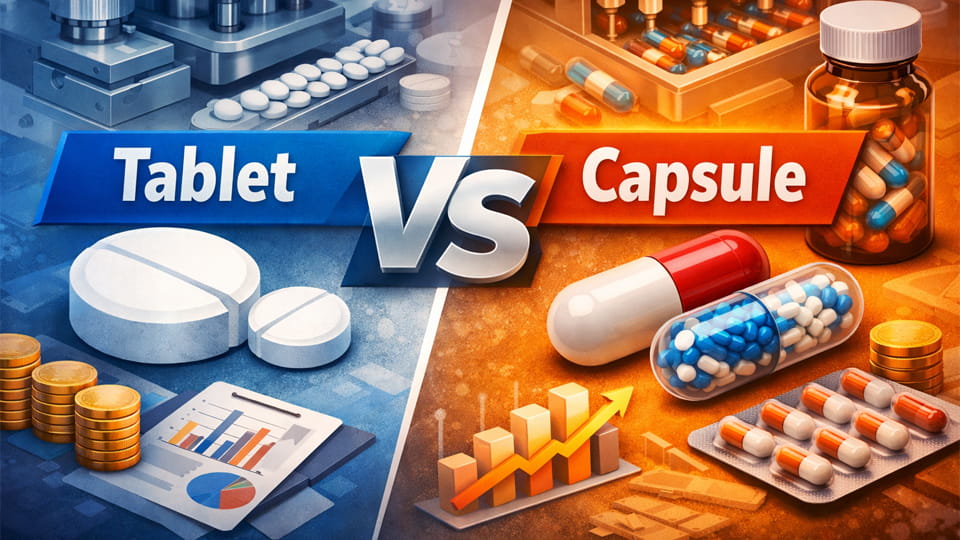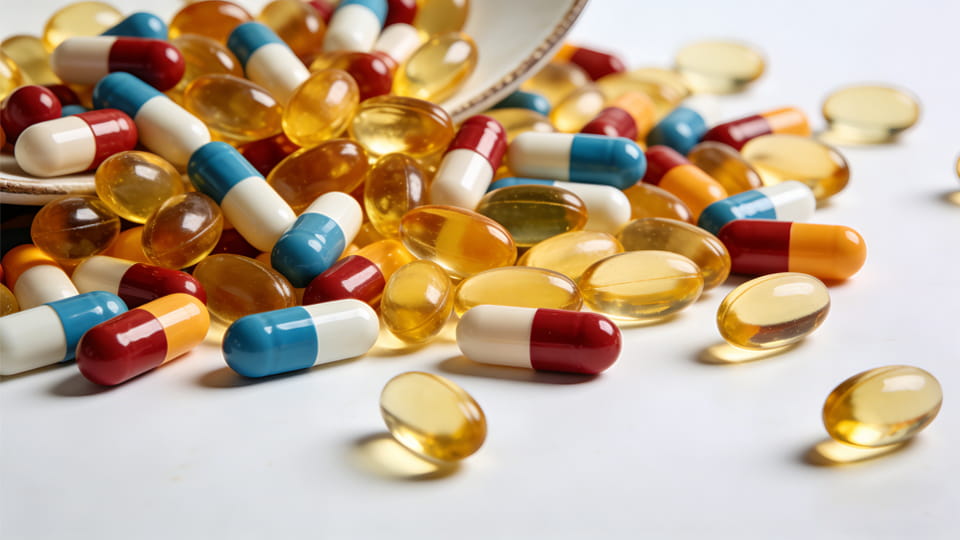

Capsules are a hugely popular capsule dosage form for delivering drugs. As a solid oral drug delivery system, a capsule’s shell (often gelatin or polymer) contains powders, granulés, liquids or even small tablets. En fait, Capsules are among the most widely used oral solid dosage forms. Patients often find capsules easier to swallow than tablets, and the shell can mask taste and protect sensitive ingredients. This guide breaks down the main types of capsule dosage forms (dur, doux, modified-release, etc.), explains how each type works in the body, and shows which types can be filled using machines de remplissage de gélules. We’ll also cover materials and machines for filling capsules (y compris les poudres, boulettes, liquides, and multi-particulates) and outline tips for choosing the right capsule form and filling equipment for your production line.
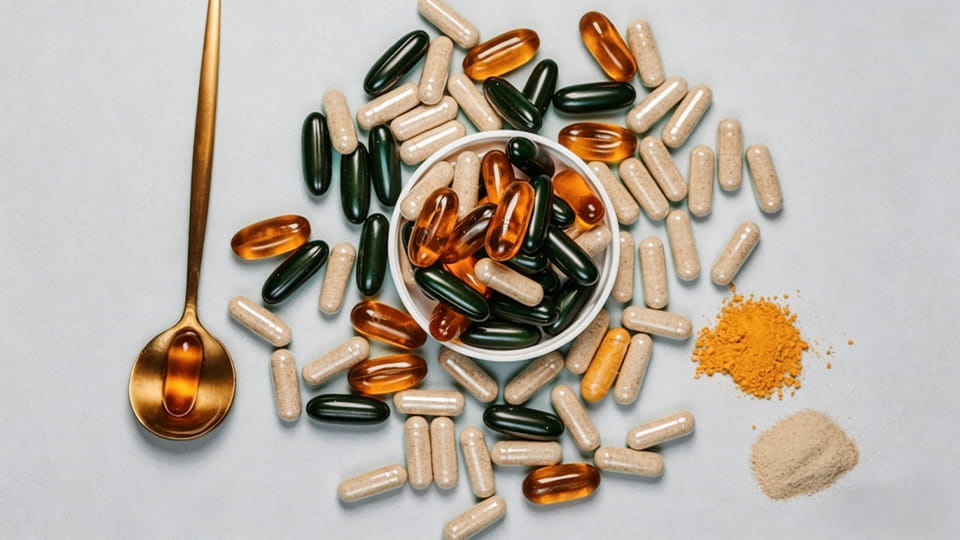
Capsules come in many shapes and materials – from two-piece hard shells to one-piece softgels – each designed for a specific release profile and production method. Understanding these differences is key for formulators and production engineers.
The term capsule dosage form refers to how a drug is delivered in a capsule. En termes simples, a capsule is a small container (made of gelatin, Hpmc, pullulane, or another shell material) that encloses the active ingredient and excipients in a solid, semi-solid or liquid form. Capsules are one type of oral solid dosage form – like tablets – but they have unique advantages. Par exemple, the smooth gelatin (or vegetarian substitute) shell slips down the throat easily and dissolves quickly in the stomach. This means the drug is released rapidly, which may enhance dissolution or bioavailability for certain formulations. Capsules also effectively mask bad tastes or smells and shield the drug from light or moisture until the shell dissolves. Comme le note un guide de l’industrie, capsules are “a versatile oral drug delivery system” available in two main types (hard and soft), each suited to different formulation needs.
Capsule forms are increasingly used in pharmaceuticals and nutraceuticals because they offer flexibility. Modern empty capsules come in a wide range of sizes, formes, et matériaux (gélatine, Hpmc, pullulane, etc.), and they can include added excipients in the fill or shell (such as disintegrants, lubrifiants, conservateurs, or coating layers) to control release. En pratique, a capsule typically contains a single dose of drug (often mixed with fillers or flow agents), but manufacturers sometimes place more than one form inside one capsule. Par exemple, it’s common to find a larger hard capsule containing a smaller capsule plus loose powder or pellets, giving a dual-drug or controlled-release effect.
As a capsule dosage form, the shell material and design determine how it works in the body. A traditional gelatin shell dissolves quickly in stomach acid, releasing the contents almost immediately. An enteric-coated capsule, d'autre part, has a special polymer coating that resists acid in the stomach and only dissolves in the higher-pH intestines. De même, a hard capsule filled with small pellets can achieve modified-release by using coated granules, while a soft gelatin capsule (gélule) often holds an oil-based solution for high bioavailability. We’ll cover these types in detail next.
Gélules dures (also called hard gelatin capsules) are the most common form used for powders and other solids. They are manufactured in two pieces: une casquette et un corps. The two halves slip together when empty, and are locked around the fill material when assembled. Traditional hard caps are made of gelatin derived from animal sources, but many companies use plant-based alternatives like HPMC (hydroxypropylméthylcellulose) or pullulan for vegetarian/vegan capsules. These shells are firm at room temperature but dissolve quickly in stomach fluids, typically disintegrate rapidly under physiological conditions, although dissolution depends on shell material and medium.
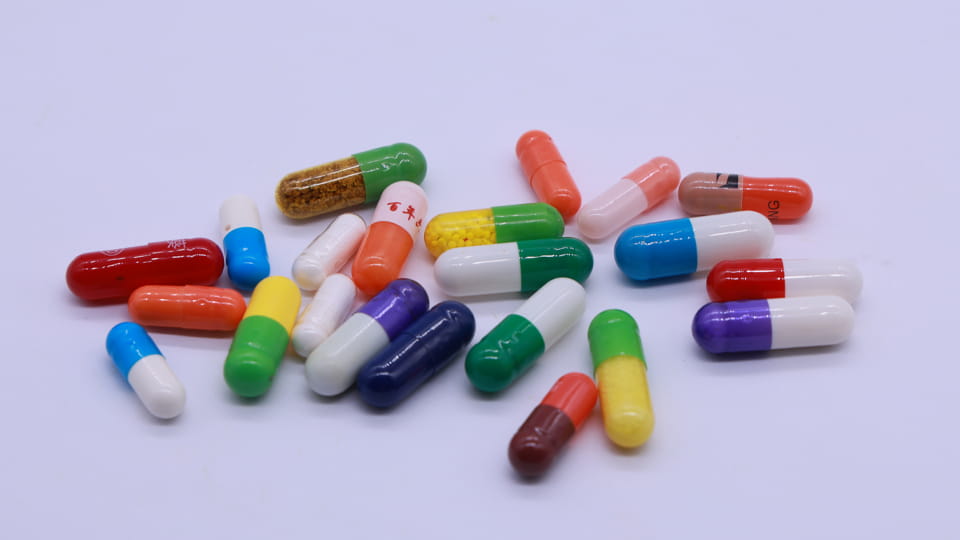
Hard capsules are ideal for dry, solides fluides. Common fills include:
Hard capsules can also contain non-aqueous liquids(aqueous liquids are generally unsuitable without specialized shell technology.) ou pâtes – for example, certain vitamin or oil preparations – though this requires a sealed capsule body and cap. Empty hard shells can hold powders, granulés, pellets or small tablets as well as “suspensions or pastes” and “non-aqueous liquids such as oils”. This means a hard capsule filling machine may need to handle different fill types, from dry powder to liquid.
Because the two-piece hard capsules separate, they are well-suited to high-speed automatic filling: machines load the bodies into feeders, drop the powder or pellets, then cap the filled bodies. The hardness and size of the shells are uniform, making them compatible with standard automatic or semi-automatic capsule fillers. Typical sizes range from 000 (grand) à 5 (petit), and machines can often be changed to fit any standard size using different tooling parts. Par exemple, Jinlu’s capsule machines accommodate sizes #000–5.
How Hard Capsules Work: Once swallowed, a hard gelatin or HPMC capsule quickly absorbs moisture and the shell dissolves in gastric fluid. The drug particles inside then release and dissolve, starting absorption. Gelatin shells are digested by stomach enzymes, often dissolving in under 10 minutes. Plant-based shells like HPMC may dissolve slightly slower, but still in the stomach environment. If the contents are designed for immediate release, the drug enters the bloodstream rapidly. If extended release is needed, the fill might be coated or formulated to dissolve over time (see Modified-Release Capsules below).
Advantages of hard capsules include patient compliance (facile à avaler, odor-free) and manufacturing flexibility. They create a tight seal around the fill, protecting it from humidity or oxidation until use. Du côté négatif, two-piece capsules cannot be opened and re-used, and capsules with liquid inside require special sealing.
Capsules de gélatine molle, or softgels, are single-piece capsules typically filled with oils, suspensions liquides, ou semi-solides. Contrairement aux capsules dures, softgels have a gel-like shell (gelatin plus plasticizers like glycerin or sorbitol) that is continuous and sealed at manufacturing. This one-piece design means the capsule and fill are created in one step on a rotary encapsulation machine.
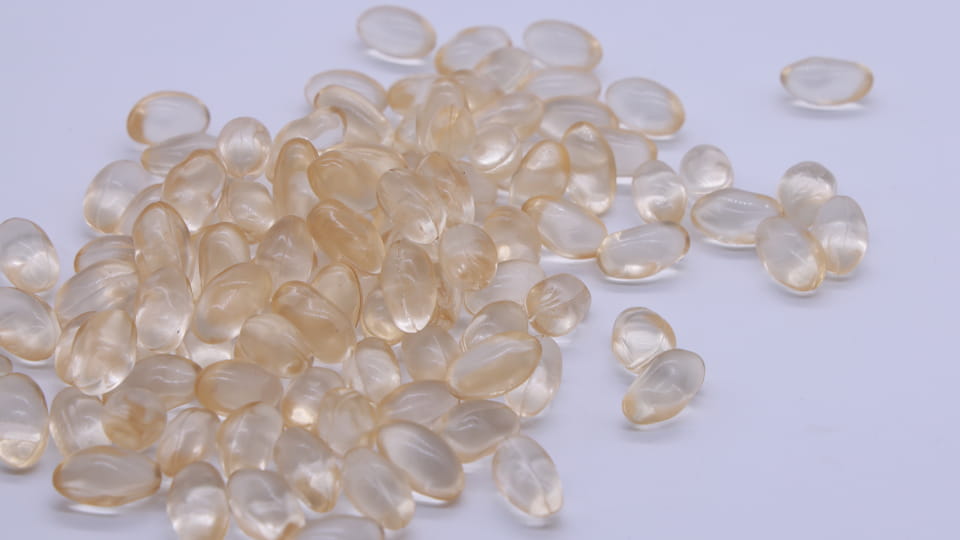
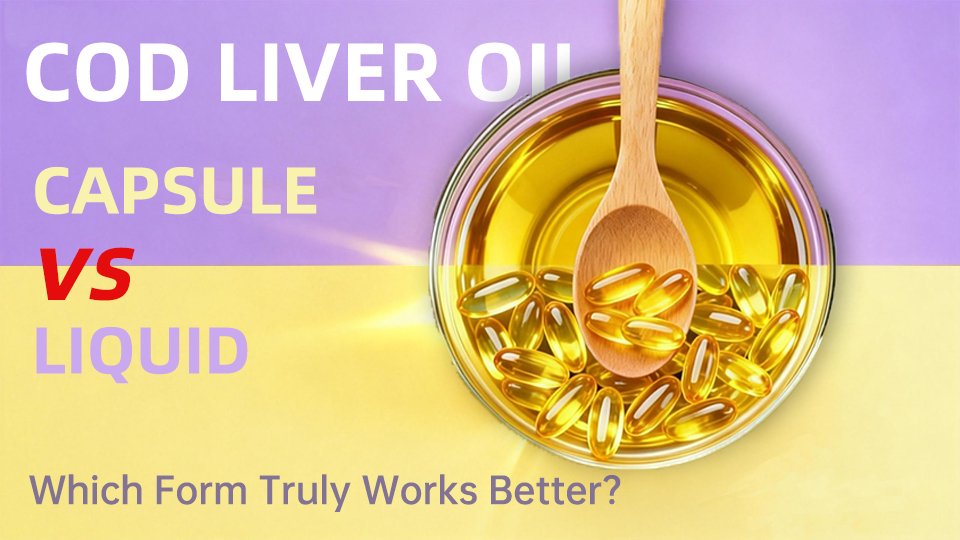
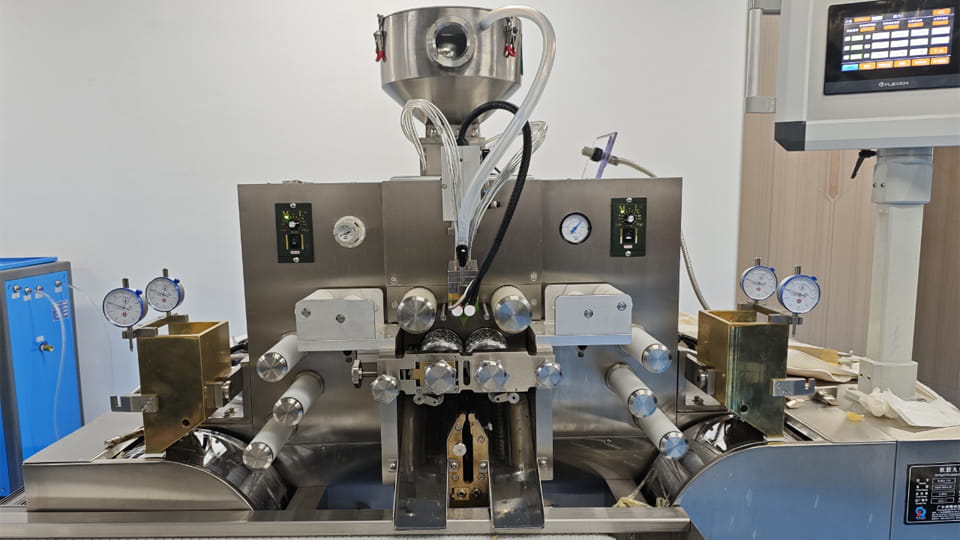
Softgels are thicker and more flexible than hard shells. They can hold liquids that increase bioavailability (Par exemple, omega-3 oils, extraits à base de plantes, or fat-soluble vitamins), and the opaque gel can mask stains or tastes. Cependant, producing softgels requires specialized softgel manufacturing equipment (rotary capsules or dosator machines) rather than a standard hard-capsule filler. A good capsule filler for hard capsules cannot handle softgels.
Gélules molles are made one at a time on rotary encapsulators, each filled with a metered dose of oil or liquid suspension. Softgel lines usually run more slowly than high-speed hard capsule filling machines because the shell formation and filling happen in a single step, since each capsule is formed and filled in a single unit. The gelatin formulation (with 20–30% plasticizer) is chosen to prevent the shell and fill from mixing; in fact, many oils that degrade hard gelatin (like some essential oils or alcohols) are not compatible with softgel shells, so formulations must be carefully controlled.
How Softgels Work: In use, softgel shells hydrate and rupture quickly once swallowed. The liquid interior is released almost immediately, often leading to faster absorption than a hard capsule with powder. Comme le note une source, “certain capsule types, such as softgels, dissolve even more quickly because their gelatin shells break apart faster than compressed tablets”. The downside is that softgels have a shorter shelf life (due to moisture in the shell) and higher production cost.
What Can Fill Softgels: Typically oils, triglycerides, or other non-aqueous liquids. Suspensions in oils (up to ~30% solids) can also be filled. Softgels are generally best suited for oils, non-aqueous liquids, and fine suspensions. High-water formulations and large particles are usually not suitable because they may destabilize the shell. Common uses include fish oil, vitamin D, and certain prescription drugs.
Beyond the basic hard vs soft categories, pharmaceutical capsules include enteric-coated, version étendue, and other specialty forms:
En résumé, capsule dosage forms range from simple immediate-release hard gelatin capsules to sophisticated multi-functional systems. The chart below (illustrative) shows common capsule types and how they’re used:
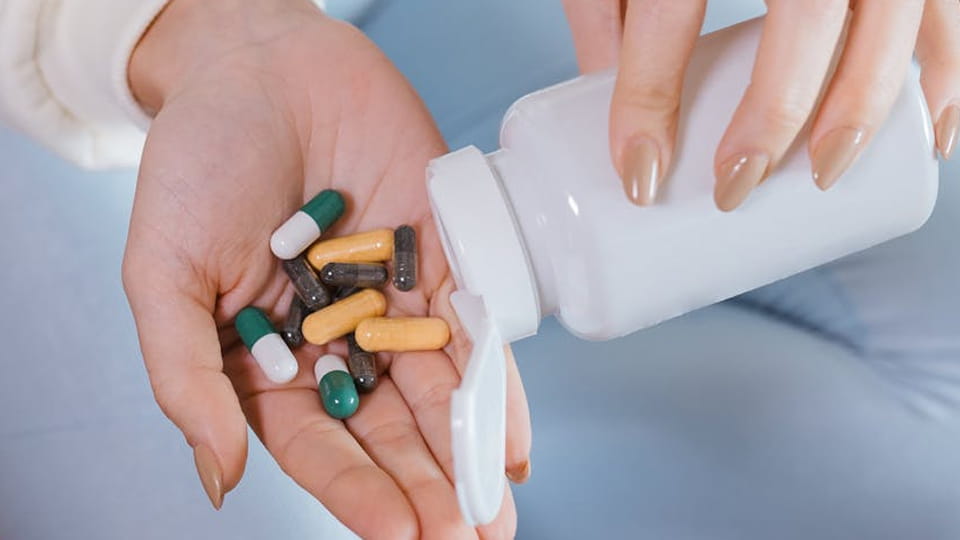
En pratique, the best capsule form depends on your drug and goals:
Dans tous les cas, the capsule filling process needs to be efficient. You may start with pilot runs on smaller fillers, then scale up. A detailed trial at the machine stage (checking weights, désintégration, etc.) is a must. Modern capsule fillers come with feedback controls for weight uniformity and reject bad capsules automatically.

Capsule drug delivery systems are also evolving. Par exemple, new materials like polyethylene glycol shells are used for injectables, and capsule printers (3D-printed dosage forms) are emerging(under active research rather than routine industrial production). But in most plants today, you’ll use proven gelatin or HPMC capsules and proven fill methods.
Enfin, always follow GMP guidelines (nettoyage, in-process checks, étalonnage) when running capsules. As one industry source puts it, “capsule dosage forms have proven their value in modern medicine by combining patient comfort with precise drug delivery”.
Capsule dosage forms – from simple hard gelatin shells to advanced softgels and coated systems – give pharmaceutical makers a toolbox for effective oral delivery. Each type has its own mechanism (fast dissolve vs delayed release), fill materials (poudres, granulés, liquides), and compatible filling machinery. By understanding these options, production managers and engineers can optimize their capsule production line for quality and efficiency.
To sum up: Hard capsules are great for powders and multiparticulates and can be filled at very high speed on automatic machines. Softgels hold liquid or oil nicely but need a rotary encapsulator. Special forms like enteric-coated or multi-particulate capsules allow controlled release. And many modern charges de capsule (comme ceux de Emballage Jinlu) are versatile – handling powders, boulettes, and even liquid fillings with pinpoint accuracy.
Ready to upgrade your capsule production? Learn more about capsule fillers or request a quote from experienced manufacturers who can tailor a solution to your product. Get in touch today to discuss your needs and find the perfect capsule filling machine for your plant.
A capsule dosage form is a solid oral medication in which active ingredients and excipients are enclosed inside a soluble shell made from gelatin, Hpmc, or other polymers. Capsules may contain powders, granulés, boulettes, liquides, or semi-solids and are designed to release the drug after the shell dissolves in the digestive tract.
The primary capsule types include hard gelatin capsules, végétarien (HPMC or pullulan) gélules, capsules de gélatine molle (gélules), capsules entérosolubles, and modified-release capsules. Each type differs in shell structure, filling material compatibility, and drug release behavior.
Hard capsules consist of two pieces (corps et capuchon) and are typically filled with powders or pellets using capsule filling machines. Softgels are single-piece sealed capsules mainly used for oils or liquid formulations and require specialized rotary encapsulation equipment.
After swallowing, the capsule shell absorbs fluid and dissolves in gastrointestinal conditions. Immediate-release capsules release drug contents quickly, while modified-release capsules use coated pellets or polymers to control drug release over time.
Oui, certain capsule filling machines can fill non-aqueous liquids or semi-solids into hard capsules. Cependant, sealing or banding is usually required to prevent leakage, and water-based liquids are generally unsuitable for standard hard capsule shells.
Capsule shells are commonly made from gelatin, hydroxypropylméthylcellulose (Hpmc), ou pullulane. Gelatin dissolves rapidly in gastric fluid, while plant-based materials are preferred for vegetarian or moisture-sensitive formulations.
Capsules usually have smooth, rounded surfaces that slide easily down the throat. The shell also masks unpleasant tastes or odors and protects sensitive ingredients until ingestion, improving patient compliance compared with some compressed tablets.
Hard capsules can contain powders, granulés, boulettes, mini-comprimés, multi-particulates, and certain non-aqueous liquids or semi-solids. Advanced capsule filling lines may combine multiple forms inside a single capsule for controlled or multi-phase drug release.
Modified-release capsules are designed to release medication at a controlled rate or at a specific location in the digestive system. This is achieved through coated pellets, polymer matrices, or enteric coatings that delay or extend drug release.
Selection depends on drug solubility, stabilité, release profile, patient requirements, and production scale. Immediate-release drugs often use powder-filled hard capsules, while poorly soluble or lipid-based drugs may benefit from liquid-filled capsules or softgels.
Références:
1.Capsule Dosage Form Questions - NOUS. Administration des aliments et des médicaments.
2.Dosage Form Drug Manufacturers cGMPs (10/93) - NOUS. Administration des aliments et des médicaments.
3.Chapter 27 – Capsules Dosage Form: Formulation and Manufacturing Considerations – ScienceDirect.
4.Capsules PHARMACEUTICAL DOSAGE FORMS – PharmaceuticalGuideline.