
تکامل از قرص دارویی از یک پودر فشرده اولیه تا یک وسیله حمل و نقل پیچیده یکی از مهمترین دستاوردهای مهندسی در پزشکی مدرن است.. در دنیای جهانی شده از تولید دارو, یک قرص دیگر فقط یک حامل برای یک ماده دارویی فعال نیست (API); این یک تقاطع پیچیده از علم مواد است, مهندسی مکانیک, و روانشناسی بیمار. برای خریداران صنعت و مهندسین تدارکات, درک ماهیت چند وجهی طراحی قرص های دارویی نه تنها برای اثربخشی درمانی بلکه برای اطمینان از دوام و سودآوری طولانی مدت یک خط تولید ضروری است..
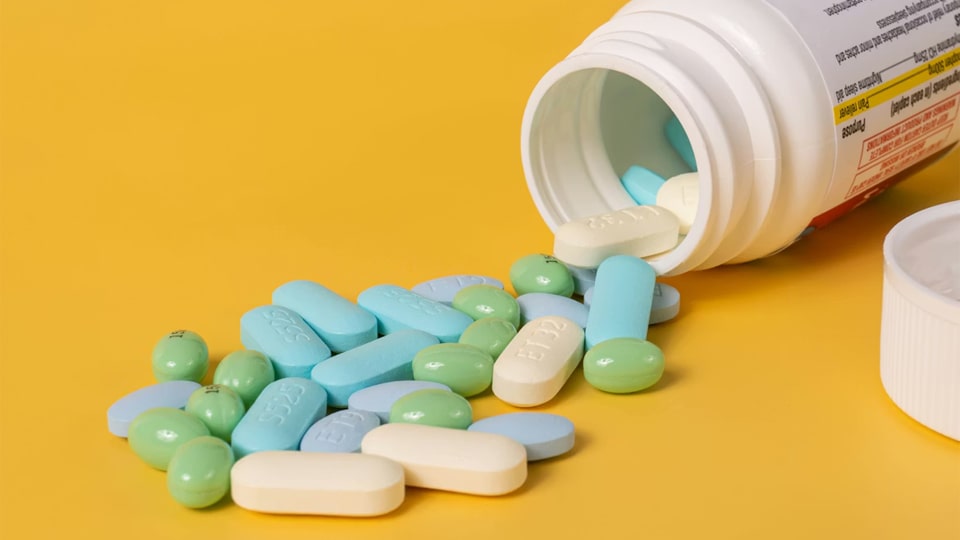
طراحی یک قرص دارویی به عنوان رابط اولیه بین دارو و بیمار عمل می کند. این یک جزء حیاتی است “داروخانه قرص” اکوسیستم, که در آن شکل فیزیکی دارو همه چیز را از انطباق بیمار گرفته تا محدودیت های مکانیکی الف را دیکته می کند پرس چرخشی با سرعت بالا. طراحی موفق نیاز به رویکردی جامع دارد که نیازهای بالینی بیمار را با واقعیت های صنعتی تولید با حجم بالا متعادل می کند..
در چشم انداز معاصر, تولید کنندگان به طور فزاینده ای کیفیت طراحی را اتخاذ می کنند (QbD) اصول. این روش بر این نکته تاکید دارد که کیفیت باید در مرحله طراحی در محصول ایجاد شود نه اینکه پس از تولید در محصول نهایی آزمایش شود. با شناسایی ویژگی های کیفیت بحرانی (CQAs) مانند سختی, تجزیه, و انحلال در اوایل فرآیند, مهندسان می توانند فرمولاسیون های قوی ایجاد کنند که در برابر سختی های چرخه فشرده سازی مقاومت کنند.
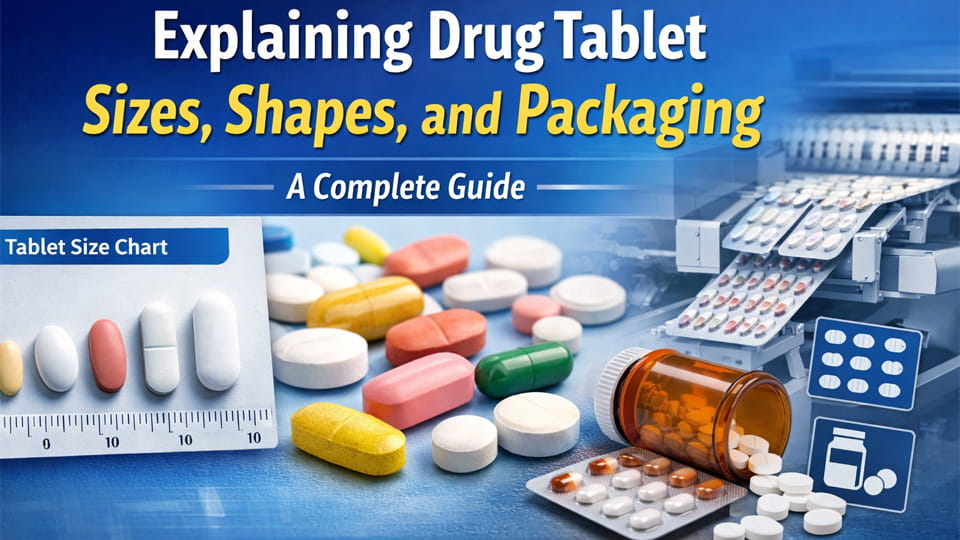
اولین سوال مهم در طراحی تبلت اندازه و شکل است. قرص ها باید به راحتی بلعیده شوند و برای بیماران بی خطر باشند. به طور کلی, کوچکتر بهتر است: به حداقل رساندن قطر قرص (به عنوان مثال. زیر 22 میلی متر, و در حالت ایده آل نزدیک به 8 میلی متر است) بلع را آسان تر می کند و انطباق بیمار را بهبود می بخشد. بزرگ, مربع, یا قرص هایی با شکل نامنظم ممکن است به سختی قورت داده شوند و حتی خطر خفگی را به همراه داشته باشند.. شکل های گرد یا بیضی با لبه های صاف ترجیح داده می شود. اگر دوز داروی شما به یک قرص بزرگ نیاز دارد, تقسیم دوز به دو قرص کوچکتر یا استفاده از فرم جوشان مخصوص را در نظر بگیرید.
یافتن تعادل مناسب بین دوز و اندازه اغلب به تراکم پذیری دارو بستگی دارد. اگر ماده فعال شما با دوز پایین یا بسیار قابل تراکم است, شما ممکن است یک قرص فشرده را حتی در یک قرص کوچک تشکیل دهید. برای داروهای با دوز بالا یا تراکم ضعیف, برای جلوگیری از بزرگ شدن بیش از حد قرص، ممکن است به دانه بندی یا چسب های مخصوص نیاز باشد.
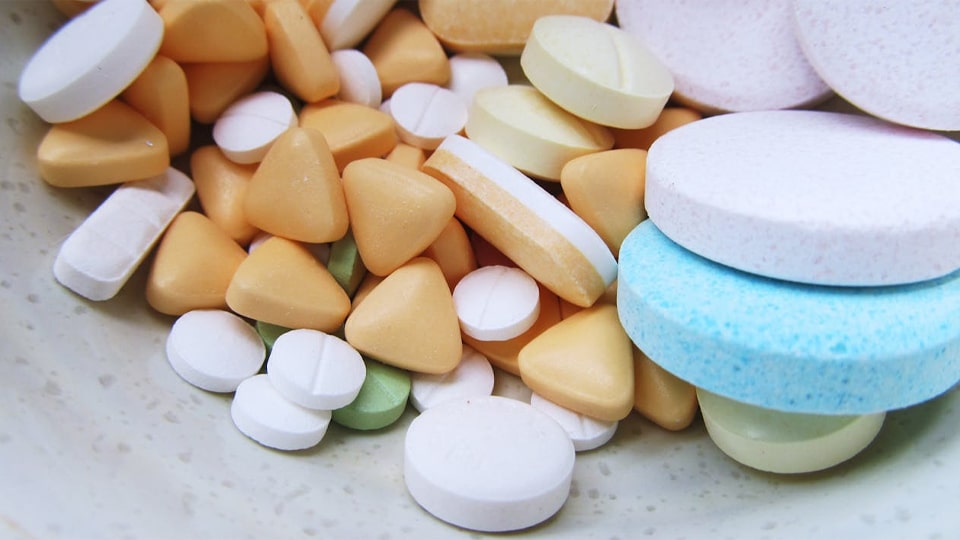
شکل: کپسول های دارویی با روکش فیلم. رنگ و پوشش باعث می شود که قرص ها به راحتی شناسایی شوند, بلع را بهبود بخشد, و تقویت برندینگ. رنگ نقش زیادی در طراحی تبلت دارد. رنگ تبلت متمایز (یا الگوی رنگی) هویت برند را تقویت می کند و به بیماران کمک می کند تا بین داروها و دوزهای مختلف تمایز قائل شوند. به عنوان مثال, ممکن است برای قرص های 100 میلی گرمی در مقابل 200 میلی گرمی از همان دارو از رنگ های متفاوت استفاده شود. ساخت قرص های سفید ساده ارزان است اما اغلب فراموش می شود و می تواند منجر به اختلاط شود. در مقابل, یک قرص با رنگ روشن یا دو رنگ در قفسه های داروخانه برجسته می شود و خطاهای دوز را کاهش می دهد..
به طور خلاصه, از رنگ و پوشش به صورت استراتژیک استفاده کنید: آنها باید اهداف ایمنی و بازاریابی را تقویت کنند, فقط تزئینی نباشد. رنگ های متمایز در هر دوز و سیستم پوشش کاربر پسند تفاوت بزرگی در انطباق بیمار ایجاد می کند.
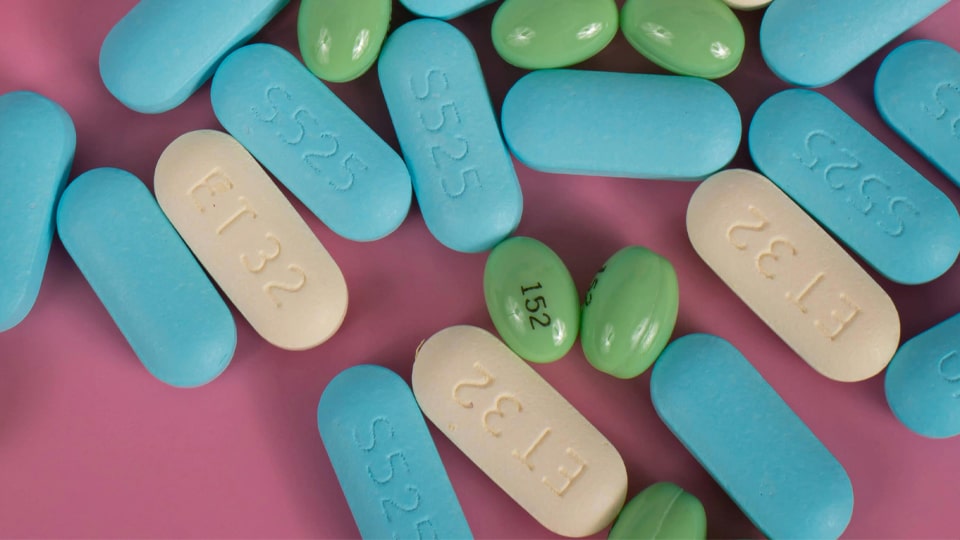
پشت هر قرص ترکیبی از داروی فعال و مواد کمکی به دقت فرموله شده است (مواد غیر فعال). فرمولاسیون بر ساخت و عملکرد تأثیر می گذارد:
خواص مواد خام اثرات بزرگی دارد: اندازه ذرات, شکل, و رطوبت همه چیز مهم است. به عنوان مثال, گرانول های بسیار ریز یا بسیار مرطوب می توانند پرس را مسدود کنند یا منجر به "دربندی" شوند. (تقسیم تبلت). خیلی خشک, و قرص ها ممکن است خیلی شکننده شوند. تست شکنندگی (یک تست استاندارد صنعتی) بررسی می کند که تبلت ها خیلی شکننده نباشند. یک قرص با فرمول مناسب کمتر از 1% وزن آن در آزمایش شکنندگی. عواملی مانند افزودن کمی رطوبت یا چسب می تواند دوام را بهبود بخشد.
در عمل, فرمول خود را برای رسیدن به این اهداف طراحی کنید:
به طور خلاصه, انتخاب مواد تشکیل دهنده و نسبت ها خواص مکانیکی و عملکرد تبلت را تعیین می کند. A good rule is to prototype your formulation and test tablet hardness, شکنندگی, انحلال, and uniformity early. Adjust binder/lubricant levels and granulation methods until you hit quality targets.
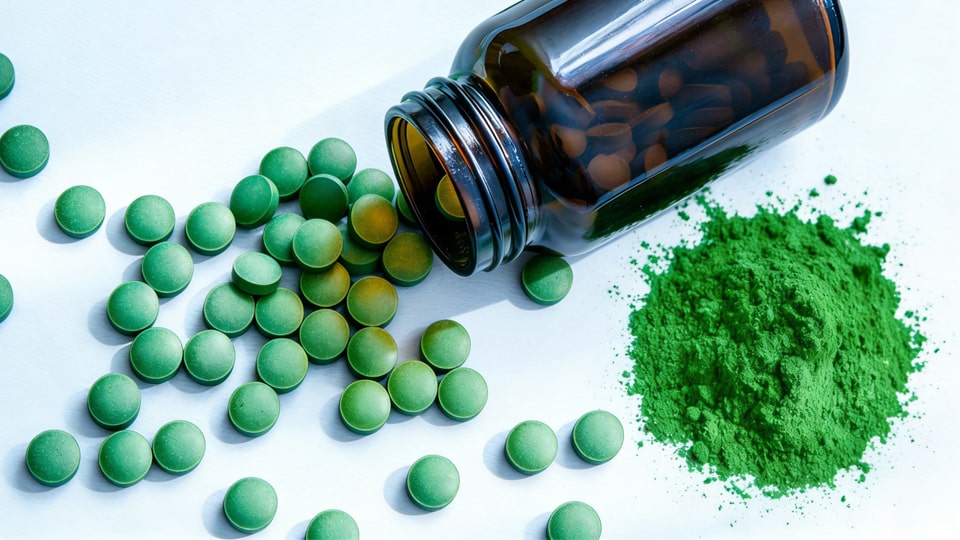
این ماشین مطبوعاتی you use must match your design. Key factors are the tablet’s size, shape complexity, and required production volume. Tablet presses range from small R&D benchtop units to huge high-speed rotary machines.
ملاحظات هزینه: Tablet press prices vary widely with size and capacity. As a rough guide:
The table below summarizes typical press categories:
| دستگاه پرس تبلت | خروجی (قرص/ساعت) | Max Tablet Size | تقریباً. Price (USD) |
| Single-punch / Benchtop R&D | ~1,000–10,000 | ~10 mm | $5,000–15,000 |
| Medium Rotary (12–19 stations) | ~30,000–100,000 | ~25 mm | $10,000–50,000 |
| High-speed Rotary (30+ ایستگاه ها) | 100,000–950,000+ | up to 60 mm | $200,000–800,000 |
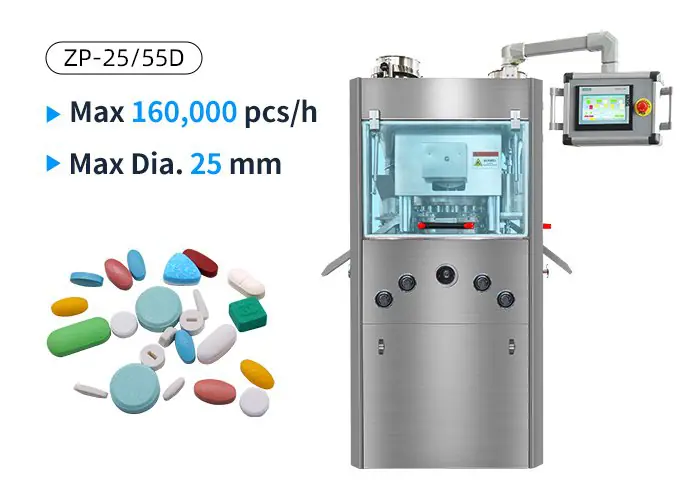
جدول: Example tablet press machines, output and price ranges. Notice how both capacity and size jump for larger machines. If your design calls for very large tablets or dual-layer tablets, ensure the press can handle those demands.
Lead Time & پشتیبانی کنید: بالاخره, consider lead time for ordering equipment. Jinlu Packing advertises ready stock for standard presses and a 7-day shipping promise, but custom or large models may take longer. Also factor in service support – a global service center or on-site setup (some suppliers charge a fee per day) can be crucial for smooth start-up.
A tablet’s visual identity extends beyond color. Think of it as a mini billboard. An attractive, consistent look helps both marketing and safety.
One example is apt: everyone recognizes the blue, diamond-shaped Viagra pill just by sight. You want your tablet to have a similarly clear visual identity. Work with designers to pick a color scheme and shape that fit your brand image.
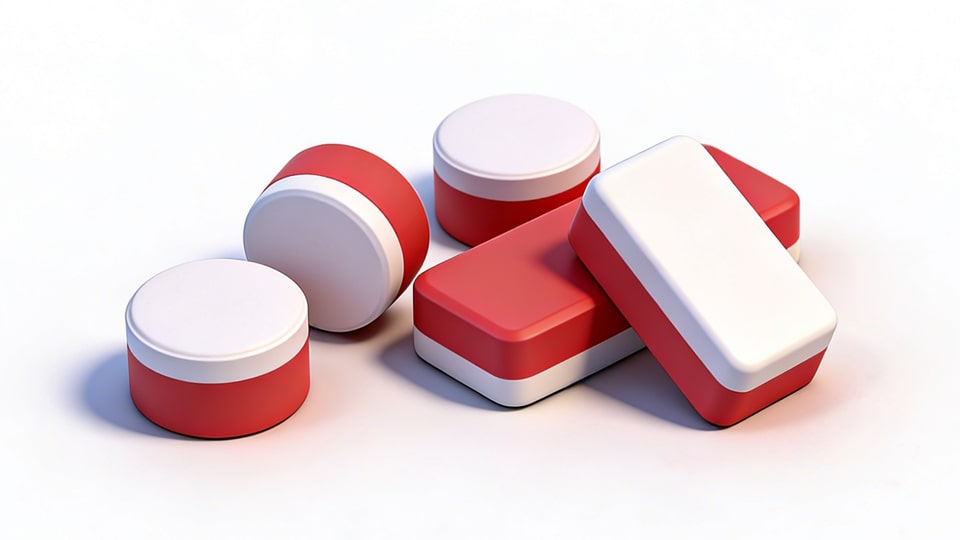
بالاخره, any tablet design must meet strict quality and regulatory standards. Think of these as non-negotiable checkpoints:
انطباق نظارتی: Follow cGMP and pharmacopeia (USP, EP, و غیره) دستورالعمل ها. Maintain records of formulation trials, stability data, and process controls. A robust design includes built-in quality checks at each step.
By addressing these factors from the start—ingredient properties, machine parameters, environment, and tooling—you can avoid common pitfalls. In particular, maintain strict control of tablet press parameters (نیروی فشرده سازی, سرعت برجک, عمق پر کردن) as even slight changes affect hardness and weight. Keep an eye on the production environment (دما, رطوبت) since these can cause powder clumping or moisture uptake.
Good pharmaceutical tablet design is a balance of art and science. You must consider physical properties (اندازه, شکل, رنگ), chemical formulation (ingredients, release mechanisms), manufacturing logistics (machines and cost), and quality requirements (testing and compliance). Each choice—from choosing an oval shape to picking a film coating—has ripple effects on patient experience and production efficiency.
By keeping tablets small enough for easy swallowing, using distinctive colors/coatings for branding and safety, formulating with the right excipients, and selecting appropriate tablet presses (with the necessary capacity and precision), you set your product up for success. Don’t forget to build quality tests into your process to catch any issues early.
Whether you’re a pharma manufacturer or an equipment buyer, understanding these factors ensures you make informed decisions. For tablet compression, consider how machine capabilities and price align with your design: حتی یک تبلت با ظاهر ساده میتواند مطبوعات را به چالش بکشد، اگر بیش از حد بزرگ باشد یا اهداف خروجی شما بالا باشد. برعکس, یک پرس قدرتمند روی یک تبلت کوچک با حجم کم هدر می رود.
برای نمونه سازی و مشاوره وقت بگذارید. با کارشناسان فرمولاسیون و فروشندگان ماشین آلات کار کنید (مانند بسته بندی جینلو) زود است تا طراحی تبلت شما را با بهترین راه حل تولید مطابقت دهید. با انتخاب های طراحی مناسب, تبلت شما نه تنها از نظر درمانی موثر خواهد بود، بلکه بی خطر نیز خواهد بود, جذاب, و مقرون به صرفه برای ساخت.
قرص دارویی یک فرم دوز جامد است که از فشرده سازی ترکیبی از مواد فعال دارویی ایجاد می شود. (API) و مواد کمکی به شکل و اندازه تعریف شده. قرص ها برای تجویز خوراکی طراحی شده اند, and their physical design affects factors like swallowability, انحلال, and drug release profile in the body.
Size and shape influence patient compliance, بلع, و راندمان تولید. Smaller tablets (ideally under ~8–10 mm in diameter) are easier for patients to swallow, while shapes like oval or caplet can further enhance comfort and ease of use. Larger or irregular shapes may complicate coating and production processes.
Color and coating serve both functional and branding purposes. Distinctive colors help patients distinguish between dosages and reduce dosing errors, while film coatings make tablets smoother to swallow and can protect APIs from moisture or enhance release profiles.
A tablet formulation typically includes the active drug (API), fillers/diluents (to add bulk), بنده (to improve tablet integrity), تجزیه کننده (to aid dissolution), و روان کننده ها (to prevent sticking during compression). The right balance ensures tablet strength, یکنواختی, and proper drug release.
Match the tablet design with appropriate equipment based on expected production volume, tablet size, شکل, and complexity. Rotary presses are ideal for high-volume production, while single-punch presses work better for R&D or smaller batches. Ensure the machine can handle your specific tablet design and tooling requirements.
Tooling defines the final physical shape of the tablet. High-quality materials and precise design ensure consistent dimensions, reduce wear and tear, and prevent defects like rough edges. Poor tooling can lead to manufacturing issues or compromised tablet quality.
Excipients assist in achieving reliable manufacturing and drug performance. They contribute to flowability, compressibility, tablet strength, و نرخ انحلال. The choice and proportion of excipients can determine whether a tablet meets quality and functional benchmarks.
Common tests include hardness (ensuring physical durability), شکنندگی (tablet shouldn’t crumble under stress), انحلال (how the drug releases in the body), and content uniformity (each tablet contains the correct API amount). These help ensure safety and performance.
Patient factors such as ease of swallowing, پوشاندن طعم, and tablet appearance impact adherence. A well-designed tablet increases the likelihood that patients will take medication as prescribed, thereby enhancing therapeutic outcomes.
بله. ساده, symmetrical shapes (like round or oval) generally flow better through presses and coat evenly, improving manufacturing efficiency. Complex shapes may need custom tooling and careful coating parameter controls to avoid inconsistencies.
مراجع:
1.Five factors to consider when designing a tablet – www.manufacturingchemist.com
2.FORMULATION DESIGN, MANUFACTURE CRITERIA AND REQUIREMENT OF VARIOUS TYPES OF TABLET – PharmaTutor Edu Labs
3.تبلت (داروخانه) – ویکی پدیا