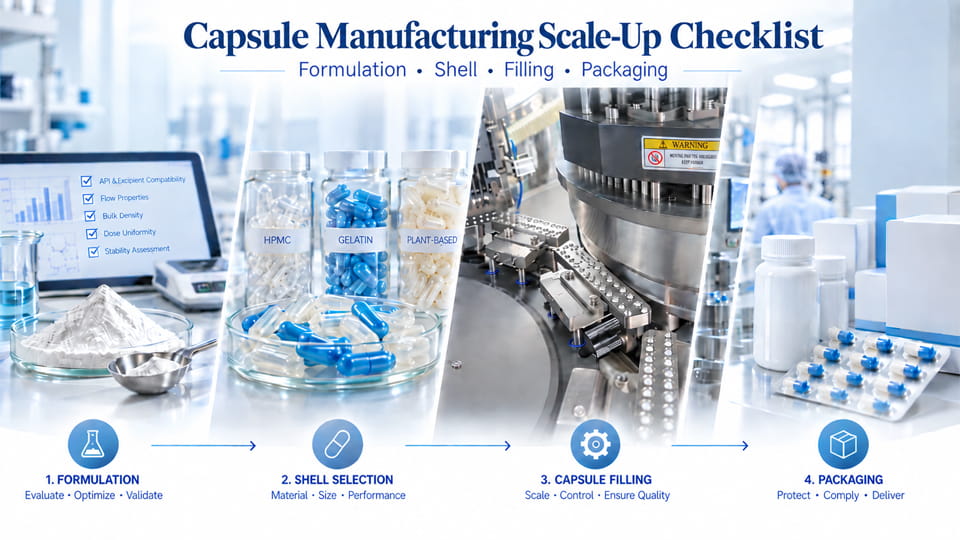

La producción de cápsulas en lotes pequeños es común en los nutracéuticos, suplementos herbarios, ensayos clínicos, R&D, Pruebas piloto y fabricación por contrato.. Elegir el derecho máquina de llenado de cápsulas es crucial para que las marcas y los laboratorios en etapa inicial equilibren los costos, flexibilidad, y Cumplimiento de GMP. A diferencia de las líneas farmacéuticas de gran volumen, Estas operaciones a menudo manejan tiradas limitadas., múltiples SKU, y fórmulas en evolución. El derecho relleno de cápsulas aumenta el rendimiento y la coherencia sin invertir demasiado. Comparado con el llenado manual (bandejas de cápsulas manuales), una máquina puede multiplicar la producción desde unos pocos cientos hasta decenas de miles de cápsulas por hora, mientras mejora la precisión de la dosificación. Pero la automatización se presenta de muchas formas.. Algunos fabricantes comienzan con un llenador de cápsulas manual (no se necesita electricidad, bajo costo) o un máquina llenadora de cápsulas semiautomática (operación asistida) antes de pasar a la automatización total a medida que crecen los volúmenes. Esta guía elimina la jerga, explicando cómo combinar maquinaria de encapsulación tipo y especificaciones según sus necesidades de lotes pequeños.
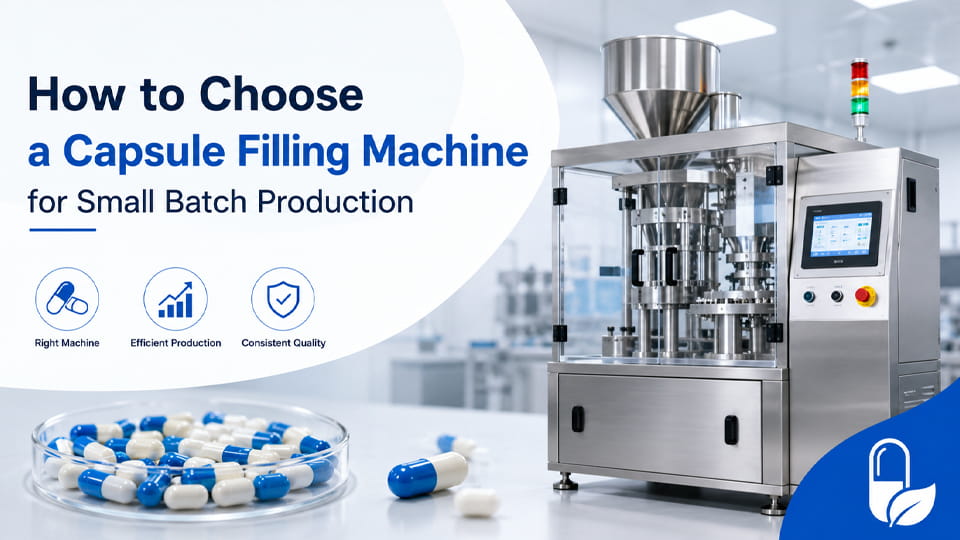
Máquinas de llenado de cápsula se utilizan en todos los productos farmacéuticos, suplementos, y productos herbarios, para polvos, bolitas, e incluso líquidos. Exploraremos sus capacidades y características de diseño para ayudarle a decidir cuál es el adecuado para su báscula.. También cubrimos factores regulatorios como la higiene GMP y los requisitos del operador., ya que incluso las líneas pequeñas deben cumplir con estándares de calidad.
"Lote pequeño" generalmente se refiere a un volumen relativamente bajo o a tiradas de producción flexibles.. Las definiciones varían, pero un punto de referencia práctico es la producción por ejecución o por hora.. Por ejemplo, Los llenadores manuales se utilizan normalmente para lotes muy pequeños (menos de ~500 cápsulas por ejecución). Traje de máquinas semiautomáticas. tiradas pequeñas a medianas (aproximadamente 1,000–5.000 cápsulas por hora). Los llenadores automáticos se justifican cuando las necesidades de producción exceden ~5000–10 000 cápsulas por hora. Estas reglas generales coinciden con las observaciones de la industria.: una vez que la demanda diaria supera aproximadamente 15,000 cápsulas, Muchos fabricantes pasan de equipos manuales a semiautomáticos para reducir los costos de mano de obra..
En términos prácticos, podemos clasificar la escala como: R&Báscula D/laboratorio (cientos por dia), Lote pequeño (miles por dia), Mediano/Comercial (decenas de miles por día), Alto volumen (100k+ por hora). Los productores de lotes pequeños a menudo manejan múltiples SKU o fórmulas cambiantes., entonces necesitan flexibilidad. Esta guía se centra en la equipos manuales y semiautomáticos que prosperan en el régimen inferior a 50.000 caps/día, sin dejar de tocar las máquinas automáticas si planeas ampliar.
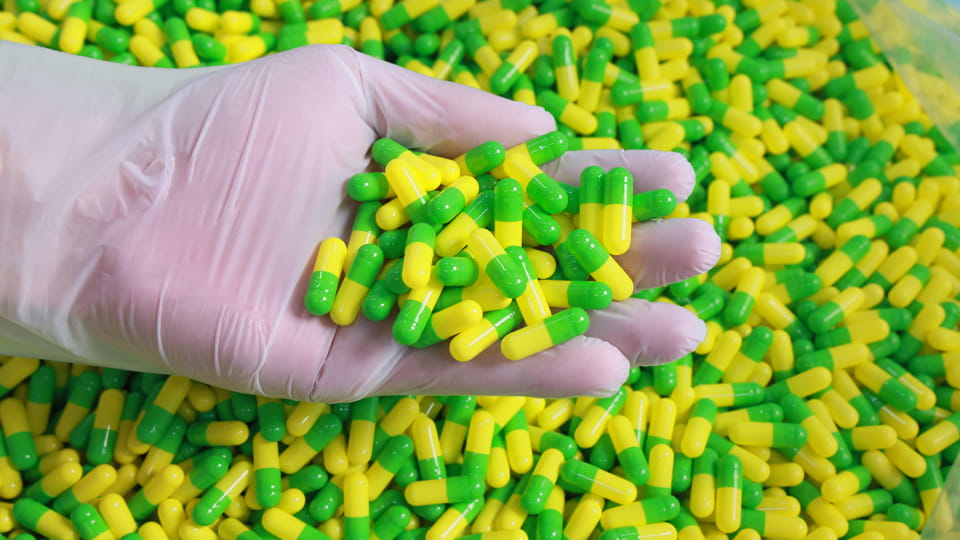
Las máquinas llenadoras de cápsulas se dividen en tres grandes categorías: Manual, Semiautomático, y Totalmente automático. Cada uno tiene distintas compensaciones de velocidad., costo, mano de obra, y complejidad. (Existen variantes especializadas, p.ej. rellenos de cápsulas líquidas o encapsuladores de gelatina blanda, pero aquí nos centramos en el equipo de cápsula dura de dos piezas.)
Llenadores de cápsulas manuales (a veces llamado bandejas de cápsulas o rellenos de platos) No requiere electricidad y utiliza herramientas de apisonamiento simples.. Los operadores esparcen polvo en bandejas de cuerpos de cápsulas., apisonar a mano, y tapa a mano.
En resumen, El llenado manual es extremadamente asequible y fácil de aprender., pero más allá de unos pocos cientos de cápsulas por ejecución, rápidamente se vuelve poco práctico debido a la fatiga y la inconsistencia del operador..
Llenadoras de cápsulas semiautomáticas Combinar el control del operador con la asistencia de la máquina.. Típicamente, un operador carga cápsulas vacías en tolvas y polvos en el sistema de dosificación, pero la maquina automatiza pasos clave como la orientación de la cápsula, relleno, y a veces tapando. Por ejemplo, Muchos modelos utilizan una tolva de cápsulas vibratoria y una aspiradora neumática para separar y presentar los cuerpos y tapas de las cápsulas., luego, una barrena o un pasador apisonador dosifica el polvo, y un sistema mecánico bloquea las cápsulas.

Cifra: Un Jinlu CGNT-209 máquina llenadora de cápsulas semiautomática, compatible con tamaños de cápsula #000–#5 y capaz de producir ~40 000 cápsulas/hora.
Los llenadores de cápsulas completamente automáticos realizan cada paso continuamente con mínima participación humana. Autocargan cápsulas vacías, separarlos y orientarlos, dosificar el material de relleno con precisión, recombinar las mitades, inspeccionar defectos, y expulsar las cápsulas terminadas. Estas máquinas suelen utilizar mesas giratorias complejas con muchas estaciones de dosificación..

Cifra: una alta velocidad máquina de llenado de cápsula automática (Jinlu NJP-3800D) nominal de ~228.000 cápsulas/hora. Estas unidades ofrecen un rendimiento inigualable pero son las mejores para la producción a gran escala..
Llenadores de cápsulas líquidas (Nota especial): Algunas máquinas de cápsulas están diseñadas para llenados de líquido o aceite.. Utilizan microbombas o boquillas para dosificar líquidos en cápsulas duras.. Estas máquinas siguen siendo típicamente rotativas y pueden alcanzar decenas de miles por hora.. Aunque es valioso para aceites y suspensiones., Requieren una limpieza cuidadosa y, a menudo, una especialidad. cápsulas de gelatina o HPMC para evitar fugas. Aquí nos centraremos en las máquinas llenadoras de polvo seco., pero ten en cuenta un máquina con capacidad para líquidos es una opción si tu fórmula lo exige.
En resumen, el elección del tipo de máquina Depende de su escala de producción y presupuesto.. Llenadoras manuales (<~500/día) son los más simples y baratos; semiautomático (hasta ~40k/hora) servir a la mayoría de los pequeños productores; y maquinas automaticas (>~50k/hora) son para necesidades de gran volumen.
Al evaluar las máquinas llenadoras de cápsulas, centrarse en las especificaciones y características de diseño más importantes para la producción de lotes pequeños. Los factores clave incluyen:
Adapte la velocidad de la máquina a sus requisitos de rendimiento. Los llenadores manuales alcanzan un máximo de sólo unos cientos a un par de miles de cápsulas por hora.. Las máquinas semiautomáticas saltan a decenas de miles: muchos modelos funcionan 10,000–40.000 tapones/hora en uso continuo. El equipo totalmente automatizado supera 100,000 cápsulas/hora.
Mantener el espacio libre es aconsejable: si la demanda pudiera duplicarse, considere un modelo más rápido o uno con actualizaciones modulares. Pero evita sobredimensionar (ver errores a continuación).
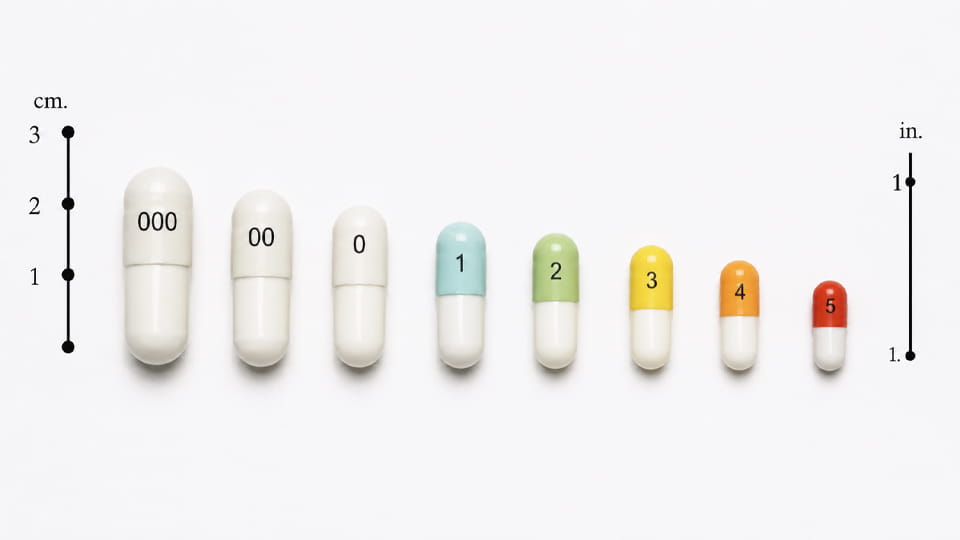
Su llenador debe manejar el tamaños de cápsulas tu usas. Las cápsulas duras varían desde 000 (más grande) a 5 (pequeñísimo). La nutrición y la farmacia suelen utilizar #00, 0, 1, 2, etc.. Asegúrese de que la máquina admita sus tallas desde el primer momento.
La flexibilidad de tamaño es crucial para los pequeños productores con múltiples productos. En una guía del comprador, Jinlu señala que la compatibilidad con varios tamaños es una gran ventaja, ahorro de costes y espacio.
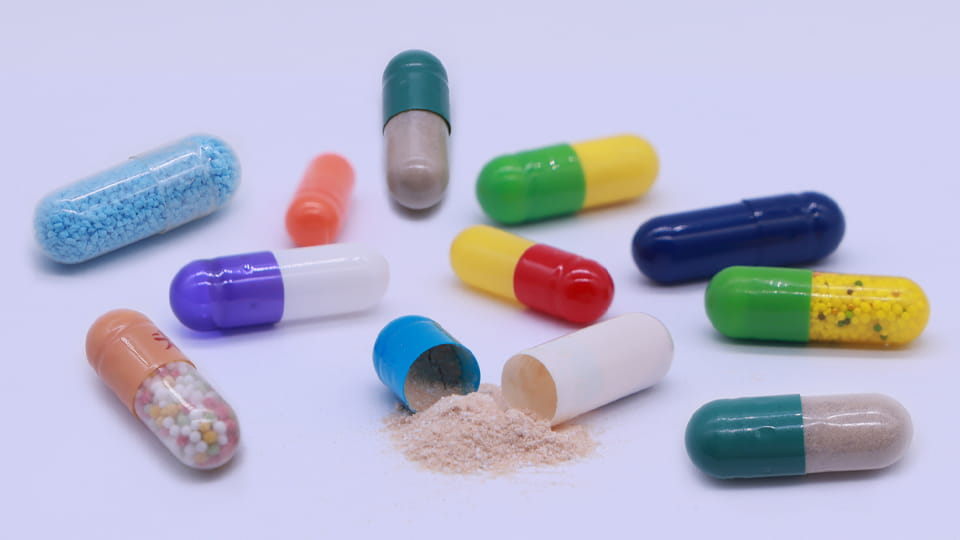
Los materiales de relleno de las cápsulas varían mucho en flujo., densidad, y pegajosidad. Su máquina debe manejar los polvos o gránulos específicos que utiliza..
En breve: Pregúntele al proveedor si ha completado fórmulas como la suya., y considere solicitar una prueba de muestra o una demostración si es posible.
El peso de llenado exacto no es negociable en la producción de cápsulas. Busque máquinas con control de dosificación preciso:
Solicite siempre datos o testimonios sobre la consistencia del llenado.. Incluso un pequeño error de peso en una cápsula puede significar un producto fuera de especificaciones. Recordar, Acelerar no debe sacrificar la precisión: las mejores máquinas equilibran la alta velocidad con un control estricto..
La producción farmacéutica y de suplementos exige facilidad de limpieza y control de la contaminación:
Para pequeños productores, tiempo de inactividad por cuestiones de limpieza. Una máquina que es difícil de limpiar ralentizará la producción y correrá el riesgo de contaminación cruzada. Hacer La facilidad de limpieza es un factor de compra clave..
Evaluar el elemento humano:
En breve, comparar el costo laboral total (salarios + arriba) versus costo de la máquina. Recuerde que las máquinas semiautomáticas intercambian el esfuerzo del operador por gastos de capital..
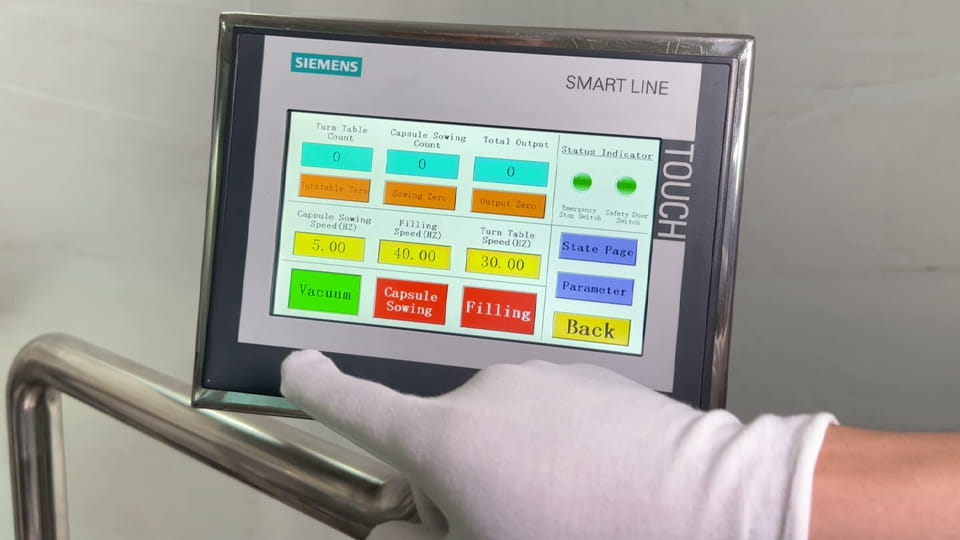
Incluso para lotes pequeños hoy, pensar en el futuro:
planear crecer con gracia. A muchas pequeñas empresas se les queda pequeña su primera llenadora de cápsulas; elegir uno con una ruta de actualización o comprar un poco más grande que las necesidades actuales puede ahorrar costos por el camino.
| Característica | Llenadora de cápsulas manual | Llenadora semiautomática | Llenadora automática |
| Inversión típica | muy bajo (centenares de $) | Medio (~$5,000–$20,000+) | Alto (seis cifras) |
| Producción (cápsulas/hora) | 500–2,000 (máximo) | 10,000–40.000 (rango estable) | 30,000+ a 200,000+ |
| Mano de obra requerida | Alto (una persona por bandeja) | Moderado (1 operador por máquina) | Bajo (1–2 operadores por línea) |
| Habilidad del usuario | muy bajo | Moderado (algo de entrenamiento) | Alto (requiere formación técnica) |
| Exactitud & Consistencia | Variable (dependiente del operador) | Bien (regulado por máquina) | Excelente (control estricto) |
| Cumplimiento de GMP | Básico (bandejas abiertas, acrílico) | Bien (dosificación cerrada, piezas de acero inoxidable) | Excelente (completamente cerrado, SS316) |
| Mejor para | R&D, laboratorio, pasatiempo, <500/día | Fábricas pequeñas y medianas (~miles/día) | Producción a gran escala (>100k/h) |
| Productos de ejemplo | Bandejas de mano, 300/400-placas de agujeros | Jinlu CGN-208D (30k/h), CGNT-209 (40k/h) | Jinlu NJP-3800D (228k/h) |
Para la mayoría de las nuevas empresas farmacéuticas o de suplementos a pequeña escala, a máquina llenadora de cápsulas semiautomática llega al punto óptimo. Estas máquinas cuestan mucho menos que las automáticas grandes, pero ofrecen una velocidad y consistencia mucho mayores que los métodos manuales.. un semiautomático (30–40.000 tapones/hora) puede manejar las crecientes necesidades de producción sin la pérdida de mano de obra del llenado manual. También tienden a cumplir con los requisitos de diseño GMP. (piezas de acero inoxidable, tolvas cerradas) importante para los fabricantes primerizos.
Llenadoras manuales Todavía tienes un lugar si tus volúmenes son extremadamente bajos. (fórmulas compuestas personalizadas o especiales) o el presupuesto es la principal limitación. Pero tenga en cuenta el punto de inflexión: como señala JinluPacking, una vez La producción diaria supera las ~15.000 cápsulas., Los costos ocultos del manual. (rehacer, con el tiempo) a menudo hacen que una máquina semiautomática se amortice sola.
maquinas automaticas normalmente superan las necesidades de una startup; Considérelos solo si prevé un escalamiento muy rápido o si ya tiene contratos de gran volumen.. Por ejemplo, un fabricante contratado que presta servicios a varios clientes podría justificar una pequeña unidad automática (<$50k) o una máquina usada para atender pedidos grandes.
En resumen: manual para peques, lotes ocasionales; Semiautomático para la mayoría de las empresas en crecimiento; Automático para alto volumen. Hable con los proveedores sobre sus pronósticos; algunos pueden sugerir modelos de nivel medio. Jinlupacking, por ejemplo, alienta a las empresas a "dar un paso adelante" con sus líneas semiautomáticas para alcanzar objetivos de producción del siguiente nivel.
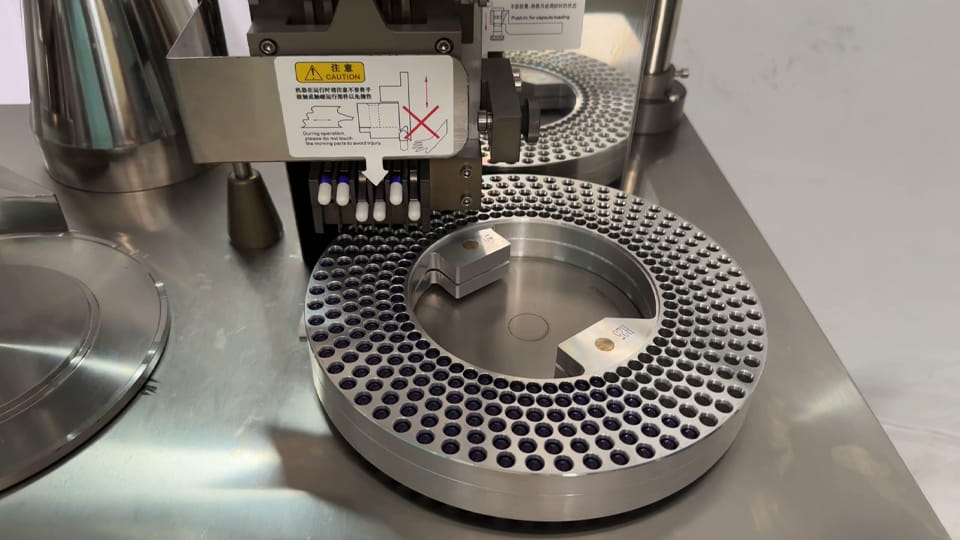
Evite estos errores adaptando cuidadosamente una máquina a su plan de producción y trabajar en estrecha colaboración con proveedores acreditados que pueden guiarlo. Como concluye una guía de Jinlu, esta decisión debe ser una asociación: elija el equipo que crece con tu negocio.

Seleccionar una máquina llenadora de cápsulas es una decisión crucial para cualquier pequeño fabricante. Afectará tu eficiencia, calidad del producto, y escalabilidad. Resumiendo los puntos clave:
Sobre todo, trabajar con proveedores experimentados y buscar referencias o estudios de casos (Ofertas del sitio de Jinlu noticias y estudios de caso) al finalizar tu selección. Con la máquina adecuada, Su producción de cápsulas en lotes pequeños se desarrollará sin problemas., produciendo consistente, Cápsulas de alta calidad que cumplen con las regulaciones y deleitan a sus clientes..
Para la mayoría de escenarios de lotes pequeños, una llenadora de cápsulas semiautomática ofrece el mejor equilibrio entre coste y rendimiento. Proporciona un alto rendimiento (~30.000 a 40.000 caps/hora) sin el gasto de una línea automática completa. Las llenadoras manuales sólo son óptimas para volúmenes muy pequeños (docenas a unos pocos cientos de cápsulas). Las máquinas completamente automáticas generalmente están destinadas a operaciones de gran volumen..
Los llenadores de cápsulas manuales generalmente NO se recomiendan más allá de los de muy pequeña escala o R.&D uso. Carecen de la velocidad y consistencia necesarias para las tiradas comerciales.. La experiencia de la industria muestra que una vez que la producción necesita exceder unos pocos miles de cápsulas por día, El llenado manual se convierte en un cuello de botella. Para una calidad y eficiencia constantes en un entorno de producción, Se recomienda actualizar a una llenadora semiautomática..
La mayoría de las máquinas de cápsulas duras aceptan tamaños de cápsulas 000 (más grande) hasta 5 (pequeñísimo). Los tamaños comunes en los nutracéuticos son 00, 0, 1, y 2. Por ejemplo, Tanto las máquinas semiautomáticas como las automáticas de Jinlu cubren todos los tamaños. #000 a través de #5. Verifique las especificaciones del producto para estar seguro; cambiar de tamaño generalmente requiere cambiar la bandeja de llenado o el molde, pero muchos diseños hacen que este cambio sea rápido.
Los llenadores de cápsulas de buena reputación para uso farmacéutico están fabricados según los estándares cGMP. Suelen contar con marcos de acero inoxidable SUS304/316., cámaras de dosificación cerradas, y superficies lisas para una fácil limpieza. Busque certificaciones CE/FDA o declaraciones de cumplimiento de cGMP. Máquinas de proveedores de calidad. (como JinluEmbalaje) están diseñados con esquinas redondeadas, recintos higiénicos, y a menudo vienen con soporte de validación. Verifique siempre los materiales y el diseño según los requisitos GMP..
Las máquinas automáticas tienden a tener la mayor precisión. (a menudo dentro de ±1–3% del peso objetivo) gracias a sistemas de barrena precisos y controles de retroalimentación. Las semiautomáticas suelen conseguir una precisión similar o ligeramente menor. El llenado manual tiene la mayor variación. (dependiente del operador). Si la dosificación exacta es crítica, elija una máquina con un sistema de dosificación de ajuste fino y considere modelos con controles de peso en línea. Pregunte siempre al proveedor por los datos típicos de variación de peso..
Como mínimo, tener contadores de cápsulas precisos y pruebas de cumplimiento (p.ej. controles de peso, probadores de desintegración). Es posible que también necesite envasadoras en blister o botella., selladores, y máquinas etiquetadoras. Jinlu ofrece máquinas contadoras de cápsulas y envasadoras de blister., Por ejemplo. No te olvides del equipo HSE (mascarillas antipolvo, aspiradoras) para manejar cualquier derrame de polvo.
Presupuesto (p.ej. “100.000 cápsulas/hora”) depende en gran medida de las condiciones. Solicite siempre una prueba de aceptación en fábrica (GORDO) o análisis de muestra utilizando sus cápsulas y polvo reales. Esta prueba del mundo real es la forma más segura de confirmar la capacidad, exactitud, y compatibilidad. Es una práctica estándar que los proveedores acreditados permitan que el comprador realice pruebas antes de la compra final..
Referencias:
1. Forma farmacéutica Fabricantes de medicamentos cGMP (10/93) -- A NOSOTROS. Administración de Alimentos y Medicamentos
2.Información sobre medicamentos: pautas para la fabricación de cápsulas -- OMS
3.El llenado de polvos en cápsulas duras de dos piezas. —— Biblioteca Nacional de Medicina
4.Investigación de diversos factores que afectan la encapsulación en la máquina llenadora automática de cápsulas con tapa. —— Biblioteca Nacional de Medicina