
أشكال جرعات أقراص تأتي في نوعين أساسيين: المغلفة و غير مصقول. ان قرص غير مطلي هي عبارة عن حبة مضغوطة بسيطة بدون أي غلاف إضافي – فقط المكونات المضغوطة (دواء فعال زائد سواغ). أ قرص مطلي, في المقابل, يحتوي على طبقة خارجية رقيقة أو غلاف يتم تطبيقه بعد الضغط. يمكن أن يكون هذا الطلاء فيلم بوليمر (مغلفة بالفيلم), قذيفة على أساس السكر (المغلفة بالسكر), الطبقة المعوية, أو فيلم وظيفي آخر. يؤدي الطلاء وظائف تتجاوز المظهر، فهو يمكنه حماية الدواء, طعم القناع, الافراج عن السيطرة, أو تحسين القدرة على البلع.
على سبيل المثال, شكل 1 يوضح كيف تقوم آلة طلاء الفيلم بتطبيق طبقة بوليمر موحدة على الأجهزة اللوحية, خلق على نحو سلس, حبوب لامعة. هذا الطلاء يمكن أن يجعل عملية البلع أسهل ويحمي قلب الجهاز اللوحي من الرطوبة والهواء. في المقابل, الأقراص العادية غير المطلية تكون غير لامعة, في كثير من الأحيان طباشيري, وأكثر عرضة للبيئة.
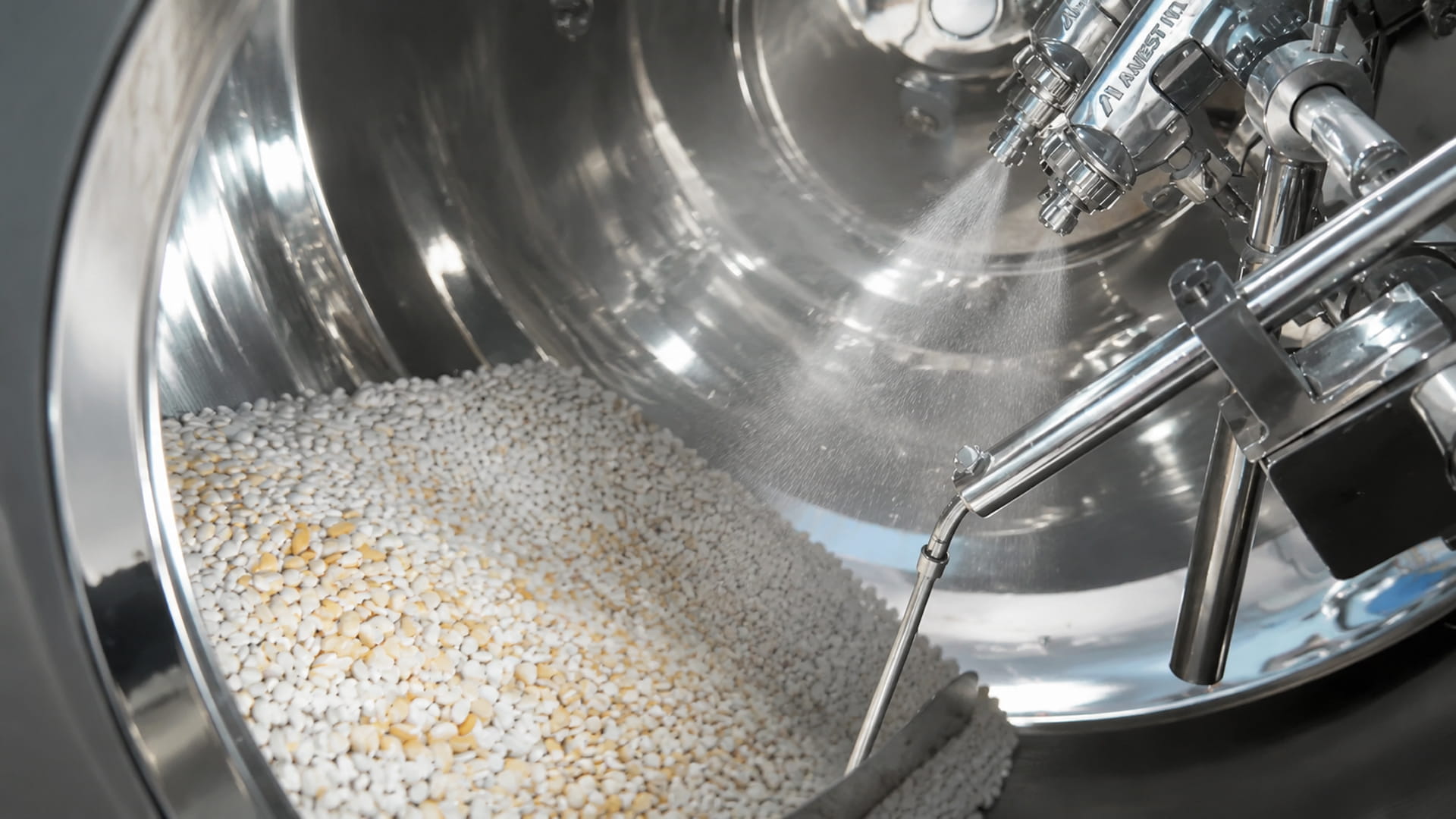
شكل 1. آلة طلاء الأقراص عالية السرعة تطبق طبقة طلاء. يضيف الطلاء حماية, طبقة ناعمة لكل قرص, تحسين المظهر والاستقرار.
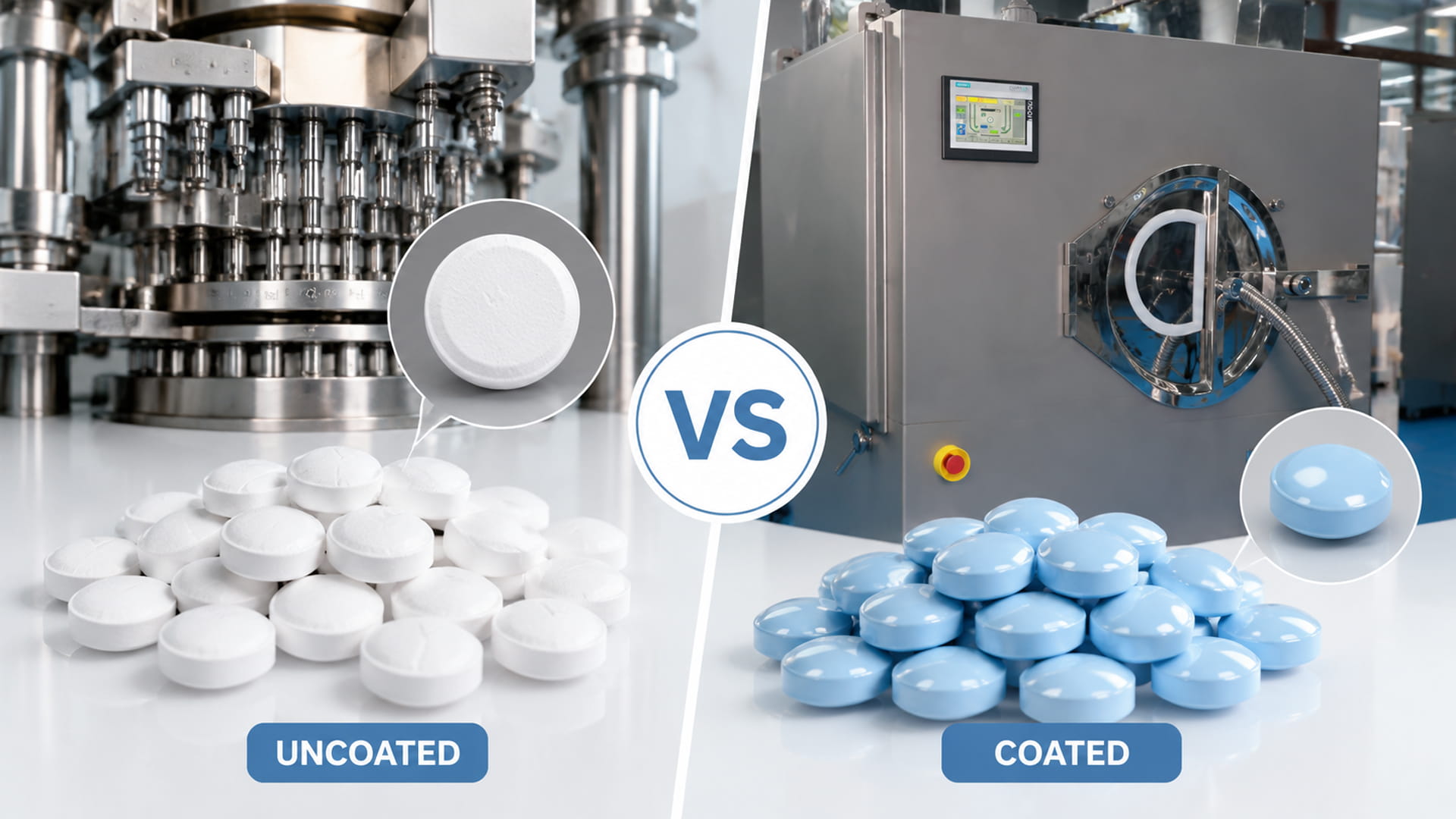
على سبيل المثال, أ قرص مغلف بالفيلم لديه فيلم بوليمر رقيق (عادة هيدروكسي بروبيل ميثيل السليلوز أو ما شابه ذلك) هذا لا يزيد من حجم حبوب منع الحمل. أ قرص مغلف بالسكر لديه سميكة, قشرة شراب حلو - أكثر صعوبة في صنعها وأثقل بكثير. ان قرص مغلف معويا يستخدم البوليمرات الحساسة لدرجة الحموضة بحيث يمر عبر المعدة ويذوب في الأمعاء. كل نوع طلاء له إيجابياته وسلبياته (انظر الجدول أدناه).
| نوع الطلاء | وصف | الاستخدامات الأساسية |
| غير مطلي | لا طلاء; قلب الجهاز اللوحي مكشوف | الافراج السريع, حساسة للتكلفة, أدوية مستقرة |
| معطف الفيلم | فيلم بوليمر رقيق (على سبيل المثال. HPMC) | اخفاء الذوق, حماية من الرطوبة/الضوء, سهولة البلع, العلامة التجارية |
| معطف السكر | طبقات سميكة من شراب السكر | اخفاء طعم قوي, لمسة نهائية لامعة ناعمة, في كثير من الأحيان في طب الأطفال |
| معطف معوي | البوليمرات الحساسة لدرجة الحموضة (يودراجيت) | حماية المعدة أو الدواء; تأخر إطلاق الأمعاء |
| آحرون | إطلاق متخصص/متحكم فيه | الافراج المستدام, التسليم المستهدف, إلخ. |
طاولة 1. مقارنة الأقراص غير المطلية والمغلفة وأنواع الطلاء الشائعة.
الطلاء ليس فقط للمظهر - إنه خطوة وظيفية في تصنيع الأجهزة اللوحية. يسأل مهندسو الأدوية, "هل يمكن للجهاز اللوحي أن يعمل بدون طلاء?"إذا كانت الإجابة بنعم, الجهاز اللوحي غير المطلي أبسط وأرخص. ولكن تتم إضافة الطلاءات كلما كانت هناك فائدة تقنية. تشمل الأسباب الرئيسية لتغليف الأقراص ما يلي::
باختصار, يضيف الطلاء وظائف. لا يتم ذلك بشكل تعسفي, ولكن كلما طعم, استقرار, أو مسائل مراقبة الافراج. كما يشير أحد دليل الصناعة, "يتم تقديم الطلاء فقط عندما يوفر فائدة وظيفية واضحة".
تجمع الأقراص المغلفة بين المتانة وسهولة الاستخدام. وتشمل الفوائد الرئيسية:
شكل 2 يقارن بين الكمبيوتر اللوحي غير المطلي والكمبيوتر اللوحي المغطى بالفيلم. القرص المطلي (يمين) من الواضح أنه سلس, مظهر خارجي لامع يخفي أي بصمة أو خشونة في القلب.
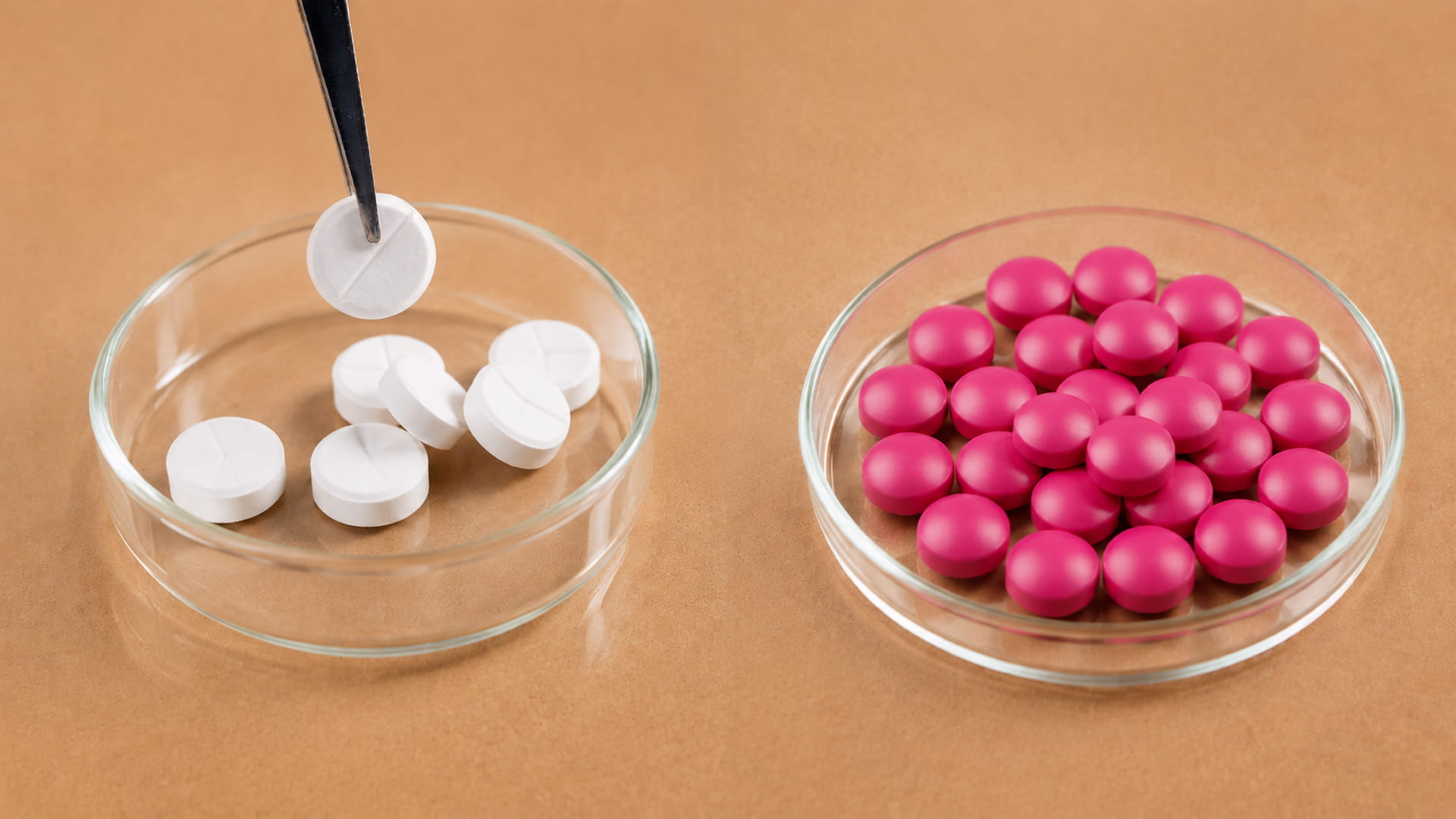
شكل 2. غير مطلي (غادر) مقابل فيلم المغلفة (يمين) أقراص. يتميز الجهاز اللوحي المغطى بالفيلم بسلاسة, تشطيب موحد يخفي لون القلب وملمسه. تعمل مثل هذه الطلاءات على تحسين قابلية البلع وحماية الدواء في الداخل.
من السهل شرح فوائد الطلاء: غالبًا ما تبدو الأقراص المغلفة "أفضل"., تدوم لفترة أطول, والنزول أسهل" من الحبوب العادية. هذه المزايا تعني أنه على الرغم من أن الطلاء يضيف خطوات وتكلفة, يمكن أن يقلل من المشاكل لاحقًا (ضرر, الشكاوى, انتهاء مبكر). ويشير كبير مسؤولي التسويق في مجال المكملات الغذائية إلى أنه في حين أن "الأقراص المغلفة تحتوي على مواد إضافية, العمل والوقت, قد يقلل الطلاء من الدفعات المرفوضة, شكاوى العملاء, وقضايا الجودة بعد السوق ". على المدى الطويل, غالبًا ما توفر الأقراص المغلفة المال طوال دورة حياة المنتج.
بالطبع, أقراص عادية لا يزال لها مكانها. توفر الأقراص غير المطلية البساطة والفعالية من حيث التكلفة:
ببساطة, قرص غير مطلي هو "سهلة الصنع ورخيصة الثمن". إنها نقطة انطلاق جيدة في دراسات الجدوى. تشير مدونة الصيدلي أيضًا إلى أن الأقراص غير المغلفة أرخص وأقل استهلاكًا للوقت في إنتاجها, وهم يذوبون بشكل أسرع ويطلقون الدواء بشكل أسرع.
لكن, وتأتي هذه المكاسب مع المقايضات: فالقرص غير المغلف "يترك جوهر الدواء عرضة" للأضرار البيئية, وقد يكون أقل قبولا لدى المرضى. لذلك يزن المصنعون هذه العوامل: إذا لم تكن هناك حاجة للطلاء, من المحتمل أن يتخطوها.
الطلاءات ليست مقاس واحد يناسب الجميع. تستخدم الصناعة العديد من أنواع الطلاء الرئيسية, لكل منها محددة الاستخدامات والفوائد:
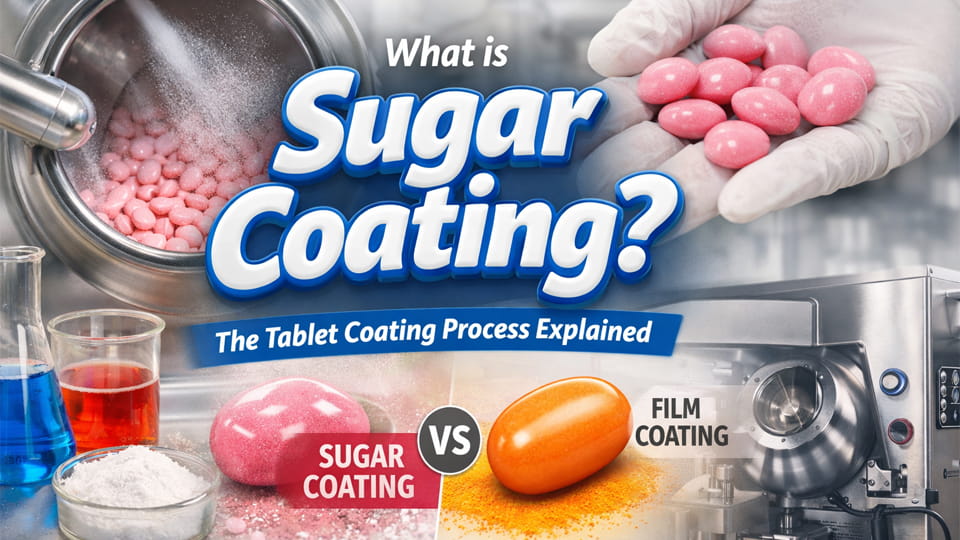
أقراص مغلفة بالفيلم مقابل أقراص مغلفة بالسكر: باختصار, طلاءات الفيلم رقيقة, دائم, ومناسبة للإنتاج عالي السرعة. لقد حلت محل طبقات السكر إلى حد كبير لأنها تضيف الحد الأدنى من الحجم وتطبق بسرعة. لكن, لا تزال طبقات السكر تقدم طعمًا رائعًا ومظهرًا كلاسيكيًا, لذلك تظهر في منتجات مثل الفيتامينات القابلة للمضغ حيث يكون الطعم أمرًا بالغ الأهمية.
أقراص مغلفة بالفيلم مقابل أقراص مغلفة معوية: والفرق الرئيسي هو موقع الإصدار. يذوب غلاف الفيلم الفوري الإطلاق في المعدة وغالبًا ما يؤدي إلى تحسين قابلية البلع أو الاستقرار. طلاء معوي التأخير الذوبان حتى درجة الحموضة المعوية. على سبيل المثال, قد يستخدم دواء حرقة المعدة طبقة معوية لتجنب المعدة, في حين أن الفيتامين اليومي قد يستخدم طبقة فيلم عادية..
كيف يقوم المصنعون بتغطية الأجهزة اللوحية فعليًا؟? إنها عملية رش وتجفيف يتم التحكم فيها بعناية. الخطوات الأساسية هي:
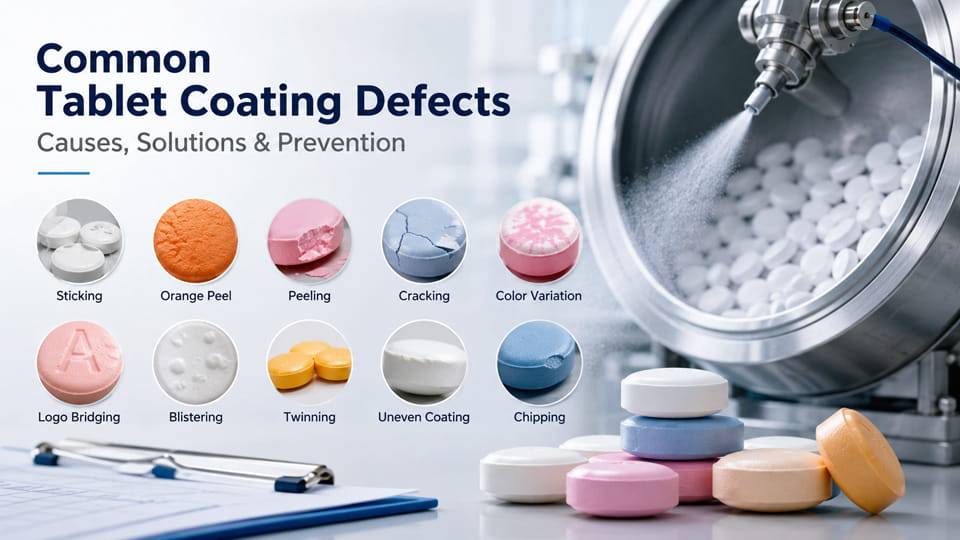
يستخدم إنتاج الأجهزة اللوحية الحديثة معدات مثل يضغط قرص دوار (لتشكيل النوى) و آلات طلاء عالية السرعة (لتطبيق الفيلم أو قذائف السكر). يمكن لآلة ضغط الأقراص إنتاج مئات الآلاف من النوى الموحدة في الساعة. ثم تقوم آلة طلاء متخصصة - وهي في الأساس عبارة عن أسطوانة من الفولاذ المقاوم للصدأ مزودة بفوهات رش وتدفق هواء دقيق - بتطبيق محلول الطلاء على الأقراص المتحركة.
يجب أن يتم التحكم في كل خطوة من هذه الخطوات بإحكام. يمكن أن يسبب كثرة الرذاذ أو الهواء الساخن جدًا عيوب مثل نسيج "قشر البرتقال" أو طبقة التقشير. لهذا السبب آلات الطلاء المتقدمة (مثل تلك من JinluPacking) لديها ضوابط PLC التلقائية, فوهات رش دقيقة, وحتى المراقبة في الوقت الحقيقي لضبط المعلمات. في النهاية, الدقة هي المفتاح: يجب أن يتمتع كل جهاز لوحي بسماكة الطلاء المناسبة للحصول على أداء ثابت.
[jl_youtube src=”https://www.youtube.com/embed/LFJJ-cEpfCk”]
عند الانتقال من التطوير المختبري إلى إنتاج الأجهزة اللوحية التجارية, يصبح اختيار آلة طلاء الأجهزة اللوحية المناسبة قرارًا حاسمًا. عادةً ما يقوم مديرو الإنتاج بتقييم المعدات بناءً على تجانس الطلاء, سعة, مستوى الأتمتة, متطلبات التنظيف, وتكاليف الصيانة. تشمل معدات طلاء الأجهزة اللوحية الأكثر شيوعًا:

شكل 3. آلة طلاء الأقراص الصناعية عالية السرعة من Jinlu. تتدحرج الأقراص إلى الداخل بينما يتم رش محلول الطلاء وتجفيفه. تضمن الميزات مثل المحرضات من النوع المربك وأنظمة تداول المواد تغطية موحدة وطلاء فعال.
تشمل الميزات الرئيسية التي يجب البحث عنها في المغطي:
الاستثمار في المعدات عالية الجودة يؤتي ثماره: يحقق المغطى الجيد تجانسًا عاليًا للطلاء, الحد الأدنى من العيوب, ويمكن أن تعمل بسرعات أعلى. وهذا يقلل من وقت الإنتاج والعمل. كما تلاحظ إحدى المدونات, طلاء الأفلام الحديث "أصبح أسرع وأكثر اتساقًا من أي وقت مضى,” بفضل الضوابط الآلية والآلات المحسنة.
لتلخيص, فيما يلي التناقضات الرئيسية بين الأقراص المغلفة وغير المطلية:
طاولة 2 (أقل) يسلط الضوء على هذه الاختلافات. لاحظ أن المغلفة ليست "أفضل" في جميع المجالات - إنها أفضل عندما تكون هناك حاجة للطلاء. كما يجيب أحد الأسئلة الشائعة: "هل الأقراص المغلفة دائمًا أفضل من غير المغلفة؟? لا – تستخدم الأقراص المغلفة عندما يكون هناك سبب وظيفي, مثل إخفاء الذوق أو الحماية. عندما تكون التركيبة مستقرة ومستساغة, غالبًا ما يتم تفضيل الأقراص غير المطلية بسبب البساطة والتكلفة..
| ميزة | أقراص غير مغلفة | أقراص مغلفة |
| سطح | ماتي, مسحوق/حبيبات مرئية | سلس, فيلم لامع أو ملون |
| الطعم/الرائحة | قد تكون المريرة أو غير السارة ملحوظة | طلاء الأقنعة الأذواق / الروائح الكريهة |
| سهولة البلع | في كثير من الأحيان أصعب, وخاصة الكبيرة منها | أسهل بسبب السطح الأملس |
| حماية (الرطوبة / الضوء) | يتطلب تعبئة قوية | يضيف الفيلم حاجزًا, يحسن الاستقرار |
| الاستقرار الدوائي | أكثر عرضة للرطوبة, حرارة | استقرار أفضل ومدة الصلاحية |
| تعقيد المعالجة | عملية أبسط, خطوات أقل | مطلوب خطوة طلاء إضافية |
| الوقت/التكلفة | انخفاض تكلفة التصنيع | تكلفة أولية أعلى ولكن من المحتمل أن تكون تكلفة دورة الحياة أقل |
| التحكم في الإصدار | الافراج الفوري فقط | يمكن تمكين الإصدار المؤجل أو المتحكم فيه (معوي, مستدام) |
| العلامة التجارية / المظهر | محدود (لون عادي) | يمكن أن تكون ملونة, مطبوعة للعلامة التجارية |
طاولة 2. أقراص مغلفة وغير مغلفة: مقارنة بين الميزات الرئيسية.
في الممارسة العملية, يقرر المصممون والمصنعون بناءً على احتياجات المنتج. بعض الإرشادات العامة:
في بعض الأحيان يتعلق القرار بالتغليف: الأقراص المغلفة بشكل عام تكون أفضل في الزجاجات أو الجرار لأنها تتخلص من غبار أقل. في حزم نفطة, يعمل أي من النموذجين, لكن الطلاء قد يسمح بتغليف أبسط. الشركات المصنعة للعقود (مديرو التسويق) كثيرا ما تسأل: "هل يمكننا أن نجعل هذا الجهاز اللوحي غير مطلي؟?"وأضف خطوة طلاء فقط إذا لزم الأمر.
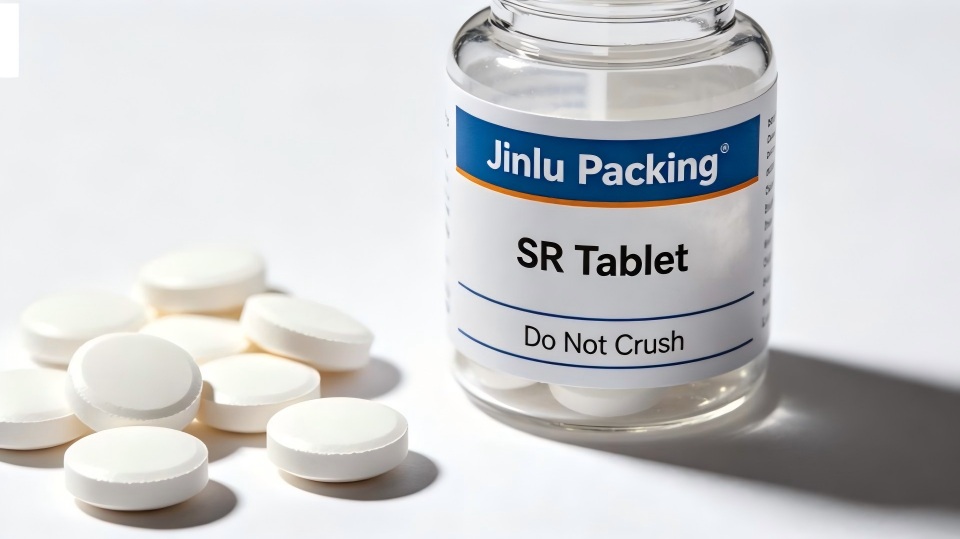
السؤال الشائع هو ما إذا كان من الممكن كسر القرص المطلي إلى نصفين أو طحنه. عمومًا, لا: إن تقسيم أو سحق القرص المطلي يتعارض مع غرض الغلاف. يهدف طلاء البوليمر إلى التحكم في إطلاق الدواء أو حمايته. سحقها يعرض الدواء دفعة واحدة, والتي يمكن أن تغير الامتصاص أو تسبب تهيجًا. الأجهزة اللوحية المطلية (خاصة تلك المعوية أو ممتدة الإطلاق) يجب أن تظل سليمة. إذا كانت هناك حاجة لجرعة أصغر, تحقق مما إذا كان الجهاز اللوحي يحتوي على خط النتيجة (بعض أقراص الإصدار الفوري تفعل ذلك) أو اسأل الصيدلي. كما تقول مذكرة أحد الخبراء: "عادةً لا، فالسحق يمكن أن يدمر الطبقة الواقية ويغير إطلاق الدواء. تحقق دائمًا مع الصيدلي أولاً".
في النهاية, أقراص مغلفة مقابل أقراص غير مغلفة هي مقايضة بين البساطة والوظيفة. الأقراص غير المطلية أرخص وأسرع في التصنيع, لكن اترك قلب الدواء مكشوفًا. تضيف الأقراص المغلفة التعقيد والتكلفة, ولكن تقديم فوائد واضحة: استقرار أفضل, اخفاء الذوق, القدرة على البلع, وتمايز العلامة التجارية. في الإنتاج الصيدلاني الحديث, معظم الحبوب للاستخدام اليومي (الفيتامينات, أدوية بدون وصفة طبية, المغذيات) مغلفة بالفيلم لأنها تحقق التوازن الصحيح بين الحماية والكفاءة.
لكن, كلما سمحت الصيغة, قد تفضل الشركات الأجهزة اللوحية غير المطلية لأسباب تتعلق بالتكلفة. المفتاح هو مطابقة نوع الجهاز اللوحي لاحتياجات الدواء. إذا كان منتجك يتطلب إخفاء الطعم أو الإطلاق الخاضع للرقابة, غالبًا ما يكون الطلاء ضروريًا. إذا لم يكن كذلك, قد يكفي قرص عادي.
إذا كانت لديك أية أسئلة حول طلاء الأجهزة اللوحية أو لاستكشاف خيارات المعدات, تواصل معنا! فريقنا في JinLuPacking متخصص في مكابس الأجهزة اللوحية, آلات طلاء, وخطوط إنتاج الأجهزة اللوحية كاملة. سواء كنت بحاجة إلى نظام طلاء عالي السرعة للفيلم, سكر, أو التطبيقات المعوية, أو نصيحة بشأن تحسين تركيبة الجهاز اللوحي, نحن هنا للمساعدة. اتصل بنا للحصول على عرض أسعار أو مزيد من المعلومات, ودعنا نتأكد من حصول الأجهزة اللوحية الخاصة بك على الشكل والأداء المناسبين.
تحتوي الأقراص المغلفة على طبقة إضافية (فيلم, السكر أو البوليمر الوظيفي) يتم تطبيقه على القلب المضغوط, بينما الأقراص غير المغلفة هي أقراص مضغوطة عادية بدون أي طبقة خارجية. يخدم الطلاء أغراض وظيفية: يمكن أن يخفي الذوق, حماية API من الرطوبة/الضوء, وإطلاق السيطرة. تذوب الأقراص غير المغلفة على الفور وتكون أرخص في التصنيع, لكنهم يعرضون الدواء للبيئة وغالباً ما يكون مذاقهم مريراً.
الأقراص مغلفة لتحسين الثبات, قبول المريض, والأداء. طلاء يحمي الرطوبة- أو واجهات برمجة التطبيقات الحساسة للضوء, أقنعة النكهات غير السارة, ويجعل الجهاز اللوحي أسهل في البلع. الطلاءات المتخصصة (مثل الأفلام المعوية) يمكن تأخير الإفراج حتى الأمعاء, منع تهيج المعدة. باختصار, يعزز الطلاء مظهر الجهاز اللوحي ومدة صلاحيته, ويمكن أن يتيح توصيل الأدوية الخاضعة للرقابة وامتثال المريض بشكل أفضل.
ولا يعتبر أي منهما "أفضل" عالميًا - فالأمر يعتمد على التطبيق. تتمتع الأقراص المغلفة بميزة الحماية وجاذبية المريض, لكنها تكلف أكثر وتتطلب معالجة إضافية. الأقراص غير المطلية أبسط, أسرع, وأرخص في الإنتاج, ويطلقون الدواء بسرعة. من أجل مستقر, دواء فوري الإصدار حيث تكون التكلفة هي الأولوية, غير المطلي قد يكون مثاليا. بالنسبة لدواء مر أو حساس للرطوبة حيث يكون إخفاء الطعم والثبات من الأولويات, المغلفة هو الخيار الأفضل.
الطرق الثلاث الرئيسية لطلاء الأجهزة اللوحية هي:
• طلاء الفيلم: طبقة بوليمرية رقيقة (عادة ما تعتمد على الماء) يتم تطبيقه عن طريق الرش; الأكثر شيوعا اليوم. يوفر حماية من الرطوبة والعلامة التجارية مع الحد الأدنى من زيادة الوزن.
• طلاء السكر: قشرة سكرية سميكة مبنية بطبقات متعددة من الشراب; يعطي لمسة نهائية لامعة والأقنعة ذات مذاق جيد, ولكنه يضيف كميات كبيرة ويتطلب معالجة طويلة.
• طلاء معوي: طبقة حساسة لدرجة الحموضة، تقاوم حمض المعدة وتذوب في الأمعاء. هذا من الناحية الفنية نوع من طلاء الأفلام ببوليمرات خاصة, يستخدم للأدوية ذات الحموضة أو لتجنب تهيج المعدة.
تحصل الأقراص المغلفة بالفيلم على معظم فوائد الطلاء الرئيسية بقشرة أرق. طبقة فيلم مائي جيدة سوف تحمي الدواء (حاجز الرطوبة/الضوء), طعم القناع والرائحة, وتحسين الجماليات دون زيادة حجم الجهاز اللوحي بشكل ملحوظ. تجف طبقات الطلاء السينمائي بسرعة في الطلاءات الحديثة, إعطاء إنتاجية عالية. ويمكن أيضًا صياغتها لملفات تعريف إصدار محددة (المعوية أو المستمرة) عن طريق اختيار البوليمر.
عمومًا, نعم. عادة ما تتفكك الأقراص غير المغلفة وتذوب بشكل أسرع بسبب عدم وجود طبقة حاجزة. يتعرض API على الفور لسوائل المعدة, مما يؤدي إلى بداية أسرع. في المقابل, حتى طبقة الفيلم ذات الإصدار الفوري تضيف تأخيرًا طفيفًا (حيث يجب أن يذوب المعطف أولاً). لكن, قد يكون الفرق صغيرًا اعتمادًا على تركيبة الطلاء وسمكه.
وتشمل معدات الطلاء المشتركة:
• المغطيات عموم مثقبة (عوازل عالية السرعة): آلات متوافقة مع معايير الصناعة ذات براميل دوارة مثقوبة. يتدفق الهواء الساخن عبر الأسطوانة, مما يسمح بكفاءة تجفيف عالية وطلاء موحد.
• أغطية السرير السائلة: يتم تعليق الأقراص على تيار من الهواء ويتم رشها من الأسفل أو الأعلى. جيد للكريات أو الأقراص الصغيرة ذات الطبقات الرقيقة المتجانسة جدًا.
• مقالي الطلاء التقليدية: المقالي الكبيرة المفتوحة تستخدم بشكل رئيسي لطلاء السكر (كثيفة العمالة وعفا عليها الزمن في الغالب في الأدوية الحديثة).
يتم اختيار كل نوع آلة بناءً على حجم الدفعة, حجم/شكل الجهاز اللوحي, ومواد الطلاء. لطلاء الفيلم على نطاق واسع, المقالي المثقبة (مثل آلة طلاء الأقراص من Jinlu) هي الأكثر شيوعا.
يمكن للطلاء أن يؤخر أو يعدل إطلاق الدواء. طبقة معوية تمنع إطلاق حمض المعدة, لذلك يتم إطلاق الدواء في الأمعاء فقط. طلاءات خاصة أخرى (أفلام الإصدار المستدام) تحتوي على بوليمرات تعمل على إبطاء تغلغل السوائل, تمديد الإصدار على مدى ساعات. حتى معاطف الأفلام غير الوظيفية (للإفراج الفوري) قد يبطئ الإطلاق قليلاً مقارنة بالنواة غير المطلية, لأن الحاجز يجب أن يذوب أولا. هكذا, توفر الطلاءات أداة لضبط مكان وسرعة تسليم واجهة برمجة التطبيقات (API) بدقة.
طلاءات الفيلم متعددة الاستخدامات وفعالة. إنها تحمي الدواء وتحسن الطعم/المظهر بأقل وقت للمعالجة. تجف طبقات الأفلام المائية الحديثة بسرعة, وهو أمر ضروري للتصنيع عالي الإنتاجية. كما أنها تسمح بإضافة الألوان والمعرفات, مساعدة تمايز العلامة التجارية. لأنه يمكن تصميمها لملفات تعريف الإصدار المختلفة, تعتبر طبقات الطلاء بمثابة العمود الفقري لشركات الأدوية التي ترغب في تقديم الجودة والأداء في أجهزتها اللوحية.
تقوم الشركات بتقييم عوامل متعددة. إذا كان الدواء غير مستقر, مر, أو يحتاج إلى حماية المعدة (الافراج المعوي), اختاروا الأقراص المغلفة. إذا كانت الصياغة مستقرة بالفعل, الطعم مقبول, ويعتبر تقليل التكلفة أولوية, يذهبون مع غير مصقول. كما يلخص أحد دليل الصناعة: استخدم الأقراص المغلفة إذا كنت "تحتاج إلى إخفاء الطعم".,""الحماية من الرطوبة, الضوء أو الأكسدة,"أو "الإصدار المتحكم فيه/المؤجل"; اختر غير المغلفة إذا كانت تركيبتك مستقرة ولا تحتاج إلى حماية إضافية. في الأساس, القرار مدفوع بمتطلبات المنتج (كيمياء API, الافراج عن الهدف, احتياجات التسويق) مقابل اعتبارات الإنتاج (يكلف, توافر المعدات).
مراجع:
1.التطبيق الصيدلاني لطلاء الفيلم اللوحي —— المكتبة الوطنية للطب
2.طلاء الكمبيوتر اللوحي —— جامعة الهندسة الكيميائية في ميشيغان
3.طلاء الكمبيوتر اللوحي: هندسة نظم العمليات لتصنيع الأدوية —— ساينس دايركت
4.الطلاء الدوائي وأساليبه المختلفة, مراجعة —— المكتبة الوطنية للطب
5.مراجعة شاملة لطلاء الأفلام الصيدلانية: ماضي, حاضر, والمستقبل —— المكتبة الوطنية للطب
6.التطبيق الصيدلاني لطلاء الفيلم اللوحي —— مدبي
7.التقدم في تقنيات تصنيع الأجهزة اللوحية: الفصل 10 – تقنيات الأقراص المغلفة —— ساينس دايركت