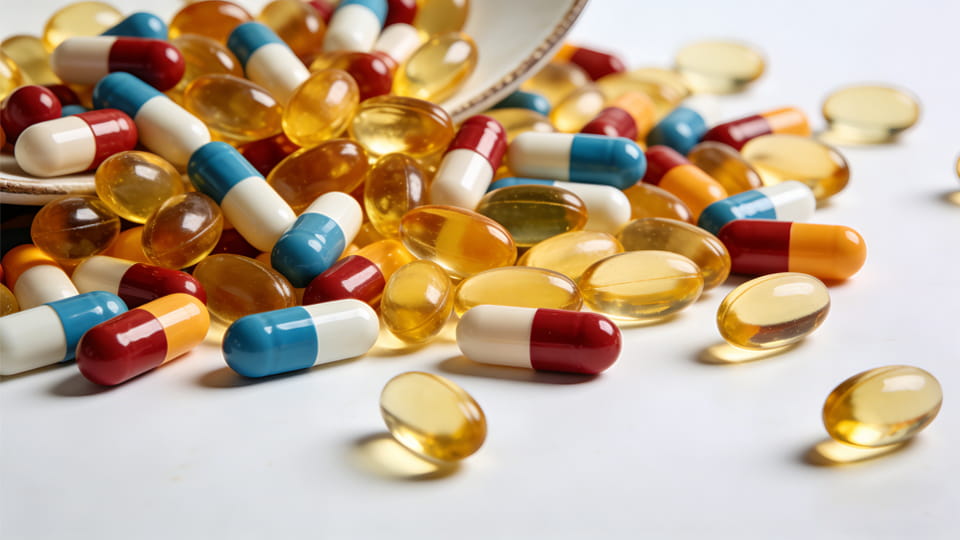

Yumuşak jel kapsüller (bazen yumuşak kapsüller veya yumuşak jelatin kapsüller olarak da adlandırılır) sıvı veya yarı katı ilaç veya besinlerle doldurulmuş tek parça jelatin kabuklardır. Zorun aksine (iki parçalı) kapsüller, Softgeller tek bir sürekli işlemde oluşturulur ve doldurulur. Diyet takviyeleri için yaygın olarak kullanılırlar, vitamin, ve farmasötik ürünler çünkü yutulması kolaydır ve yağları veya hassas içerikleri sıkıca kapatabilirler.. Bu kılavuzda, softgel kapsüllerin tam olarak nasıl yapıldığını anlatacağız, Ham malzemelerden bitmiş haplara kadar, dostça, okunması kolay yol.

Yumuşak jel (yumuşak jelatin kapsül) aslında esnek bir jelatin kabuktur (bazen jelatin yumuşak jel kapsül olarak da adlandırılır) sıvı veya yarı katı bir dolguyu kapsayan. Ayrıca onların çağrıldığını da duyabilirsiniz. yumuşak kapsüller, özellikle jelatin kapağa atıfta bulunurken. Softgeller 1930'larda icat edildi ve farmasötik ürünlerde ve takviyelerde çok yaygın hale geldi.. Örneğin, Birçok balık yağı veya D vitamini takviyesi yumuşak jel kapsüller halinde sunulur.
Softgeller sert kapsüllerden farklıdır iki yumuşak jel şeridin dolgunun etrafında tek seferde birbirine kapatılması, su geçirmez bir conta oluşturmak. Tersine, sert kapsül, kuru tozla doldurulan ve daha sonra kapatılan ayrı bir kapağa ve gövdeye sahiptir. Bu sürekli kapsülleme işlemi, yumuşak jellerin yağları ve sıvıları sızıntı olmadan tutmasını sağlar. Sektör kaynaklarına göre, softgel üretimi "detaylara titizlikle dikkat edilmesini ve malzeme ve süreçlerin derinlemesine anlaşılmasını gerektirir." Bu kesin bir, özel ekipman gerektiren çok adımlı prosedür.

Softgel üretimi hem kabuk hem de dolgu için doğru malzemelerin seçilmesiyle başlar.
Özetle, yumuşak jel (yumuşak jelatin) kapsül jelatinden yapılmıştır, gliserin, su, ve kabuktaki isteğe bağlı renkler, içi özenle hazırlanmış sıvı veya yarı katı dolgulu. Tüm hammaddeler katı kalite standartlarını karşılamalıdır.

Softgel üretim sürecinin birkaç önemli adımı vardır. Aşağıda basitleştirilmiş bir, Her önemli adıma dostane bir genel bakış, kabuktan bitmiş kapsüle.
Büyük bir paslanmaz çelik eritici (karıştırma tankı) kabuk bileşenlerini ısıtır ve karıştırır. Birinci, su ve gliserin yaklaşık 70–80°C'ye ısıtılır. Daha sonra karıştırılarak yavaş yavaş jelatin tozu eklenir.. Bu, sıcak eritme veya soğuk eritme işlemiyle yapılabilir., ancak her iki durumda da hava kabarcıklarını dışarı çekmek için vakum uygulanır. Karıştırdıktan sonra, erimiş jelatin şurubu çok viskozdur ve topaklardan arındırılmış olmalıdır. Operatörler genellikle viskoziteyi basit bir şekilde kontrol eder (Örneğin, parmağınızı daldırıp jelin yaklaşık 4-5 inç "ipler" olup olmadığını görmek). Bir kez karıştırıldığında, jelatin kütlesi, birkaç saat boyunca "mevsimlendirmek" için ısıtılmış bir alıcı tanka aktarılır (sıklıkla 3 ile 24+ saat). Yaklaşık 65–70°C'deki bu tutma süresi, sıkışan havanın kaçmasına izin verir ve homojen bir ortam sağlar., kararlı sıcaklık. Bu noktada, bir renk çözümü (eğer kullanılırsa) kütleyi eşit şekilde renklendirmek için ince bir filtreden eklenebilir. Baharattan sonra, jelatin kabuk karışımı kapsül duvarlarını oluşturmaya hazır.
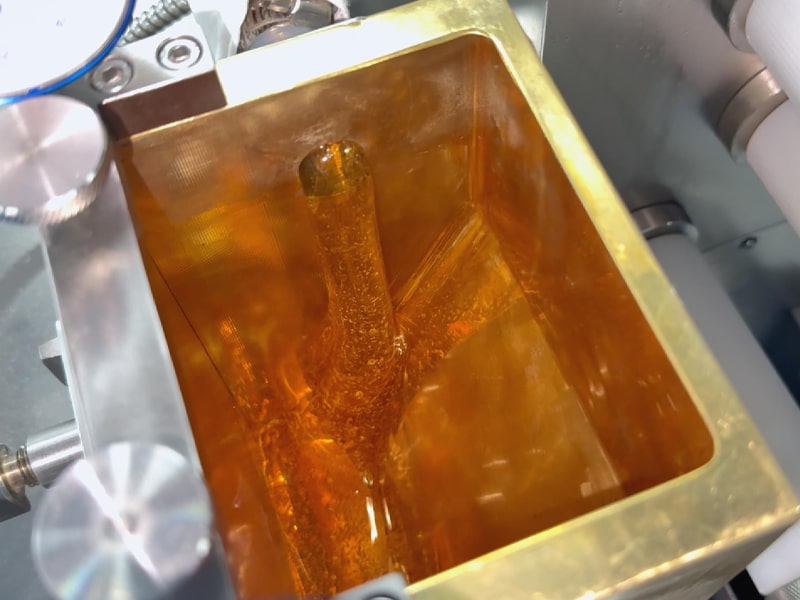
Anahtar ekipman: karıştırıcılı ve vakum pompalı paslanmaz çelik eritici, ısıtıcılar, ve yalıtımlı tutma tankları.
Kabuk hazırlanırken, dolgu malzemesi de paralel olarak yapılır. Özel karıştırma tanklarında (genellikle paslanmaz çelik), tüm aktif maddeler, yağlar, ve çözücüler harmanlanır. Tozlar (vitaminler veya API'ler gibi) büyük parçacıkları önlemek için öğütülür ve elenir. Sıvılar ve sıvılar/katılar yüksek parçalayıcı karıştırıcılar kullanılarak karıştırılır, homojenleştiriciler, tekdüze bir süspansiyon veya çözelti elde etmek için manyetik karıştırıcılar veya. Karıştırma sırasında, hava sıkışmasını önlemek için özen gösterilir (yavaş kullanarak, pürüzsüz karıştırma veya hatta vakum). Bazı hassas yağlar (balık yağı gibi) İşleme sırasında oksidasyonu önlemek için nitrojen gazıyla kaplanabilir. Hedef pürüzsüz, topaksız doldurma. Tamamlandığında, son dolum karışımı kapsülleme makinesinin haznesine pompalanır.
Anahtar ekipman: paslanmaz çelik dolum tankları (kapaklı/valfli), yüksek kesmeli karıştırıcılar, değirmenler/kolloid değirmenleri, transfer pompaları, ve filtreleme ekranları.
Şimdi sürecin kalbi geliyor. Döner kalıp softgel makinesi aynı anda oluşur, doldurma, ve kapsülleri tek bir sürekli hareketle kapatır. İşte makinenin içinde olanlar:
Daha basit bir ifadeyle, makine bu şekilde çalışıyor: İki jelatin şerit bir araya geliyor, arasına sıvı pompalanır, ve dönen kalıplar tek adımda tek tek yumuşak jel kapsülleri kapatır ve keser. Çünkü bunların hepsi tek bir sürekli işlemdir, Softgel üretimi çok verimlidir ve tekdüze kapsüller üretir.

Anahtar ekipman: döküm tamburlu döner kalıp kapsülleyici, serpme kutuları, enjeksiyon kaması, döner ölür, yağlama sistemi, soğutma fanları, ve kontrol paneli. (Başlıca üreticiler arasında Technophar bulunmaktadır, Orada, Jinlupacking, vesaire., ve hepsi bu temel döner kalıp yöntemini kullanıyor.)
Taze yapılmış yumuşak jel kapsüller hala sıcak ve yumuşaktır, yüksek nem ile (genellikle kabukta 0-40 su bulunur). Kurutulmaları ve sertleştirilmeleri gerekir. Bu genellikle iki aşamada yapılır:
Kuruduktan sonra, kapsüller katı, parlak, ve artık yapışkan değil. Genellikle hafif bir cilalama veya kaplama alırlar (yenilebilir yağlar veya balmumu ile) parlak bir yüzey vermek ve yapışmayı önlemek için. Herhangi bir sümüklüböcek veya hurda kapsül kaldırılır (Örneğin, bir elek veya taş ayırıcı aracılığıyla).

Anahtar ekipman: çamaşır kurutma makinesi, kurutma tüneli veya kabini, soğutma tepsileri, ve bitirme makineleri. (Kurutucular genellikle nem ölçer kontrolüne sahiptir; endüstri kaynakları, kapsül kurutma sırasında kurutma odalarının ~ -25 bağıl nemde tutulabileceğini öne sürmektedir.)
Yaygın üretim sorunları (dolumda sıkışan hava veya düzgün olmayan kapsüller gibi) karıştırma veya makine ayarları değiştirilerek giderilir. Genel olarak, Karıştırma ve kapsülleme sırasında sıkı kontroller (Örneğin, öğütme tozları ve gaz giderme sıvıları) sızıntılar veya eşit olmayan dolgular gibi sorunların önlenmesine yardımcı olur.
Not: Softgel hatları temiz bir temizlik gerektirir, iklim kontrollü çevre. Jelatini esnek tutmak için üretim odaları genellikle 20–22°C civarında ve %–30 nem oranında tutulur.. Kurutma odaları daha kurudur (sıklıkla ~ bağıl nem) kapsülleri iyileştirmek için.

Özetle, yumuşak jelatin kapsüller yapmak dikkatli bir iştir, çok adımlı süreç. Jelatin/plastikleştirici solüsyonu karıştırıyorsunuz, düzgün bir dolgu hazırlayın, daha sonra her ikisini de özel bir kapsülleme makinesine besleyin. Bu makine jelatin şeritler döküyor, sıvı dolguyu enjekte eder, her kapsülü mühürler ve keser, ve yüksek hızda yumuşak jeller üretir. Yeni kapsüller daha sonra doğru nem seviyesine kadar kurutulur ve incelenir..
Her adımı titizlikle takip ederek ve doğru ekipmanı kullanarak, üreticiler ilaç standartlarını karşılayan yüksek kaliteli yumuşak jeller üretiyor. Bu bilgiyle, Sen (veya üretim ekibiniz) softgel çizgilerini daha iyi anlayabilir, sorunları giderin, ve softgel kapsüllerinizin her seferinde tutarlı ve etkili çıkmasını sağlayın.
Yumuşak jel kapsül üretimini araştırmakla ilgileniyorsanız - üretim kapasitesini tartışmak isteyip istemediğinizi, makine özelleştirmesi, veya ayrıntılı bir ekipman teklifi alın; yardım etmek için buradayız. Bugün bizimle iletişime geçin Ücretsiz fiyat teklifi istemek veya ürünlerimiz hakkında daha fazla bilgi edinmek için softgel kapsülleme makineleri.
Yumuşak jel kapsüller (yumuşak jelatin kapsüller veya sadece yumuşak kapsüller olarak da adlandırılır) yağlar veya yarı katı solüsyonlarla doldurulmuş tek parça jelatin kabuklardır. Yutulmaları kolay olduğundan ve biyoyararlılığı arttırdıklarından farmasötiklerde ve takviyelerde temel malzeme haline geldiler..
Yumuşak jel kapsülün kabuğu tipik olarak jelatin içerir (hayvan kollajeninden) veya, bazı durumlarda, bitki kaynaklı/jelatinsiz alternatifler. Ek olarak, plastikleştiriciler (gliserin veya sorbitol gibi), su, ve sıklıkla renklendiriciler gibi katkı maddeleri, opaklaştırıcılar (örneğin. titanyum dioksit), koruyucu, ve bazen tatlandırıcılar veya tatlandırıcılar (çiğnenebilir softgel'ler için) kullanıldı.
Evet. Geleneksel softgel kapsüller jelatine dayanmasına rağmen, jelatinsiz alternatifler var (örneğin. bitki kaynaklı polimerler veya selüloz bazlı) vegan/vejetaryen veya diğer özel gereksinimleri hedefleyen üreticiler için.
Dolgular genellikle sıvı veya yarı sıvıdır: yaygın olan yağlar (örneğin. vitamin yağları, MCT yağı, bitkisel yağlar), emülsiyonlar, veya askıya almalar (sıvı içinde dağılmış ince öğütülmüş tozlar). Bu formülasyonlar kabukla uyumlu olmalıdır - örneğin, viskozite düzgün enjeksiyona izin vermelidir, ve dolgu jelatin veya plastikleştiricilerle olumsuz reaksiyona girmemelidir.
En yaygın yöntem “döner kalıp işlemidir”. Süreç aşağıdakilerden oluşur:: jelatin kabuk kütlesinin hazırlanması; dolgu malzemesinin hazırlanması; iki sürekli jelatin şerit oluşturma; şeritler arasına dolgunun enjekte edilmesi; Dönen kalıplar aracılığıyla kapsüllerin kapatılması ve kesilmesi; ardından kurutma, denetleme, parlatma ve paketleme.
Çünkü jelatin kabuğu ve işlemi büyük ölçüde neme ve sıcaklığa bağlıdır.: şerit oluşumu sırasında, sızdırmazlık, ve özellikle kurutma — uygun olmayan nem veya sıcaklık şerit kalitesinin düşmesine neden olabilir, zayıf mühürler, deformasyon, yapışkan, veya diğer kusurlar. İyi kontrol edilen bir ortam tutarlı şerit oluşumunu sağlar, uygun sızdırmazlık, ve stabil bir son kapsül.
Yaygın kusurlar arasında sızıntı yapan veya kırılan kapsüller bulunur, renk değişikliği veya bulanıklık, anormal şekil/boyut, hava ceplerinin/boşluklarının varlığı, veya artık kabuk parçaları. Sebepler zayıf hammadde olabilir (jelatin kalitesi), uyumsuz dolgu malzemeleri, yanlış şerit kalınlığı, uygunsuz sızdırmazlık, nem/sıcaklık sorunları, veya makine bakımının/kalibrasyonunun zayıf olması.
Temel ekipman şunları içerir:: jelatin eritme/hazırlama tankları, dolgu malzemesi karıştırma tankları (filtreleme ile), döner kalıplı kapsülleme makinesi (serpme kutuları ile, şeritler için davullar, kalıp silindirleri, enjeksiyon kaması, yağlama), çamaşır kurutucuları veya kurutma tünelleri/tepsileri, inceleme/ayıklama ekipmanı, ve parlatma/paketleme makineleri.
Kapsüllemeden sonra, Softgeller yumuşak ve nem açısından zengindir. Kurutma (tamburlu kurutma yoluyla + kontrollü kurutma tünelleri/tepsileri) genellikle şunlardan alır 24 ile 72 saat, kapsül boyutuna bağlı olarak, kabuk formülasyonu, ve çevresel koşullar. Uygun kurutma, kabuğun stabilitesini sağlar, yapışmayı veya deformasyonu önler, ve istenen nihai nem içeriğine ulaşılmasına yardımcı olur.
Hammadde kalitesini doğrulamalısınız (jelatin veya alternatif kabuk) ve dolgu malzemesi uyumluluğu, Üreticinin doğrulanmış döner kalıp makineleri kullandığından ve uygun çevresel koşulları sağladığından emin olun (sıcaklık/nem) kontrol, kalite kontrol prosedürlerini incelemek (mühür bütünlüğü, dolgu bütünlüğü, kusur giderme), ve iyi üretim uygulamalarını takip ettiklerini onaylayın (Gmp) veya ilgili standartlar. Ayrıca kabuk/dolgu özelleştirmesindeki esnekliği de kontrol edin (boyut, şekil, renk, doldurma türü) gerekirse.
Referanslar:
1.Yumuşak jeller — Vikipedi
2.Softgel kapsüllerin üretim süreci — Softcaps.science
3. IJCRT (Uluslararası Dergi / Yaratıcı Araştırma Düşünceleri) — “Yumuşak jelatin kapsüllerin imalatı” (IJCRT2306100)
4.Farmasötik Öğretmen — “Yumuşak Jelatin Kapsüller (Yumuşak jeller)”