
Стик-пак против саше: Полное руководство по ключевым различиям
Узнайте о ключевых различиях между стик-паковкой и упаковкой-саше.. Узнайте об их дизайне, производство

Strip packaging (also called strip pack) is a popular unit-dose packaging method used especially in the pharmaceutical industry. In a strip pack, individual tablets or capsules are sealed in a continuous flat strip of material – often layers of aluminum foil and plastic film. Think of it like a rolled-out blister pack without separate cavities: each pill is hermetically sealed between two layers of film. Unlike a traditional Блистерная стакана, a strip has no formed pockets or cavities. Вместо, the tablets sit on a web and are covered by a backing material, which is then heat-sealed and cut. This design makes every dose in the strip an individual, tamper-evident unit. В практическом плане, strip packs can be made child-resistant and are typically airtight and compact, protecting the medicine inside from moisture, light and other contaminants. Например, JinLuPacking notes that strip packs provide a nearly complete barrier for water, свет, и кислород, significantly extending a product’s shelf life.
Understanding how strip packaging works can help buyers and engineers choose the right solution. In a strip packaging machine, a continuous bottom web (often aluminum foil or plastic) is fed from a roll. Tablets are automatically placed on this web by a feeder. A second top web (aluminum, пластик, or composite) then overlays the tablets. The machine heats and presses the layers together around each pill, creating sealed pouches. Окончательно, cutting blades slit the long seal into individual doses or short multi-dose strips. The result is a continuous strip of sealed medication pouches. This streamlined process is highly efficient: кормление, sealing and even cartoning can be done in one automated line, reducing errors and saving time. Because each pouch is sealed on all sides, strip packaging maintains drug potency by blocking air and moisture, which is crucial for sensitive medications.

Фигура: Schematic of a strip packaging process. Tablets are fed onto a moving web and sealed between continuous foil/plastic layers to form a strip of unit-dose pouches.
The diagram above illustrates the strip-pack process. Modern machines can print batch codes or patient information on the film, then feed the strip to a картон – all in one compact line. This automation means manufacturers can pack and box pills in one go, cutting labor and cost. Фактически, strip packaging is often more cost-effective than Блистерные пакеты because it uses simpler tooling and less material.
What materials go into these strips? The primary web is usually aluminum-based. Many strip packs use layers of aluminum foil, plastic film, or laminates. Например, Алю-Алю стрип-пакеты – where tablets are sandwiched between two layers of aluminum foil – offer the highest protection. In a double-foil pack, the pill sits in a sealed aluminum pocket on both sides. Aluminum foil is extremely effective as a barrier: it “can effectively block light, кислород, moisture and other gases,” keeping medicines stable. This is why pharma companies often choose Alu-Alu for highly sensitive drugs.
Other strip packs might combine aluminum with plastic (например. Alu-PVC or Alu-PET laminates) to balance cost, strength and flexibility. В общем, strip packs favor flexible materials: a strip needs to be rollable, unlike rigid blister cavities. Flexibility of aluminum helps prevent breakage when handling large quantities. Many manufacturers also use recyclable, eco-friendly films. Общий, a typical strip pack is a multi-layer composite – for example, a backing of aluminum or foil-laminated paper, heat-sealed to a polyester or PVC/Alu film. These material choices ensure the strip is airtight and durable.
Strip packaging offers several key benefits over other formats like bottles or blisters:
It’s helpful to compare strip packs with the more familiar blister packs. Blister packs have clear plastic pockets (волдыри) with pills you peel or push out. Strip packs, напротив, are flat. В таблице ниже приведены основные различия.:
| Особенность | Strip Packaging | Блистерная упаковка |
|---|---|---|
| Материал | Usually aluminum foil with plastic or paper backing; films are flexible | Formed plastic (ПВХ, ДОМАШНИЙ ПИТОМЕЦ, и т. д.) with aluminum or paper lidding |
| Защита | Excellent barrier to moisture/light (especially with Alu-Alu) | Excellent barrier too, but plastic allows visual inspection of pills |
| Production efficiency | High-speed continuous process; cost-effective | High-speed too, but often involves more complex thermoforming |
| Dose access | Tear off one pouch per dose; convenient single-dose access | Peel or push out each dose; child-resistant options available |
| Кастомизация | Flexible strip length and content per pouch | Layout fixed once sealed; harder to customize later |
| Typical use | Mostly pharmaceuticals (tablets/capsules) | Used widely (фармацевтика, consumer goods, электроника, и т. д.) |

Фигура: A typical blister pack of pills, showing individual molded cavities. Unlike strip packs, each tablet is housed in its own clear pocket.
На практике, strip packaging is almost exclusively used in pharma, whereas blister packs are found across many industries. Например, a supplement company might blister-pack vitamins, but prescription pills for hospitals often come in strip packs. Strip packs also excel for unit-dose systems in long-term care or mail-order pharmacies, where each dose must be labeled. Strip packaging is slower than blister-making (since it uses a different forming process), but the tradeoff is a much stronger moisture barrier and simpler packaging line.
Strip packaging shines wherever individual dosing and protection are critical. Its chief domain is pharmaceuticals – especially solid oral drugs like tablets and capsules. Manufacturers use strip packing for medications that need top-grade protection (например. гормоны, antibiotics, some cardiology drugs). Beyond pills, strip packers also handle small gel tablets and even moist wipes or sachets in some cases.
Other industries use strip-packing machines for food and cosmetics. Например, blister-type strip machines can package candy, mints, or single-use cosmetics (lipstick, gel caps). Однако, note that many блистерные машины can switch to strip mode by adding cutting stations. If you’re sourcing a machine, look for the right model: some are specifically labeled “Alu-Alu strip pack machines” or “unit dose strip machines” for pharma use.
When choosing strip packaging, consider your product’s needs. Not all items suit strip packaging. Soft-gel capsules or irregular shapes may be better in blister cavities, and highly specialized drugs may need freezer or amber storage. Также, pharmacies and drug regulators require clear marking on each dose (Дата окончания срока, lot number, инструкции), which strip packs can accommodate via overprinting on the film. Global regulatory bodies like the FDA or EMA have guidelines for strip packs as a form of primary packaging; working with experienced manufacturers ensures compliance with labeling, child-safety, and tamper-evidence standards.
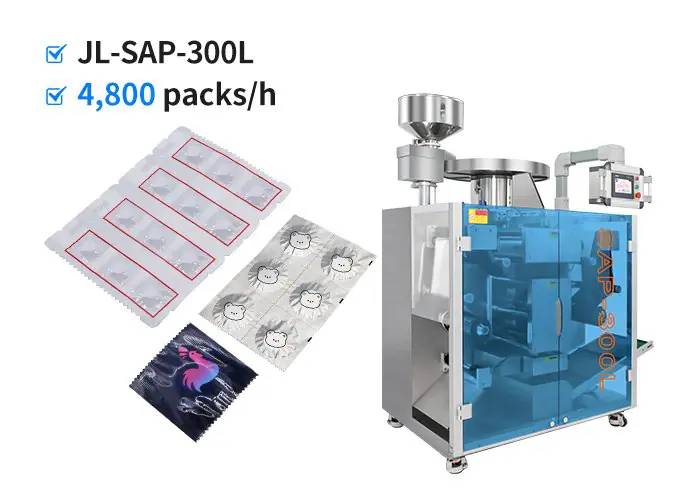
В итоге, strip packaging is an efficient, unit-dose packaging method ideal for protecting tablets and capsules. By sealing medicines in a continuous strip of foil/plastic, it offers excellent barrier protection and streamlined production. For pharmaceutical buyers and engineers, strip packs mean longer shelf life, lower packaging costs, and better adherence tools. Compared to blister packs, they use fewer materials and are highly adaptable in size and print. Whether you call it a strip pack, unit-dose strip, or Alu-Alu pack, this packaging technique is a workhorse in global pharma. As the industry advances, strip packaging machines continue to improve with faster speeds and smarter controls – making this once-simple concept a key player in modern medication delivery.
Strip packaging is a type of unit-dose packaging widely used in the pharmaceutical industry. It encloses individual tablets or capsules between two continuous webs of heat-sealable flexible material, forming a sealed strip that can be torn into single doses. This method offers good protection against moisture and air while keeping doses easy to distribute and use.
Strip packaging encloses the medicine between two flat flexible films, whereas blister packaging forms individual cavities or pockets around every dose. Strip packs generally provide good barrier protection and continuous dosing but lack the rigid pocket structure and product display of blister packs.
Strip packaging protects medication from environmental factors like moisture, кислород и свет, which helps maintain drug stability and extend shelf life. It also supports precise dosage control, unit-dose distribution, and can be adapted for serialization and tamper-evident features.
Common materials include flexible films such as aluminum foil, polyethylene, cellophane, polyester and their laminated combinations. High-barrier materials like alu-alu (double aluminum) help block moisture and air more effectively.
Alu alu strip packing refers to a strip packaging format where tablets are sealed between two layers of aluminum foil. This creates a high-barrier pack that offers superior protection against moisture, light and oxygen, making it ideal for sensitive medications.
Да. Strip packaging can be tailored with custom print, variable strip lengths, different dose counts and perforations. It can also include serialization, lot coding, and child-resistant features to meet regulatory and market needs.
Strip packaging works well for tablets, capsules and similar solid oral dosage forms. Однако, very soft or irregular shapes and highly sensitive formulations might require alternative packaging methods like blister packs.
Strip packaging machines automate feeding, sealing and cutting processes, enabling high-speed, efficient packaging with reduced labor and material waste. They also allow flexible production of unit-dose strips tailored to specific needs.
Да. Because each dose is separated and clearly defined, patients find it easier to follow prescribed schedules. The convenience of unit-dose strips can reduce medication errors and promote adherence.
Да. Modern strip packaging systems can incorporate serialization, batch codes, expiration dates and other traceability features to comply with regulatory standards for pharmaceutical products.
Ссылки:
1. Review on: THE PHARMACEUTICAL PACKAGING — PharmaTutor
2.Various Types of Packaging and Their Materials in Pharmaceutical Products — ResearchGate
3.Strip Packaging — American Journal of Hospital Pharmacy(Oxford Academic)
4.Волдырь, Strip and Sachet Packaging — Taylor & Francis Online
5.PharmaState Academy Packaging of Pharmaceutical Dosage Forms
Узнайте о ключевых различиях между стик-паковкой и упаковкой-саше.. Узнайте об их дизайне, производство

Узнайте, что такое растительные капсулы, как они сделаны (ГПМЦ растительного происхождения и другие полимеры), и почему они

Откройте для себя V-блендер (V-образный смеситель), универсальная машина для смешивания сухих порошков. В этом руководстве объясняется, как

Узнайте, что такое таблетка с пленочным покрытием., почему это используется, и как происходит процесс нанесения пленки
