×

Serviço online

💬 WhatsApp: +86 1801179332
💡
  • Lar
  • Blogues
  • Tipos de pílulas: O guia definitivo para formulários de medicamentos & Fabricação

Tipos de pílulas: O guia definitivo para formulários de medicamentos & Fabricação

Introdução: Pills – including tablets, cápsulas, and similar solid medicines – are among the most popular forms of medication. Por definição, a pill is “a small and round shaped dosage form” that delivers a precise dose of drug. People love pills because they’re easy to take, portátil, and accurate in dosing. Pharmaceutical experts note that pills come in countless sizes, formas, and formulations to meet different needs. Some pills release their drug slowly over time, while others act quickly for immediate relief. In this guide for industry professionals, we’ll walk through the different Tipos de pílulas, como eles funcionam, and how they’re made and packaged – all in clear, friendly terms.
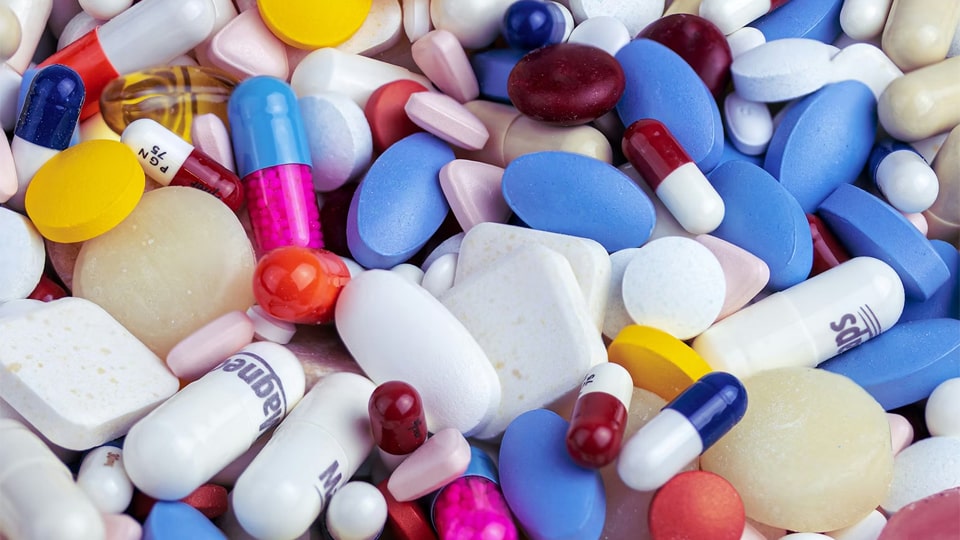
Tipos de pílulas


Common Pill Forms (Cápsulas, Comprimidos, e mais)

Pills generally fall into two big families: cápsulas e comprimidos (solid compressed pills). No entanto, there are special varieties too. Para maior clareza, here are the major pill forms and their subtypes:

  • Cápsulas: These are medicines enclosed in a gelatin or plant-based shell. They come in several forms:
    • Cápsulas duras: Solid two-piece shells filled with dry powder. Hard capsules are great for stable, accurately dosed products (like vitamins or pain relievers).
    • Cápsulas Softgel: Single-piece soft shells containing liquid or semi-liquid medicine (E.G.. óleo de peixe, vitamin D, or liquid drug formulations). The shell dissolves quickly in the stomach, so the drug is absorbed fast.
    • “Sprinkle” Capsules: Hard capsules filled with tiny pellets or granules. These capsules can be opened and mixed with food or drink, making them useful for children or elderly patients who have trouble swallowing.
  • Comprimidos: These are solid pills made by compressing powdered medicine. There are many tablet subtypes:
    • Convencional (Coated) Comprimidos: Comprimidos padrão, often coated to taste better or protect the drug. They release medicine at a steady rate, which is ideal for long-term treatment of chronic conditions.
    • Comprimidos mastigáveis: Tablets formulated to be chewed (muitas vezes com sabor de fruta), making them easier for kids or anyone who dislikes swallowing pills.
    • Desintegrando por via oralmente comprimidos (Odts): Fast-dissolving tablets that melt in the mouth without water. They act quickly and are useful in emergencies or for patients who can’t swallow.
    • Comprimidos efervescentes: Fizzy tablets meant to be dissolved in water before drinking. This creates a flavored medicinal drink that is absorbed very rapidly.
  • Other Solid Forms: In addition to capsules and tablets, there are a few more pill-like dosage forms:
    • Pastilhas (Cough Drops): Pequeno, medicated tablets designed to dissolve slowly in the mouth to soothe the throat. They’re commonly used for cough and sore throat relief.
    • Troches and Pastilles: Similar to lozenges; these dissolve in the mouth to release medicine locally or systemically.
    • Pellets and Granules: Sometimes pills are made in tiny units (E.G.. pellets in a capsule) para liberação controlada.
    • Chewable Gummies: (Often for vitamins or supplements.) While not traditional “pills,” these gelatin-based tablets are chewed and swallowed like candy.

Each pill type is developed to solve a specific need. Por exemplo, sprinkle capsules (mentioned above) were created so medications can be given to infants or patients who can’t swallow solid pills. Comprimidos, por outro lado, can be formulated for very slow drug release (good for chronic medicine) or very fast action (like dissolving cough medicine in water).


Pill Release and Delivery Mechanisms

Another way to classify pills is by how they release their drug in the body:

  • Immediate-Release (E) Pills: These dissolve quickly after ingestion and release the drug right away. Painkillers like acetaminophen and ibuprofen are typical IR pills for rapid relief.
  • Extended-Release (É) or Sustained-Release Pills: These are designed to dissolve slowly over time, providing a steady drug level in the blood. They often have special coatings or layers. ER pills are used for long-term conditions (E.G.. hypertension or diabetes) so you don’t have to take medicine as often.
  • Liberação Atrasada (DR) Pills or Spansules: These release the drug in phases. A common form is a capsule with coated beads (sometimes called aspansule”). Each bead dissolves at a different rate, allowing a controlled release over the day. This can keep medication levels steady without big peaks.
  • Oral Disintegrating/Time-Release Systems: Some tablets are specially formulated to disintegrate in the mouth (Odts) or even melt on the tongue for super-fast delivery.

Na prática, a pharmaceutical company chooses the release type based on the condition being treated. Fast-acting pills help acute issues like headaches, whereas extended-release forms improve compliance for chronic therapy (fewer doses per day). These details (release speed, duration) are critical when matching a pill to the right packaging and usage scenario.

In addition to release, pills differ by how you take them inside the body:

  • Oral Pills: The most common route. You swallow them with water, and they dissolve in the stomach/intestine before absorption.
  • Comprimidos sublinguais: Placed under the tongue to dissolve directly into the bloodstream via mouth tissues. Useful when very fast action is needed (E.G.. nitroglycerin for chest pain).
  • Comprimidos bucais: Placed between the cheek and gum. These dissolve slowly in saliva for gradual absorption (often used for hormone therapy or anti-nausea drugs).
  • Rectal/Vaginal (Suppositories): These aren’t “pills” you swallow, but they are solid dosage forms inserted into the body (the rectum or vagina) where they dissolve and absorb. Suppositories are included here to show that solid oral is only one route. (Por exemplo, a patient with severe nausea might get medicine via a rectal suppository instead of an oral pill.)


How Pills Are Made

When you buy pills, the pharmaceutical company has already done a lot of work. The manufacturing process depends on the pill type:

    • Fabricação de tablets: Making tablets usually involves these steps:
      1. Mistura: Mix the active drug powder with inactive ingredients (enchimentos, ligantes, desintegrantes).
      2. Granulação: Convert the fine powder blend into larger, free-flowing granules. This can be done with liquid binders (granulação úmida) or by compacting and milling (granulação seca). Granulation ensures uniform mixing and flow into the press.
      3. Compressão: Feed the granule mix into a tablet press machine. Huge punches and dies squeeze the granules into solid tablets under high pressure. This step must be precise so each tablet is identical (same weight and drug content).
      4. Revestimento (se necessário): Some tablets get a film or sugar coating. This can make them easier to swallow, protect the stomach, or create a time-release effect.
      5. Polishing and Inspection: Depois de pressionar (and coating), tablets often go through a deduster/polisher to remove loose powder and improve appearance. They also pass metal detectors and inspection machines to ensure quality.
      6. Teste de qualidade: A sample of tablets is tested for hardness, dissolution rate, e uniformidade de conteúdo. The goal is “Each pill looks and works the same”.

Resumidamente, tablet production is a tightly controlled sequence of mixing, granulação, and compressing to ensure every pill is safe and effective.

    • Fabricação de cápsulas: Making capsules involves forming empty shells and filling them, or for softgels, molding and filling in one step:
      1. Raw Material Prep: Most traditional hard capsules are made of gelatin (de colágeno animal) mixed with water and glycerin. For vegetarian options, HPMC (plant-based polymer) is used.
      2. Melting and Dipping: The gelatin mixture is heated until liquid, often with food-grade colorants added. Metal molds (pins) are dipped into the liquid gelatin to form half-shells. The color ensures brand consistency (E.G.. different colors for different medicines).
      3. Drying and Trimming: The gelatin-coated molds are dried to harden the shells. The shells are cut to the precise length and edges are trimmed. This yields two parts: um boné e um corpo.
      4. Enchimento: The empty capsule shells are separated. Powder or pellets are filled into the body part using a capsule filling machine. The cap is then placed on top and sealed. (Softgel capsules skip this step by forming two shells around a liquid during molding.)
      5. Impressão & Embalagem: Capsules are often printed with identification codes for traceability. Finalmente, they are counted and packaged. Por exemplo, one source notes capsules are “counted, sealed in protective packaging (especially blister packaging), and stored”.

    Each production step is critical. Por exemplo, capsule makers must control humidity and temperature carefully, because gelatin will deform if it dries too fast or stays too moist. Modern factories use automated equipment so that thousands of capsules can be made per minute with minimal defects.

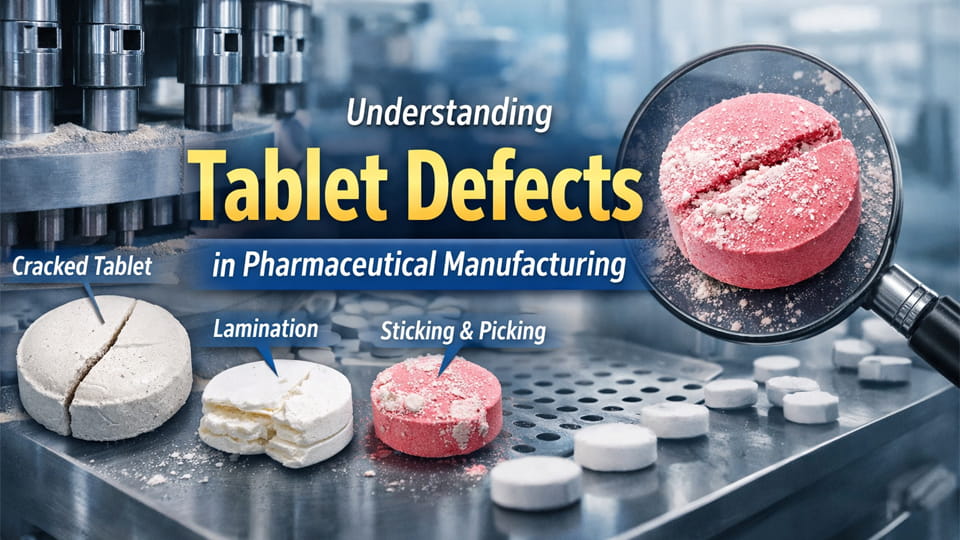
    Production Example: In a tablet factory (pictured), mixtures of drug and excipients are fed into a tablet press. Each machine punch compacts the powder into solid tablets under enormous force. Quality checks along the line ensure uniform size, peso, and content. High-speed tablet presses are a workhorse of pharma manufacturing.

    Embalagem (Contando & Vedação): Once pills are made, the final step is packaging them for sale. This may involve:

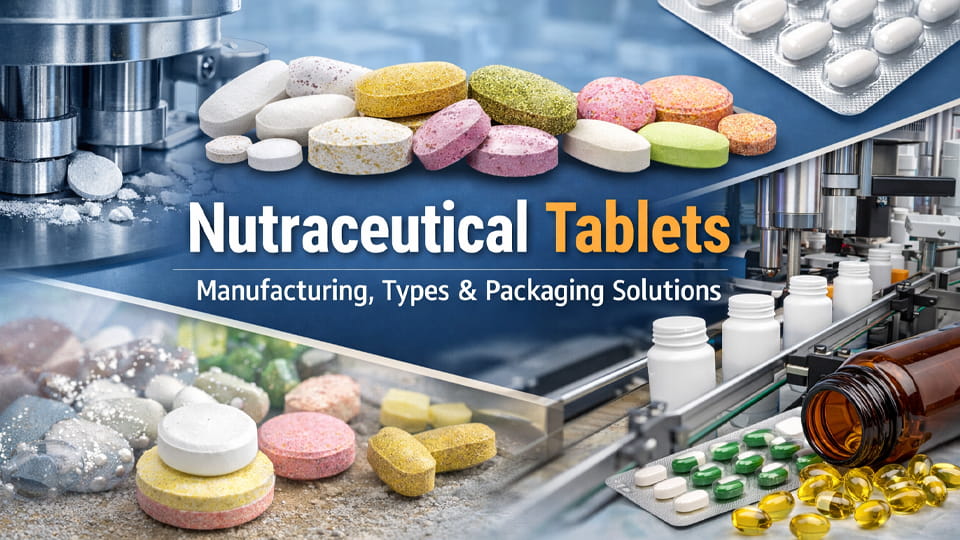
    • Engarrafamento: Pills are dumped into bottles. Bottle filling lines automatically count out the right number of tablets or capsules per bottle. They often add a desiccant packet or cotton to absorb moisture.
    • Blister Packing: Each pill is placed in a formed cavity (usually plastic) and sealed with a foil backing. Blister packs protect pills individually and make dosing easy for patients (one pill per pocket). As noted above, capsules are frequently sealed in blisters.
    • Cartoning: Finalmente, packs or bottles are boxed with labels and leaflets.

    Packaging machines (enchedores de garrafas, embaladores de bolhas, cartonadores) are designed for specific pill types. Por exemplo, a blister machine for tablets has different tooling than one for softgel capsules. Knowing the pill forms helps engineers set up the machines correctly.
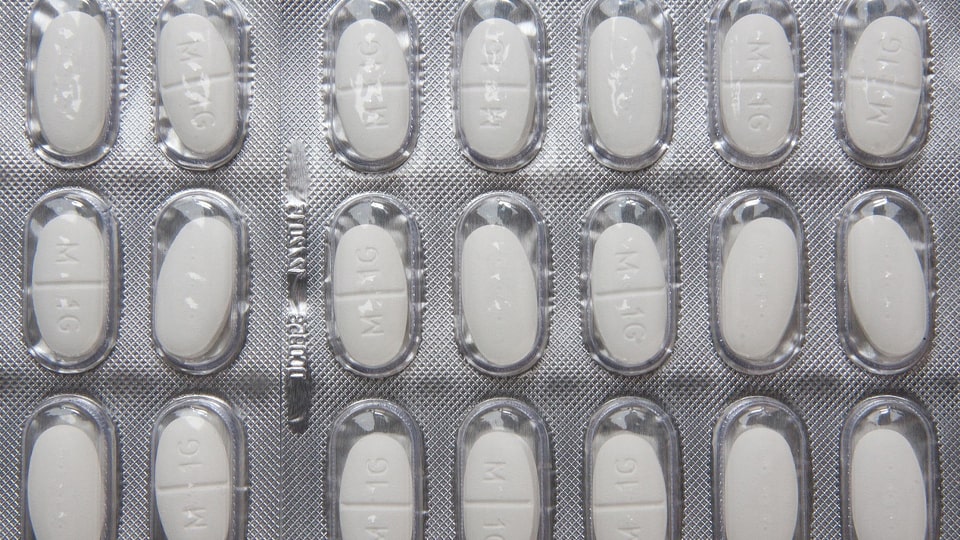
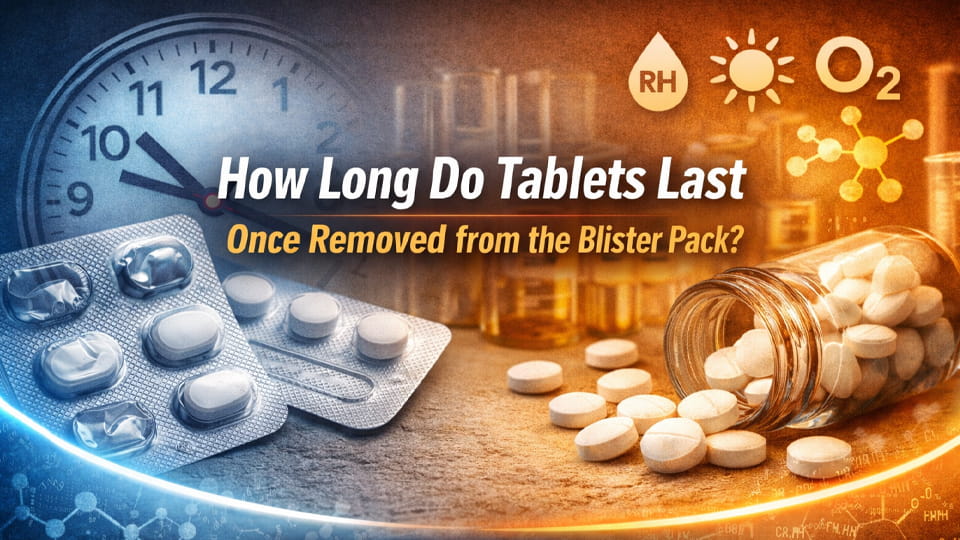
pills are sealed in blister packs

  • Packaging Example: Modern pills are often sealed in blister packs (as shown). Each cavity keeps one tablet or capsule protected until use. Alternativamente, pills may be counted into bottles. Em ambos os casos, automated machines (like counting machines and induction sealers) handle the pills gently to avoid breakage or contamination.

    Resumo

    Resumindo, “pills” is a broad term covering many types of solid oral medicines. The two main categories are capsules and tablets, but within those categories there are dozens of varieties (mastigável, efervescente, spray-dried powders, e mais). We’ve seen that different pill types exist to improve dosing, absorção, and patient comfort. Por exemplo, capsules can carry liquids (cápsulas moles) or be opened for feeding (sprinkle capsules), while special tablets dissolve in the mouth for those who can’t swallow.

    Manufacturing and packaging each pill type requires specific processes and machines. Tablet makers use granulation and compression presses, whereas capsule makers use dipping and filling machines. At the end of the line, pills are automatically counted and packed into bottles or blisters. This ensures that industry buyers and engineers get a consistent product.

    Understanding the different types of pills is crucial in pharmaceutical production and packaging. Whether you need bulk tablets or preformed capsules, knowing the forms helps in choosing the right machinery (por exemplo, a tablet counting machine vs. a capsule filler). By learning about pill forms, release types, and manufacturing steps, procurement and engineering teams can make informed decisions and ensure smooth production lines.


    FAQs on Types of Pills

    What are the main types of pills used in medicine?

    The main types of pills include tablets and capsules. Tablets are compressed solid medicines, while capsules have a shell (usually gelatin or plant-based) enclosing the medicine. Within these, there are subtypes like chewable tablets, comprimidos de desintegração oral, cápsulas moles, and sprinkle capsules. These forms help address different dosing and patient needs.

    What is the difference between a tablet and a capsule?

    Tablets are compressed powders that may be coated or flavored, whereas capsules are shells filled with powder or liquid medicine. Capsules often dissolve faster and can be easier to swallow, while tablets are generally more stable and cost-effective to manufacture.

    What are softgel capsules and how are they different from hard capsules?

    Softgel capsules are made from a soft gelatin shell containing liquid or semi-liquid medicine. They’re often larger and can deliver higher drug loads. Hard capsules consist of two solid shell parts filled with powder or pellets.

    What are orally disintegrating tablets (Odts)?

    Orally disintegrating tablets are tablets designed to dissolve quickly in the mouth without water. They are useful for people who have difficulty swallowing pills or for fast onset of action.

    What are extended-release and delayed-release pills?

    Lançamento estendido (É) pills are formulated to release medicine slowly over time, helping maintain steady drug levels and reduce dosing frequency. Delayed-release pills, such as enteric-coated tablets, are designed to dissolve later in the digestive tract to protect the drug or reduce stomach irritation.

    Can pills contain more than one medicine?

    Sim. A polypill is a pill that contains multiple active pharmaceutical ingredients in one dosage form, making it easier for patients to take combination therapies.

    Why do pills sometimes have inactive ingredients?

    Most pills contain excipients, which help bind the medicine together, melhorar a estabilidade, control release, or make the pill easier to swallow. These inactive substances are essential for dosing accuracy and pill performance.

    What are sprinkle capsules and who are they made for?

    Sprinkle capsules are hard capsules filled with small pellets or granules that can be opened and sprinkled on soft food or beverages, useful for children or adults who have trouble swallowing whole pills.

    How does the form of a pill affect how it works?

    The pill’s form (comprimido, cápsula, immediate vs extended release) affects how quickly it dissolves and how the body absorbs the drug. Por exemplo, capsules typically dissolve faster than tablets, while extended-release tablets release the medicine gradually over time.

    Are all pills taken by mouth?

    Most pills are designed for oral use, but some solid dosage forms (like buccal or sublingual tablets) dissolve in the mouth and are absorbed directly into the bloodstream. Outros, like certain solid suppositories, are inserted rectally or vaginally (though not considered oral pills).


    Referências:
    1.Solid Pharmaceutical Dosage Forms — Tablets – Pharmaguideline
    2.Types of Pharmaceutical Tablets — Pharma Specialists
    3.Capsule Manufacturing Technology: Innovations Shaping the Future – Tablets & Cápsulas
    4.Polypill – Wikipédia

Compartilhe este artigo:
Imagem de Petty Fu
Petty Fu

Petty Fu, Fundador da Jinlupacking, traz 30 anos de experiência para o setor de máquinas farmacêuticas. Sob sua liderança, Jinlu tornou-se um fornecedor confiável que integra design, produção, e vendas. Petty é apaixonado por compartilhar seu profundo conhecimento do setor para ajudar os clientes a navegar pelas complexidades das embalagens farmacêuticas, garantindo que eles recebam não apenas equipamentos, mas uma verdadeira parceria de serviços completa, adaptada às suas metas de produção.

Índice

Envie sua pergunta

Deixe uma resposta

Seu endereço de e-mail não será publicado. Os campos obrigatórios estão marcados *

Obtenha um orçamento grátis

*Respeitamos a sua confidencialidade e todos os dados são protegidos. Os seus dados pessoais serão utilizados e processados ​​apenas para a solução JL.