
薬瓶の中にふわふわの綿球があるのを見つけて、なぜそこにあるのかと疑問に思ったことはありますか?? ランダムなパッケージの綿毛のように見えるかもしれません, でも薬瓶に入っている綿は実は意図的に入っているんです. 実際には, この習慣は、1世紀以上前のバイエルの初期のアスピリンボトルにまで遡ります。. コットンにはさまざまな用途があります: タブレットに衝撃を与え、欠けを防ぎます。, 湿気のコントロールに役立ちます, 単純な改ざんインジケーターとしても機能します. このフレンドリーなガイドでは, 薬瓶に綿が入っている理由を説明します, 医薬品の包装にどのような利点をもたらすか, そして、ボトルを開けるときにそれを入れたままにするか投げるべきか. (モダンさも絡めていきます 錠剤瓶詰めライン 包装機はこの問題に対処します。)
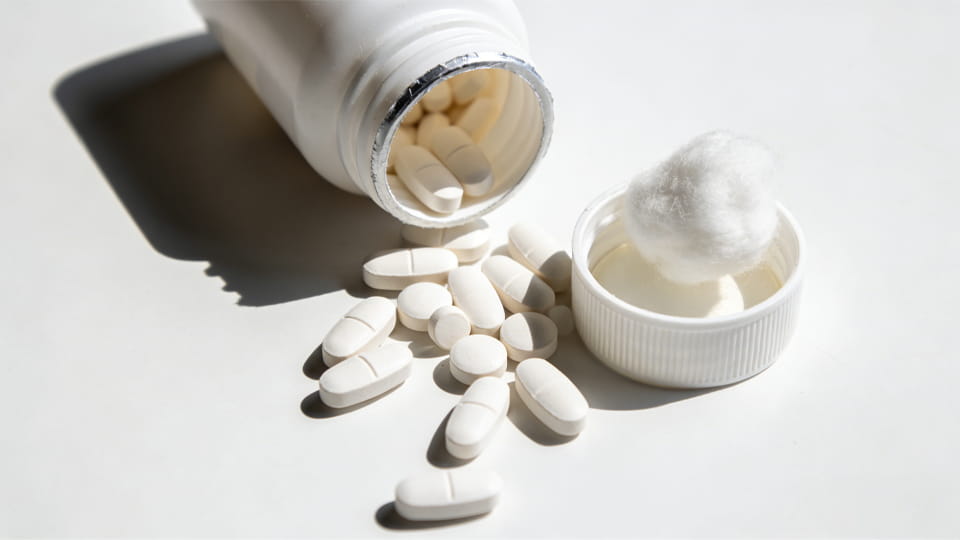
The tradition of adding cotton balls to medicine bottles dates back to the early days of modern pharmaceuticals. When Bayer first introduced it in aspirin bottles around 1900, tablets were relatively fragile and often hand-packed. Without automated packaging, pills could easily chip or break in transit. By filling empty space, cotton kept pills from rattling against each other during shipping. This meant fewer broken pills and more accurate dosing for patients. 言い換えると, cotton acted like an internal cushion. Early 打錠機 were less refined, so tablets would shatter more easily if allowed to move. Cotton filler solved that problem: the less the pills moved inside the bottle, the less chance they’d crack.
時間とともに, adding cotton became a standard packaging step for many drugs and supplements. Even as packaging technology improved, 綿は安価だったので依然として頼りになる解決策であった, 単純, そして効果的な. 20世紀半ばまでに, 「瓶の中の綿」はまさに薬の登場方法でした.
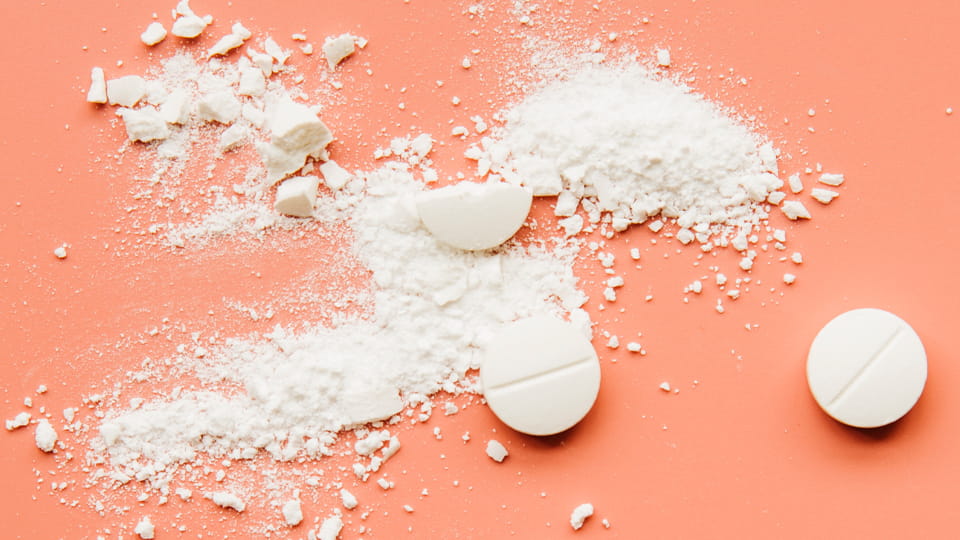
薬瓶の中の綿球は一体何をしているのでしょうか?? その機能には以下が含まれます::
要約すれば, 薬瓶に入った綿球は無意味ではない. タブレットを安全に保つためにあります, ドライ, そして信頼される. メーカーがこの繊維を追加するのは、小さいながらも有意義な方法で安全性が向上するためです。.
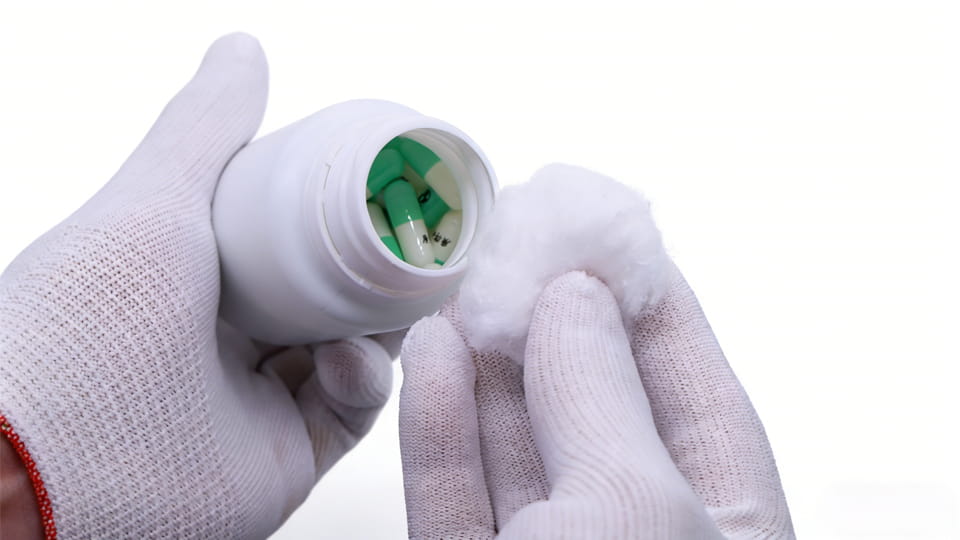
今日のパッケージングの世界は変化しています, コットンを使用したボトルのデザインは以前よりも少なくなるでしょう. なぜ? 現代の進歩により、綿は徐々に必要なくなりました. 初め, tablets themselves have improved: many pills now have tougher, chip-resistant coatings. 2番, packaging methods have evolved. Instead of loose pills in a plastic bottle, many medicines are sold in ブリスターパック (see image below) or in sealed bottles with advanced filling machinery. These methods inherently prevent movement, so the cotton is no longer needed for cushioning.
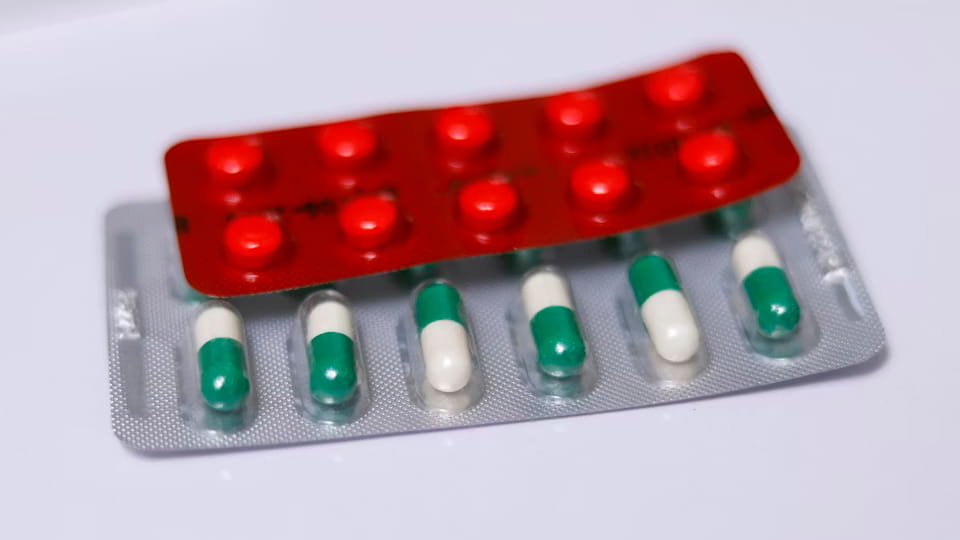
In the photo above, pills are sealed in a blister package. Medicines in blister or vacuum-sealed containers usually don’t require any cotton padding. For moisture control, manufacturers often use small desiccant packs or built-in moisture barriers instead of cotton. Since the 1980s, improvements in production and tamper-proof packaging have largely phased cotton out of medicine bottles. 一部の錠剤がクッション付きトレイまたは成形容器で輸送されるようになった場合, 綿球は余分な利益なしに空の嵩を追加します.
実用的な理由で綿が省略された場合でも, 本当に「機能」したのは最初の出荷時だけでした. 素材が良くなれば (シュリンクラップやホイルシールなど) 錠剤をしっかりと保持する, コットンの古い仕事は他の方法で行うことができます. 例えば, 小さなシリカゲルカートリッジは、これまでの綿球よりもはるかに効果的に湿気を防ぎます。.
そうは言っても, 特定の製品ではまだ綿が使用されている可能性があります, 特に市販のサプリメントや古いブランド. そういった場合には, 綿は主に伝統的なものです. それを使用し続けるメーカーは、顧客の期待と「残念よりも安全な方が良い」パッケージングをよく引用します。. しかし、業界の傾向から見ると, ボトルに入った綿はほとんどが先祖返りです. 製薬会社はそれを省略することで重量とコストを節約します, クリーナーを選ぶ, 軽量包装.
コットンにこんなメリットがあるなら, 今日の薬瓶のパッケージでそれをめったに見ないのはなぜですか? 真実は, 最近の医薬品容器のほとんどには綿が含まれていません. 生産技術と包装技術が進歩した 1980 年代頃にこの変化が起こりました。.
業界関係者によると, 綿は「1980年代まで包装の主流であり続けた」,」 しかし、現代の包装方法によって大部分は段階的に廃止されました. 今日、多くの企業は綿棒を完全に省略しています. 例えば, 一部のバイエル® アスピリン ボトルには綿が含まれていません。これは、より適切な包装が導入されれば綿は不要であることが研究で判明したためです。.
一部の消費者はボトルを開けた後にコットンを取り除きます。. 本当の目的は通過時の保護だったので, there’s no harm in tossing it once you get home. 実際には, keeping wet cotton inside for too long could theoretically reintroduce moisture. それで, while the bottle won’t suffer without it, the cotton served its job long before you unscrewed the cap.
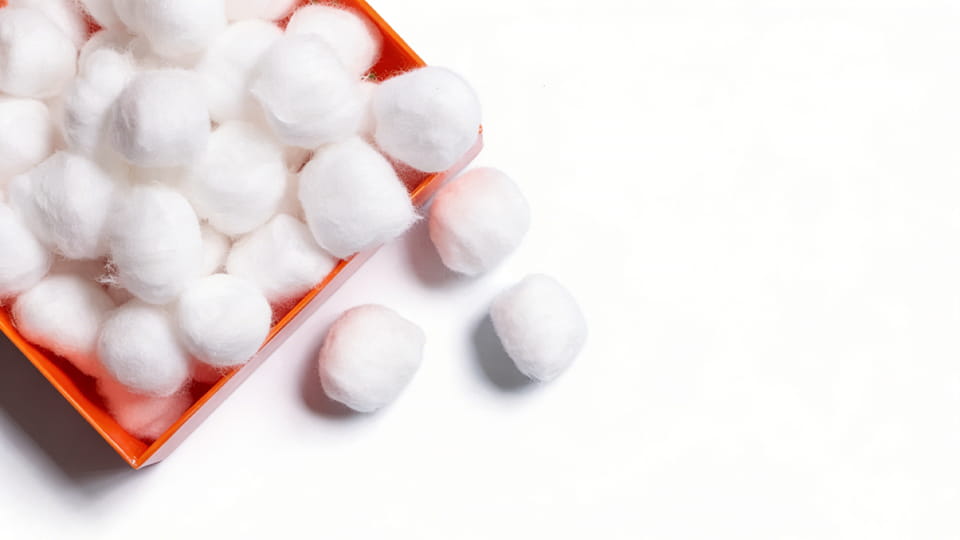
In comparing cotton to its replacements, the story highlights technology vs. tradition.
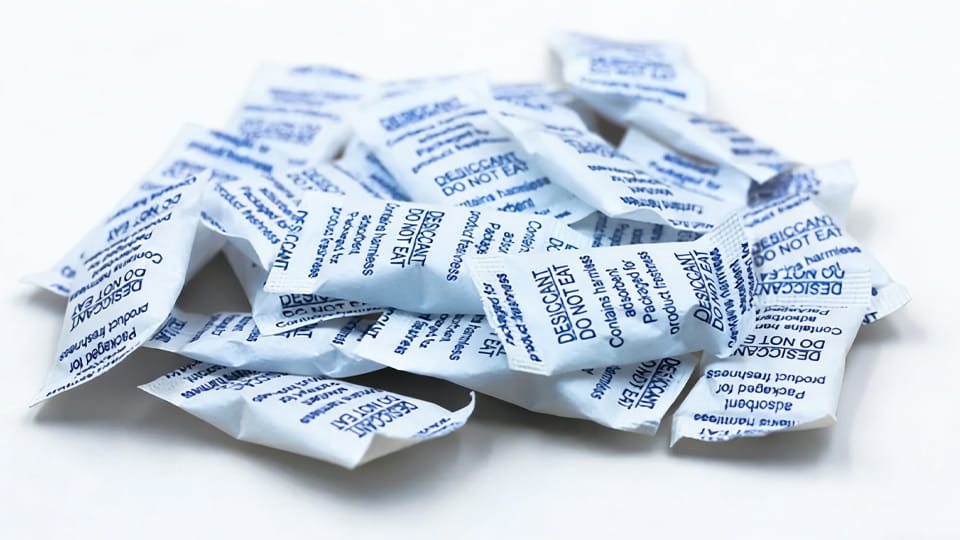
Below is a summary of the two approaches:
| 特徴 | Cotton Ball (Traditional) | Desiccant Pack (モダンな) |
|---|---|---|
| 目的 | Cushion tablets; passive moisture absorption; 改ざんの証です. | Active moisture control and humidity protection. |
| 湿気のコントロール | Mild – absorbs some humidity naturally. | High – silica/clay made for maximum moisture uptake. |
| クッション性 | Yes – adds padding to prevent pill breakage. | No – desiccants do not cushion (other packaging protects pills). |
| Regulatory Use | Simple and natural (生分解性). | 医薬品として広く承認されています; 基準を満たしている. |
| 消費者の認識 | おなじみの伝統; 内側に「何か特別なもの」があることを知らせる. | 一般的には目に見えない (小さなポーチ) ただし、「食べてはいけない」と明記されています。 |
| 環境への影響 | 生分解性コットン. | 合成素材; 再利用できない場合は安全に廃棄する必要があります. |
| 現在の傾向 | 新しいボトルではほとんど段階的に廃止されます. | 新しい錠剤によくあること, ビタミン, そしてサプリメントのパッケージ. |
示されているように, 乾燥剤パックは湿気制御にはるかに効果的です. 現在、多くの包装専門家が湿気に敏感な医薬品にはこれらを推奨しています。. コットンボールは引き続き有効です, 自然な解決策, しかし実際にはそれらはほとんどが遺物である. 一部のニッチな製品や古い在庫がまだ使用されている可能性があります (特に海外や小規模生産では), しかし、一般的な傾向としては、乾燥剤と不正開封防止シールが使用される傾向にあります。, 機械で詰められたボトル.
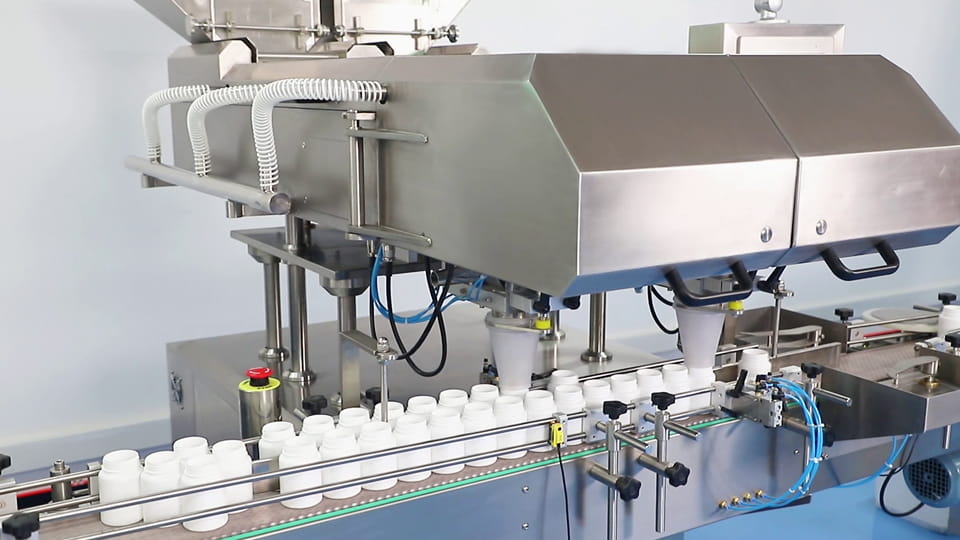
形: モダンな 医薬品製造 無菌を使用することが多い, 自動包装. コンピュータ化された計数機や密封されたブリスターパックなどの進歩 (緩んだボトルではなく) 多くの錠剤に対して綿のクッションは不要になります.
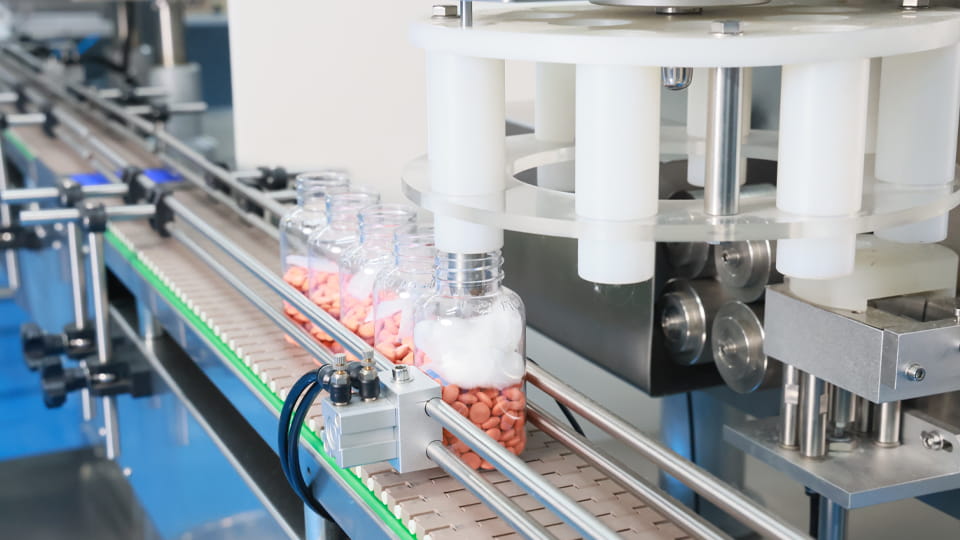
バイヤーとエンジニア向け, 綿が現代の医薬品包装プロセスにどのように適合するかを知ることも有益です. 高速錠剤瓶詰めラインをイメージしてください (錠剤をボトルに充填し密封する自動機械). 錠剤の計数からキャップとラベル付けまでの各ステップで、必要に応じて機械がコットンを処理できます。.
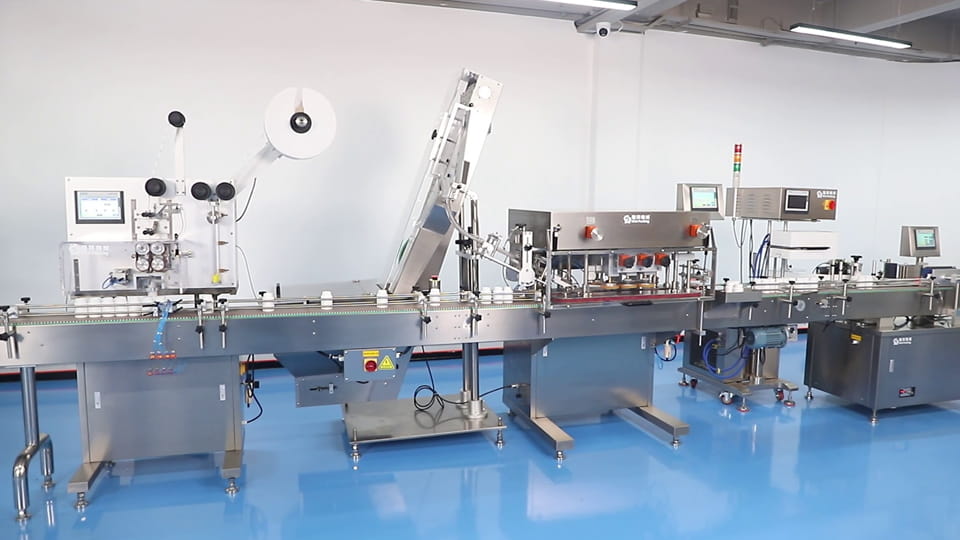
上の写真はその一部を示しています 自動錠剤包装ライン. このようなシステムでは, 錠剤を数えてボトルに分配した後, コンベアは各ボトルを綿挿入機に供給できます. Modern cotton inserters automatically cut and drop a clean cotton ball into every bottle with precise consistency. こちらです, cotton insertion becomes just another automated step – no hand work needed. (Today’s cotton inserters give manufacturers an easy way to place your cotton inside the pill bottle.)
あるいは, a line can skip cotton entirely. If cotton is not required, the machine simply omits that station. その代わり, the line might include a desiccant inserter or go straight to capping. Advanced tablet counting bottling lines ensure each bottle has the exact pill count, and then proceed without a cotton ball if that’s how the process is set up. どちらにしても, the decision is flexible: you can configure your pill bottle packaging system to use cotton for extra cushioning or leave it out.
[jl_youtube ソース=”https://www.youtube.com/embed/zRe4BB8i9n0″]
綿挿入機を備えた錠剤計数瓶詰めライン
一言で言えば, 最新の包装機は両方のタスクを実行します: 錠剤を注意深く扱い、充填剤を管理します. 自動化システムは選択肢を提供します. 発送用のコットンが欲しい? インサーターを使用する. シリカパックを使用するか、フィラーなしを推奨します? ラインを調整するだけ. Jinlu Packing または同様の会社の高速ラインがこれらすべての手順に対応します。. 当社は、メーカーが必要に応じて製品を保護できるよう、錠剤カウンターや充填機から綿挿入機やラベラーに至るまで、完全なパッケージング ソリューションを提供しています。.
要約すれば, cotton balls in pill bottles 以前の医薬品パッケージへの逆戻りです, 手で押すタブレットを安全に保つために導入されました. シンプルなクッション性と少しの湿気緩衝作用を提供します。, 出荷時の製品品質が向上しました. 時間とともに, 業界はよりスマートなソリューションを見つけました: 錠剤コーティング, ブリスターパック, 専用の乾燥剤が医薬品をより効果的に保護するようになりました.
現在の薬瓶のパッケージからは綿がほとんど使われなくなっていますが、, その役割を理解することで、医薬品包装の背後にある慎重なエンジニアリングが浮き彫りになります. ささやかな綿球でさえ、かつては社会の重要な部分であったことを思い出させます。 医薬品包装ライン 戦略 – 伝統と安全性の融合. 最後に, コットンを使用するかシリカゲルを使用するか, 目標は同じです: 錠剤が完璧な状態で患者に届くようにするため.
薬瓶に綿が使われていることはもはや謎ではありません – それは戦略的な包装の選択です. 今日のメーカーは綿を含めるかどうかを決定できます (クッション性と消費者の認識のために) あるいは、それをやめてより最新のソリューションを選択することもできます. 医薬品包装ラインの最適化をお考えの場合, これらすべての要素を考慮してください.
で ジンルパッキング, 私たちはを専門としています 錠剤の瓶詰めと計数ライン 医薬品の安全性とコンプライアンスを維持する. 当社の機械は綿球を挿入できます, 乾燥剤のパケットを追加する, またはフィラーの任意の組み合わせを自動化します. 高精度の錠剤計数瓶詰めラインが必要な場合も、穏やかな綿挿入機が必要な場合も, ご対応させていただきます. 薬瓶のパッケージをカスタマイズする方法については、当社のチームにお問い合わせください。. 当社の専門家は、綿球の有無にかかわらず、貴社の製品がそれにふさわしい配慮と革新性を備えてパッケージ化されていることを確認するお手伝いをします。.
パッケージングを次のレベルに引き上げる準備ができています? Jinlu Packingにお問い合わせください 今日は私たちの無料相談に参加します 医薬品包装装置. 適切なテクノロジーで錠剤と収益を守るお手伝いをいたします.
薬瓶の綿はもともと、輸送中に壊れやすい錠剤を保護するために加えられました。. ボトル内の空いたスペースを埋めて動きを減らし、輸送中や取り扱い中に錠剤が欠けたり壊れたりすることを防ぎます。.
薬瓶の綿の主な目的には、錠剤の緩衝材が含まれます。, 少量の湿気を吸収する, 容器内の錠剤の動きを軽減します. これらの機能は、保管および流通中にタブレットの完全性と製品の品質を維持するのに役立ちます.
Cotton began appearing in pill bottles in the early 1900s when tablets were more fragile and could easily break during shipping. Pharmaceutical companies used cotton as a simple cushioning material to stabilize pills inside the bottle.
はい. Many pharmacists recommend removing the cotton once the bottle is opened. Cotton can absorb moisture from the surrounding air and trap humidity inside the bottle, which may affect the stability of the medication.
Many modern pill bottles no longer include cotton because tablets are now stronger and better coated. さらに, pharmaceutical packaging now often uses desiccant packets, ブリスターパック, and tamper-evident seals that provide better protection than cotton.
Cotton may absorb small amounts of moisture during sealed transport, but it is not designed to preserve medication long term. Modern pharmaceutical packaging uses desiccant canisters or moisture-control packaging materials to maintain drug stability more effectively.
常にではありません. In many pharmaceutical packaging systems, the material inserted into the bottle may actually be synthetic fibers such as rayon or polyester. These materials are sterile, 一貫性のある, and easier to process in automated packaging lines.
いいえ. Many medications today are packaged without cotton. ブリスターパック, sealed bottles with desiccant packets, and improved tablet coatings often eliminate the need for cotton filler in modern pharmaceutical packaging.
Cotton can provide a basic visual indicator. If the cotton appears disturbed or missing when the bottle is first opened, it may suggest that the bottle was opened previously. しかし, modern packaging now relies on tamper-evident seals for better security.
In automated pharmaceutical packaging systems, cotton is inserted using a cotton inserter machine integrated into a tablet counting bottling line. The machine automatically cuts and inserts sterile cotton into each bottle before capping, ensuring consistent placement and high-speed production.
参考文献:
1. The Real Reason There Are Cotton Balls In Pill Bottles — HealthDigest
2.This Is the Real Reason There’s Cotton in Pill Bottles — Reader’s Digest
3.薬瓶容器インサート - 私たち. 特許 (Justia 特許データベース)
4.医薬品の包装 – ウィキペディア