Pharmacy blister packs– sometimes calledbubble pack meds または blister pack medication– are everywhere in the drug industry. These are pre-formed plastic trays with little “bubbles” or pockets, each holding a single pill or capsule. Think of them as mini-sealed compartments: each pill sits in its own cavity until use. In this way, blister packaging does more than just hold pills – it shields medicines and helps keep patients safe. As one industry expert notes, “efficient packaging solutions not only protect drugs from external elements but also play a crucial role in patient compliance”. 言い換えると, blister packs bothprotect medications そして help patients take them correctly.
Imagine a pharmacy shelf with tablets in bottles versus the same medicines inブリスターカード. With blister packs, you can immediately see each dose and know it’s intact. Each cavity is単位用量包装, so there’s no guesswork about how much to take or whether yesterday’s pill was already used. This built-in tracking is already a big safety boost: you can glance at the card and know if a dose was missed. Jinlupacking expert points out that blister packs can “help the individual recall if the previous dose was taken”. For busy patients or pharmacists, that means fewer mistakes.
下に, we’ll break down how blister packs protect medicines and enhance patient safety – insights useful to anyone in pharmaceutical packaging or procurement.
What Are Pharmacy Blister Packs?
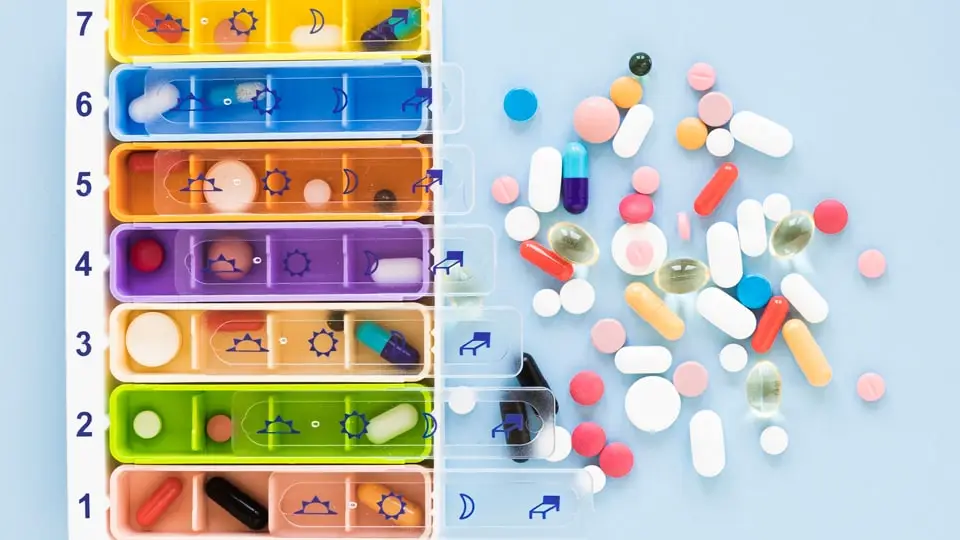
Pharmacy blister packs are a form of改ざんパッケージdesigned for pills and capsules. Picture a stiff plastic sheet with little bubbles (水ぶくれ), each one just the right size for a tablet. After filling, the bubbles are covered with a foil or plastic seal, enclosing the pill. Because each pill is individually sealed, any attempt to open or meddle with a dose is immediately obvious. In practical terms, each dose of medication is pre-packaged and labeled. 例えば, many blister cards have days of the week printed above each blister, turning the pack into a simple pill organizer.
Each blister is one dose. When you push out a pill, the seal pops, showing that dose is gone.
The backing of the pack often shows the drug name, strength or even instructions right next to each tablet. This means you never mix up pills or forget what they are.
By definition, then, a pharmaceutical blister pack seals individual doses of a drug until use. This design gives patients and pharmacists clear visibility – you can see the actual tablet under its seal – and tamper evidence. If the foil is punctured or peeled, you immediately notice. These features are why blister packs are a top choice for pharmacies: they combine simple handling with built-in security.
How Blister Packs Protect Medicines
Blister packs serve as a tiny fortress for each tablet. Here are the main ways they protect medications from damage or spoilage:
Environmental Barrier:A good blister pack keeps out moisture, air and even light. The plastic pocket and its foil lid form a sealed envelope. Many packs use PVC plastic with a PVC/PVDC (polyvinylidene chloride) coating or aluminum foil on top. These materials are chosen for their barrier properties. As a pharmacy packaging guide explains, blister material is picked “based on its barrier properties” against factors like light, heat and humidity. 例えば, aluminum foil offers the least moisture penetration, so foil-backed blisters are used for very moisture-sensitive drugs. 要するに, the pack keeps humidity and oxygen away from the pill, extending its shelf life.
Preventing Contamination and Damage:Because each pill sits alone in its own cavity, it can’t rub or smash against other pills. Even if a shipment is jostled, the rigid blister protects the tablet’s shape and coating. One source notes the plastic cavity “acts as a protective coat” around the item, so it won’t be spoiled or degraded in quality. The backing material then adds strength to the pack as a whole, reducing the chance of the pill breaking out. 実際に, this means no loose powder or fragments – the medicine stays clean and intact inside the sealed pocket.
Tamper-Evident Seal:The sealed foil or film makes any tampering obvious. If someone tries to puncture or peel open the blister, the foil will be broken. A pharmacist or patient will immediately see that the package has been opened. This is critical security: it prevents anyone from swapping or contaminating pills.
UV Protection (if foil is used):Some blisters use opaque foil that blocks light entirely. Light can degrade certain drugs, so foil-backed packs add an extra layer of protection. (This is why many blisters for sensitive medications are fully foil-covered.)
可視性:Even though blister packs protect, they also let you see the pill. The clear plastic of most blisters allows a quick visual check. If a tablet is discolored or cracked, you can spot it through the bubble before dispensing. This visual check is a handy bonus for quality control.
要約すれば, blister packaging provides a controlled micro-environment for each tablet. By creating an individual seal around each dose, these packs block out moisture and contaminants, cushion the pills against shock, and reveal any tampering. The result is medication that stays potent and pure, from factory to patient.
Enhancing Patient Safety and Compliance
While protecting the drug itself is vital, blister packs shine in keeping patients safe and on track with their medication. Here’s why:
Easy Dose Tracking:Because each pill has its own spot, patients can instantly see which doses are gone. If you open a blister card with days labeled, it’s clear at a glance whether you took today’s pill. One report notes that patients can “easily see if they have taken their daily dose, reducing the likelihood of missed or double doses”. This transparency greatly reduces errors. For people on multiple medicines (or anyone with a busy schedule), that simple visual check helps avoid missing a dose – or accidentally taking two. (By contrast, loose pills in a bottle make it hard to remember what you’ve done that day.)
Built-in Calendar Packs:Many blister packs are designed as compliance packs. They have the days of the week or date printed above each blister. 例えば, a pack might show “Mon, Tue, Wed…” so you know if Monday’s pill is gone or still there. These calendar-style blisters are a proven aid in long-term medication regimens. Studies and pharmacist experiences show that such blister calendars help patients stick to their schedule. Even without a printed calendar, the simple act of marking off a blister provides feedback that a dose is taken.
Clear Labeling:Blister packs usually carry essential drug information right on the package. The backing is often used to print the medication name, 強さ, 有効期限, and sometimes key instructions. As one expert explains, blister designs allow “clear, concise labeling directly on the packaging” including dosage instructions and expiry dates. Having this information at your fingertips means you’re less likely to confuse medications. It’s far safer than loose pills or small labels.
使いやすさ (with Safety):Blister packs can be opened easily enough by adults, yet they can include child-resistant features if needed. 例えば, a pack might require a firm push or peel that is easy for a grown-up but too tough for a child’s hands. This balance is important: seniors or those with limited dexterity still find blister packs reasonably simple, but there’s an added layer of protection against accidental ingestion by kids. 実際には, child-resistant blister designs have been so effective that regulations (like the U.S. Poison Prevention Packaging Act) mandate child-proof packaging for many drugs, which led to a 45% reduction in child poisonings.
These patient-centered features make blister packs more than just storage. They are adherence tools. Patients often report feeling more confident and “peace of mind” using blister packs, because everything they need is laid out clearly. As one pharmacy explains, using blister packaging “helps keep you on track” with medications and gives “peace of mind” about not forgetting doses. For healthcare professionals and caregivers, a pack that shows exactly what was taken (or missed) is a big help in monitoring therapy.
Pharmacy Blister Packaging in Practice
In real-world pharmaceutical production, blister packs come in several formats: standard push-through (the most common), peel-to-open, multi-compartment cards, and even electronic compliance packs. But the core idea is the same: unit-dose sealing.
生産プロセス:Blister packaging lines are precise machines. They start with a roll of plastic film (PVC or similar). The machine heats and forms that film into pockets. Pills or capsules are then dropped into each pocket one by one. 次, a lidding material (usually aluminum foil or plastic) is pressed and sealed on top of the pockets. ついに, the long web is cut into individual cards or sheets and often embossed or perforated for easy separation.
高精度:Modern blister lines are highly automated. They fill and seal thousands of doses per hour with exacting consistency. A Colorcon insight notes that “advancements in technology have significantly improved the manufacturing process of blister packs. Modern machinery allows for more precise filling and sealing, ensuring the integrity of the medication and the consistency of each dose”. 実際に, this means your blister packs are reliably uniform – every tablet is enclosed in the same way. Quality checks (like leak tests or weight checks) are used to make sure each pack meets pharmaceutical standards.
Materials Matter:The choice of plastic and foil depends on the drug’s needs.Common base films are PVC or PVC/PVDC; PVC is cheap and easy to form, while PVDC (or PCTFE) coatings boost moisture resistance. If a drug is very sensitive, full-aluminum cold-form blisters might be used (though those must be peeled open). The machine must match the material: a PVC blister pack line is different from a foil-forming line. Procurement engineers select the right machine and film based on what provides sufficient barrier protection.
柔軟性:Blister machines can also print on packaging. Some lines can emboss the lot number or expiration date in the plastic or foil during sealing. Others can affix a printed card underneath the blisters with product information. This integration of packaging and printing is another way the pack protects patients – by carrying all needed info on the pack itself.
要するに, with blister packaging, every step – from material to machinery – is geared toward safety and stability. High-quality equipment and materials ensure that by the time the pack reaches the pharmacy shelf, the medication inside is exactly as intended and clearly identified.
Advantages of Pharmacy Blister Packaging
Pulling it all together, here are the key benefits of using blister packs for pharmaceutical products – all of which boost both product integrity and patient safety:
Maximum Protection:Each pill is sealed in its own cavity, creating a complete barrier against moisture, air and contaminants. This helps keep the drug stable (longer shelf-life) and potent up to the use-by date.
Tamper-Evidence:Because blisters are sealed, any attempt to open a dose breaks the pack. This visible evidence of tampering gives pharmacists and consumers confidence that the medicine was never opened or adulterated.
Accurate Dosing:Unit-dose packaging means exactly one dose per pocket. Patients and caregivers can count out a treatment course without mixing up bottles. It also makes it easy to spot missed doses – if a blister is full, you know it was skipped. Studies show blistering or similar compliance packs significantly improve adherence compared to loose pills.
Clear Labeling:Blister packs provide real estate for printing. The drug’s name, 強さ, lot number or expiry date can be right next to each pill. This reduces confusion (no more shaking bottles and hoping it’s the right one). Patients benefit from having instructions and warnings literally at their fingertips.
Better Compliance:When patients see their medication organized and labeled dose-by-dose, they tend to stick with it. Pharmacy studies and patient experiences confirm that blister packs give users “peace of mind” and help them follow their regimen.
Child Safety:Blister packs can be made child-resistant to meet regulations. A pill hidden behind tough foil or a special strip is much harder for a child to access. その間, designed well, the pack is still manageable for adults. This balance has saved lives: mandatory child-resistant packaging for pills has cut accidental poisonings by tens of percent.
Compared to bottles or jars, blister packaging stands out for combining robust protection with patient-friendly design. It meets strict pharmaceutical regulations and also makes life easier for end users. No wonder blister packs are a standard on pharmacy shelves worldwide.
Choosing the Right Blister Pack
For industry buyers and engineers, selecting blister packaging means matching the pack to the product and the patient:
Evaluate Material Needs:If your drug is moisture-sensitive or light-sensitive, choose a high-barrier solution. StatPearls notes that “aluminum foil offers the least moisture penetrance”, so foil-lidding might be required. Otherwise, PVC with a good moisture barrier lamination often suffices.
Think Compliance Features:Do you need a calendar pack? Weeks and dates on the pack help patients, so plan for printing. Are you targeting elderly patients? Make sure the blister isn’t too hard to open. Many blister lines can include child-resistant closures if needed, which is crucial for prescription meds under many regulations.
Quality and Testing:Work with a supplier who tests blister packs for leaks and strength. Packaging engineers often require documentation that each batch of blistered product meets standards (例えば. checked under high humidity to confirm no seepage). This guarantees the pack truly protects the drug.
Machine Capabilities:If producing in-house, ensure your blister machine can handle the chosen film and meet speed requirements. Modern lines, 指摘したように, “fill and seal with precision” to keep doses consistent. Reliable machinery is key – any error in sealing could compromise safety.
カプセルタブレット用のDPP-180Proブリスターマシン
By carefully choosing the packaging design, materials and equipment, pharmaceutical companies ensure that their blister packs deliver on their promise: medication protection and patient safety.
結論
At the end of the day, pharmacy blister packs are much more than convenient pill containers. They are engineered safety tools. By sealing each tablet in a protective envelope, blister packs guard against moisture, contamination and tampering, while built-in features help patients take their medications correctly. Industry experts summarize blister packs as offering “unparalleled protection against environmental factors, precise dose tracking, and tamper-evident features”. 言い換えると, blister packaging revolutionizes how medications are stored, transported and consumed.
For global pharmaceutical manufacturers and packaging engineers, investing in well-designed blister packaging means investing in quality and trust. The right blister pack keeps drugs potent, meets strict safety standards, and ultimately helps patients take their medicines safely. When we protect the medication, we protect the patient – and that’s the most important outcome of all.
Frequently Asked Questions (FAQs) about Pharmacy Blister Packs
What exactly are pharmacy blister packs (or blister pack medication)?
Pharmacy blister packs are unit-dose packaging where each pill or capsule is sealed individually in a small plastic cavity (水膨れ), often backed with foil or lidding material. The result: each dose stays separate until the moment of use, which protects the medicine and helps dosing accuracy.
How do blister packs protect medicines from moisture, ライト, および汚染?
The sealed plastic cavity plus a protective backing (like foil or high-barrier film) forms a barrier that keeps out moisture, 酸素, light and environmental contaminants. This dramatically reduces risks of degradation — especially for moisture- or light-sensitive medications — preserving potency until the dose is consumed.
Why are blister packs better than traditional pill bottles for patient safety?
Compared to bottles, blister packs offer unit-dose clarity (one pill per compartment), tamper-evident sealing (you can see if a dose has been opened), and built-in convenience for dose tracking. That reduces risks of mix-ups, overdoses, missed doses, or contamination — especially useful for elderly patients, people on multiple meds, or care settings.
How do blister packs improve medication adherence (help patients take medicine on schedule)?
Since each dose is individually visible and often arranged in calendar-style cards or strips, patients (or caregivers) can easily see what’s taken and what’s pending. This clarity reduces confusion, missed doses or double dosing — boosting compliance especially for chronic or multi-dose therapies.
Are blister packs tamper-evident or child-resistant?
はい. Blister packs are often sealed so that any opening or meddling is visibly obvious. Many designs also include child-resistant features or use lidding materials tough for children to open while still usable by adults, helping prevent accidental ingestion by kids.
What types of blister packaging exist (材料 / フォーマット)?
Common formats include PVC or PVC/PVDC blisters (thermoformed plastic), often lidded with foil or high-barrier film. For highly sensitive drugs, “cold-form” or foil-foil (alu-alu) blister packs may be used for maximal barrier against moisture, 酸素と光. The choice depends on the drug’s sensitivity, ストレージ条件, and regulatory requirements.
Can blister packing help with manufacturing efficiency and supply-chain management?
はい. Blister packaging is well-suited for automated, high-speed production. Modern blister packaging lines thermoform cavities, fill pills, and seal packs quickly and uniformly — often thousands of doses per hour. That reduces manual labor, minimizes counting errors, and ensures consistent dose integrity, which benefits manufacturers and suppliers.
Are there downsides or limitations to blister packaging?
A few. Because each dose is individually sealed, blister packs may generate more packaging waste (especially foil-plastic combinations) and are harder to recycle. また, some blister formats (例えば。, foil-foil) are opaque — so you can’t visually inspect the pill before popping it. さらに, for tablets that don’t require strict protection, blister packs may be over-engineered and more expensive than simpler packaging.
For what kinds of medications are blister packs especially recommended?
Blister packs are particularly suitable for moisture- or light-sensitive drugs, hygroscopic formulations, or medications needing precise dose control (例えば。, antibiotics, proton-pump inhibitors, ビタミン, chronic therapy drugs). For sensitive medications, high-barrier or alu-alu blister packs provide needed protection.
How does blister packaging support regulatory compliance and quality assurance?
By individually sealing doses with tamper-evident materials, blister packaging helps meet regulatory requirements for safety, traceability and packaging integrity. It also facilitates lot-tracking, serialization, and easier inspection (visual inspection for damage or leaks), which supports pharmacovigilance, recalls and overall quality control.