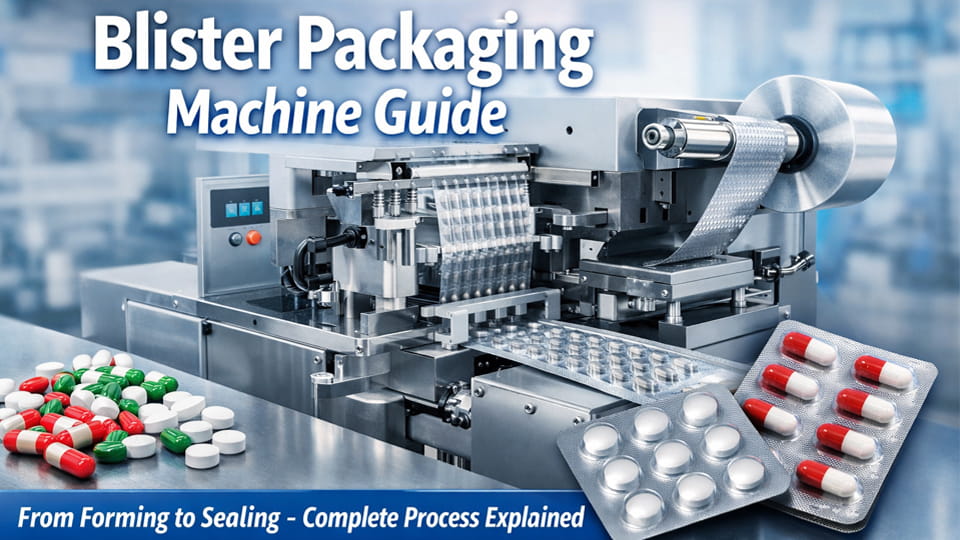

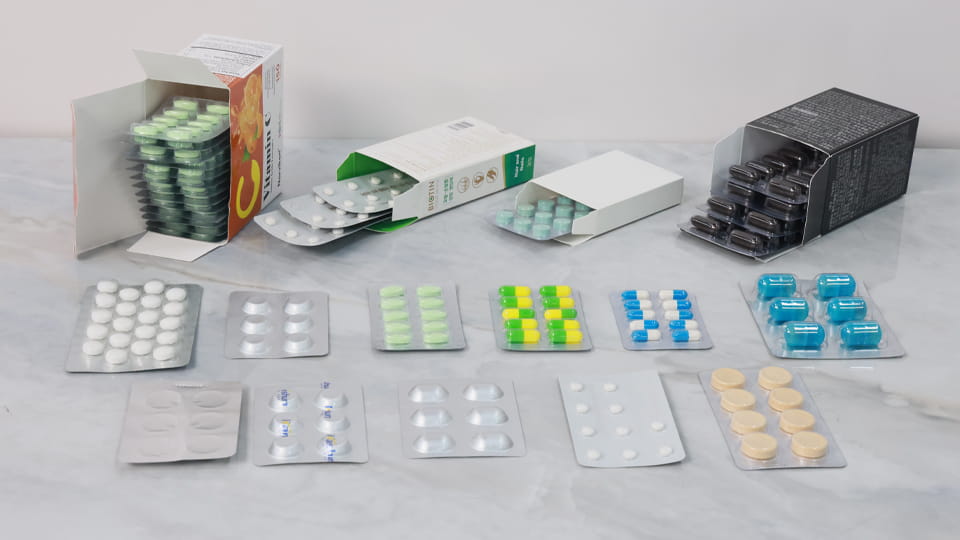
ブリスター箱詰め機は、事前にパッケージ化されたブリスター トレイの配置を自動化する特殊な包装システムです。 (タブレット用, カプセル, 化粧品, 等) カートンに入れる. 簡単に言うと, 平らなカートンを組み立てます, ブリスターパックを挿入します, カートンを密封する – すべてを 1 つの連続フローで行う. これらの機械は、医薬品が入った事前に密封されたブリスターパックを挿入するプロセスを自動化します。, 化粧品や消費財を紙箱に詰める. これらの手順を合理化することで、, ブリスターカートナーは、手作業を削減しながら、梱包速度と一貫性を大幅に向上させます. 実際には, ブリスター箱詰め機は非常に高速で動作できます (ハイエンド モデルでは 1 分あたり最大 200 ~ 300 カートンになることがよくあります)。これは、多忙な生産ラインの需要を満たすために不可欠です。.
ブリスターカートナーは製薬および関連業界で広く使用されています. 例えば, Jinlupacking は次のように指摘しています。 ブリスターパッケージ そして 箱詰め装置 医薬品にとって「必須」である (そして食品さえも), 高効率と安定した品質を実現. これらの機械はさまざまなカートンサイズに合わせてカスタマイズできます, ブリスターパックの材料 (PVC-Alu または Alu-Alu ブリスターなど), および密封方法. 実際に, ブリスターカートナーラインは、多くの場合、 ブリスターパッカー カートナーと一緒に: ブリスターラインは密封されたブリスターを形成し、それをチューブに送り込みます。 箱詰め機. このような統合されたラインは、約 100 カートン/分. メーカーは、優れた箱詰め機は作業を「ワンストップ」で処理することで人件費を削減し、生産量を増加させることを強調しています。.
同義語: 業界では, これらの機械は、「ブリスターカートナー」または「ブリスターパック用カートナー製造機」と呼ばれることもあります。ボトル形状の製品の場合, 「」と呼ばれる同様のデバイスボトルカートニーマシン”が使われています; 一部のボトル包装業者は、ブリスター形状のカプセルや錠剤も処理できます。. ただし、このガイドではブリスター箱詰め機に焦点を当てています。, 彼らの主な特徴, 一般的なタイプ (水平対垂直), と主なコンポーネント.
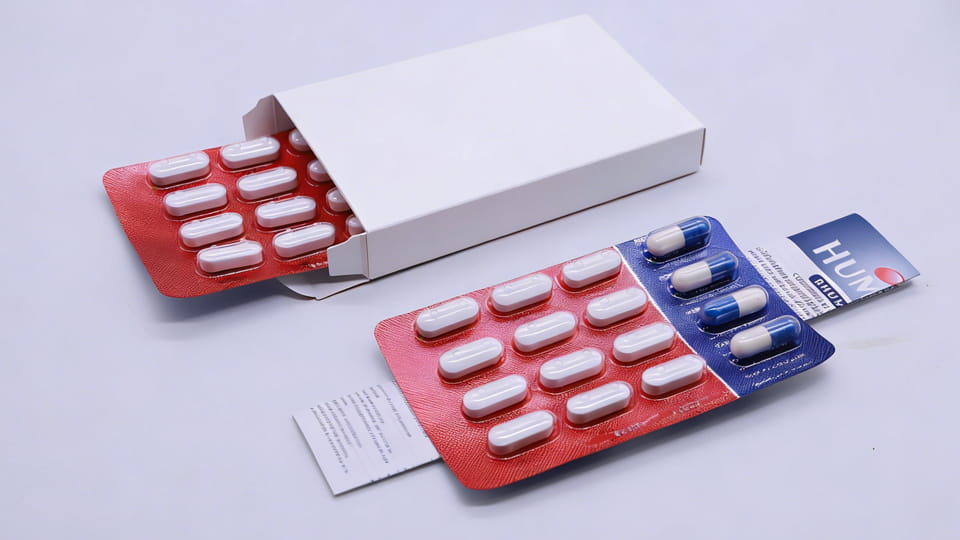
最新のブリスターカートナーラインは非常に高いスループットと精度を実現します. 共通の仕様は次のとおりです 100 全自動ラインの毎分カートン数, 一部の特殊な高速モデルでは、 300 cpm. 一般的なマシンは PLC/サーボ制御とタッチスクリーン HMI で動作します, これにより、迅速な切り替えが可能になり、さまざまなカートン サイズやブリスター レイアウトに合わせて簡単に調整できます。. ほとんどのカートナーは 304 グレードのステンレス鋼で作られています, GMP およびクリーンルーム要件を満たす密閉フレームと安全ガードを備えています. その他の重要な機能には、接着剤またはテープのシーリング ステーションが含まれます。, バッチおよび有効期限の自動印刷/インクジェットコーダー, 欠陥のあるパックを回避するために詰まりや空のスポットを検出するセンサー.

箱詰め機を分類するにはいくつかの方法があります. 正しい選択は生産量によって異なります, 製品タイプ, そしてレイアウト. 一般的な違いをいくつか挙げます:

ブリスター箱詰め機はいくつかの機能ユニットで構成されています, それぞれがプロセスの一部を担当します. これらを理解すると、モデルを比較するときに何に注目すべきかを認識するのに役立ちます。:
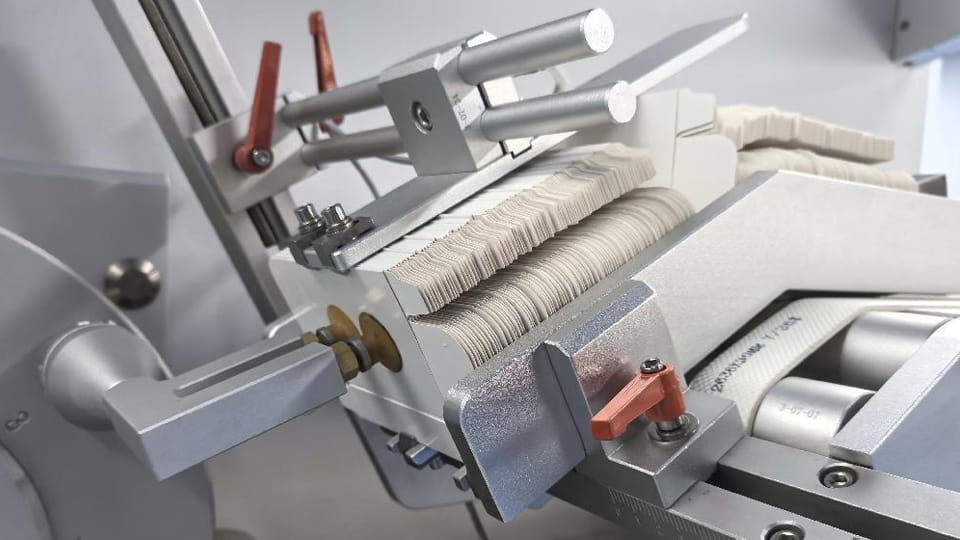
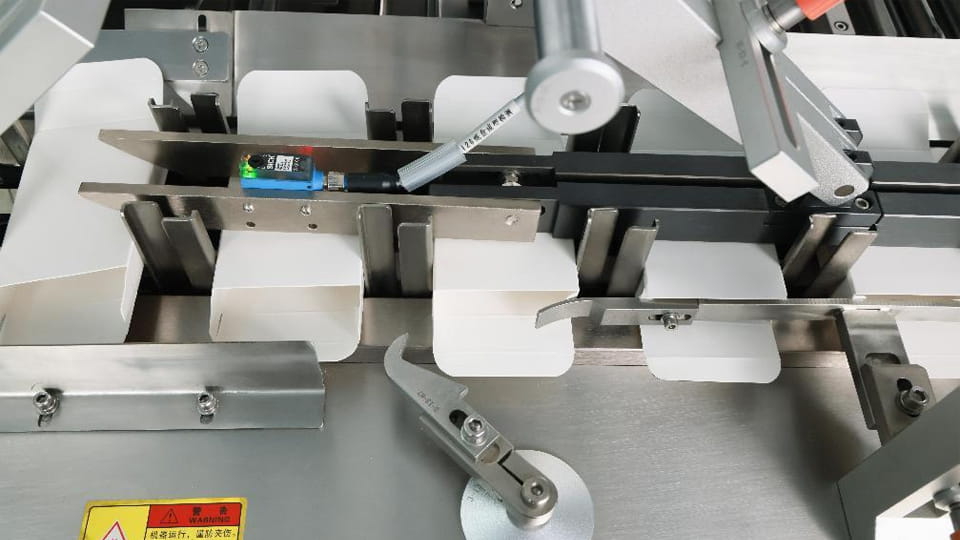
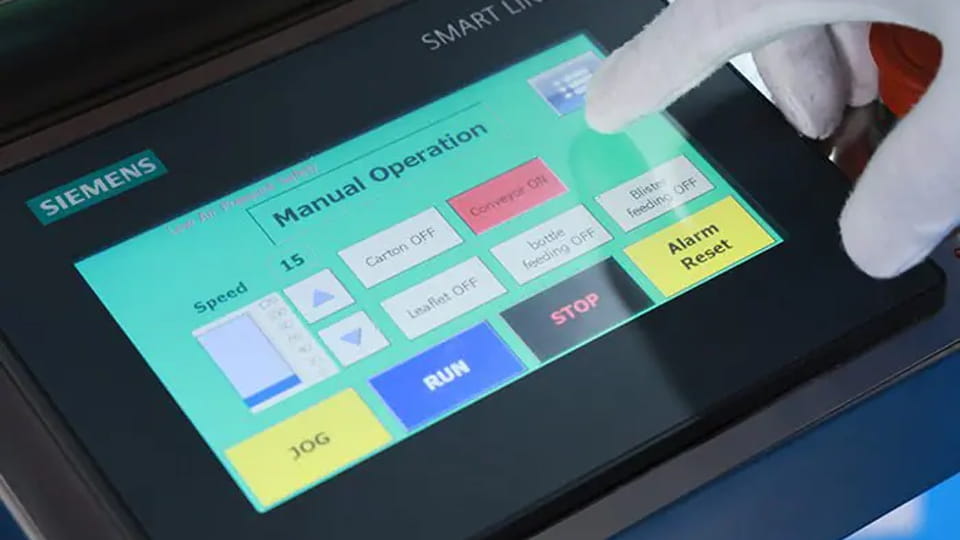
These components work in concert to transform flat blanks and loose blister sheets into neatly boxed products, all under computerized control.
The table below summarizes each key component and its role:
| 成分 | Role |
|---|---|
| カートンマガジン | Holds a stack of flat carton blanks. Picks and feeds cartons one-by-one into the machine. |
| Carton Erector | Folds and forms each blank into a box shape, ready to be filled. |
| Product Feeder/Conveyor | Transports blister packs (or bottles/tubes) to the insertion point, aligning them properly. |
| Insertion Station | Automatically places the blister pack and leaflet (if any) into the open carton. |
| Folding & Sealing Station | Folds the top flaps and seals the carton (using tuck-in flaps or hot-melt glue). |
| Control Panel (PLC & HMI) | Computerized control unit. Operators set carton dimensions and machine parameters via touchscreen. |
| センサー & Vision Systems | Detect presence of cartons, 製品, and leaflets at each stage. Any missing component triggers a reject. |
| Inkjet Printer | Prints expiration dates, barcodes, or batch numbers on the carton for compliance. |
| 安全性 & 潤滑 | Safety devices (guards, 緊急停止) protect operators. Lubrication lines keep moving parts running smoothly. |
The cartoning process flows through several automated steps. 初め, a blank carton is picked from the magazine and erected into an open box. Glue (or tape) is applied to the side seams as needed, and the carton is transported on a conveyor to the loading station. Blister packs are grouped by the infeed system and arrive just in time for insertion. 次, a mechanical pusher or vacuum head loads the blister into the carton, placing it gently inside. ついに, the machine folds and seals the carton’s top flaps – either tucking them in or folding them around the sides – and applies printing so each carton gets its batch code and date. At the end of the line, any defective cartons (例えば. missing product or bad code) are automatically ejected, and the good packs are collected for case packing or palletizing.
[jl_youtube ソース=”https://www.youtube.com/embed/k0uyybgttcu”]
Blister cartoning machines are found wherever blister-packed products need secondary packaging. The most obvious users are pharmaceutical and nutraceutical manufacturers, where tablets, カプセル, 小袋, or even medical devices in blisters must be enclosed in boxes. 例えば, an over-the-counter medicine might be blister-packed at high speed, then immediately fed into an automatic cartoner. A large factory might run three shifts on a continuous blister line, filling and cartoning thousands of packs per hour.
Other applications include vitamin supplements, cosmetic products (例えば. samples in blisters), and even hardware items in retail blister packs. それぞれの場合において, the blister cartoning machine ensures the product is secured, tamper-evident and easy to ship. In many plants, these machines are paired with case packers at the end, so the cartons feed directly into a case loading machine.
When evaluating machines, engineers often consider product size and format diversity. A machine that can switch quickly between blister types and carton sizes is valuable for companies running multiple SKUs. They also look at ease of operation (直感的なコントロール, recipe recall) and total cost of ownership (エネルギーの使用, maintenance intervals). Well-designed cartoners pay for themselves by saving labor and reducing packaging errors.
要約すれば, a blister cartoning machine is a sophisticated piece of equipment that automates the final step of blister pack packaging. It brings together fast mechanical feeding, electronic controls, and smart sensors to pack products efficiently into cartons while maintaining product integrity. Key features include high throughput (頻繁 100+ カートン/分), fully automatic operation, quick format changes, and compliance with cleanroom standards. There are different styles to choose from – semi vs. 全自動, 水平対. 垂直, continuous vs. intermittent – depending on your production needs. By understanding each machine’s types, capabilities, と主なコンポーネント, packaging engineers and procurement teams can select the best cartoning solution for their line. With the right machine, blister packages are boxed accurately and quickly, ultimately improving efficiency and product safety in pharma manufacturing.
A Blister Cartoning Machine is an automated packaging system that inserts blister packs containing tablets, カプセル, or other products into cartons and seals them for distribution. It performs multiple functions such as carton erection, blister insertion, チラシ挿入, and carton sealing in a continuous process.
These machines are widely used in pharmaceutical, 栄養補助食品, medical device, and consumer goods industries to ensure efficient, 安全, and consistent secondary packaging.
A typical blister cartoning process includes the following steps:
1.Flat cartons are picked from the magazine and erected
2.Blister packs are fed and aligned
3.Leaflets (必要に応じて) are inserted
4.Blisters are loaded into cartons
5.Cartons are sealed using tuck-in flaps or glue
6.Codes such as batch numbers and expiration dates are printed
Modern machines also include sensors and inspection systems to reject defective cartons automatically.
Blister cartoners are primarily used in:
• Pharmaceutical manufacturing
• Nutraceutical production
• Medical device packaging
• Cosmetic and personal care industries
• Consumer goods packaging
They are especially important in pharmaceutical packaging, where accurate dosing, トレーサビリティ, and tamper protection are critical.
The main difference lies in motion type:
Intermittent motion cartoner:
• Stops briefly at each station
• Easier to maintain
• More flexible for multiple carton sizes
• Ideal for medium production speeds
Continuous motion cartoner:
• Operates without stopping
• Higher speed and efficiency
• Best for large-scale pharmaceutical production
Continuous systems typically offer higher throughput and efficiency.
Blister cartoners are highly versatile and can package:
• Tablets and capsules
• Medical devices
• Nutraceutical supplements
• Cosmetic blister packs
• Veterinary medicines
They can also be configured to package bottles, 小袋, チューブ, or vials depending on feeder design.
主なコンポーネントには次のものがあります。:
• Carton magazine and feeding system
• Blister feeding unit
• Carton erection mechanism
• Product insertion system
• Carton sealing station
• Coding and printing system
• PLC control system
• Sensors and inspection devices
These components work together to ensure efficient, 正確な, and reliable packaging operations.
はい. Blister cartoners are commonly integrated into a full blister cartoning line, connecting directly with:
• Blister packing machines
• Leaflet inserting machines
• Vision inspection systems
• Case packing machines
• Palletizing systems
This integration enables fully automated production with minimal manual intervention and improved efficiency.
Blister cartoning machines improve efficiency by:
• Increasing packaging speed
• Reducing labor requirements
• Eliminating manual packaging errors
• Ensuring consistent packaging quality
• Supporting continuous production lines
Automation significantly improves output while reducing operational costs and packaging errors.
Key selection factors include:
• Production speed requirements
• Carton size range compatibility
• Product type and format
• Machine automation level
• Integration capability with existing lines
• Ease of maintenance and changeover
Machines with servo control and PLC systems offer better flexibility, faster changeovers, and higher precision.
The main difference is the product feeding system:
• Blister cartoners handle blister packs
• Bottle cartoners handle bottles or containers
Both perform similar functions such as carton erection, product insertion, そして封印, but use different feeding mechanisms.
参考文献:
1.Integrated Blister and Cartoning Systems — Pharmaceutical Technology
2.Guidelines on Packaging for Pharmaceutical Products — WHO
3.Carton and Container Labeling Requirements — U.S.FOOD&DRUG ADMINISTRATION
4.Packaging Equipment Validation and Automation — ISPE White Paper