
- Macchine
- Competenza
- Risorse
- Certificati
- Di
- Contatto
- Macchine
- Competenza
- Risorse
- Certificati
- Di
- Contatto
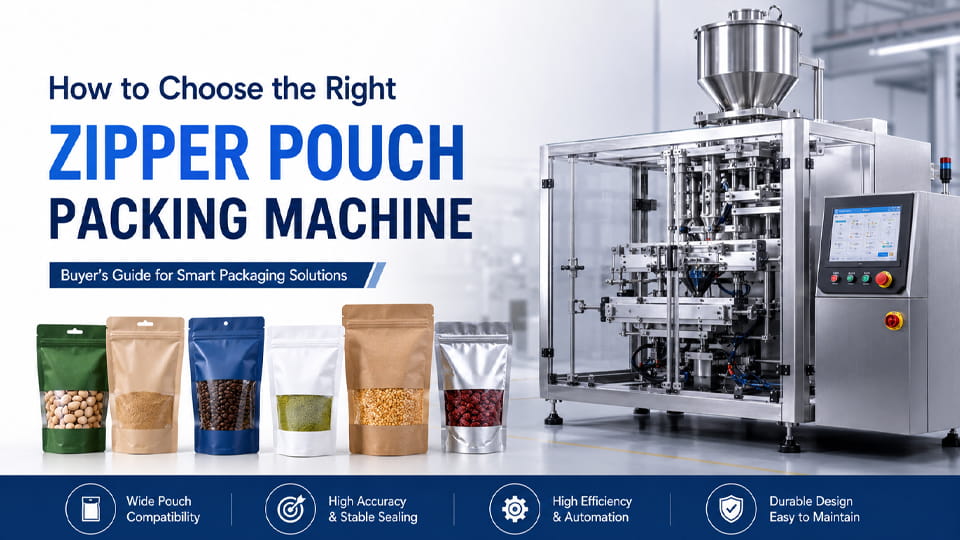
Scegliere il diritto macchina confezionatrice per sacchetti con cerniera è una decisione fondamentale per qualsiasi produttore di snack, polveri, liquidi o prodotti farmaceutici. La scelta sbagliata può portare a tempi di inattività, pesi di riempimento incoerenti, guarnizioni inadeguate e sprechi di prodotto. Al contrario, la macchina giusta migliora l'efficienza, qualità del prodotto e redditività. Questa guida spiega cosa custodia con cerniera (busta richiudibile) le macchine lo sono, confronta custodia preconfezionata vs Vff sistemi, e cammina attraverso il 7 fattori chiave che dovresti considerare (tipo di prodotto, stile marsupio, velocità, qualità di tenuta, Materiali, pulizia e assistenza). Evidenzieremo anche raccomandazioni specifiche del settore e le insidie comuni da evitare, concludere con consigli pratici e un contatto con il fornitore (Imballaggio Jinlu) per una soluzione personalizzata.
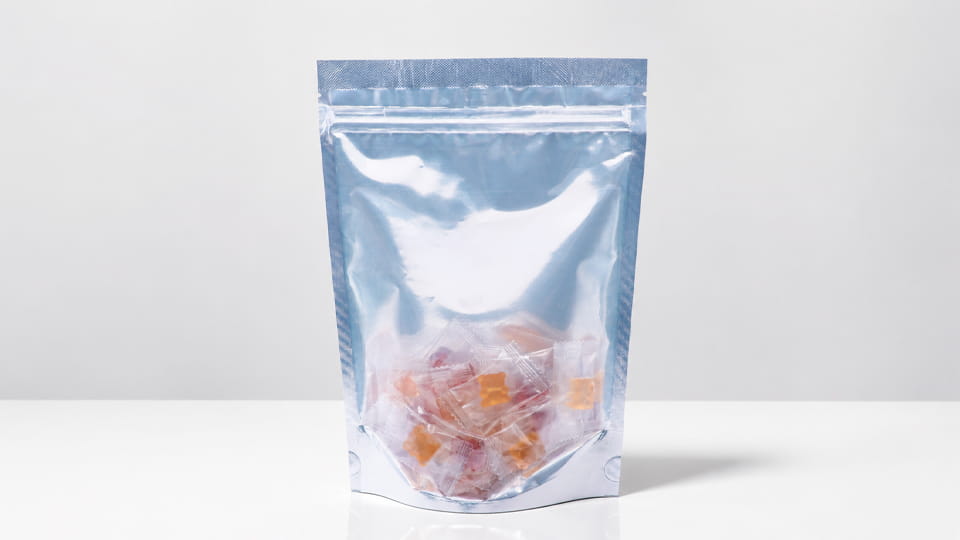
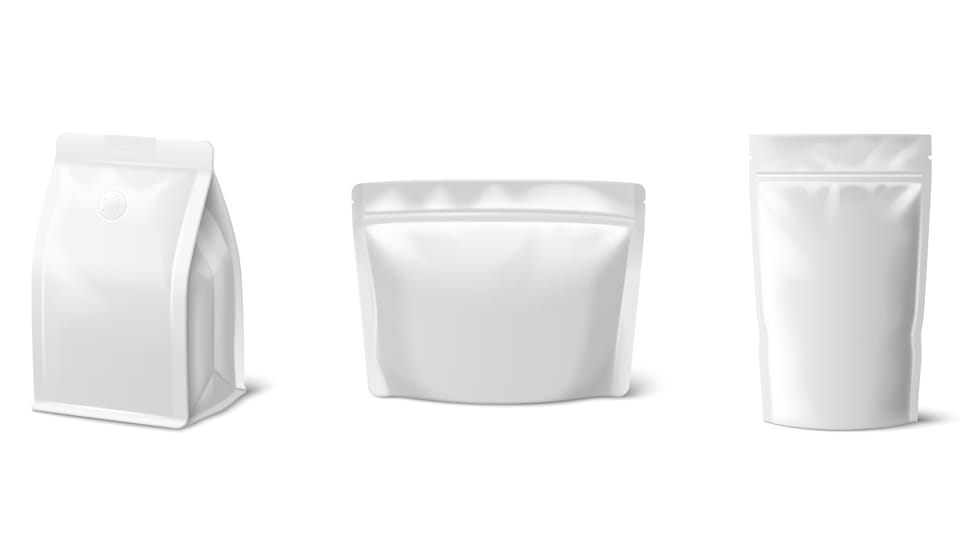
Incorporare immagini può aiutare a illustrare questi punti. Per esempio, considera l'immagine qui sotto di una busta richiudibile pronta per essere riempita. Le macchine per sacchetti con cerniera gestiscono prodotti come questo (caffè, granuli, spuntini) con precisione e velocità.
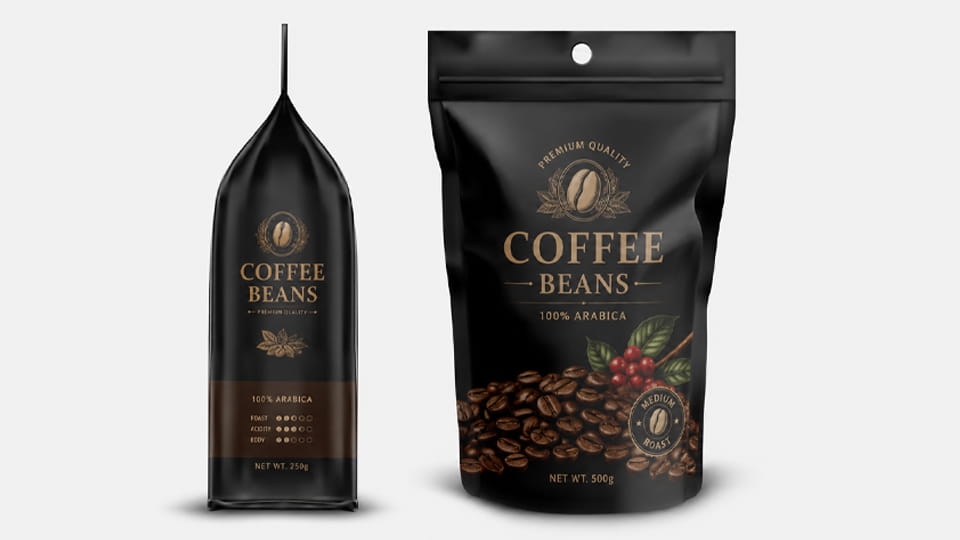
Figura: Esempio di busta richiudibile stand-up (chicchi di caffè). Le confezionatrici per sacchetti con cerniera prelevano automaticamente, riempire e sigillare questi sacchetti preconfezionati per alimenti, farmaceutico e altre industrie.
UN macchina confezionatrice per sacchetti con cerniera (chiamata anche borsa con cerniera o macchina per buste con chiusura a zip) gestisce automaticamente preformato buste con chiusura a cerniera integrata. Invece di formare sacchetti con la pellicola (come nel VFFS), queste macchine prelevano buste preconfezionate da una rivista, apriteli (spesso con pinze a vuoto o meccaniche), riempirli, allineare/chiudere la cerniera, termosaldatura sopra e sotto la cerniera, e poi scaricare il pacco finito. Insomma, “sceglie”., si apre, riempie, sigilla e consegna” buste pronte per la vendita.
Questo approccio elimina la necessità di formare buste al volo, offrendo un controllo più rigoroso sul riempimento e sulla sigillatura. È particolarmente utile per appiccicoso, prodotti delicati o sensibili all'umidità (come i gel, polveri ad alto contenuto di grassi o ingredienti igroscopici) dove la stabilità del sacchetto e la tenuta pulita sono fondamentali. Perché la custodia è già prodotta, ottieni un premio, aspetto pronto per lo scaffale con dimensioni precise della busta e maneggevolezza stabile.
I flussi di lavoro tipici della macchina per sacchetti con cerniera seguono questi passaggi:
Rivista a sacchetto –> Ritiro della busta –> Apertura della custodia (aria o pinza) –> Riempimento del prodotto (peso, pompa, ecc.) –> Chiusura con cerniera & Sigillatura a calore –> Scarico della busta terminato
Ogni passaggio è automatizzato per garantire velocità e coerenza. Per esempio, Le macchine Jinlu possono produrre fino a 50-60 sacchi al minuto (con elevata precisione di dosaggio ±0,5%), grazie a pesatrici multitesta e sistemi di dosaggio di precisione. Spesso includono anche funzionalità come l'estrazione della polvere o il lavaggio con azoto per polveri sensibili all'ossigeno.
[jl_youtube src=”https://www.youtube.com/embed/w6SY05JS7S4″]
Applicazioni comuni per le macchine per sacchetti con cerniera includono:
Come osserva Jinlupacking, queste macchine riempiono tutto da spezie e proteine in polvere per salse e alimenti per animali domestici, in cerniera prefabbricata o buste stand-up.
Esistono due architetture principali per le macchine confezionatrici di sacchetti: Macchine per buste preconfezionate (rotativo o lineare) E Modulo-riempi-sigillo (FFS) macchine in grado di gestire formati di borse con cerniera (generalmente unità form-fill-seal verticali). In pratica, le vere “macchine per sacchetti con cerniera” si riferiscono quasi sempre a sistemi di sacchetti prefabbricati, poiché applicare una cerniera per avvolgere la pellicola in linea è complesso. Ecco come si confrontano i due:
Chiamate anche confezionatrici di buste preformate, queste macchine utilizzano sacchetti preconfezionati con cerniere già attaccate. Di solito entrano:
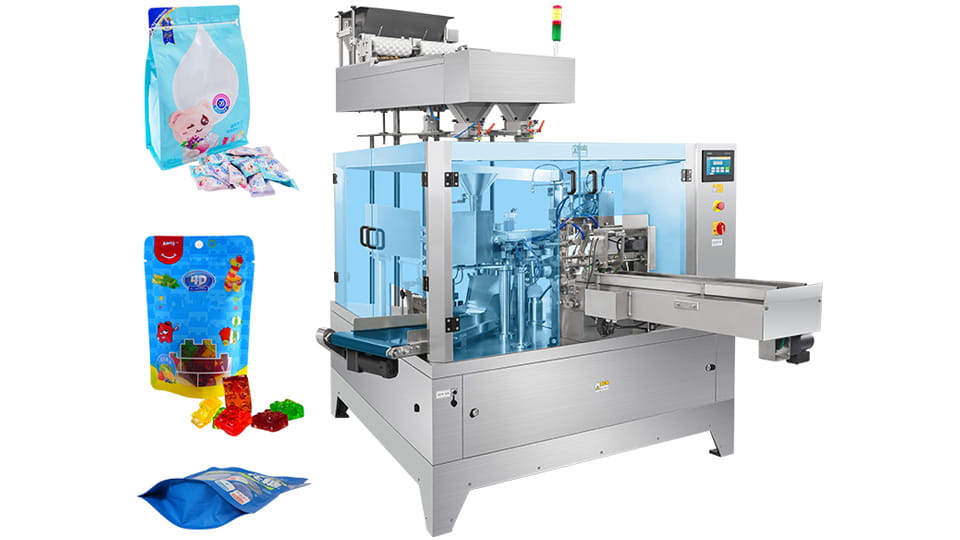
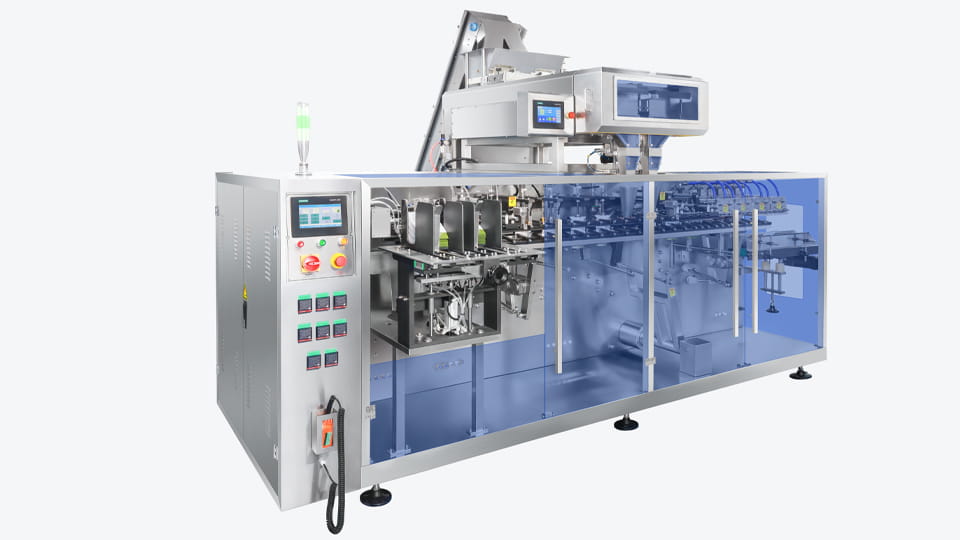
Pro delle macchine prefabbricate: Produttività veloce, aspetto del pacchetto premium, stabile & tenuta coerente. Gestiscono facilmente stili di buste complicati: buste stand-up, doypack, borse con cerniera, buste con beccuccio, ecc. – spesso con accessori come applicatori a beccuccio o scarico del gas. Perché la busta è preformata, vengono eliminati problemi come la tensione della pellicola o la formazione errata, riducendo al minimo gli errori di sigillatura. Macchine rotative, in particolare, può integrare sistemi come 8-14 stazioni di pesatura a vuoto per un riempimento molto accurato.
Contro: Costo del materiale più elevato (borse preconfezionate vs pellicola), spazio sul pavimento più ampio, e macchinari complessi (il che può significare costi di acquisto più elevati). La macchina deve essere dimensionata per determinate dimensioni delle buste e potrebbe essere necessario un cambio per dimensioni di buste molto diverse. Lo stoccaggio delle buste preconfezionate e la gestione dell'inventario sono considerazioni aggiuntive. Generalmente ideale per tirature di volume medio-alto dove qualità e velocità giustificano i costi.
Tradizionale Macchine VFFS iniziare con un rullino di pellicola, formare un sacchetto, riempilo, e poi sigillarlo. Alcuni sistemi VFFS avanzati sono progettati per gestire le chiusure con cerniera incorporando una stazione di applicazione della cerniera, ma questi sono più specializzati. Il punto chiave è che VFFS forma la borsa al volo, offrendo flessibilità nelle dimensioni della busta e minori sprechi di pellicola.
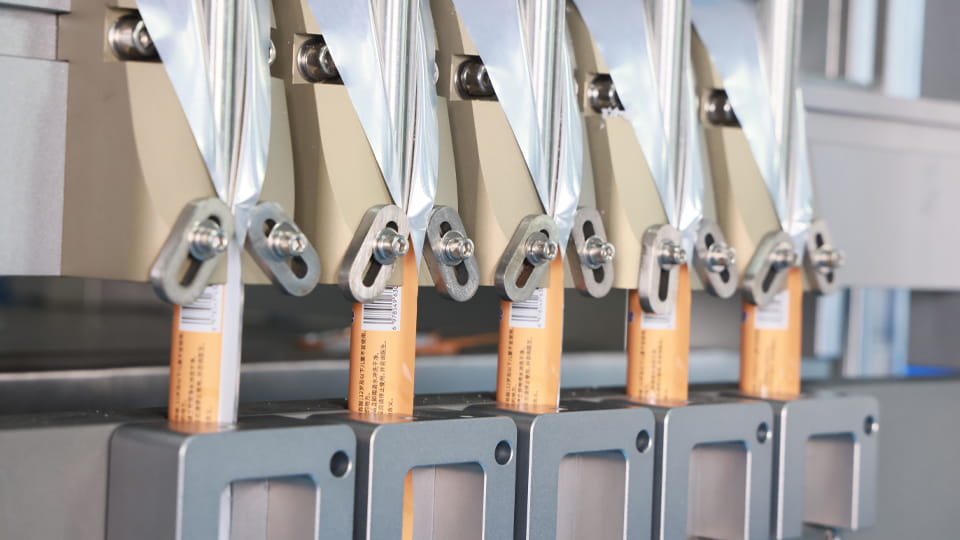
Pro di FFS: Efficienza del materiale molto elevata (scarto minimo), costo del materiale della borsa inferiore, e grande flessibilità (regolazioni rapide per le dimensioni). Queste macchine hanno un ingombro ridotto e possono funzionare 24/7 in modo economicamente vantaggioso.
Contro: Più complesso da regolare (tensione della pellicola, ganasce sigillanti, ecc.), inoltre la sigillatura può essere meno affidabile su prodotti appiccicosi o igroscopici poiché la pellicola si muove. L'applicazione della cerniera può complicare la meccanica. L'aspetto della confezione potrebbe essere più semplice. FFS è adatto a lunghe tirature o a design di buste più semplici; i sistemi prefabbricati mirano a qualità e velocità premium.
Di seguito è riportato un tabella comparativa riassumendo i principali compromessi:
| Caratteristica | Prefabbricato (Custodia con cerniera) Macchina | Vff (Modulo-riempi-sigillo) Macchina |
| Fornitura di borse | Utilizza buste prefabbricate con cerniera/stand-up | Forma al volo buste da pellicola in rotolo |
| Velocità | Alto (per esempio. 30–60+ sacchi/min) per corsia | Alto (variabile, spesso 30–100/min a seconda delle corsie e delle dimensioni) |
| Utilizzo del materiale | Più materiale (prefabbricato, film laminati) | Molto efficiente dal punto di vista dei materiali (materiale in rotoli, meno rottami) |
| Stili di custodia | Ampia gamma: doypack, in piedi, cerniera, becco | Limitato a cuscini o forme base; è necessario il componente aggiuntivo con cerniera |
| Aspetto | Aspetto premium, forma e grafica coerenti | Bene, ma borse più semplici (sigilli piegati/pizzicati) |
| Cambio | Cambio rapido per il formato busta, ma servono borse diverse | Modifiche rapide delle dimensioni nel software, pellicola a portata di mano |
| Spazio | Più grande (include caricatore a marsupio, a filo, scale) | Ingombro ridotto per le operazioni di insacco |
| Costo (capex) | Più alto (attrezzature specializzate + inventario della busta) | Costo della macchina inferiore ma utilizzo di pellicola più elevato |
| Meglio per | Prodotti appiccicosi/delicati, marchi premium, molteplici formati di buste | Tirature di grandi volumi, frequenti cambi di dimensione, sensibile ai costi |
| Accessori | Può includere pesatrici multitesta, riempitivi per beccucci, sistemi gas/vuoto | Tipicamente riempitivi (pesatrice o pompe) e formatori; attacco con cerniera opzionale |
| Esempi | Vitamine in polvere in sacchetti con chiusura a zip, snack proteici, salse in buste con beccuccio | Stick pack, bustine di zucchero, snack sfusi in buste a cuscino |
In pratica, i produttori spesso utilizzano macchine con cerniera preconfezionate per integratori in polvere, snack e salse in cui la presentazione e l'integrità della tenuta sono cruciali, e riservare VFFS a formulazioni più semplici o confezioni monodose più piccole dove il costo è la preoccupazione principale.
Quando si seleziona una macchina confezionatrice per buste con cerniera, concentrati sulle tue esigenze produttive. Ecco i sette fattori più importanti:
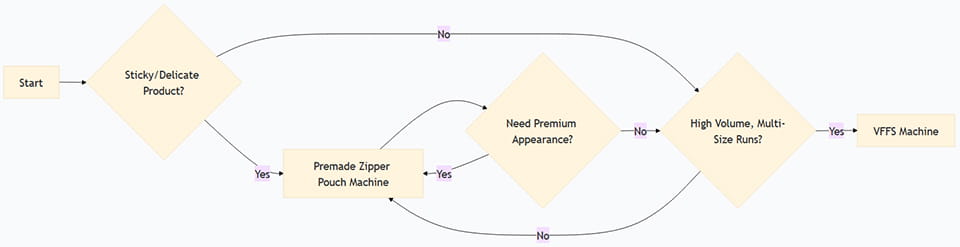
Di seguito è riportato un flusso decisionale esempio per riassumere la logica di selezione:
Settori diversi hanno requisiti e normative distinti. Ecco come le macchine per buste con cerniera in genere si allineano per settore:
Esempio: Un produttore di frutta secca gestisce una linea di buste con cerniera rotante a 5 corsie con una produttività totale di 250 bpm, utilizzando l'allineamento della cerniera guidato dalla visione e un magnete integrato per il rilevamento dei metalli.
Esempio: Un produttore di nutraceutici utilizza una macchina per buste preconfezionate con stazioni CIP integrate e lavaggio con N2 per confezionare polveri vegetali fini in buste con cerniera a prova di bambino.
In ogni caso, discuti il tuo prodotto con il fornitore. Come sottolinea Jinlu Packing, le soluzioni di buste preconfezionate sono spesso scelte dalle aziende alimentari/farmaceutiche che necessitano di una “sigillatura pulita”., presentazione stabile, e la flessibilità necessaria per gestire diversi stili di buste”.
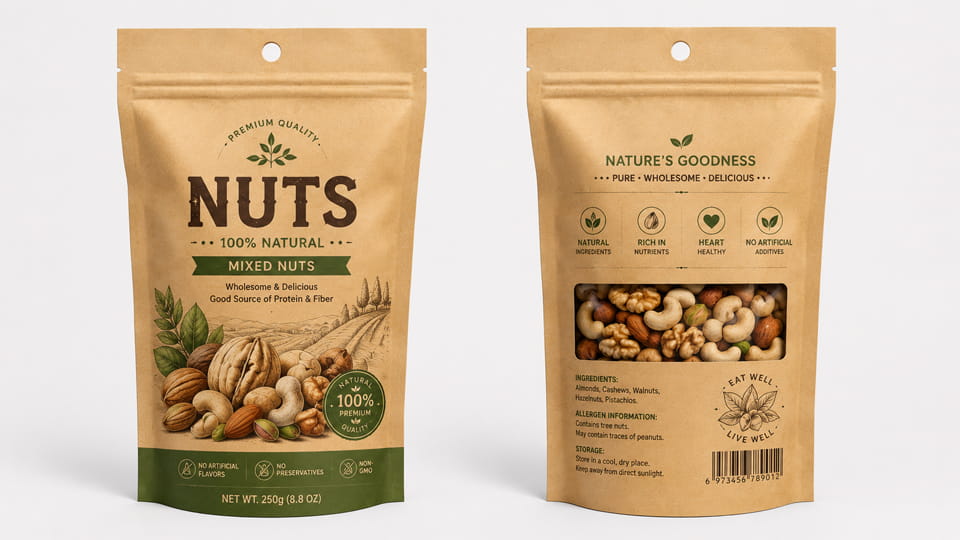
Valutando attentamente ogni fattore ed evitando queste insidie, ti assicurerai un acquisto regolare. Un utile passo finale: redigere una lista di controllo (specifiche del prodotto, capacità, Materiali, budget) e usarlo per confrontare le citazioni. Anche, richiedi prove in loco o dimostrazioni video con il tuo prodotto reale prima di finalizzarlo.
La comodità risigillabile è in forte espansione. I consumatori adorano le buste con cerniera per gli snack, caffè, alimenti per bambini, dolcetti per animali domestici e altro ancora. Le tendenze del mercato mostrano un passaggio costante dal monouso al buste stand-up richiudibili. Questa crescita è guidata dalla sostenibilità (meno rifiuti rispetto ai cartoni), materiali migliorati (film barriera che prolungano la durata di conservazione), e marchio premium (stampa vivace sulle buste).
Le analisi del settore rilevano che le macchine per buste preconfezionate sono sempre più popolari perché offrono flessibilità (“molteplicità di dimensioni e stili di borse”) e facilità d'uso. In particolare, l'aspetto e la sigillatura di qualità rendono le macchine prefabbricate ideali per prodotti di fascia alta. Per esempio, I marchi di caramelle gommose vitaminiche o frullati proteici spesso scelgono le buste stand-up con cerniera pacchetti di bastoncini per segnalare la qualità.
Nelle linee di confezionamento, prefabbricato vs FFS è un dibattito in corso. Il consenso: Utilizzare macchine per sacchetti con cerniera preconfezionate durante la presentazione del prodotto, la movimentazione delicata o i cambi rapidi sono le priorità; utilizzare FFS per la massima resa ed efficienza su prodotti uniformi. I produttori possono persino utilizzare linee ibride (preconfezionato per SKU normali, FFS per promozioni o piccole tirature) per ottenere il meglio da entrambi i mondi.
Complessivamente, si aspettano di vedere più automazione e opzioni ad alta velocità per le macchine per buste con cerniera. Innovazioni come il caricamento completamente robotizzato delle buste, codifica/stampa incorporata, e servizi igienico-sanitari migliorati (soprattutto post-Covid) stanno diventando standard. Se pianifichi una nuova linea o un aggiornamento, prendere in considerazione macchine con caratteristiche a prova di futuro (Connettività IoT, aggiornamenti software, capacità multi-corsia).
La scelta di una macchina confezionatrice per buste con cerniera è un grande passo che incide sulla qualità del prodotto e sull'efficienza produttiva. In sintesi:
Se sei pronto a finalizzare una scelta o desideri semplicemente un parere professionale, contattare Jinlu Imballaggio. Jinlu è un fornitore affidabile di macchine per l'imballaggio farmaceutico e alimentare con sede in Cina (con CE, certificazioni cGMP). Possiamo consigliarti una soluzione personalizzata in base al tipo di custodia, prodotto e capacità. Richiedi un preventivo o una consulenza tecnica per assicurarti di ottenere il giusto sistema di imballaggio per buste con cerniera per la tua linea.
Una vasta gamma. Esempi comuni includono cibi secchi (spuntini, noci, caffè, spezie), polveri (proteine in polvere, granuli farmaceutici), liquidi e semiliquidi (salse in buste con beccuccio), alimenti per animali domestici, detergenti, e altro. Essenzialmente qualsiasi prodotto solido o in polvere che beneficia di una busta richiudibile può essere gestito da una macchina per buste con cerniera.
Una macchina per sacchetti prefabbricata utilizza sacchetti con cerniera preformati, quindi omette la fase di formazione del film. Ciò garantisce una migliore stabilità della sigillatura e un migliore aspetto della confezione. Una macchina VFFS forma ciascun sacchetto dal film in rotolo prima del riempimento, il che è ottimo per ridurre al minimo gli sprechi e durare a lungo, produzioni uniformi. Insomma, le macchine prefabbricate eccellono per l'imballaggio e la flessibilità premium, mentre VFFS eccelle in termini di efficienza dei costi per grandi tirature.
SÌ. La maggior parte delle macchine per buste con cerniera può essere configurata con diversi moduli di riempimento. Le polveri utilizzano riempitrici a coclea o pesatrici; i granuli/snack utilizzano pesatrici multitesta; liquidi o prodotti viscosi utilizzano pompe a pistoni o ugelli spruzzatori. Alcune linee supportano il riempimento misto su un'unica macchina aggiungendo una seconda riempitrice. Assicurati che la macchina che scegli abbia le riempitrici giuste per i tuoi tipi di prodotto.
Le velocità tipiche sono nell'intervallo di 30 A 70 sacchetti al minuto (per corsia macchina). I sistemi rotanti di fascia alta possono raggiungere fino a circa 60 sacchi/min, e le configurazioni multi-corsia moltiplicano tale throughput. La velocità esatta dipende dalle dimensioni della busta, sistema di riempimento, e complessità della borsa. Quando si cita, i fornitori di solito specificano un intervallo; chiarire sempre se la velocità indicata è teorica o testata con il proprio prodotto.
I costi variano ampiamente in base al livello di automazione, velocità, e opzioni. Le piccole buste semiautomatiche partono da poche migliaia di dollari, mentre i grandi sistemi rotanti con bilancia, codificatori, e il flusso di gas può essere decine o addirittura centinaia di migliaia. Piuttosto che solo il prezzo, considerare il ROI: le macchine spesso si ripagano in 6-18 mesi grazie al risparmio di manodopera e a una maggiore produttività. Richiedi preventivi completi, compresa la spedizione, installazione, formazione e supporto per un confronto diretto.
Dipende dal volume di produzione e dal costo della manodopera, ma molte aziende recuperano l’investimento entro 6-18 mesi. I risparmi principali derivano da velocità di confezionamento più elevate, pesi di riempimento coerenti, riduzione degli sprechi, e riduzione del lavoro. Assicurati di calcolare i risparmi derivanti dalla riduzione degli omaggi (migliore precisione di riempimento) e una migliore qualità (meno rifiuti).
Proprio le buste e la preparazione giuste. Fornisci borse con cerniera prefabbricate di alta qualità da un convertitore affidabile (garantire l'integrità della cerniera e la resistenza della pellicola). Tenere un inventario delle buste delle dimensioni adatte alla macchina. Preparare anche l'aria compressa (≥0,6MPa) per parti pneumatiche, e un'alimentazione stabile. Alcune linee necessitano anche di una pompa per vuoto o di una fonte di azoto se si utilizza il trasferimento o il lavaggio del fluido. Altrimenti, la configurazione è simile a quella di qualsiasi macchina confezionatrice (livellamento, allineamento del telaio, controlli di sicurezza).
Riferimenti:
1.Confezione & Sostanze a contatto con gli alimenti (FCS) -- NOI. Amministrazione degli alimenti e dei farmaci
2.2025 Tendenze globali del packaging —— PMMI
3.Metodo di prova standard per determinare l'integrità dei sigilli per imballaggi flessibili mediante ispezione visiva ——ScienceDirect
4.I fornitori di imballaggi e i beni di largo consumo utilizzano sempre più gli imballaggi flessibili —— PackagingDive
5.Il futuro dell'imballaggio flessibile: Tendenze, Benefici & Innovazioni ——PackagingDigest